2025 Solar & Battery Storage Reach Milestone⚡Statistics Australia
Posted 2 Feb

Posted 2 Feb
Want the latest in energy, solar, and savings?Subscribe to our newsletter – we don’t spam!
2025 was a crazy year for the renewable industry with elements like the federal battery subsidy going live, and rapid adoption of both solar and battery Australia-wide.
The Australian Energy Market Operator (AEMO) have released their Q4
2025 report,
which helps give us insight into the nation’s electricity usage, as well as data on Australia’s transition to renewable energy through means
like solar.
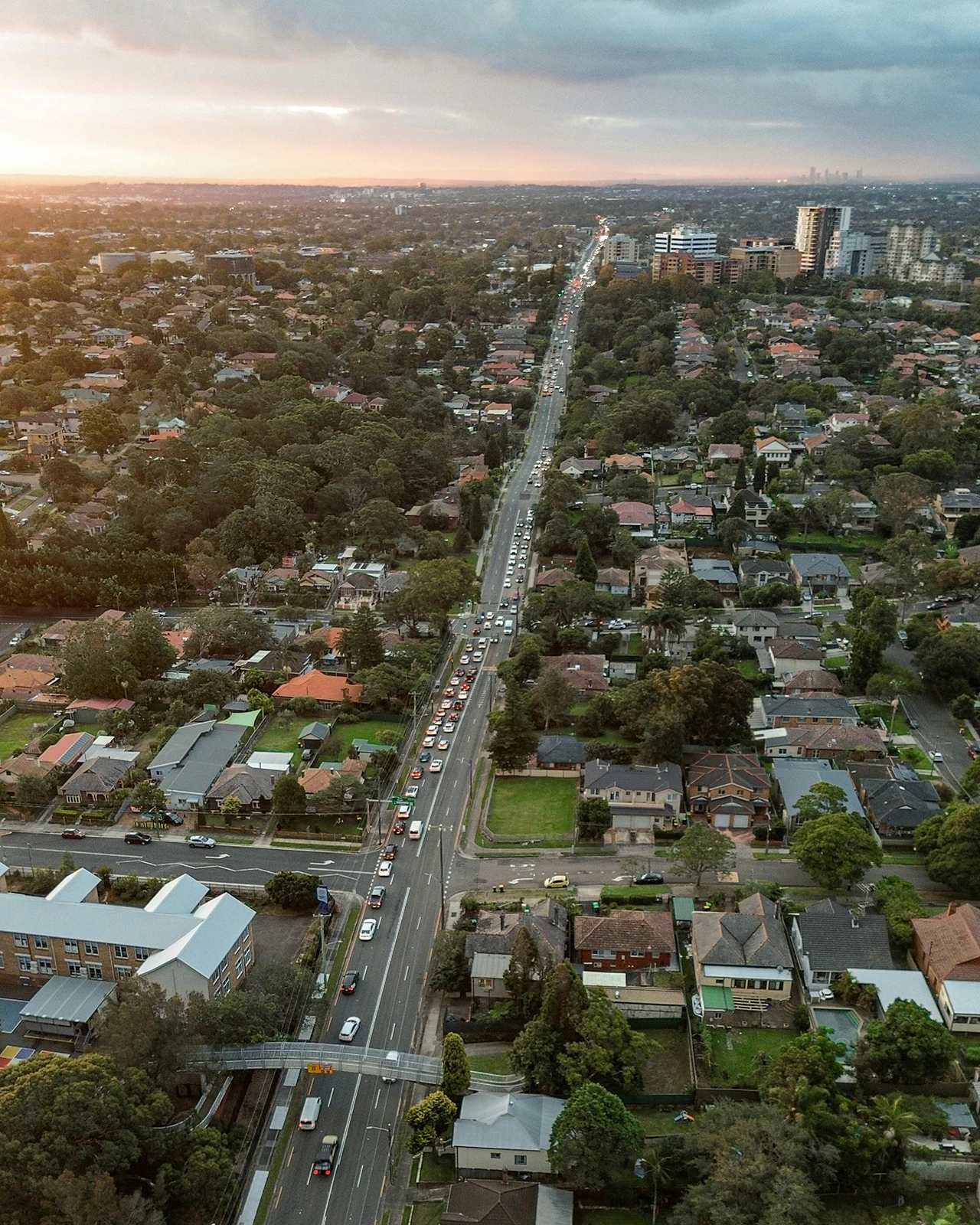
According to the report, Australia saw a new Q4 record of 24,271 MW of underlying demand, up 2.2% from Q4 2024. This was due to the warmer temperatures in the northern states and coolers temperatures in the southern ones.
Despite high underlying demand, during sunny conditions throughout October with solar generating, the NEMs nation-wide operational demand hit an all-time low at 9,666MW which was down 4% from the previous low point. Individual states also saw lowered minimal demand with QLD seeing a new Q4 record at 2,992 MW.
Over Christmas, Victoria, South Australia, and NSW also recorded new all-time lows, being 1,287MW, -263MW, and 2484MW respectively.
The NEM’s total average was 25,064MW (+3.1%), with renewables contributing the majority of the quarterly energy mix for the first time reaching 51% of overall supply – up by 46% since Q4 2024 (including battery storage).
What does this mean? This means that Australia’s energy is changing quickly, and grids are having to adapt to renewable initiatives. Even though consumption climbed, the growing dominance of solar continues to meet a significant portion of Australia’s energy demand.
Recent update as of 4/2/2026
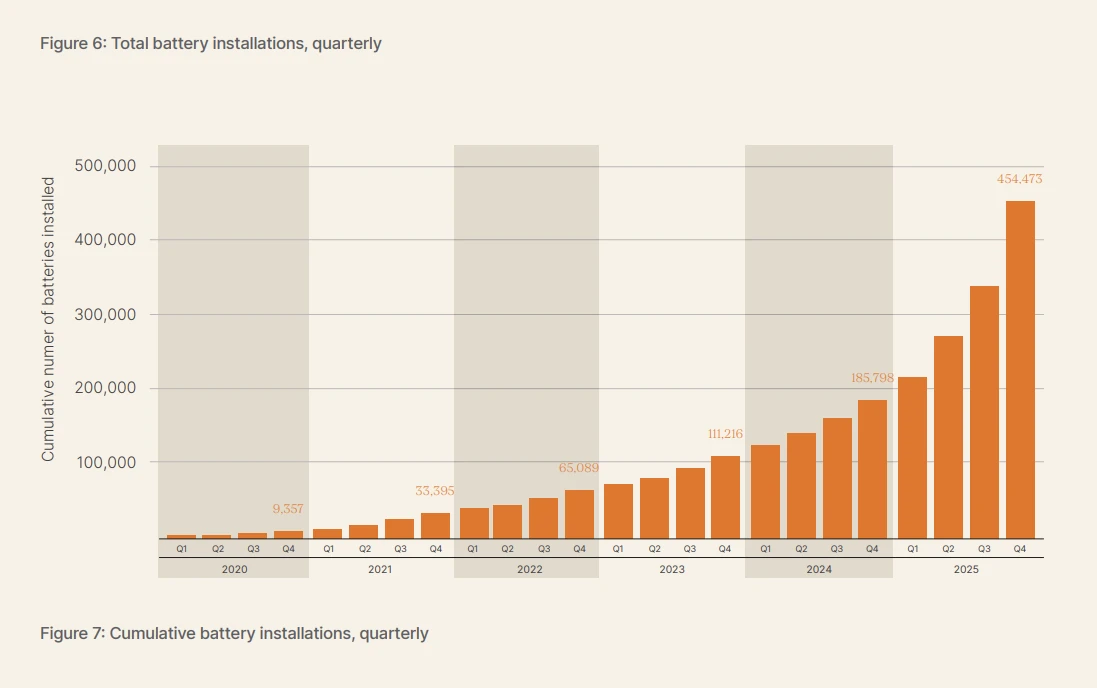
Courtesy of the Clean Energy Council's Rooftop Solar and Storage Biannual Report - July-December 2025
Even though total demand increased by 2.2%, distributed solar reached an all-time quarterly high of 4,407 MW of output, 8.7% higher than the previous record, which resulted in operational demand only increasing slightly by 0.9% to 19,864 MW.
During a half-hour period, total distributed solar generation powered 61% of the NEM’s total underlying demand, displaying how renewable’s growth is further reducing the NEMs minimal operational demand.
Variable renewable energy (VRE) output also reached a 23% increase from Q4 2024, with a new average output record of 6,627MW. The 23% increase consisted of a 29% rise in wind output, as well as a 15% increase in grid-scale solar.
NSW Solar Statistics 2025: NSW saw both a slight increase of 41MW (0.5%) in underlying demand, and a distributed solar generation record surge of 1,513MW, 12% higher than Q4 2024. This contributed to NSW’s new 6,875MW Q4 low in operational demand (-1.7%).
These results highlight that at its peak, solar can contribute the majority of energy in the NEM, solidifying its core role in the energy mix instead of just an additional source. The combination of greater demand with record solar output like we see in NSW only highlights the necessity for grid flexibility as renewables continue to accelerate.
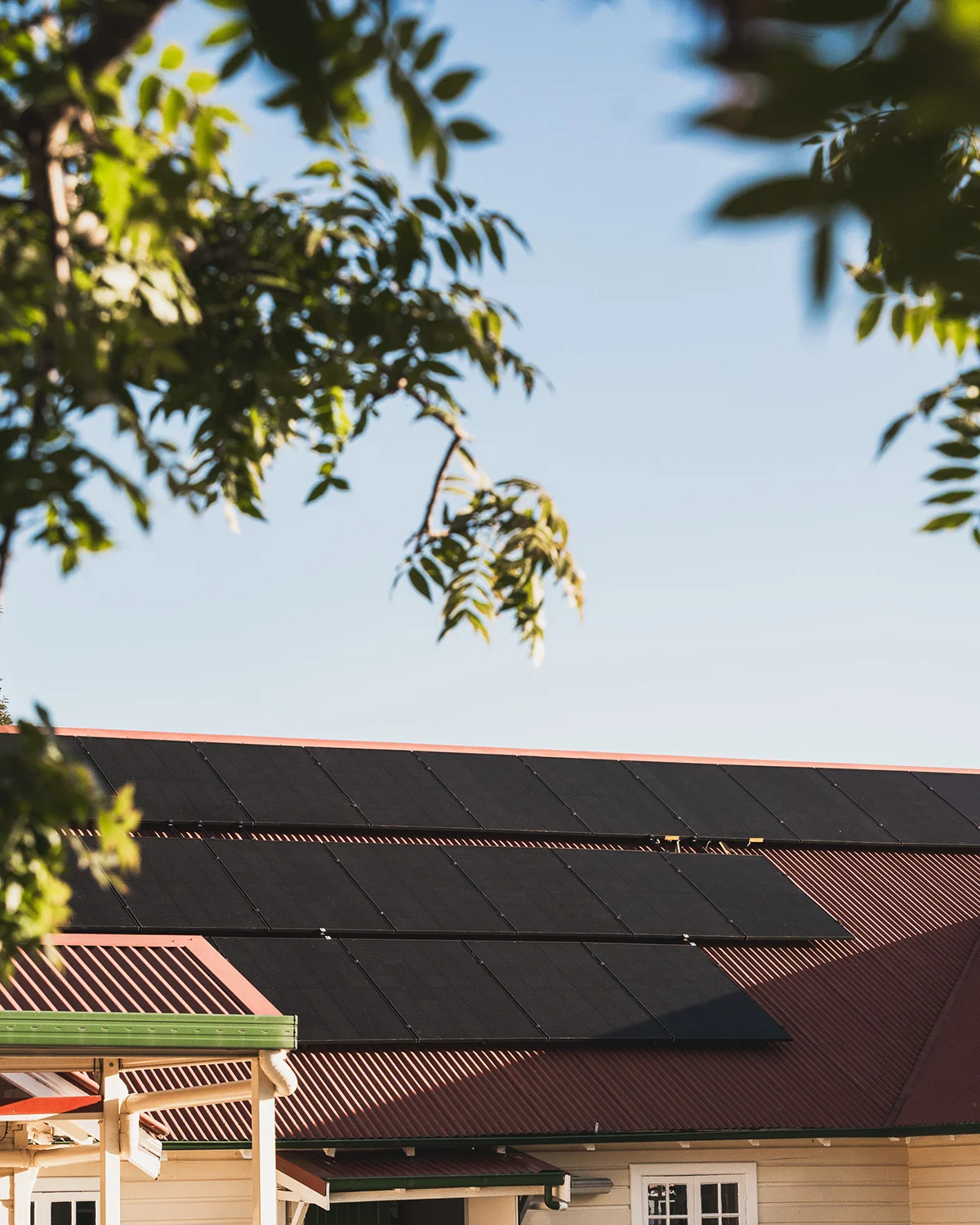
In states like NSW and QLD, we’re seeing how rooftop PV generation is offsetting increasing daytime consumption demand, pushing operational
demand lower than ever.
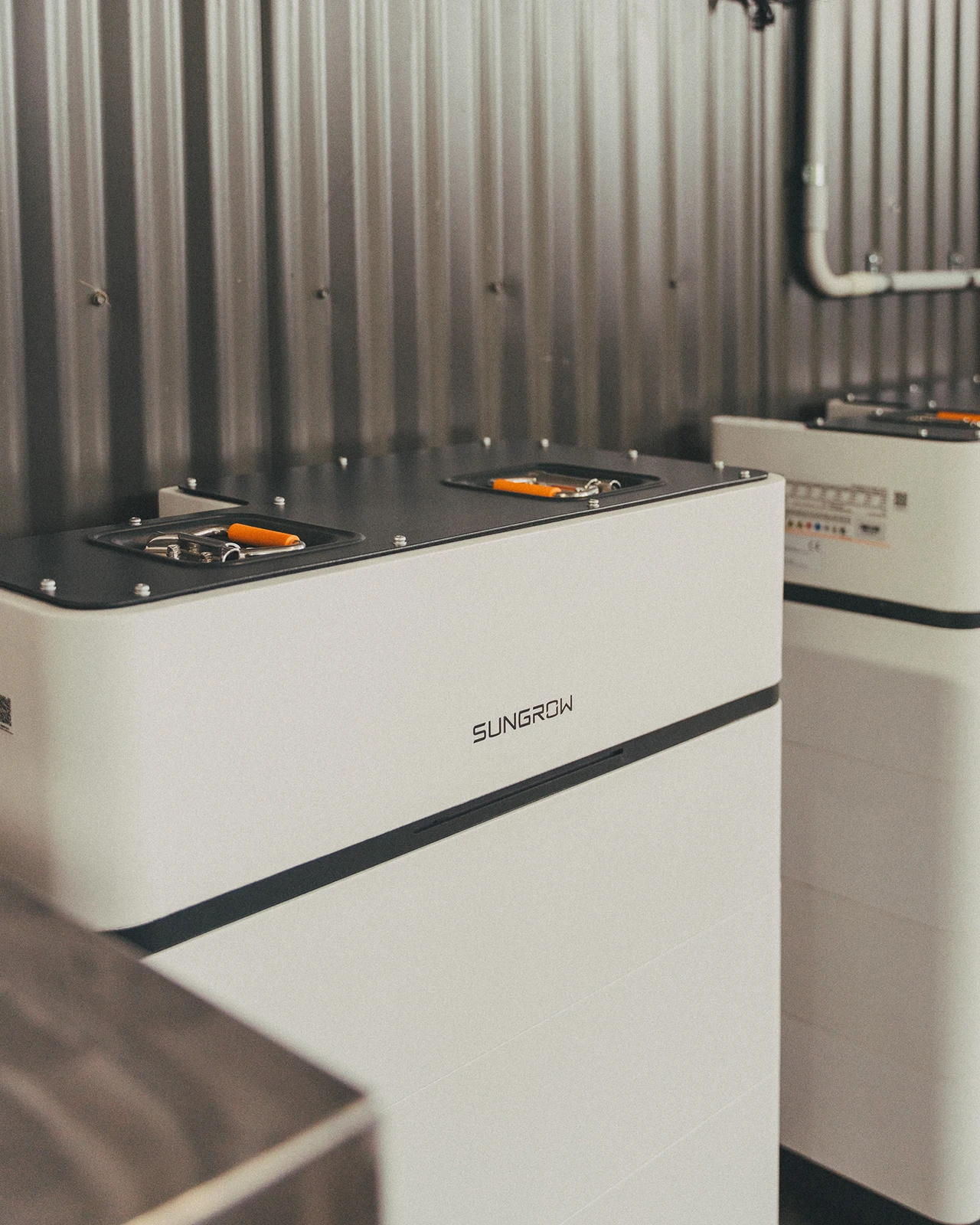
Especially with the federal battery subsidy in Australia, installations of solar and energy storage continued to grow. The number of battery storage installations also passed 145,000, totalling 3,398 MWh of energy capacity which has also contributed to the renewables’ results.
Since Q4 2024, even though there were major battery supply shortages, battery storage contribution almost tripled to an average of 268 MW with 8,602MWh of large-scale battery capacity (3,796MW) being installed since.
As installations continue to grow and large-scale batteries contribute to Australia’s energy mix, storage shifts from a ‘solar add-on’ and plays a larger role in not only maximising the solar energy we generate, but also in grid stability and peak management.
Read our Q2 2025 Article - highlighting 56,000 batteries sold in the first half of 2025
With both black and brown coal generation falling to all-time quarterly lows, coal-fired generation reached 11,544MW which was down 4.6% from 2024’s Q4. Gas-fired generation also logged its lowest Q4 performance since 2000.
The total fossil fuel generation supply dropped from 54% in Q4 2024 to 49% in Q4 2025.
Wholesale electricity prices across the National Electricity Market (NEM) fell sharply in Q4 2025, averaging $50 per MWh, a 44% drop from Q4 in 2024, and a 43% from Q4 2023.
Each state saw its own reductions in whole electricity prices, with New South Wales prices falling to $75/MWh (down 48% YoY), Queensland down to $58/MWh (55% reduction), Tasmania around $41/MWh (41% decrease), and South Australia and Victoria down to $37/MWh (30% and 18% down from last year respectively).
Reduced wholesale prices were reflected by the increase in wind generation and battery discharge that helps primarily in peak periods. This assisted both gas and hydro in contributing to lower prices.
Analysing this insight into Australia’s energy mix, there’s a pattern of moving towards a strong-renewable and storage future.
Combining distributed and utility solar, wind, and expanding battery capacity is evolving Australia’s energy – daytime peaks are being shaved, and minimum operational demand is dropping to all-time lows.
Focusing on state-wide performance, NSW and QLD both display strong solar generation which is already offsetting electricity demand. We saw recently where NSW’s heatwave was significantly boosted by rooftop solar where generation contributed almost a third of grid demand at 12 GW, and total renewables reached 67% of demand.

The combination of solar reshaping daily consumption, and batteries and wind providing the flexibility required to balance the NEMs supply and demand.
This milestone of majority renewable generation has proven that Australia is entering the new era of energy – where renewables is central and not supplementary.
Is solar still worth it in Australia in 2026? Discover solar panel costs, payback periods, savings and whether adding a battery is worth it for homes.
Read moreLearn about the May 1st Federal battery rebate changes in Australia and what they mean for home battery costs, solar savings, and discounts.
Read moreCompare Tesla Powerwall 3, Sungrow SBR & SBH, GoodWe ESA, Fronius Reserva, and BYD Battery-Box to find the best home battery for Australia.
Read moreRenewable News Articles
We've invested in becoming fully-licenced and qualified installers to ensure Newcastle homes and businesses
get the best systems and installations possible. We want to assist Newcastle's renewable energy revolution with quality systems.
Certified solar system installers near you.
Get CEC-Approved Battery Installations.
Fully-licenced electricians in Newcastle.
Convenient EV charging stations for properties.
Leave a Comment