Take Advantage of the Federal Battery Rebate & Maximise Your Savings Today
Take Advantage of the Federal Battery Rebate & Maximise Your Savings Today
For newcomers, the topic of solar power, panels, and photovoltaics can be a little daunting
to understand. We wanted to create a simple way to explain how solar works and the basics of solar PV energy in Australia - in a simple
way.
Solar Power Explained
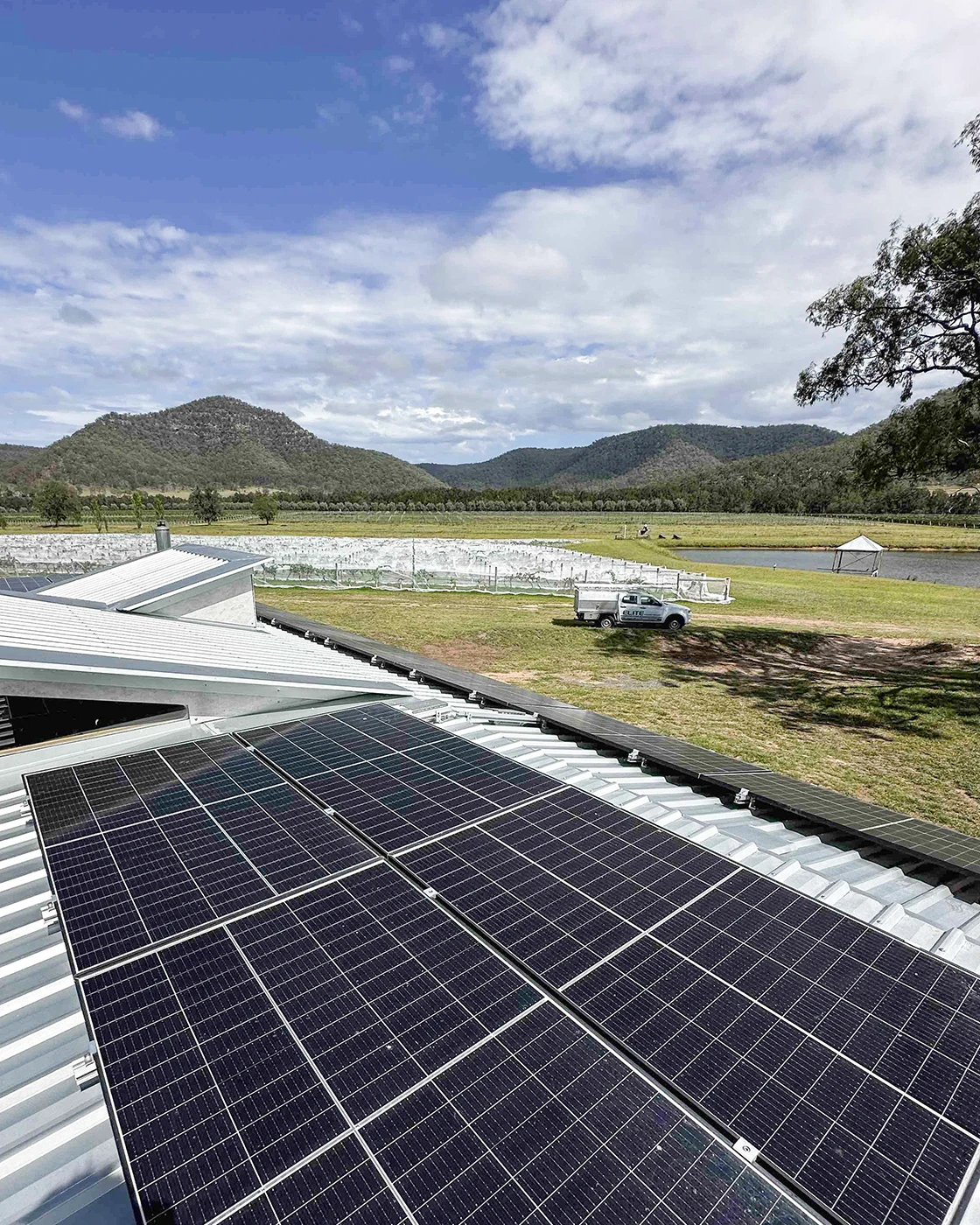
For those who are absolutely brand new to solar power, solar power is what solar panels produce when exposed to the sun. Panels are installed mostly north-facing rooftops to face the sun which generates electricity through something close to magic.
How do solar panels generate electricity? Every solar panel is made up of photovoltaic (PV) cells, which when exposed to light they convert it into direct current (DC) electricity.
Solar panels work best when directly facing the sun, and as Australian homes are located 'down-under' our solar panels are best located on northern-facing roofs.
Why Invest in Solar? Solar is becoming very popular in Australia as both homes and businesses want to generate their own power for extra energy independence.
Depending on when you use most of your power, solar can allow you to offset high-consuming appliances instead of using them during peak hours when grid energy is most expensive.
In the world of solar power, there are abbreviations in almost every aspect of a solar system installation. Explore common solar abbreviations below:
Kilowatts (kW) are used to measure the power or rate of electricity.
Kilowatt-hours (kWh) measure the amount of power over time.
PV is the process of sunlight converting into electricity.
Direct current (DC) is the type of electricity generated by solar.
Alternating current (AC) is the standard electricity type in homes.
Small-scale technology certificates are government rebate values.
A feed-in Tariff is the payment you receive for exporting solar energy.
The National Electricity Market is Australia's electricity network.
A Distribution Network Service Provider manages the energy grid.
A Maximum Power Point Tracker adjusts solar input in the inverter.
A Virtual Power Plant is a network of batteries connected for incentives.
A Current Transformer (CT) is a sensor used to measure current.
Understanding how solar works doesn't need to be complicated. Using the diagram below, you can see that a solar system consists of solar panels and an inverter which connects to your switchboard.
Depending on your system configuration and design, solar systems can also have batteries connected which enables excess storage.
Every house will have a switchboard/meter box, and appliances which consumes power from the grid. Adding a solar system essentially just means you're adding another power source in addition to the grid, except, this one is renewable.

Before we get into the details around how solar power works with diagrams, let's understand the benefits of solar, and why it's worth getting solar in the first place. Solar is a simple way to harness the sun's light to generate free electricity.
With reliable installations and components, turning sunlight into electricity is renewable and doesn't run out. Here are 3 benefits solar brings to the table.
Because sunlight can generate free electricity, this can power your daytime appliances and offset your usage, in return, reducing electricity bills.
With higher reliance on renewable energy, homes and businesses can increase their sustainability as we transition into an eco-friendly future with solar and battery.
Solar energy (especially when paired with a battery) can help properties across Australia reduce their overall grid reliance and increase their independence.
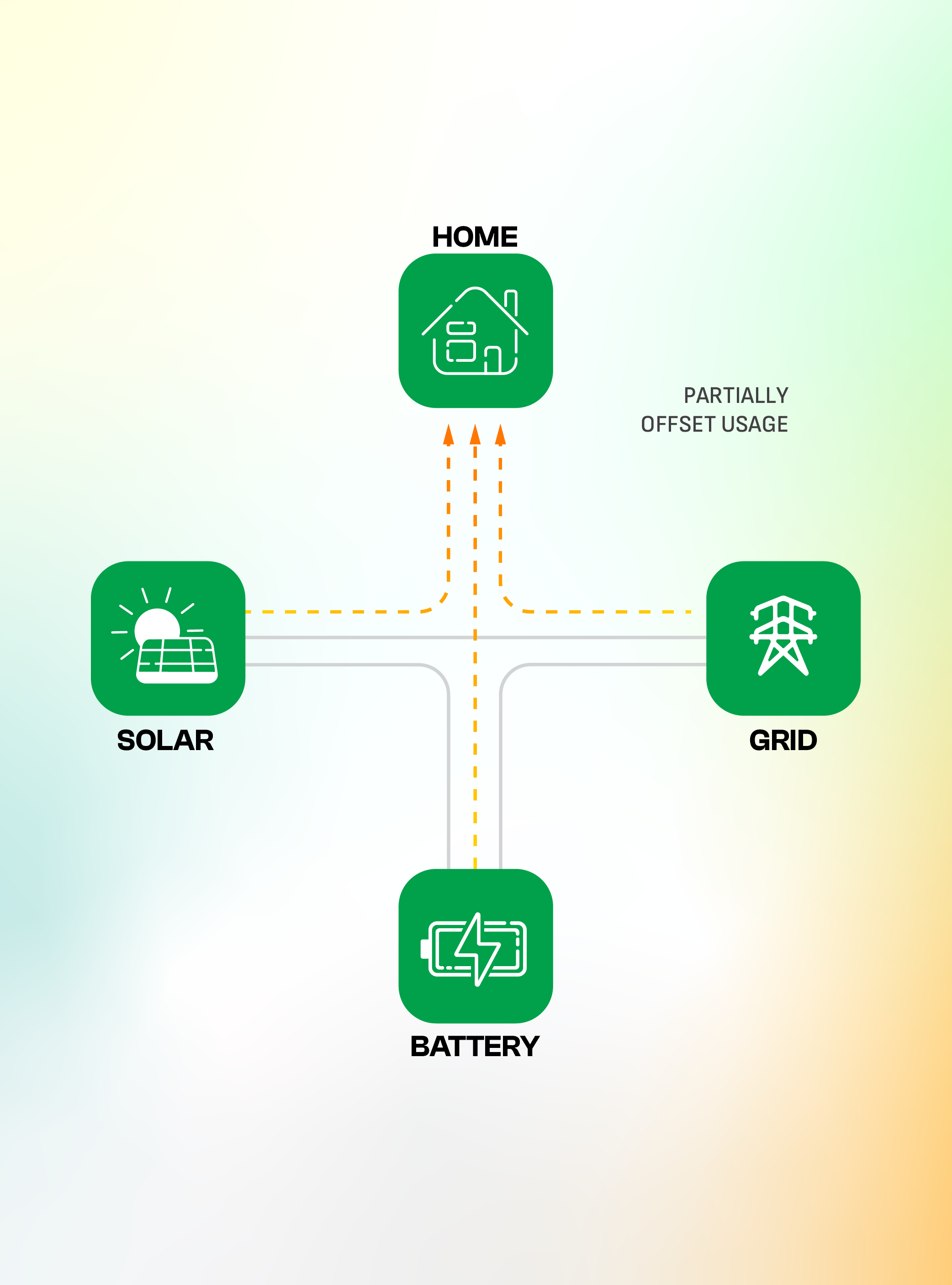

Solar Diagrams Explained
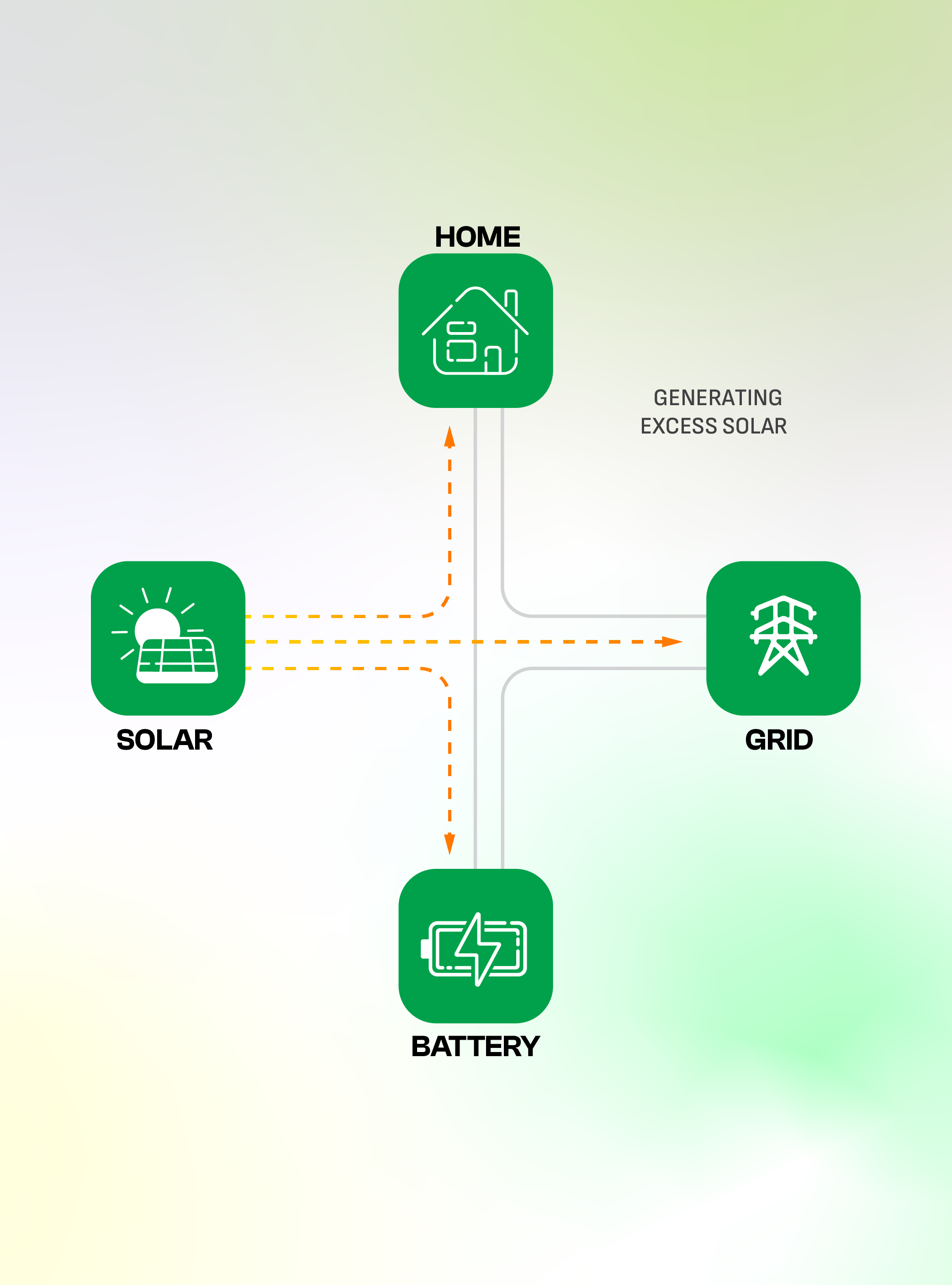
How does generating excess solar work? When there is enough solar power generation to not only charge the battery, but also continue to power your home and export to the grid, depending on your consumption and configuration.
What does Partial Solar Offset Mean? When solar is only generating so much power, the grid has to step in and help provide power to your loads. This is usually the case when it is cloudy etc.
Does Solar Produce at Night? No, because there is no direct sunlight, solar power does not produce during the night. At night, loads are powered directly from grid energy with no full or partial offset of grid energy, unless you have a battery.
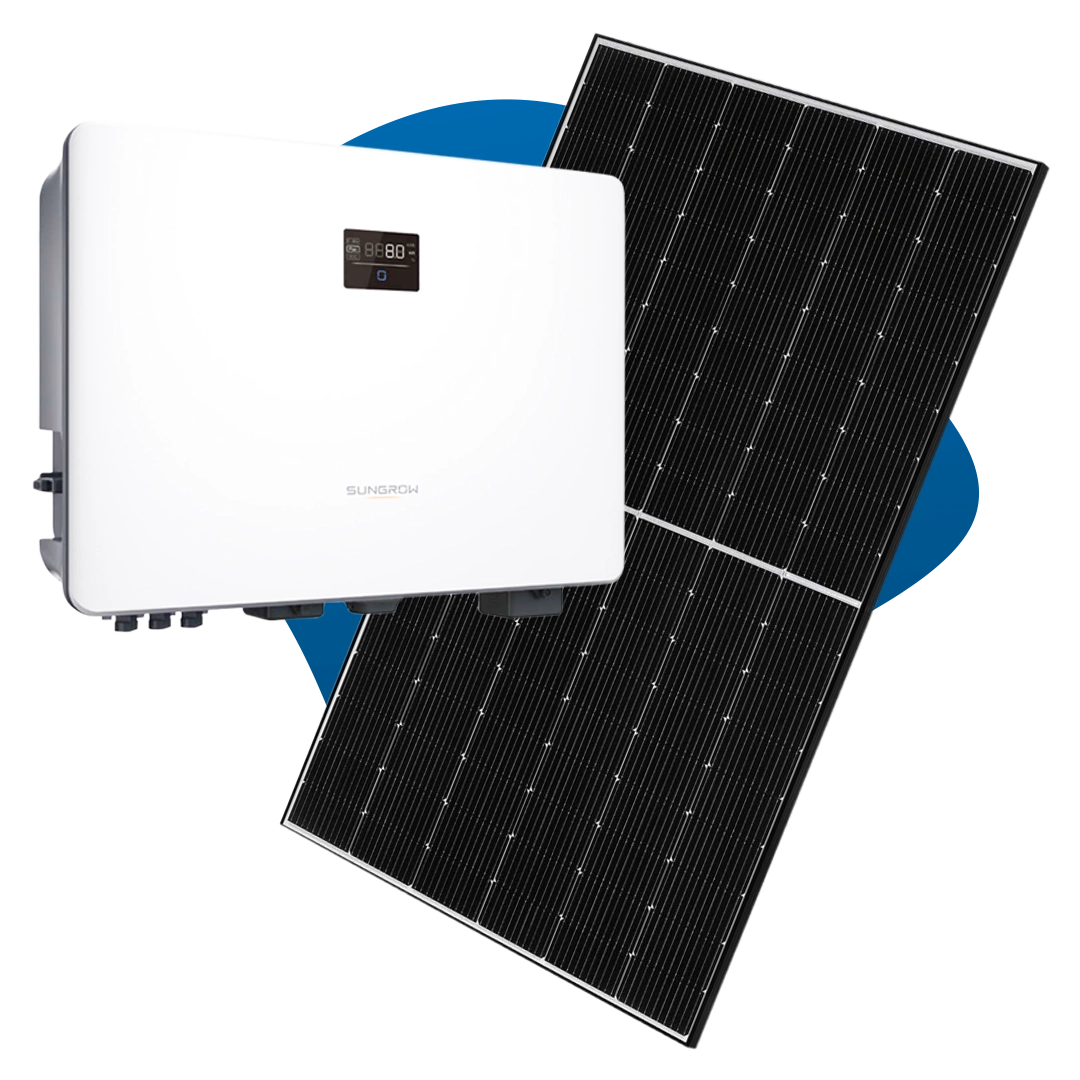
Solar systems generally consist of 3 main components; panels, inverter, and a battery when opted for.
There are other components in a solar system like roof mounts, rail, clamps, brackets, isolators, cable, grounding, isolators,
and smart meters if installed. Systems will vary in configuration and design as every system is different.
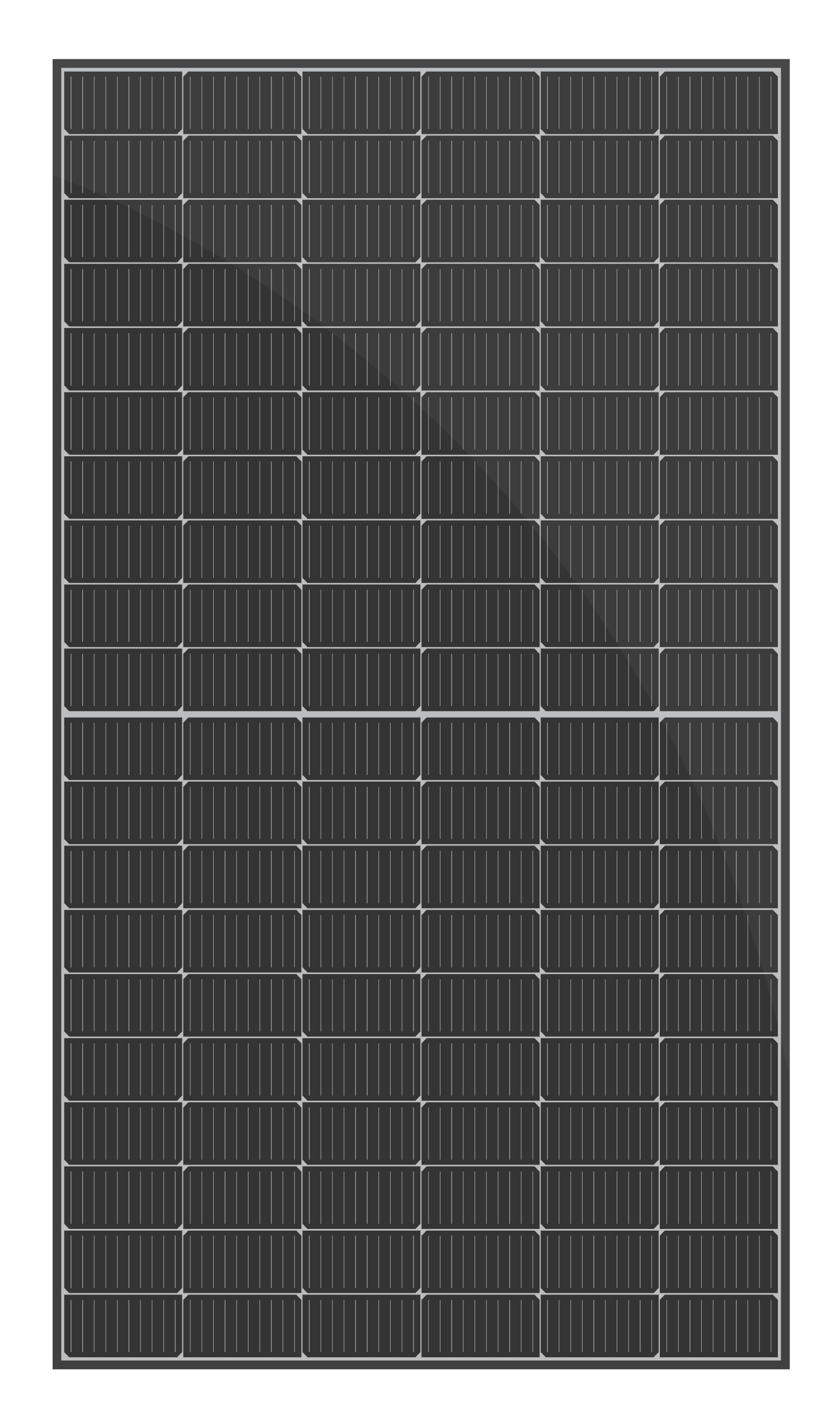
Using solar photovoltaic (PV) panels, they are designed to continue to harness electricity from the sun.
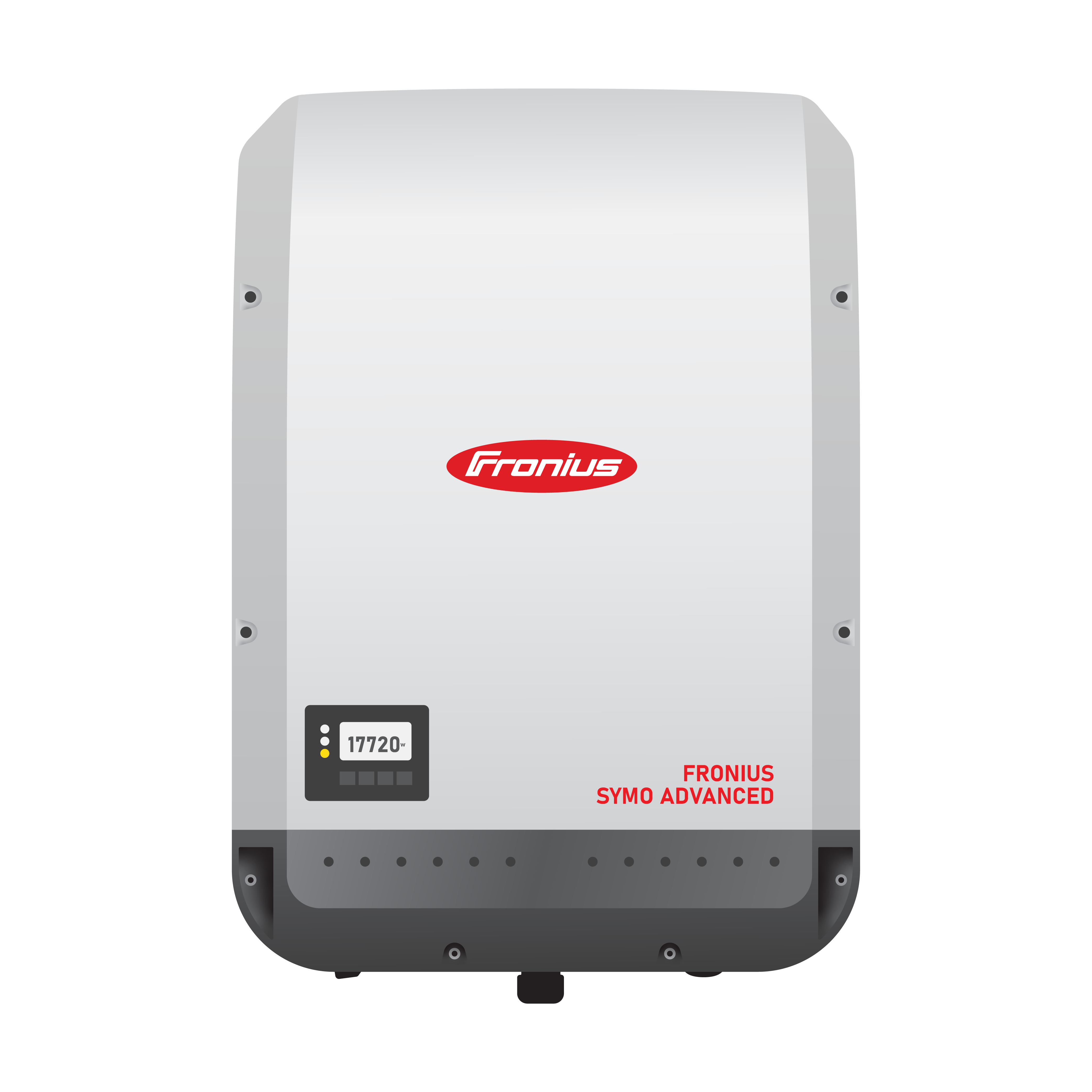
A solar inverter is responsible for converting your DC solar energy to AC energy for your household appliances.
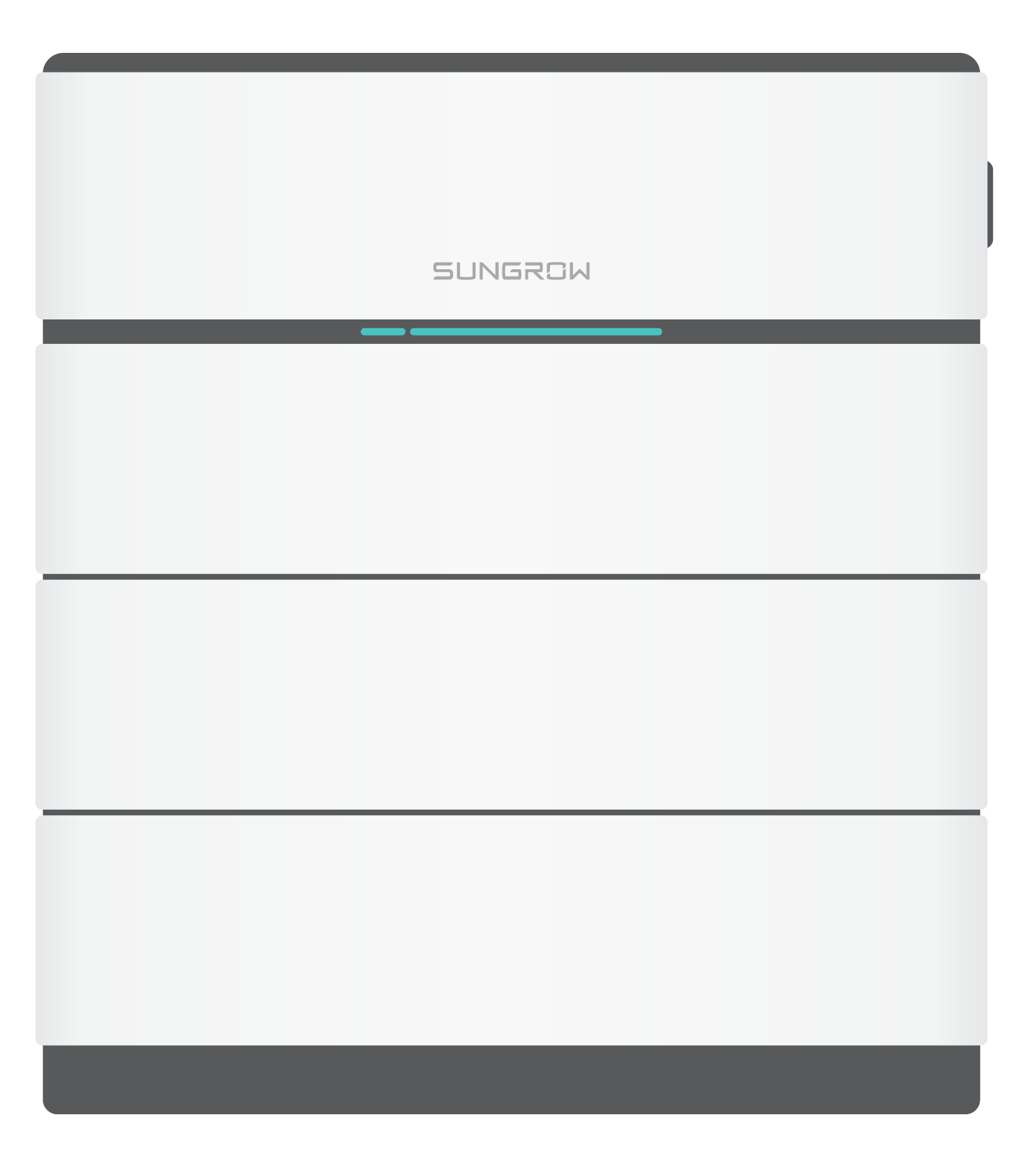
Stores any excess solar generation throughout the day which can be used throughout the night.
In addition to the basic solar panel and inverter components, solar systems actually have quite a few hidden components that you may not know about that help a system stay operational. Here are a few solar components that you'll find in Australian homes:
A very important part of a solar system is the mounting and what holds the panels on the roof.
Without good quality racking and mounting, your system could fly off the roof, causing real headaches.
A smart meter or current transformer (CT) measure how much electricity your household is consuming vs. how much your solar system is producing.
Isolators and switches are some of the most important safety features of a solar system. Without it, the solar system wouldn't be able to be isolated in the case of an emergency or maintenance and plays a big role in keeping everyone safe.
Probably the most obvious but most overlooked component is the solar cabling.
Good quality solar cabling ensures long-term performance and safety for all solar components.
Below are some additional solar articles, designed to help increase knowledge of the solar industry, using simple language and examples.
Explore the difference between solar inverter types like grid-tied, hybrid, microinverters, and off-grid inverters for solar and battery systems in Australia.
Explore the best solar system sizes & how many panels you need, the best Australian solar brands, and cost estimates for 6.6 & 10kW systems.
Is your roof suitable for solar in Newcastle? Learn how terracotta vs. tin roofs, tilt, orientation, condition, and shading can affect generation.
Both residential and commercial solar systems are measured in Kilowatts
(kW),
which is the power a system can produce. You'll see system sizes like 6.6kW, 10kW, and 13kW systems, but what does this mean, and how are solar
system sizes
determined?
Firstly, the amount of kW a solar system depends on the conditions. Depending on sun exposure and other
ideal environments, a system can produce the amount of power that the system is designed for. A 6.6kW solar system will peak at 6.6kW
(6,600W) of power with ideal conditions, and it is one of the most popular system sizes in Australia (at least in NSW).
Because most homes have a limit of 5kW of inverter capacity per-phase (most homes are single-phase), installers opt for 33% more solar power than the inverter is rated for.
With the 33% solar rule, you can add up to 6.6kW of solar panels to a 5kW inverter, which doesn't break any rules or affect solar rebate eligibility. A 6.6kW solar system consists of 15x 440W panels to the 5kW inverter which helps provide more solar output during the morning and afternoon.
The 5kW limit is dependent on the energy provider you are with.
Determining the right solar system size will depend on your unique electricity consumption. Installers are best to talk to, to get an idea of ideal sizes, however reviewing your energy bill can help you identify your overall daily grid consumption.
Most Australian solar systems are designed to balance energy requirements, affordability, and efficiency, using the installation requirements mentioned above including roof suitability, real estate, and sun exposure.
Most homes and businesses are solar-ready with suitable roofs and buildings for small to large-scale solar systems. If you are looking to see if your property is suitable for solar, here are 3 elements to keep in mind.
Depending on your homes age, most homes are pretty-suitable for solar installations of most sizes, ranging from small 3.3kW systems to larger 20kW systems.
Older homes may need additional work to ensure structural integrity with the additional weight of the solar system.
Every household rooftop will vary in sizes and shapes with different facing roof faces.
For those who want a larger system, you'll need to get your solar designer/installer to check if you can fit the required solar system size, or have variations with higher-powered panels.
As mentioned, every house will have varying roof faces which can affect your solar system's generation capacity.
Solar systems are typically installed on the North facing roof to ensure maximum coverage, with some spreading to the east and west faces.
Not only are we specialists in solar power, but we pride ourselves in being leading installers in battery
storage, as well as EV charging for homes and businesses. For solar and battery systems, we offer both on and off-grid solutions for a
range of applications.
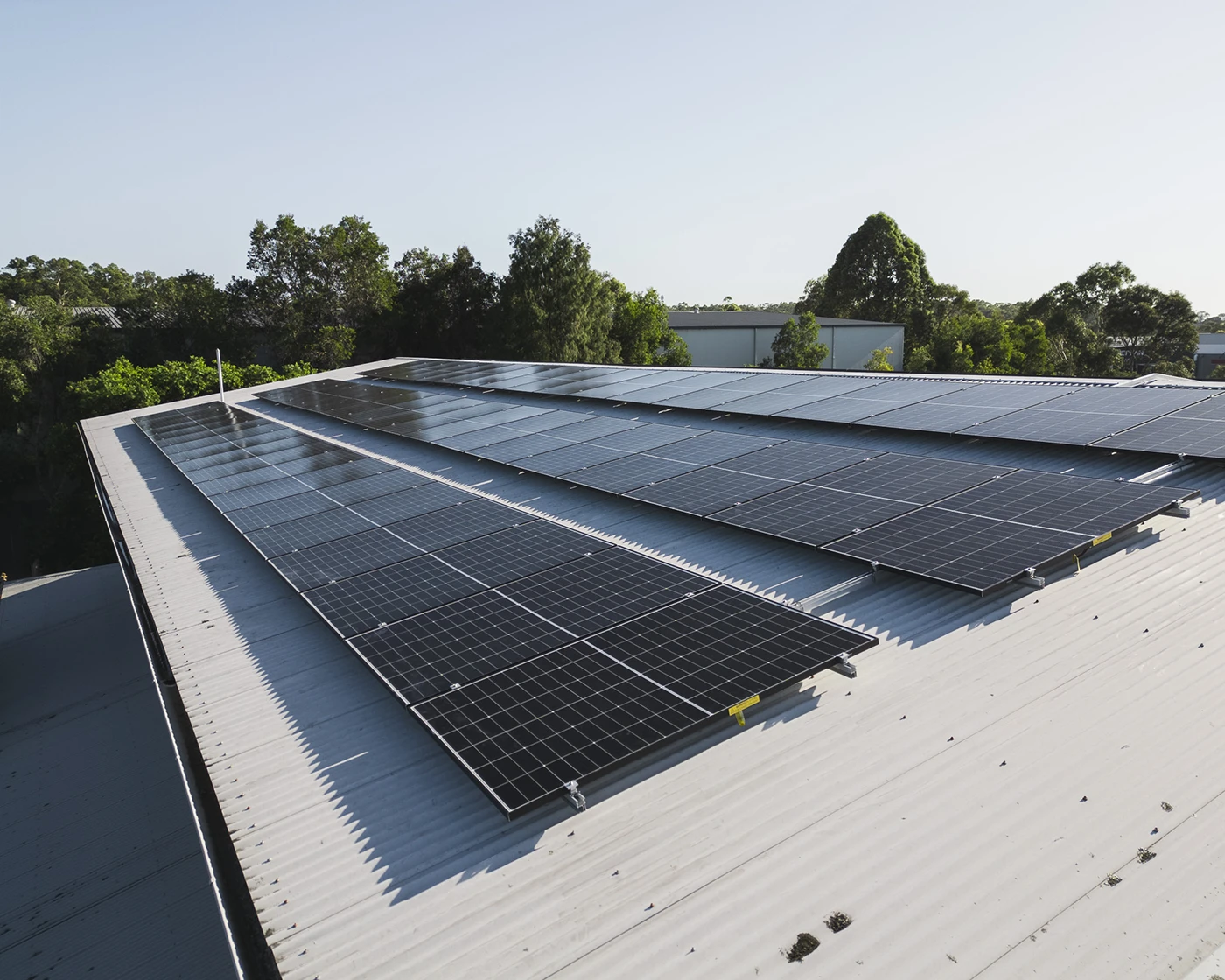
Newcastle's leading solar installers, providing long-lasting residential and commercial rooftop solar systems.
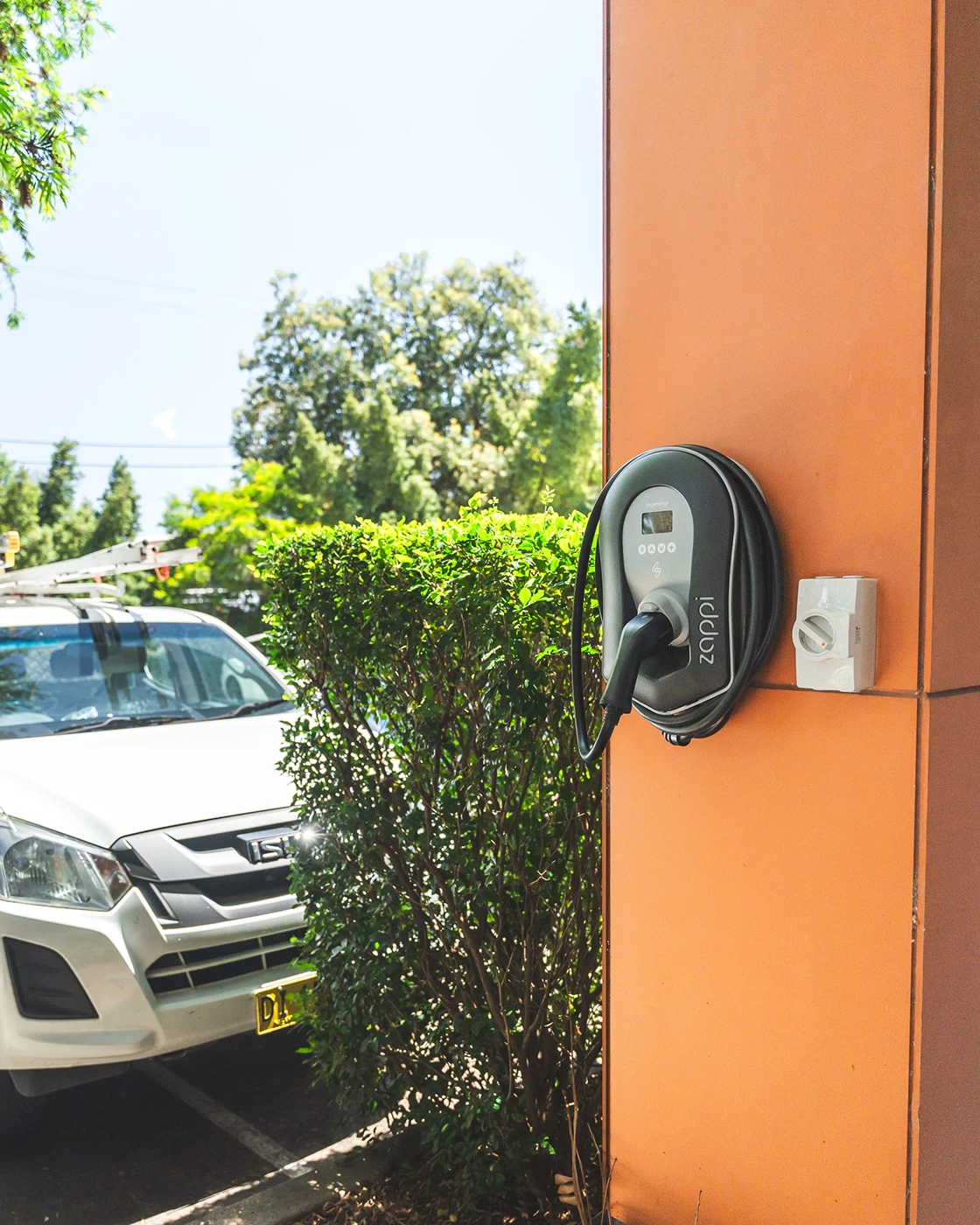
Experts in both residential and commercial electric vehicle charging station installations from 7kW - 360kW+.
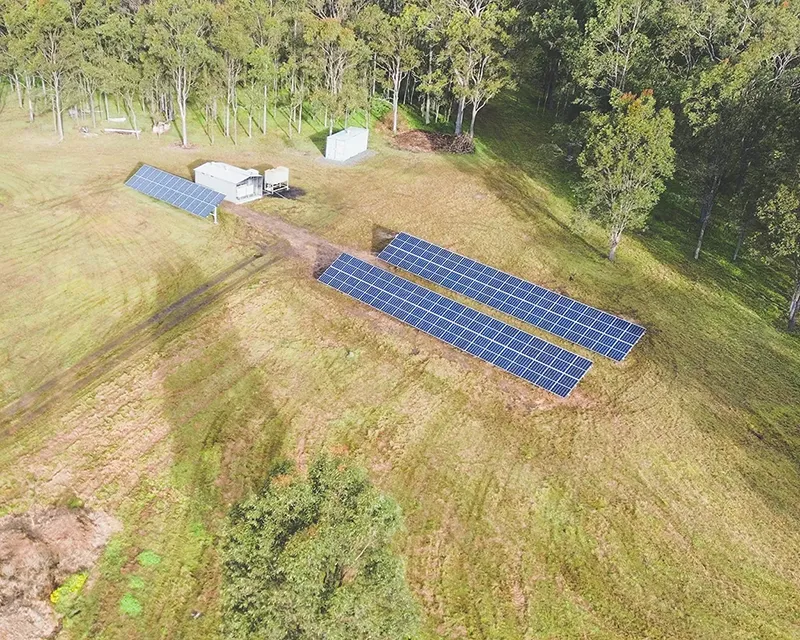
Specialists in off-grid solar and battery, helping properties never have to pay another electricity bill again.
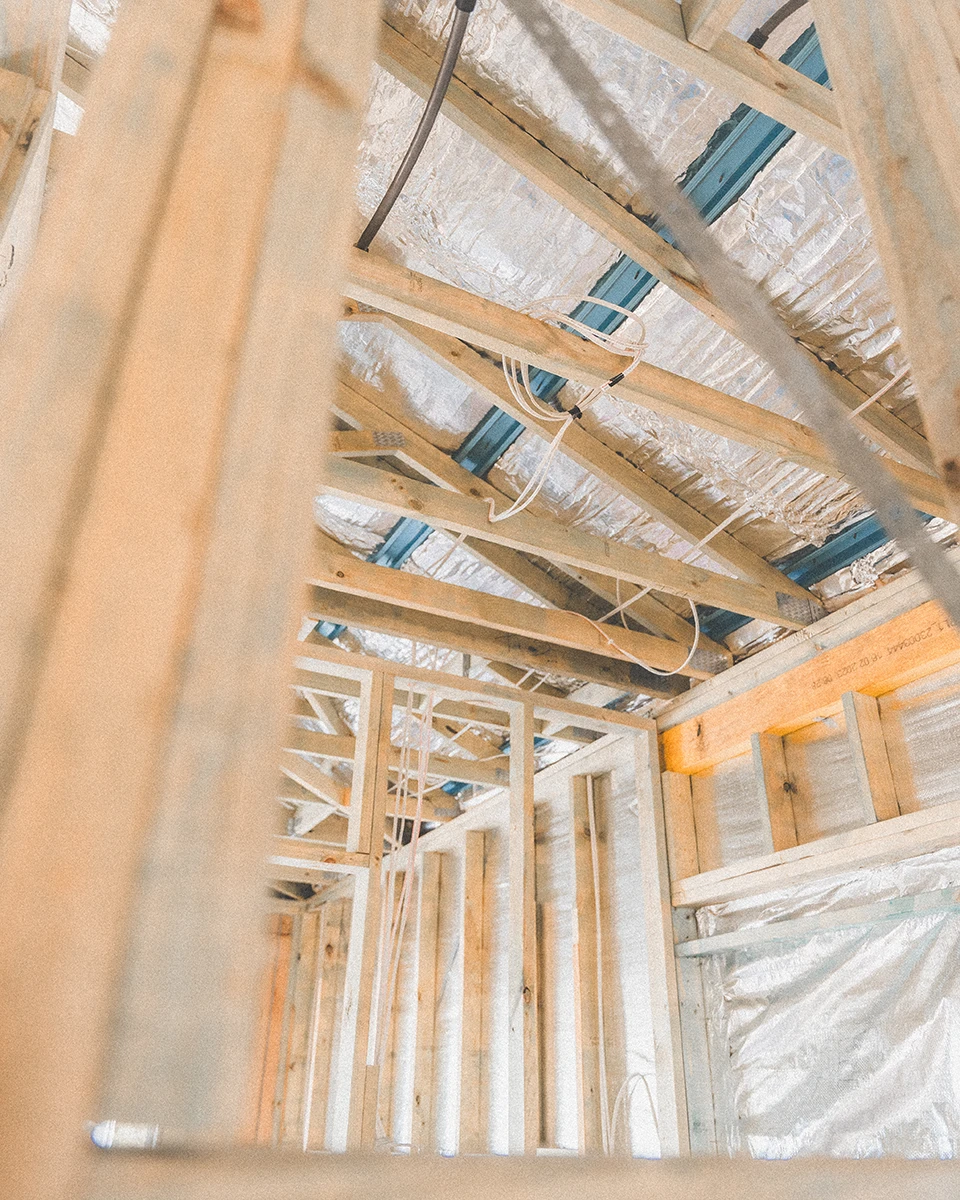
With decades of electrical and industry experience, our fully-qualified & licensed electricians are here to help.
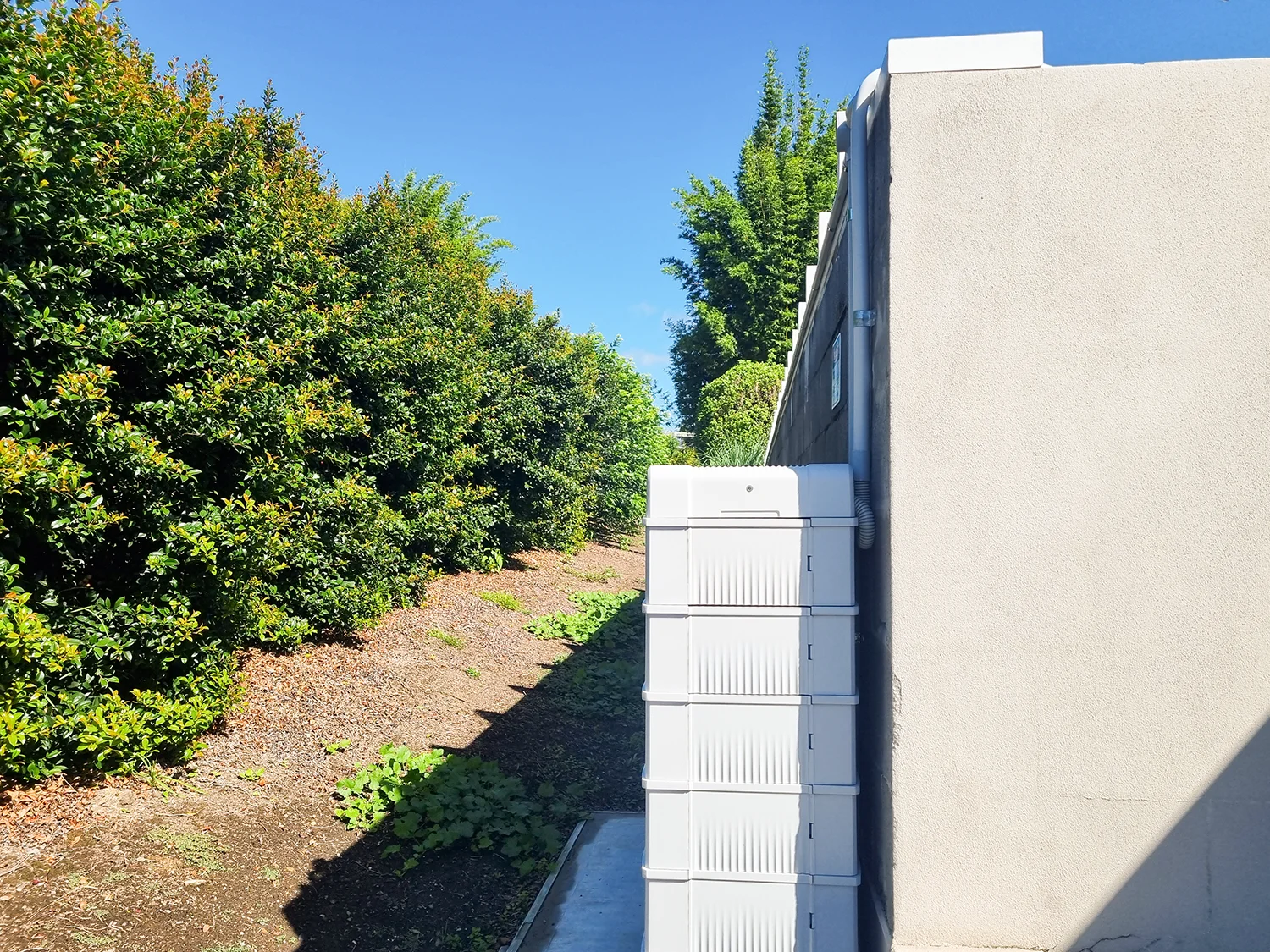
Maximise your solar generation with battery storage from reputable brands to accelerate return-on-investment.