May 1st Battery Rebate Changes: Everything You Need to Know⚡
Posted 3 Mar

Posted 3 Mar
Want the latest in energy, solar, and savings?Subscribe to our newsletter – we don’t spam!
Have you noticed when asking for a quote from your local installer, there are some unordinary delays on when they can deliver your installation?
It’s not just them; it’s the entire industry.
With upcoming changes to the federal battery subsidy, Australians are rushing to get their battery installed before May 1st to get the maximum rebate available. Here's everything you need to know about the upcoming changes, and how the delays may affect your installation.
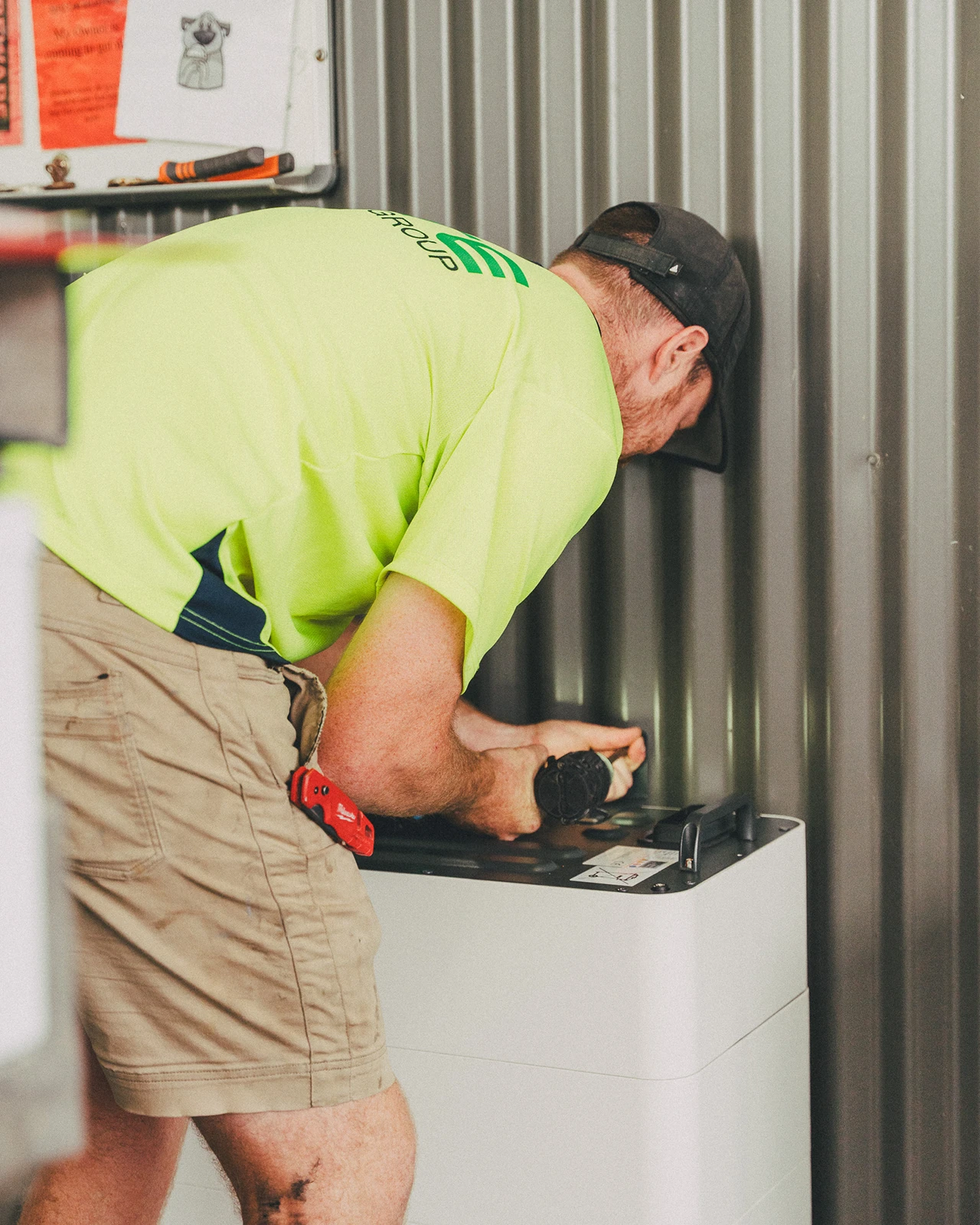
So far, the federal battery subsidy has been wildly successful in bringing affordability to the table when it comes to investing in energy storage. But with upcoming changes in how much customers can save on their installation, many are anxious about missing out on this savings opportunity.
What’s changing about the Cheaper Home Batteries Program? To put simply, the upcoming changes to the Australian battery subsidy are going to reduce the amount you can save on your battery investment.
Firstly, the STC factor will be adjusted to help incentivise more realistic battery sizes for more Australians with STC factors ranging from 100% for 0-14kWh, 60% for 14-28kWh, and 15% for 28-50kWh. (more on this later)
Instead of yearly deductions in STC value, the changes will instead bring the Cheaper Home Batteries program to drop every 6-months. This is designed to better fall in line with the deductions in battery costs over time and help give more Australians access to battery storage.
‘… to ensure the discount remains appropriate for small, medium and larger battery systems.’ – Department of Climate Change, Energy, the Environment and Water.
On the 5th of February, the Federal battery rebate regulatory changes were approved and will come into effect on May 1st, 2026.
Since the release of the Australian federal solar battery subsidy (the Cheaper Home Batteries program), there has been constantly increasing demand from Australians wanting to install batteries for their homes and maximise their savings and the incentive.
Towards the end of last year going into 2026, high demand was accompanied by supply issues in various battery brands and models which caused significant worldwide delays. Since then, supply of batteries has increased again which has enabled a massive uptake of battery storage units all over Australia.
However, as the rebate alteration deadline fast-approaches, the industry faces another issue. With such a strong uptake of battery demand, local battery installers are most likely to struggle to keep up and fit everyone in before the May cut off.
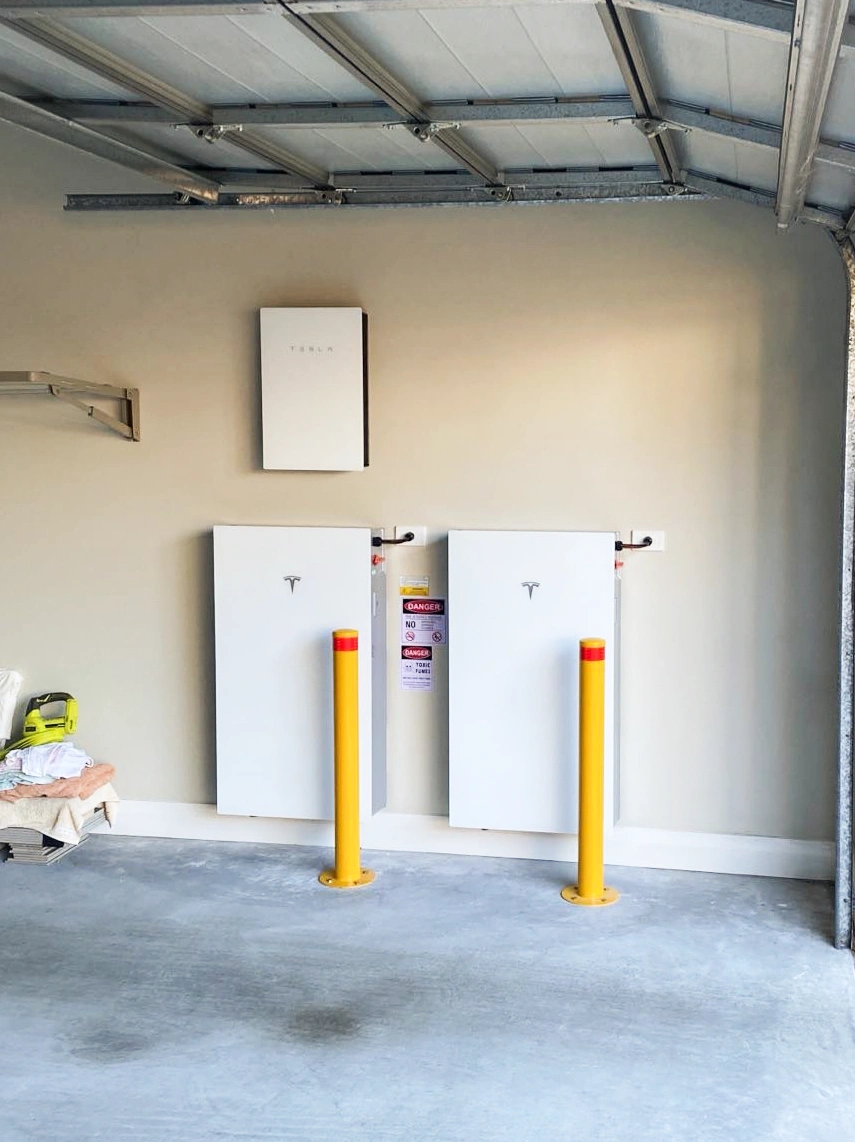
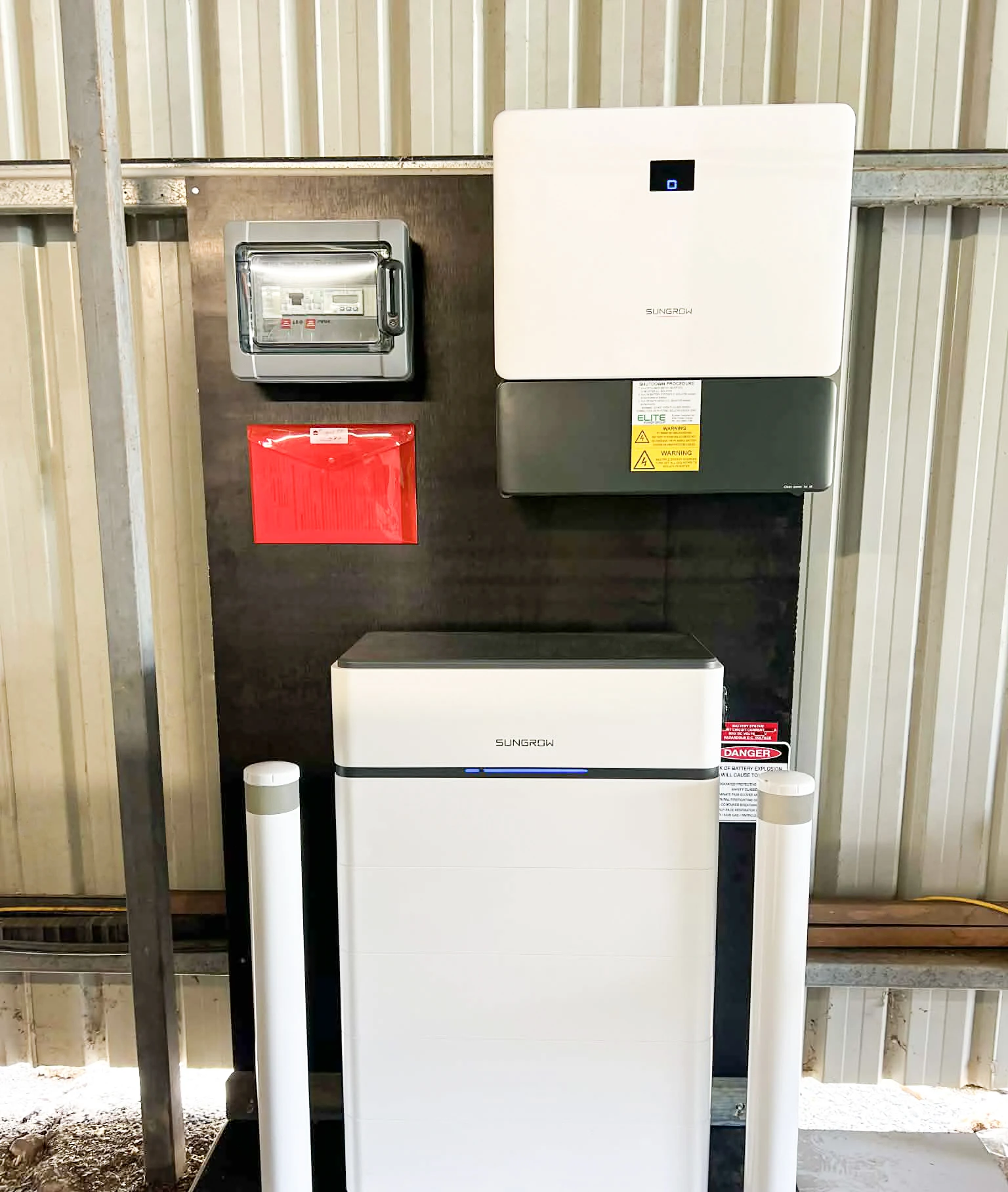
Assisted by clever, high-urgency marketing and a low awareness of what’s actually changing about the scheme, customers who want battery storage are now scrambling to get in before rebates drop in price.
Even though most think it will be a dramatic reduction in value, it may not be as much as you think initially. Because of the urgency, installers all over the Newcastle and Hunter region have booked out their calendars to and past May.
How much is the federal battery rebate in 2026? If you compare the same 20kWh battery both installed now and after, you'd be able to get $5,145 off now, but you'd also be able to get $4,165 after May 1. That's a difference of $980.
How much can you save on Tesla Powerwall 3? Using Tesla Powerwall 3 as an example, claiming the federal battery subsidy
from January to April will give you a $3,955 discount, and if it’s post-May 1, a $3,185 discount. Whilst the $770 difference could be
worth it for some, getting your battery installation after May still provides some valuable discounts of energy storage which would
stay the same until the end of December.
This means that not everything is lost if you run out of time before May 1st hits, where you will only lose a portion of the
savings.
Discover the best home battery for you here.
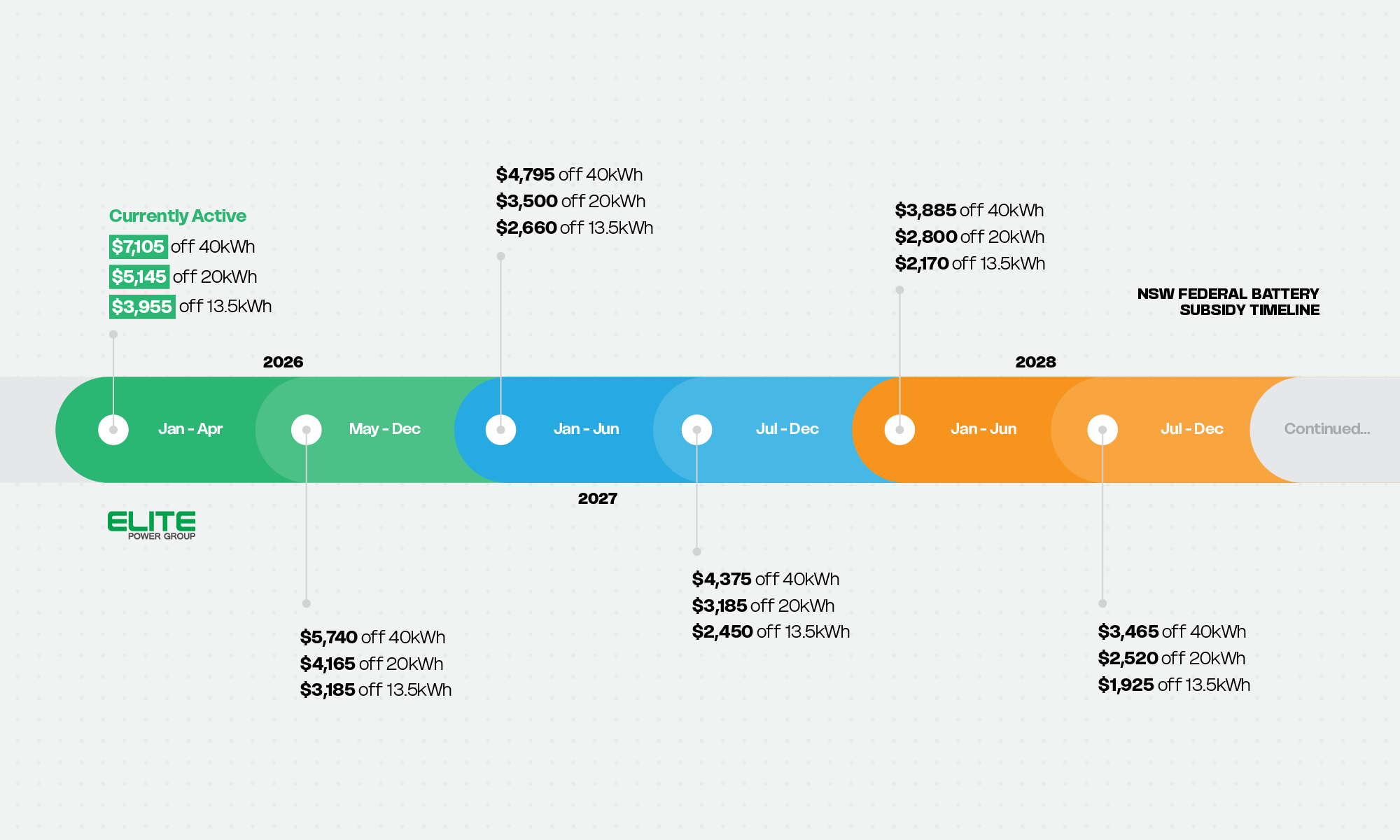
Prices estimated using our Federal Battery Rebate Calculator.
Because of the overwhelming success of the Cheaper Home Batteries Program, the Government have developed a strategy to continue enabling Australian homes and businesses to invest in battery storage, along with a budget increase.
The changes are more refined for elements like matching expected battery prices overtime, as well as incentivising more realistic energy capacities for more Australian properties.
As most homes generally only really need 10-25kWh of energy capacity, the changing STC factors will decrease as the battery capacity increases past 14kWh. Every kWh of your battery generates STCs based on the STC factor of the installation period.
For example, let’s say you were to get a 40kWh battery. The first 14kWh would be discounted at an 100% STC factor, then followed by 60% for the next 14kWh, and then 15% for the remaining 12kWh.
This means that the higher energy capacities won’t earn as much as the lower end, so the higher you go, the less your discount accumulates.
When looking into finding the right battery for you and your household, it can be tempting to just go with any battery installer that says they can do it; but this can be risky.
Here are a few red flags to watch for throughout the federal rebate changes:
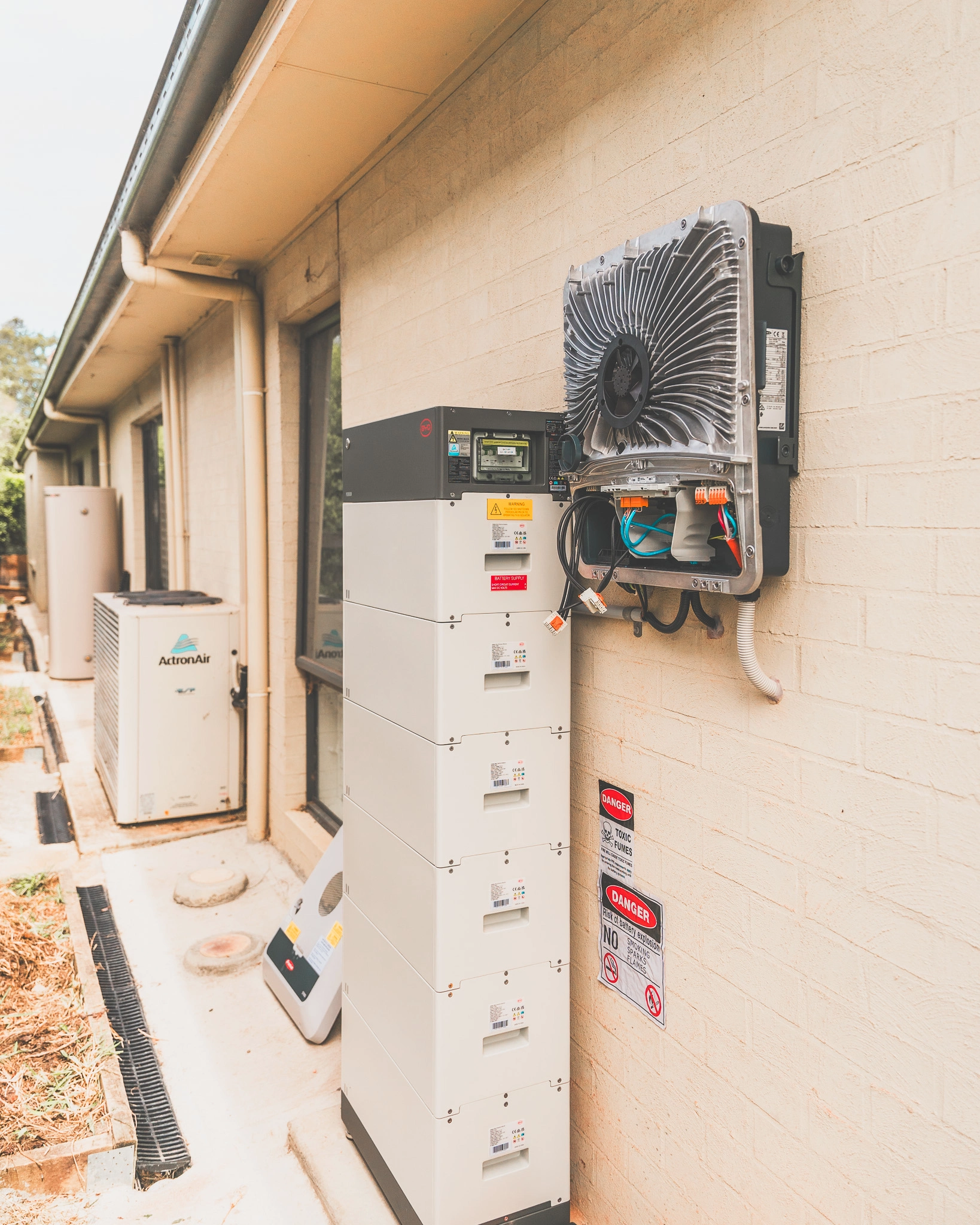
If you've got a battery installation scheduled before May 1st, fantastic! If you're struggling to find a certified installer who can provide your installation before May, don't stress as there will still be good value discounts when the battery subsidy changes.
We also highly recommend avoiding dodgy installers to ensure your battery is even eligible for the battery incentive in the first place, as its requirements are heavily dependent on compliance.
Is solar still worth it in Australia in 2026? Discover solar panel costs, payback periods, savings and whether adding a battery is worth it for homes.
Read moreLearn about the May 1st Federal battery rebate changes in Australia and what they mean for home battery costs, solar savings, and discounts.
Read moreCompare Tesla Powerwall 3, Sungrow SBR & SBH, GoodWe ESA, Fronius Reserva, and BYD Battery-Box to find the best home battery for Australia.
Read moreRenewable News Articles
We've invested in becoming fully-licenced and qualified installers to ensure Newcastle homes and businesses
get the best systems and installations possible. We want to assist Newcastle's renewable energy revolution with quality systems.
Certified solar system installers near you.
Get CEC-Approved Battery Installations.
Fully-licenced electricians in Newcastle.
Convenient EV charging stations for properties.
Leave a Comment