NSW's Heatwave 2026: How Solar Stabilised the Grid⚡Newcastle
Posted 13 Jan

Posted 13 Jan
Want the latest in energy, solar, and savings?Subscribe to our newsletter – we don’t spam!
In early 2026, Australia saw its most intense heatwaves in recent years, with temperatures reaching over 40 degrees over large parts of New South Wales.
Heatwaves are a known cause of blackouts, leaving homes and businesses without power when it is most needed. Events like this cause high stress on the electrical grid, as air-conditioning and cooling methods peak in demand and push power use to new record highs. But not this time, why?
During the heatwave, solar played an important role in helping supplement the grid where there otherwise could have been serious energy problems. According to reports, solar provided a significant amount of power to the grid, which helped fuel record underlying power demand air-conditioning in the National Electricity Market.
Rooftop solar produced around 12 gigawatts of power, making up almost a third of electricity demand in the grid which took off a large portion of strain of big generators. Combining all renewable sources, production reached 67% of the total demand marking an important result for renewable efforts.

Courtesy of Susanne Steinbauer on Pexels.

Courtesy of Kelly on Pexels.
During summer, heatwave conditions perfectly coincide with solar production, peaking in the middle of the day with direct sunlight. Through the heatwave where demand spiked, solar kicked in essentially offsetting the load that would have otherwise been powered by coal generators.
The combination of rooftop and utility solar can help deliver predictable and instant power which helps alleviate expensive power.
However, whilst solar is great for summer, panels can also lose efficiency in extreme UV & heat, reducing power output.
During bushfires, the combination of dense smoke and haze during bushfires can result in lower sun exposure. Although, looking at bushfires from another aspect -having a local power source also means that you can stay powered on when the grid fails or a power line burns down.
One of the aspects about a heatwave is that households and businesses generally keep their air-conditioner on not only throughout the day, but also at night when the sun is no longer available. In order to offset this evening energy demand, we need energy storage.
Since the announcement of the Cheaper Home Batteries Program, NSW households and businesses have been taking full advantage of discounted batteries and using them to maximise their solar systems.
Battery storage helped meet around 10% of electricity demand during an evening peak through the heatwave.
Whilst batteries did help in NSW’s heatwave, we are still yet to see a heavy reliance on renewables during evening periods. Fortunately, Australia is on track to become an energy storage superpower which means that we are only going to see more and more reliance on stored solar energy.
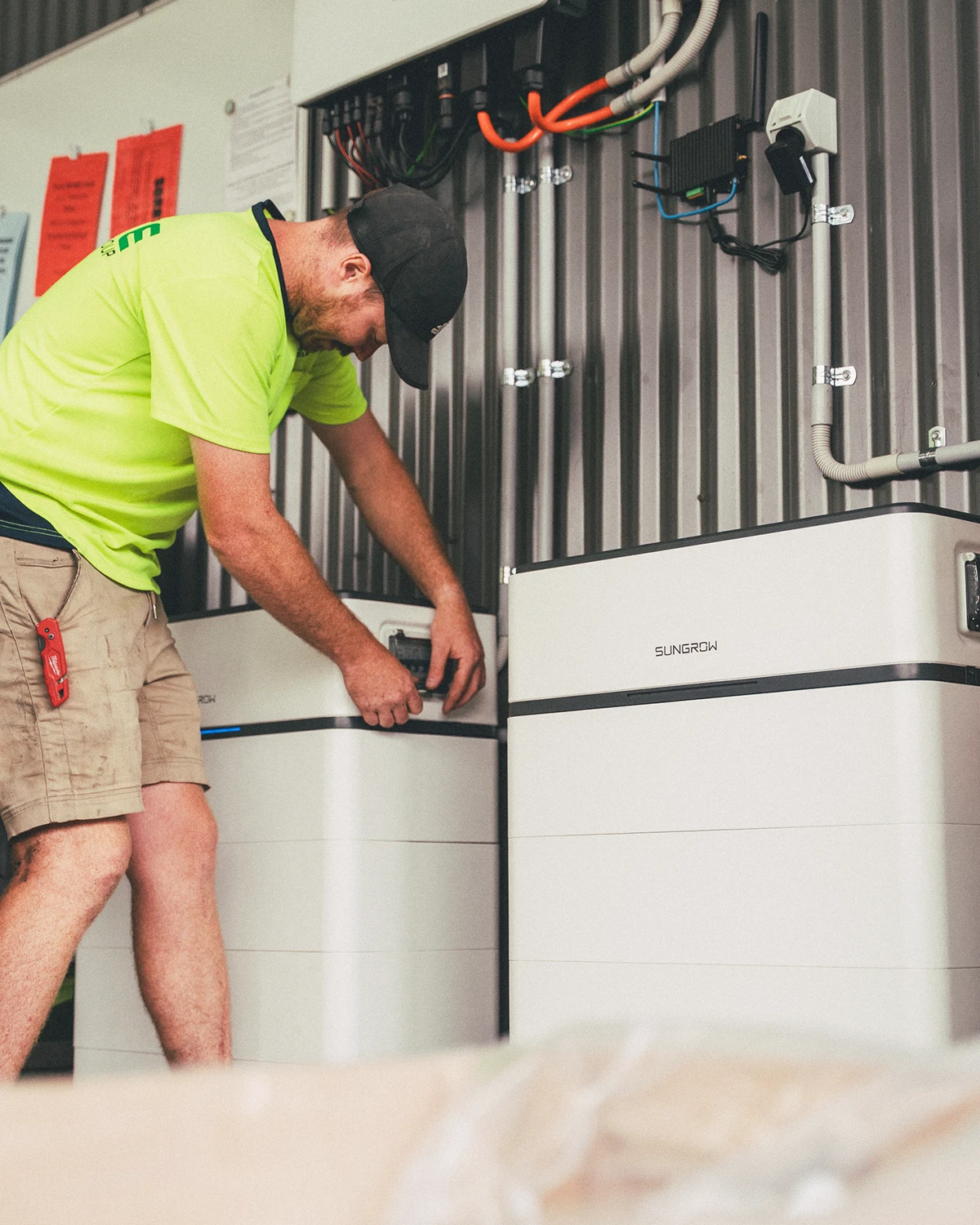
Elite Power Group battery installation.

Courtesy of Micah Boerma on Pexels.
Whilst summer may have driven electricity production risk due to extreme heat, winter actually presents a greater challenge for our electricity supply.
Combining a potential for high electricity demand for heating, along with lower solar output means a higher reliance on grid energy.
Whilst home rooftop solar helps supplement the grid throughout the day, the lower solar production may not be enough to charge the home’s battery leaving them to rely on the grid.
Homes across NSW have been investing in their energy, striving for energy independence. But what does this mean? During the heatwaves and blackout risks, batteries not only contribute to maximising solar, but they also provide a backup source of electricity.
Homes with solar and battery (generally called a microgrid) can generate, store, and consume their own power which reduces their reliance on grid electricity and their demand.
Imagine a world where each home and business consists of its own microgrid system where it generates their own power through rooftop solar and stores any excess for evening usage. This would mean that the grid is a complete backup for cloudy days and other events that may affect solar production.
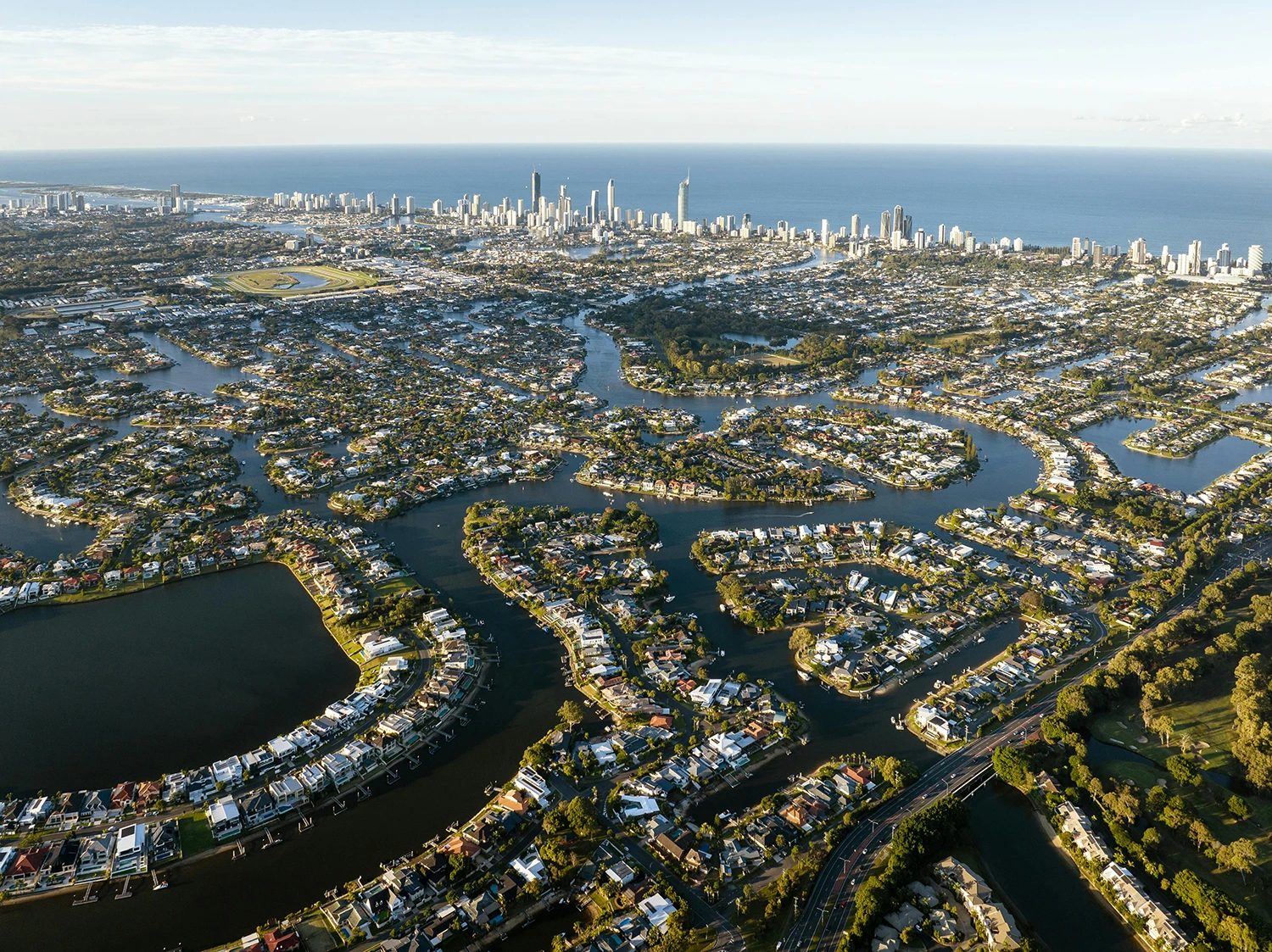
Courtesy of Josh Withers on Pexels.
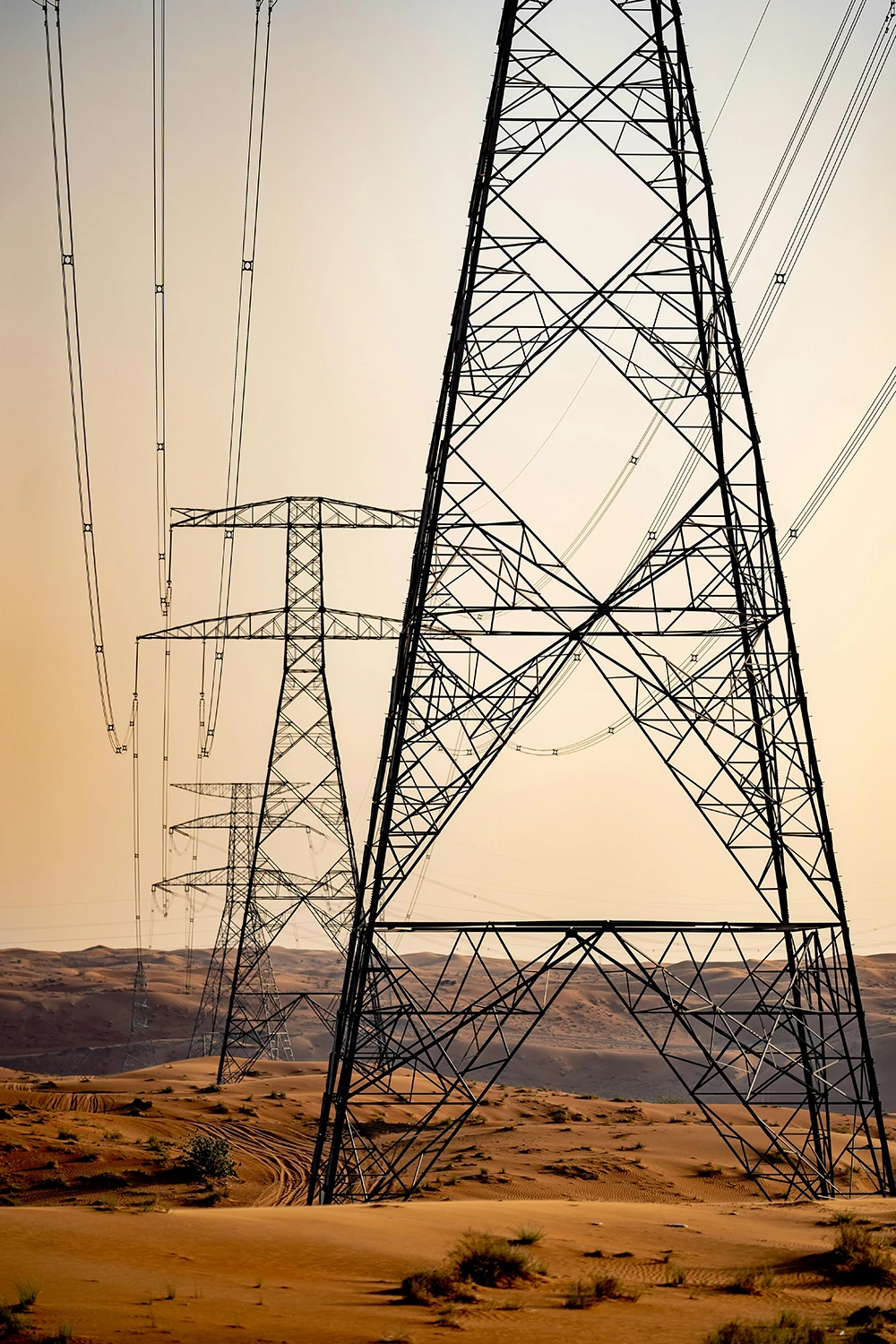
Courtesy of Hugo Sykes on Pexels.
Particularly in the last few years with the rapid adoption of battery storage, solar and battery is no longer just a nice to have as it is becoming an important portion of this nation’s energy mix.
With expanding renewable energy generation, as well as flexible storage, these systems fuel Australia’s energy transition where blackouts are prevented and peak demand stress is reduced.
The grid is transforming from a coal-based system to a mix of energy sources, all designed to contribute to the balance of energy demand and supply, as well as promote self-sufficiency and affordability.
During the recent 2026 heatwave, NSW saw firsthand of the importance in energy source diversification, and highlighted solar and battery’s performance in the mix.
Compared to 10 years ago, NSW’s renewable energy capacity has grown immensely which has defined a strong trajectory of where we may be in the next 10 years.
Who knows, with these solar and battery subsidies, it may get us to complete energy independence quicker than we may think.
Is solar still worth it in Australia in 2026? Discover solar panel costs, payback periods, savings and whether adding a battery is worth it for homes.
Read moreLearn about the May 1st Federal battery rebate changes in Australia and what they mean for home battery costs, solar savings, and discounts.
Read moreCompare Tesla Powerwall 3, Sungrow SBR & SBH, GoodWe ESA, Fronius Reserva, and BYD Battery-Box to find the best home battery for Australia.
Read moreRenewable News Articles
We've invested in becoming fully-licenced and qualified installers to ensure Newcastle homes and businesses
get the best systems and installations possible. We want to assist Newcastle's renewable energy revolution with quality systems.
Certified solar system installers near you.
Get CEC-Approved Battery Installations.
Fully-licenced electricians in Newcastle.
Convenient EV charging stations for properties.
Leave a Comment