Hunter Valley's Leading Residential & Commercial Solar Installers

Hunter Valley's Leading Residential & Commercial Solar Installers
Posted 20 Aug
Want the latest in energy, solar, and savings?Subscribe to our newsletter – we don’t spam!
With battery storage adoption going wild throughout Australia with the battery subsidy, homeowners research their battery options and come across Tesla Powerwall 3. How does Tesla Powerwall 3 stack up to its predecessor? Which Powerwall is better suited for Australian homes?
Quick answer: The Tesla Powerwall 3 retains the same 13.5 kWh usable battery capacity as the Powerwall 2 but introduces a built-in solar inverter, higher continuous power output, improved backup performance and expanded installation flexibility. While both batteries store the same amount of energy, the Powerwall 3 is designed for newer solar installations and offers higher power delivery, making it a better choice for many new Australian homes.
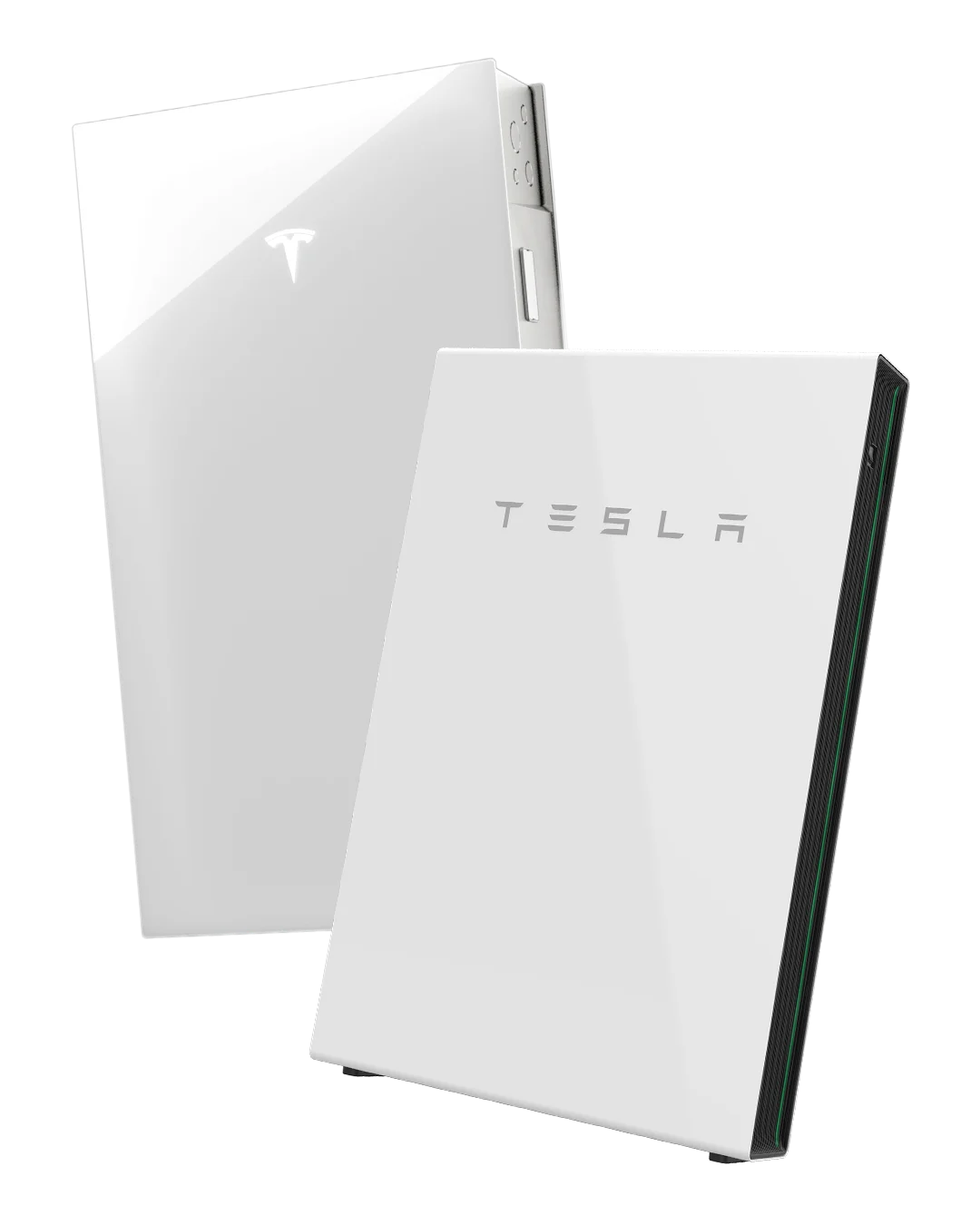
As of July 2026, Tesla have announced the compatibility between Tesla Powerwall 3 to Powerwall 2, enabling existing Powerwall 2 owners to be able to expand capacity with up to 4 Powerwall 3s.
Compare Tesla Powerwall 2 and Powerwall 3 specifications and features using the comparison table below.
QUICK COMPARISON |
TESLA POWERWALL 2 |
TESLA POWERWALL 3 |
| Usable Capacity | 13.5 kWh | 13.5 kWh |
| Continuous Power Output | 5 kW | Up to 11.5 kW |
| Grid Type |
Single-Phase | Single-Phase |
| AC/DC Coupled | AC | AC or DC |
| Dimensions | 1150mm x 753mm x 147mm | 1105mm x 609mm x 193mm |
| Weight | 114 kg | 130 kg |
| Mounting | Wall & Floor Mounting | Wall & Floor Mounting |
| Warranty | 10 Years | 10 Years |
| Round Trip Efficiency | 90% | 97.5% |
| Integrated Inverter | No | Yes |
| Built-in Solar Inverter Capacity |
0 kW | 20 kW |
| Tesla Backup Gateway 2 Required | Yes | Yes |
| Maximum Scalability | Up to 3 Powerwall 2 units | Up to 4 Powerwall 3 units |
| CEC-Approved | No (Expired) | Yes |
| Battery Chemistry | Lithium-Ion Nickel Manganese Cobalt Oxide (NMC) | Lithium Iron Phosphate (LFP) |
While both batteries share the same storage capacity, Powerwall 3 represents a significant leap forward in overall system capability.
Both Powerwall 2 and Powerwall 3 store the same 13.5 kWh of usable capacity. That figure hasn't changed across the two generations, which catches people out since the newer model doesn't actually hold more charge, it just does more with what it's got.
What Powerwall 3 changes is how much of that capacity you can draw at once. Its higher power output means you can run more demanding appliances at the same time, an EV charger and a heat pump together, for example, without maxing out the battery. It'll also drain faster under a heavy load simply because more energy is flowing out per hour, even though the total stored is identical.
| Powerwall 2 | Powerwall 3 |
|
| Usable Energy Capacity | 13.5kWh | 13.5kWh |
| Continuous Power Output | 5kW | 10kW |
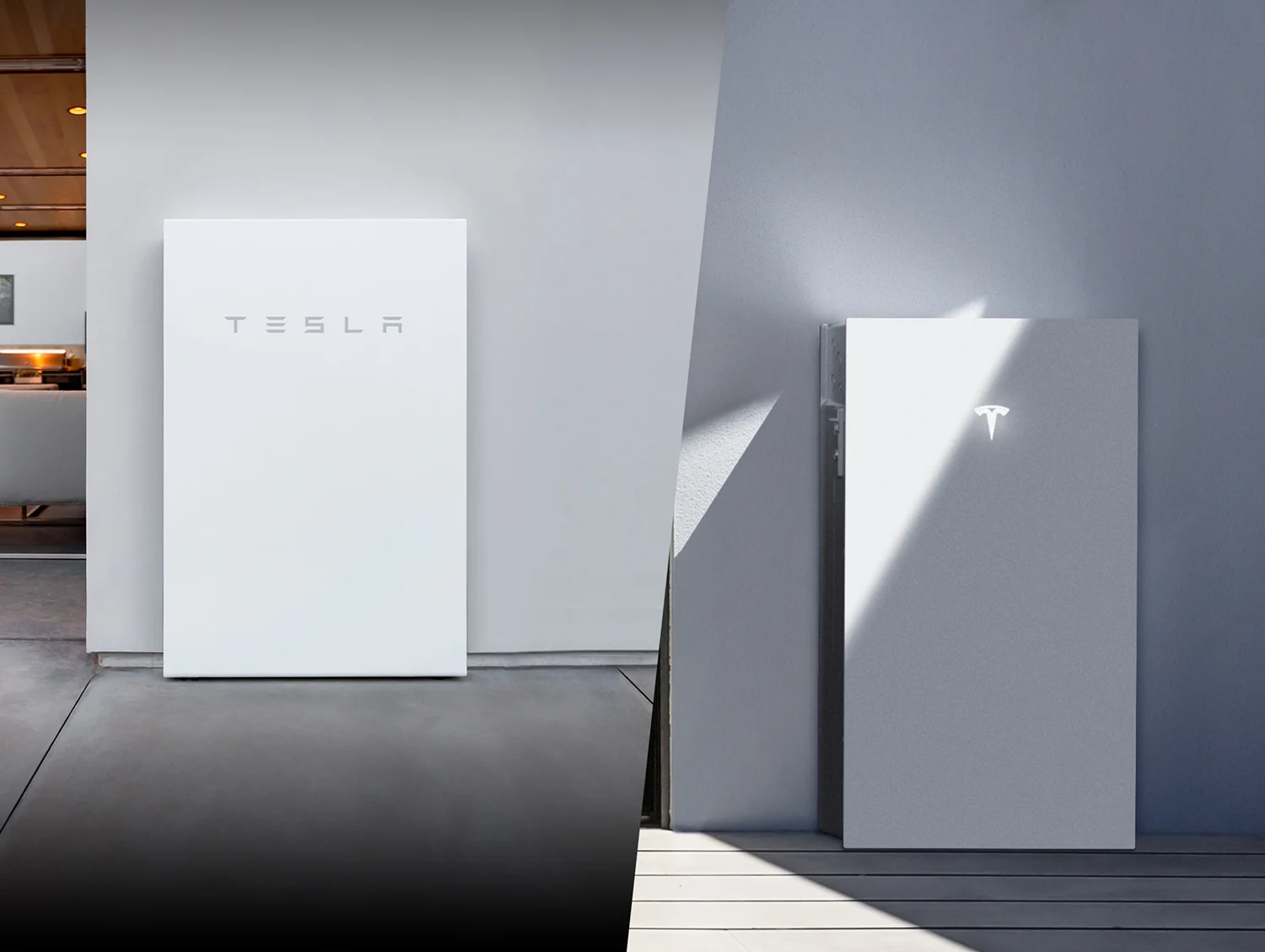

Tesla has maintained its sleek, wall-mounted design philosophy with the Powerwall series, whilst improving efficiency and durability in the Powerwall 3.
| Powerwall 2 | Powerwall 3 |
|
| Height |
1150mm |
1105mm |
| Width |
753mm |
609mm |
| Depth |
147mm |
193mm |
| Weight |
114kg |
130kg |
Powerwall 3 has a smaller footprint than Powerwall 2, but weighs more. It's narrower and slightly shorter, but thicker front to back,
worth knowing if you're checking whether it'll fit an existing wall space or mounting bracket.
Both units can be wall or floor mounted, though if you're stacking multiple units for extra capacity, floor mounting is generally required.
Powerwall 3 can be expanded with up to three Powerwall 3 Expansion units alongside a primary unit, four units total, for 54kWh of storage. Whilst its discontinued, Tesla Powerwall 3 specifications indicate it can be expanded up to 3 PW2's totaling 40.5kWh of energy capacity.
Powerwall 3 also picks up a few durability improvements. Its battery and power electronics carry an IP67 rating, dust-tight and able to handle brief submersion, while the wiring compartment is rated IP55, protected against dust and water jets, in line with Powerwall 2. Combined with flood resistance up to 60cm and an operating range of -20°C to 50°C, it's built to handle outdoor installation in most Australian conditions.
Both generations can be wall or floor mounted for a single unit. If you're stacking multiple units for extra capacity, floor mounting is required to support the added weight.
| Powerwall 2 | Powerwall 3 |
|
| IP Rating |
IP55 |
IP67 (Battery & Power Electronics) IP55 (Wiring Compartment) |
| Total Stackable Capacity | 40.5kWh (up to 3) |
54kWh (up to 4) |
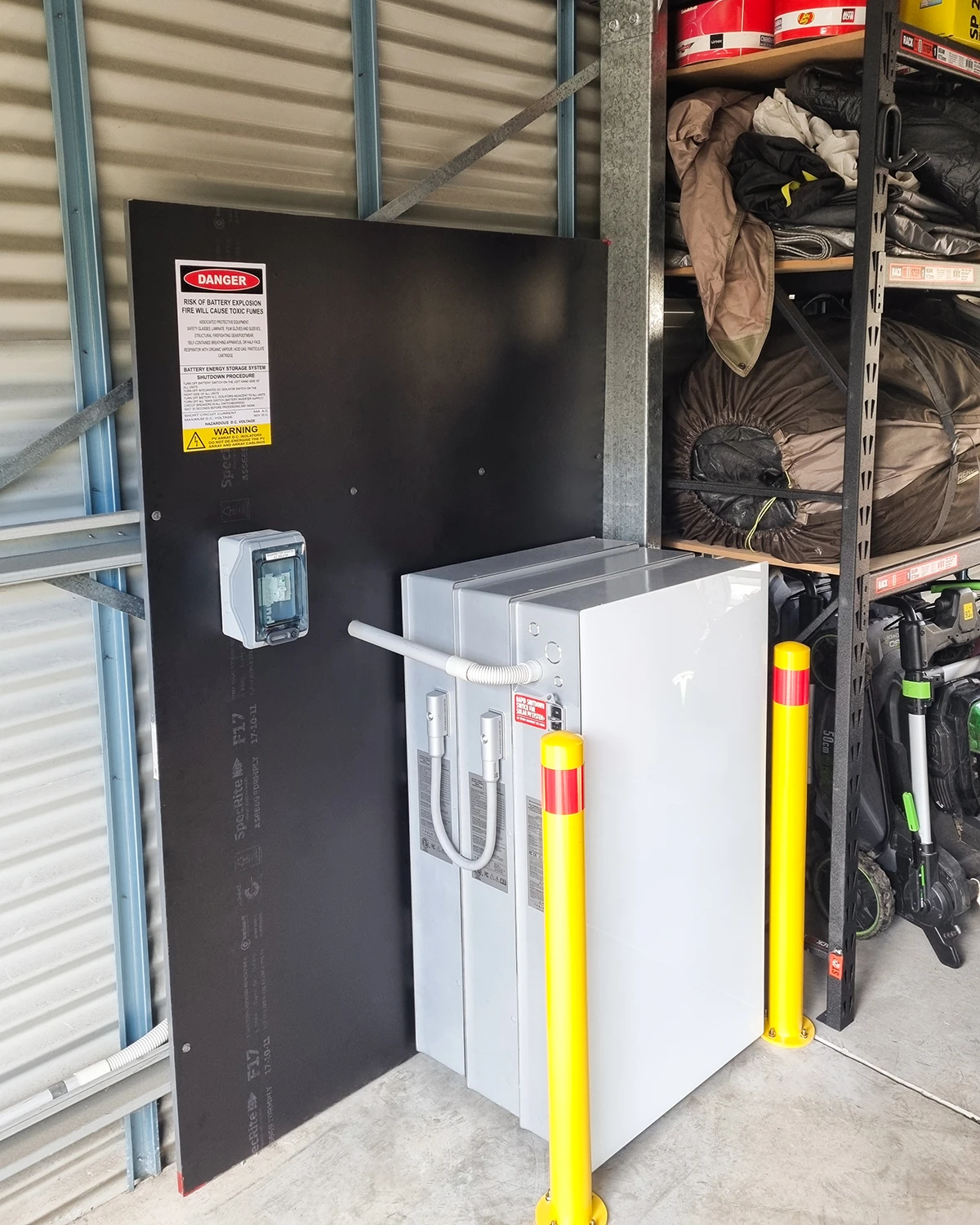
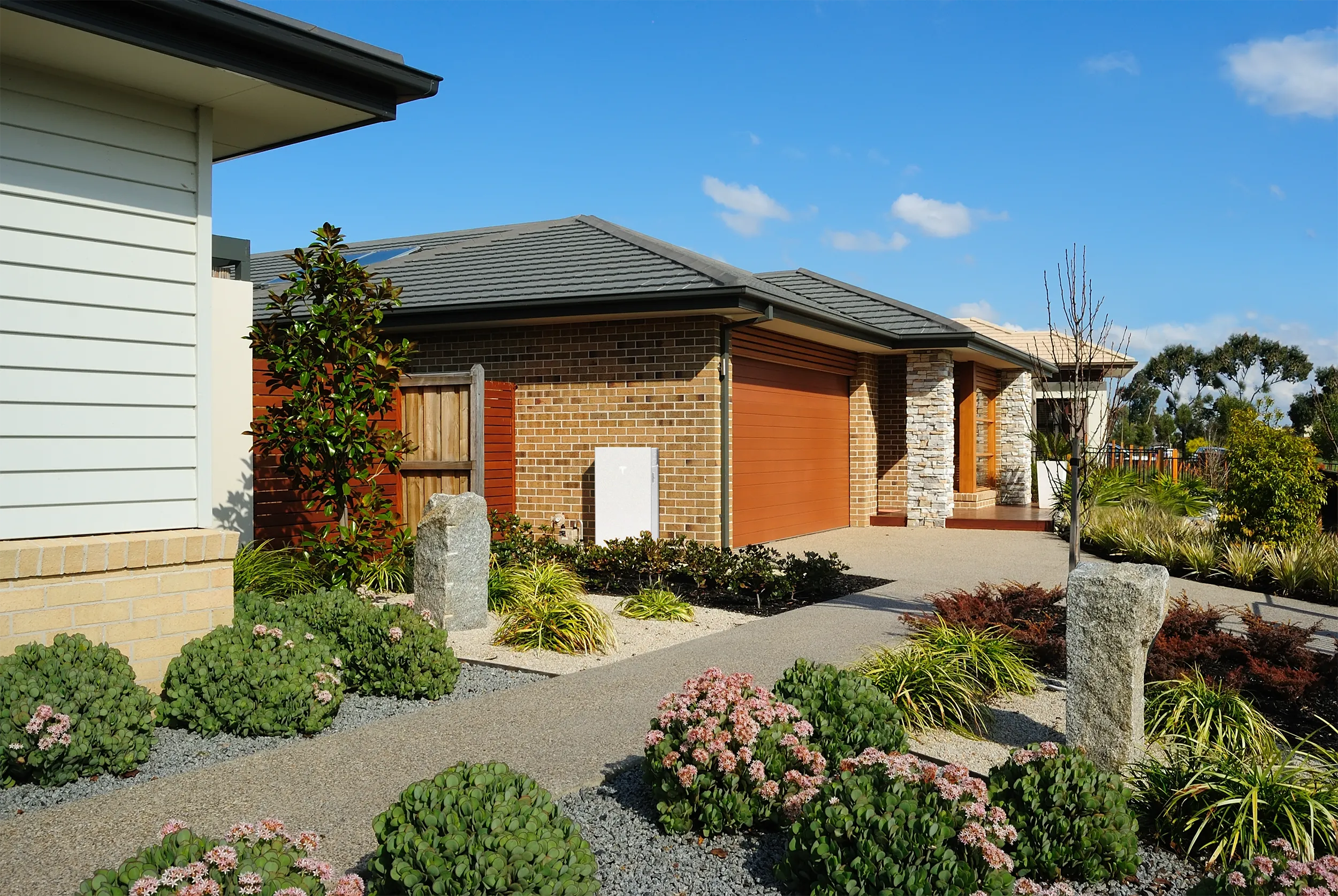
Both Powerwall 2 and Powerwall 3 work with solar, but the way they connect to your panels is different, and it's one of the more practical distinctions between the two.
Powerwall 2 is AC-coupled only, meaning it needs a separate, compatible solar inverter to convert your panels' output before the battery can store it. That's an extra piece of hardware in the system, though it also means Powerwall 2 slots fairly easily onto solar you've already got installed - better for pre-existing systems.
Powerwall 3 skips that extra step. It has a built-in inverter that supports up to 20kW of solar and can run as either AC or DC-coupled, so it can connect directly to your panels without a separate inverter at all. It also comes with three MPPTs (multiple power point trackers), useful if your roof has panels facing different directions, since each MPPT tracks its own string rather than the whole array being limited by whichever section gets the least sun.
For a brand new solar install, Powerwall 3's built-in inverter generally means a simpler build. If you're retrofitting onto panels you already own, Powerwall 2's AC-coupled setup still works fine, and Powerwall 3 handles that scenario too, just via AC-coupling instead of DC.
For battery installations in Australia, pricing will be greatly dependent on individual installations which can vary project to project based on factors like installation requirements, chosen hardware, energy goals, and configuration.
| Powerwall 2 | Powerwall 3 |
Gateway 2 |
|
| Cost |
Discontinued | $13,500* | $1,800* |
These prices do not include the federal battery subsidy. You can calculate estimated savings here.
Whilst Tesla Powerwall 3 may cost more than what the Powerwall 2 was offered for, the higher upfront cost includes much more capability
including its built-in inverter which reduces the requirement for additional hardware.
*Pricing are approximate and indicative, reflecting simple supply and installation with no additional hardware or installation
requirements. These values are subject to change at any time. Prices not including any rebates or deductions.
Every house will have its own unique requirements and goals which will affect what the right battery will be for you.
Whilst we made an article around the best battery and sizes, in summary, it really comes down to how much electricity you use on average, your lifestyle and when you used most of your energy, to your energy goals and what you're wanting to get out of your system.
If you're overwhelmed with battery options, we offer free consultation to help business and homeowners alike with finding the ideal battery.
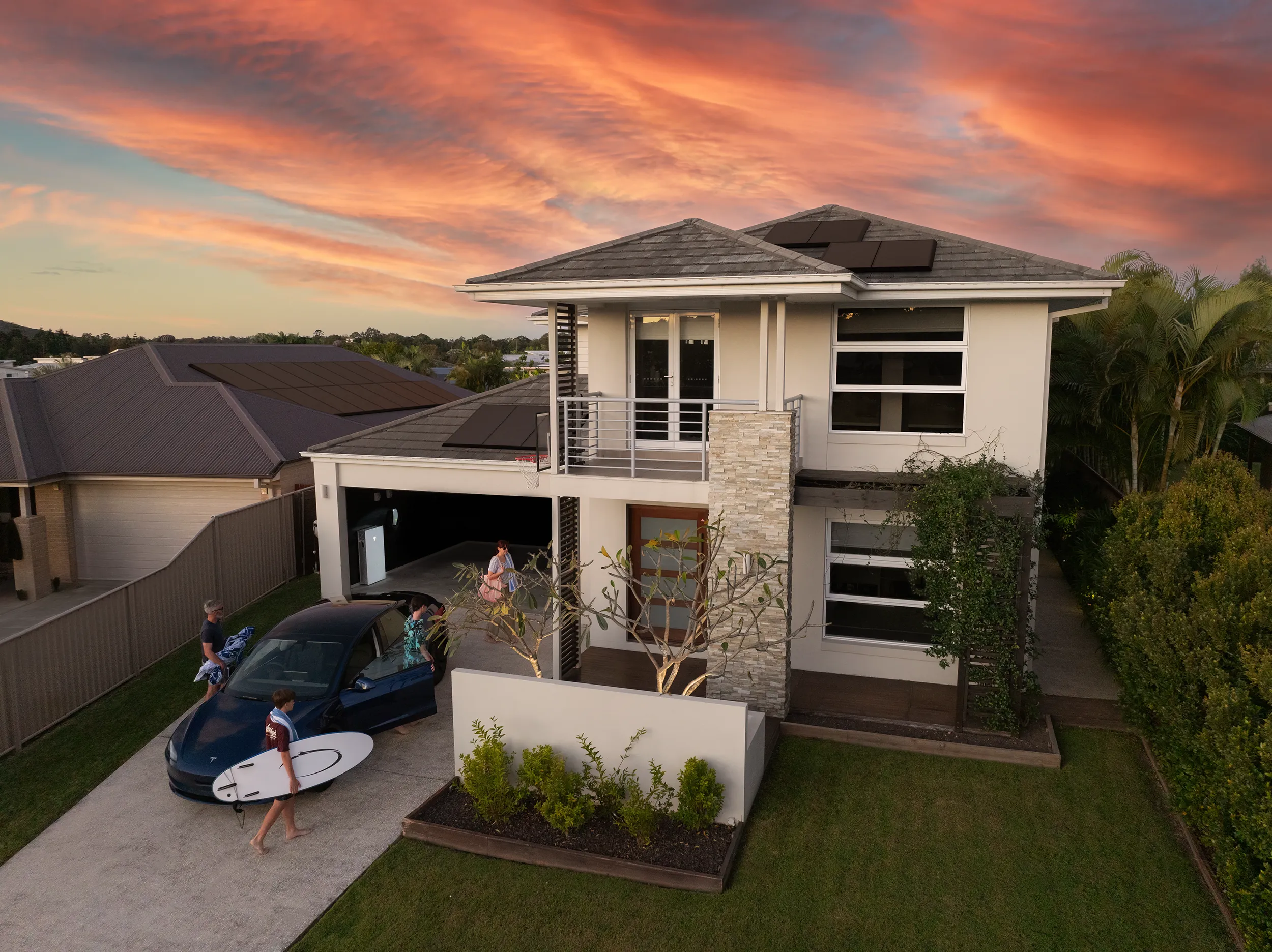
Whilst both Tesla Powerwalls offer great features to enable home energy storage and solar maximisation, we definitely recommend Tesla Powerwall 3 as it is available, offers modern features, and is eligible for current battery subsidies. With a solid 13.5kWh of storage paired with direct solar integration, it's hard to skip Tesla Powerwall 3 and its benefits.
Overall, Tesla have an outstanding reputation for quality energy storage and technology. Whilst we are certified Tesla installers, we genuinely recommend Tesla Powerwall 3 for premium solar and battery systems that prioritise longevity and reliability.
Find available rebates & subsidies for solar systems, battery storage, and VPPs in NSW. Explore eligibility and maximise live incentives today.
Read moreNot sure which battery matches your solar system? Compare solar & battery size combinations, from 6.6kW to 13.3kW+, & find the right fit in Newcastle.
Read moreSee exactly what solar system size you need, from panel dimensions to 3kW-13.3kW+ pricing, based on your household size and daily usage in NSW.
Read moreRenewable News Articles
Sign up for new article updates - we don't spam.
We've invested in becoming fully-licensed and qualified installers to ensure Newcastle homes and businesses
get the best solar, battery, and electrical systems available. We want to assist Newcastle's renewable energy revolution with quality
installations for maximum customer satisfaction.
Certified solar system installers near you.
Get CEC-Approved Battery Installations.
Fully-licensed electricians in Newcastle.
Convenient EV charging stations for properties.
Leave a Comment
Why even consider Tesla Powerwall,when the new Powerwall 3, is still only single phase
Powerwall was designed for the American market, where electricity grid over there is single phase,using 110V AC
Why are you pushing a wheel barrow with front wheel missing, where all new homes built in Australia over the last 15 years plus, designed to AS4777, three phase, 1000kva
Better choice is Sungrow battery storage, 15kva, three phase, third of the cost to install then a Powerwall
All battery backup system's have spiral out of control in the last 5 years, almost third more to install, due to the current exchange rate of the US$, against the AU%
If Tesla Powerwall 3 is installed to a 3-phase home, it would perform the same as if the house were single phase. Most homes will be completely fine with having a single-phase battery for energy backup.
One of the main features is that it also has a built-in solar inverter which supports up to 20kW of solar, removing the need for an external inverter.
We do agree though, Sungrow is also an excellent choice for scalability and flexibility!