Best Home Battery 2026: Sungrow vs Tesla vs GoodWe vs Fronius
Posted 23 Feb

Posted 23 Feb
Want the latest in energy, solar, and savings?Subscribe to our newsletter – we don’t spam!
We’re a few months into 2026 now, with battery options everywhere you look which can make it quite difficult for potential battery buyers to choose from not only quality installers, but quality components and energy storage options too.
Knowing this, we thought it would be useful to provide a comparison between the battery brands we install. Every battery we choose to mention meets our quality standards of a strong reputation, post-installation support, and reliability. Let’s compare the best home batteries for 2026.
| |
Sungrow SBR |
Sungrow SBH |
GoodWe ESA |
Fronius Reserva |
BYD Battery-Box |
Tesla Powerwall 3 |
| Capacity Range (per stack) |
6.4-25.6kWh |
20-40kWh |
8-48kWh |
6.31-15.79kWh |
8.3-22.1kWh |
13.5kWh |
| Battery Technology |
Lithium Iron Phosphate (LFP) |
Lithium Iron Phosphate (LFP) |
Lithium Iron Phosphate (LFP) |
Lithium Iron Phosphate (LFP) |
Lithium Iron Phosphate (LFP) |
Lithium Iron Phosphate (LFP) |
| Modules per Stack |
2-8 Modules |
4-8 Modules |
1-6 Modules |
2-5 Modules |
3-8 Modules |
Not Modular |
| Warranty |
10-Years |
10-Years |
10-Years |
10-Years |
10-Years |
10-Years |
| All-in-one setup (built in inverter) |
No |
No |
Yes |
No |
No |
Yes |
| Max. number of stacks |
4 Stacks (max. 102kWh) |
4 Stacks (max. 160kWh) |
6 Stacks (max. 288kWh) |
4 Stacks (max. 63kWh) |
3 Stacks (max. 66kWh) |
4 Units (max. 54kWh) |
| Price Ranges* |
(25.6kWh) $14,000 - $16,000 |
(20kWh) $15,000 - $17,000 |
(25kWh) $11,000 - $13,000 |
(15.8kWh) $10,000 - $12,000 |
(22.1kWh) $15,000 - $17,000 | (13.5kWh) $11,000 - $13,000 |
*Prices are only indicative and do not reflect official quoting. Values represent estimated supply and install cost ranges of the battery only (GST inclusive), and do not include inverters or EPS configurations. Costs also include the federal battery subsidy discount (May-Dec 2026 STC values).
Firstly, before we compare battery options, it’s important to note what we are comparing. We are aiming to determine the best battery for homes which will include elements like value, reliability, capacity, backup capability, warranty, inverter compatibility, and power output, which are all things that benefit homes throughout Australia.
Whilst all these batteries can store energy, not all of them have a built-in solar inverter which can be a huge deciding factor in choosing the best home battery.
What batteries have a built-in inverter? Out of the batteries on this list, only Tesla Powerwall 3 and the GoodWe ESA series consist of a built-in inverter as an all-in-one unit, making it easier to install due to an external inverter not being required.
If you already own solar with an inverter, this may not be immediately beneficial to you, however for new builds who are getting solar at the same time, it can be game-changing having just the one unit for both managing solar and energy storage.
The other batteries including Sungrow’s SBR and SBH, BYD Battery-Box, and Fronius Reserva do not have a built-in inverter and require a compatible external inverter.
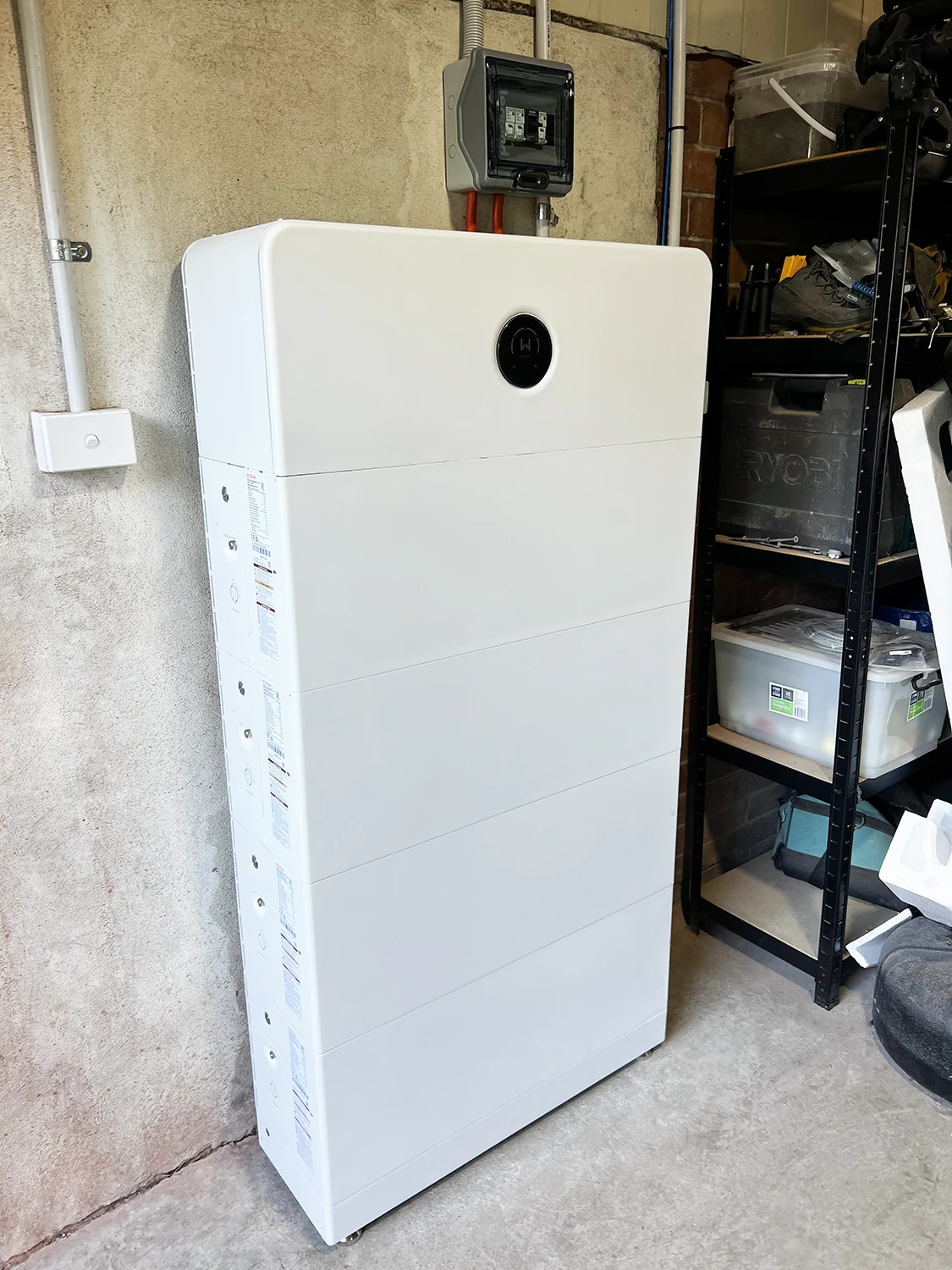
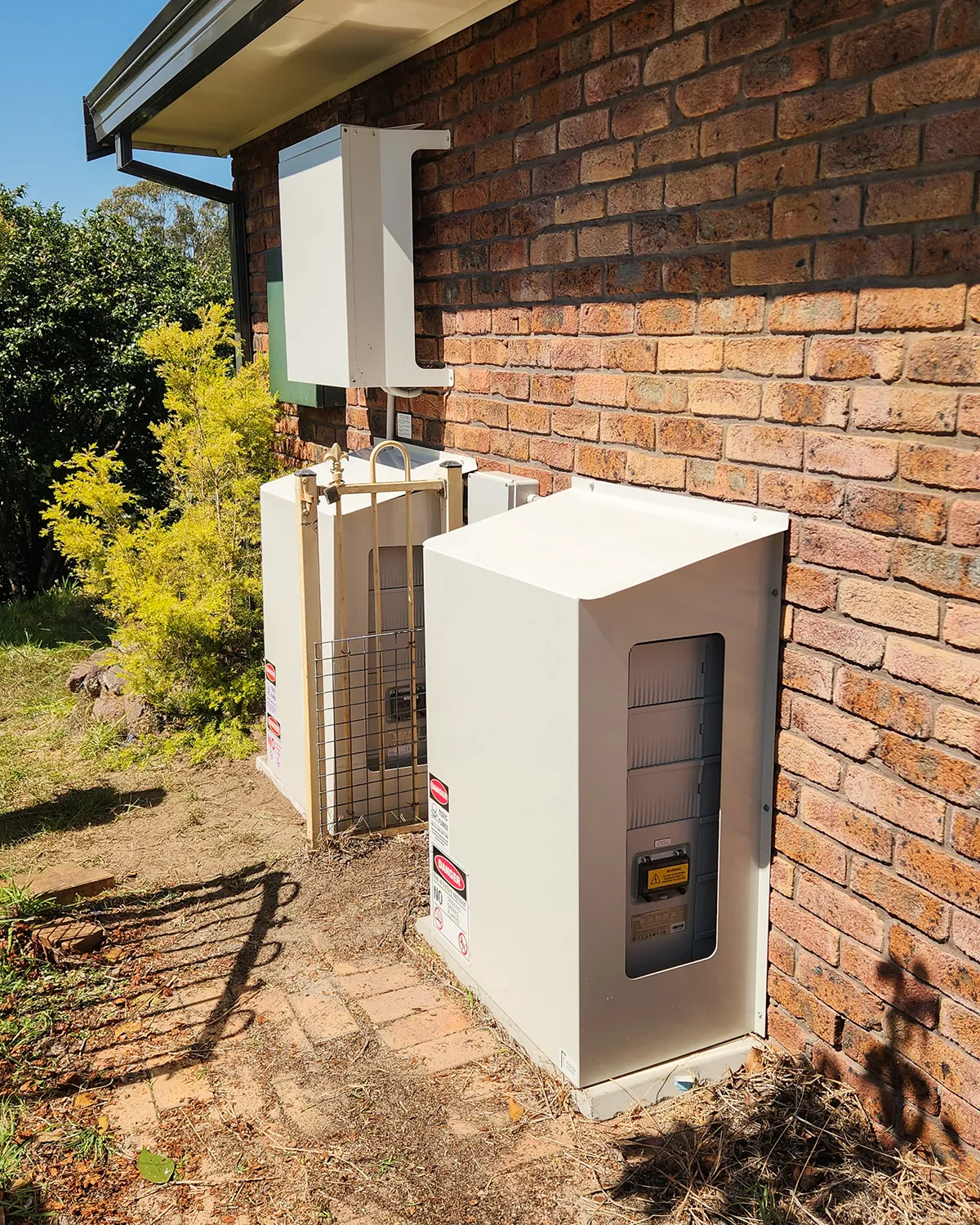
The good news is that Sungrow SBH/SBR, Tesla Powerwall 3, and BYD Battery-Box are all compatible with both single and three-phase properties. (GoodWe ESA three-phase is pending CEC-approval). However, not all these batteries support three-phase coverage.
Can all batteries power three-phases? Whilst they can be installed on three-phase, not all these batteries can deliver the amount of power needed for a three-phase backup. For example, if you’d like to run some machinery, the air-conditioner, or EV charger, the amount of power your battery can deliver will depend greatly on your phase configuration.
For example, Tesla Powerwall 3 allows installations for both single and three phase homes but only provides full home backup on single-phase. The best battery for battery system for three-phase is Sungrow’s SBH series when paired with a three-phase hybrid inverter.
The batteries we install, including Tesla Powerwall 3, Sungrow SBH and SBR, BYD Battery-Box, GoodWe ESA, and Fronius Reserva, can all provide backup power for homes in Australia.
When configuring an entire home backup power source like energy storage, the right battery size and setup will greatly depend on your home and energy goals. For example, if you own a single-phase home and wish to have a full home backup, Tesla Powerwall 3 offers full-home single-phase backup electricity. However, if you have three-phase and wish to have all three phases backed up, battery options like Sungrow SBR and SBH may be the better choice as Sungrow provides high-power hybrid inverters that can support it.
How do I know if a battery is three-phase? Whether a battery can back up on all three-phases will depend on the inverter of choice, as it really comes down to what the inverter can output. A 15kW three-phase inverter could back up each phase with 5kW of power.
In the current market, we believe GoodWe’s ESA series battery offers the best value for households looking to invest in their energy. With 8kWh modules, cost-effectiveness, and flexibility, it’s just a great all-rounder.
Whilst there are crazy differences in specifications between each battery, there are batteries that are more premium than the other ones.
Tesla Powerwall 3 and Fronius Reserva are considered as the premium, top-tier options for energy storage for homes. Being backed with a strong and reputable background of energy technology, both Fronius and Tesla offer high-quality hardware and software for their users for the ultimate seamless experience.
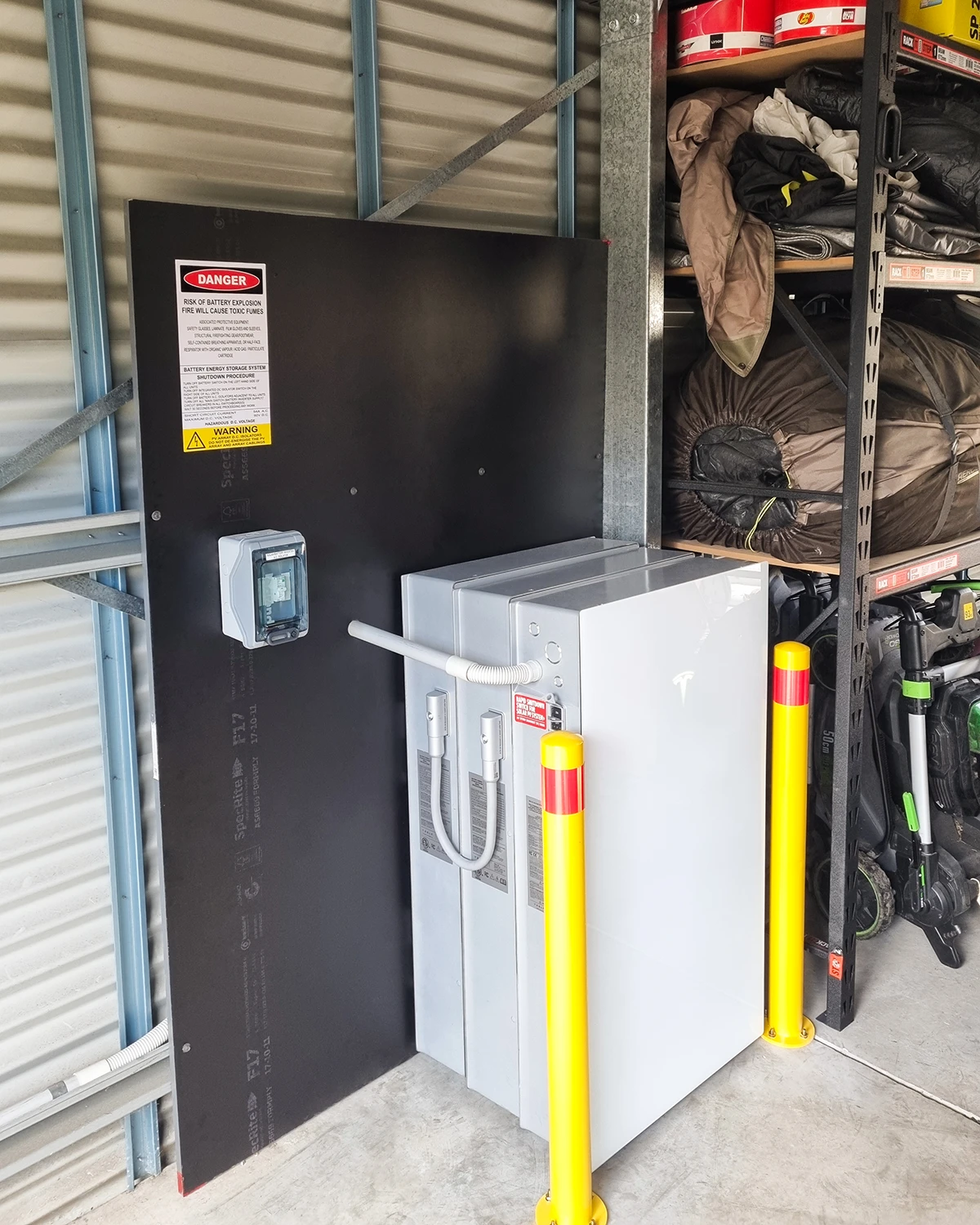
Even though each battery can be connected to an external solar inverter, not every battery is compatible with every inverter that is available in Australia. As most of these energy storage brands also make inverters, the batteries generally work best when paired with a same brand inverter.
| |
Sungrow Inverter |
GoodWe Inverter |
Fronius Inverter |
SMA Inverter |
|
BYD
Battery-Box |
✔ |
✔ |
✔(Integrated with Fronius’ Monitoring) |
✔ |
| Sungrow SBR & SBH |
✔ |
|
|
|
|
Fronius
Reserva |
|
|
✔ |
|
| Tesla Powerwall 3 |
✔(AC-coupled only) |
✔(AC-coupled only) |
✔(AC-coupled only) |
✔(AC-coupled only) |
| GoodWe ESA Series |
|
✔(built-in) |
|
|
Sungrow and GoodWe batteries are really only designed to be used with same-brand solar inverters, with Tesla Powerwall 3 offering
flexibility in the AC-coupled space. This essentially means that the battery is independent of your solar system and looks after its own
energy conversions. Whilst this is traditionally less efficient, it also enabled flexibility with retrofitting Tesla Powerwall 3 to systems
with existing external inverters.
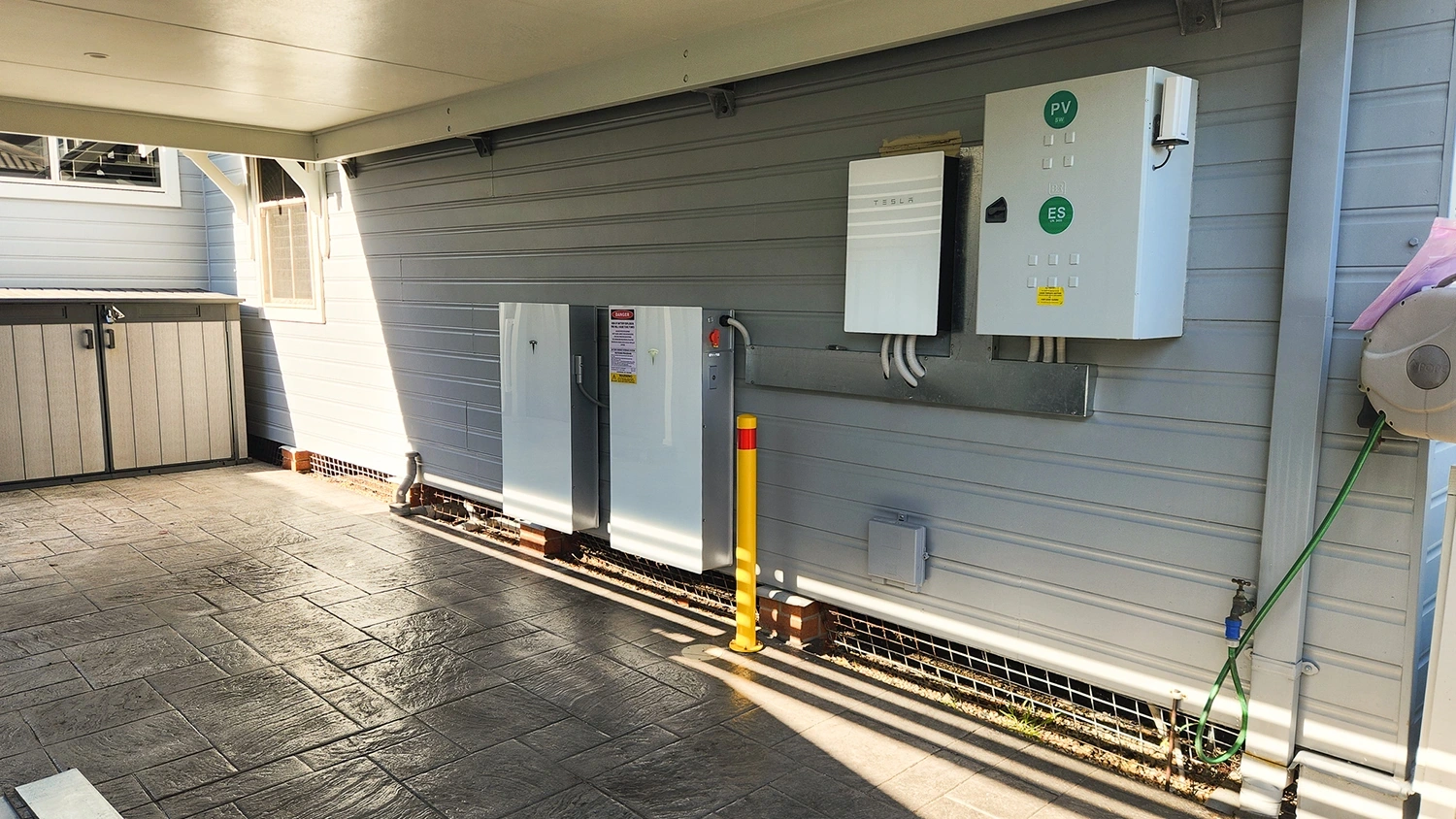
Whilst batteries from Tesla, Fronius, BYD, Sungrow, and GoodWe are all covered for 10 years of warranty, it is important to note that they differ in how many cycles can occur in that period. Warranties are generally limited to 10 years OR reaching a certain throughput milestone, whichever comes first.
What is energy throughput? Throughput is the total energy that can be charged and discharged over the battery’s warranted lifespan. Think of it like how much you can actually use your battery over its warranty period – the higher the throughput the more you can use.
| |
Energy Retention |
Duration |
Throughput p/kWh |
|
Sungrow SBH & SBR |
70% |
10 Years |
2.8MWh |
|
BYD
Battery-Box |
70% |
10 Years |
3.09MWh |
|
Fronius Reserva |
70% |
10 Years |
3.1MWh |
|
Tesla
Powerwall 3 |
70% |
10 Years |
Unlimited (2.8MWh when used on a VPP etc.) |
|
GoodWe ESA |
70% |
10 Years |
3.65MWh |
Tesla offers an impressive unlimited throughput over the 10-year period if the unit is used for default solar
self-consumption, time-based control, and backup, however when used for anything else has a limit of 2.8MWh per kWh. Whilst all battery
options cover 10 years, the lower throughput options could shorten the warranty coverage if your usage is much higher than normal.
For example, if your battery had a 2.8MWh/kWh throughput, and you used a full cycle every day, your battery will last 7.67 years. There’s good news though, most households only use around 0.6-0.8 cycles per day which would range between 9.6-12.8 years of warranty coverage.
The federal battery subsidy minimum is 2.8MWh per kWh, which covers around 0.77 cycles per day – enough to cover the average household’s daily usage. You can also set a ‘maximum depth of discharge (DOD)’ which helps limit the amount of energy that can be discharged, reducing the overall number of cycles.
When comparing the usable energy capacity of each battery, there is quite the fluctuation between each model which can be hard to follow. Using this table below, it will help you understand where each battery sits on the energy capacity scale.
| CAPACITY REQUIREMENT | BYD BATTERY-BOX HVM (8.3-22.1kWh) | SUNGROW SBR (6.4-25.6kWh) | SUNGROW SBH (20-40kWh) | TESLA POWERWALL 3 (13.5kWh) | GOODWE ESA SERIES (8-48kWh) | FRONIUS RESERVA (6.31-15.79kWh) |
| 6kWh |
- |
6.4 kWh |
- |
- |
- |
6.31 kWh |
| 7kWh |
- |
- |
- |
- |
- |
- |
| 8kWh |
8.3 kWh |
- |
- |
- |
8 kWh |
- |
| 9kWh |
- |
9.6 kWh |
- |
- |
- |
9.47 kWh |
| 10kWh |
- |
- |
- |
- |
- |
- |
| 11kWh |
11 kWh |
- |
- |
- |
- |
- |
| 12kWh |
- |
- |
- |
- |
- |
2.63 kWh |
| 13kWh |
- |
12.8 kWh |
- |
13.5 kWh |
- |
- |
| 14kWh |
13.8 kWh |
- |
- |
- |
- |
- |
| 15kWh |
- |
- |
- |
- |
- |
- |
| 16kWh |
16.6 kWh |
16 kWh |
- |
- |
16 kWh |
15.79 kWh |
| 17kWh |
- |
- |
- |
- |
- |
- |
| 18kWh |
- |
- |
- |
- |
- |
- |
| 19kWh |
19.3 kWh |
19.2 kWh |
- |
- |
- |
- |
| 20kWh |
- |
- |
20 kWh |
- |
- |
- |
| 21kWh |
- |
- |
- |
- |
- |
- |
| 22kWh |
22.1 kWh |
22.4 kWh |
- |
- |
- |
- |
| 23kWh |
- |
- |
- |
- |
||
| 24kWh |
- |
- |
24 kWh |
- |
||
| 25kWh |
- |
25.6 kWh |
25 kWh |
- |
- |
- |
| 30kWh |
- |
- |
30 kWh |
- |
32 kWh |
- |
| 35kWh |
- |
- |
35 kWh |
- |
- |
- |
| 40kWh |
- |
- |
40 kWh |
- |
40 kWh |
- |
| 45kWh |
- |
- |
- |
- |
48 kWh |
- |
| 50kWh |
- |
- |
- |
- |
- |
- |
Looking at this chart, we can see that there are 2 different types of battery options – ones that are incremental at the lower sized capacities like Sungrow SBR & Fronius Reserva, and the others that are on the higher end like the Sungrow SBH and GoodWe ESA series.
The largest capacity battery in a single stack is the GoodWe ESA series, which can be expanded up to 48kWh with 6x8kWh modules. Next up is Sungrow’s newer SBH series which offers up to 40kWh of energy capacity in a single stack.
The smallest capacity options are the Sungrow SBR series and Fronius Reserva which offer around 6kWh; however, this is generally not enough for most households. According to our 2025 statistics, the average battery size was around 20kWh.
Even though Sungrow offer 2 models that cover a large portion of capacities, GoodWe offer a larger range in the one unit, meaning that they may be better for people looking to expand over time.
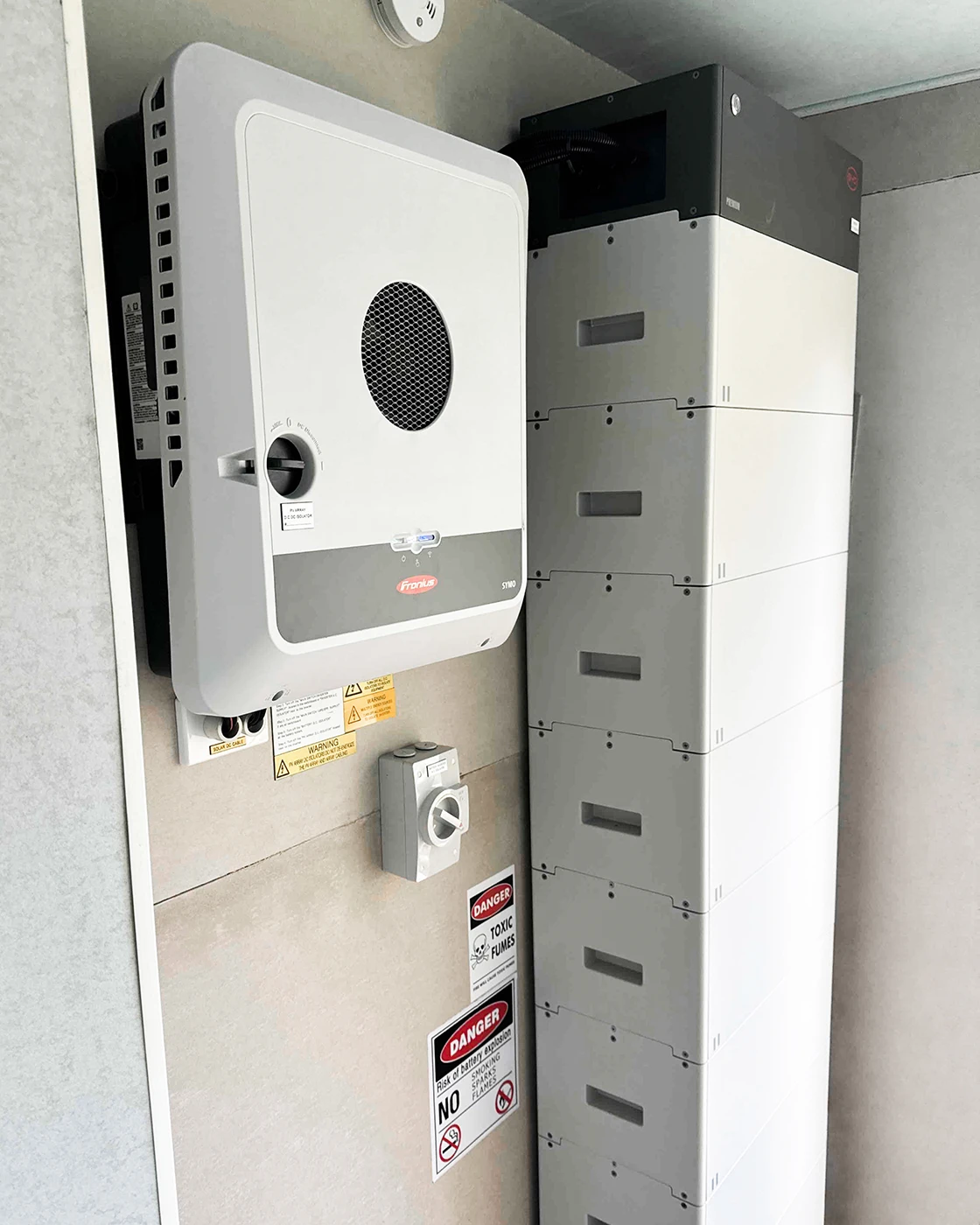
Let's compare battery storage units more one-on-one to see how they differ and which battery is better.
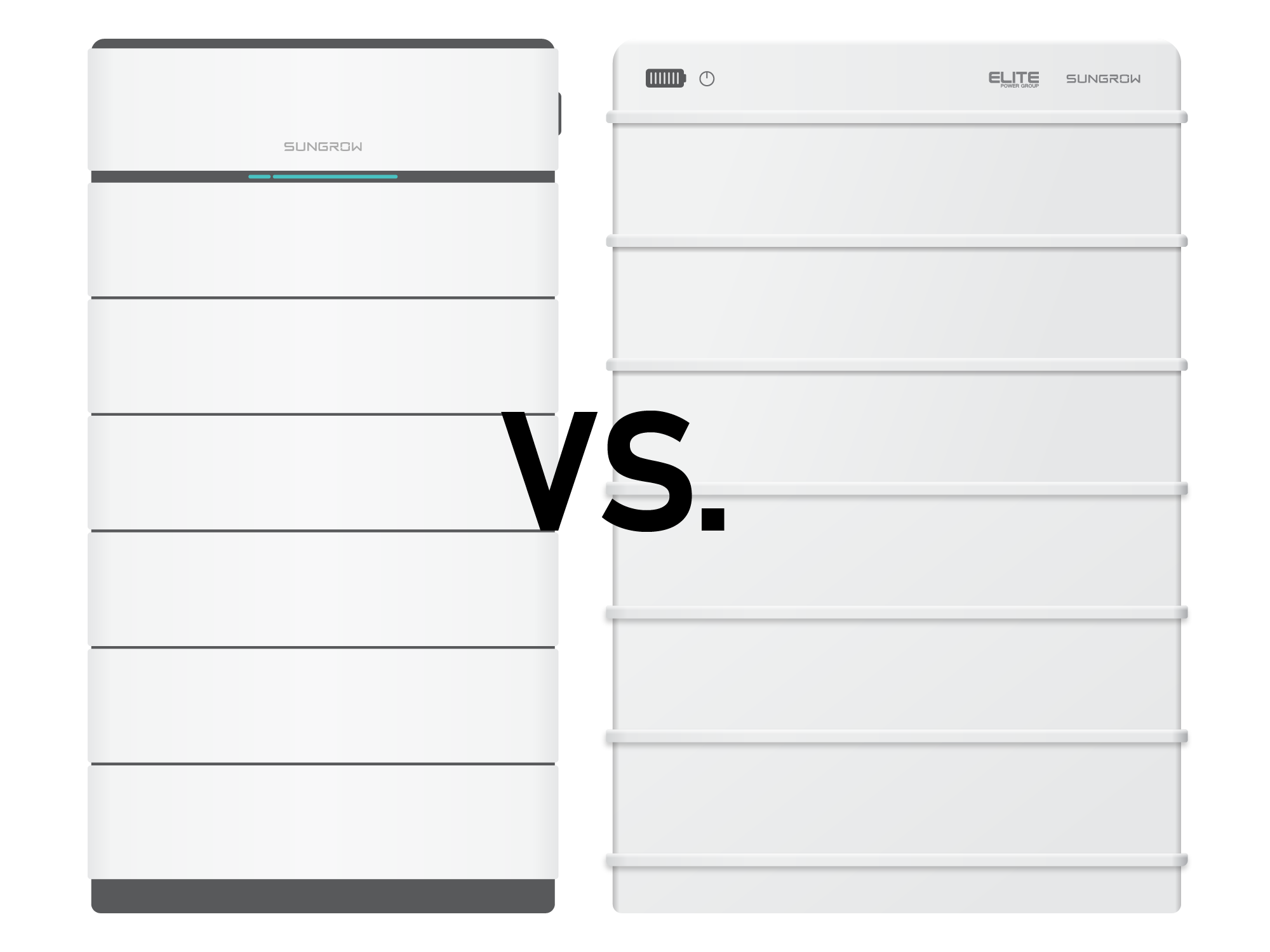
Sungrow offer two line-ups, the SBR and SBH series which vary in capacity and features.
SBH Series: 20-40kWh of capacity, 4-8 Modules per stack, up to 4 units in parallel, AC & DC coupling.
SBR Series: 6.4-25.6kWh of capacity, 2-8 modules per stack, up to 4 units in parallel, AC & DC coupling.
Sungrow SBR vs. SBH cost differences: Sungrow SBR 25.6kWh battery ranges from $14,000-$16,000, and the SBH 20kWh ranges from $15,000-$17,000.*
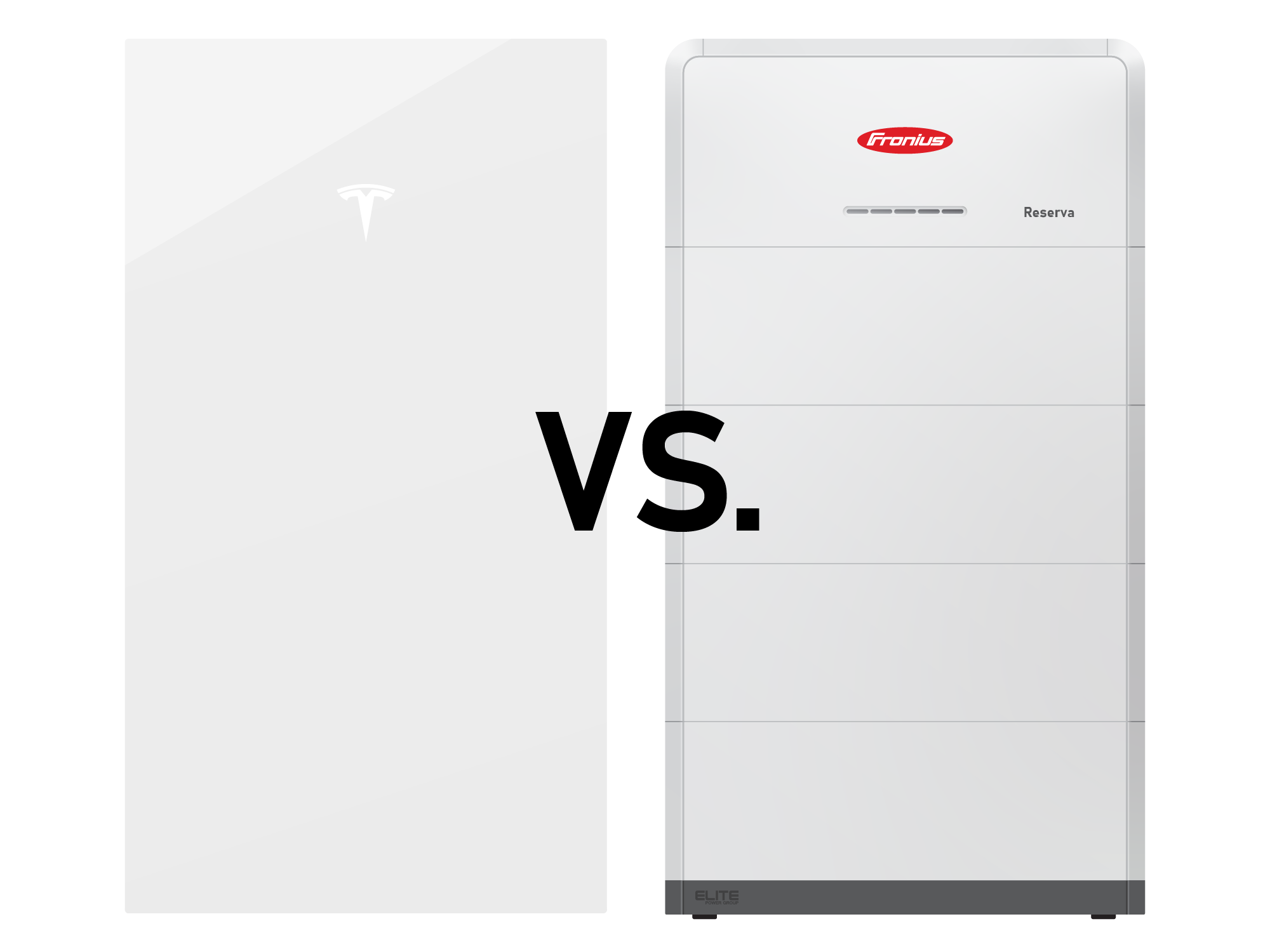
Being the two premium energy storage options, let’s compare Tesla Powerwall 3 and Fronius Reserva.
Tesla Powerwall 3: 13.5kWh of capacity, 1 module per stack, 4 units stacked, AC & DC coupling, built-in inverter.
Fronius Reserva: 6.3-15.8kWh of capacity, 2-5 modules per stack, up to 4 units in parallel, AC & DC coupling.
Tesla Powerwall 3 vs. Fronius Reserva cost differences: Tesla Powerwall 3 (13.5kWh) pricing ranges from $11,000-$13000 whilst Fronius Reserva (158kWh) ranges from $10,000-$12,000 installed.*
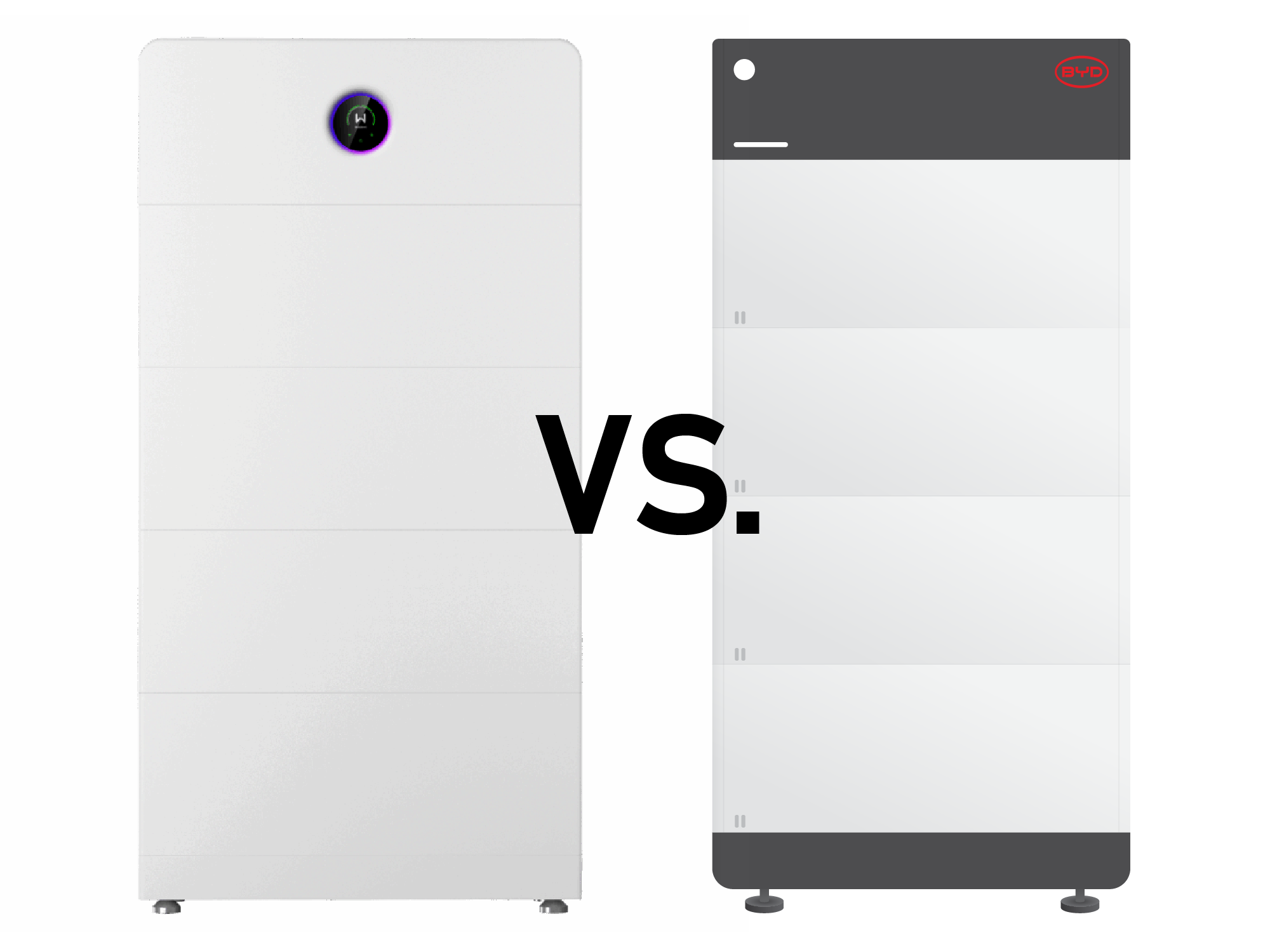
Both GoodWe and BYD offer flexible home storage, but comparing them, which is better?
BYD Battery-Box (HVM): 8.3-22.1kWh of capacity, 3-8 modules, up to 3 units in parallel, AC and DC coupling.
GoodWe ESA Series: 8-4kWh of capacity, 1-6 modules, up to 6 units in parallel, AC and DC coupling capability.
GoodWe ESA Series vs. BYD Battery-Box HVM cost differences: GoodWe's ESA series 25kWh ranges from $11,000-$13,000 and BYD Battery-Box HVM ranges from $15,000-$17,000 for the 22.1kWh stack.*
*Prices are only indicative and do not reflect official quoting. Values represent estimated supply and install cost ranges of the battery only (GST inclusive), and do not include inverters or EPS configurations. Costs also include the federal battery subsidy discount (May-Dec 2026 STC values).
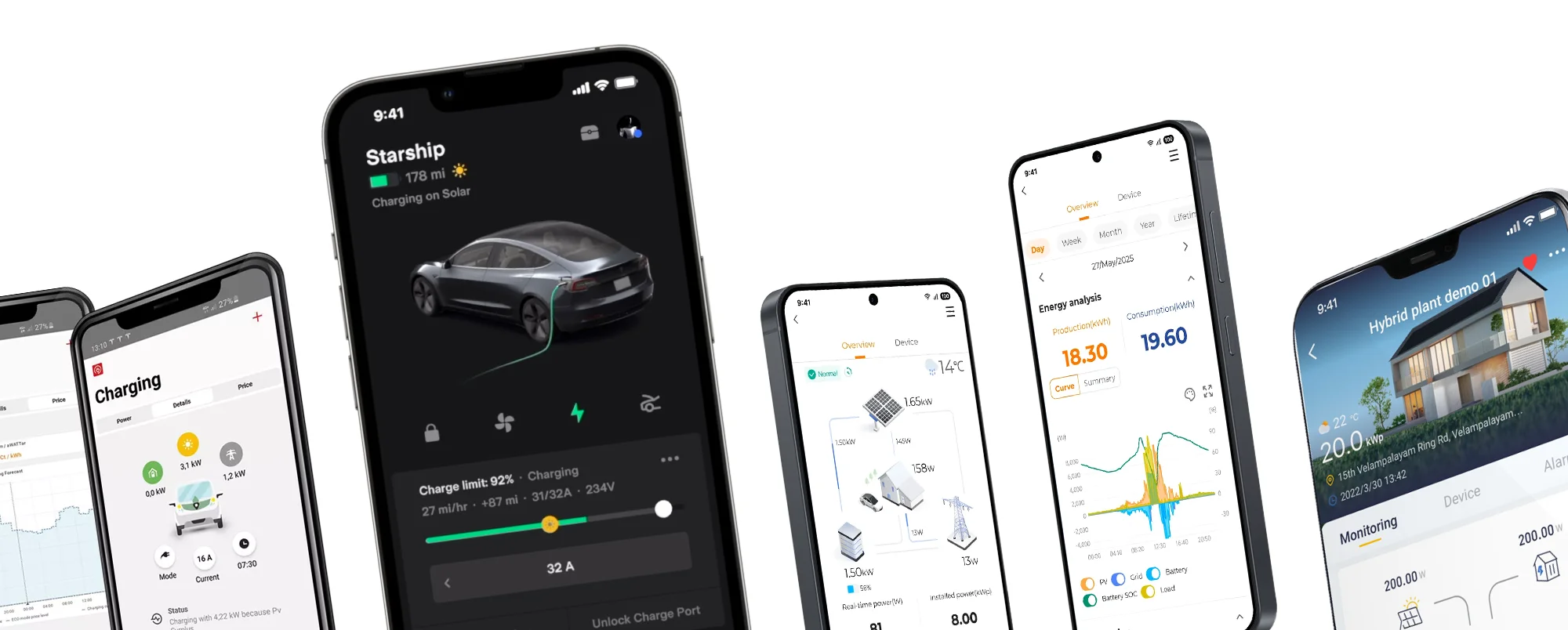
As a lot of people are switching to electric vehicles, future-focused customers who are also looking into a battery are considering EV chargers that will directly integrate with the battery brands.
Most battery brands like Sungrow, Tesla, GoodWe, and Fronius (excluding BYD) offer solid same-brand EV charger options that integrate directly with their energy storage options. Let’s compare EV charging options from each battery brand.
| BRAND |
Battery |
Charger |
Monitoring Software |
| Sungrow |
SBR & SBH |
Sungrow EV Charger |
iEnergyCharge (if standalone) or iSolarCloud
(if integrated – page 36) |
| Tesla |
Powerwall 3 |
Wall Connector Gen 3 |
Tesla App |
| Fronius |
Reserva |
Wattpilot |
Fronius
Solar.Web
+ Solar.Wattpilot
App |
| GoodWe |
ESA Series |
HCA G2 Series |
GoodWe Smart Energy Management System (SEMS) |
| BYD |
Battery-Box HVM |
- |
- |
Depending on what battery system you have will determine what the best EV charger will be. There are other third-party EV chargers that work
well independently, but if you’re looking to get a whole brand-new system, Sungrow is generally the way to go with their well-refined
integration and monitoring.
For homes with a 10kW solar system, getting a battery can be the next step in upgrading your energy to the next level, but what’s the best battery for a 10kW solar system?
Depending on your goals, requirements, and budget, battery options from brands like Tesla, Fronius, Sungrow, GoodWe, and BYD all offer suitable batteries for solar systems around 6.6kW, 10kW, and 15kW.
For most households with solar systems around 6.6kW–10kW, a 13kWh+ battery would be suitable, depending on your energy consumption. Tesla Powerwall 3 offers 13.5kWh of energy storage which is sufficient for most homes but can be on the lower end if not accompanied by a Tesla Powerwall expansion which would increase capacity.
The rest of the battery options from brands like Sungrow are all modular and offer flexibility in storage options which makes them all suitable for residential solar power systems as you can size to your requirements.
To summarise, batteries from Fronius, Sungrow, Tesla, GoodWe, and BYD are suitable for many homes across Australia, but they also offer their own advantage and disadvantages. Here’s each battery’s advantages and disadvantages.
| |
Unique Advantages |
Unique Disadvantages |
| Sungrow SBH |
Sungrow compatibility Higher energy capacity Modern and sleek design |
Not compatible with other inverter brands Minimum capacity of 20kWh No built-in inverter |
| Sungrow SBR |
Offers consistent and gradual increase options at the lower end >10kWh options |
Maximum of 25.6kWh per stack No built-in inverter |
| Tesla Powerwall 3 |
Very strong reputation Direct Tesla integration Simple capacity option Built-in inverter / all-in-one unit U.S. manufactured |
Only offers one capacity option (13.5kWh) which can be a negative for some. Can only provide backup on single-phase |
| Fronius Reserva |
Direct Fronius integration |
No built-in inverter |
| BYD Battery-Box |
Broadest (DC-coupled) inverter compatibility |
No built-in inverter Lower energy density for module real estate |
| GoodWe ESA Series |
Highest capacity options 8kWh per module Most cost-effective option |
Newer to the market |
For those wanting to get into battery storage but are overwhelmed of the options, there are options for everyone whether your budget, requirements, or energy goals are your primary objectives.
What’s the best solar battery in Australia? Whilst we recommend a few solar battery options, we choose Tesla Powerwall 3 for premium all-in-one systems, Sungrow SBH for most general-purpose energy storage, and GoodWe ESA for cost-effective, high-capacity solar storage.
Overall, homes stand to benefit from solar and battery storage, and this is where the world is going with the rapid uptake over the end of 2025 to this year.
Our team keep a tight leash on the battery storage brands and models to ensure maximum safety and longevity for every customer wanting to take advantage of their energy. If you don’t see a battery model or brand listed, it is because it doesn’t meet our safety, compliance, and longevity standards.
Is solar still worth it in Australia in 2026? Discover solar panel costs, payback periods, savings and whether adding a battery is worth it for homes.
Read moreLearn about the May 1st Federal battery rebate changes in Australia and what they mean for home battery costs, solar savings, and discounts.
Read moreCompare Tesla Powerwall 3, Sungrow SBR & SBH, GoodWe ESA, Fronius Reserva, and BYD Battery-Box to find the best home battery for Australia.
Read more
Renewable News Articles
We've invested in becoming fully-licenced and qualified installers to ensure Newcastle homes and businesses
get the best systems and installations possible. We want to assist Newcastle's renewable energy revolution with quality systems.
Certified solar system installers near you.
Get CEC-Approved Battery Installations.
Fully-licenced electricians in Newcastle.
Convenient EV charging stations for properties.
Leave a Comment