Home Battery Rebate Drop - Not too late: Book your January Install
Home Battery Rebate Drop - Not too late: Book your January Install
Posted 28 Feb
Want the latest in energy, solar, and savings?Subscribe to our newsletter – we don’t spam!
One of the common questions we are asked is 'Why are my energy bills still high, even though I just installed solar?', and it's a valid question. You just invested thousands of your hard earned cash to lower your bills, and it's not working? Why is this the case?
We have a few reasons on why your solar may not be making a positive impact on your energy bill, and how you may be able to fix it.
I thought that if I had solar, that I wouldn't pay another grid energy bill again?
Unfortunately, if you don't have a battery, your night time usage will be dependent on grid electricity as your panels aren't producing at these times.
Even if you have a large system with lots of exports during the day, your peak consumption may overrun the savings you earn back throughout the day. This greatly negatively impacts properties which consume most of their power during peak periods, as even the biggest solar system won't offset energy at night.
But I use most of my high-consuming appliances through the day when the sun is out? This will likely be offsetting the usage at night, saving you money. By being connected to the grid, you will also have to continue paying grid connection fees.
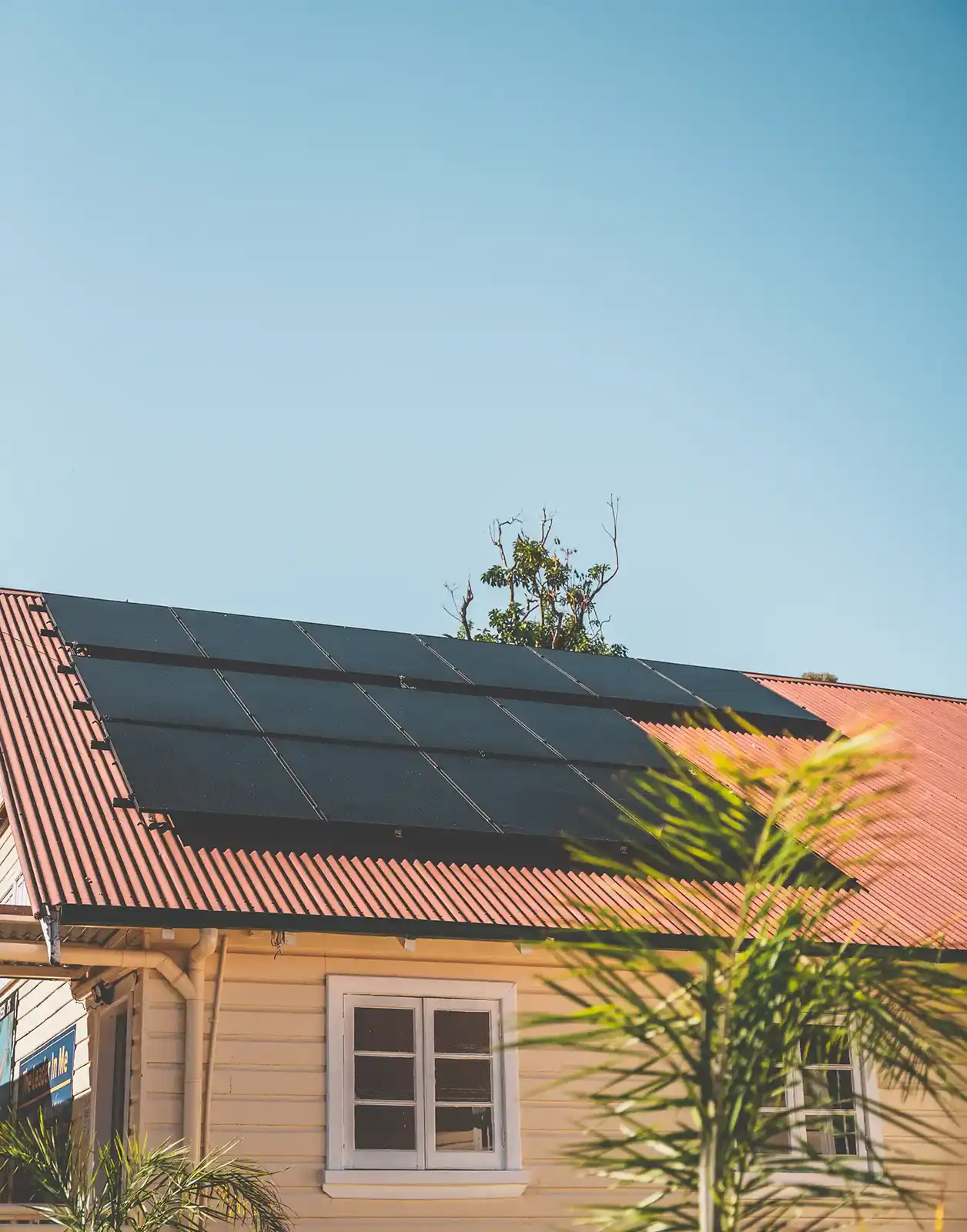
For solar owners that are still getting high energy bills, we've gone through and listed some possible reasons on why electricity is still expensive, even though you generate your own.
The Feed-in Tariff is the credit rate at which energy retailers will pay for every kWh of energy that a customer’s solar system feeds back into the grid. Many energy retailers were offering generous FiT rates in order to attract solar customers to their service. However, in recent years, these benefits have greatly decreased across many electricity companies.
Customers on older plans could have been receiving up to 21 cents per kWh, and may now be receiving much less. IPART's 2026-27 benchmark for a flat all-day feed-in tariff in NSW is 3.4 to 6.5 cents per kWh, though retailers aren't required to pay it and some pay less. Check plans for the best FiT here.
Some plans do pay well for exports in the evening, but only if you have a battery to hold your energy until then. For 2026-27, IPART's benchmark for exports between 4pm and 9pm on the Ausgrid network, which covers Newcastle, Lake Macquarie and Maitland, is 17.2 to 18.7 cents per kWh. Retailers aren't required to pay it, so check what your plan offers.
If your energy bills have gone up recently despite your property having solar, check your energy bills to see the FiT rate you are now operating at.
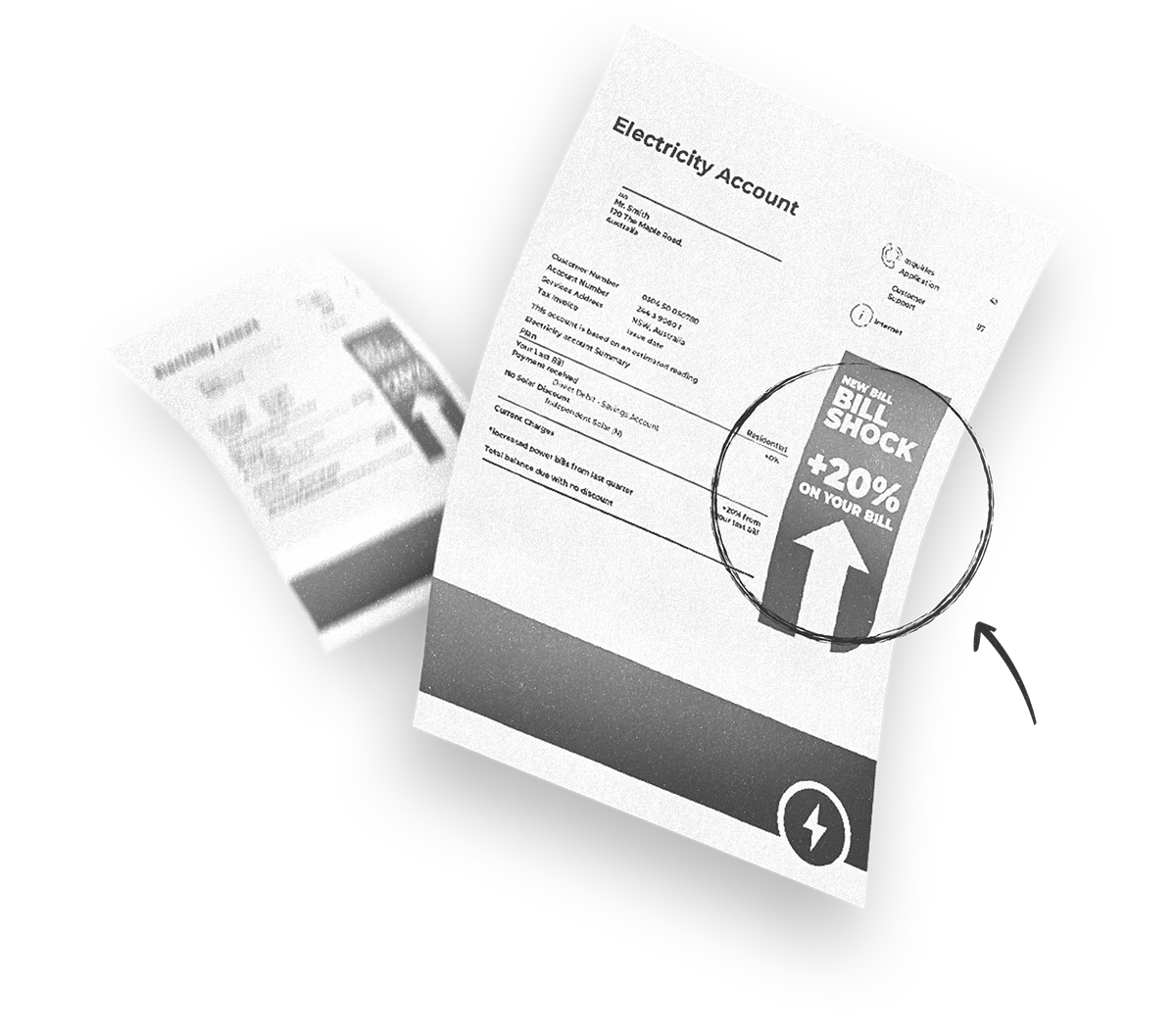
During 2023, there were two major price rise events for the electricity market.
For 2026-27, the Default Market Offer, which caps prices for customers on standing offers, fell by about 3.4% on the Ausgrid and Endeavour networks and 5.0% on Essential from 1 July 2026. Several large retailers lifted their daily supply charges at the same time, so a lower headline price doesn't always mean a lower bill.
These may have initially gone unnoticed for solar customers receiving a good FiT, but with the combination of a lower FiT and skyrocketing grid energy prices, any excess energy that homes are drawing from the grid will be charged at a much higher rate than you are credited. This is likely contributing to increased bill costs.
It is important to remember that if this is the case, you are better off with solar compared to if you didn't. To further improve your grid independence, installing a solar battery will enable you to store your own energy for when the sun goes down or during outages.
Many customers assume that installing solar gives them a free pass to use a lot of power. And, to an extent, this is true.
However, if you have upped your energy use since installing solar, you may be exceeding the amount of power produced by your solar system and therefore incurring significant cost.
If you suspect this may be the case, there is a simple way to find out. Compare a recent energy bill that includes your solar system to a bill that you incurred before installing solar. Specifically, compare the peak and off-peak energy consumption between both bills. If you are consuming more energy in the period after installing solar, this is likely contributing to your bill price. This can be rectified by managing your energy use.
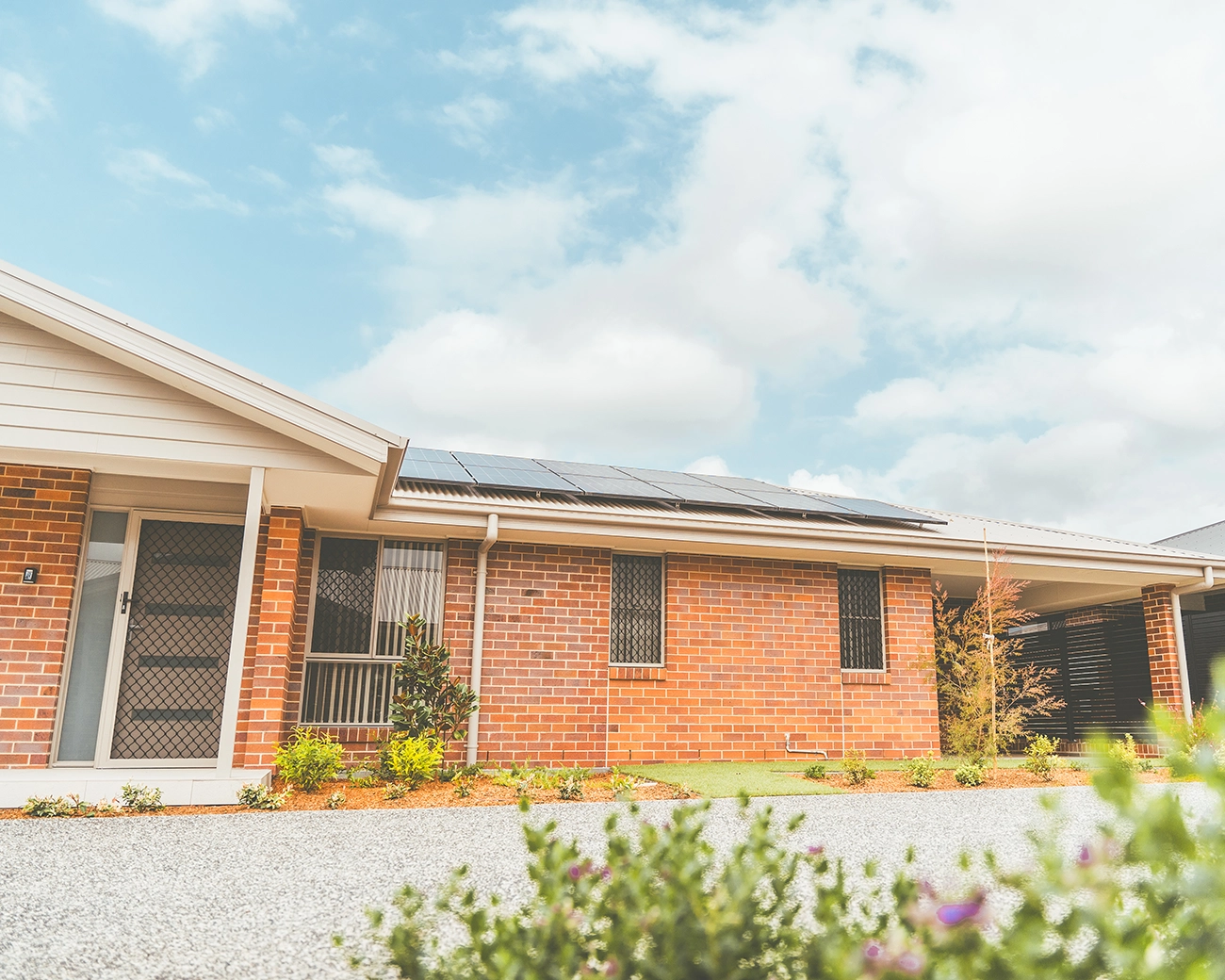

Without battery storage, energy produced by your solar system can only be used during daylight hours, when the photovoltaic system is energised. If you have an unusually high bill, you may need to consider the times at which you use high-energy appliances in your home. For example, running your dishwasher, washing machine and air conditioner during night hours will be drawing lots of electricity from the grid, and therefore incurring cost.
If you are reluctant to install a battery system at your home, you will need to consider using these kinds of appliances during peak daylight hours to reduce your energy bills.
From 1 July 2026, retailers in NSW also have to offer a Solar Sharer plan with three free hours in the middle of the day, 11am to 2pm, capped at 24 kWh a day. You have to opt in, and retailers recover the cost through higher peak rates or daily supply charges, so compare the whole plan before switching. It suits households that can move a good chunk of their usage into those hours, and a battery that charges during the free window gets the most out of it.
If all previous options don’t seem likely, a higher energy bill at a home with solar could be explained by a particular bad month of weather. Though solar panels are still energised on cloudy/rainy days, they do not nearly produce to the extent of clear and sunny days. Consider whether the month has been affected by prolonged poor weather.
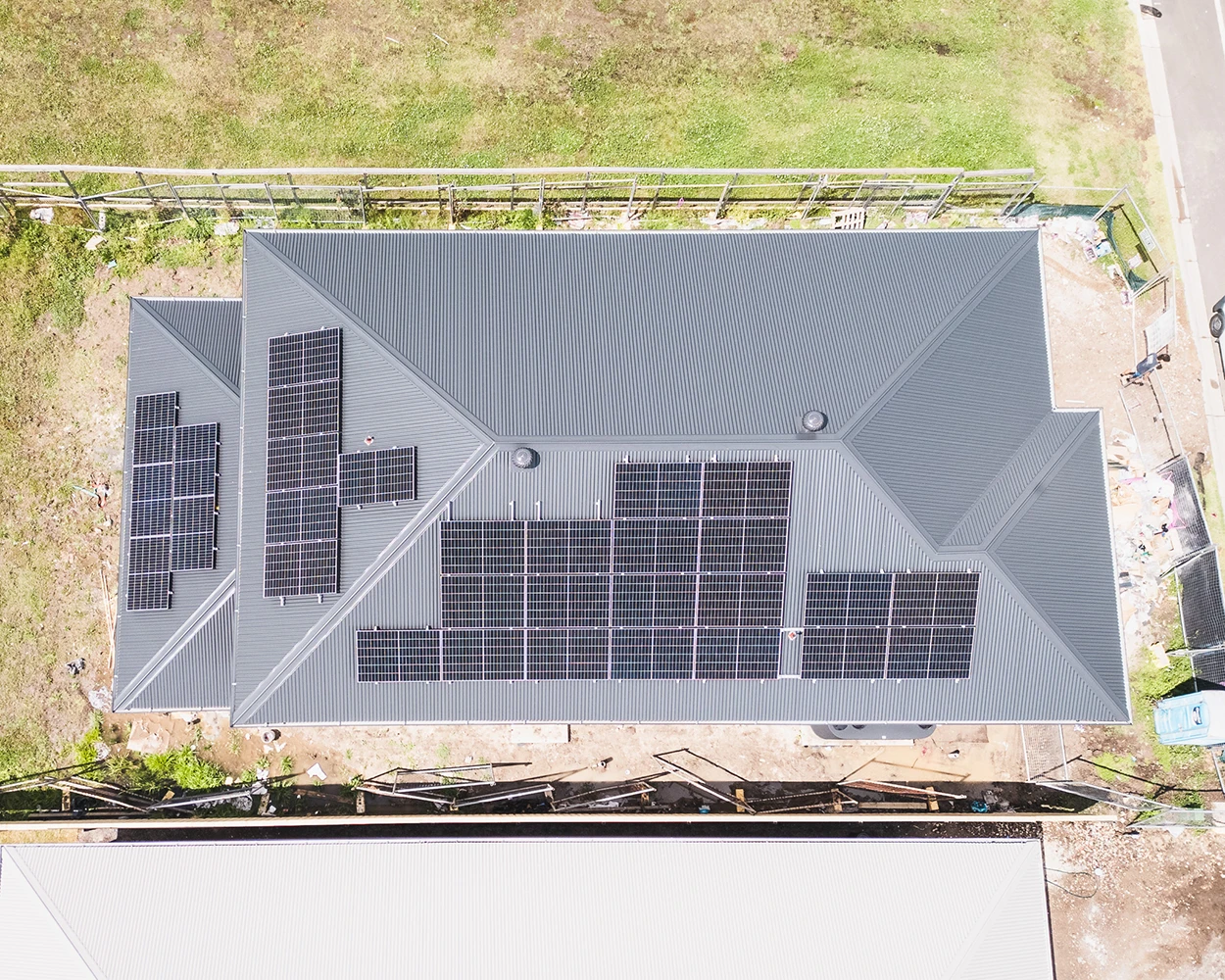
When solar is installed at your home, the installer is tasked with notifying your energy retailer of the extent and compliance of the system that has been installed. They then request that your energy retailer change either the physical metering or simply the energy plan that your property operates under so that your bills will reflect the particular FiT offered by the retailer.
Elite Power Group takes pride in ensuring that this Service Works Request (SWR) procedure is completed in full and to the satisfaction of our customers. However, if you are unsure if your installer has undertaken this on your behalf, double-check that your energy bills include a solar FiT section. Contact your retailer ASAP if this appears to be missing from your bill, as you are not receiving the full financial benefits of your solar installation.
This is the final and most unlikely situation. Solar systems are highly durable and simple to troubleshoot, so the likelihood that your bill price is due to a system failure is low. Elite Power Group prides themselves on high quality workmanship, however we are also committed to hearing our customers and rectifying any issues that may arise in our systems.
Your installer should have access to online monitoring of your solar system. If you suspect your solar system may have issues - after considering the former reasons why your bill might be inflated - reach out to your solar installer to check if this is the case.
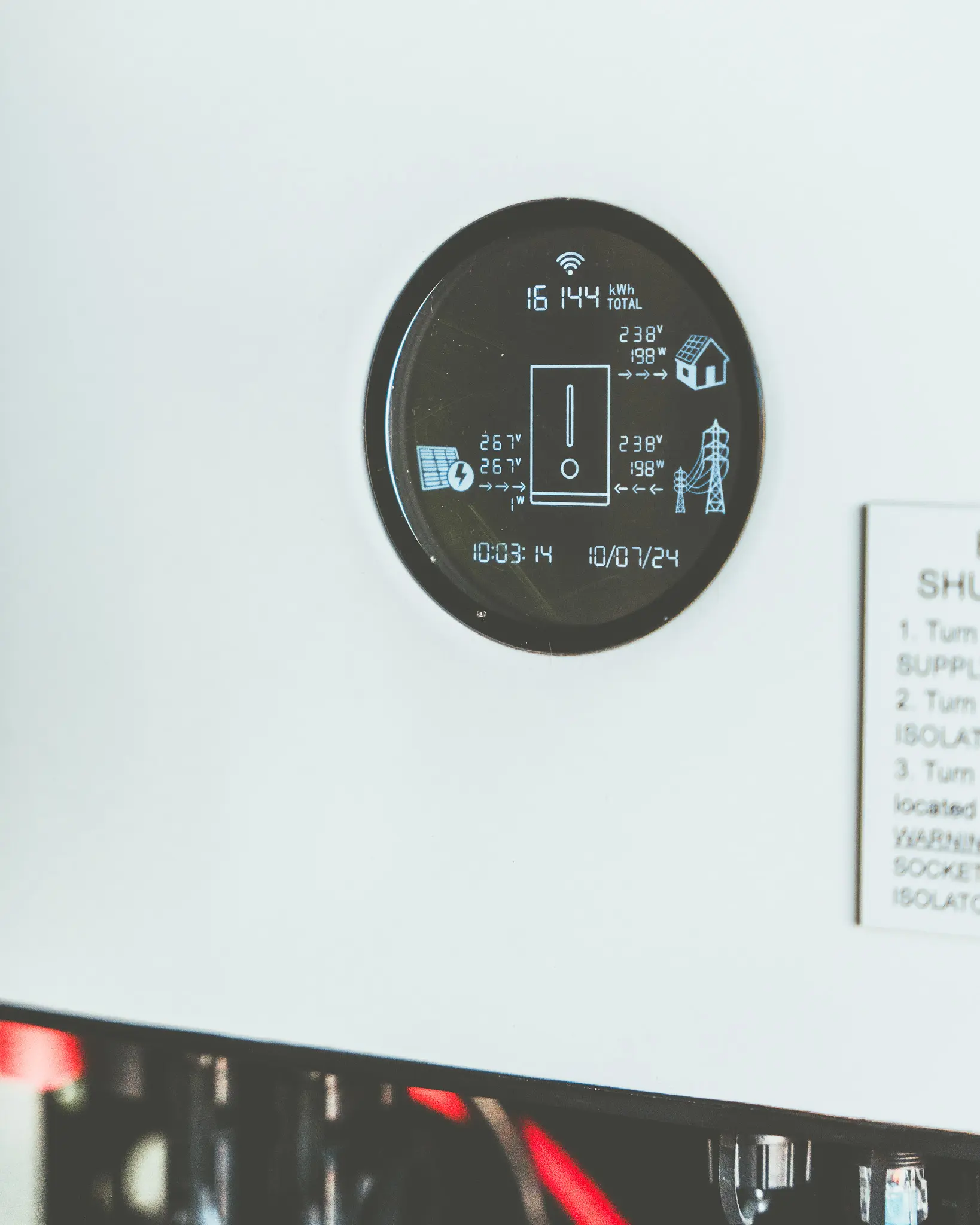
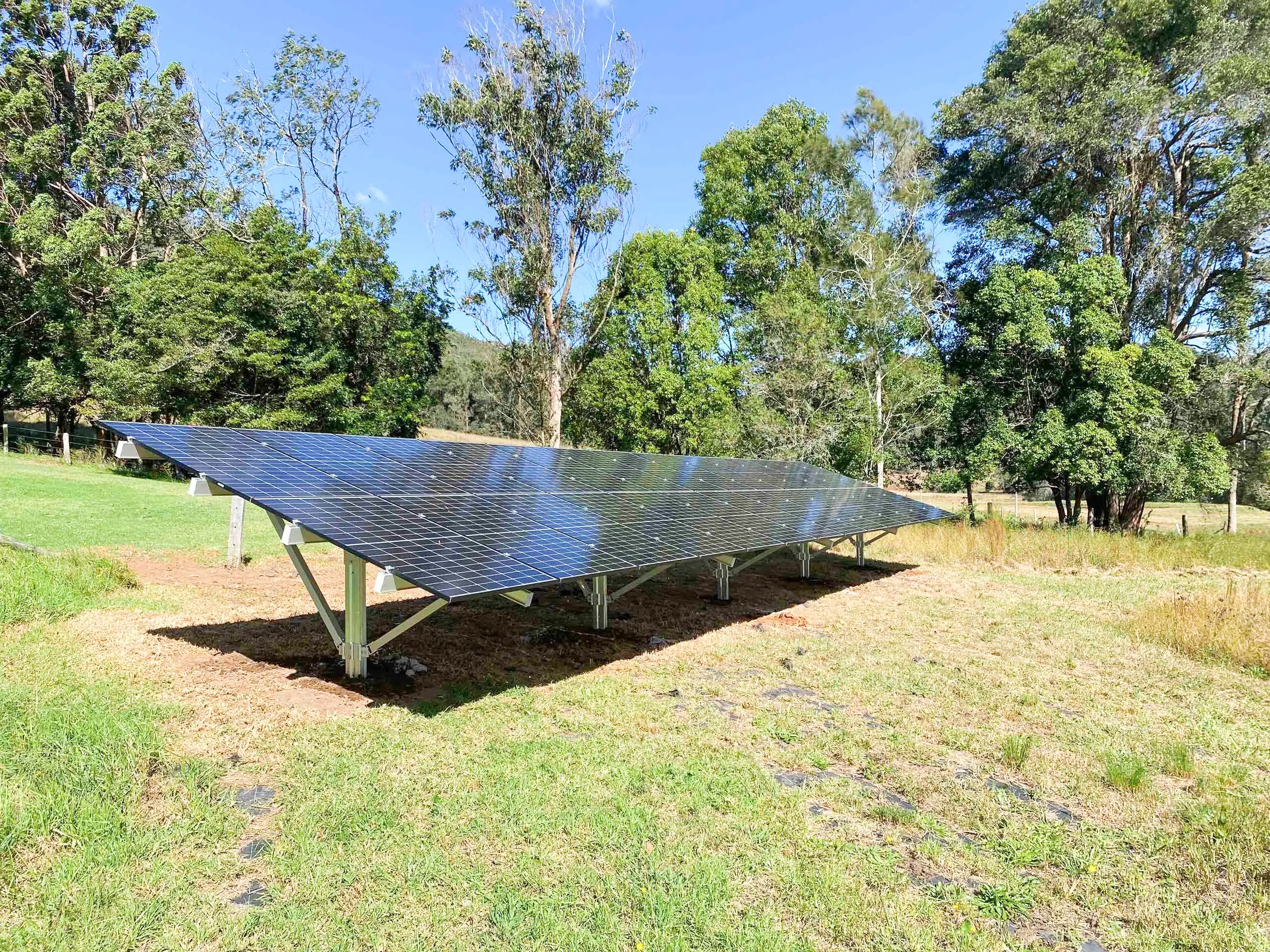
Solar is a great renewable solution to high energy costs. Importantly, there are two types of solar/battery solutions: On-Grid and Off-Grid.
Off-Grid means that your property has been completely disconnected from the electricity grid, relying solely on solar, battery, and generator energy to power the residence. These properties don't have to pay energy service and connection fees.
Because homes are still connected to the grid, even properties that are a Microgrid or Virtual Power Plant will still need to pay for service and connection fees.
If you had your solar installed by another company but would like Elite Power Group’s expert technicians to look over your system to ensure it is functioning optimally, reach out to us and request a Solar Health Check. We can visit your property, inspect your system, and provide you with a comprehensive report on the health and future projections of your solar system.
Though energy prices are on the rise, there are many steps you can take to lower your monthly electricity bill. Installing solar is the first step! However, managing your solar system and energy consumption is important to seeing sustained energy bill reduction.
What the Clean Energy Council's January to June 2026 report found on rooftop solar, home batteries, forecasts and complaints, and how to read the figures.
Read moreNot all batteries provide blackout backup by default. Learn what happens, what your battery is backing up, and how to stop your battery draining too fast.
Read moreNot sure which battery matches your solar system? Compare solar & battery size combinations, from 6.6kW to 13.3kW+, & find the right fit in Newcastle.
Read more
Renewable News Articles
Sign up for new article updates - we don't spam.
We've invested in becoming fully-licensed and qualified installers to ensure homes and businesses get
the best solar, battery, and electrical systems available.
Certified solar system installers near you.
Get SAA-Approved Battery Installations.
Fully-licensed electricians Near You.
Convenient EV charging stations for properties.
Leave a Comment
If your bill hasn't changed even with solar feed-in-tariffs, definitely have a look at changing energy plans. You can compare them here - https://wattever.com.au/compare/
A battery for your 6.6kW system also won't cost $30k. You're more likely looking at around $10-15k, which also gives you the ability to join Amber where you access the wholesale market and earn money, not just save it.