Tesla Powerwall 3 Rebate Now Available - Combine with Federal Subsidy Today
Tesla Powerwall 3 Rebate Now Available - Combine with Federal Subsidy Today
Posted 8 Dec
When considering a solar or battery system, it is important to understand what inverter to look for, as it will have a large impact into how your system works, its efficiencies, backup features, and system current and future flexibility.
In Australia, solar systems consist of 3 main inverter types, grid-tied inverters, hybrid inverters, and microinverters. Each inverter has its advantages and disadvantages, so let’s break it down.
Australian homes and businesses consist of a broad range of different solar and battery systems, all with different setups, configurations,
and components. In Australia, we use a combination of grid-tied, hybrid, and microinverters.
Grid-tied or ‘traditional’ inverters are the most common inverter you’ll see in solar installations in NSW. They are designed to convert the DC power from solar systems to useable household AC electricity. Traditional grid-tied inverters cannot operate independently from the grid and are designed to shut down during grid outages to isolate from the grid (otherwise known as anti-islanding).
These are designed to be simple and cost-effective inverter solutions for both single and three-phase properties throughout Australia.
Stepping up from our traditional inverters, Hybrid inverters add the element of battery management where they are designed to control both your solar and battery energy in real-time in the same unit to maximise efficiency.
Being essential for DC-coupled battery system installations, hybrid solar inverters enable backup solutions for both single and three-phase properties, making it perfect for brand-new solar systems for the ultimate futureproofed inversion solution.
Unlike the other two inverter types, microinverters are smaller and are generally attached right next to the solar panel array/s which
also convert the DC and AC. Microinverters are designed to improve system performance in shaded scenarios where one or a few panels are
under shade which can negatively
affect overall performance.
However, we believe microinverters are obsolete due to the advancements in technology in the panels themselves which reduce the need for
solar optimisers and microinverters.
As mentioned previously, grid-tied inverters are the most common inverters you’ll see around as they are designed to be the cost-effective, solar-only inverter solution. Why do they still exist?
Even though grid-tied inverters aren’t designed to have a battery connected, batteries can still be installed into solar systems with one through an AC-coupled installation. An AC-coupled battery installation is designed for owners that got a non-battery-ready inverter several years ago without the intention of getting a battery.
Traditional grid-tied solar inverters can be both single and three-phase, depending on your property type, and aren’t really designed to provide backup power during grid outages which is a big selling point for most.
These inverters are called ‘grid-tied’ as they require constant grid connection to operate which makes them ineffective during grid outages.
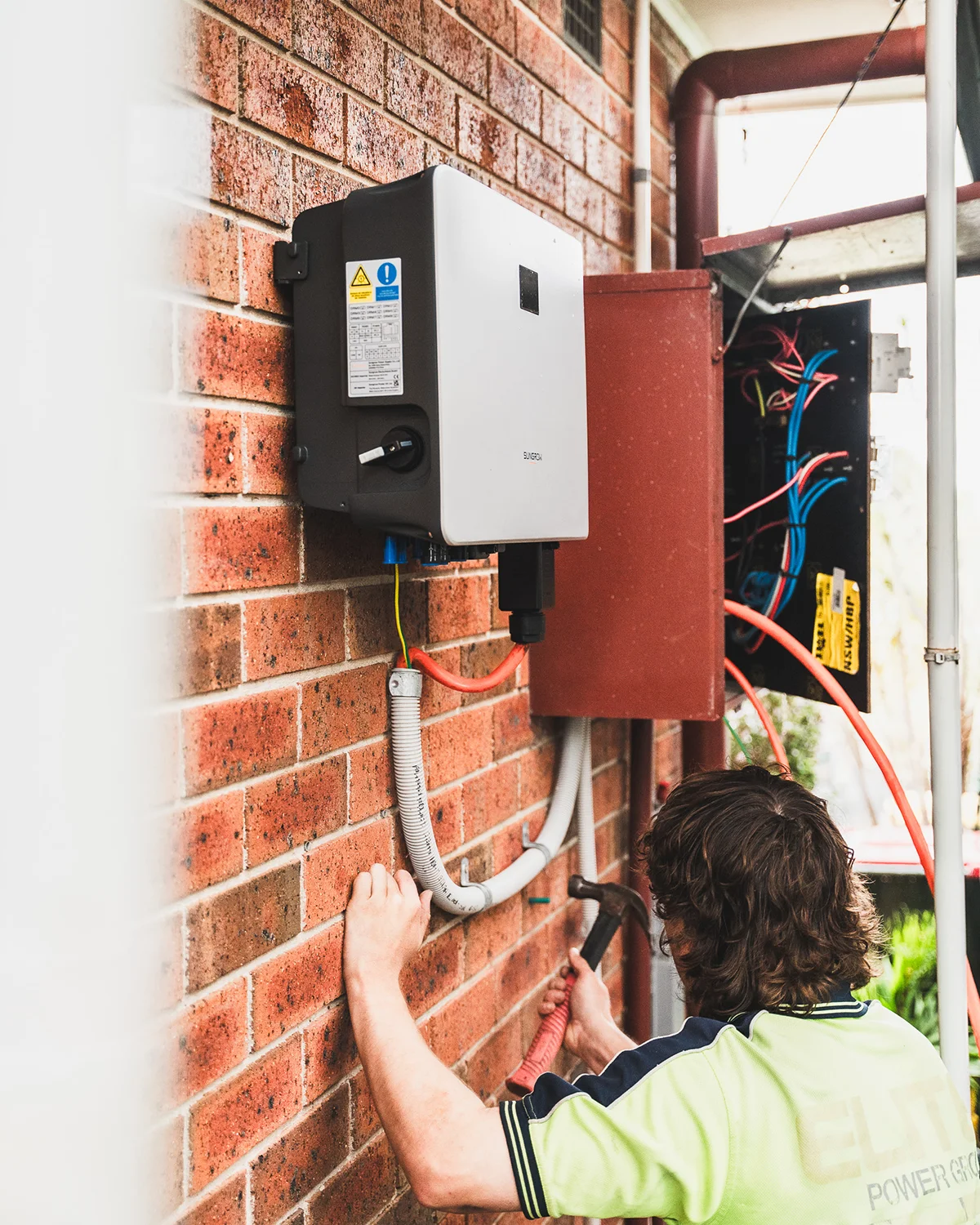
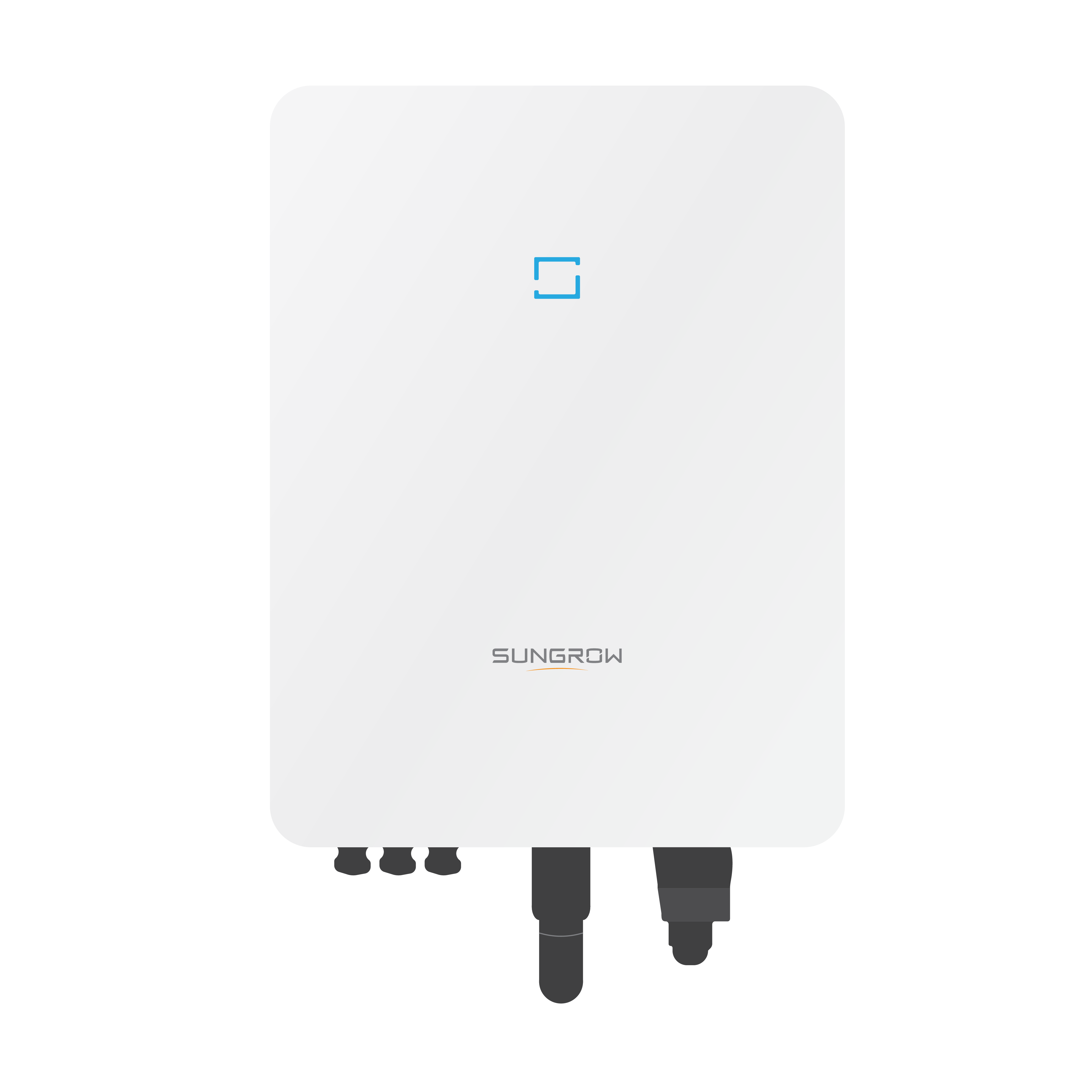
Image: Sungrow single-phase grid-tied inverter
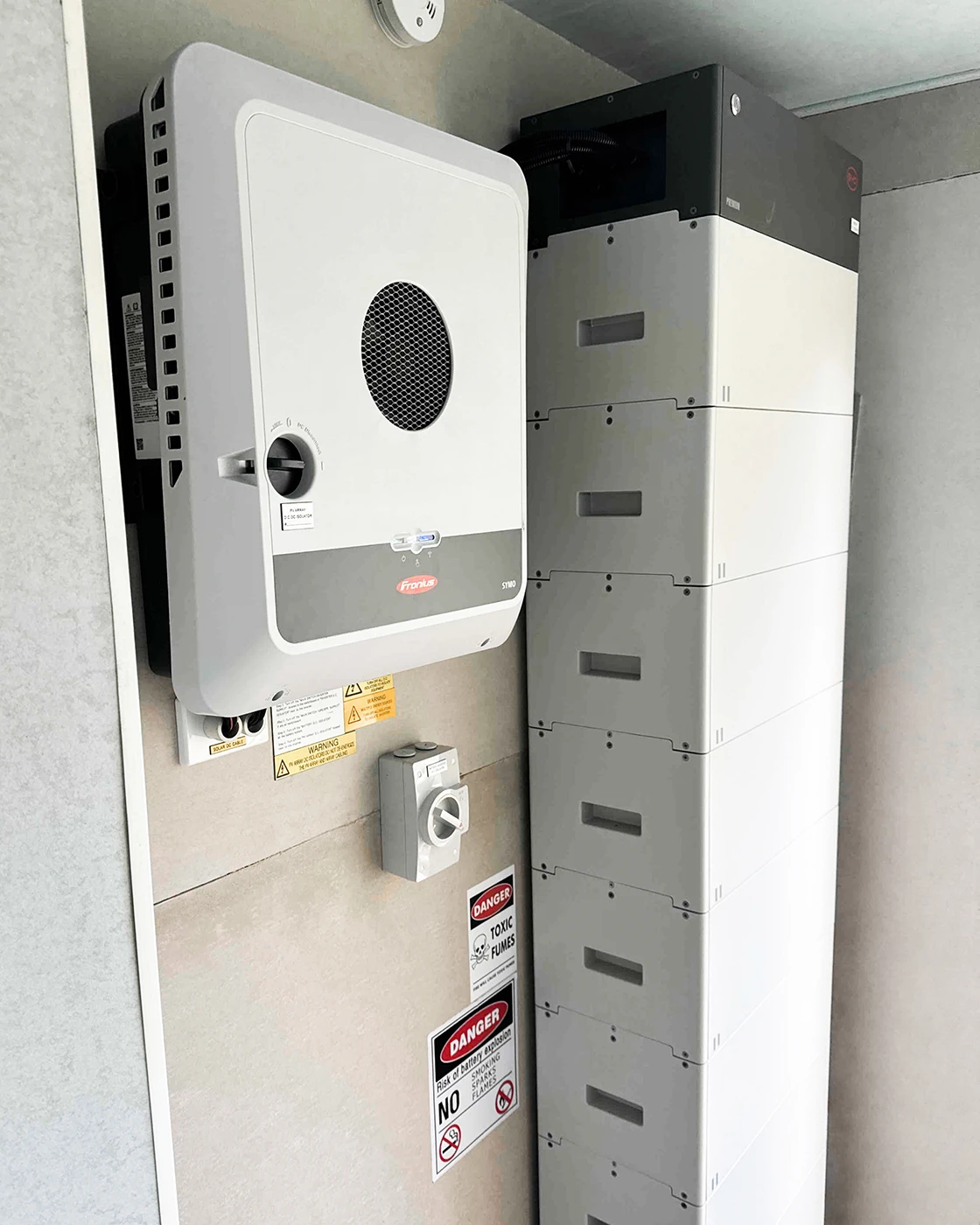
As time progresses and more solar owners investigate battery storage, hybrid solar inverters become increasingly popular throughout Australia. Hybrid inverters can achieve the same as grid-tied inverters; however, they are also designed to directly manage compatible battery storage too and can be both AC and DC-coupled.
By managing both solar and battery storage in the one unit, you gain an integrated energy system that can communicate directly which unlocks features like software integration and high power output.
Hybrid solar inverters enable properties through Australia to backup circuits, and up to all three-phases for whole home backup. It also enables a much higher energy output, as the battery isn't limited by its built-in inverter.
Being mostly used in DC-coupled systems, Hybrid inverters minimise the number of conversions your energy has to endure on its journey for maximum efficiency.
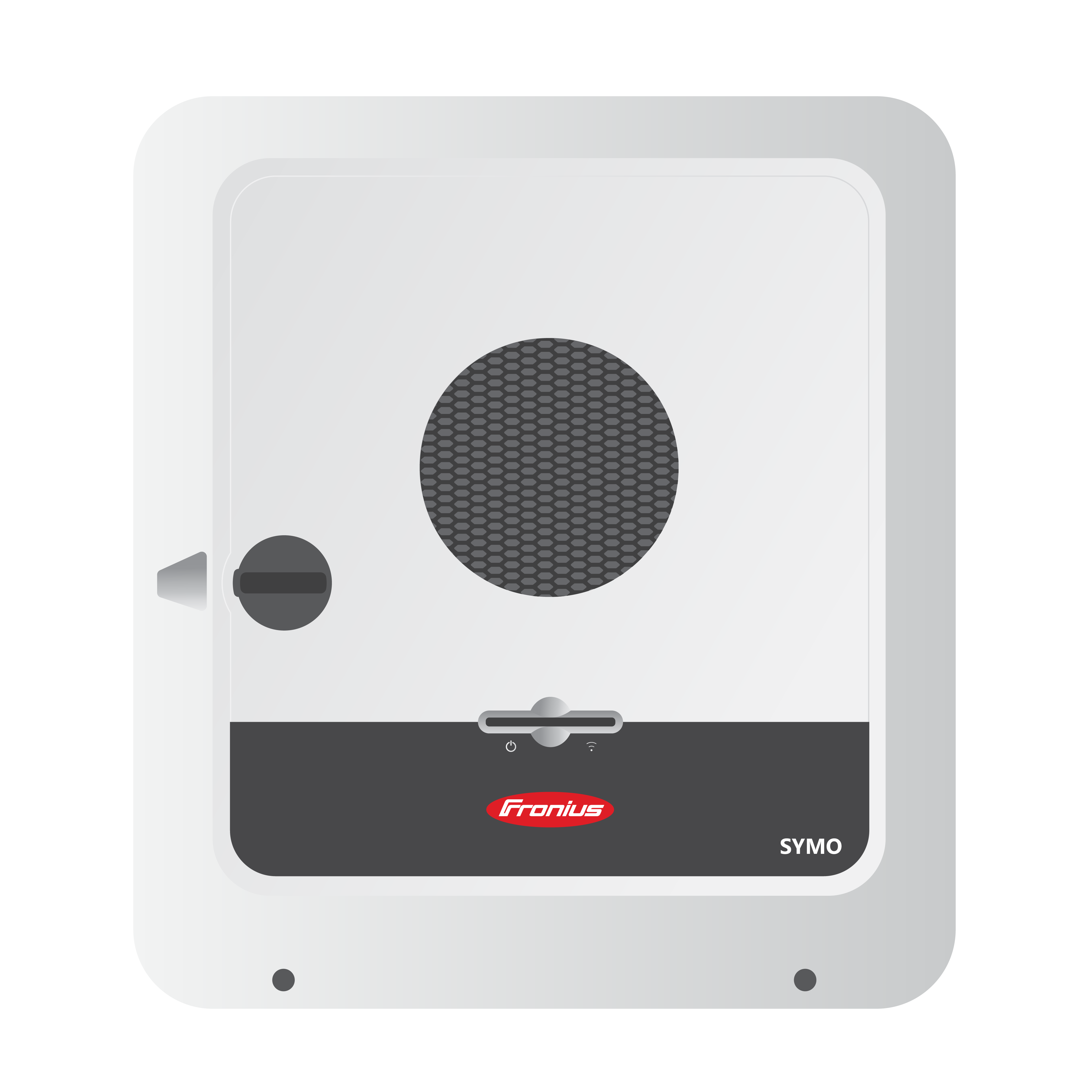
Image: Fronius GEN24 Hybrid inverter + BYD Battery-Box
Whilst not commonly installed by every solar company in Newcastle, solar microinverters do still make appearances for general solar system installations. In this configuration, each panel has its own small inverter that converts the DC solar energy to AC. Microinverters are designed for complex roof faces or shading to allow for continual performance when part of the solar system stopped or was minimised.
Microinverters are generally not used anymore by modern solar power installers as technologies in both central inverters and panels have superseded the need for power optimisers and microinverters.
Because not every inverter is created equal, not every model will be able to provide backup. Traditional grid-tied inverters are only designed to convert PV energy and can’t provide any backup. An AC-coupled battery will continue to provide power; however, most grid-tied inverter will be shutdown during outages.
Hybrid and DC-coupled inverter systems provide better energy management between solar, battery, and the grid. The size of the hybrid inverter determines how much of your home can be backup up and powered during an outage.
Smaller inverters will only power a small partial home backup, potentially powering essentials like lighting and fridges. Larger three-phase hybrid inverters like Sungrow’s SH15/20/25T series can supply power for a whole-home backup for appliances like air-conditioning, ovens, and pool pumps at the same time.
Inverter sizes also affect the phase coverage. Single-phase hybrid inverters can only back up one phase which will be a limitation for full-home backup on three-phase properties.
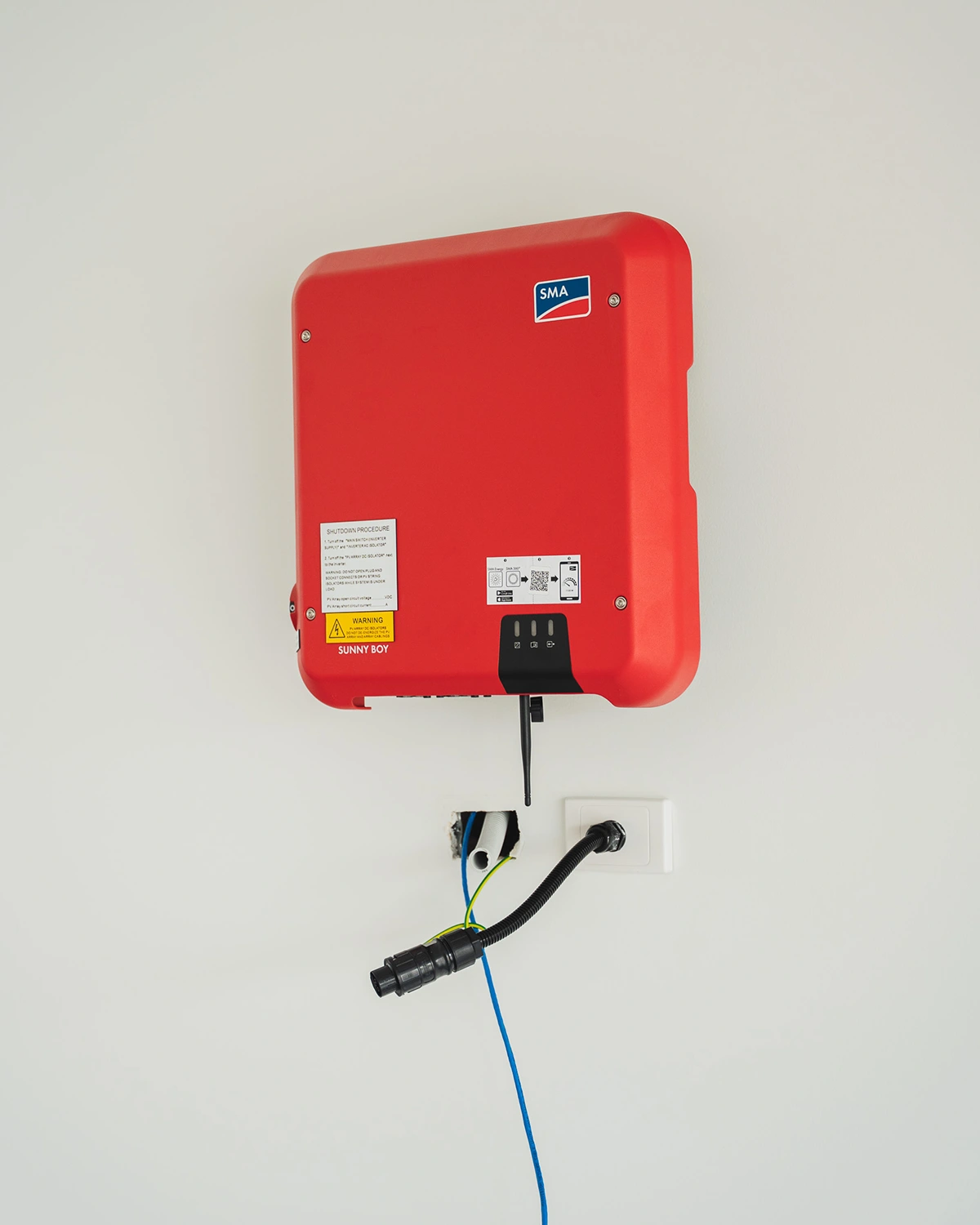
Image: SMA Sunny Boy single-phase grid-tied inverter
Single and three-phase requirements don't affect the decision between hybrid or grid-tied inverters.
A single or three-phase property will only indicate whether you need a single or three-phase inverter and doesn’t indicate whether to get a hybrid or other inverter type.
Depending on if your home or business is single or three-phase, it will alter your inverter options in either category as both grid-tied and hybrid inverters come in three-phase and single-phase options. The difference is essentially the amount of power the inverter can deliver.
Brands like Sungrow, GoodWe, and Fronius offer single and three-phase options for both their hybrid and grid-tied inverter models.
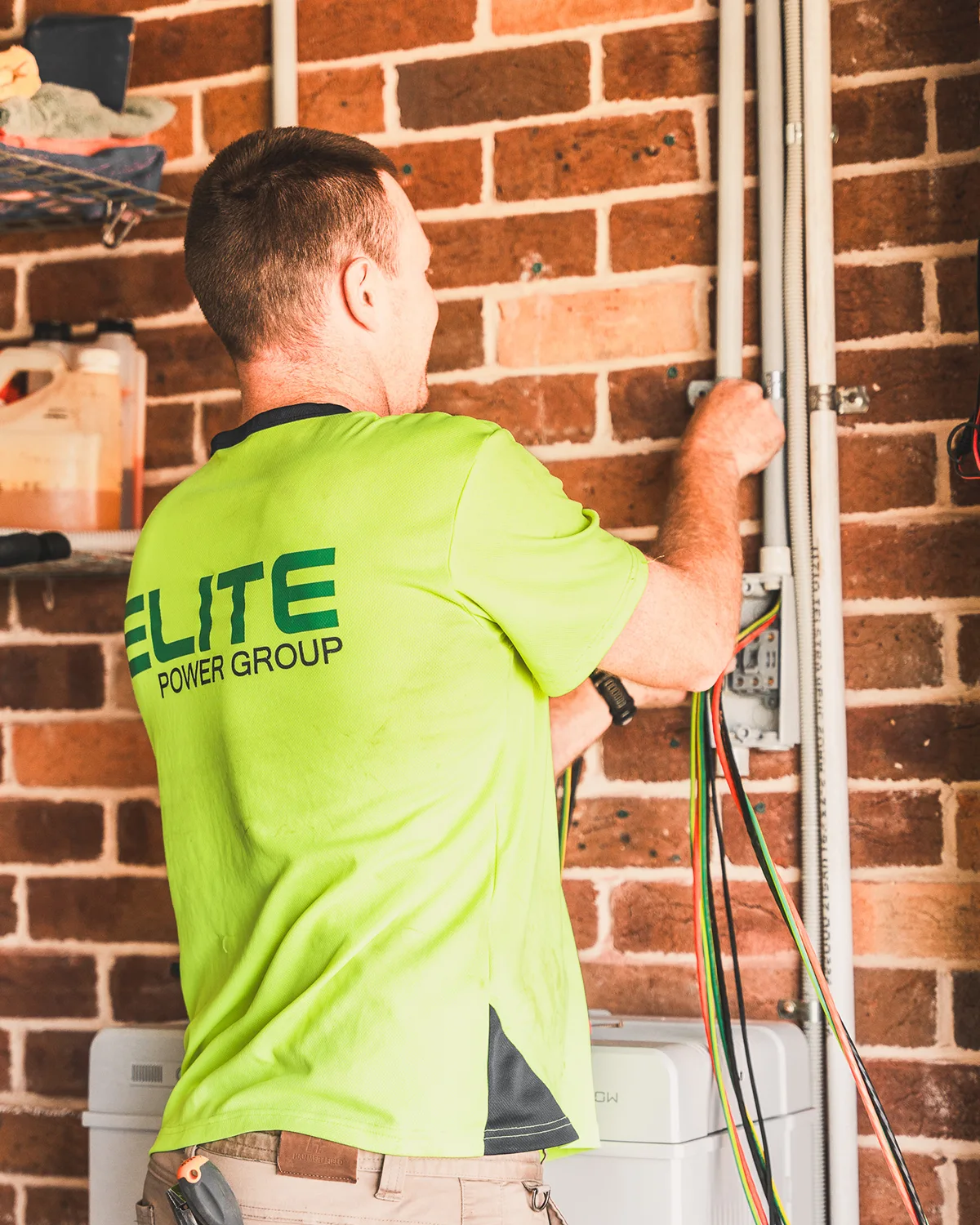
Image: Elite Power Group installing Sungrow battery & inverter
Hybrid inverters use a combination of both grid energy and solar & battery power for backup and exporting, where off-grid inverters run completely on local solar and battery storage, with the option of generator input depending on configuration.
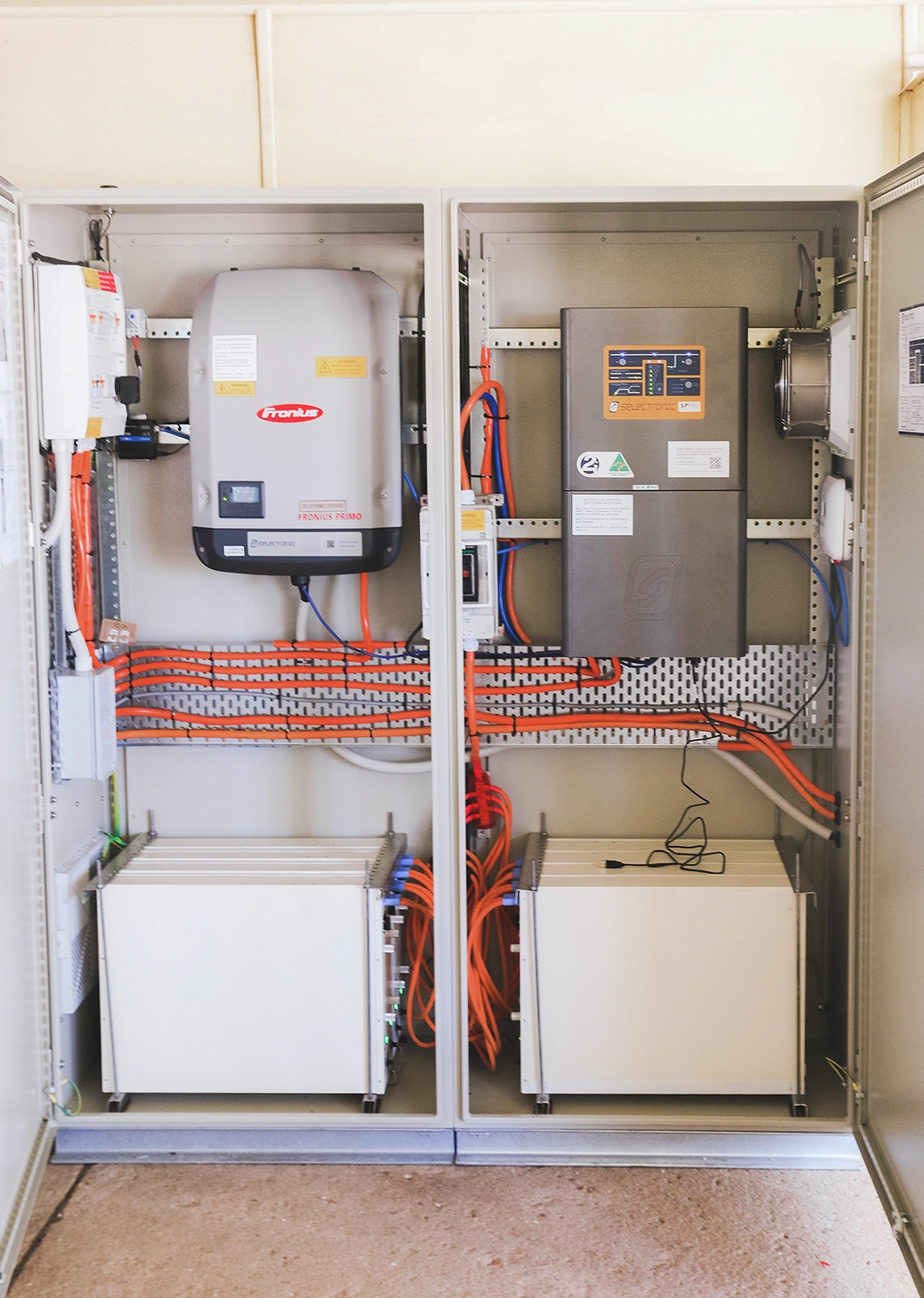
Off-grid solar inverters like Selectronic’s SP-PRO multi-mode inverter are designed for remote applications without grid access but can’t be connected to a grid backup when available like hybrid inverters.
Hybrid inverters are preferred for a semi-independent system where the grid acts as a backup instead of diesel generators. Off-grid inverters are best for completely offline homes and businesses.
Image: Fronius Primo & Selectronic SP PRO + PowerPlus Battery modules
Whilst there are a large number of inverter manufacturers worldwide, as installers, we prefer to use a small selection of inverter brands to ensure quality and rely on strong reputations like Fronius & Sungrow.
Fronius offers a range of both grid-tied and hybrid inverter solutions for properties all throughout Australia. Their GEN24 series comes in both single and three-phase options that offer basic backup options, as well as their GEN24 Plus series that offers full backup options.
Sungrow also offer strong hybrid inverter solutions ranging from 3kW to 25kW. Like Fronius, Sungrow also offer whole and partial home backup power for their hybrid inverter solutions.
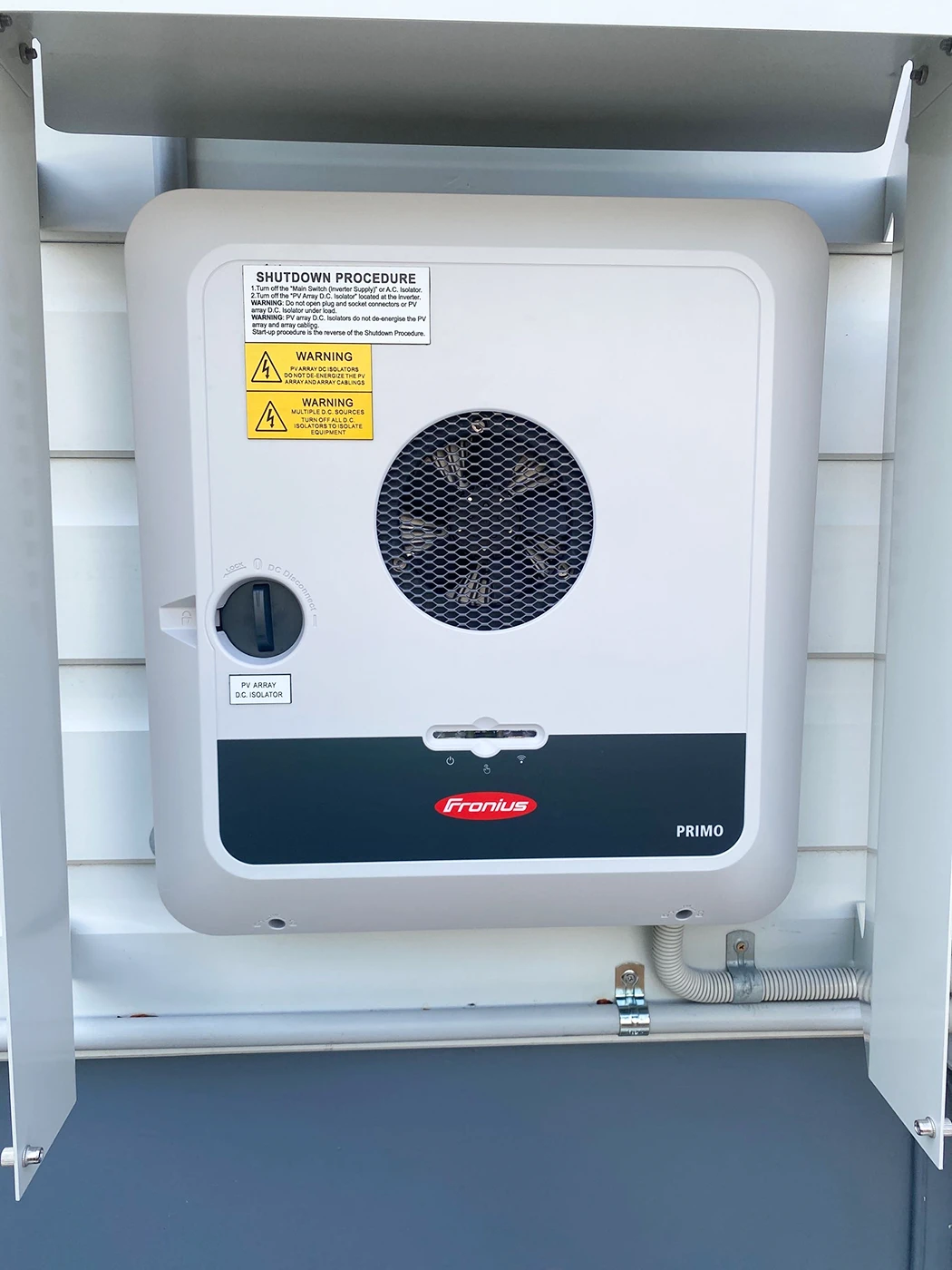
The main cost difference between a grid-tied inverter and hybrid inverter is around +$1000, depending on the models, features, and brands.
Because traditional grid-tied inverters have fewer features than their hybrid counterpart, they are generally the more cost-effective option and are more designed for solar-only systems.
Hybrid inverters on the other hand offer more features and futureproofing which is why they come in more expensive than grid-tied inverters. Whilst not as ‘cost-effective’, hybrid inverters enable homeowners to have future-ready features like direct battery integration which can be more valuable for some.
Image: Elite Power Group installing Sungrow battery & inverter
Overall, each inverter type serves its own purpose. Choosing between all the different types of solar inverters, in particular grid-tied and hybrid inverters, will really come down to your requirements and budget.
If you're in the Newcastle, Maitland, or Hunter region, and would like some free consultation around choosing the right solar inverter, we'd love to have a chat today.
Discover the latest news and articles throughout Newcastle, Maitland, and the Hunter region in NSW. Keep up-to-date with all that's happening in the solar and electrical industry.
Explore the difference between solar inverter types like grid-tied, hybrid, microinverters, and off-grid inverters for solar and battery systems in Australia.
Read moreExplore Australia's first CEC-approved bidirectional and vehicle-to-grid capable electric vehicle, the V2Grid Numbat, a 6.2kW V2G/H charger now ready.
Read moreExplore how battery nominal & useable energy capacity is different to power output, and learn about state of charge, depth of discharge, and cycles.
Read moreExplore the differences between AC and DC electric vehicle charging in Australia and how it affects the way you charge your EV, and the pros & cons.
Read moreConsidering a cheap solar system? Learn how low-quality, unreliable inverters and panels can lead to costly repairs, full replacements, and safety issues.
Read moreVolts vs amps vs watts explained simply. Learn what current is and how watts are calculated using examples & easy conversions for electricity in Australia.
Read more
Renewable News Articles
Not only are we specialists in solar power, but we pride ourselves in being leading installers in battery
storage, as well as EV charging for homes and businesses. For solar and battery systems, we offer both on and off-grid solutions for a
range of applications.
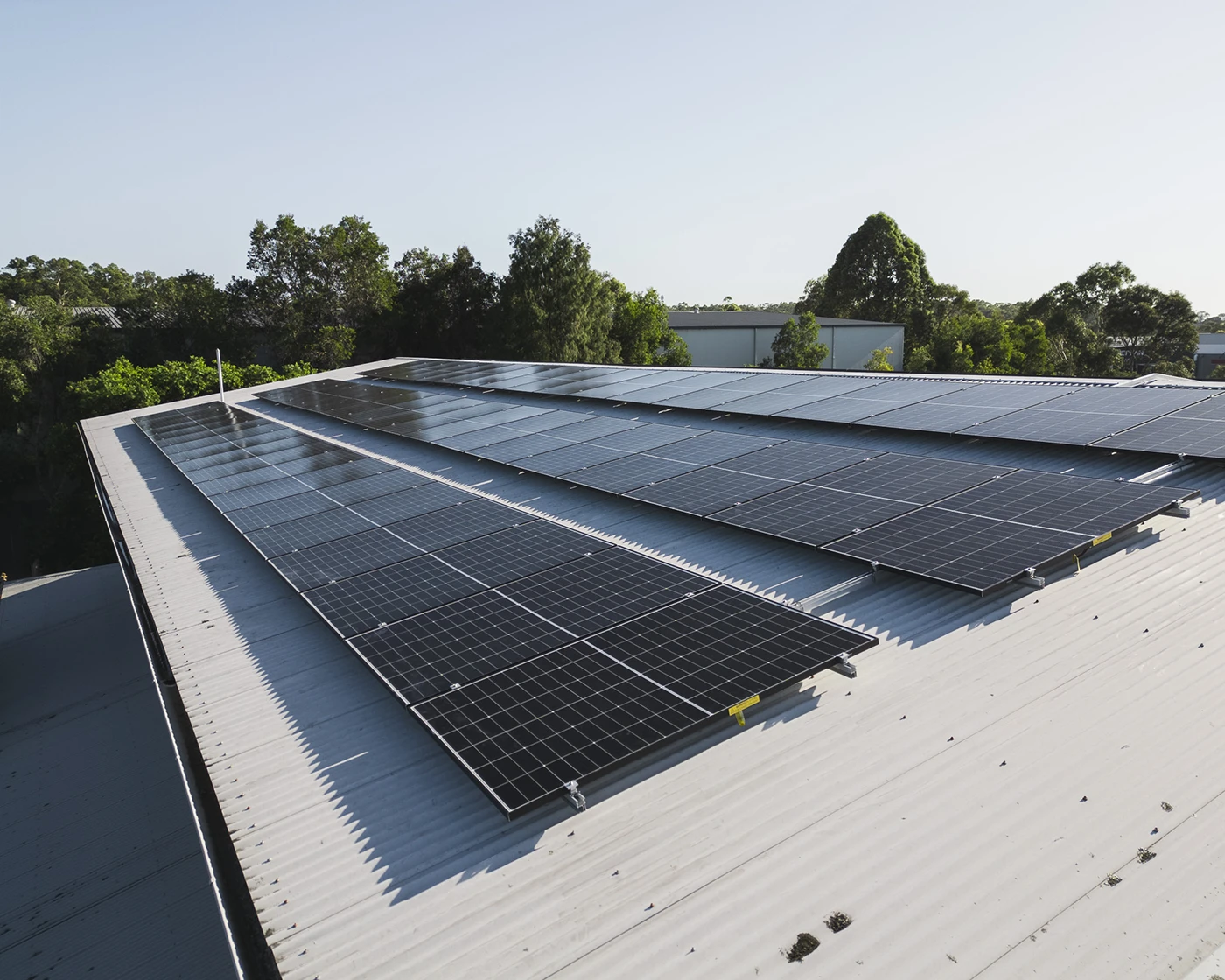
Newcastle's leading solar installers, providing long-lasting residential and commercial rooftop solar systems.
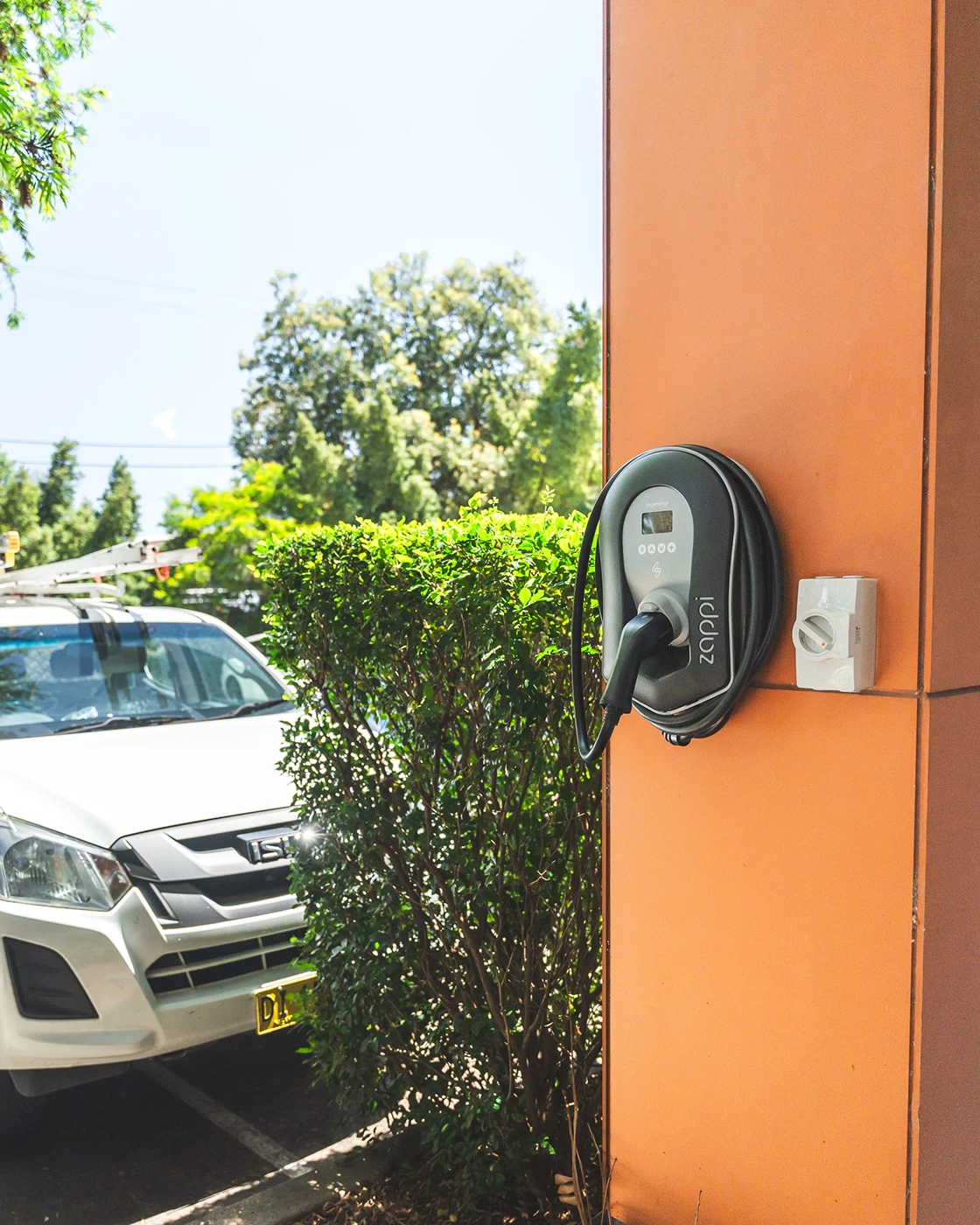
Experts in both residential and commercial electric vehicle charging station installations from 7kW - 360kW+.
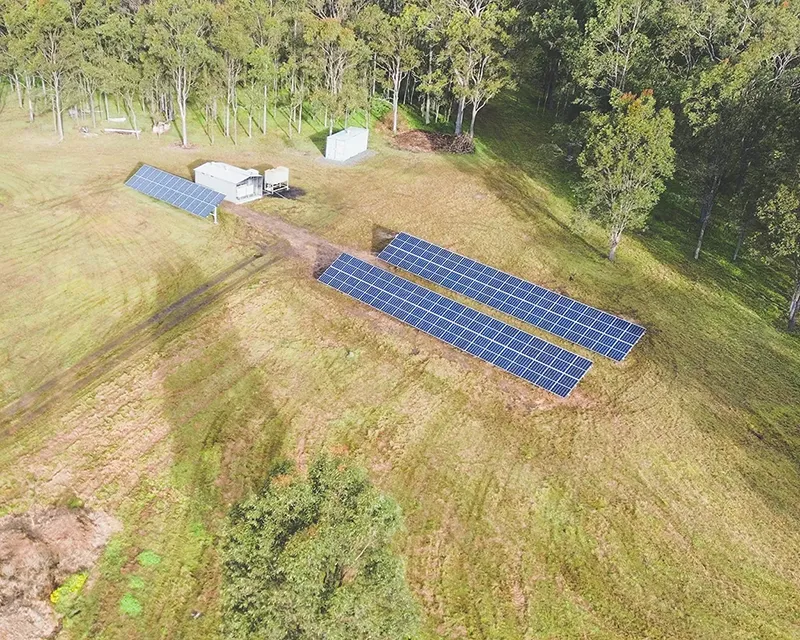
Specialists in off-grid solar and battery, helping properties never have to pay another electricity bill again.
With decades of electrical and industry experience, our fully-qualified & licensed electricians are here to help.
Maximise your solar generation with battery storage from reputable brands to accelerate return-on-investment.
Leave a Comment