Hunter Valley's Leading Residential & Commercial Solar Installers

Hunter Valley's Leading Residential & Commercial Solar Installers
With the ongoing boom of electric vehicle adoption throughout Australia, we thought a quick overview of everything you need to know about EV charging would be useful.
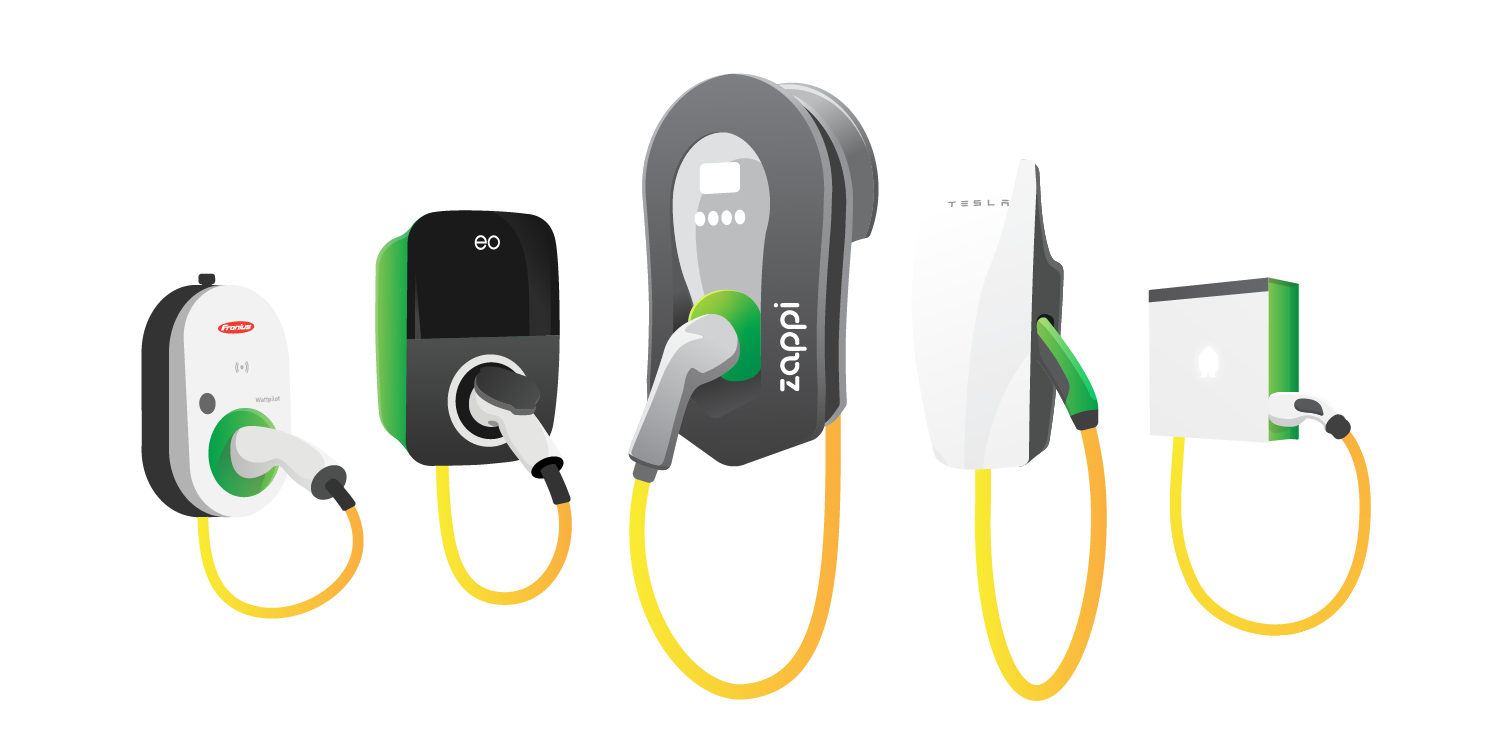
Quick answer: In Australia, there are 3 main levels of electric vehicle charging - level 1, 2, and 3. The two main plug standards include Type 2 for home AC charging, and CCS2 for DC fast-charging. Level 1 EV charging is the slowest out of the three, with level 2 being the most common for quicker home charging. Level 3 is found mostly in public and fleet EV charging stations.
EV chargers are grouped into 3 levels based on the charging speed they can deliver. The charge rate determines how quickly your battery
charges and what infrastructure is required to provide power to your EV.
.webp "Level 1 EV charging")
Level 1 electric vehicle charging is the slowest method, reaching up to 2.4kW. Using 10-15A household power outlets, level 1 charging is only really ideal for plug-in hybrids with small batteries or for those who don't mind keeping their EV plugged in all the time.
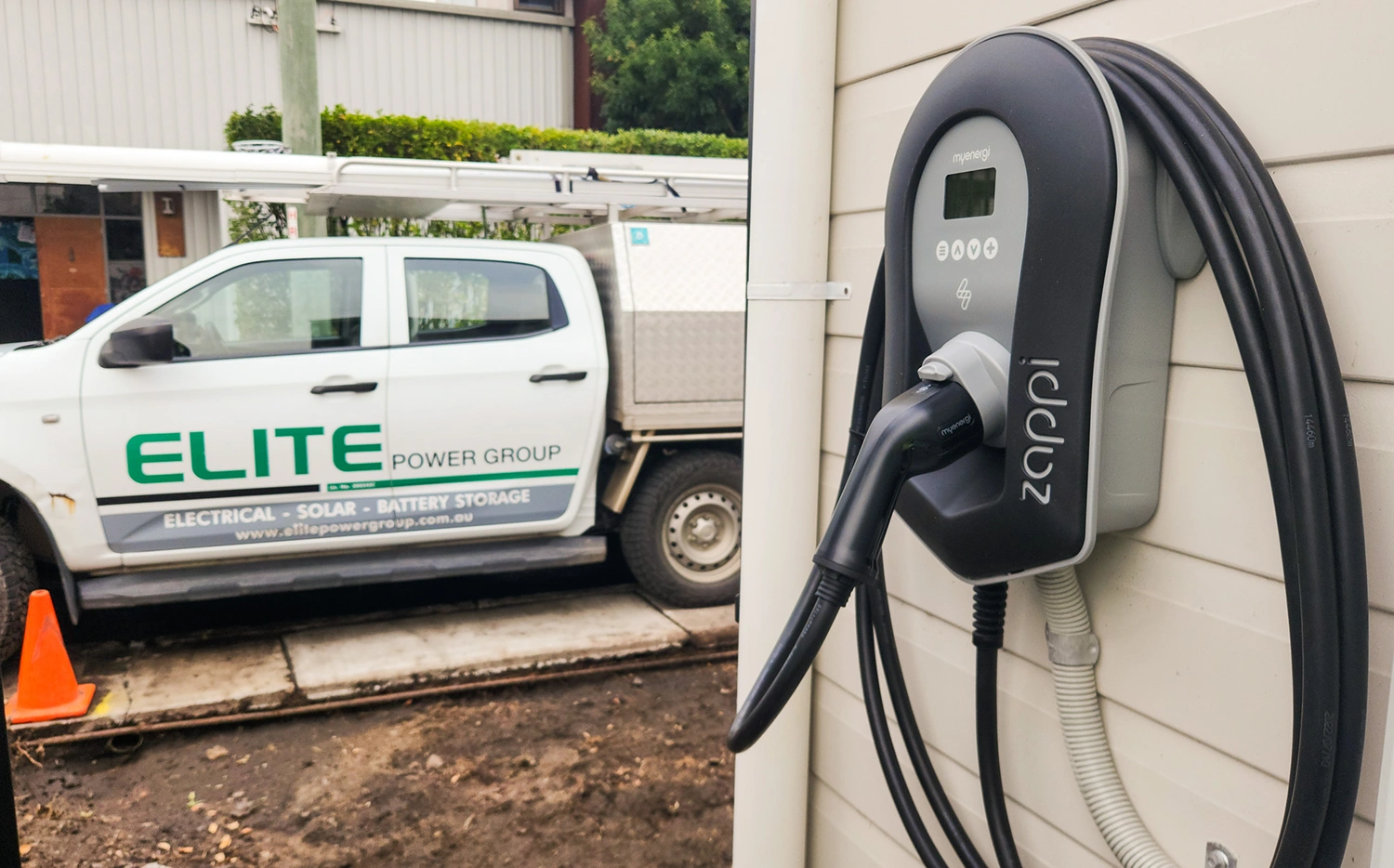
Being the most common level of EV charging out of the three, Level 2 electric vehicle charging ranges between 7-22kW depending on your homes' phase setup. This is ideal for convenient home charging for all electric vehicle types.
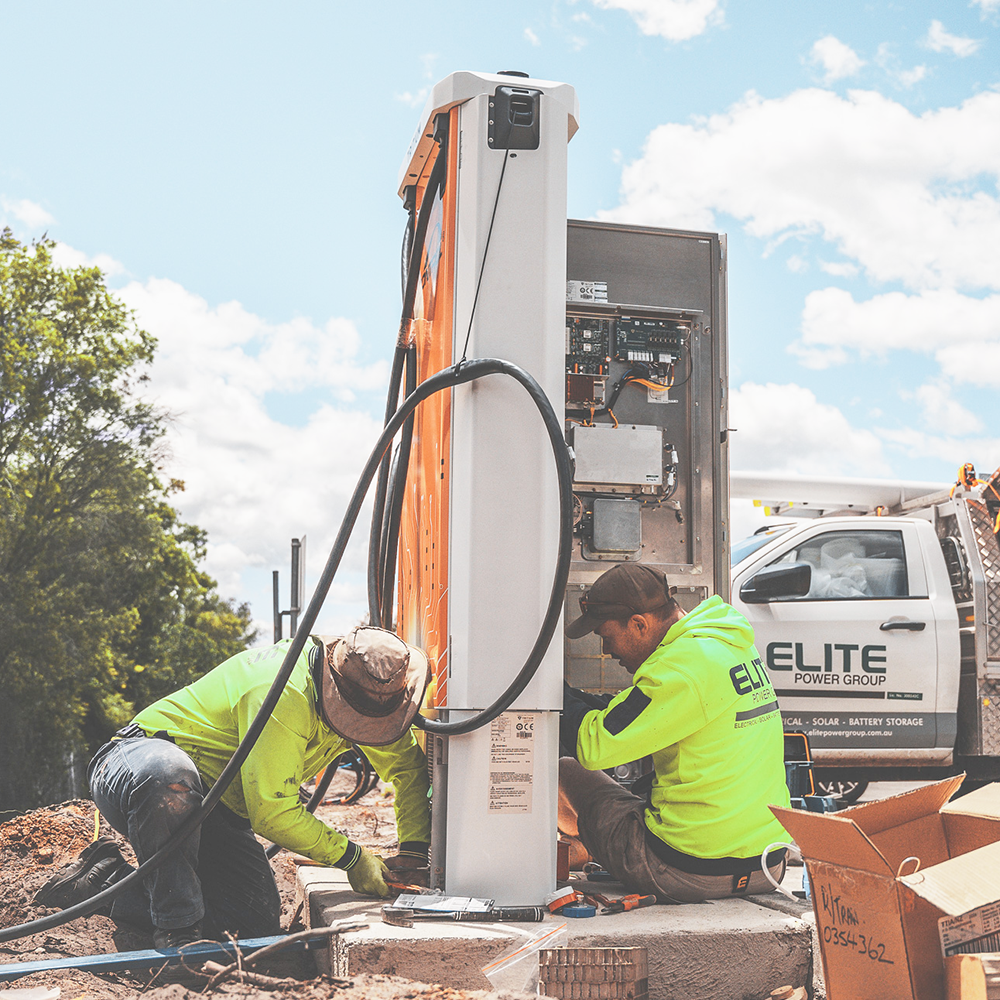
Electric vehicles (EVs) come in a variety of types, each with their own unique characteristics and benefits.
Plug-in Hybrid Electric Vehicles (PHEVs): PHEVs have both an electric motor and a fuel engine. They can run on electricity alone for a certain distance, after which the fuel engine takes over. PHEVs have a shorter electric-only range than BEVs, but are more flexible and can be refueled at fuel stations
Hybrid Electric Vehicles (HEVs): HEVs have an electric motor and a fuel engine, but can't be plugged in to recharge. Instead, they rely on regenerative braking and the fuel engine to recharge the battery. HEVs have a shorter electric-only range than PHEVs, but are more fuel-efficient than traditional fuelled vehicles.
Battery Electric Vehicles (BEVs): BEVs are fully electric vehicles that are powered entirely by a battery. They don't have an internal combustion engine, and instead rely on an electric motor to power the wheels. BEVs typically have a longer range than other types of EVs, but may require longer charging times.
EV charging plug standards in Australia can be confusing, partly because there are so many various plug types for both AC and DC
charging. Here's a breakdown into what each charger plug is and what it's used for.
DC Plug Types: DC plug types on the other hand are typically used more for public and fleet charging as the DC to DC reduces limitations of the onboard electric vehicle inverter.

This DC charging plug is used by some Japanese and European EVs, such as the Nissan Leaf and Mitsubishi i-MiEV. CHAdeMO plugs are used for DC fast charging and can provide a significant amount of range in a short amount of time.

Similar to the AC Type 2, the CCS type 2 port includes additional pins for
fast charging and is compatible with Level 1, Level 2, and
DC fast charging.
CCS Type 2 is also known as CCS2.
This DC charging plug is used in European EVs.

This DC charging plug is used by EVs in China. It's similar in design to CCS Type 2 but with a different configuration of pins. GB/T plugs are used for Level 1, Level 2, and DC fast charging.

Tesla vehicles are equipped with a proprietary DC fast charging plug that can only be used with Tesla Chargers (Tesla Gen 3 Wall connector & Superchargers).
AC Plug Types: AC EV charging plug types are commonly installed for residential properties that range from 7-22kW of power. The built-in inverter in the EV is also a limitation.

This AC charging plug has a two-pin design and is commonly used in North American and Japanese EVs. It's used for Level 1 and Level 2 charging.

The type 2 plug has a seven-pin design and is the standard in European EVs.
It includes 7 pins for three-phase charging and is used for Level 1, Level 2, and DC fast charging.

This AC charging plug is used by EVs in China. It's similar in design to Type 2, but with a different configuration of pins. GB/T plugs are used for Level 1, Level 2, and DC fast charging.
In the world of EVs, there are different types of vehicles that determine your charging requirements.
A standard hybrid electric vehicle (HEV) like Toyota's Camry & RAV4 Hybrid or the Mazda 3 Hybrid can't be plugged in to any external EV chargers as it won't have any charging port. The battery in the HEV charges itself through the use of regenerative braking and the combustion engine.
A plug-in hybrid (PHEV) like the Mitsubishi Outlander PHEV and Hyundai Tucson PHEV do have charging ports that can be plugged in. PHEVs support both level 1 and 2 AC charging.
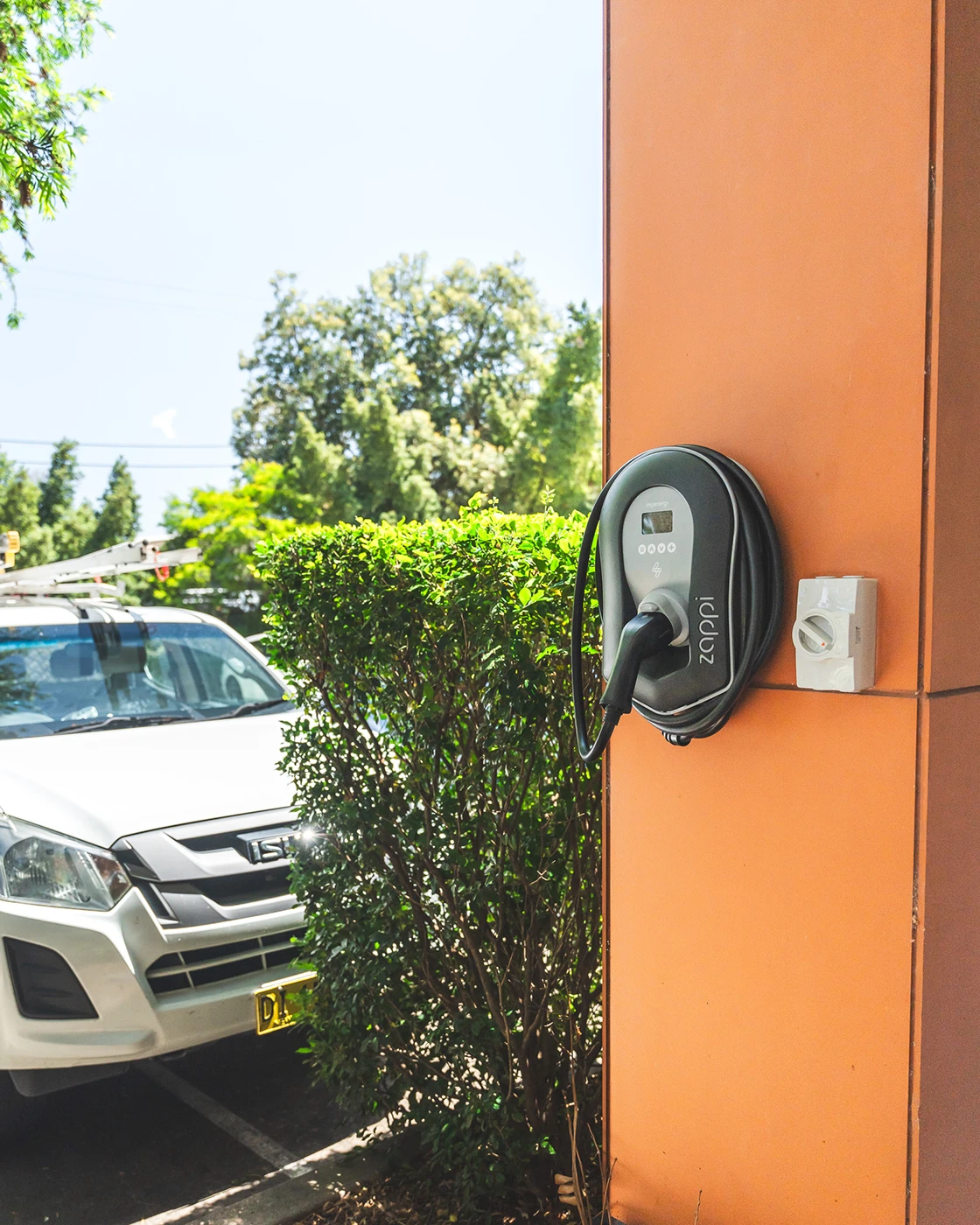
Range anxiety refers to the fear of running out of battery during a trip somewhere. It is definitely normal to
think about, and is a concern for particularly newer EV-owners and those who are interested in them. The good news is that as time
progresses, battery capacities are getting larger and more efficient too. Additionally, there are other ways you can minimise risk of
running out of battery.
When travelling long distances with risks of travelling a long time without a charge, plan your trip's route to find EV charge stations on the way to your destination.
These stops can be as frequent as you'd like, depending your vehicle's battery range, route, and anxiety levels.
Similar to a traditional combustion vehicle, topping up your fuel levels can help minimise risk of running out of battery mid-drive.
Instead of waiting until the battery is completely empty, charging as much as possible can reduce your range anxiety.
With different EV variants available, there are long-range electric vehicles available that will allow for longer trips.
If you have the extra cash, investing in a larger battery capacity allows you to travel further on a single charge.
Each country around the world will have their own EV Charging standards and main plug types. Here are worldwide EV charging plug types
for charging.
Australia
Australia uses primarily the Type 2 EV for AC and the CCS Type 2 for DC. There are also some CHAdeMO vehicles.
United States
As the first company to popularise Electric Vehicles, the EV population mostly consist of older EV's that still use Type 1 connectors for AC, and CCS Type 1 for DC. Type 2 is being rolled out in replacement.
Japan
Japan mostly uses Type 1 connectors for their AC EV Charging, along with a combination of CCS Type 2 and CHAdeMO connectors.
Europe
Europe's primary connectors consist of Type 2 and CCS Type 2 connections.
China
China uses both GB/T Connections for both their AC and DC charging. The CHAdeMO and CCS Type 2 connectors are also used by some Chinese and international EV models.
Worldwide
All countries have access and use the Tesla connector.
It's important to note that not all EVs are compatible with all types of charging ports. Before using a public charging station, be sure to check your vehicle's compatibility with the charging port and connector type used at the station.
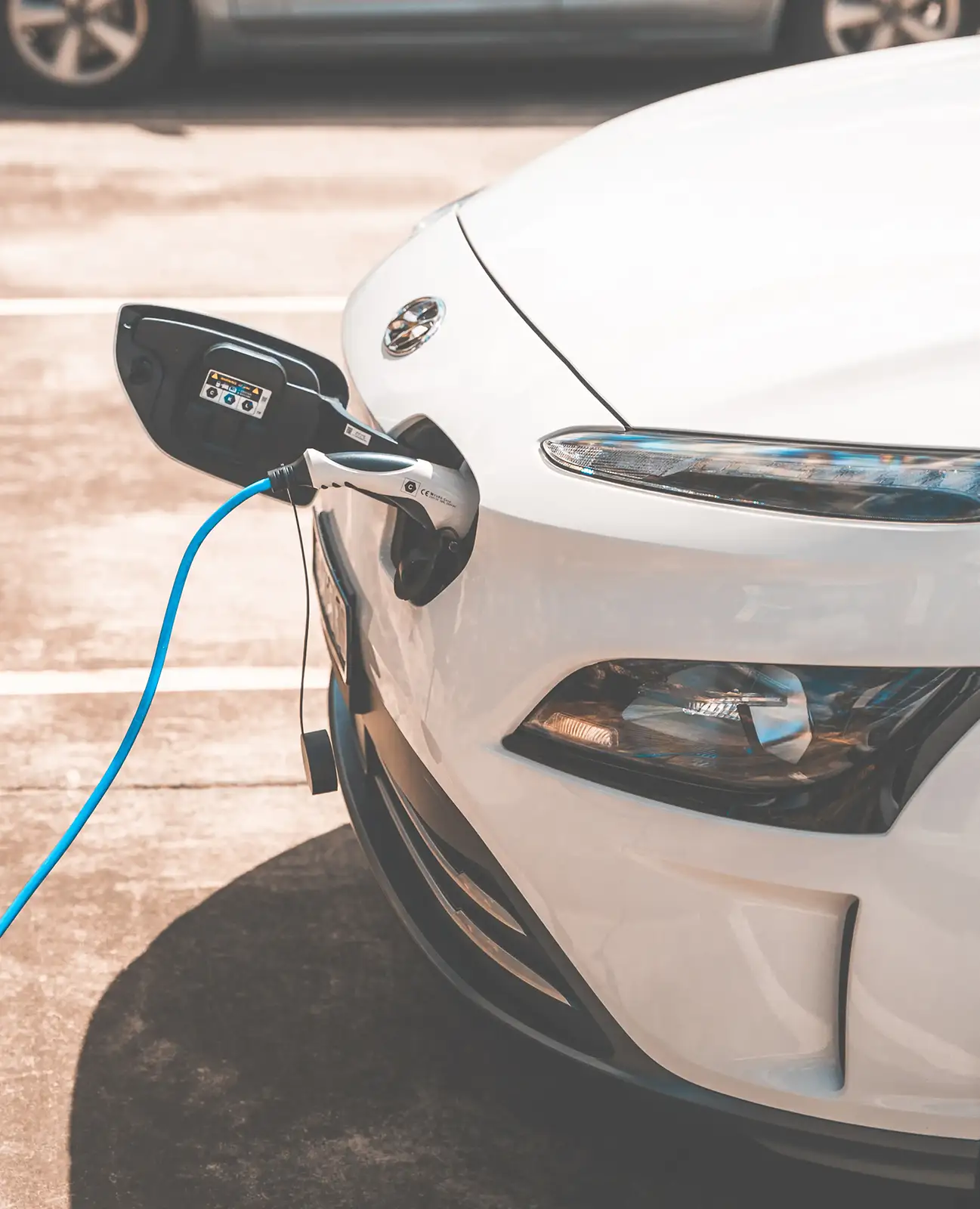
A dedicated home charger is a level 2 charger which typically ranges between 7-22kW.
This type of charger can be installed in a desired location like a driveway or garage, and is faster than basic level 1 charging via a wall outlet.
An installation requires an electrician like us, and can range in costs from 1 to a few thousand, depending on installation requirements, and the charger of choice.
A portable charger is a level 1 classed charger option which can be used to charge your electric vehicle very slowly, but is very useful for situations when there are no faster options available.
Most manufacturers include a portable charger with your electric vehicle.
Even though it sounds like some sort of backup power source, the 'portable' refers to the cable which can be plugged in to the abundant wall outlet.
Here are some frequently asked questions (FAQs) and answers about EV charging:
If you'd like to learn more about the world of battery storage, here are specific articles around the EV charging industry.
Explore the differences between AC and DC electric vehicle charging in Australia and how it affects the way you charge your EV, and the pros & cons.
Read moreDiscover the best home EV chargers in Australia. Compare popular electric vehicle home charging stations, costs, and installations for Newcastle NSW.
Read morePower vs Energy in Australia: Difference Between Watts and Watt-Hours, kW vs kWh, with Diagrams, Calculations, and Home Appliance Examples.
Read morePartnering with Elite Power Group, Maitland City Council have invested in more electric vehicle chargers in the Maitland area, supporting the uptake of EVs.
Read moreExplore if fleet or public electric vehicle charging is better for charging workplace and employee EVs for your business in Newcastle & the Hunter, NSW.
Read moreCompleting a commercial solar and electric vehicle charger installation, our Thornton neighbours can take full advantage of renewable electricity and charging.
Read more
Not only are we specialists in solar power, but we pride ourselves in being leading installers in battery
storage, as well as EV charging for homes and businesses. For solar and battery systems, we offer both on and off-grid solutions for a
range of applications.
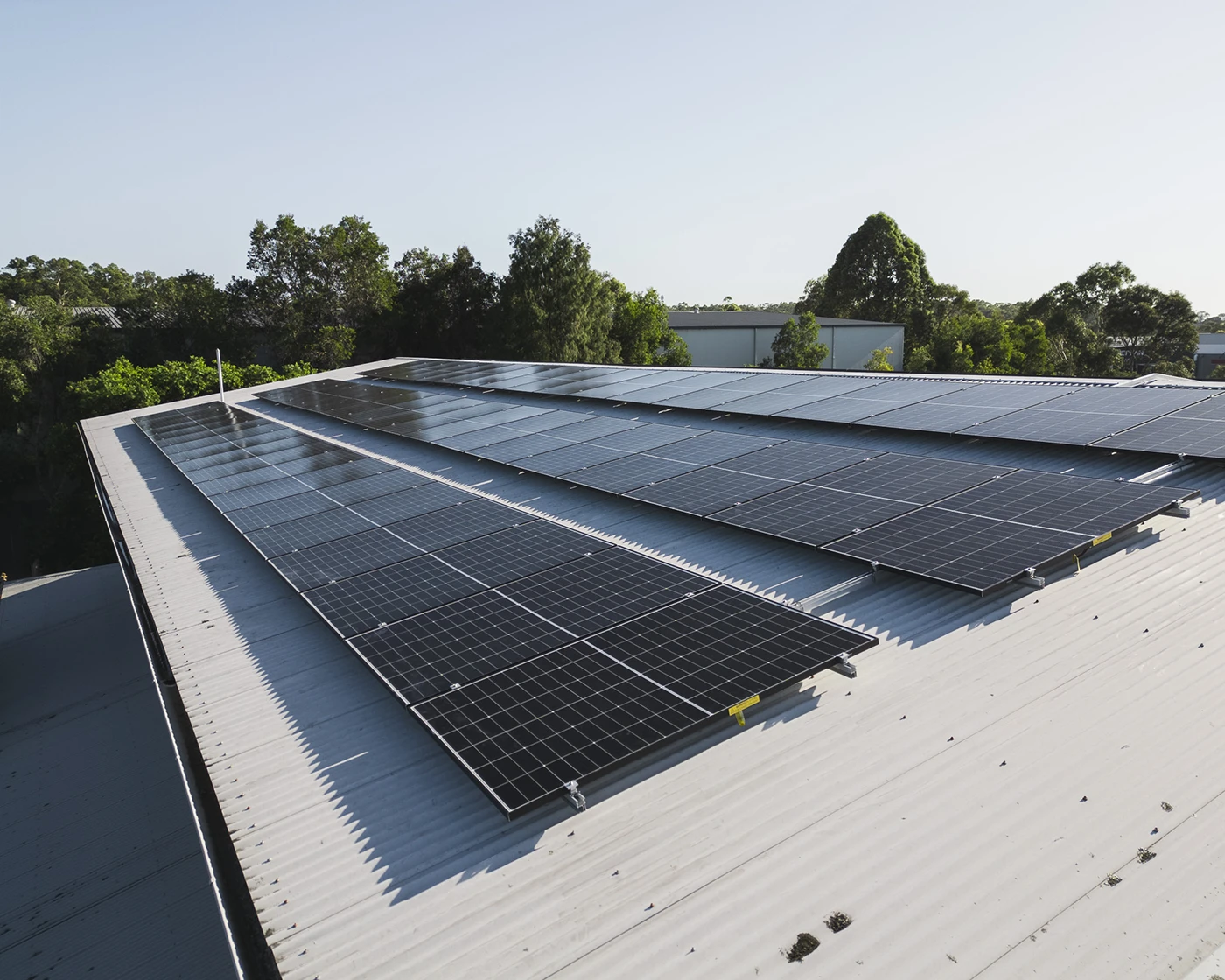
Newcastle's leading solar installers, providing long-lasting residential and commercial rooftop solar systems.
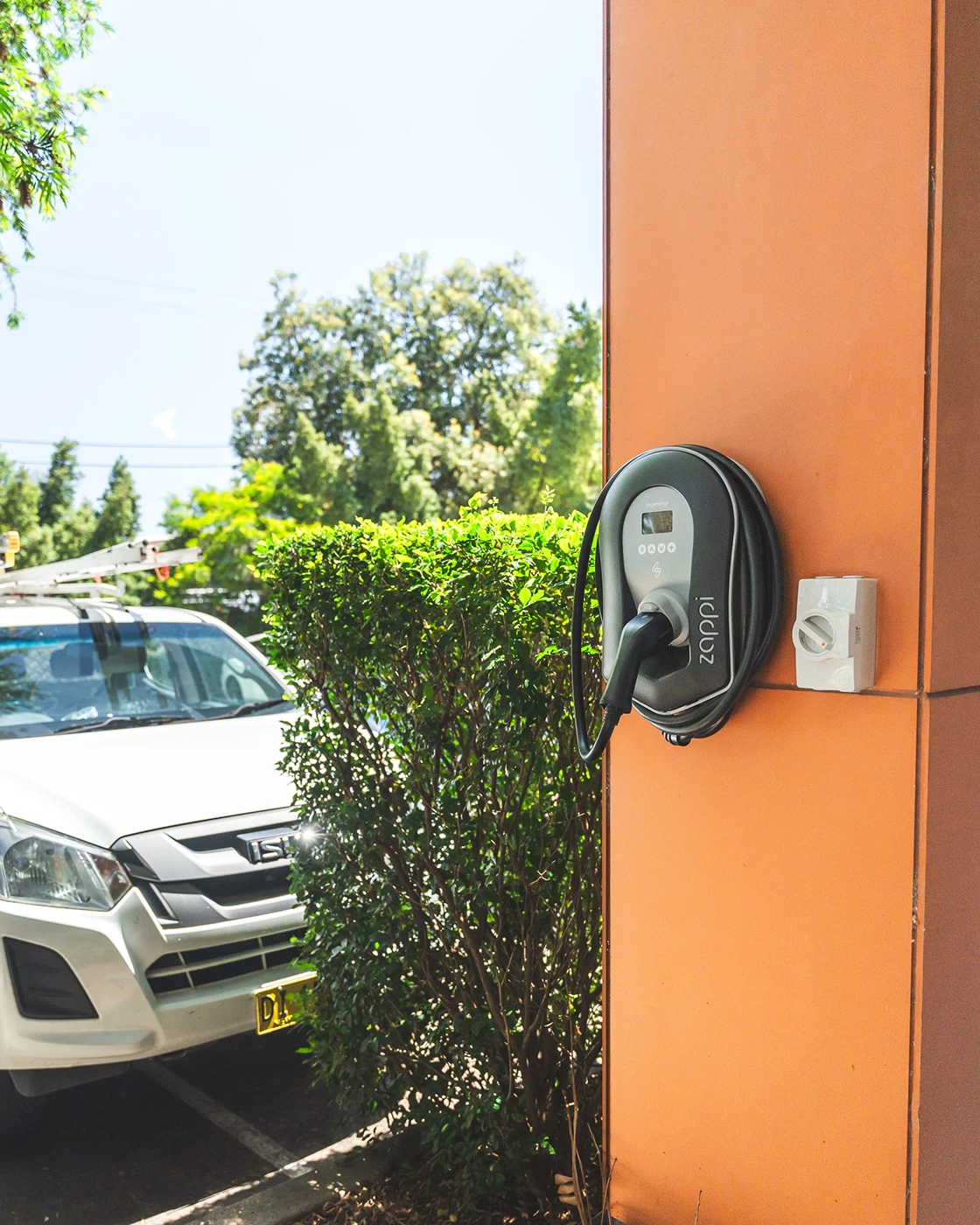
Experts in both residential and commercial electric vehicle charging station installations from 7kW - 360kW+.
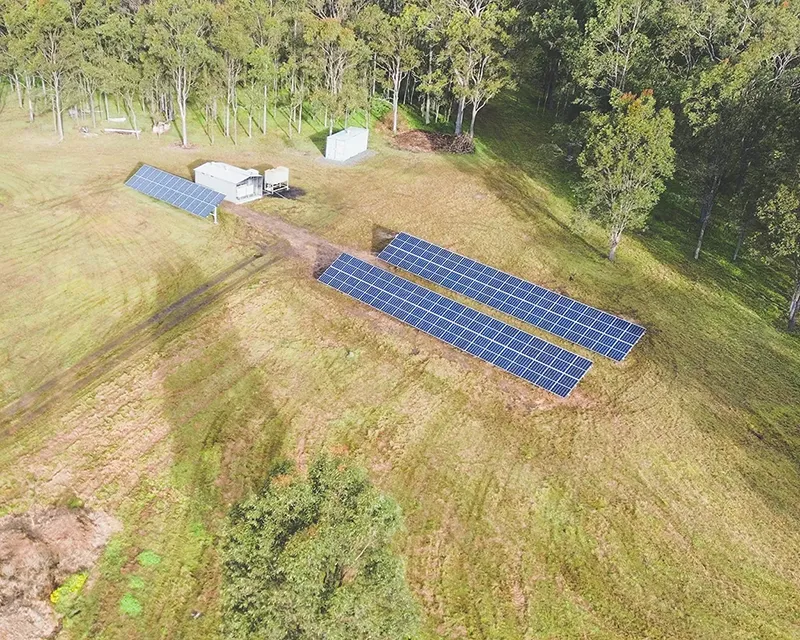
Specialists in off-grid solar and battery, helping properties never have to pay another electricity bill again.

With decades of electrical and industry experience, our fully-qualified & licensed electricians are here to help.
Maximise your solar generation with battery storage from reputable brands to accelerate return-on-investment.