Hunter Valley's Leading Residential & Commercial Solar Installers

Hunter Valley's Leading Residential & Commercial Solar Installers
Posted 22 Jul
Want the latest in energy, solar, and savings?Subscribe to our newsletter – we don’t spam!
With such a large portion of NSW homes with solar now, there is varying system sizes, ages, configuration, and usage which makes it hard to kno what the next steps are in investing in your energy. Here want to help solar owners determine if upgrading their solar, replacing it with a new solar system, or getting a battery is the best decision for them and their situation.
Quick answer: For most Australian homeowners with an existing solar system, adding a battery is the highest-return next step in 2026. If your system is producing well but you are exporting a lot for almost nothing, a battery captures that value. If your system is more than 10 years old and underperforming, a replacement often makes more sense before adding storage.
Australia installed millions of rooftop solar systems between 2010 and 2018. A significant portion of those systems are now 8 to 15 years old. At the same time, feed-in tariffs have collapsed from the 40-60c/kWh rates that made early solar so attractive, down to 3-5c/kWh for most households today. Energy bills have risen. EVs and heat pumps have increased household electricity consumption. And the Federal Battery Rebate has made storage more affordable than at any point previously.
The result is a large cohort of solar owners who know their system is not doing as much work as it could, but are not sure whether the right answer is more panels, a new system, or a battery.
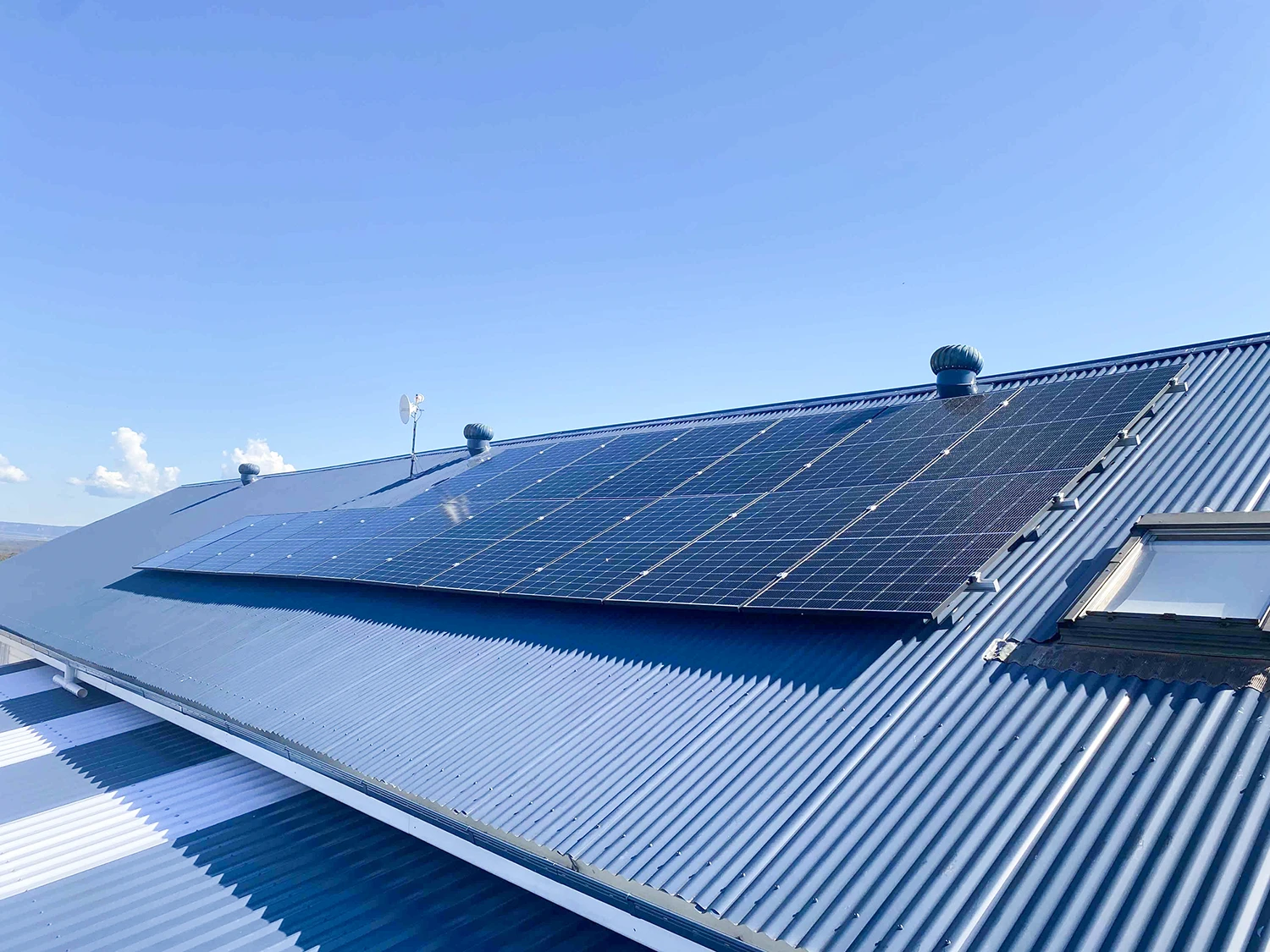
Before getting into the specifics, here is the short version of what your options actually are.
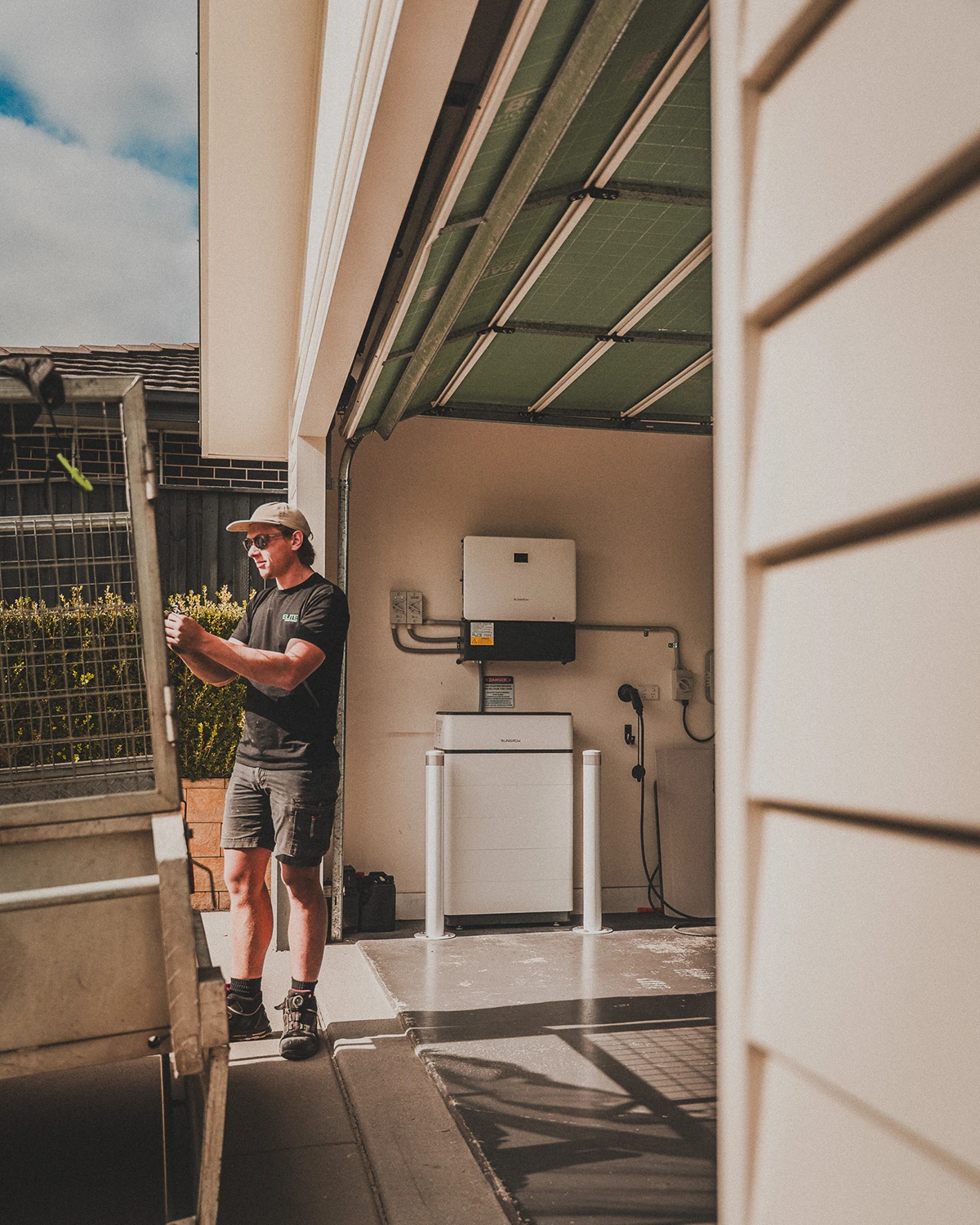
Adding a battery stores the surplus solar you are already generating but currently exporting to the grid for almost nothing. It does not increase generation - it increases how much of your existing generation you actually use.
Replacing your system starts from scratch with modern panels and a hybrid inverter. The right move when your existing system is ageing, underperforming, or incompatible with the storage and battery-ready features you want.
Expanding your solar adds more panels to increase how much electricity your system generates. The right move when your household usage has grown and your current system can no longer keep up.
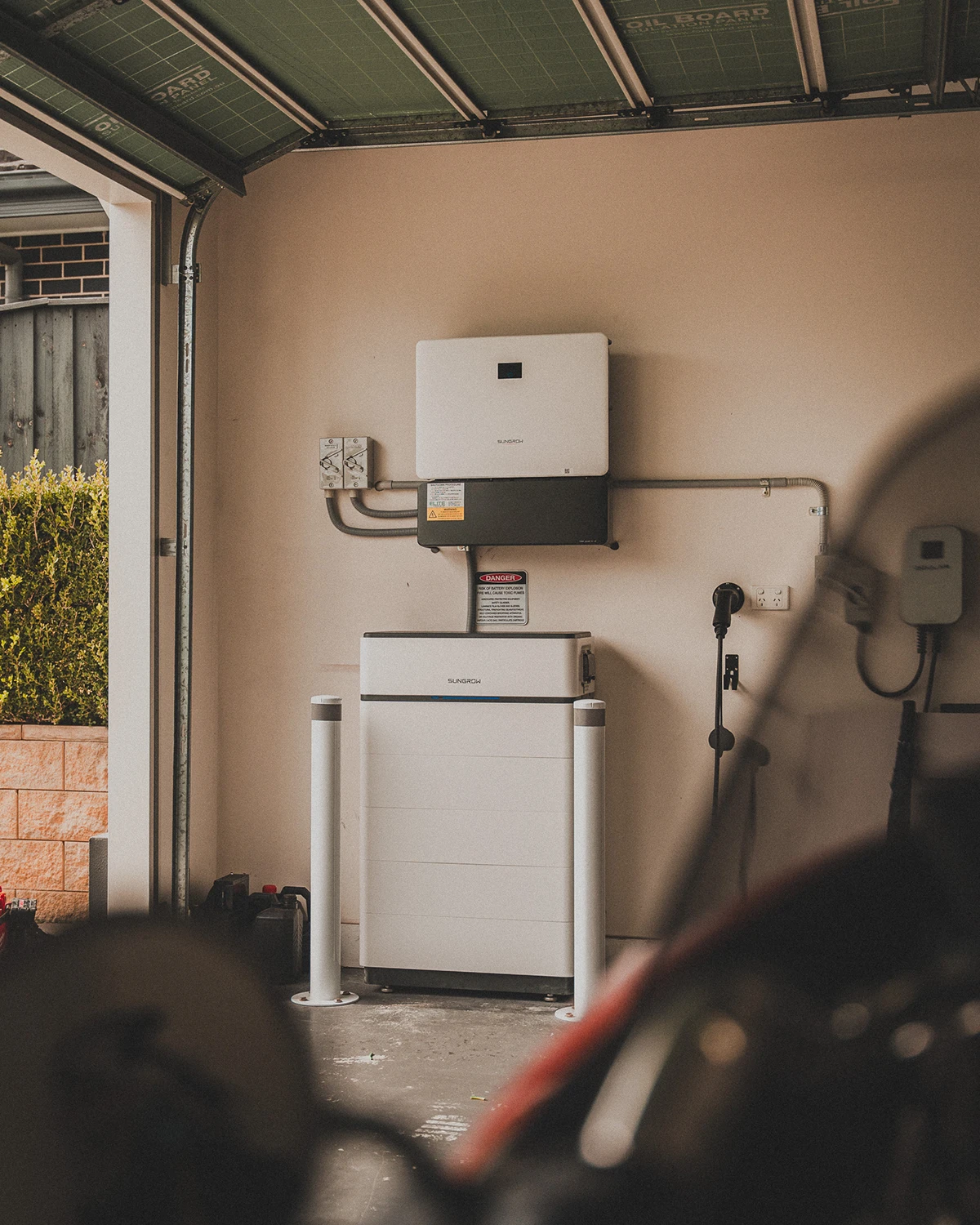
Adding a battery is the most common recommendation for existing solar owners in 2026, and for good reason. If your system is generating reasonable output but you are exporting a large portion of that generation to the grid at 3-5c/kWh while buying back grid electricity at 30-70c/kWh in the evenings, you are leaving money on the table every day.
A battery stores the surplus solar you are currently exporting and releases it during the evening peak, effectively converting what was almost worthless export into avoided peak-rate imports. For a household exporting 8-10kWh per day, this can represent $1,000-$1,800 per year in additional savings on top of what the solar system was already delivering.
The Federal Battery Rebate (Cheaper Home Batteries Program) is available to eligible NSW homeowners and provides approximately $330 per kWh of battery capacity installed as an upfront discount. On a 13-16kWh battery, that is around $3,000* off the installed price.
*Prices are estimated as of time of this article. Please contact us for an accurate quote.
If your household energy usage has grown substantially since your original solar installation, expanding the solar array may be a more effective step than adding storage. Common triggers include adding an EV, installing a heat pump hot water system, a growing family, or switching from gas cooking and heating to electric.
The question to ask is: does your system produce enough surplus to make a battery worthwhile, or is it already fully consumed by daytime usage with nothing left over? If the answer is the latter, adding a battery gives you nothing to store. More panels first, then battery.
Expanding solar is also worth considering if your original system was deliberately undersized due to budget constraints and your roof has space remaining. Modern panels produce significantly more per panel than those installed a decade ago, and an expansion using current-generation panels will outperform an equivalent expansion using matched older panels.
Important consideration: adding panels to an existing system depends on your current inverter's capacity. If your inverter is already at its input limit, additional panels may require either a second inverter or a full inverter upgrade. We assess this as part of any expansion quote.
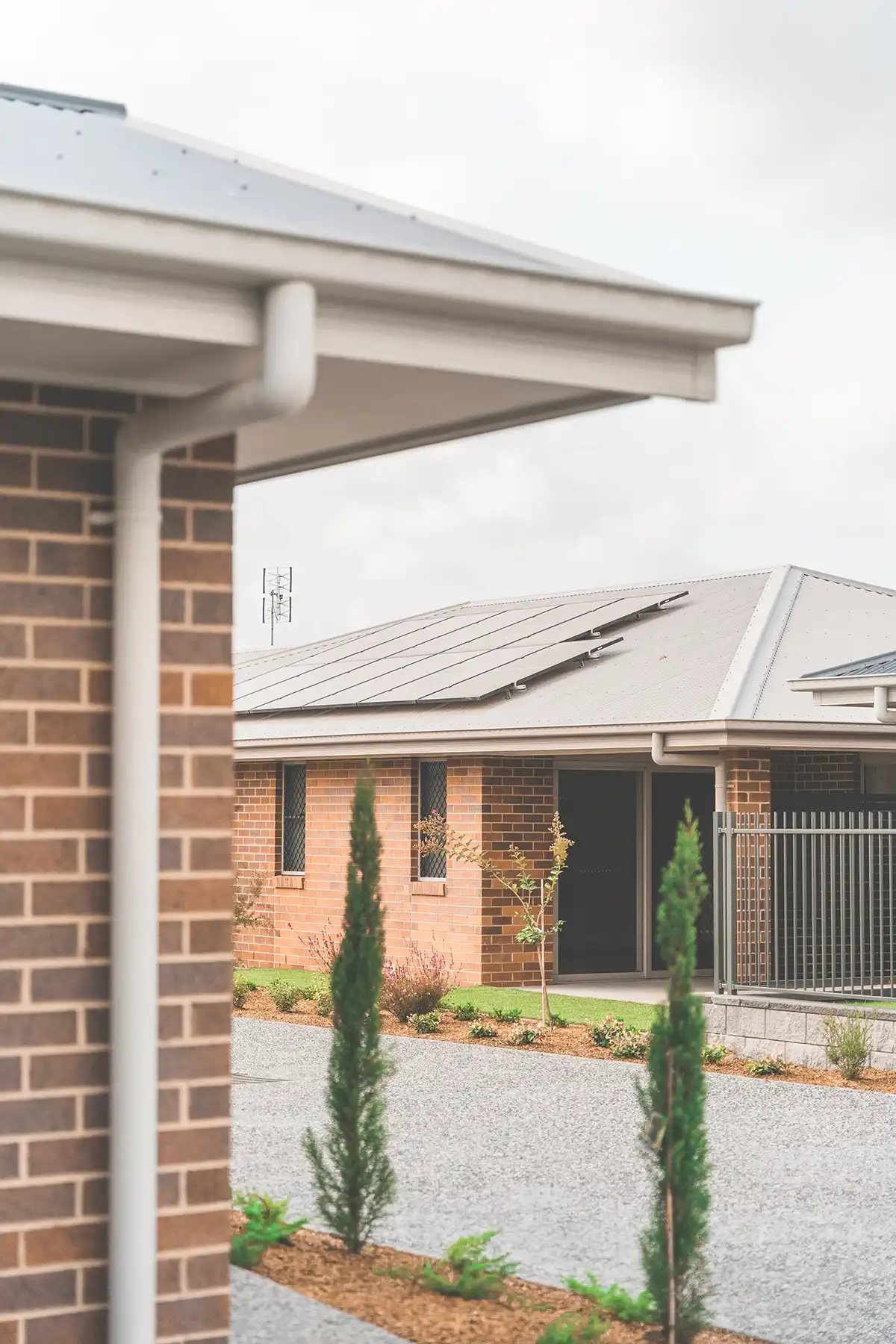
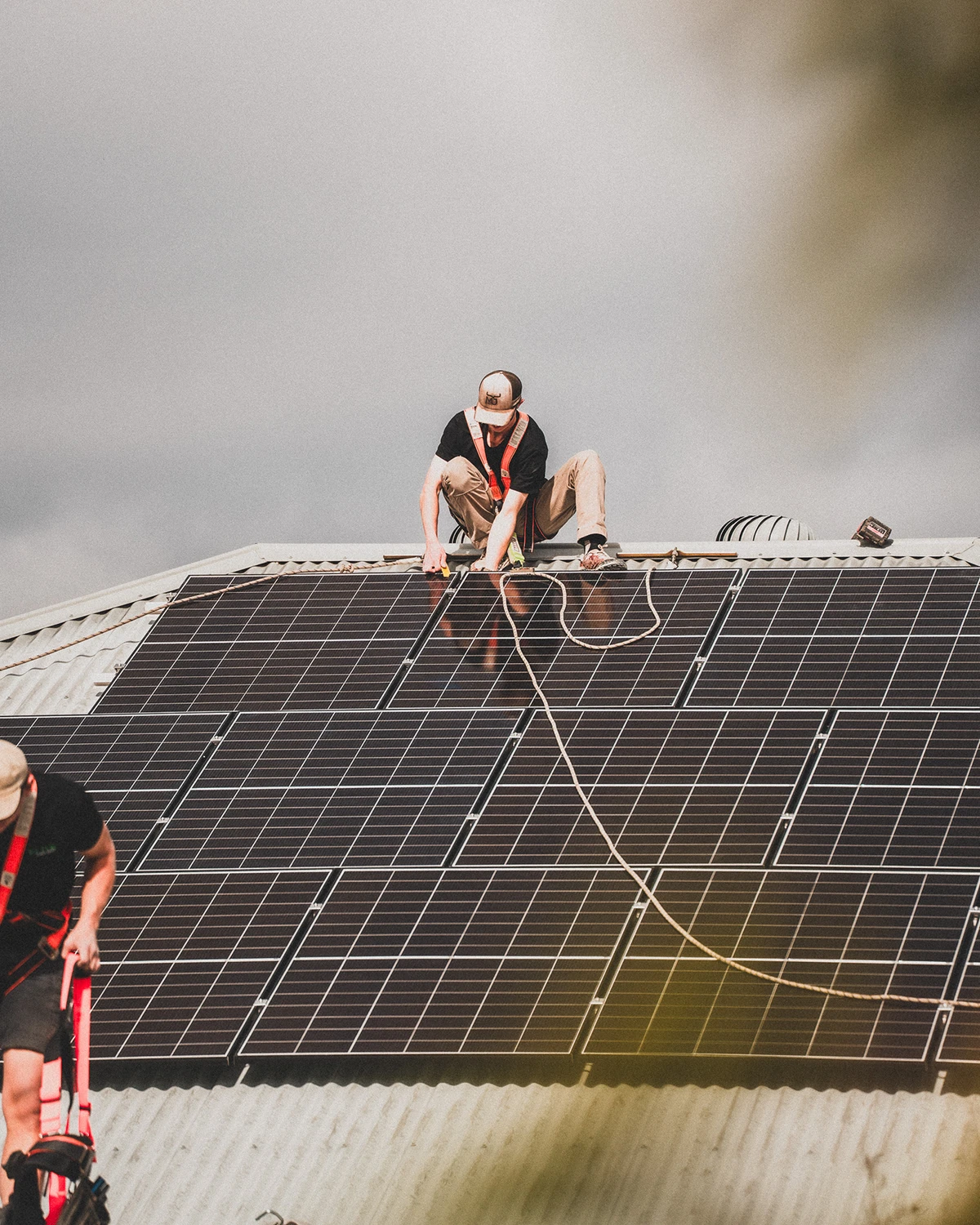
Replacing an existing solar system is a bigger decision but sometimes the right one, particularly for systems installed before 2014 that are running older-generation panels and string inverters that are increasingly inefficient by current standards.
Modern solar panels produce 440-470W per panel compared to the 200-250W panels common in installations from 2010-2014. A replacement system using the same roof area as your current installation will generate substantially more power than the original. Combined with modern hybrid inverter technology that enables direct battery integration, a full replacement can represent a genuinely better starting point than trying to extend the life of ageing hardware.
Signs that you should replace your solar system:
Solar panels themselves rarely need to be replaced before the end of their warranted life. Quality panels from reputable brands carry 25-30-year performance warranties and typically retain 80-85% of their rated output.
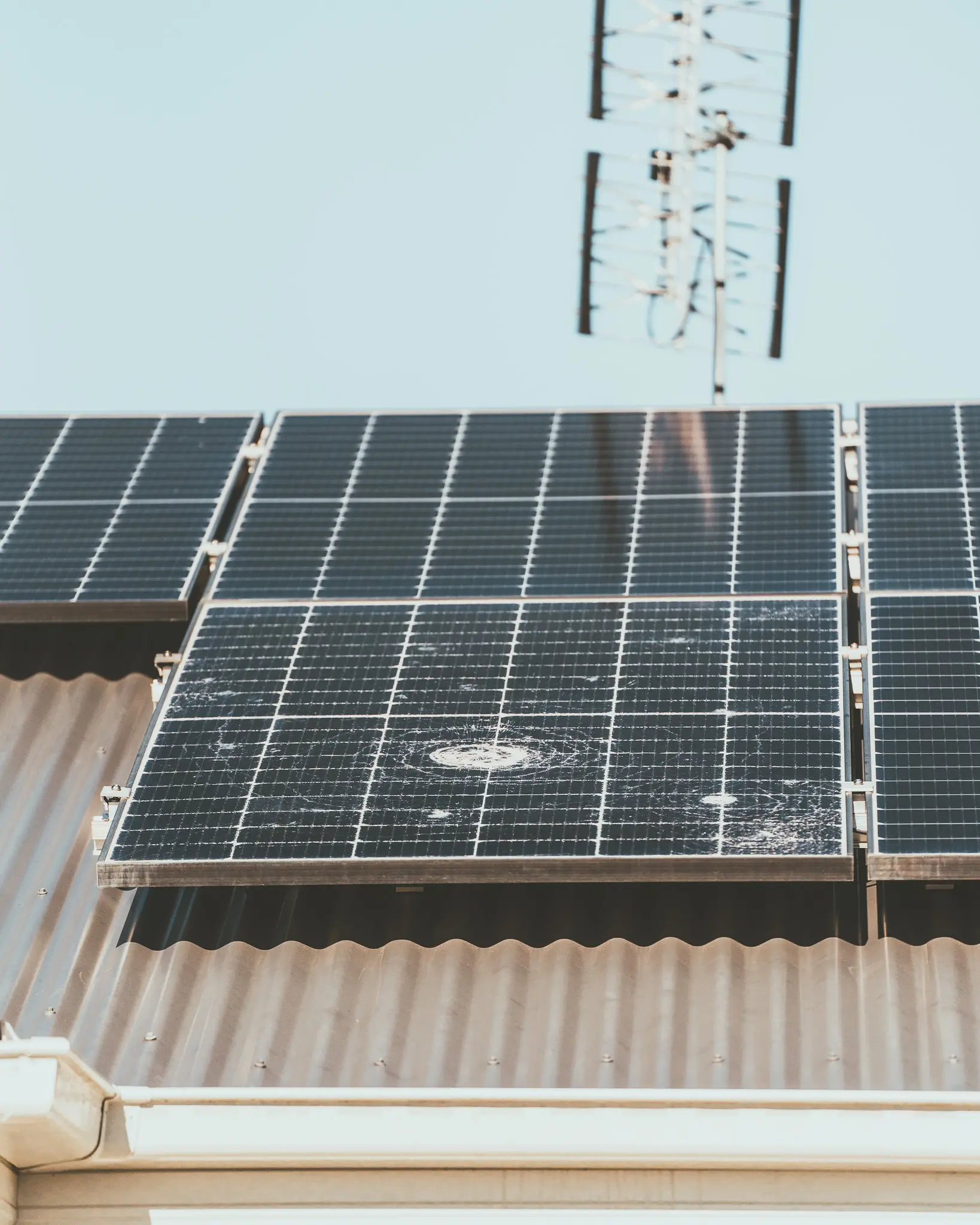
For panels that are physically damaged including fractured glass, delamination, or cell failure - replacement is straightforward if the panel brand is still operating and the model is still CEC-approved. This is where the age of the system matters.
Many brands that were selling panels in Australia between 2010 and 2016 are no longer in business, and their panels are no longer on the CEC-approved product list. A like-for-like replacement with the same panel is not possible, and sourcing an approved alternative that matches the electrical characteristics of the remaining panels requires careful specification.
The scenarios where replacing panels makes sense are:
If your panels are underperforming but undamaged, the cause is often the inverter rather than the panels themselves. An inverter fault or degraded MPPT (maximum power point tracking) performance can reduce system output significantly while the panels remain physically intact.
For households with good solar generation but high evening consumption and significant export: battery gives the better return. The economics of capturing otherwise-exported generation at 3-5c/kWh and using it instead of grid electricity at 30-70c/kWh are compelling, and the Federal Battery Rebate improves the payback considerably.
For households whose solar system is no longer meeting even their daytime consumption: more solar (or a new system) gives the better return, because there is nothing being exported and nothing for a battery to store.
For households in the middle - generating enough to cover daytime use with modest export: this is where the conversation gets more specific to the individual property, usage profile, and inverter configuration. A proper assessment is more useful than a general answer.
As a general principle: solar without battery gives you cheap daytime electricity. Battery without sufficient solar gives you a large, expensive device that charges from the grid. Solar and battery together is where the real bill reduction sits.
Three questions to answer before making a decision:
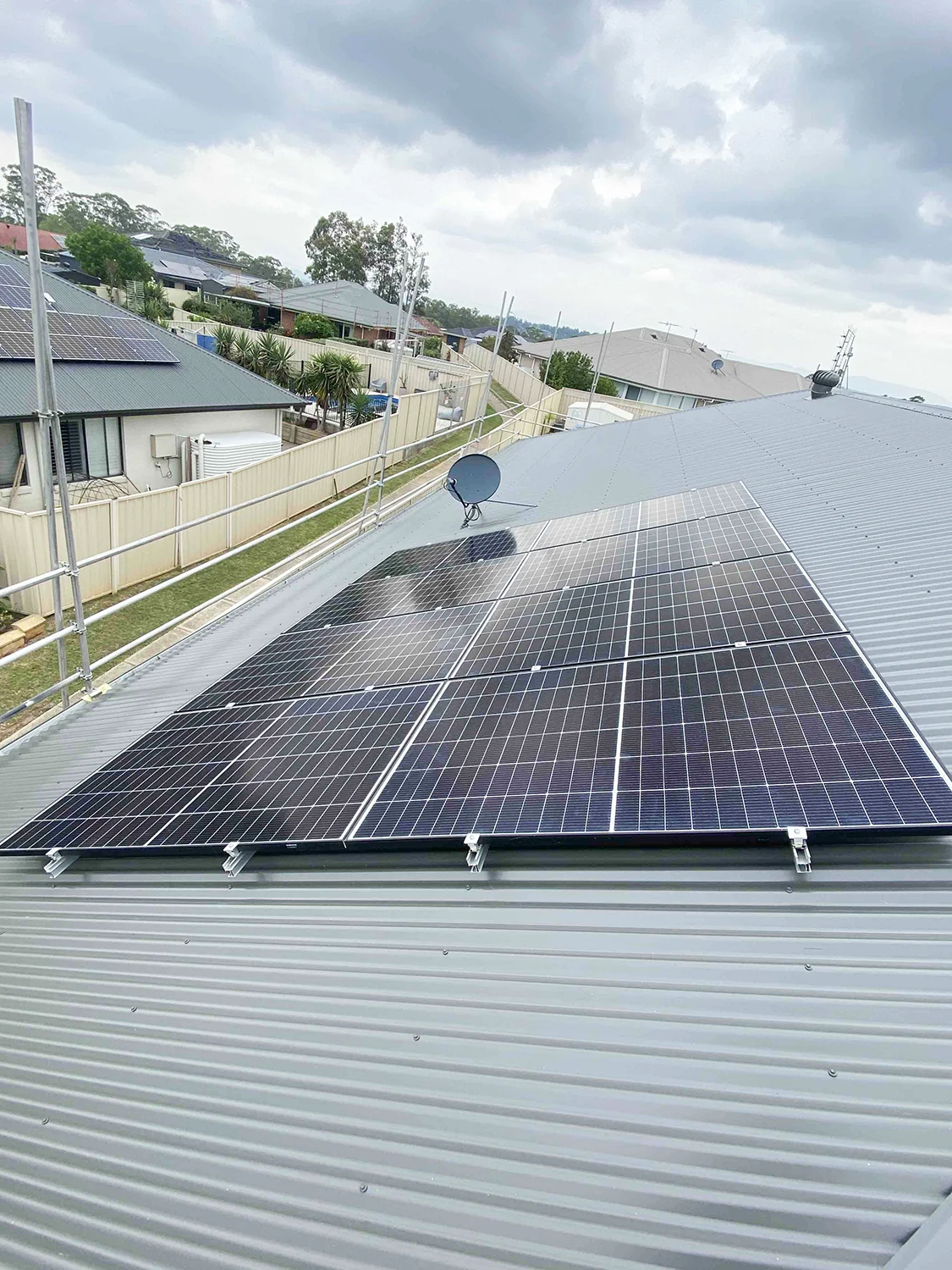
Overall, choosing between getting a battery and more solar will come down to your energy goals, budget, and system status. Other variables like your future plans will also shape how your system should look to maximise your energy.
Some households choose systems to opt for self-consumption, whilst others design theirs to be apart a virtual power plant (VPP) network, so it will depend on what you're trying to do.
In each case, there's always a way where you can maximise your energy and renewable consumption.
Not all batteries provide blackout backup by default. Learn what happens, what your battery is backing up, and how to stop your battery draining too fast.
Read moreFind available rebates & subsidies for solar systems, battery storage, and VPPs in NSW. Explore eligibility and maximise live incentives today.
Read moreNot sure which battery matches your solar system? Compare solar & battery size combinations, from 6.6kW to 13.3kW+, & find the right fit in Newcastle.
Read moreRenewable News Articles
Sign up for new article updates - we don't spam.
We've invested in becoming fully-licensed and qualified installers to ensure Newcastle homes and businesses
get the best solar, battery, and electrical systems available. We want to assist Newcastle's renewable energy revolution with quality
installations for maximum customer satisfaction.
Certified solar system installers near you.
Get CEC-Approved Battery Installations.
Fully-licensed electricians in Newcastle.
Convenient EV charging stations for properties.
Leave a Comment