Hunter Valley's Leading Residential & Commercial Solar Installers
Hunter Valley's Leading Residential & Commercial Solar Installers
Posted 24 Sep
Want the latest in energy, solar, and savings?Subscribe to our newsletter – we don’t spam!
In Newcastle and Maitland, blackouts happen all the time. If you’ve invested in your own solar and battery system, it’s highly likely you bought it to be protected during outages. Let’s go through how a solar and battery system works, and a few practices on what to do when the grid is down.
Summary:
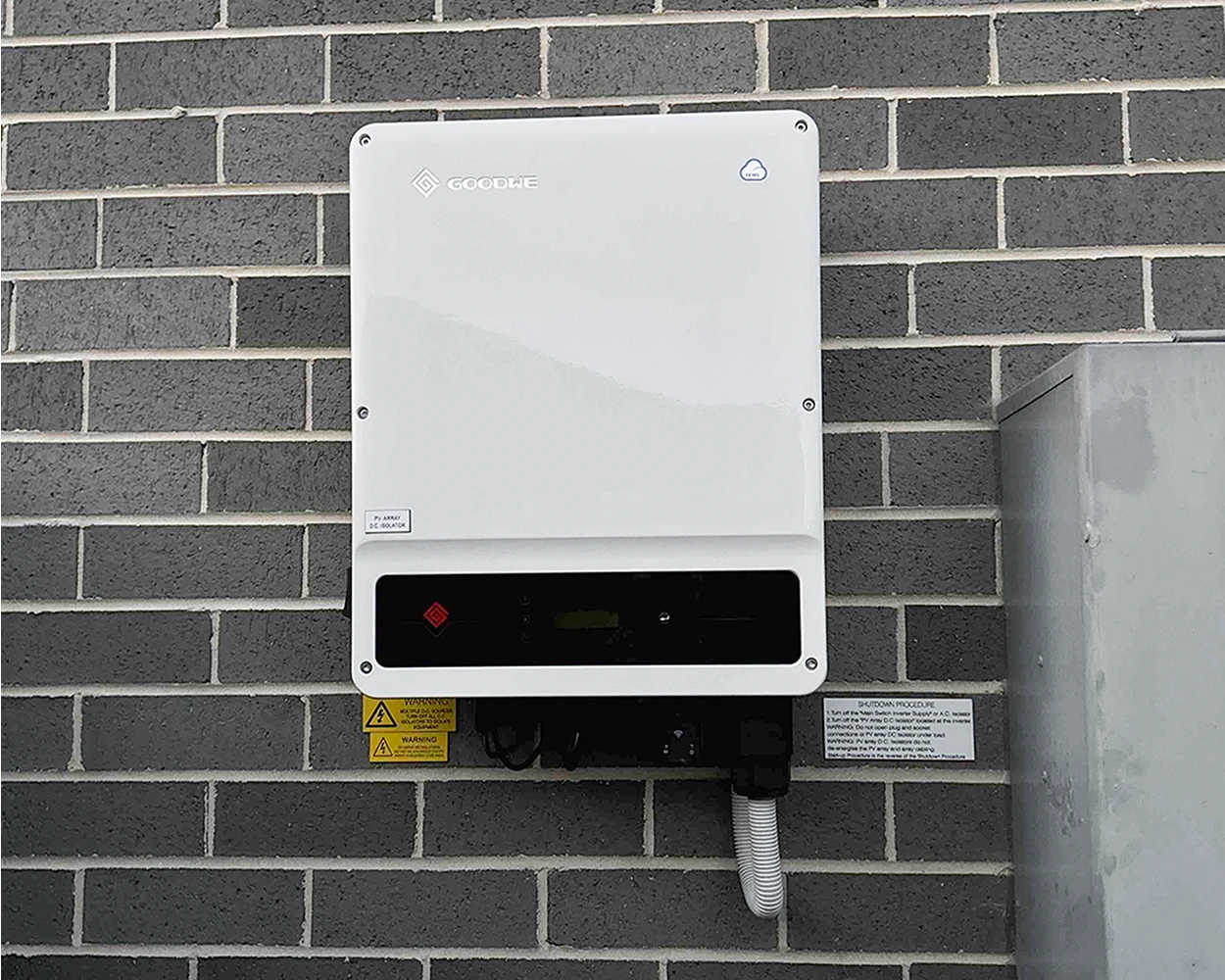
One of the most common misconceptions around getting a solar system is that it will provide backup power during outages. In reality, your solar system is legally required to switch off as soon as the grid fails, even when the sun is out and your system is generating power.
Solar panels don’t work during grid outages because of a rule called anti-islanding protection, a requirement under Australian standards (AS4777). When the grid goes down, a network electrician working on the power lines needs to know for certain that there is no electricity flowing back into the grid from home solar systems.
Grid-tied inverters have built-in detection that instantly shuts down the system automatically one it detects an outage, protecting both your system and the teams working on the power lines. It’s not the fault of your system that it doesn’t work during grid outages, it’s a safety mechanism designed around safety.
Do solar panels still generate power during a blackout? Yes, solar panels themselves continue generating power in the sun whether the grid is working or not. The problem isn’t the panels, it’s what happens after them. That generated energy has to pass through the inverter to become usable for your home, but because the inverter shuts down, there’s nowhere for that energy to go.
The difference between a house getting the candles out during a blackout or one that is powered comes down to the inverter and configuration. A standard grid-tied inverter is what is known as ’grid-following’, which uses the grid as a reference to its operation and turns off as soon as that signal disappears in an outage.
An inverter that is capable of islanding is ‘grid-forming’ (like a hybrid inverter) means that it can generate its own stable power independent of the grid, and will safely disconnect it from the grid.
Not every solar and battery system does this though.. here’s a breakdown:
How fast does a solar & battery system switch over during a blackout? How fast a solar and battery system kicks in when an outage happens will depend on the brand and configuration. Some brands can switch over in a few milliseconds, and some take up to 30 seconds to kick in.
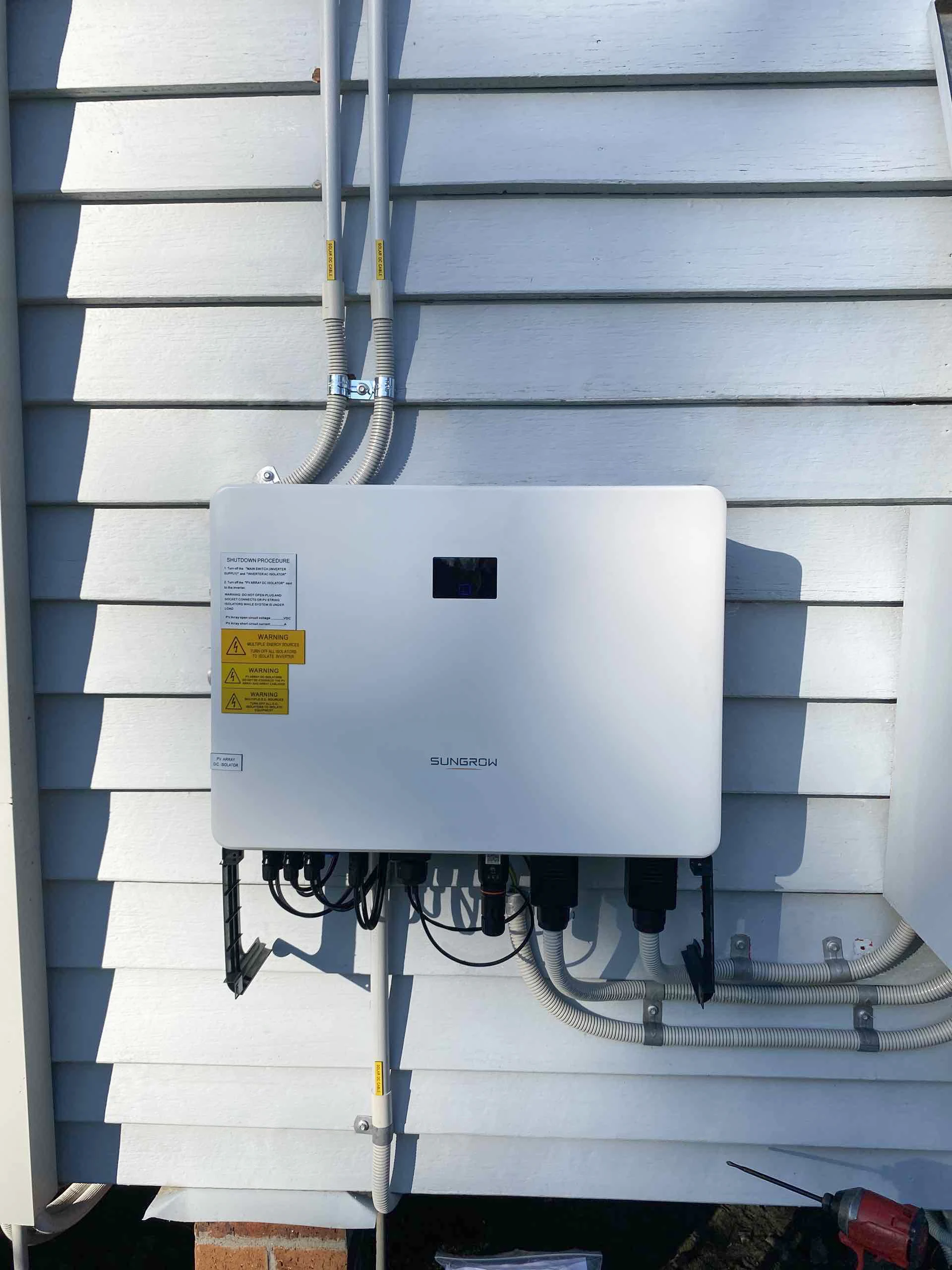
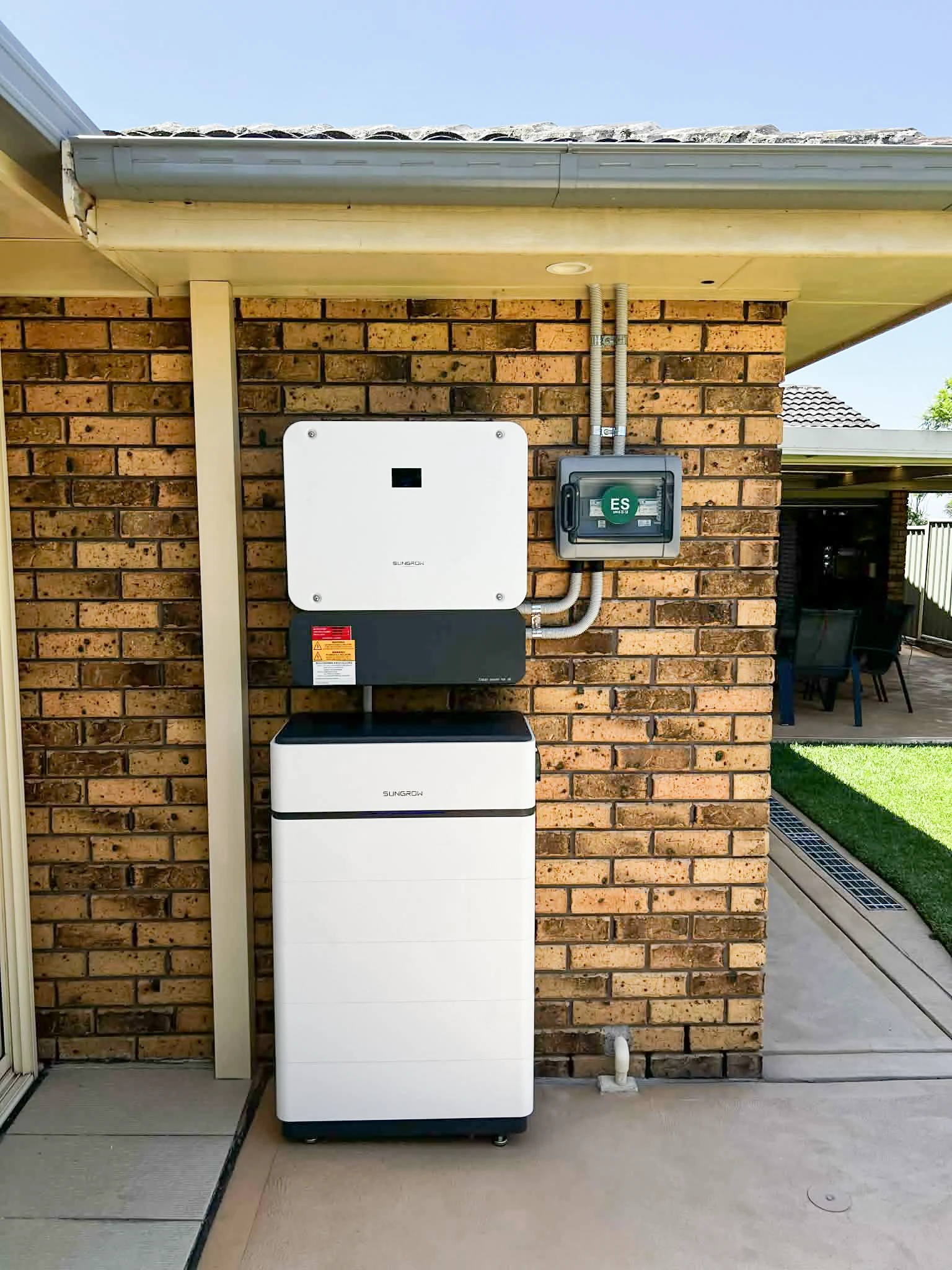
Contrary to the solar-only setup, adding a battery changes what your system can do. Depending on how it’s configured, a battery can provide home backup - only if it was designed and installed with blackout protection in mind.
The core difference comes down to where the battery sits in your solar setup, otherwise known as AC coupled (retrofitted) and DC coupled (hybrid or integrated).
Retrofitted (AC coupled) systems have their own built-in battery inverter, separate from the main inverter. During a blackout, this battery inverter can island the home and keep the power on. Whether it can also keep charging from solar whilst doing this depends entirely on whether the setup was built for it. Without the necessary hardware, the battery depletes its remaining capacity.
Hybrid (DC coupled) systems manage solar and battery through one inverter, so there’s no separate component that needs to be told to keep working. This means that solar can keep generating and charging the battery throughout the outage.
What is AC and DC?
Reliability & integration: A hybrid system has one unit coordinating all your components. This generally means smoother and more predictable switching into backup mode. A retrofitted system has more points of potential failure with two separate inverters.
Power output: How much of the house you can run comes down to the power output your system can deliver. AC coupled setups can only really support smaller loads with limited built-in inverter power output specs, however a DC coupled system can deliver whatever the inverter is capable of to run more than just the essentials.
Redundancy: One upside of a retrofitted system is because of its two inverters, if one fails, the other could potentially keep working.
Running flat: Varying from brand to brand, some systems can restart and recharge from solar alone, even from empty, whilst others may need grid power to return first.
One of the most overlooked details in getting blackout protection is determining whether you need single or three-phase backup power.
Most Australian homes run on single-phase power, with larger homes and businesses running on three-phase. Three-phase is typically used by larger consumers with ducted air-conditioners, electric vehicle chargers, and pool pumps as the electrical load can be split across three separate circuits.
Here’s the catch. A lot of battery backup systems only protect a single-phase during a grid failure, even when installed on a three-phase home. If you’re wanting to backup all 3-phases with whole-home blackout protection, you will specific this in your quote. If your essentials like fridge, lights, and internet are on the same phase that is backed up, this is alright. If your essentials are spread across three phases, then a single-phase backup will render the appliances on the other 2 phases powerless.
It’s important to note that this is not an error or fault. As a part of your system design, it is configured to achieve your goals and requirements.
Battery options like Sungrow SBH and GoodWe ESA can provide whole home, three-phase backup power.
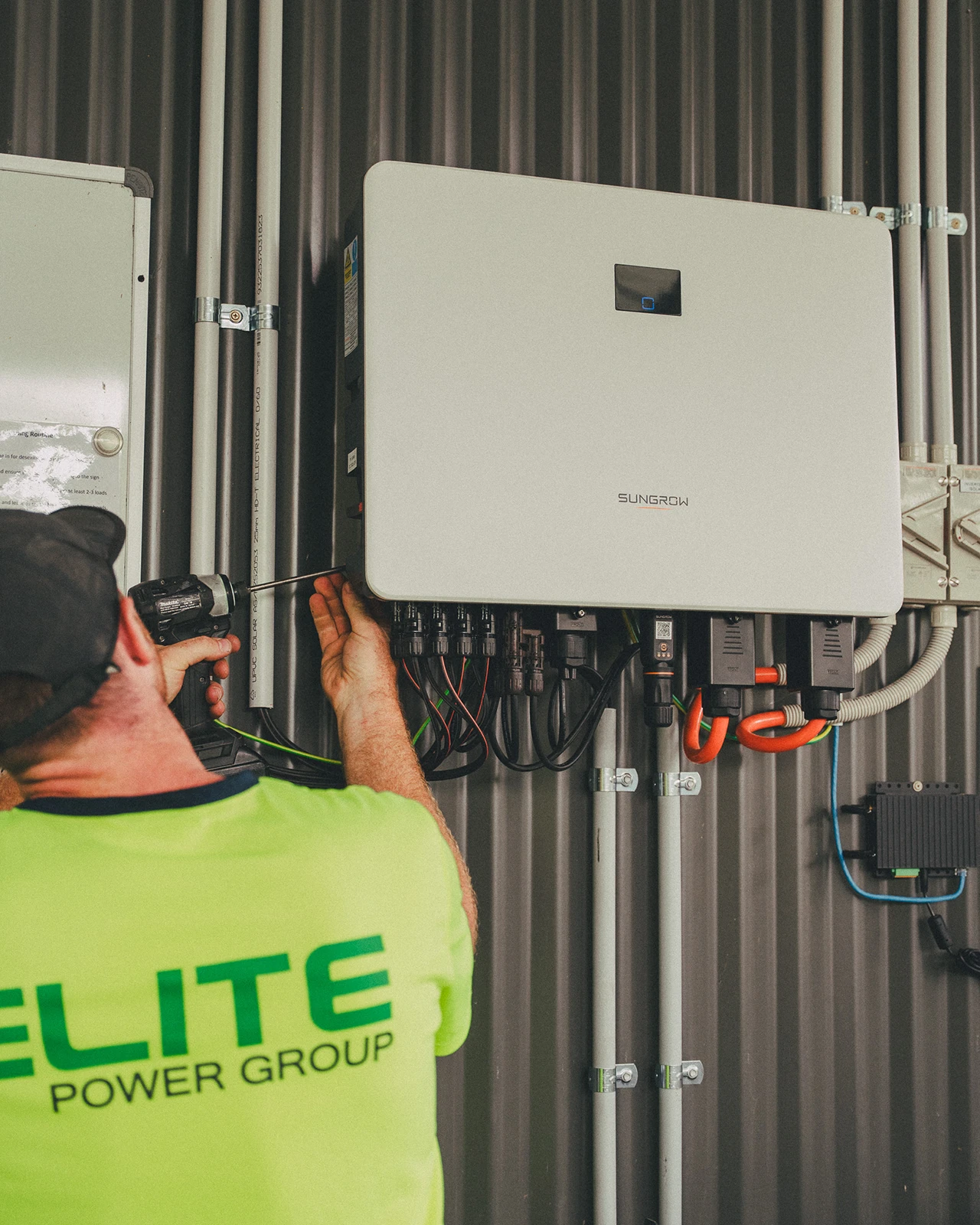
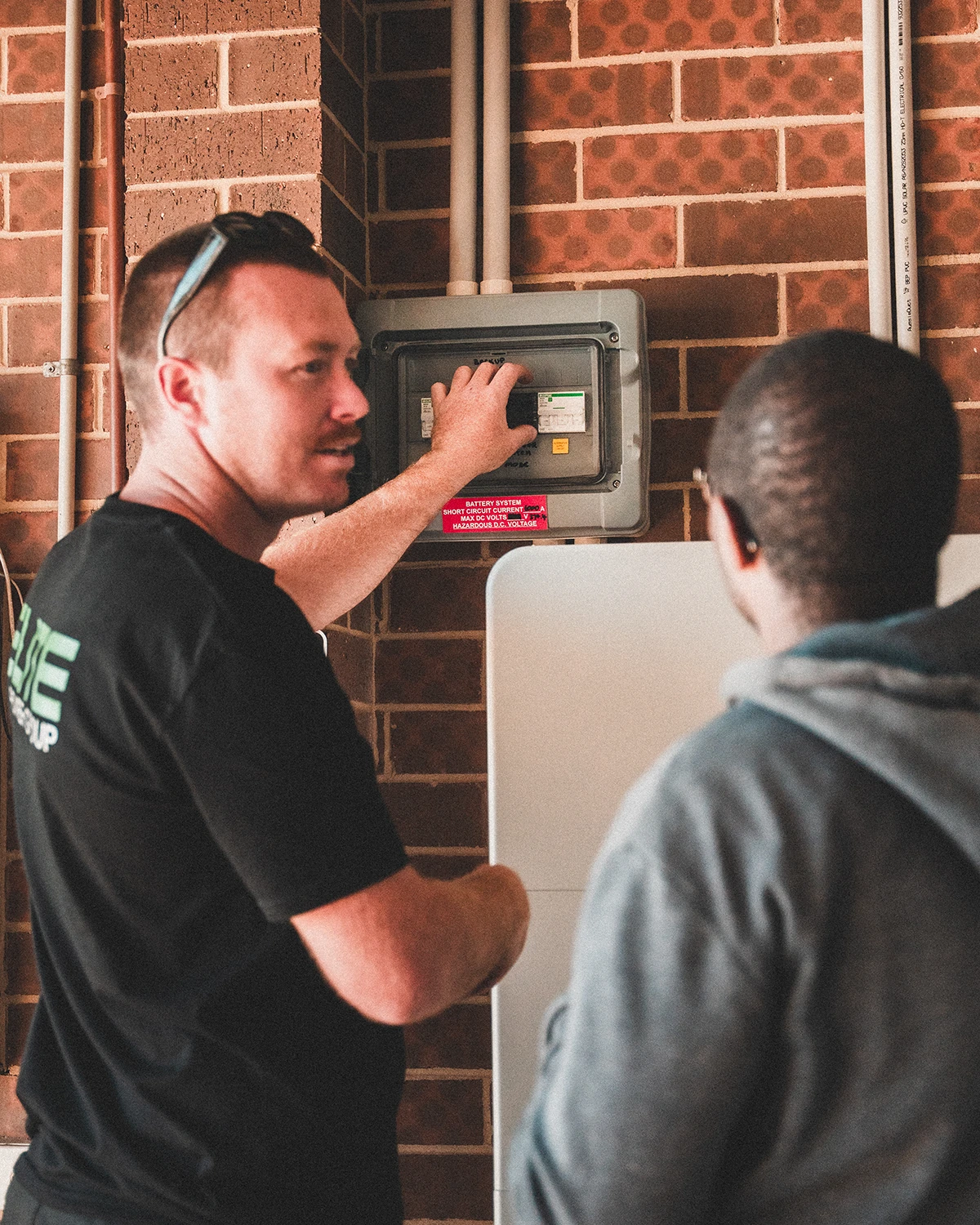
Owners of both small and large battery systems can overuse their battery and deplete the battery faster than they expect - especially at the start of their ownership.
Even a 30kWh battery can get drained well before morning if there’s a ghost load quietly taking all your valuable energy over the stretch of night. Here’s a few things to check:
Check your battery app: Every battery we install comes with an app where you can find usage data which can help you identify any peaks in your consumption, as well as any repeated loads with historical usage data.
Know your load priorities: Sorted your appliances into 3 groups can help you identify what appliances are an essential or luxury item to be powered. Removing unnecessary loads can help prolong your battery charge.
Get circuit-level monitoring: Monitoring certain circuits can help you find what is consuming most of your energy. For example, a CT clamp setup for an EV charger could help identify if the EV is charging from the battery.
Once a grid outage has been fixed and power is restored, what exactly happens to the battery? Does it just kick back into action? Well, this will vary depending on the brand. Different batteries from various companies either kick right back in as soon as they receive power, and others wait until they hit a certain percentage to start again.
The Sungrow SBH series is equipped with what Sungrow calls a ‘solar black start’ where is the battery is fully depleted overnight during an outage, the system can restart itself once the sun is back up and the solar panels are generating. This means that during longer outages, the system should just turn back on and start charging without you needing to do anything.
The GoodWe ESA lineup works in a similar way. GoodWe uses configurable settings for their all-in-one hybrid inverter and battery setup, where you can control off-grid SoC lower limits and recovery thresholds. These determine how low the battery can go before output cuts to protect the battery, and how much charge it needs before it switches back on automatically.
Some other brands may need manual intervention in restarting, so check with your battery’s user manual for more information.
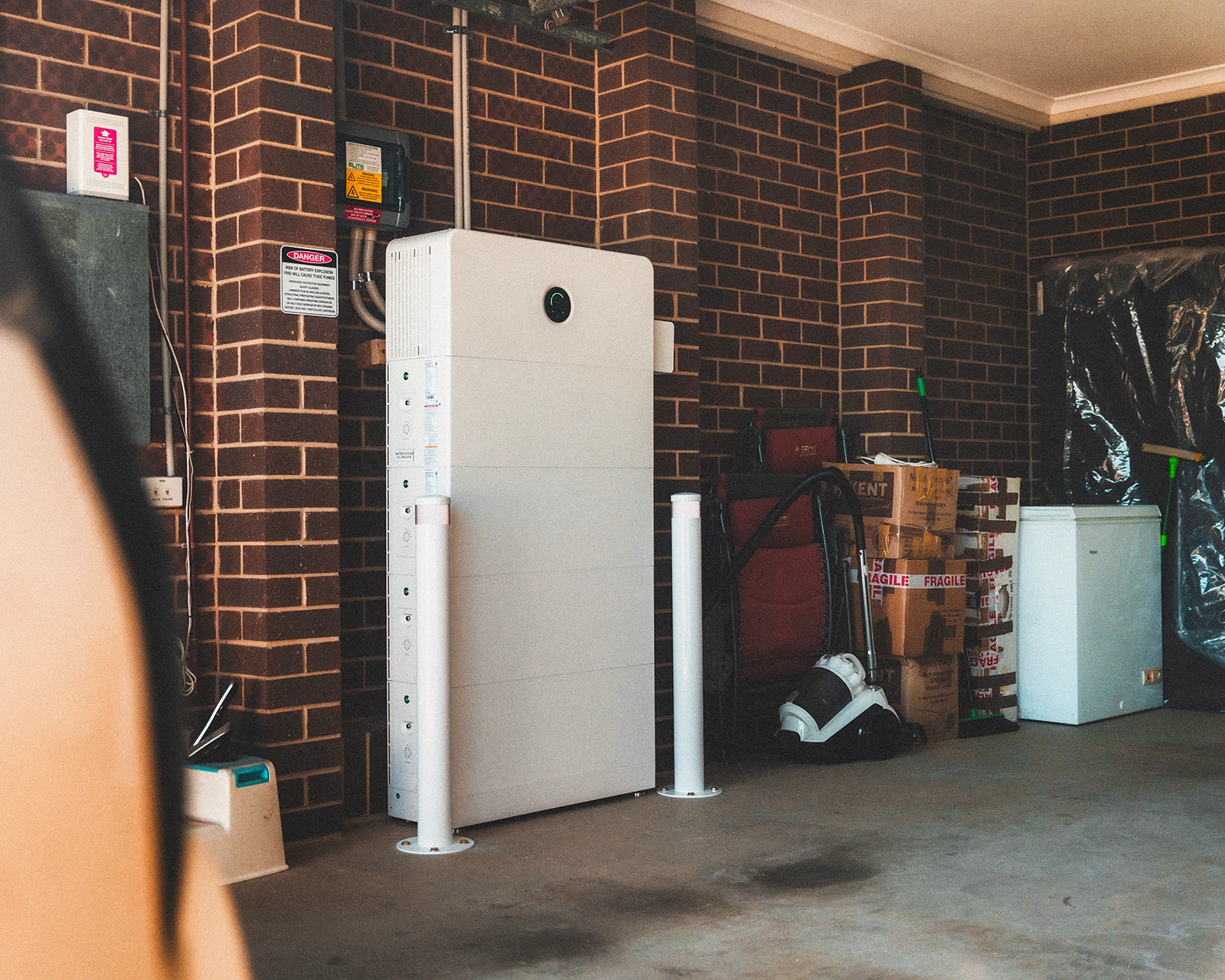
Overall, blackout protection can be a highly-valuable asset to any household. This is why your system should be designed for your and built around your consumption to ensure energy security and maximum features for your budget.
The right blackout protected solar and battery system will come down to your energy consumption habits, budget, and energy goals, so it's highly recommended you reach out to your local installer. If you're based in Newcastle and the Hunter, we'd love to assist you in finding the best solar and battery packages that are equipped with blackout protection.
What the Clean Energy Council's January to June 2026 report found on rooftop solar, home batteries, forecasts and complaints, and how to read the figures.
Read moreNot all batteries provide blackout backup by default. Learn what happens, what your battery is backing up, and how to stop your battery draining too fast.
Read moreFind available rebates & subsidies for solar systems, battery storage, and VPPs in NSW. Explore eligibility and maximise live incentives today.
Read moreRenewable News Articles
Sign up for new article updates - we don't spam.
We've invested in becoming fully-licensed and qualified installers to ensure homes and businesses get
the best solar, battery, and electrical systems available.
Certified solar system installers near you.
Get SAA-Approved Battery Installations.
Fully-licensed electricians Near You.
Convenient EV charging stations for properties.
Leave a Comment