AUSTRALIA'S FEDERAL BATTERY REBATE GUIDE + SAVINGS CALCULATOR
Explore Australia's federal battery rebate, the Cheaper Home Batteries Program, which is designed to
help homes and businesses save up to 30% on their first battery or expansion. Explore eligibility and estimated discounts using the
calculator for the Newcastle, Maitland, and Hunter region.
THE CHEAPER HOME BATTERIES PROGRAM: AUSTRALIAN SOLAR BATTERY SUBSIDY
What is the Australian Battery Rebate? The Cheaper Home Batteries Program is an Australian federal battery subsidy,
enabling eligible Australian homes and businesses to claim a discount on their first battery storage investment.
Whilst technically not a rebate as it acts a discount, the incentive is designed to provide up to 30% off the total battery cost from
5kWh - 100kWh of energy capacity.
The federal government battery subsidy will join the existing solar rebate under the Small-scale Renewable Energy Scheme that are both
designed to help offset the total cost of systems which slowly decrease until 2030.
Can businesses apply for the battery rebate? Business and homeowners can claim the federal battery rebate for both new
batteries and energy storage expansions if the subsidy hasn't already been claimed.
Whilst technically not a rebate, the federal battery subsidy is an incentive to enable discounts on battery storage for home and
business owners in Australia.
IMPORTANT: FEDERAL BATTERY SUBSIDY TO CHANGE FROM MAY 1ST
On the 5th of February, regulatory changes were implemented to the Cheaper Home Batteries Program which
will affect how much you can save on your battery installation.
The program budget has been increased from $2.3 billion, to around $7.2 billion over the next 4 years until
2030. Thechangesinclude adjustments to the STC factor which determines the value of your discount.
Here are the key changes:
The STC factor is proposed to decrease more frequently every 6 months instead of yearly
Each reduction will be more significant to align with declining battery costs
The STC factor will be reduced according to the amount of capacity installed
0 - 14 kWh: STC Factor applied at 100%.
14 - 28 kWh: STC Factor applied at 60%.
28 - 50 kWh: STC Factor applied at 15%.
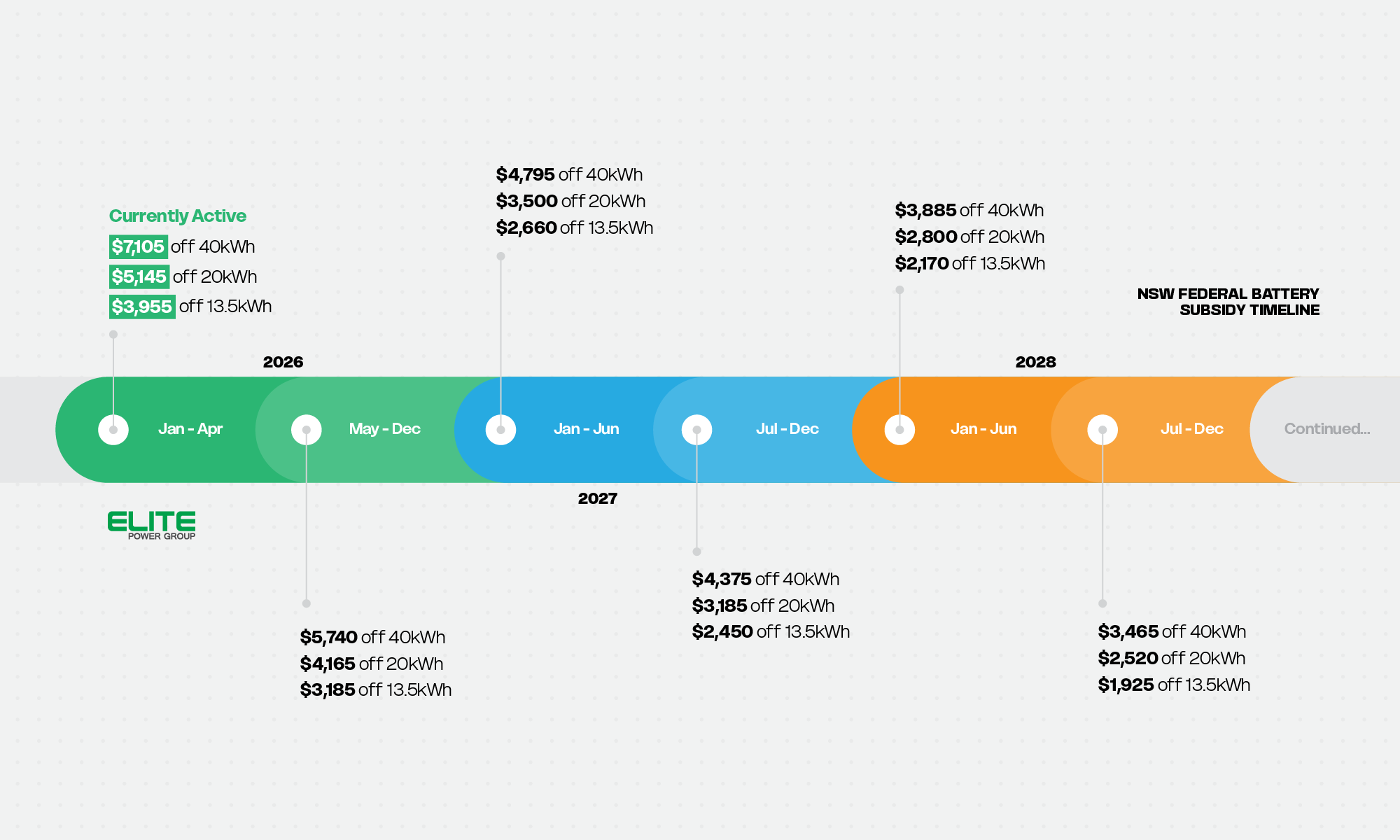
Above is a timeline of the federal battery rebate changes and when the STC rates change.
FEDERAL GOVERNMENT BATTERY REBATE & STC
CALCULATOR
Use the Cheaper Home Batteries Program Rebate Calculator and calculate your estimated savings based on your battery's energy capacity.
Note: this incentive is technically not a rebate as it is a discount off the installation cost of your battery.
*Pricing from the subsidy calculator is only indicative. Pricing also reflects proposed changes from May 1st which are subject to change.
For an accurate quote, feel free to send an enquiry form, message, or call us.
Estimated Upfront Discount
HOW TO APPLY FOR THE FEDERAL BATTERY
REBATE?
Applying for the Australian battery incentive is no different to getting a traditional quote from your local installer. By getting a quote
from your local SAA-accredited battery installer, they'll choose from a list of CEC-approved eligible batteries, and if they're like us, they'll
give you the upfront discount in
your supply and installation quote.
GET A FREE QUOTE
Get a free quote by a SAA-accredited solar and battery installer, on eligible battery unit and expansion options.
ACCEPT YOUR PROPOSAL
You can claim the federal battery incentive by accepting a battery quote that includes the upfront discount.
ENJOY THE BENEFITS
Once installed, start reaping the benefits from day one like 24/7 backup energy and more sustainability.
THE FEDERAL BATTERY REBATE ELIGIBILITY REQUIREMENTS
Not every battery brand and model is going to be eligible for the Cheaper Home Batteries Program. To be
eligible to claim the incentive, batteries will need to conform to the program's requirements of being under 100kWh, CEC-approved,
VPP-compatible, and be installed by a SAA-accredited installer along with a solar system. Below is a breakdown of the battery eligibility
requirements for the battery subsidy.
5-100kWh Capacity
5kWh - 100kWh of capacity (discount will be provided for up to 50kWh).
A Single Battery Unit
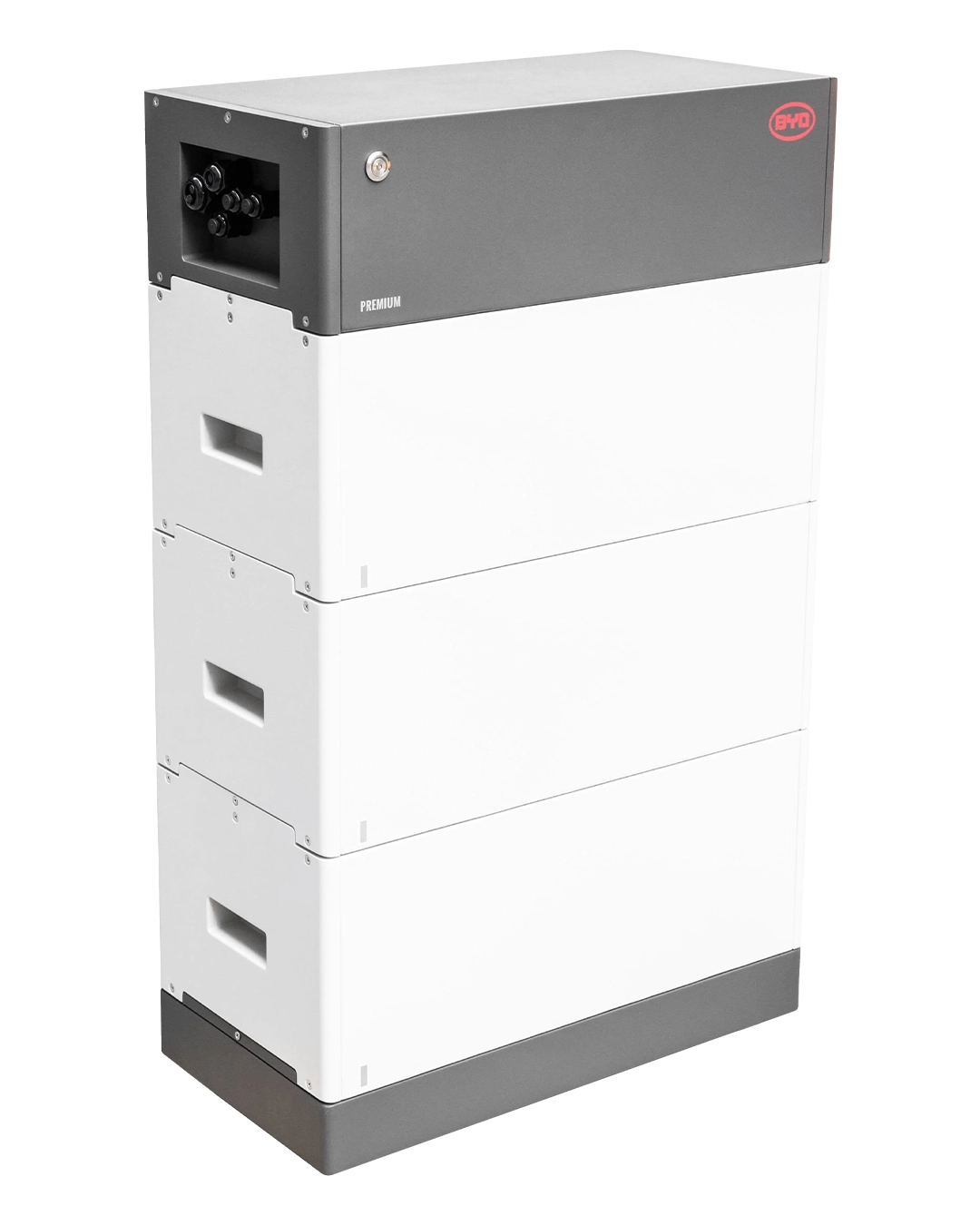
Battery must be a single battery unit (can be a modular unit like Sungrow or BYD).
CEC-Approved
The battery and inverter must be listed on the CEC approved list.
VPP-Compatible
Must be VPP-compatible, but doesn’t need to be connected to one.
SAA-Accredited Installer
Must be installed by a SAA-accredited battery installer.
Solar Connection
The battery needs to be installed with an existing or new solar system.
WHAT BATTERIES ARE ELIGIBLE FOR THE FEDERAL
BATTERY REBATE?
If you're looking for eligible battery options for the Australian battery subsidy, they will need to meet
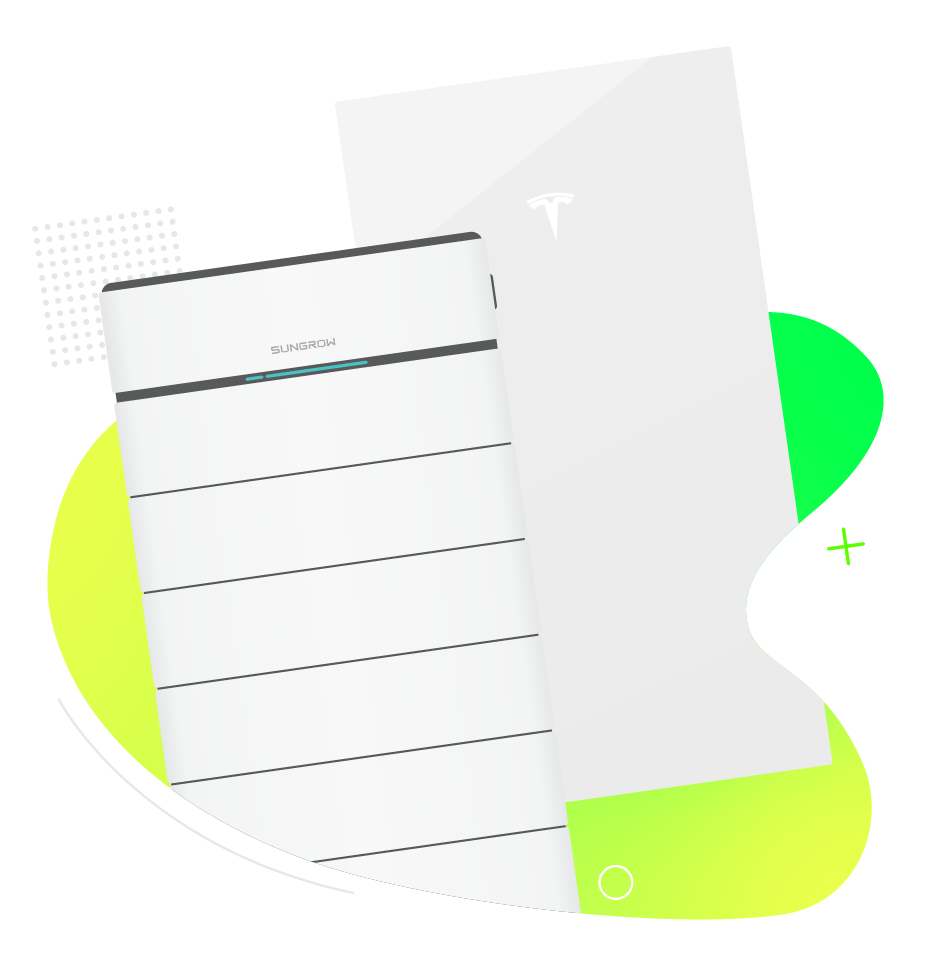
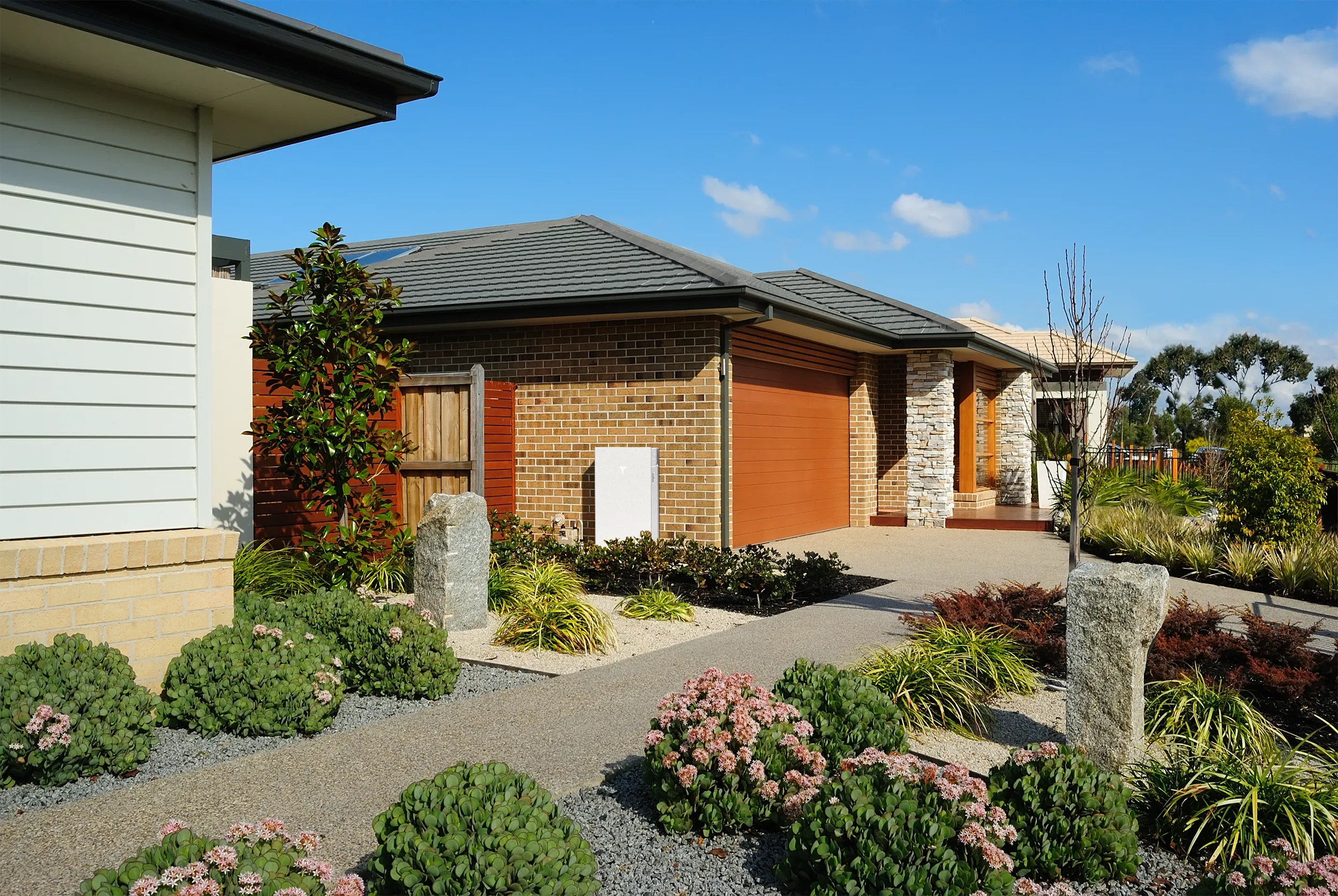
the program's requirements. Brands that we highly-recommend that also meet these requirements include Tesla Powerwall 3, Sungrow
SBH & SBR series, and BYD Battery-Box.
Brand & Model
5-100 kWh Capacity
Single Unit
CEC approved
VPP-compatible
Eligible for the scheme
Tesla Powerwall 3
13.5kWh
Sungrow SBH series
20kWh - 40 kWh
Sungrow SBR series
6.4kWh – 25.6 kWh
BYD Battery-Box HVM
8.3kWh – 22 kWh
Fronius Reserva Battery
6.3kWh - 15.8kWh
GoodWe ESA Series Battery
8.3kWh - 48kWh
NSW Battery Rebate
HOW MUCH CAN I SAVE ON HOME SOLAR
BATTERIES?
To find out how much you can save through the Cheaper Home Batteries Program, use the federal battery rebate calculator above. Here you
can find out how much your eligible battery could save you.
By selecting your battery's energy capacity, you can get an estimate your savings potential. For example, a Tesla Powerwall 3
(13.5kWh) offers up to $3,955 off (based on first-half 2026 numbers.).
Tesla are also offering an additional rebate for up to $1,500
on Tesla Powerwall 3's
or expansions. Get $750 for each Tesla Powerwall 3 and combine it with the federal battery rebate to maximise your savings.
NSW Battery Rebate
CAN YOU CLAIM THE BATTERY REBATE FOR MODULE
EXPANSIONS?
Yes, you can claim the battery rebate for module expansions to increase capacity. If you a property in Newcastle or
Maitland that already has a battery installed, you can claim the subsidy on system expansions that meet the following requirements:
Can't Already be Claimed
The battery hasn’t been claimed previously under the scheme.
5kWh+ Expansion Amount
To be eligible, the system expansion needs to be at least 5kWh.
Can't Exceed 100kWh in Capacity
Does not exceed 100kWh in nominal capacity to be eligible.
Claim the Battery Rebate Today
CLAIM THE SOLAR BATTERY REBATE
TODAY.
Simply fill out this form to claim the
federal government battery subsidy, and get free quoting, consultation, and proposals on solar, battery, EV charging, and electrical in the
Newcastle, Maitland, and Hunter region.
I don't see any prices?
We're an installer who provides custom, tailor-made systems for
every customer. This means that we don't sell standard 'one-size-fits-all' systems, as each property will have unique requirements
which will vary in price.
Why Choose Elite Power Group?
We're Newcastle's choice for battery storage systems, and can help you claim
the battery rebate and maximise your savings and performance.
HOW MUCH DOES THE BATTERY REBATE DROP EACH YEAR?
Similar to how the Australian solar subsidy works, your battery will generate small-scale technology
certificates (STCs) where the amount is determined by the total useable kWh capacity of the battery.
As of January 2026, the current subsidy value is 8.4 STCs per kWh, and will drop down to 6.8 STCs
per kWh in May 2026. This will continue to decrease over time until 2030.
Because it is a part of the Small-scale Renewable Energy Scheme, these discounts diminish each year until
2030. Below is the proposed pricing structure of the Federal battery subsidy until 2030.
Year
1 JAN - 30 APR
1 MAY - 31 DEC
2027 (H1)
2027 (H2)
2028 (H1)
2028 (H2)
2029 (H1)
2029 (H2)
2030 (H1)
2030 (H2)
STC factor
8.4
8.4
7.4
7.4
6.5
6.5
5.6
5.6
4.7
4.7
Est. Tesla Powerwall 3 savings
$3,955
$3,955
$3,465
$3,465
$3,045
$3,045
$2,625
$2,625
$2,205
$2,205
STC factor
8.4
6.8
5.7
5.2
4.6
4.1
3.6
3.1
2.6
2.1
Est. Tesla Powerwall 3 savings
$3,955
$3,185
$2,660
$2,450
$2,170
$1,925
$1,680
$1,435
$1,225
$980
Est. Value p/kWh
$294
$238
$199.5
$182
$161
$143.5
$126
$108.5
$91
$73.5
When you accommodate elements like installers opting for STC traders, fluctuations in STC value, administration and trading fees, the
value will be closer to around $35 per STC which will vary. Download the STC Summary. Estimated discount values don't include the reduced STC factor percentage as Tesla Powerwall sits under 14kWh.
HOW TO CHOOSE THE RIGHT SOLAR &
BATTERY SIZE?
With unlimited options and capacities, it can be hard finding the best
battery for your Newcastle-based home or business. Whilst we can help find you the best battery, here are 6 ways on how to determine the best solar battery for your property.
Consumption Habits
Each home will have unique energy consumption habits. If you mainly consume energy at night, battery storage may be perfect for you
to help store the energy you harness throughout the day.
Solar System Size
Your solar system size will help identify the ideal sized battery to ensure you're maximising the energy you generate. Determining your
solar production will help indicate how much excess you have.
Backup Energy Options
Whilst you can size your battery to help offset nighttime energy usage, wanting additional backup energy reserves for grid
failures will require more energy capacity to keep your lights on during extended outages.
Daily Average Usage
By reviewing your daily usage average, you can find a ballpark number to run with.
With 13.5kWh of energy storage, Tesla Powerwall 3 would be well-suited for the average
household's consumption.
Futureproof Scalability
Investing in a battery with scalability ensures flexibility if you ever wanted to upgrade in the future if your energy requirements
change. Batteries like Sungrow are stackable and modular by just adding another module.
Budget Constraints
Your budget will be a factor in finding the right bang-for-buck solution. Budget constraints will play a part in determining the
capacity and help narrow down mid and top-tier solutions.
WHAT SOLAR BATTERIES ARE ELIGIBLE FOR THE BATTERY
REBATE?
Explore eligible battery storage for the Federal Battery Rebate Incentive and get a discount on your
first battery or expansion.
Eligible batteries for the Cheaper Home Battery Program includes Tesla Powerwall 3, Sungrow SBR, Sungrow
SBH batteries, and BYD Battery-Box, which all meet the subsidy's
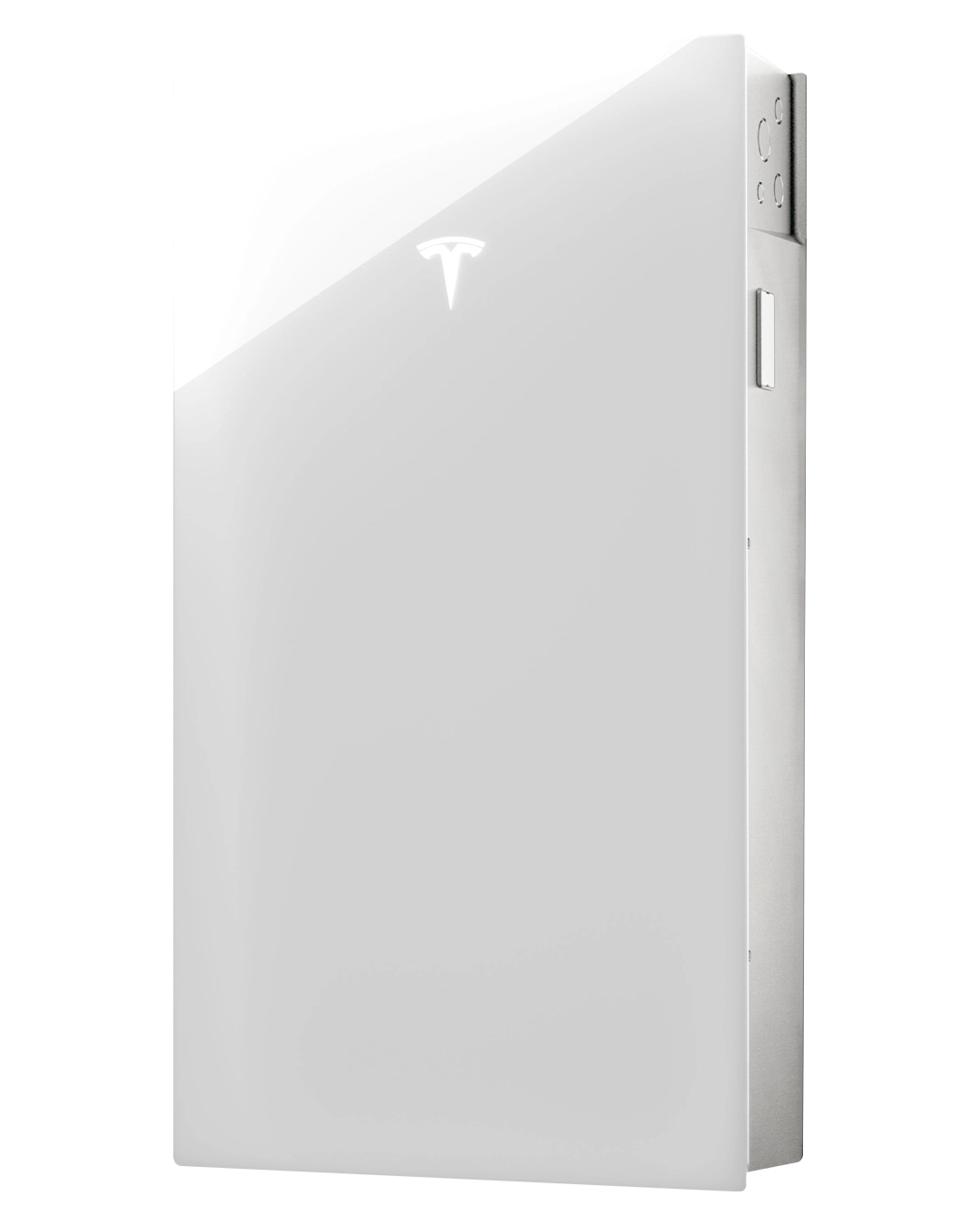
Tesla Powerwall 3:Eligible
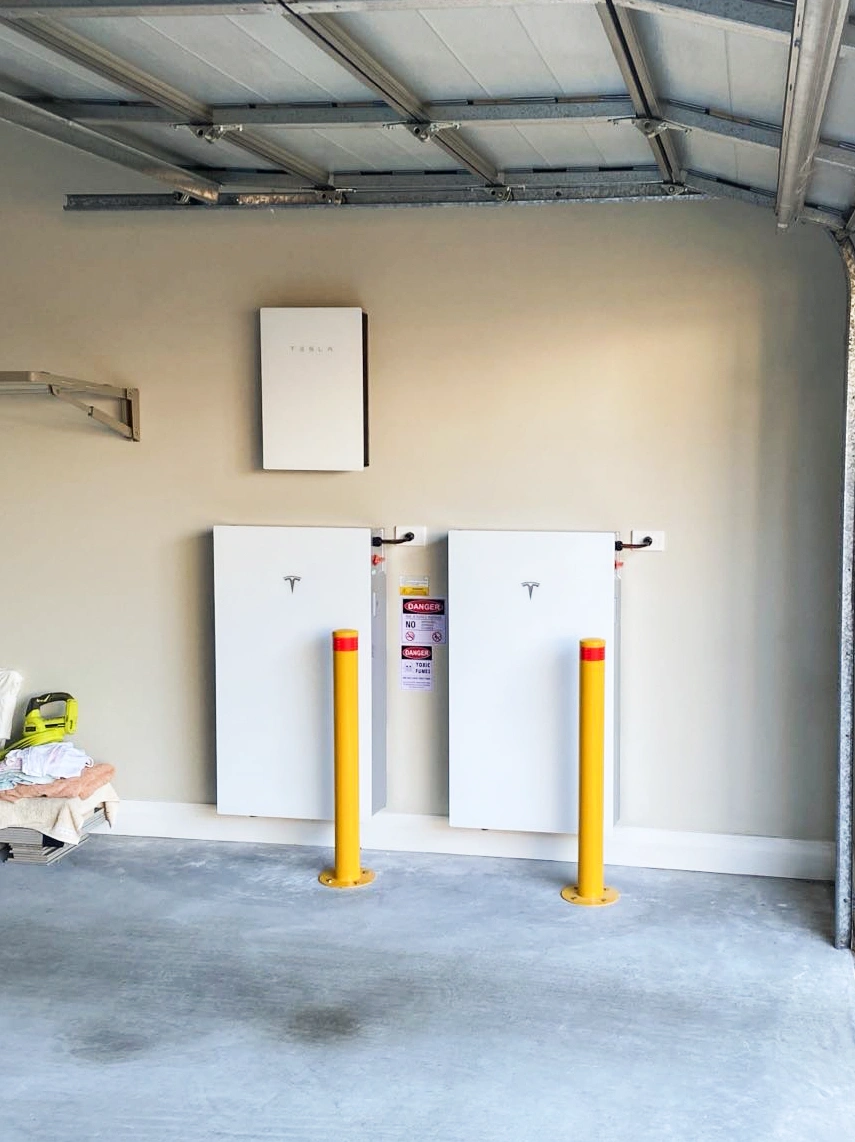
Being eligible for the Australian Battery Subsidy, Tesla Powerwall 3can
help you maximise your incentive savings and solar generation with its 13.5 kWh capacity.
With a built-in solar inverter, Tesla Powerwall 3 is a perfect solution for new homes that want a minimalistic
storage system, that also packs a punch with its impressive features.
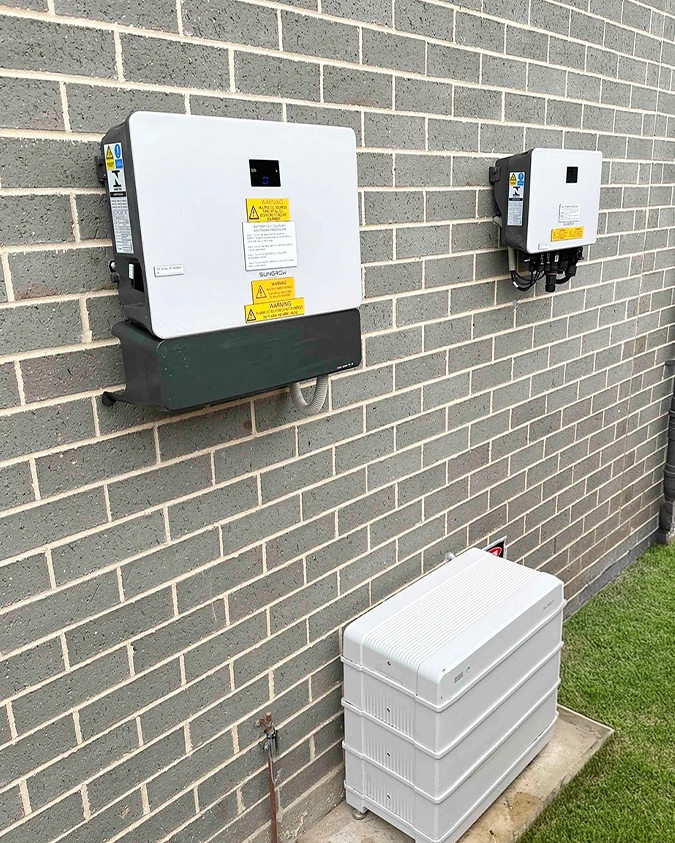
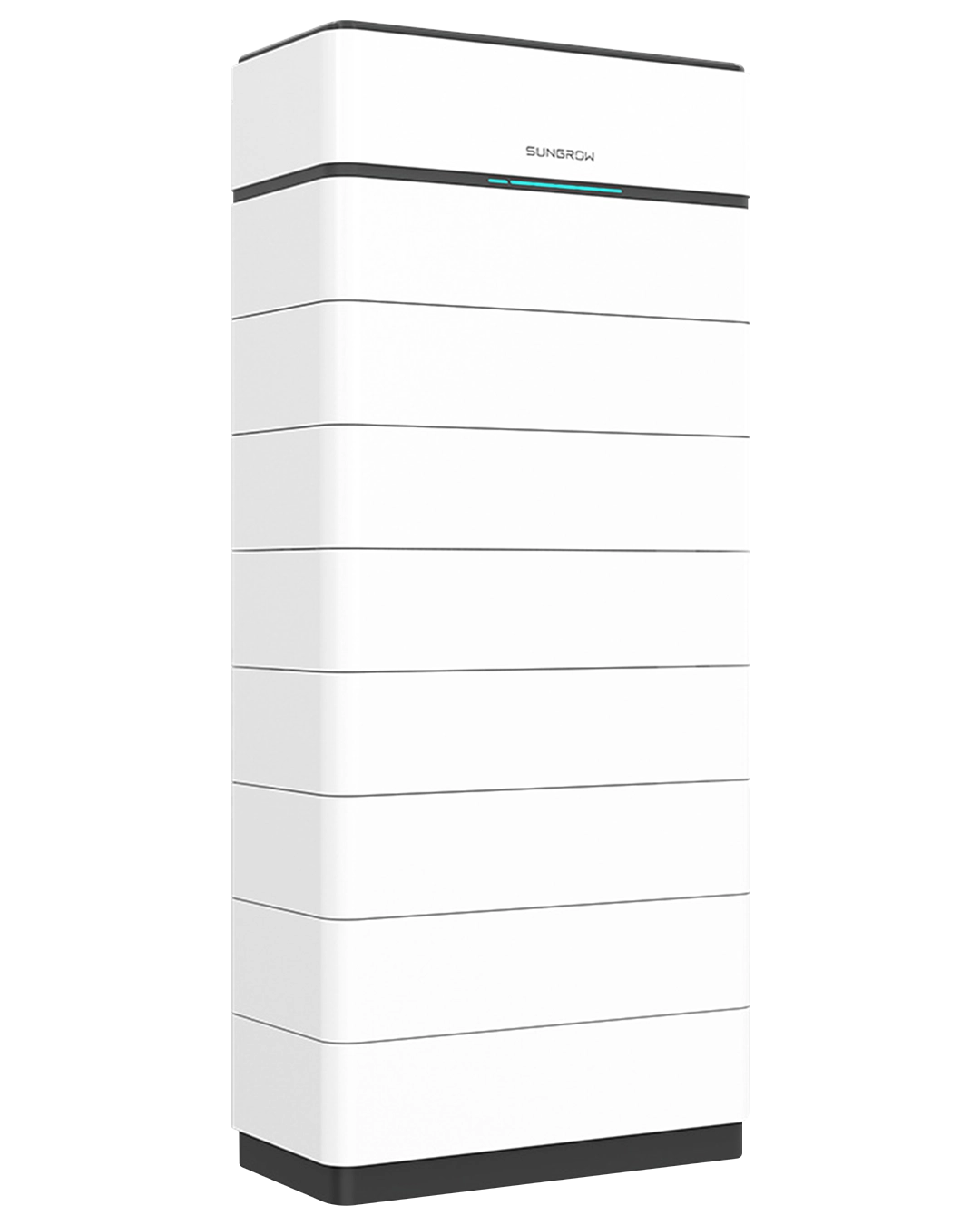
With modular and scalable features, Sungrow SBH battery storage offers flexibility in capacity options
which are eligible for the Cheaper Home Batteries Program.
Suitable for both homes and businesses Sungrow SBH is VPP-compatible and is designed to empower properties and maximise solar
generation.
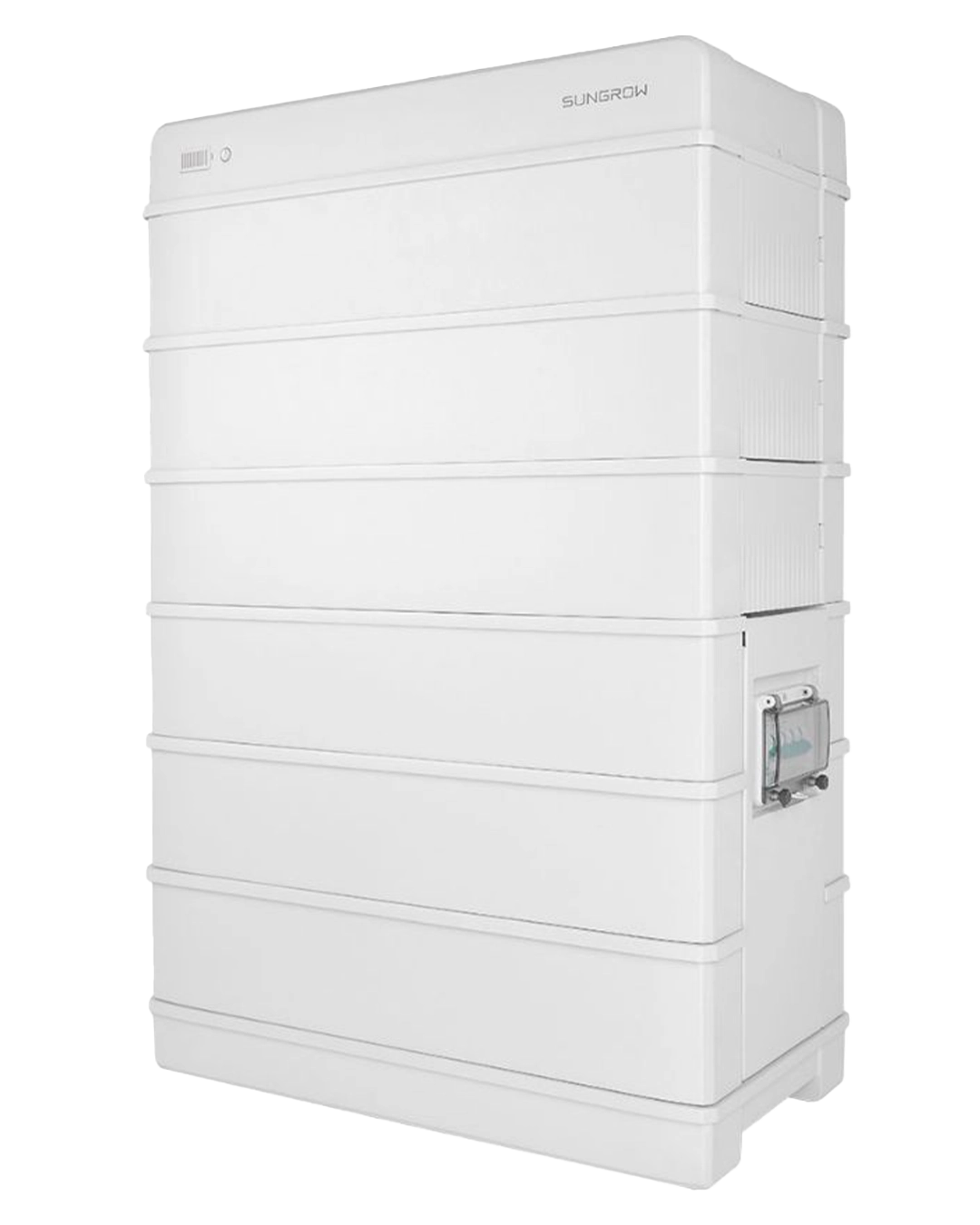
With capacity options from 6.4 to 25.6 kWh, the Sungrow SBR series is a great, cost-effective solution to
add energy storage to your property.
Take advantage of the Australian battery incentive scheme today and maximise your savings and return-on-investment today.
Designed for scalability, BYD Battery-Box offers a great energy storage solution for homes and businesses
wanting premium storage options.
BYD Battery-Box is eligible for the Cheaper Home Battery Program, which means you can save on your investment and start saving today.
WHAT BATTERIES ARE COMPATIBLE WITH VIRTUAL
POWER PLANTS?
Battery storage options like Tesla Powerwall 3, Sungrow SBH and SBR, as well as BYD Battery-Box are all VPP-compatible and are eligible for
the Australian battery subsidy.
A Virtual Power Plant (VPP) is essentially a
large network of decentralised homes and businesses that are orchestrated to balance grid demand and supply.
Whilst batteries claimed under this incentive are required to be VPP-compatible, there is no requirement for the battery to be connected to a
VPP to be eligible.
Additionally, you can claim a rebate on connecting your battery to a Virtual Power Plant network through the VPP
rebate.
TAKE ADVANTAGE OF SOLAR & BATTERY REBATES: NOW
AVAILABLE
Our Newcastle-based team of experienced installers provide accurate and free quoting on not only battery
systems, but also provide quotes with incorporated incentive pricing for solar systems. Make it easy and order a full solar and battery
system through us and be assured that you know what you're in for before any money exchanges hands.
We don't sell you a system that you don't need.
There is a huge opportunity for new and existing solar owners like you, to take advantage of the energy
YOU generate. Maximise your savings today and reap the benefits of energy independence.
CAN YOU CLAIM THE BATTERY REBATE IF YOU'RE OFF-GRID?
Yes, the Cheaper Home Batteries Program is open to both grid-connected and off-grid properties. Hunter off-grid properties will need to be
at least one kilometer away from a main grid line, or in a circumstance where the cost to connect to the grid is beyond $30k.
If an off-grid property is claiming the Cheaper Home Batteries Program subsidy, the battery does not need to be VPP compatible to be
eligible.
Frequently Asked Questions
Below are some frequently asked questions about the Cheaper Home Batteries Program.
WHY CHOOSE ELITE POWER GROUP?
Elite Power Group are Newcastle’s leading rebate and subsidy providers for solar and battery
installations.
We’ve been helping homes and businesses take advantage of the solar rebate for numerous years, helping property owners find the optimal
systems.
Our vision is to empower communities with electrical and renewable energy solutions, and we want to achieve
that by also enabling our customers to take full advantage of available subsidies and incentives they may be eligible for.
As your local solar battery professionals, we strive to design and install systems that meet eligibility
requirements for available rebates and incentives, as well as meet Australian standards to secure long-term safety and energy performance
for both residential and commercial properties across Newcastle and surrounding areas.
Solutions-Focused
Instead of selling you a standard battery system, our team are focused on providing a tailor-made solution
that meets your requirements and budget.
Customer-first Mentality
From when we first meet, we want to ensure a positive experience
which exceeds expectations with accessible post-installation support.
Local Industry Professionals
Unlike other businesses through Newcastle area, our team specialise in not just solar and battery storage but
are proficient in electrical and EV charging too!
Certified Installers
The Elite Power Group team have invested in becoming CEC/SAA accredited designers and installers to ensure
systems are reliable and of the highest quality.
Solar & Battery Statistics - Elite Power Group 2025⚡Newcastle
Explore Elite Power Group's solar and battery installation statistics for 2025, and how we performed over this year of operation in
Newcastle and Maitland.
The Dangers of Cheap Solar & Battery Systems Explained⚡NSW
Considering a cheap solar system? Learn how low-quality, unreliable inverters and panels can lead to costly repairs, full replacements, and
safety issues.
Solar Battery Delays in Australia: Supply Chain & Rebate Issues⚡
Battery supply chains are tight across Australia, with shipping delays leaving many installers out of stock and customers waiting longer.
What's happening?
How to Avoid Solar Scams: Reputable vs. Dodgy Installers⚡NSW
Learn how to avoid solar scams in NSW. Spot red flags & dodgy installer tactics and find reputable companies with great warranty &
quality installations.
Q2 Solar & Battery Statistics: Record 56,000 Batteries Sold⚡2025
Over 56,000 solar batteries were sold in Q2, 2025, thanks to the Australian battery subsidy. Explore solar & battery uptake, growth
trends, and what's next.
The Solar & Battery Installation Process: 9-Step Guide⚡NSW
Explore the process of installing rooftop solar and battery storage systems in a step-by-step guide of 9 easy steps on how solar is
installed in Australia.
Sungrow SBR/SBH vs. BYD Battery-Box: Comparison⚡NSW
Compare the difference between Sungrow's SBH and SBR battery storage vs. BYD Battery-Box and find what battery is better for homes or
businesses in NSW.
Federal Solar Battery Rebate: Eligibility & Approved List ⚡2025
Explore Australia's Federal Government solar battery rebate subsidy like eligibility, approved batteries, requirements, and more about
the upcoming incentive.
AC vs. DC-Coupled Solar Battery: What's the Difference?⚡NSW
Explore the differences between AC and DC coupled solar battery storage and how it affects your solar system and inverters'
configuration in Australia.
Staying Powered On During Outages: Battery Backups⚡2025
A very strong storm passed through the Hunter, leaving over 100,000 homes without power. Here's how you can protect your home's
energy with independence.
Rebates & Subsidies in NSW: Solar, Battery, & VPP's⚡2025
As 2025 comes to light, homes and businesses in NSW have access to a range of rebates and subsidies that allow for discounted installations
of solar and battery solutions.
Off-Grid Solar & Battery Systems: Are they Worth it?⚡2025
For cabins, homes, and sheds with limited or no access to grid energy, getting an off grid solar and battery storage system may be worth it
in NSW in 2025.
Are Solar Batteries Safe? Home Fire Risks & Statistics🔋NSW
Explore solar battery fire risks, hazards, and statistics, and if solar batteries are safe to install for homes in NSW, Australia. (Spoiler
alert.. they are!)
AC vs. DC: Alternating & Direct Current Differences & Examples⚡
Learn alternating and direct current, and the differences between AC vs. DC with real-life examples and diagrams of power flow and voltage
in Australia.
Is Commercial Battery Storage Worth it in NSW? ⚡2025
Discover how commercial solar battery storage can benefits businesses in NSW, with benefits like maximising solar, reducing operational
costs, and more!
How Australia Reached 40% Renewables⚡[Q4 2023 Statistics]
In the new 2024 CEC report, they found that renewable contribution in the overall supply of energy in Australia, produced 40% of Australia’s
total electrical supply.
Why is My Electricity Bill Still High with Solar?⚡Australia
So you've invested in solar to reduce your electricity bills, but since then your bills are still high? Explore why your energy bills
are still high even after solar.
Single vs. Three Phase Power: What's the Difference?⚡Australia
Explore the differences between single phase vs. three phase power, and how 1 phase and 3 phase electricity works with real-life examples in
Australia.
Battery Storage vs. Capacitors: How do Batteries Work?⚡
How do solar batteries work? Some might believe that they use magic, but let's walk through how they work in simple terms to help you better understand battery storage.
Home Battery Storage Rebate & Schemes [2024]⚡Australia
Explore the latest battery storage rebates for home solar energy storage in Australia. Will there be a rebate? If so, when and how will the
scheme work?
SOLAR & BATTERY INSTALLERS IN
NEWCASTLE
We've invested in becoming fully-licenced and qualified installers to ensure Newcastle homes and businesses
get the best solar, battery, and electrical systems available. We want to assist Newcastle's renewable energy revolution with quality
installations for maximum customer satisfaction.