Hunter Valley's Leading Residential & Commercial Solar Installers
Hunter Valley's Leading Residential & Commercial Solar Installers
Posted 23 Jul
Want the latest in energy, solar, and savings?Subscribe to our newsletter – we don’t spam!
Getting solar installed should not feel like a leap of faith. By the time someone turns up on your roof, you should know exactly what is happening, why, and what to expect next. The problem is most installers hand you a quote, ask you to sign something, and leave the process a mystery until the day.
Quick answer: From first enquiry to a working system, most Hunter region residential solar installations take 4 to 8 weeks. The installation day itself takes around 6 to 8 hours for most homes. The waiting time is in the design, ordering, approval and scheduling phases, not the job itself.
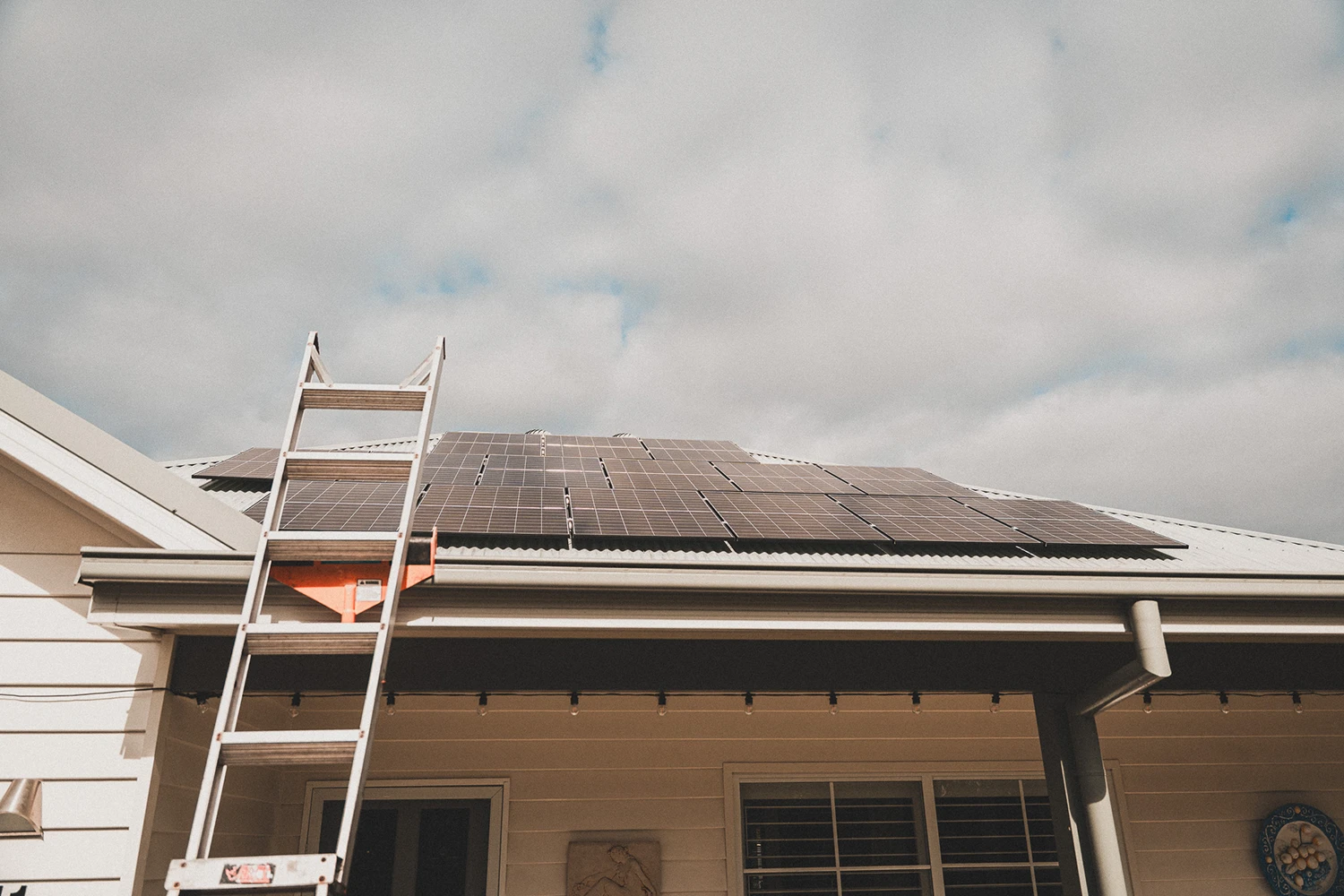
Most residential solar installations in NSW generally take 4 to 8 weeks from first enquiry to a working system. The installation itself takes one day for most homes. The rest of the time is design, paperwork, equipment ordering and Ausgrid's connection approval process.
Here is the rough breakdown:
It's also important to note that industry-wide demand will delay the installation timeframe.
What should a solar quote actually include?
Most solar quotes start with a phone call or online enquiry, followed by a site assessment - either in person or via satellite roof analysis. A good quote is not just a price. It should tell you the proposed system size (kW), the expected daily generation (kWh), the estimated annual savings, and a clear breakdown of what hardware is being installed.
What a quality quote includes:
What to ask at this stage: Is the installer CEC-accredited? This is not optional - it is required to process your STC rebate and to connect to the grid in NSW. Ask to see their accreditation number if it is not already visible on their website or quote.
Are the panels and inverter on the CEC approved product list? If the answer is evasive, that is a problem. The Clean Energy Council maintains a public list of approved products. Anything not on it cannot be used in a compliant NSW installation.
What happens during solar system design?
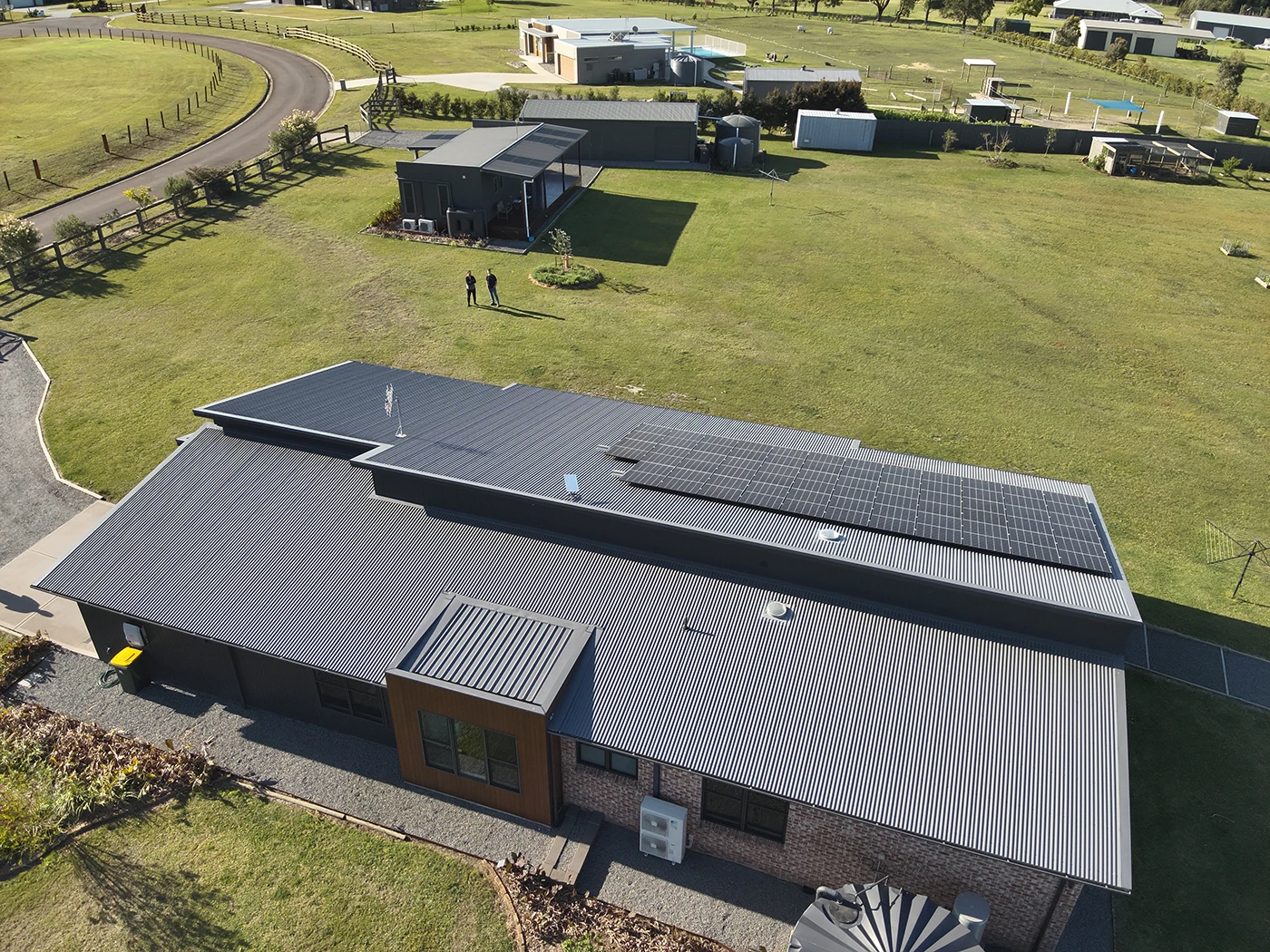
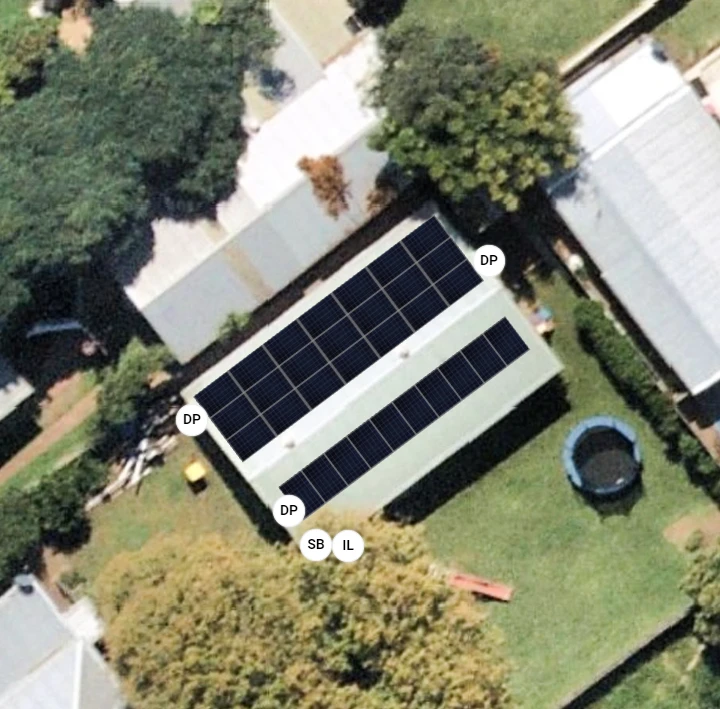
Once you accept a proposal, a proper design process begins. This is more than placing panels on a roof diagram. A good system design accounts for your roof's pitch, aspect and available area, any shading from trees, chimneys or neighbouring buildings, your household's consumption patterns by time of day, your current tariff structure, and whether battery storage is part of the plan now or later.
For Hunter region properties, our design team also accounts for the specific Ausgrid zone requirements and any embedded network constraints that apply to your address. Some older properties in parts of Newcastle and Maitland have inverter size limits that need to be factored in at the design stage, not discovered later.
What to look for in the design: Does the proposed layout actually make sense for your roof? A north-facing array will always outperform an east or west-facing one in NSW. If your proposal puts panels somewhere other than north or north-west without explanation, ask why.
Has shading been modelled? Even partial shading from a nearby tree or chimney can reduce system output meaningfully. Ask whether shading analysis was done and what the impact is on the annual generation estimate.
How does the STC rebate work and what paperwork is involved?
This is the stage most homeowners do not see, but it is where several important things happen simultaneously.
The STC rebate: Small-scale Technology Certificates are Australia's federal solar rebate mechanism. Your installer assigns them on your behalf and applies the value as an upfront discount - you never see the certificates themselves, just the reduced price on your invoice. The value of STCs reduces slightly each year until the scheme ends in 2030, so there is a gentle incentive not to leave it too long.
The grid connection application: in NSW, connecting a new solar system to the grid requires formal notification or approval from your distributor - Ausgrid, Endeavour Energy or Essential Energy depending on your location. For most standard residential systems this is a straightforward notification process. For larger systems or properties in areas with network constraints, it can require a formal application that takes longer. We handle this on your behalf.
Equipment ordering: panels, inverters and racking are ordered from our suppliers once the paperwork is underway. Lead times vary but are typically 3 to 10 business days for standard residential equipment.
How long does it take to schedule a solar installation in NSW?
Once equipment is confirmed and paperwork is underway, your installation gets scheduled. How long this takes depends on our current schedule, equipment availability and your availability. Busy periods (spring and early summer) tend to have longer wait times than quieter months.
When we call to confirm your installation day, we can discuss any preperation required like accessibility, and let you know who willl be on site with rough timesframes.
What to expect: For a standard 6.6kW residential system, allow 6 to 8 hours. Larger systems or battery installations take longer. We will give you a realistic timeframe when we confirm the booking - not a number that sounds good but routinely runs over.
Technical review: a member of our installation team reviews the design against your actual roof before the job. Occasionally there is a difference between what a satellite assessment shows and what the roof looks like up close. If anything changes, we discuss it with you before proceeding.
What actually happens on solar installation day?
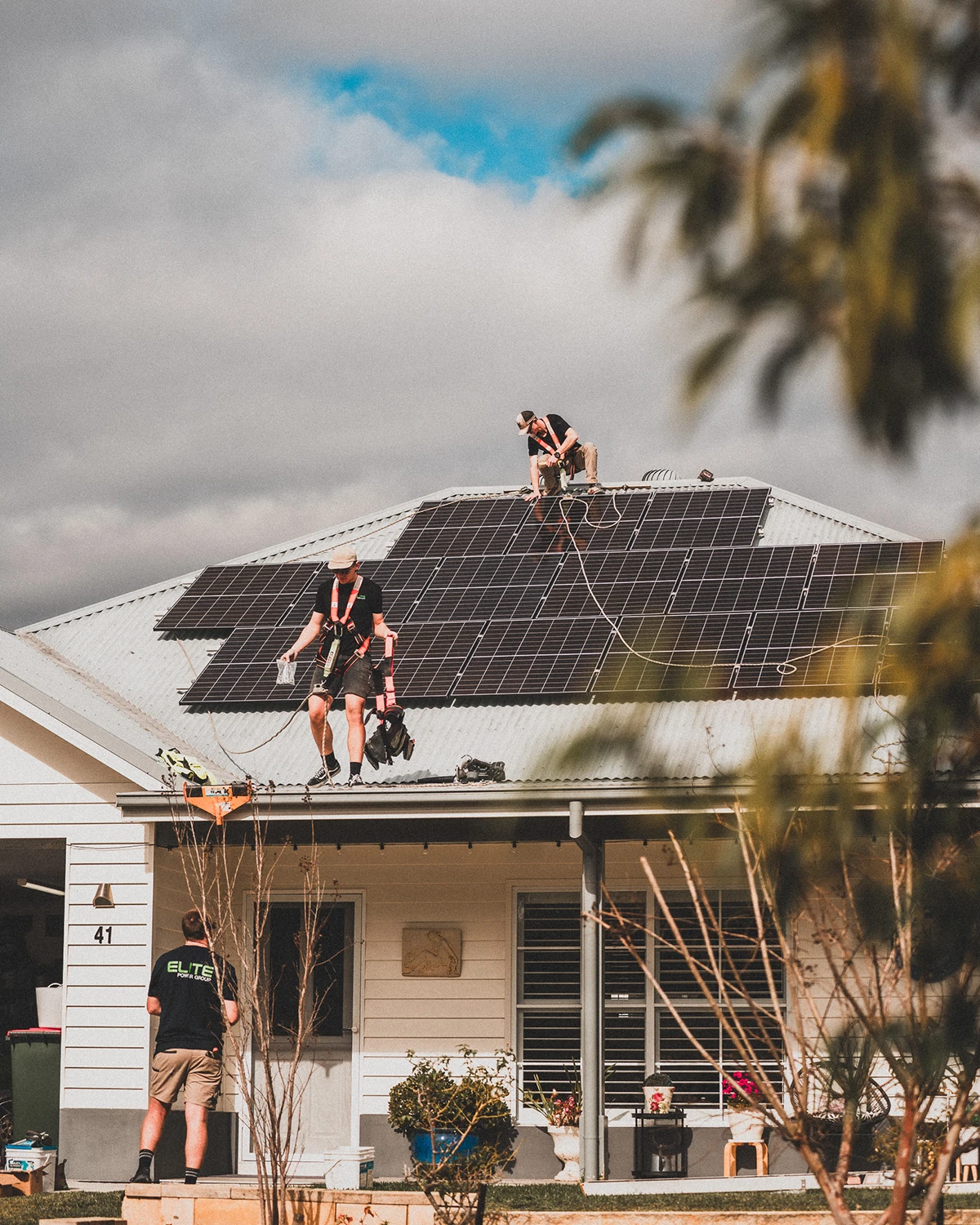
Your installation crew will arrive at the confirmed time, introduce themselves, and get started after answering any questions you may have. You do not need to be home the entire time, but it helps to be available at the start and near the end when elements like your app are ready to be set up. Here's what happens:
Roof mounting: the team installs the aluminium rails and mounts that hold the panels. These are fixed to your roof rafters through the roofing material.
Panel installation: panels are lifted onto the roof, slid into the rail system and secured with mid and end clamps. Each panel is wired in sequence to create the strings that carry DC power to the inverter.
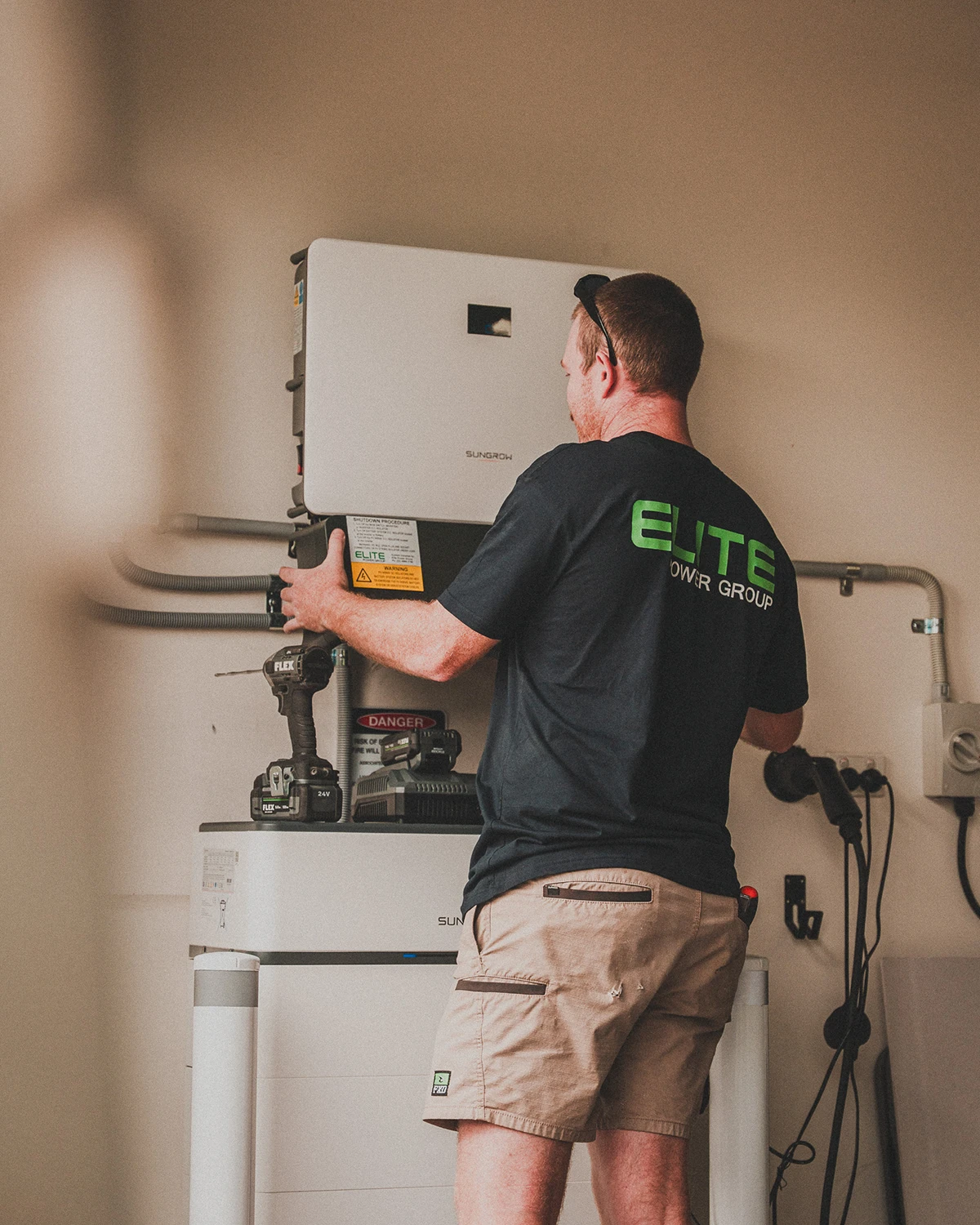
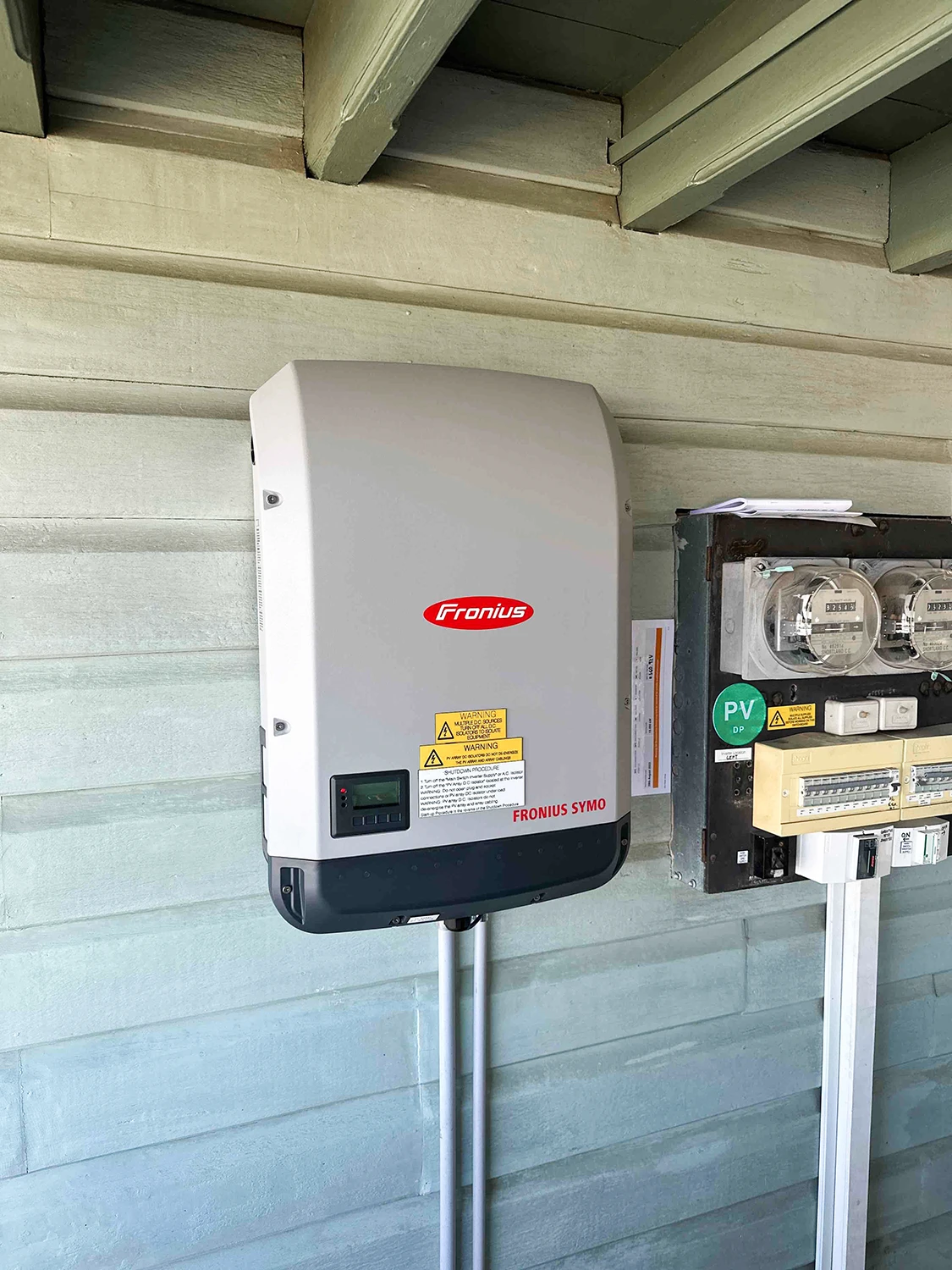
Inverter installation: the inverter is mounted in the agreed location - typically a garage wall, laundry or sheltered exterior wall. DC wiring runs from the roof to the inverter, and AC wiring connects the inverter to your switchboard.
Switchboard work: a licensed electrician installs the solar circuit breaker, generation meter (if required), AC isolator and any other protection devices required by Australian standards.
Battery installation (if applicable): batteries are mounted in the agreed location, wired to the inverter or at the switchboard depending on coupling type, and the battery management system is configured and tested.
How is a solar system commissioned and switched on?
Once everything is physically installed, the system is tested before being turned on. This includes polarity checks on the DC strings, insulation resistance testing on the AC wiring, verification of inverter settings, and a full generation test to confirm the system is producing power as expected.
A system that passes commissioning is switched on and you will see generation data appear in real time on the inverter display and in the monitoring app.
Your handover should include:
If any of these are missing at handover, ask for them before the team leaves. Getting documentation after the fact is slower and occasionally difficult.
How long does grid connection take after solar is installed?
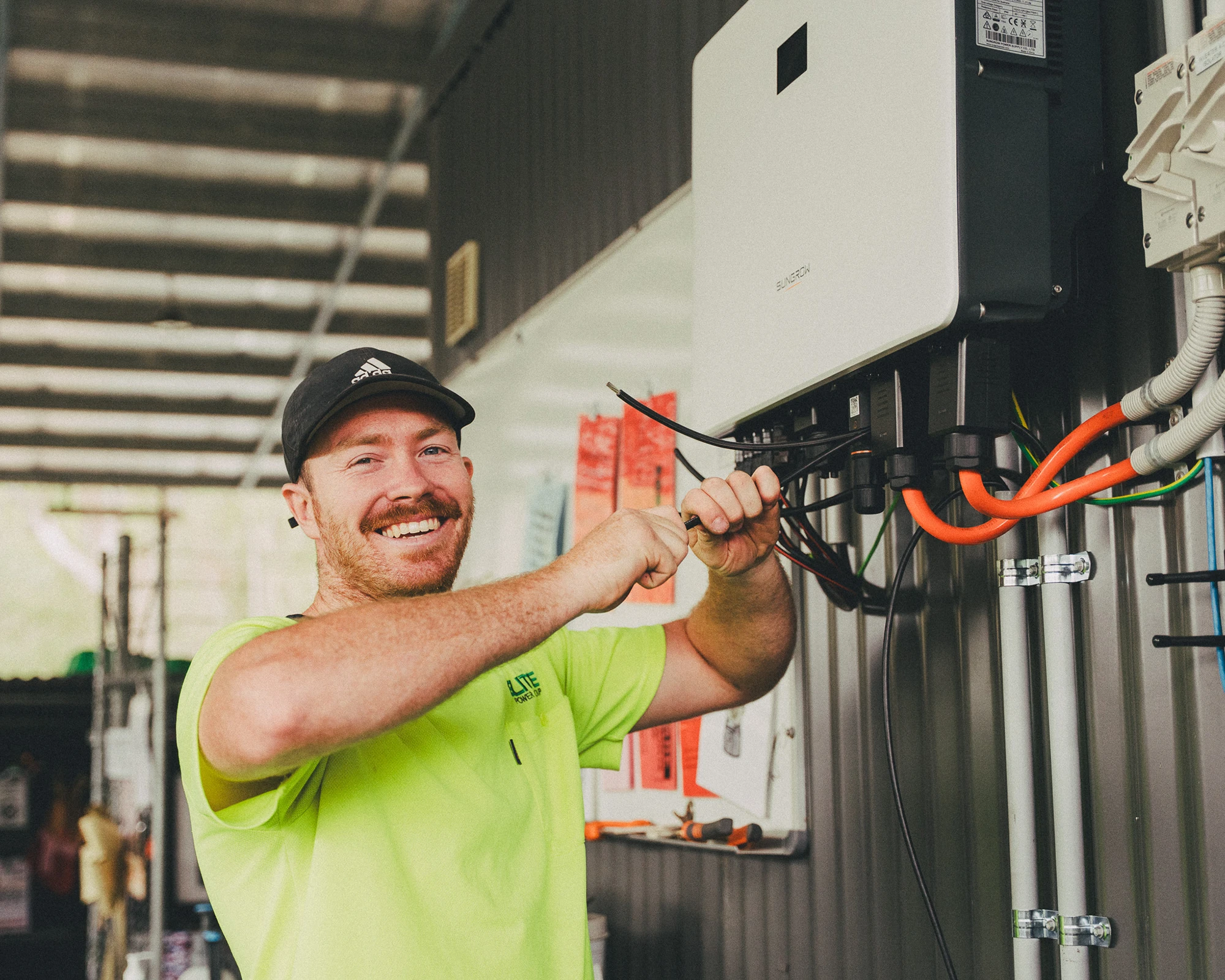
Inverter Connection: Next is the connection of your inverter to the panel cabling that has been run through the wall. Our Installers are experienced in ensuring that wall penetration is neat and tidy, our flex conduit and cabling providing a polished final product. The inverter can now be powered on and connected to Wi-Fi.
Cleaning the Site: Our teams pride themselves on leaving your site clean and tidy after an installation is completed. Any
rubbish or debris will be disposed of, and no tools or extra materials will be left on your premises.
Informing your Energy Provider: Now that you have solar, we need to inform your energy provider of the changes to your electricity set-up to ensure that you receive the feed-in benefits of connecting your solar system to the grid.
Our administration staff will complete some paperwork – called a Service Works Request (SWR) – that may require your signature before sending it to your provider (eg. AGL, Energy Australia, etc.).
This company may determine that a new smart meter is required to accurately read the solar output at your property.
What should I check in the first weeks after solar installation?
Check your monitoring data daily for the first week. A 6.6kW system in the Hunter region on a clear summer day should generate 30 to 40 kWh. Winter days will be lower. If generation is consistently well below what your installer estimated, contact them.
Your first electricity bill after solar will look different. If your meter was configured partway through a billing period, the bill may only reflect partial solar benefit. Give it one full billing period to see the real impact.
Notify your home insurer. Update your sum insured to include the replacement value of the solar system. Most insurers treat panels and inverters as permanent building fixtures covered under your building policy.
|
What is normal:
|
When to call your installer:
|
Distributor zones: Ausgrid covers most of greater Newcastle, the Hunter Valley and the Central Coast. Endeavour Energy covers parts of western Sydney and regional NSW. Essential Energy covers regional and rural NSW. Each has its own grid connection process and timeframes. We know all three.
CEC accreditation is mandatory: your installer must be Clean Energy Council accredited to lodge STC applications and to connect to the grid in NSW. If they are not, you will not receive your rebate and the installation may not be compliant with AS/NZS 4777 (the Australian inverter grid connection standard).
Inverter size limits apply in some areas: properties in certain Ausgrid zones are subject to inverter export limits that affect how much solar power can be exported to the grid. This is particularly relevant in areas with high existing solar penetration. We check your address against current network constraints as part of the design process.
The Solar Sharer Offer: from 1 July 2026, eligible NSW households can access three hours of free electricity daily (11am to 2pm) under the federal Solar Sharer mandate. This changes the maths on solar slightly - read our Solar Sharer guide for how it interacts with a solar system.
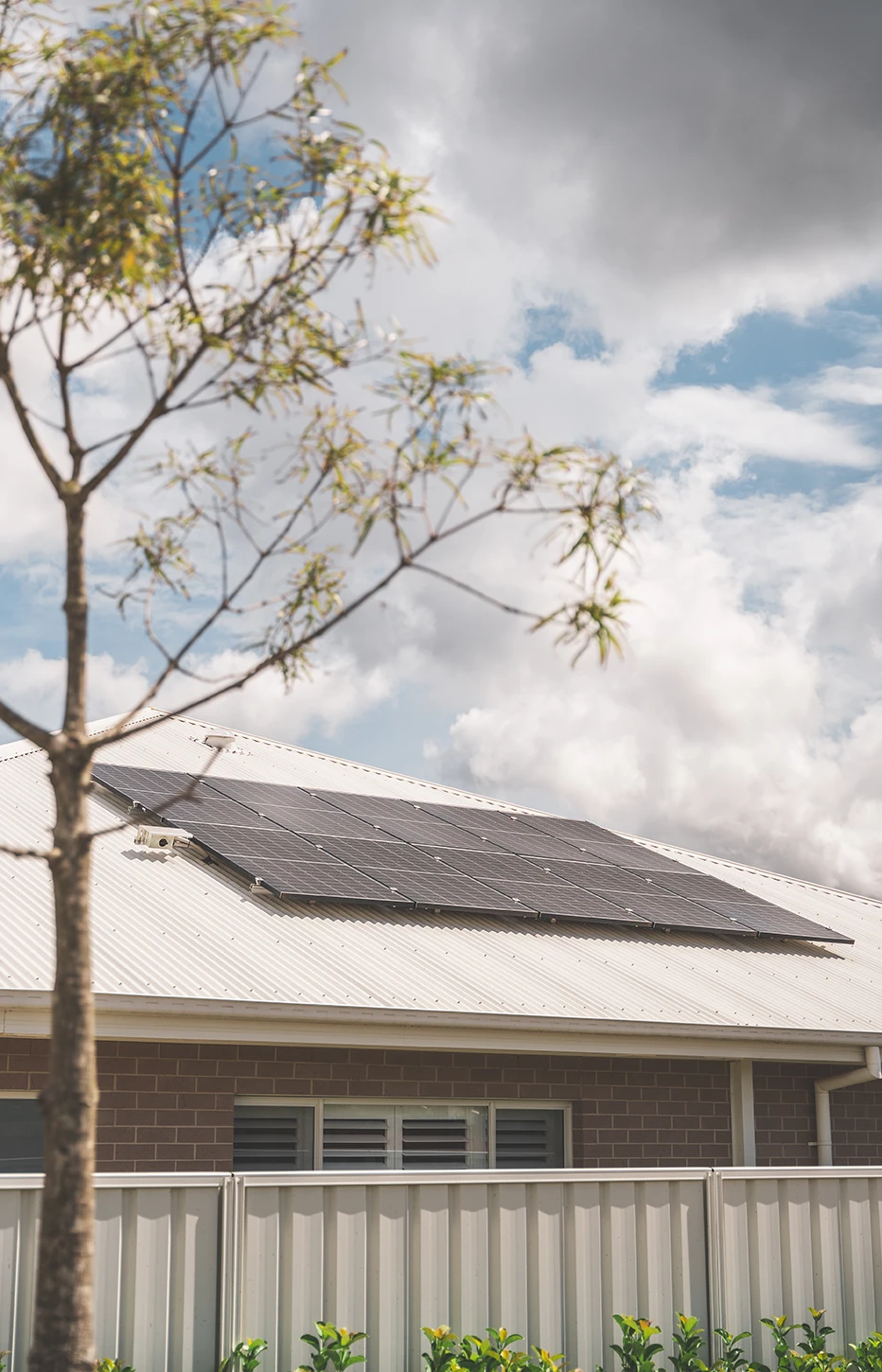
The difference between a solar system that performs well for 25 years and one that causes headaches is usually not the panel brand. It is the installation.
Panel orientation and layout: north-facing in NSW, or as close to it as the roof allows. North-west is the next best option. East-west splits suit households wanting morning and afternoon generation rather than a midday peak. Your system should be designed around your usage pattern, not just the roof.
Roof condition: panels are mounted to your roof for 25 years. Any tiles, flashing or guttering that needs attention should be dealt with before installation, not after. A good installer will flag this during the site assessment and give you the choice of addressing it first rather than working around it.
Inverter placement: inverters produce heat. A shaded wall, typically a south- facing garage or laundry wall, will extend inverter life compared to a wall that bakes in the afternoon sun. Ask where your installer plans to put it, and why.
Get the monitoring working before the team leaves: a system you cannot see is a system you cannot manage. The monitoring app should be live, logged in and showing real data before handover.
Investing in a solar system should be easy. By choosing a quality installer, you can be assured any problems will be met with professionalism and quality problem-solving.
Most homes and businesses in the Hunter region have the opportunity to save big on their energy, so ensuring you know what's happening at each stage, that your installer is reliable, and how to maximise your system will help make your experience even better.
What the Clean Energy Council's January to June 2026 report found on rooftop solar, home batteries, forecasts and complaints, and how to read the figures.
Read moreFind available rebates & subsidies for solar systems, battery storage, and VPPs in NSW. Explore eligibility and maximise live incentives today.
Read moreNot sure which battery matches your solar system? Compare solar & battery size combinations, from 6.6kW to 13.3kW+, & find the right fit in Newcastle.
Read moreRenewable News Articles
Sign up for new article updates - we don't spam.
We've invested in becoming fully-licensed and qualified installers to ensure homes and businesses get
the best solar, battery, and electrical systems available.
Certified solar system installers near you.
Get SAA-Approved Battery Installations.
Fully-licensed electricians Near You.
Convenient EV charging stations for properties.
Leave a Comment