Home Battery Rebate Drop - Not too late: Book your January Install

Home Battery Rebate Drop - Not too late: Book your January Install
Posted 22 Nov
Want the latest in energy, solar, and savings?Subscribe to our newsletter – we don’t spam!
In NSW, the 3 electricity distributors, Ausgrid, Endeavour, and Essential Energy are gradually releasing new Emergency Backstop Mechanism.
The NSW Emergency Backstop Mechanism is designed to temporarily reduce or stop solar exports during grid emergencies, which happen pretty rarely. The Emergency backstop rolls out November 2026 and applies to new and upgraded solar systems, to up to 200kW.
Existing solar systems are not affected by the NSW Emergency Backstop Mechanism and your home’s electricity supply remains unaffected.
The emergency backstop gives Ausgrid, Endeavour Energy, and Essential Energy the access to send a signal to a rooftop solar system and reduce or its exports temporarily. It’s important to note that they can only do this when the Australian Energy Market Operator (AEMO) instructs them to.
According to Ausgrid’s fact sheet, ‘AEMO will activate the emergency backstop after all other measures to balance the grid have been exhausted.’
‘“Emergency backstop” capability refers to operational measures to reduce aggregate DER generation if required for system security, when other options have been exhausted. This is a critical tool to keep the power system secure under extreme conditions before higher customer impact measures are enacted.’ – AEMO
Designed for Minimum System Load events on rare occasions, it helps avoid grid instability where there are heavy exports with low demand.

The NSW backstop applies to new and upgraded solar systems up to 200kW. Larger solar systems must also be backstop enabled and compliant.
The backstop is currently being rolled out by postcode, so the exact start date will be determined by your area. Newcastle & Maitland are in Ausgrid’s network.
|
Distributor Network |
Installer portal starts |
Postcode Rollout |
Completion |
Systems approved earlier |
| Ausgrid |
23 November 2026 |
From 30 November 2026 |
22 February 2027 |
Must be commissioned by 22 May 2027, or reapply |
| Endeavour Energy |
2 November 2026 |
From November 2026 |
1 February 2027 |
Must be installed by 30 April 2027, or reapply |
| Essential Energy |
23 November 2026 |
From 23 November 2026 |
Early February 2027 |
Applications lodged before 23 November 2026 follow the existing process |
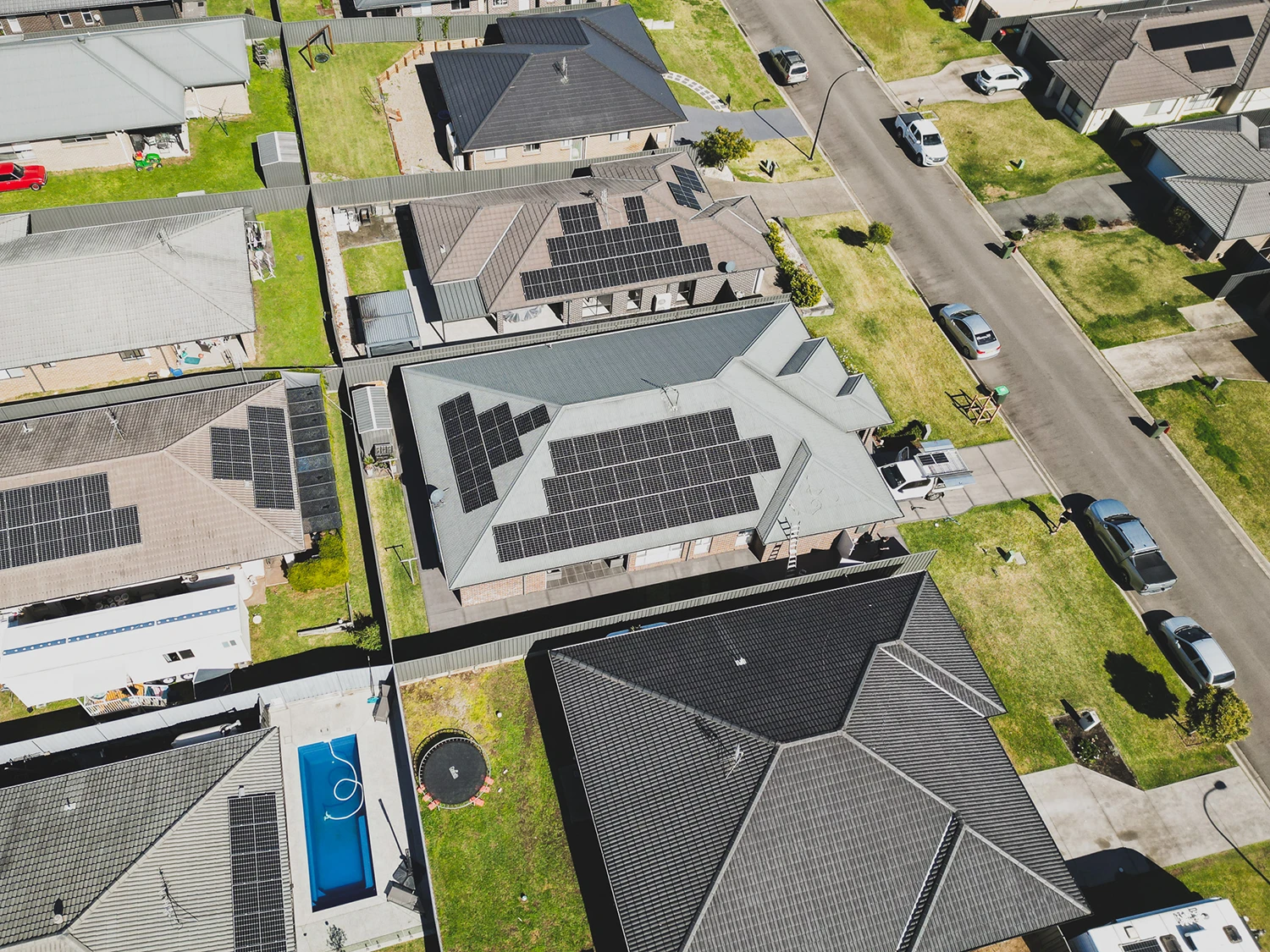
During Minimum System Load (MSL) events and other efforts have been exhausted, the Emergency Backstop is activated by energy distributors. A signal is sent over the internet and the systems that are compatible will receive it over the network (CSIP-AUS, Common Smart Inverter Profile Australia).
When the Emergency Backstop is not activated, solar systems will run normally and doesn’t affect any electricity supply to homes across NSW.
The backstop is designed within technical standards to avoid damaging any equipment and doesn’t void any warranties.
AEMO is the one who decides when backstop is activated and how long for. There are no set times or durations specified about the backstop, but the networks describe the interruption to be temporary and expect to use it very rarely.
There is a difference between emergency backstop and network protection (anti-islanding) comes down its behaviour and what triggers them.
Emergency Backstop requires manual action to reduce or stop solar exports. AEMO says it is designed to mitigate the risk of critical infrastructure damage and widespread or prolonged blackouts.
Network Protection automatically detects an outage and a standard grid-tied system shuts itself off, even when the sun is out. This is anti-islanding protection, which stops solar flowing back into the grid when repair crews may be working on the lines.
The backstop is designed to help prevent and minimise blackouts, where network protection is designed in response to them.
If you already own solar and nothing is changing, you don’t need to do anything. The NSW Government says ‘These requirements apply only to new or upgraded rooftop solar systems. If you have an existing rooftop solar system and are not making any changes to it, no action is required.’
The emergency backstop requirements apply if you alter or upgrade your existing system. There are exemptions such as replacing the same equipment/components, but the rules will differ between networks, so we recommend talking to your installer.
If your system has been approved by the network but not yet installed since the new rules took place, there is a deadline you should be aware of. Ausgrid require systems to be commissioned by 22 May 2027 if their system was approved before 23 November 2026. After 22 May, you’ll need to resubmit your system for approval, be registered in the CER installer portal, and meet the backstop requirements.
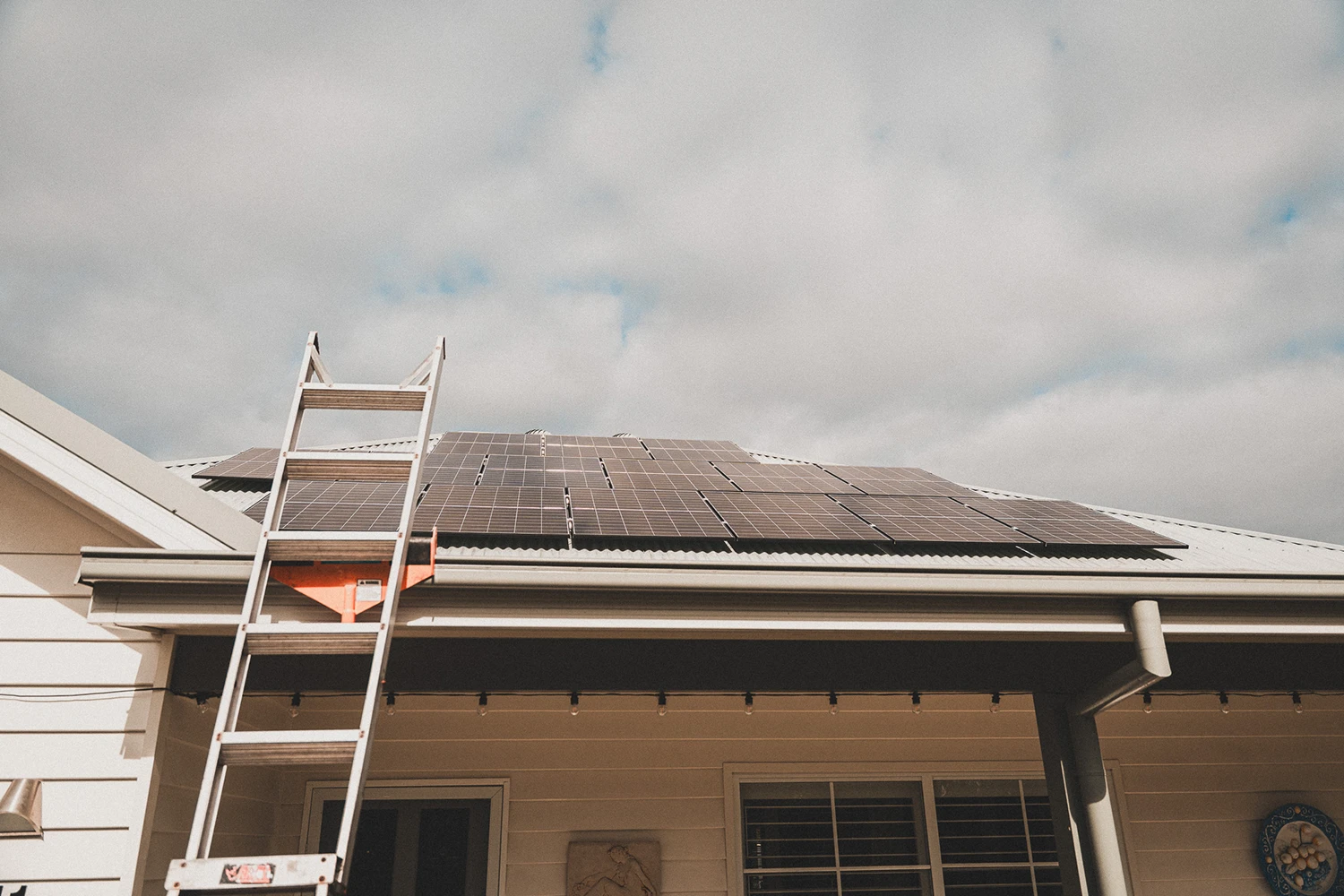
Depending on the postcode rollout, your area may have backstop requirements enabled. These requirements come down to 3 elements:
Backstop-enabled systems can use flexible export limits which allow systems to export more than the fixed limits that previously applied. The limit varies by network and distributor.
Like solar, if you already have a battery installed and aren’t making any changes, the new emergency backstop requirements won’t affect you.
For newly installed hybrid battery systems, they will need to meet the new requirements. This also applies for existing systems looking to change or upgrade. When adding a battery, it depends on how the battery is configured:
DC-coupled/hybrid battery systems must comply with the NSW Emergency backstop requirements. This includes replacing an existing inverter.
AC-coupled/retrofitted battery systems are exempt from the Emergency backstop requirements as they run independently of your solar system.
Read more about the differences
between AC & DC-coupling.
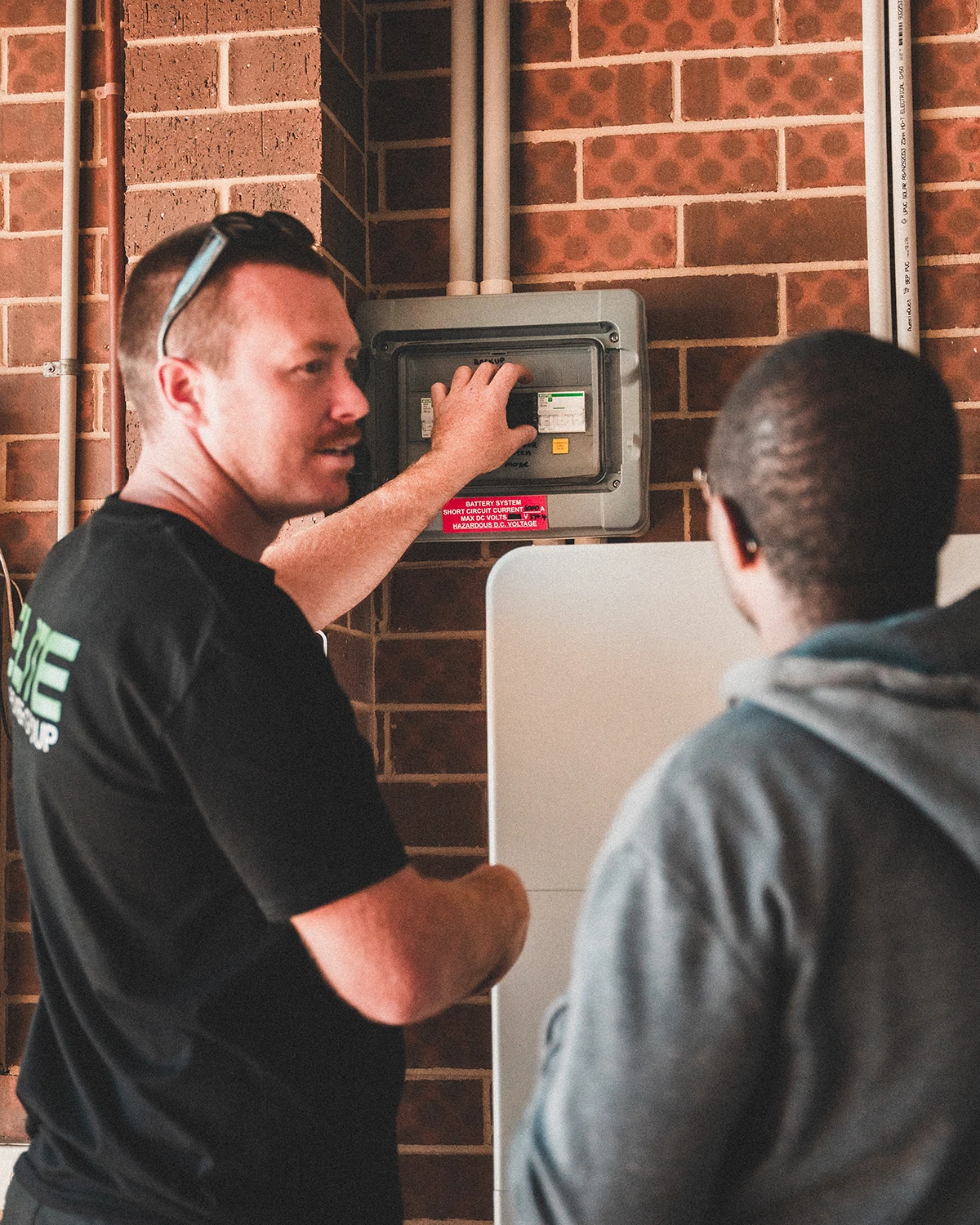
When looking into a solar and/or battery system, here are some questions you should ask your installer to ensure your system is compliant:
Find out how the NSW Emergency Backstop Mechanism rollout affects your solar system, & what you need to do to stay compliant in the Ausgrid network.
Read moreWhat the Clean Energy Council's January to June 2026 report found on rooftop solar, home batteries, forecasts and complaints, and how to read the figures.
Read moreNot all batteries provide blackout backup by default. Learn what happens, what your battery is backing up, and how to stop your battery draining too fast.
Read moreRenewable News Articles
Sign up for new article updates - we don't spam.
We've invested in becoming fully-licensed and qualified installers to ensure homes and businesses get
the best solar, battery, and electrical systems available.
Certified solar system installers near you.
Get SAA-Approved Battery Installations.
Fully-licensed electricians Near You.
Convenient EV charging stations for properties.
Leave a Comment