Hunter Valley's Leading Residential & Commercial Solar Installers

Hunter Valley's Leading Residential & Commercial Solar Installers
Posted 4 Feb
Want the latest in energy, solar, and savings?Subscribe to our newsletter – we don’t spam!
As more homeowners across Australia look into investing into renewable energy, many come across the various solar solutions that are vastly available. Discover the differences between solar hot water and traditional solar PV and which is better for you.
Quick answer: For most NSW homes in 2026, solar PV combined with a heat pump hot water system is the best combination. Solar PV covers all your electrical loads, not just hot water, and a heat pump running off surplus solar generation heats water for a fraction of what a conventional electric system costs. Traditional solar hot water (thermal collectors on the roof) still has a place, but it's been largely overtaken by this combination on both upfront cost and flexibility.
When it comes to heating hot water in Australian homes, you have 3 primary ways to do it - solar PV, thermal solar heating, and heat pumps, which all use different technologies that suit various situations.
1. Solar PV (photovoltaics): Rooftop solar PV generates electricity from sunlight which is used to power home appliances - including the hot water system. For standard electric storage water heaters, the right sized PV system can run it during the day using free generation.
2. Thermal Solar Hot Water Systems: Traditional thermal solar hot water systemsuse dedicated roof-mounted collectors that are either flat-plate panels or evacurated tubes which use the sun's heat and transfer it directly to water in a storage tank. These do not generate electricity and they typically run by electricity or gas on cloudy days.
3. Heat pump hot water systems: Heat pumps work like a reverse fridge - they extract heat from the surrounding air and use it to heat water, running on electricity. Even through it runs on electricity, heat pumps are up to 5x more efficient than their traditional counterpart. When paired with rooftop solar, it can heat your water entirely from free solar generation.
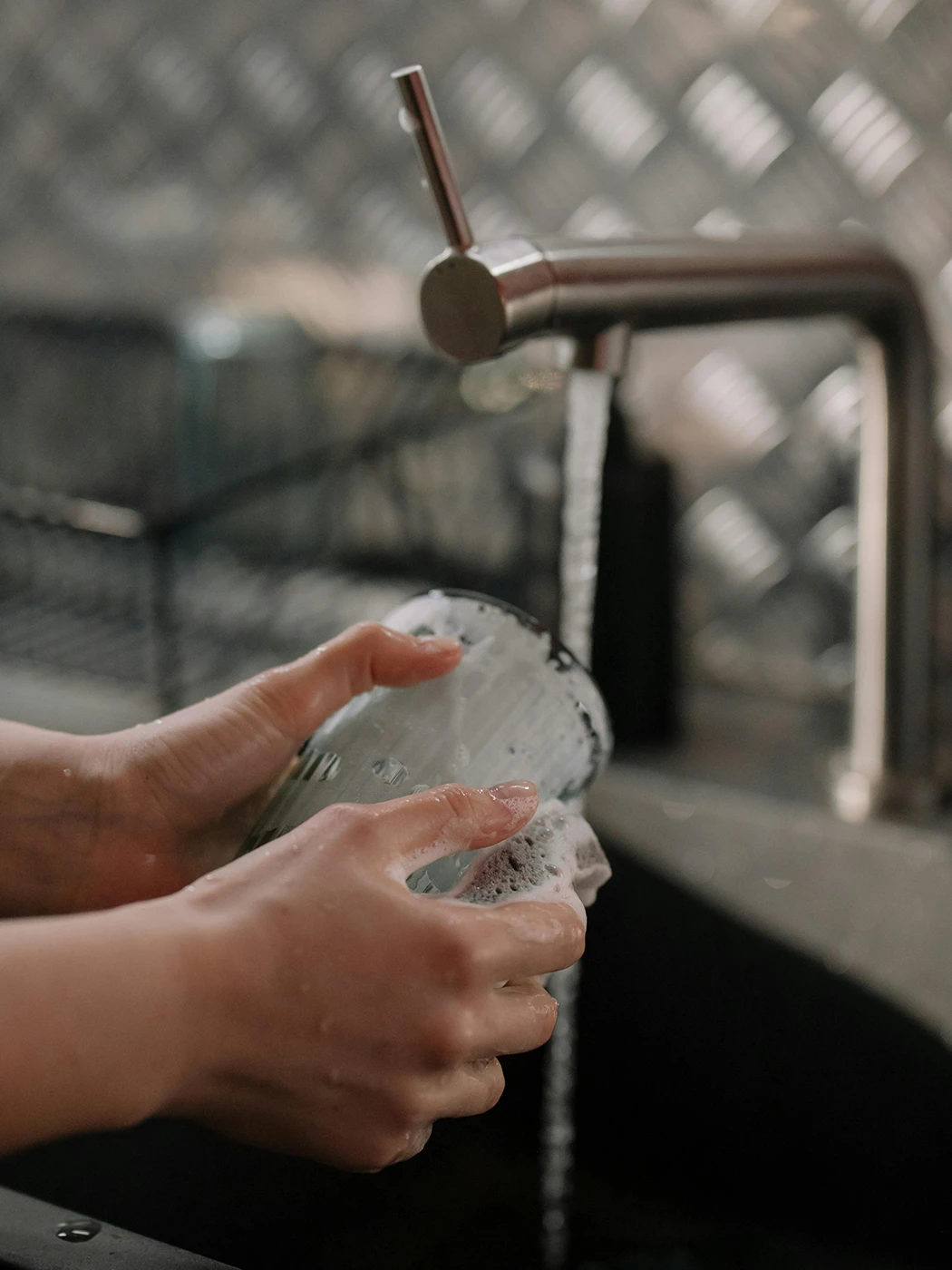
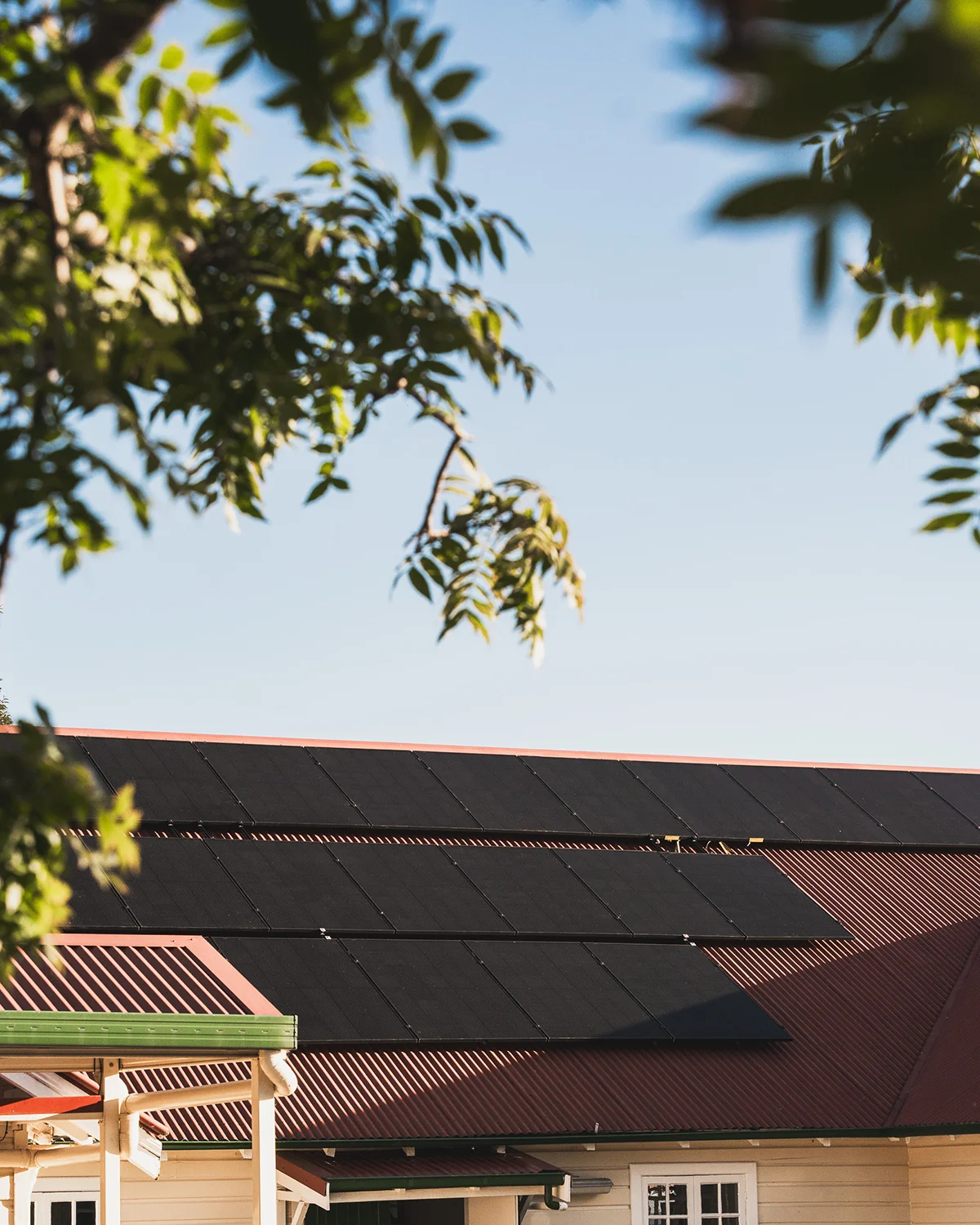
Most Australian homes run their hot water heating on a controlled load circuit which runs during off-peak hours for cheap. Adding a good-sized rooftop solar system enables flexibility in when you can run it - using free generated power instead of grid power.
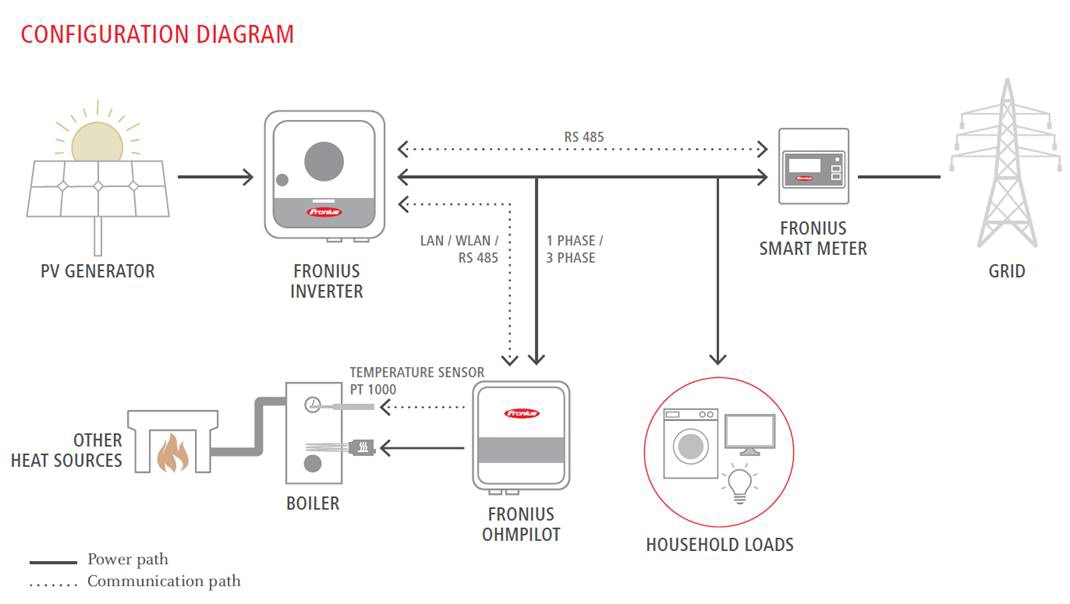
To take it a step further, you can go the solar diverter automated option where a PV diverter/solar diverter monitors your solar generation in real-time and distributes excess power to your hot water heating.
Instead of exporting your solar feed-in (around 3c/kWh), you can consume it using electricity that you generate rather than use power that varies around 30c/kWh.
Fronius Ohmpilot is a common PV diverter in Australia, enabling homes to use surplus solar energy to be sent to your hot water element.
A heat pump hot water system takes heat from the surrounding air and transfers it to water using a refrigerant cycle. Using electricity, it produces up to five units of heat for every unit of electricity consumed.
The Coefficient of Performance (COP) on modern heat pumps usuaully sits around 3.5-5.0 which means that the heat pump will consume around a quarter of the electricity that a traditional electric element needs for the same amount of hot water.
For households with rooftop solar PV, running the heat pump during solar hours (10am-3pm) can enable households to get essentially free hot water from your existing solar generation.
Heat pumps don't require additional rooftop space and don't need plumbing connections or collectors to be installed.
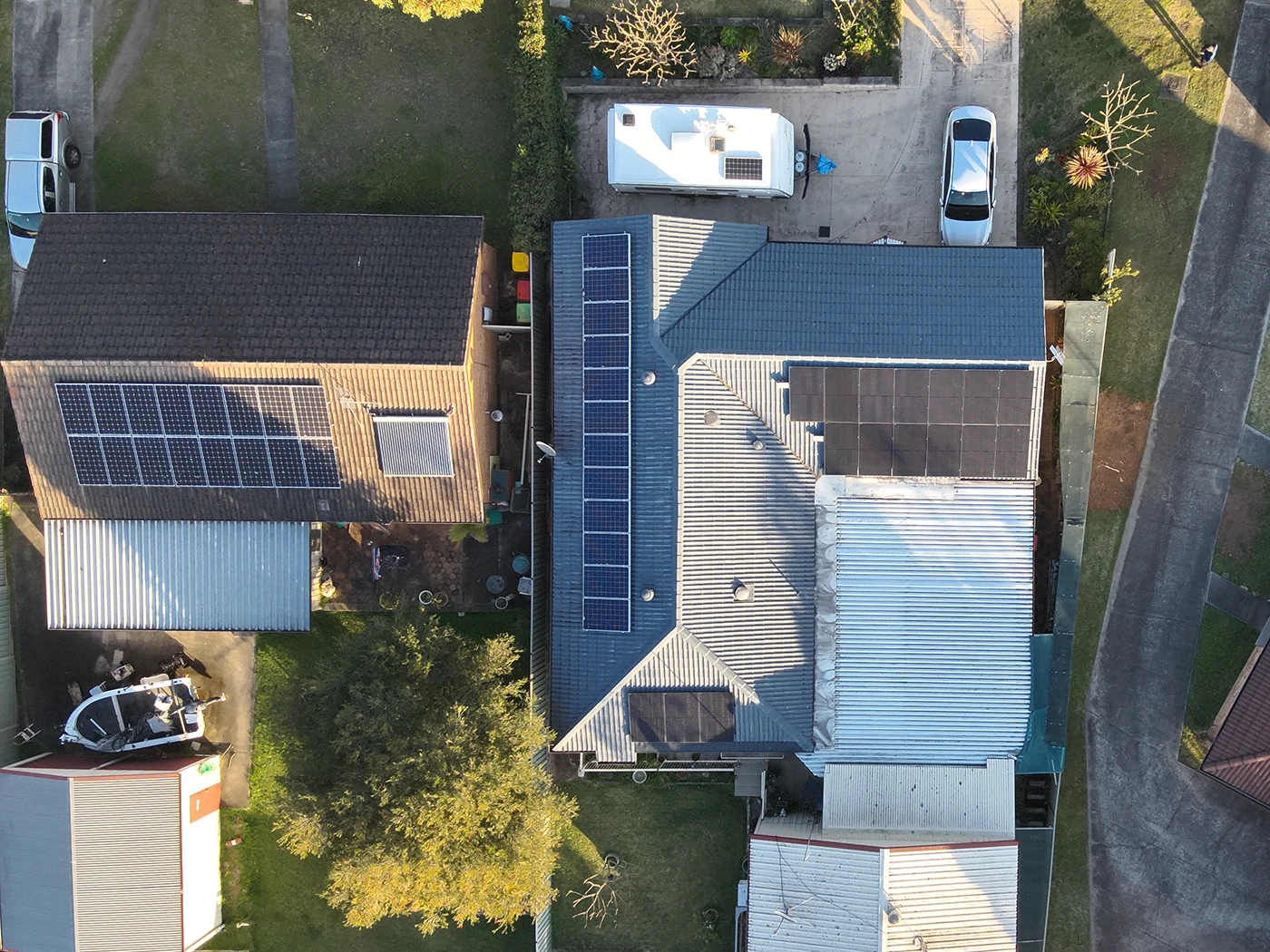
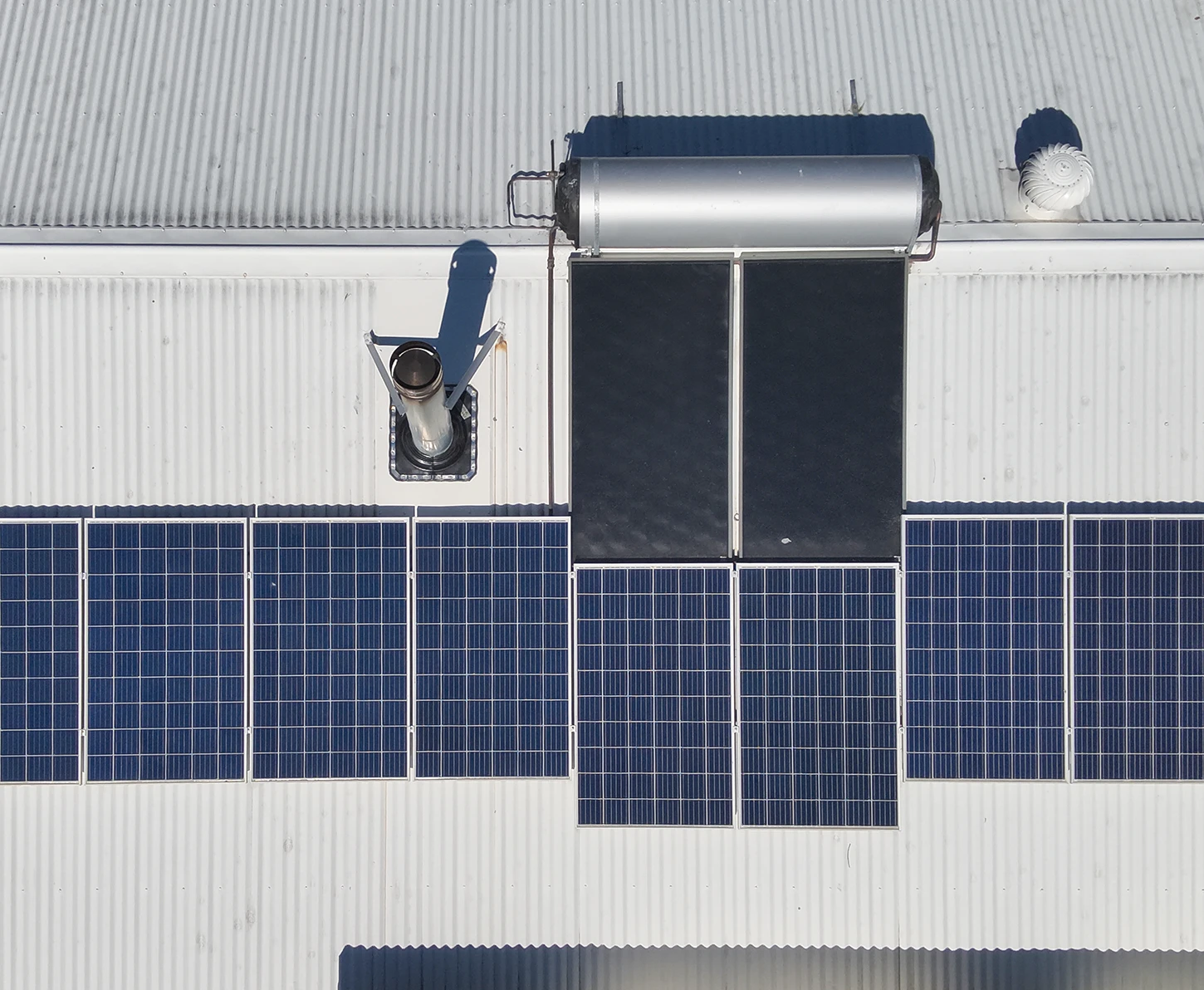
After being extremely popular from 2005 to around 2012, solar hot water doesn’t seem to have made its way into the new generation of solar adoption.
If you go for a drive downtown, it is likely you’ll see a roof with an older solar hot water system. Whilst they are still around, there have since been better options reaching Australian markets that help with reducing household energy costs.
A solar hot water system uses collectors that are installed on the roof to heat the circulating water directly with sunlight. The collectors absorb heat and return the water back into a storage tank to be used. When the sun is unavailable, solar hot water systems are generally powered by electricity or gas boosters.
There are two solar hot water system types:
Flat-plate collectors look similar to solar PV panels, but are around 3x as thick. Being the cheaper and simpler option, these work well in warmer climates like coastal NSW and are generally the preferred option. The dark flat surface absorbs as much energy as possible and then transfers it to the water.
Evacuated tube collectors are more efficient in colder conditions. Once the sun hits the tubes, the specialised liquid boils and turns to vapor at very low temperatures which then heats the water.
| Solar PV + Heat Pump |
Solar Hot Water |
Heat Pump |
Solar PV + Diverter | |
| Purpose |
Full home electricity + hot water from solar | Heats water only using thermal collectors | Heats water from air heat, runs on electricity | Redirects surplus solar to existing hot water |
| Roofspace Required | Yes. PV panels + outdoor unit | Yes, collectors on north-facing roof | No, outdoor unit at ground or wall level | Yes, existing PV panels |
| Approx. Installation Costs |
$8,000–$20,000 combined | $3,000–$7,000 | $3,500–$7,500 | $800–$1,500 (diverter only) |
| Running Costs |
Near zero during daylight | Low, solar heats water directly | Very low, 3–5x more efficient than element | Near zero on surplus solar |
| Payback period |
3–6 years (combined system) | 5–10 years | 3–5 years | 3–5 years |
| Works on cloudy days? | Yes (PV reduced, pump still works) | Reduced | Yes, works to -7°C | Reduced, depends on surplus solar |
| Rebates Available |
STCs | STCs (federal) | STCs + NSW rebates | Varies |
| Best for |
New installations, maximising savings | For solely heating water | Most NSW homes, especially with solar | Homes with existing solar + working electric HWS |
| Limitations | Higher upfront cost | Heats water only, requires roof plumbing | Needs outdoor space, some noise | Less efficient than heat pump |
If you don't have solar, it is highly recommended to install a solar PV system so you can use your generated electricity for all sorts of appliances in your home. A solar PV system paired with a heat pump or solar diverter will enable more savings, self-sufficiency, and greater energy independence.
For homes with solar already, a solar diverter is the most cost-effective way to upgrade your hot water heating system.
If solar PV is a little out of your budget, a smaller dedicated solar hot water system may be friendlier to your wallet. Whilst you don't get the benefits of a full solar PV system, heating water without using electricity is a pretty cool benefit.


The good news is that almost all of them have a rebate to help households save.
The NSW government (under the Energy Savings Scheme) currently offer up to a $640 discount on replacing an electric water heater with a heat pump water heater. Additionally, if you're replacing a gas water heater with a heat pump, you can get up to $330. (No current closing date).
Solar PV and solar hot water are both eligible for an available rebate under the Small-scale Renewable Energy Scheme (SRES), where households can get a significant portion discounted off the overall cost of installing rooftop solar system. (Ends 2030).
If you own both a solar and hot water solar system on the same roof, and it works, that's great! If you've owned your system for a long time, it may be time to check if your system needs replacement as you might be missing out on the full potential savings your roof offers. As older systems age, their production levels greatly decrease due to degradation.
If you're looking into further ways to invest in your energy in addition to your existing solar, there are new ways to improve energy efficiencies like solar diverters, and the addition of home battery storage to store excess solar energy to use later when grid electricity prices spike.
After a long time of domination in the solar industry, solar hot water systems have been overtaken by more affordable modern solar solutions that can do more than just heat your water up. Solar hot water systems are still available and can be installed, but depending on your situation, a solar PV system will be a better choice for most homes.
Not all batteries provide blackout backup by default. Learn what happens, what your battery is backing up, and how to stop your battery draining too fast.
Read moreFind available rebates & subsidies for solar systems, battery storage, and VPPs in NSW. Explore eligibility and maximise live incentives today.
Read moreNot sure which battery matches your solar system? Compare solar & battery size combinations, from 6.6kW to 13.3kW+, & find the right fit in Newcastle.
Read more
Renewable News Articles
Sign up for new article updates - we don't spam.
We've invested in becoming fully-licensed and qualified installers to ensure homes and businesses get
the best solar, battery, and electrical systems available.
Certified solar system installers near you.
Get SAA-Approved Battery Installations.
Fully-licensed electricians Near You.
Convenient EV charging stations for properties.
Leave a Comment