Rooftop vs. Ground Mount Solar: Which is Better?⚡Australia
Explore whether rooftop or ground mounted solar systems are better for homes, farms, and remote properties needing solar PV power in Australia.
Read more
Newcastle's Leading Residential & Commercial Solar Installers

Posted 18 Feb
Want the latest in energy, solar, and savings?Subscribe to our newsletter – we don’t spam!
Since the announcement from the Australian Government about new standards supporting bidirectional charging and vehicle-to-grid, all has seemed to go pretty quiet as manufacturers and other companies put their heads down to develop this emerging technology.
We wanted to know where we sit with this technology and when bidirectional charging will be available for properties in Australia.
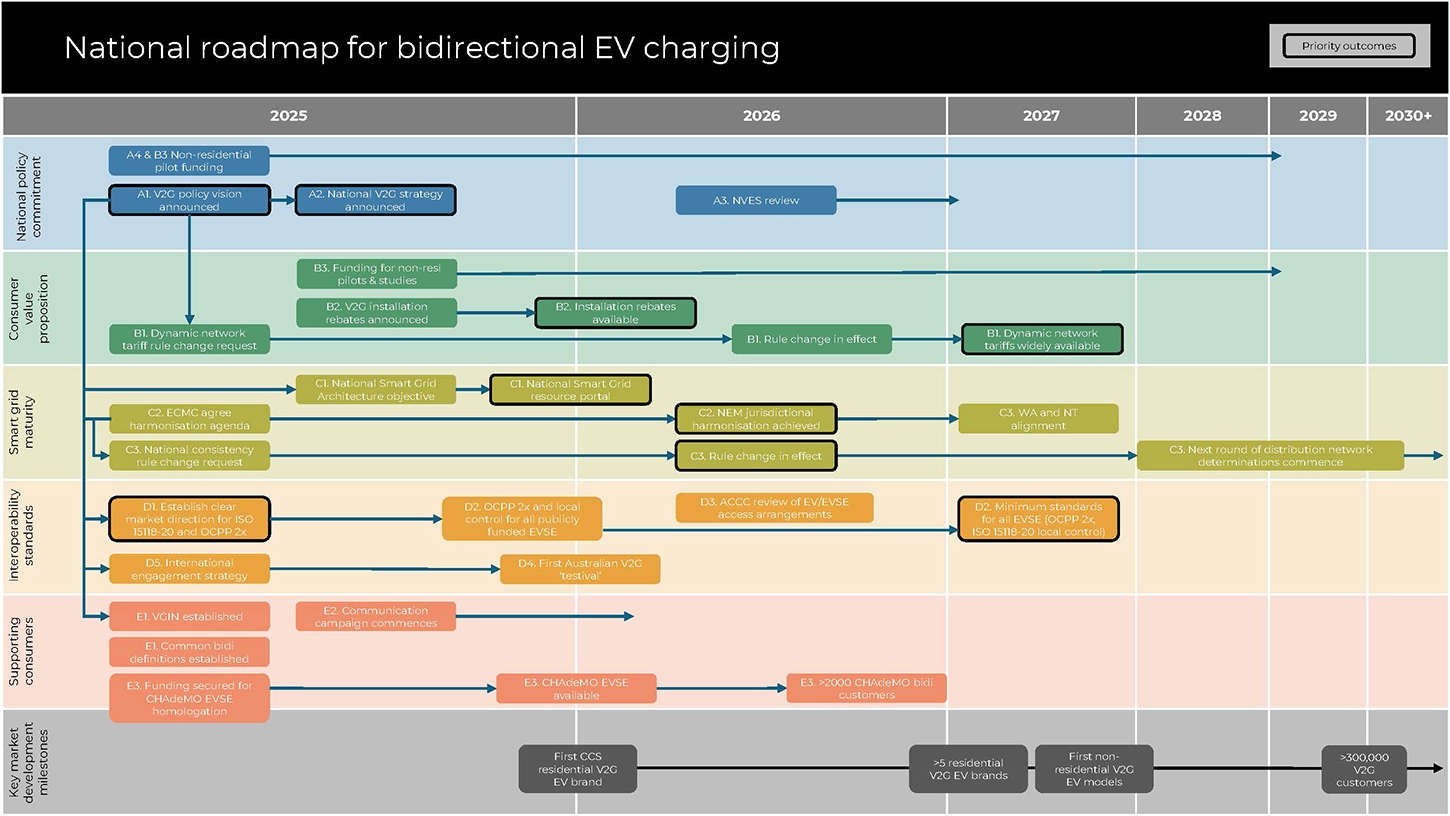
Image courtesy of ARENA.
The Australian Renewable Energy Agency (ARENA) have released their Bidirectional Charging Roadmap for the next few years, helping provide advice and insight into the evolving world of “bidi”.
As researched in our ‘2025,
the year of V2G’ article, the company enX
has projected that Australia’s total fleet capacity will be over 3x the NEM capacity by 2050. Further down on the roadmap they outline
key technical standards that are required for bidi.

The bidi roadmap suggests a few interesting things to happen in 2025, like V2G rebate announcements, funding for pilots and studies, a
showcase for two-way capable EVSE’s. and the first CCS residential V2G EV brand which we could see transitioning into 2026.
Both Essential Energy and Ausgrid have both recognised vehicle-to-grid and the impact that it can have on the electrical grid.
We reached out to Essential Energy and spoke to Alexei, a Senior Commercial Specialist for electric vehicles, to get insight into the developments of vehicle-to-grid and bidirectional technology from a distributor’s perspective and when it will be available in Australia.
“The network perspective can be addressed from two parts:
The first is the network’s readiness to accept these technologies and the answer to that is
simply, now.
The second is for the general consumer, can they buy a device that does V2G now, to which the answer is not really.”
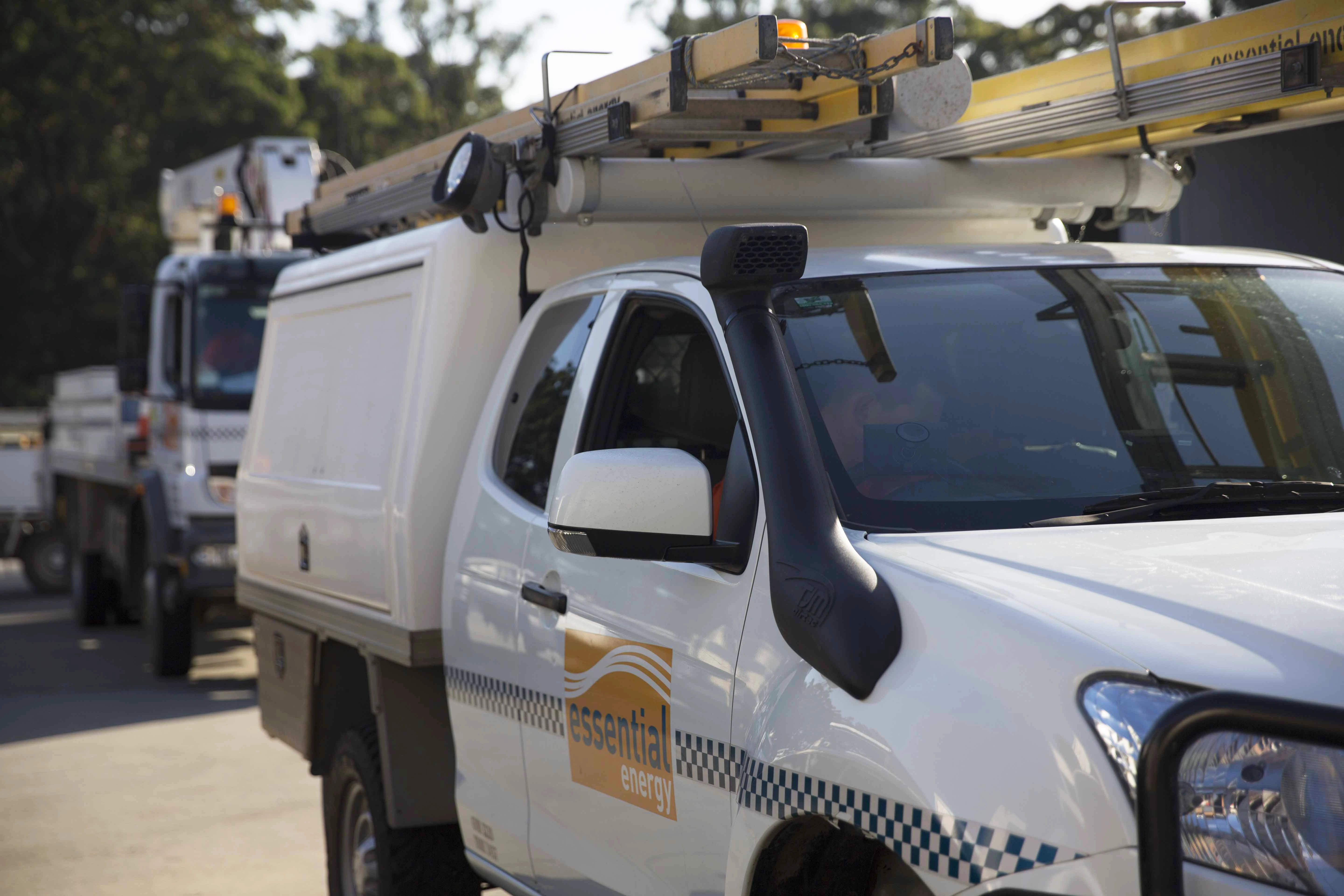
Courtesy of Essential Energy.
"We are seeing compatible products in testing that we expect to be ready for consumers to do V2G (with compatible cars) in calendar year 2025, however the reality is this will be determined my factor outside of the networks’ control."
When asked if the network and Essential Energy was ready for bidirectional chargers to hit the Australian market, Alexei explained;
“Yes. We have assisted in the deployment of a consumer based V2G unit purely to test and adapt our connection process to these devices. We have already made changes to our connection process to facilitate this for installers. Providing that the device has meets Australian Standards and certification, we have the process in place to connect these to the network.”
“.. we do have one consumer on our network doing V2G now, with a Nissan leaf via CHAdeMO however I consider this as not consumer ready, due to the specifics of the device, cost, set up and availability."
As chargers with bidirectional capabilities are exposed to testing, they will need to meet Australian standards and
certifications to be able to be connected to a network.
“From a process point of view, for any embedded generation connection application our connection portal will request the user to select the equipment being used (i.e. the inverter or battery) & this currently references the CEC approved device database. We do have a mechanism for non-CEC approved devices to be considered, which will trigger a manual review of the device and its specific compliance and safety. This is an area that we will monitor as installations and devices become more commonplace.”
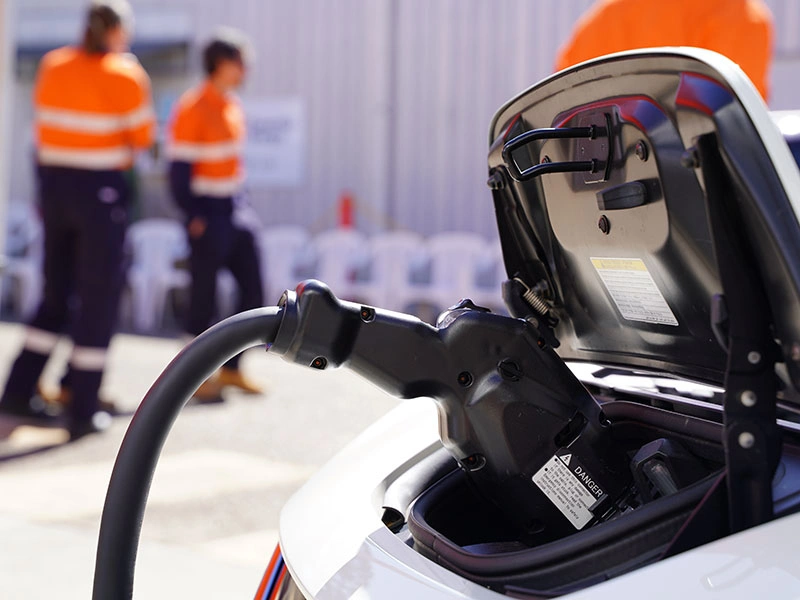
Courtesy of Essential Energy & CSIRO.
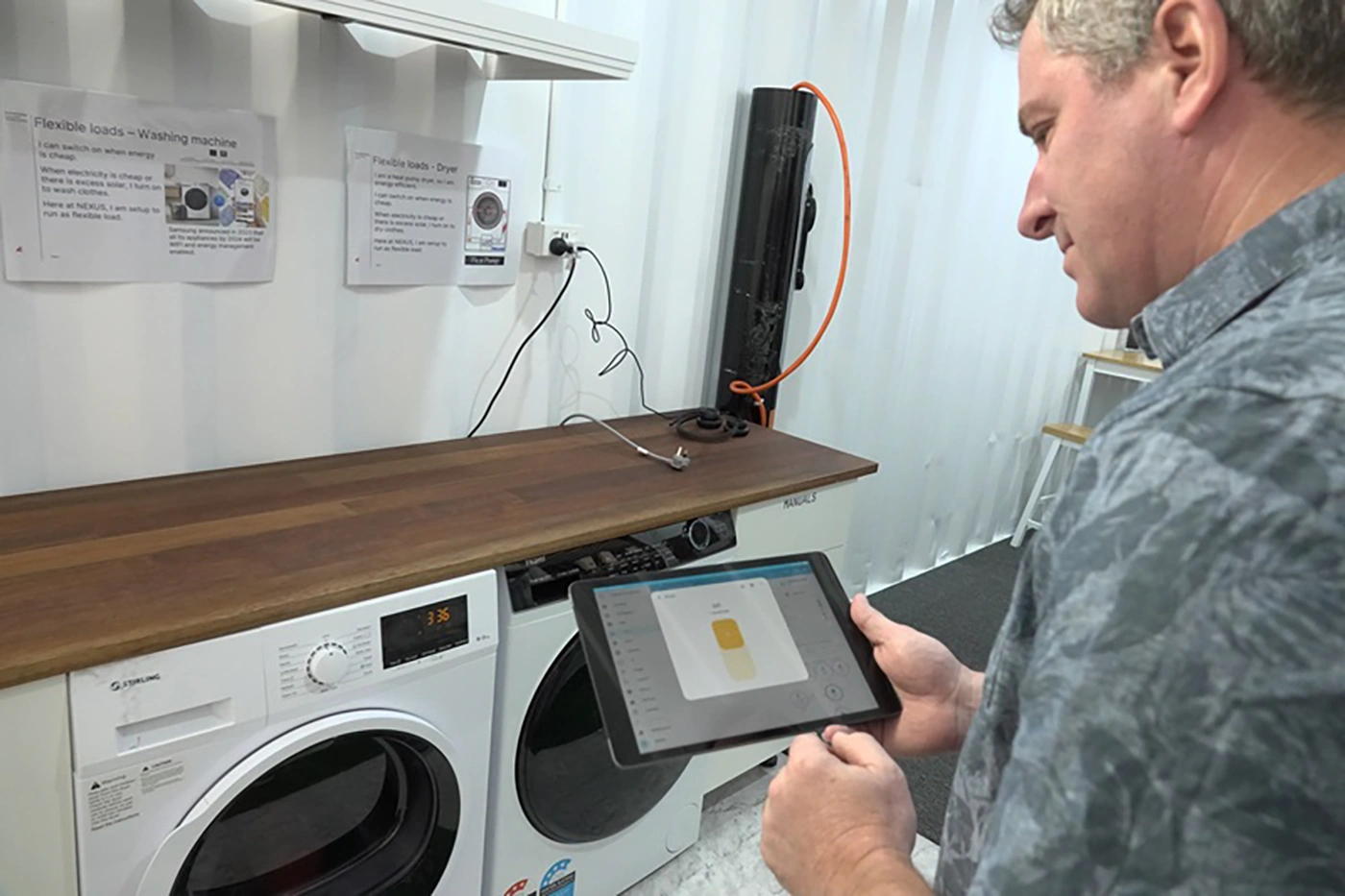
Courtesy of Essential Energy & CSIRO.
“..All connected network appliances including existing and
new embedded generation types must be in accordance with relevant standards and installation practices such as the NSW Service and
Installation Rules (SIR). Our existing connection and network compliance checks will remain in place for V2G installations.”
Back in October 2024, Essential Energy and CSIRO announced their collaboration for vehicle-to-grid testing at their innovation hub, located at Port Macquarie. The collaboration has started to trial how to integrate vehicle-to-grid technology to be used in home energy management and help assist the grid during peak network demand periods.
Get the latest updates.
With the new standards only being recently announced for V2G and bidirectional charging, two-way charging and V2G is still in development and will mostly likely be for a period. Elements like grid maturity, communication standards, consumer demand, and proven chargers are still in the works.
In trying to paint a better picture of what’s happening, we spoke to industry-leading EV charger manufacturers to get some insight on where they are in developing bidirectional electric vehicle supply equipment (EVSE).
myenergi, the creator of the popular Zappi EV charger, which is the world’s first solar compatible home charger, have recently announced their own vehicle-to-grid development, aimed to be ‘UK’s first mass-market Vehicle-to-Grid (V2G) electric vehicle charger that can integrate with the rest of the home’.
“Our purpose is to remove the barrier to a greener future and we see the current limitations around V2G technology as one of those barriers. By offering an innovative AC V2G solution for the home, we can bring this great technology to a greater number of customers.”
In a LinkedIn post, Zappi engineer Robin Richard celebrated an ISO15118 charging session test, which marked an achievement for Zappi’s future V2G capabilities.
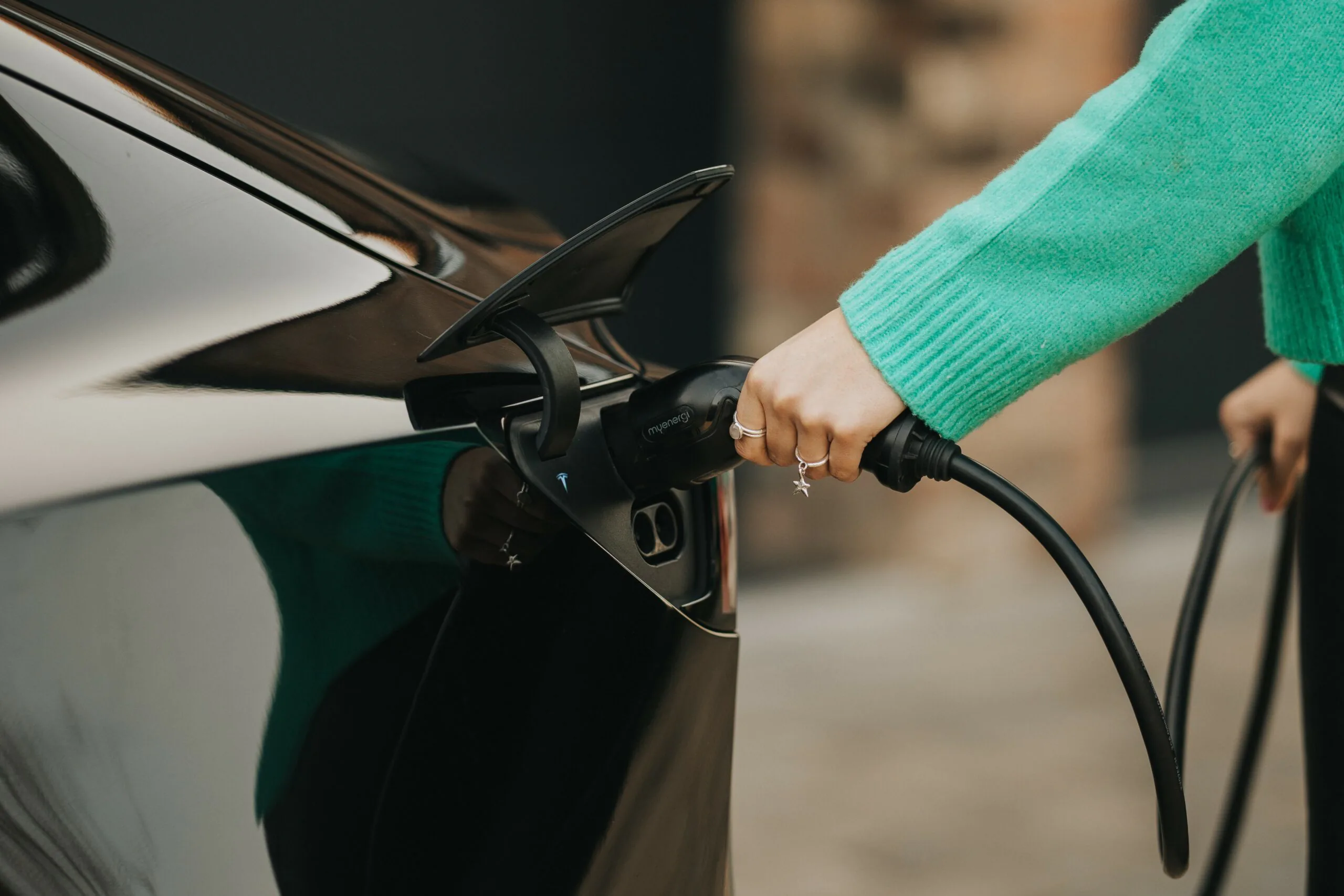
Image courtesy of myenergi.
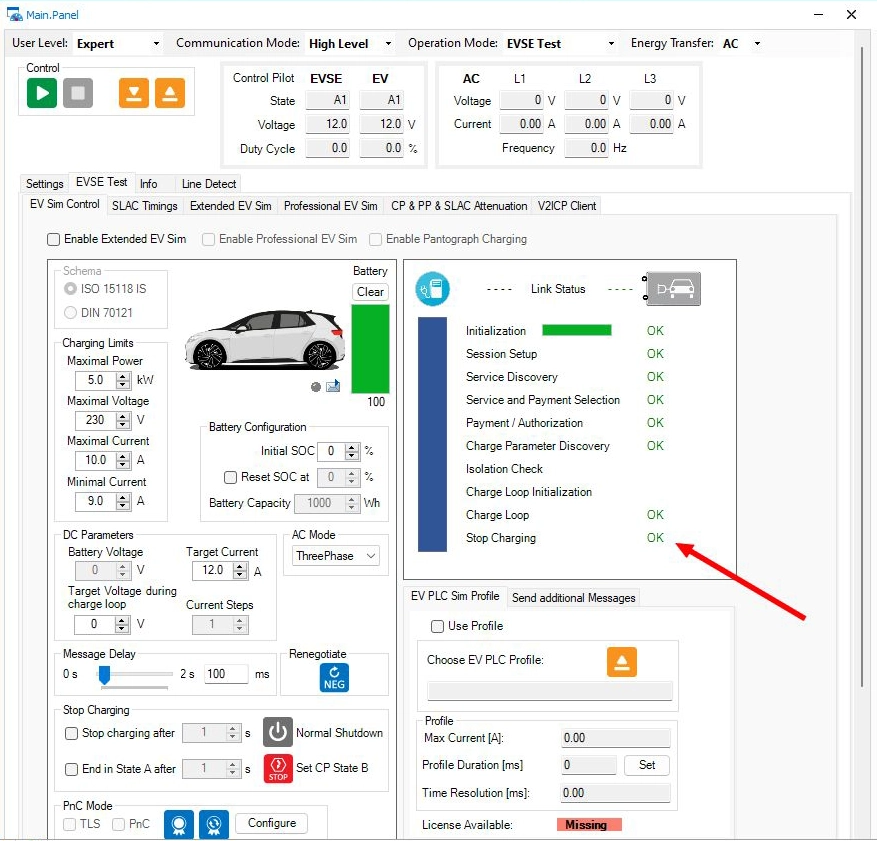
Courtesy of Robin Richard.
“Sitting above the zappi in the myenergi product portfolio, our new V2G charger will prove the perfect choice for those who want to power their home using the available energy stored in their EV battery, as well as those who want to support the grid through attractive export tariffs. We know that vehicle manufacturers are pursuing the AC pathway to deliver V2G functionality, so we are confident that our new product will fit seamlessly into their development programmes.”
myenergi are developing an AC V2G solution that will be integrated with myenergi’s energy ecosystem with zappi, harvi, eddi, libbi, and the myenergi app.
After reaching out, the UK-based team have told us that they are “keeping a close eye on the Australian market, which is currently leading the way with solar and battery uptake, and is expected to be a frontrunner with V2G as well”.
Ocular, an Australian EV charger producer has also dipped their toe in teasing V2G-capable bidirectional charger developments in Australia, announcing that they are ‘working on the next generation of bidirectional products' in a recent blog post.
We also reached out to the team for a little more information on their developments, and this is what they had to say;
“We are currently working on V2G products with AC V2G to be the first one available on the market, with DC V2G to follow. Now that the new inverter standards are in place, the biggest holdup is finding cars in Australia that officially support the new ISO15118-20 v2g charging standard.”
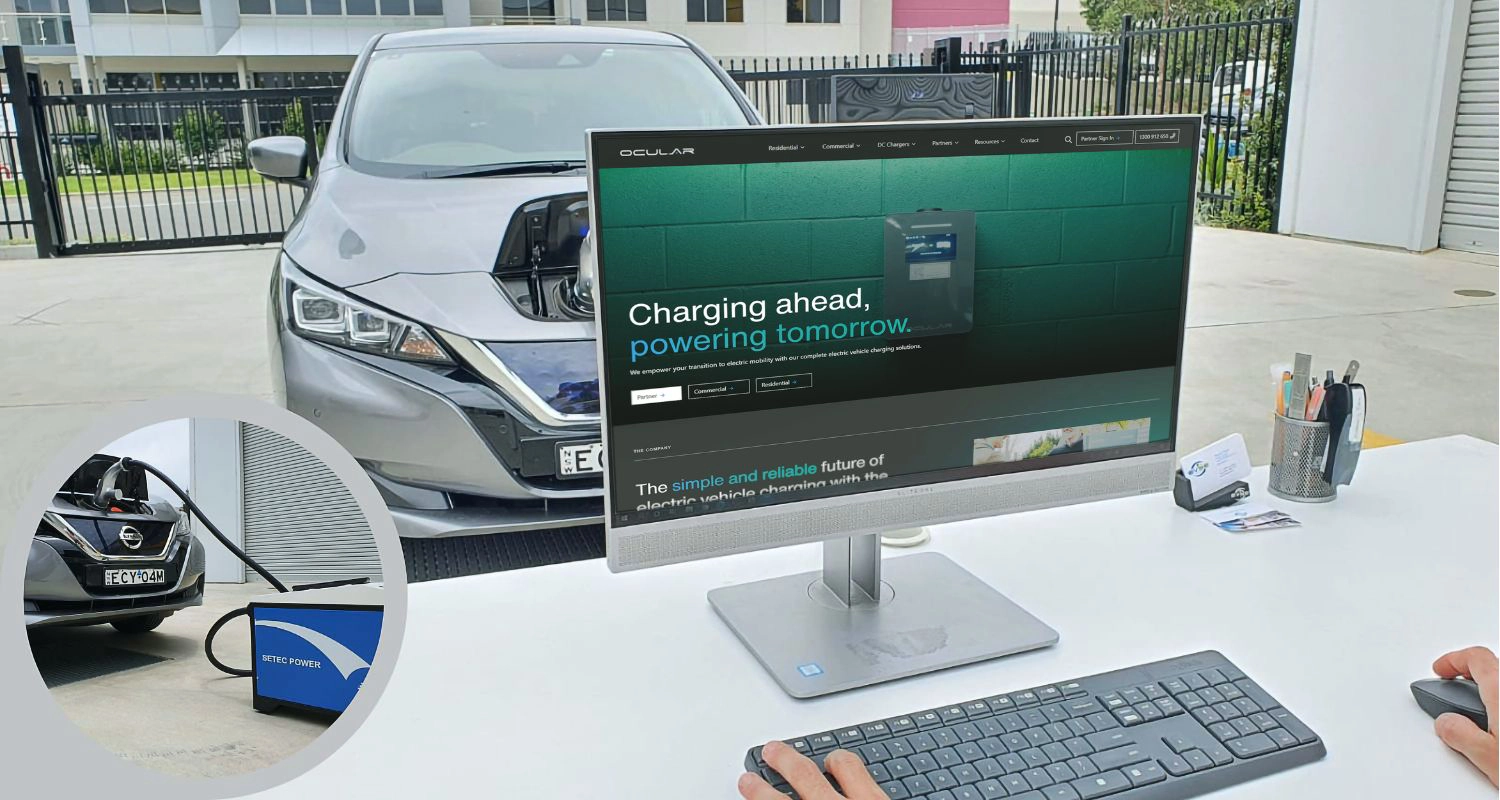
Image courtesy of Ocular.
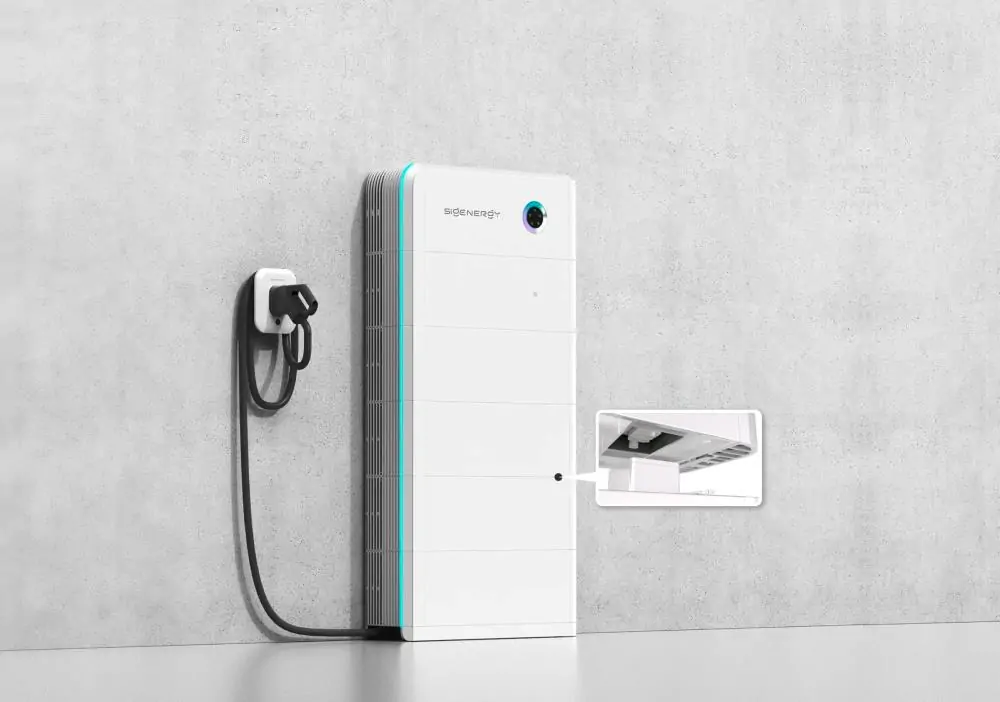
Courtesy of Sigenergy.
Sigenergy, a Chinese company founded only recently in 2022, have developed an EV charging module for their ‘SigenStor’ series which integrates a solar inverter, Battery, Energy Management System, and DC EV charger which they claim to have bidirectional capability.
The Sigenergy V2H/V2G charger is a CCS-based DC fast charger. As the time of this article, the module has not been listed on the CEC approved list, and it also states on the charger’s datasheet that ‘Once the relevant standards are published and tested, V2X feature can be upgraded through the OTA’, when referring to the V2X operation.
RedEarth, known for their solar battery solutions, have announced their partnership with ambibox in manufacturing Queensland-made V2G bidirectional chargers. In a recent LinkedIn post, RedEarth showed off a charge and discharge test at 11kW with a Ford F-150 Lightning. With no issues, the test was a success and healthy progress towards their deadline of meeting the ‘first half of 2025’ that RedEarth mentioned in their initial announcement of the partnership.
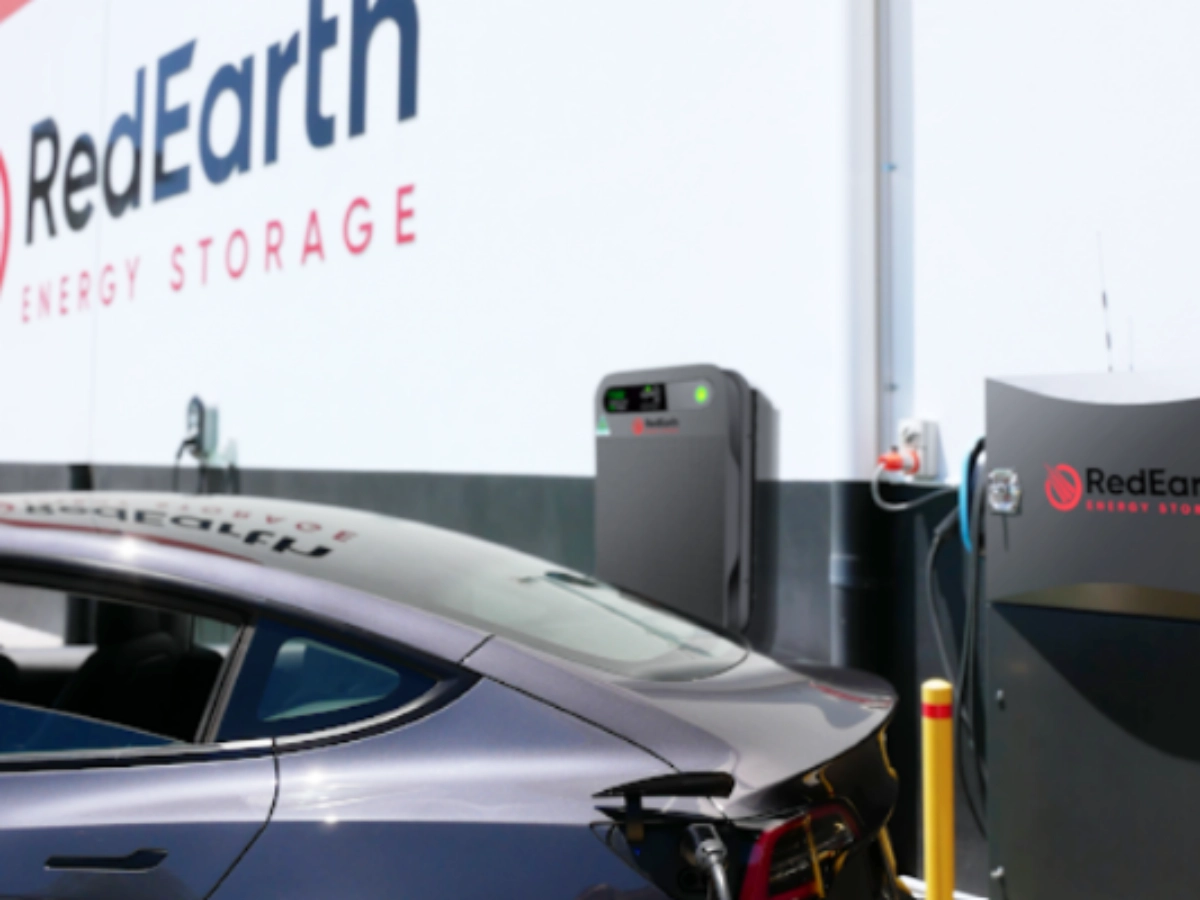
Courtesy of RedEarth.
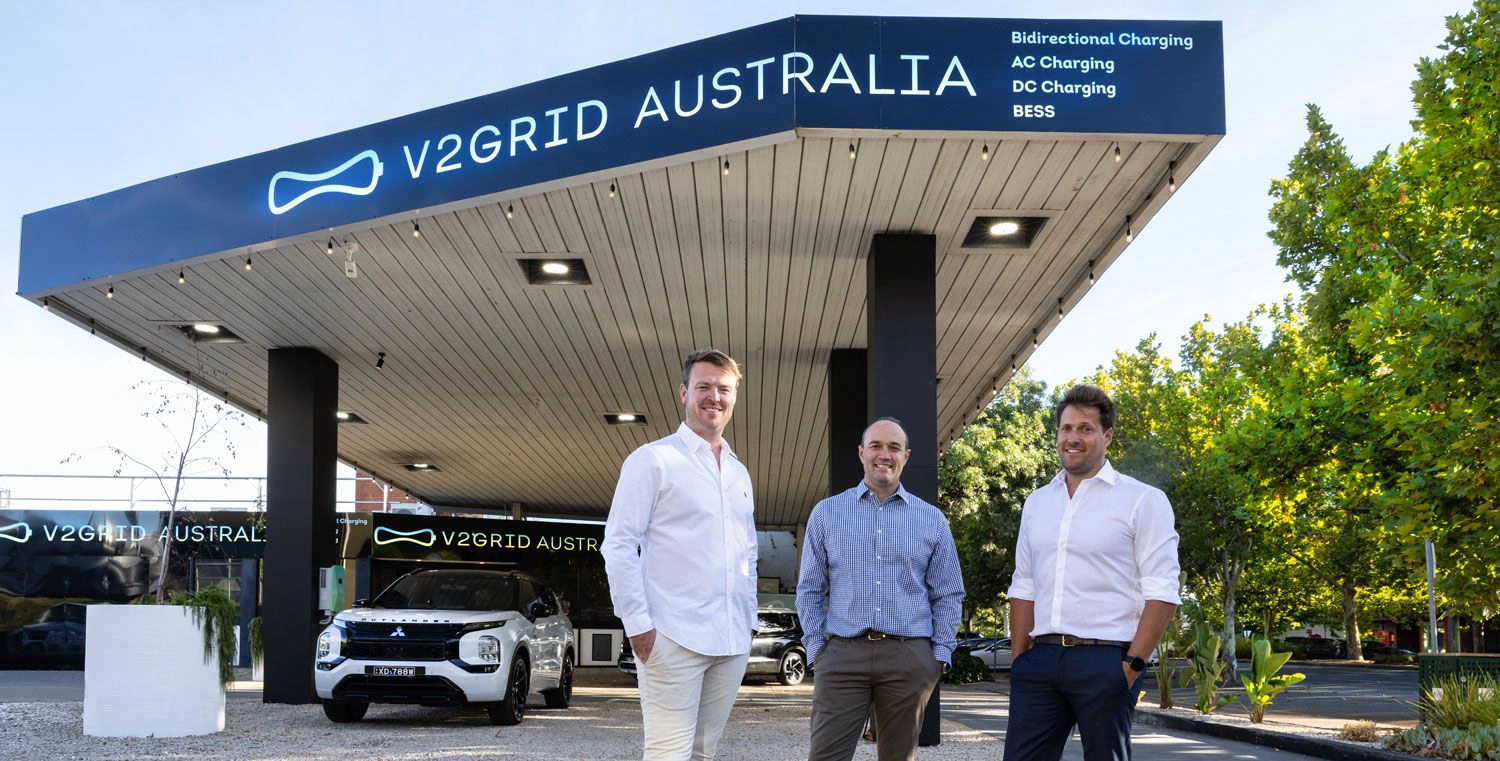
Courtesy of V2Grid.
In another recent announcement, Mitsubishi, a pioneer in bidirectional charging and PHEVs, has partnered with V2Grid to help accelerate bringing a CHAdeMO-based bidirectional charger to Australia.
This partnership is set to enable Mitsubishi Outlander PHEV and Eclipse Cross PHEV owners to access vehicle-to-grid and vehicle-to-home technology.
According to V2Grid’s website, the company offers residential charging from 7-22kW, single and three-phase V2G, and commercial 22-132kW three-phase charging. ‘All models support CCS2 and CHAdeMO standards, making them versatile for different EV requirements.’
We believe that vehicle-to-home and vehicle-to-grid will not replace home battery storage. There are a lot of questions still yet to be answered in this evolving industry, but fundamentally home battery storage will serve as a more consistent energy source which is independent of your travel routine.
Whilst electric vehicles can typically store more energy than home batteries, it is yet unclear on how electric vehicle manufacturers will develop a framework around how warranties and battery degradation will be covered.
The combination of unreliable routines where you may not be home for periods of time, means that investing in a home battery could serve an important role in helping store and consume energy more efficiently.
Elements like warranty requirements, programs, grid balance, costs, and availability will heavily influence the importance of a dedicated battery for your home.
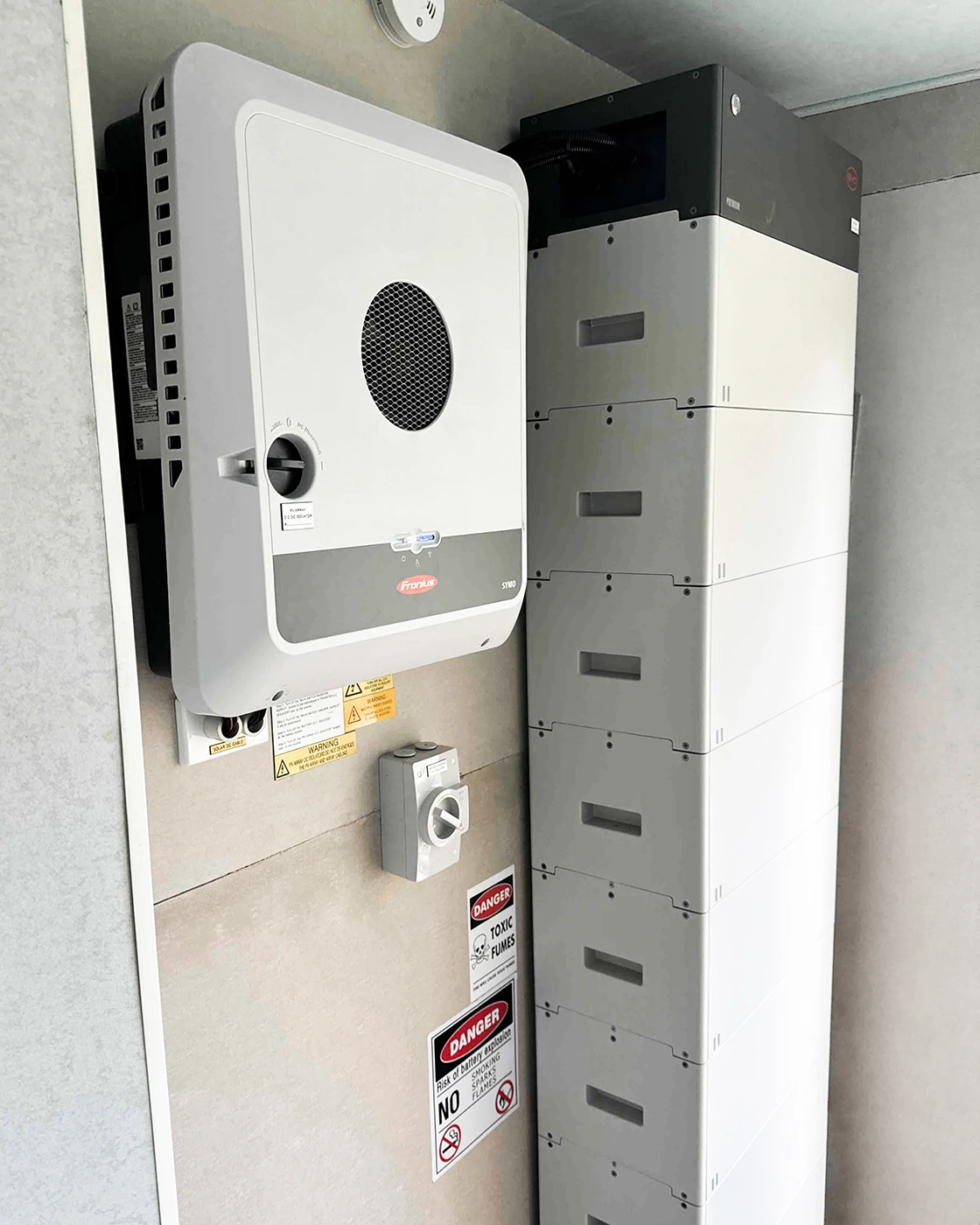
Every day we are getting closer to seeing these new technologically advanced chargers come to the Australian market. We predict that vehicle-to-X technology will enable Australians in maximising their energy contribute to Australia’s grid stability, alongside solar and home battery storage.
We expect bidirectional charging to role out later this year, with charger and EV manufacturers developing and testing this new
technology in their products.
Special thankyou to Essential Energy, myenergi, and Ocular for taking the time to provide us with statements and insight into bidirectional development.
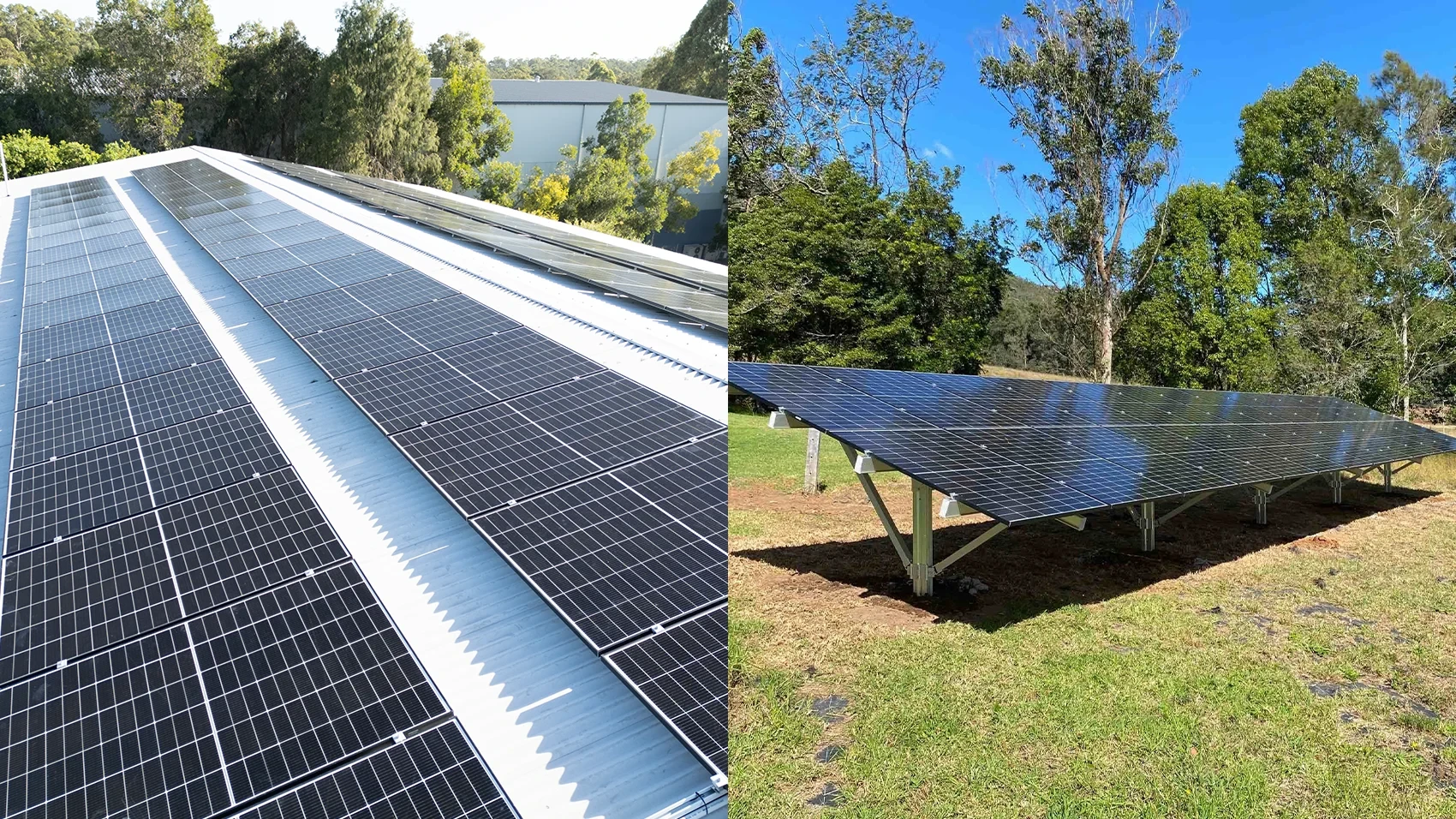
Explore whether rooftop or ground mounted solar systems are better for homes, farms, and remote properties needing solar PV power in Australia.
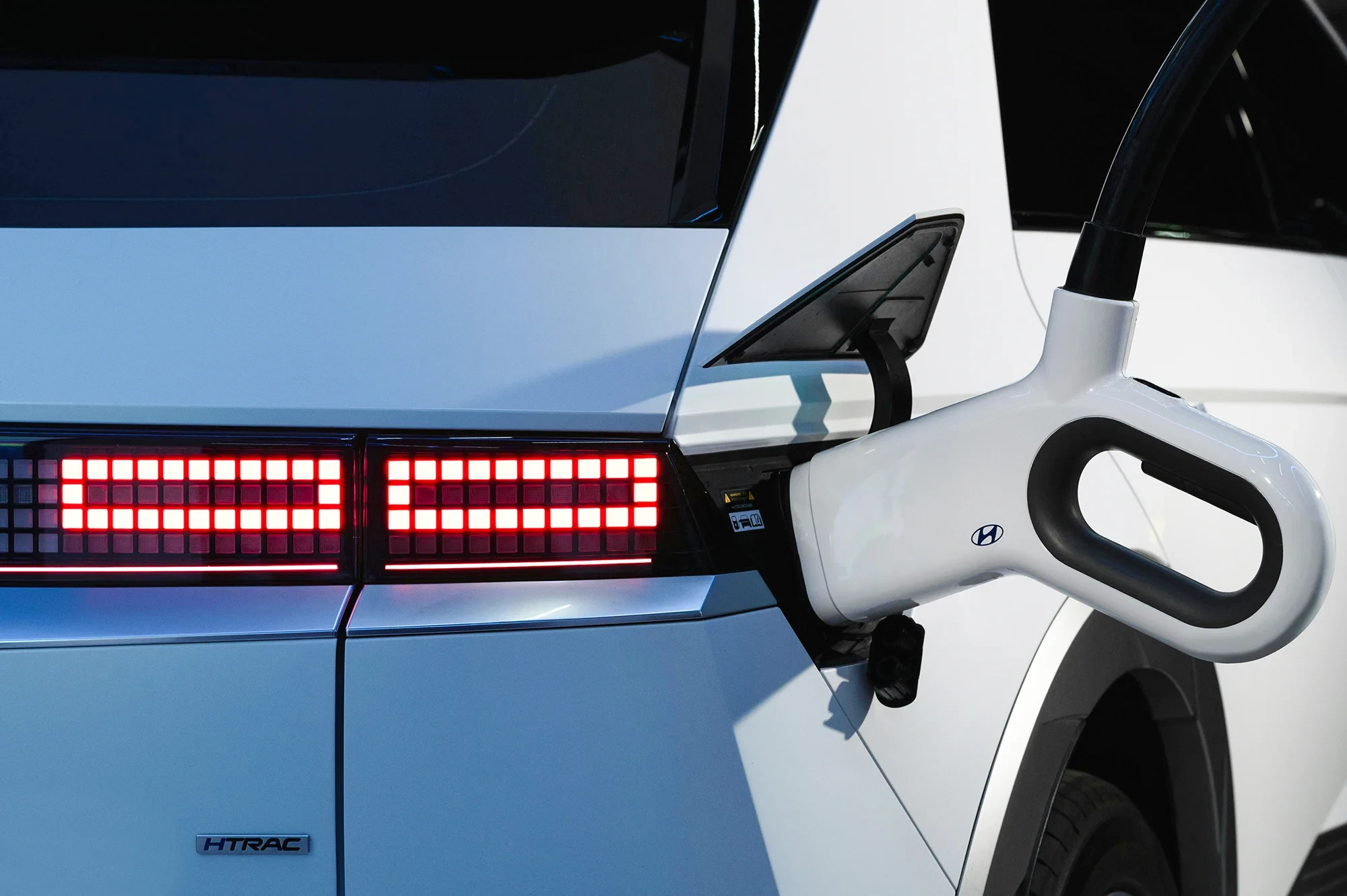
The journey of bidirectional charging in Australia has hit a milestone with the recent approval of the new standard for vehicle-to-grid (V2G) charging for 2025.
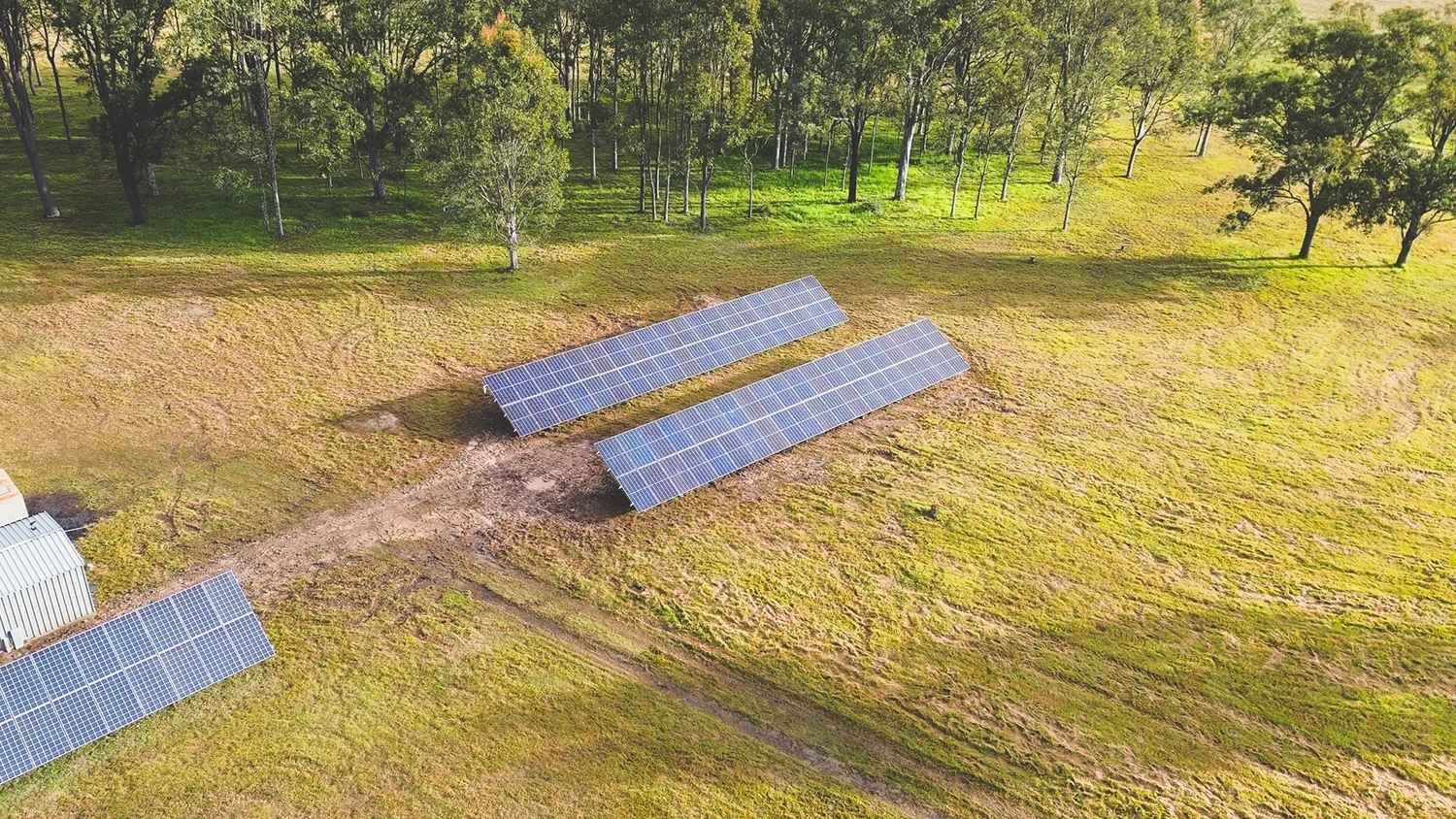
For cabins, homes, and sheds with limited or no access to grid energy, getting an off grid solar and battery storage system may be worth it in NSW in 2025.

Everyone has seen a solar installation a normal roof like tin or tiled roofs, but have you ever seen a solar installation a roof made of Brass? Well we did one...
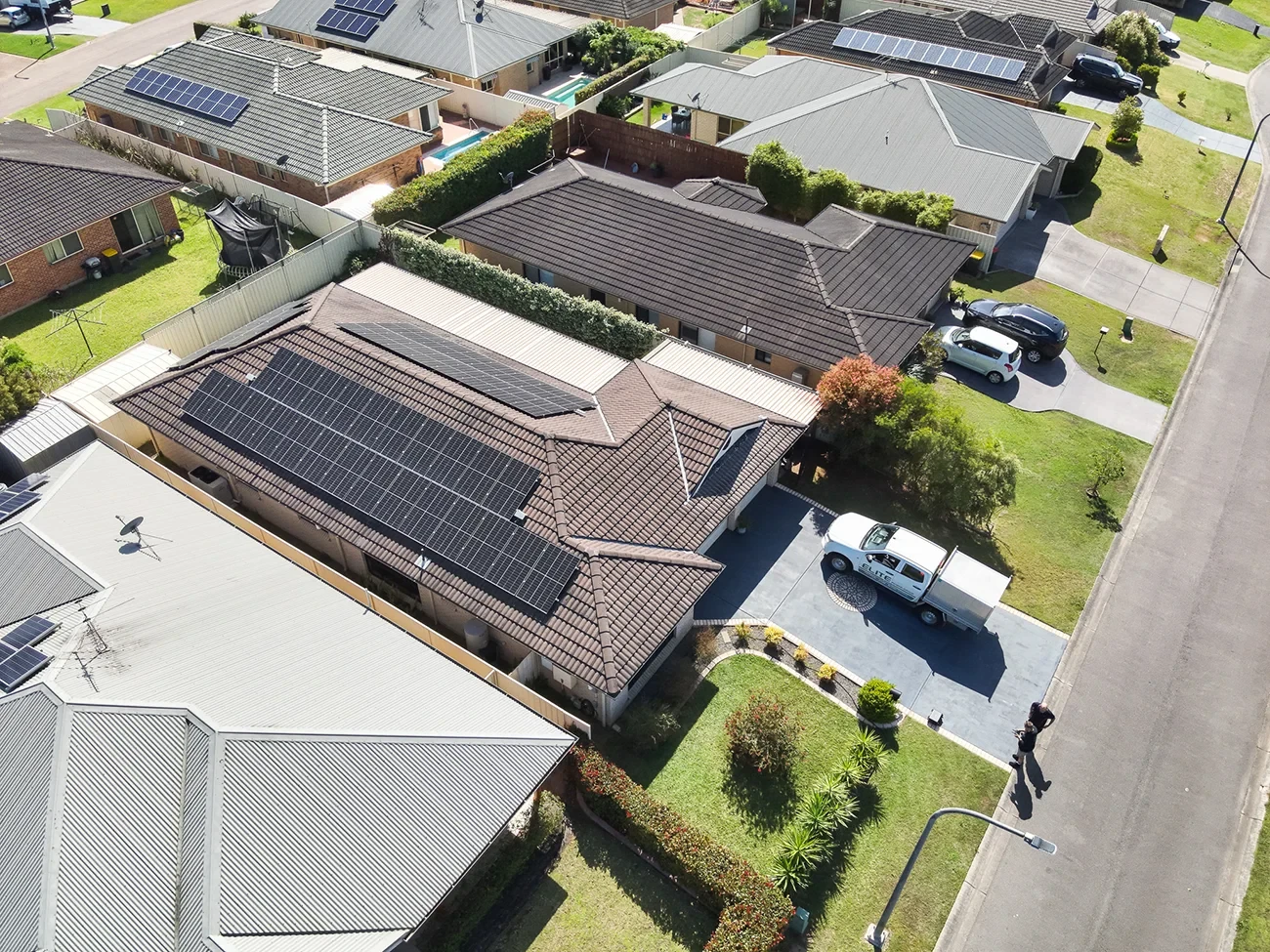
With the release of the new Clean Energy Council (CEC) H1 2024 report on solar and battery storage, it gives an idea of the upward path of Australia’s renewable energy adoption.
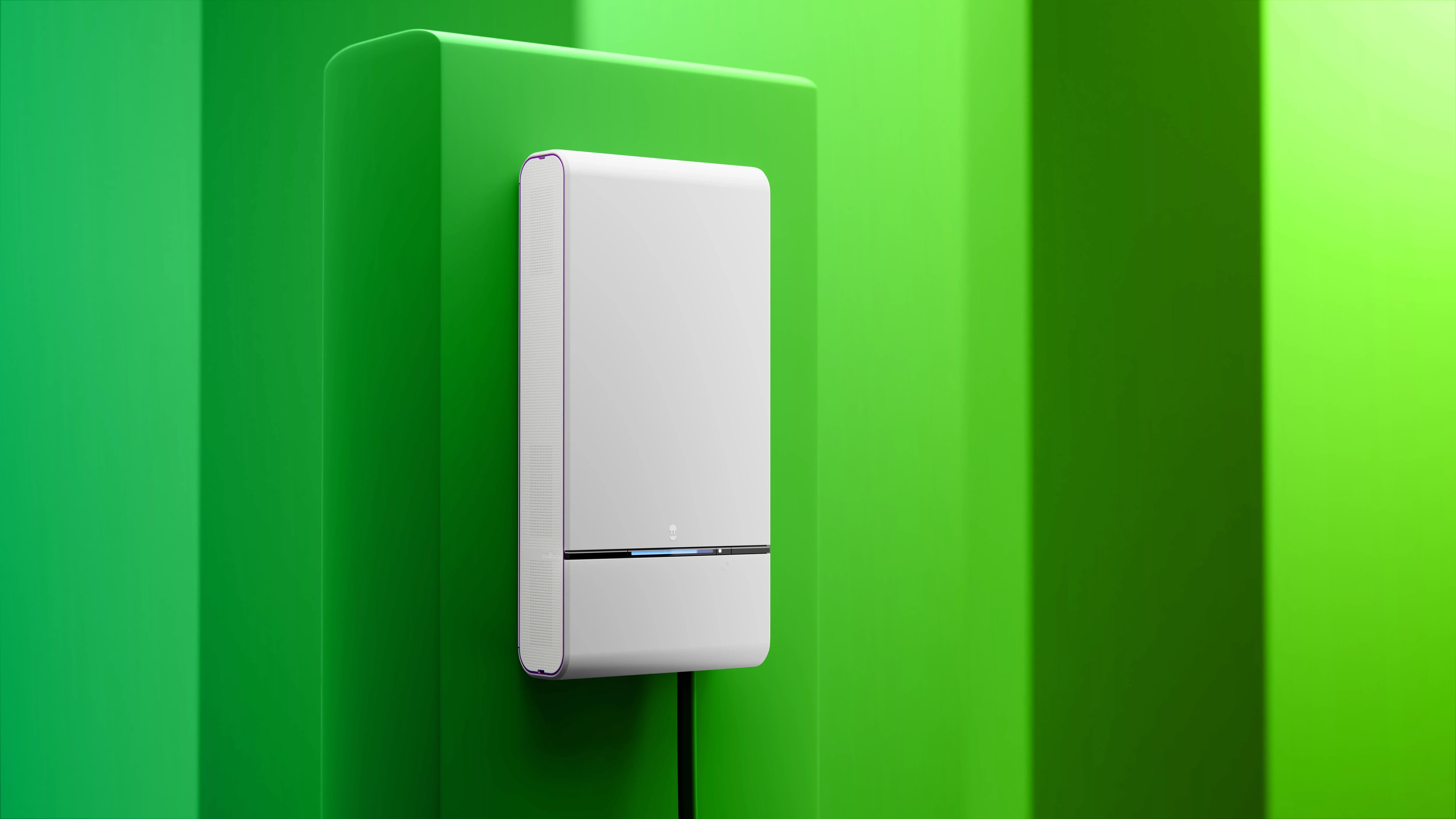
Amber & ARENA have started trials for Vehicle-to-grid technology in NSW, Australia to help develop standards and framework in V2G and Bidirectional charging.
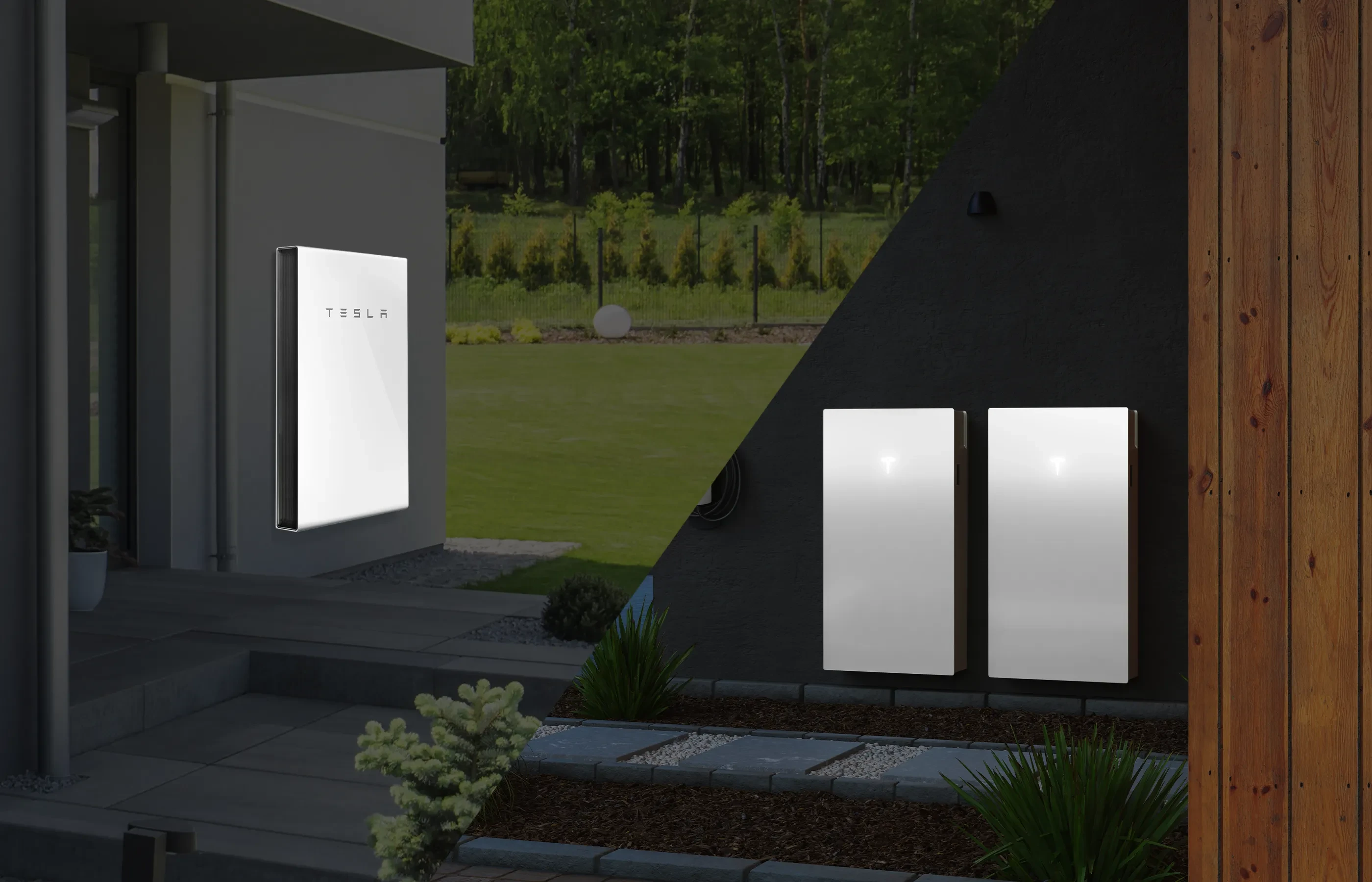
Compare Tesla Powerwall 2 vs Powerwall 3 in Australia. See differences in capacity, power output, dimensions, specifications, pricing & solar compatibility.

Explore solar battery fire risks, hazards, and statistics, and if solar batteries are safe to install for homes in NSW, Australia. (Spoiler alert.. they are!)
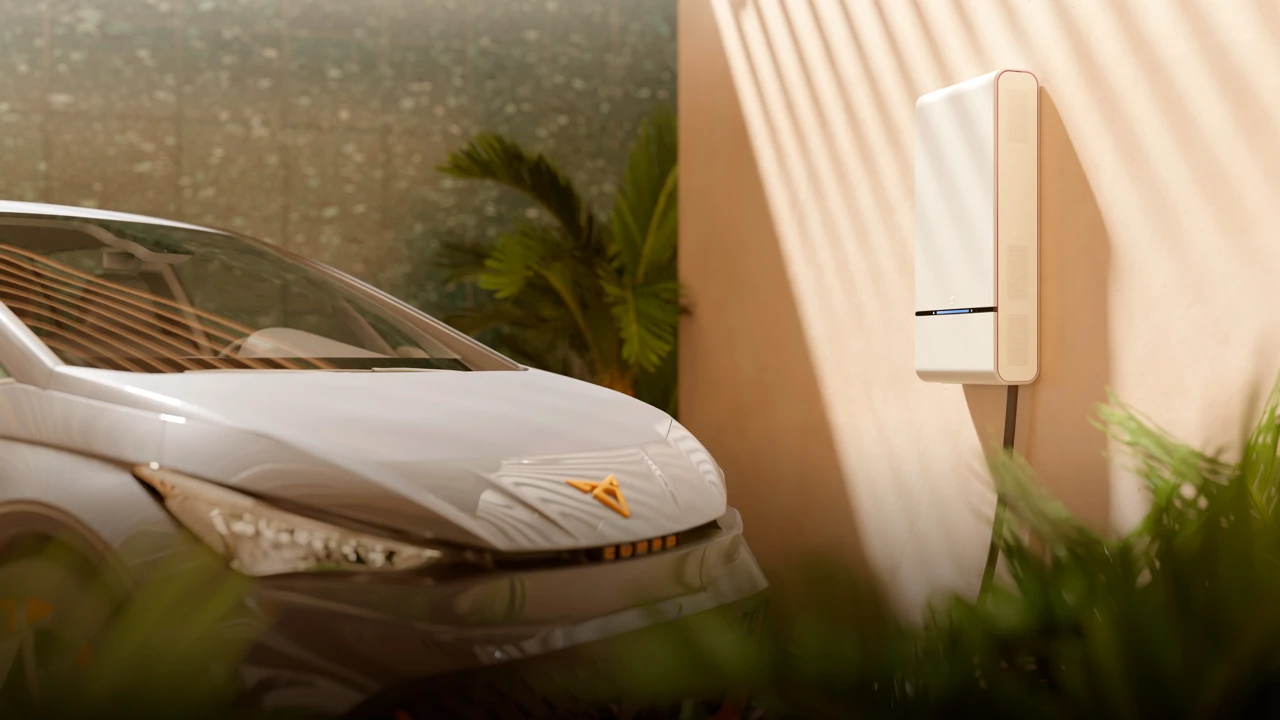
Though bidirectional charging isn't available, vehicle-to-grid is already turning heads in Australia with its potential to change energy consumption and distribution.
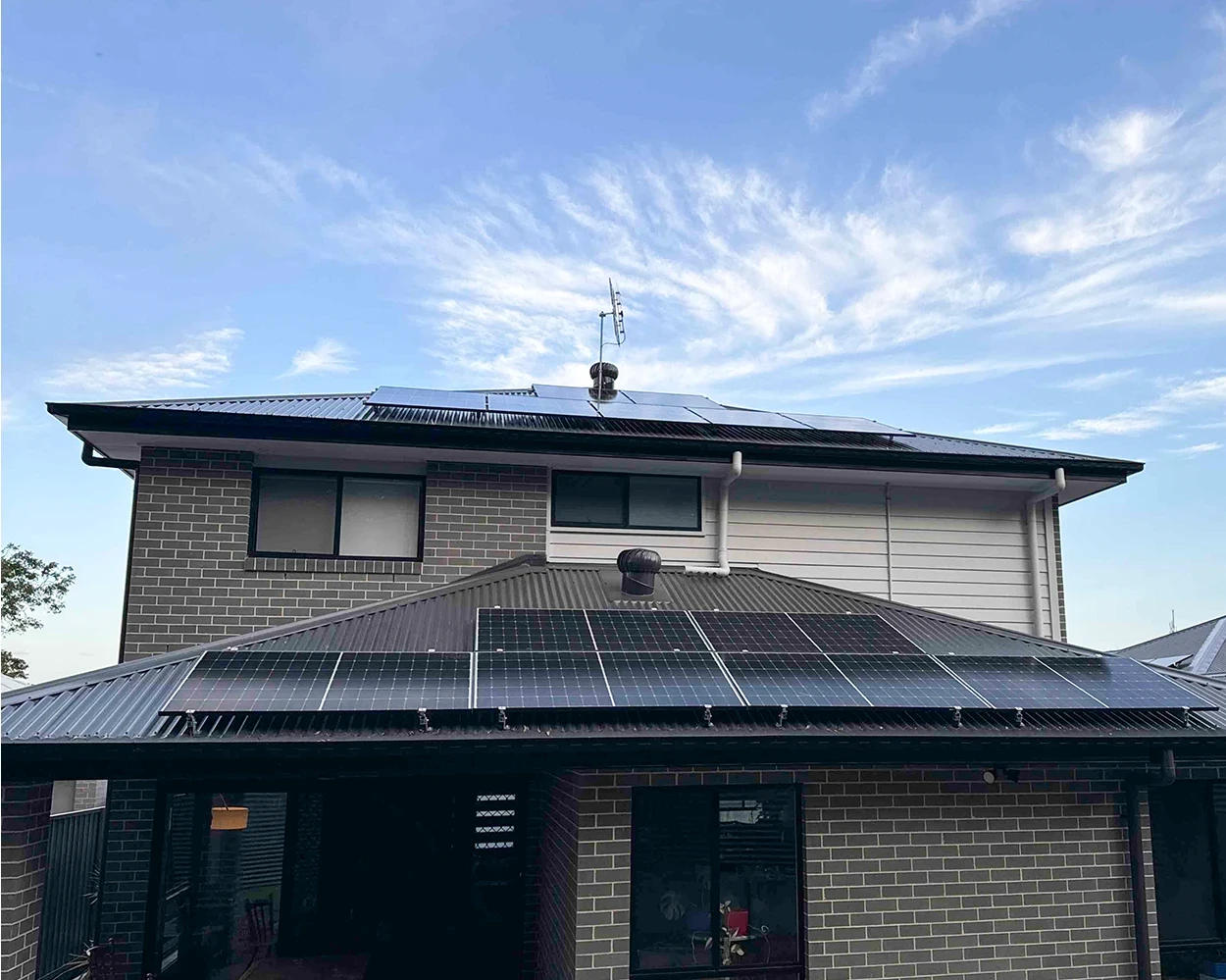
Explore how Australia's energy is evolving with t like Microgrids, DER's, Virtual Power Plants, & Demand Response, for solar and battery systems.

Learn alternating and direct current, and the differences between AC vs. DC with real-life examples and diagrams of power flow and voltage in Australia.
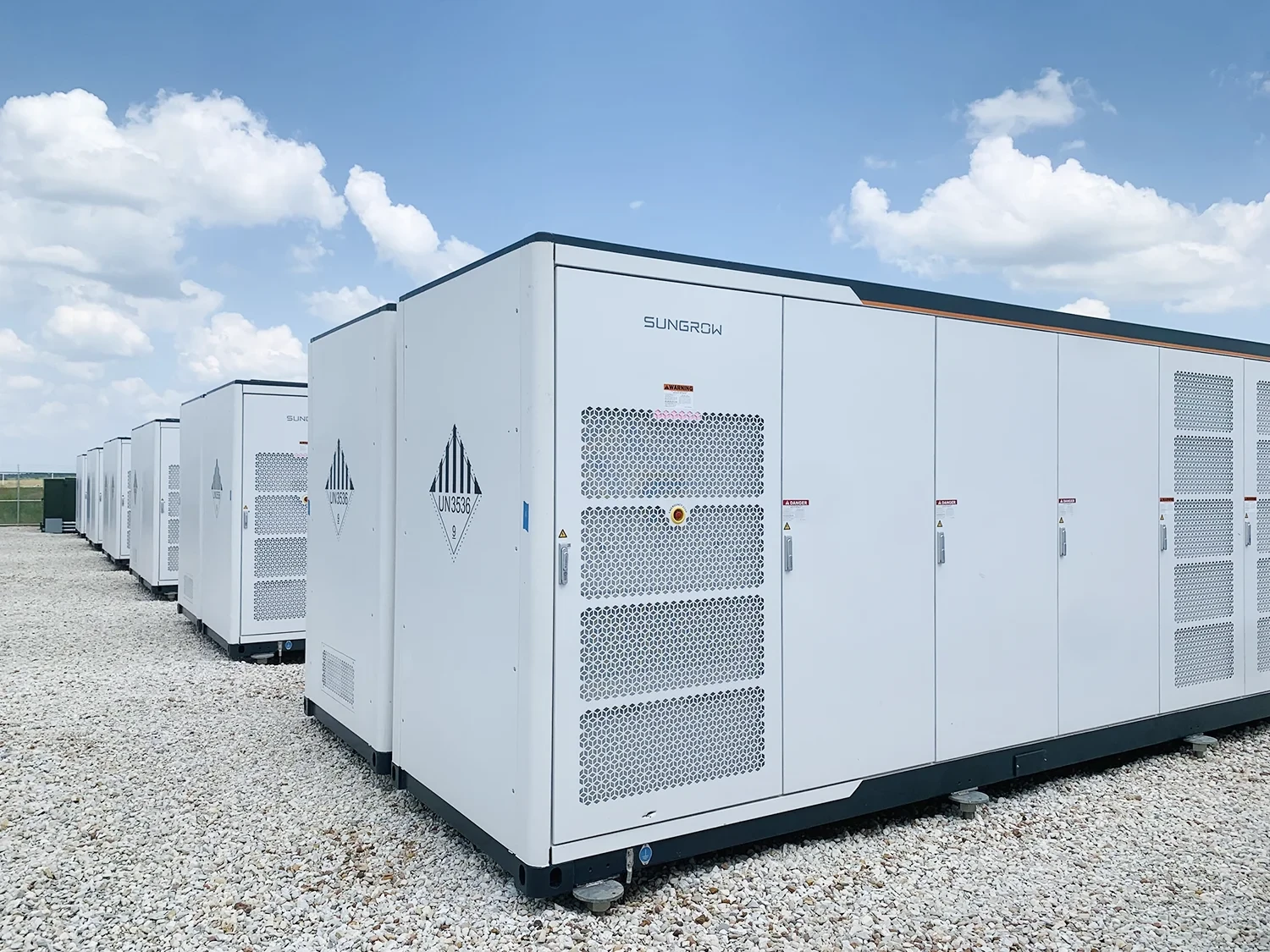
Everything NSW businesses need to know about commercial battery storage - costs, benefits, peak shaving, backup power, and how to choose a system.

In the new 2024 CEC report, they found that renewable contribution in the overall supply of energy in Australia, produced 40% of Australia’s total electrical supply.
So you've invested in solar to reduce your electricity bills, but since then your bills are still high? Explore why your energy bills are still high even after solar.
Learn electricity tariffs like single-rate, controlled loads, and time-of-use tariffs where on and off peak pricing occurs through retailers like energy australia.
Explore the differences between single phase vs. three phase power, and how 1 phase and 3 phase electricity works with real-life examples in Australia.
If your solar panels are dirty, explore easy ways to DIY clean your solar panels, or when to get your system cleaned by a professional solar cleaner in Australia.
Batteries store energy as chemical potential energy, released as electrical current once connected to a circuit. Learn how batteries store & release energy.
Now is the best time to invest in solar panels.. here are 4 reasons why Australians should invest in solar energy before it's time runs out for 2024.

Explore the National Electricity Market (the NEM), and how it interconnected 5 states with electricity distribution to balance demand and supply in Australia.

Discover how agrivoltaics can benefit farms by combining agriculture and solar energy to increase sustainability and agricultural production in NSW.

The energy required to heat hot water is quite high and for most Australian households. Here are some strategies on how to save on your hot water heating bill.
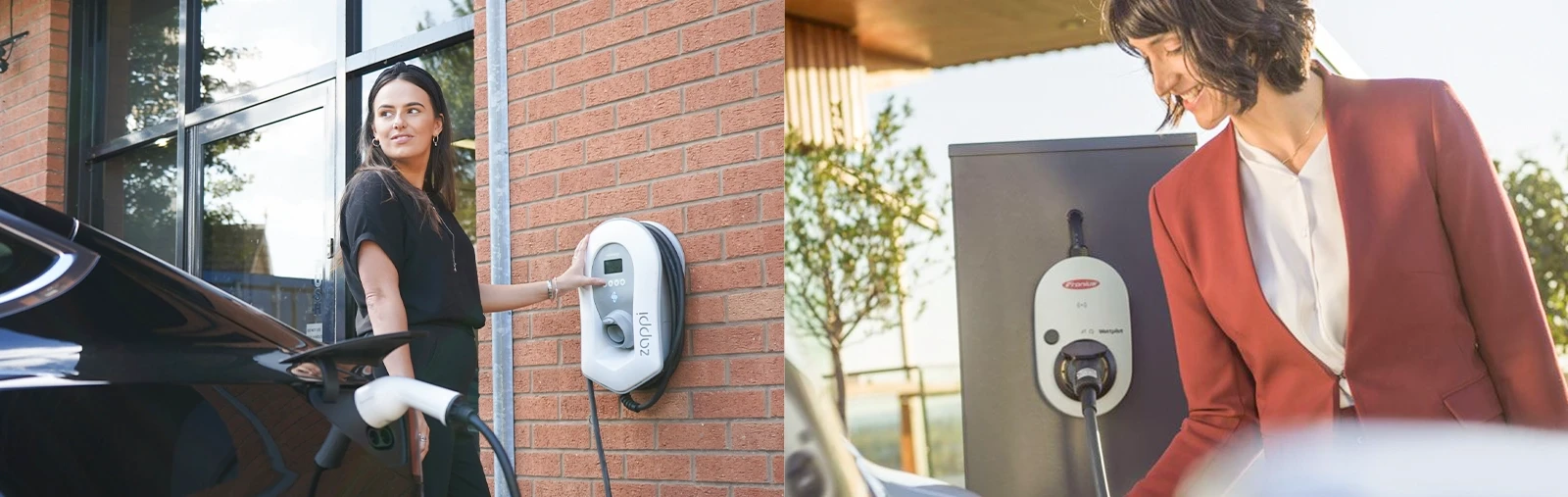
What's the best Solar EV Charger? Zappi or the Wattpilot? We have put together a side-by-side comparison, including the pro’s and con’s for both EV chargers.
With booming solar adoption, Newcastle is quickly becoming a sustainable region with homes and businesses adoption the technology. What's happening?
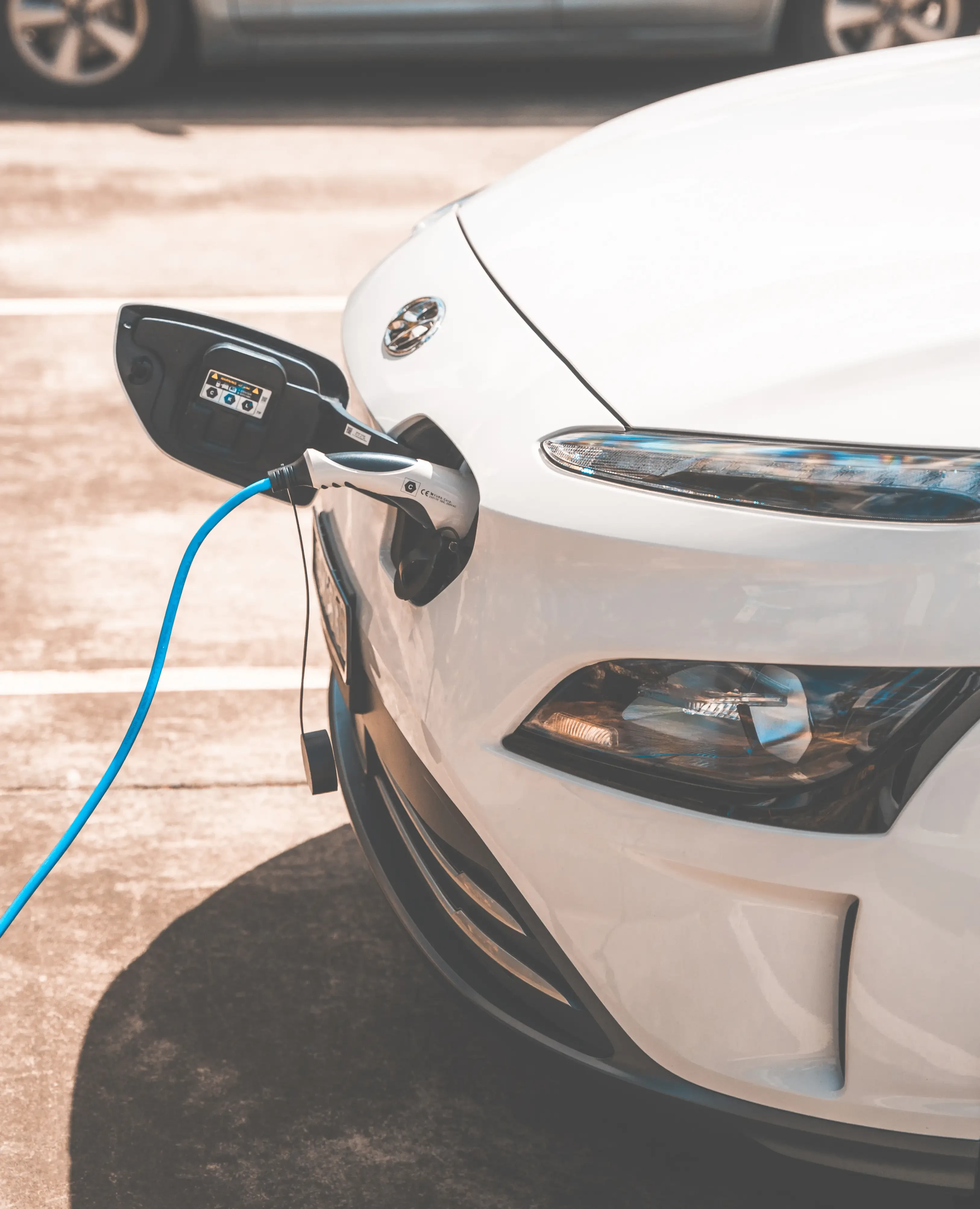
Differences between bidirectional Vehicle-to-Grid (V2G), Vehicle-to-Home (V2H), Vehicle-to-Load (V2L), and compatible chargers and EVs in Australia.
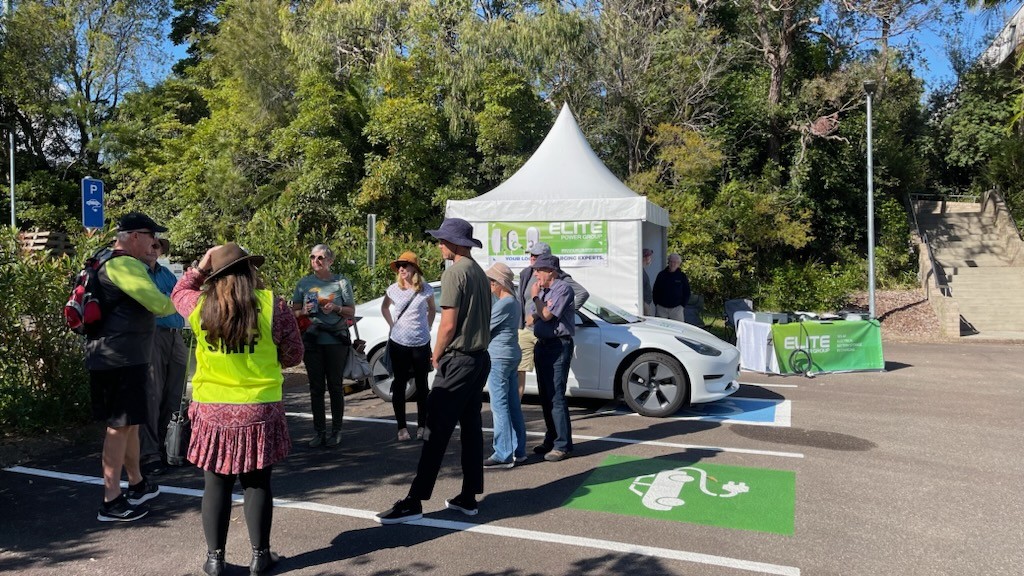
Our team attended the Electric Vehicle open day in Lake Macquarie hosted by Lake Macquarie City Council, and what a day! From all the fun events, to the informative aspects, everyone definitely got something out of the day.
Renewable News Articles
Sign up for new article updates - we don't spam.
We've invested in becoming fully-licenced and qualified installers to ensure Newcastle homes and businesses
get the best solar, battery, and electrical systems available. We want to assist Newcastle's renewable energy revolution with quality
installations for maximum customer satisfaction.
Certified solar system installers near you.
Get CEC-Approved Battery Installations.
Fully-licenced electricians in Newcastle.
Convenient EV charging stations for properties.
Leave a Comment