Solar & Battery Statistics Australia 2024: CEC Report H1
With the release of the new Clean Energy Council (CEC) H1 2024 report on solar and battery storage, it gives an idea of the upward path of Australia’s renewable energy adoption.
Read more
Tesla Powerwall 3 Rebate now Extended Until June 30th

Posted 7 Nov
Want the latest in energy, solar, and savings?Subscribe to our newsletter – we don’t spam!
With the recent shift to daylight savings time, it may be helpful for potential and existing solar owners to understand how daylight savings and seasonal changes affect solar systems and production throughout New South Wales.
Whilst often confused, solar production is generally the same whether it is daylight savings or standard time, due to the sunlight time only being shifted one hour and not one hour longer.
This means that solar daylight savings does not directly affect your solar production.
Instead, the only difference to your production is when the days get shorter, usually occurring around June during the Winter Solstice, which decreases the overall amount of solar production per day compared to summer.
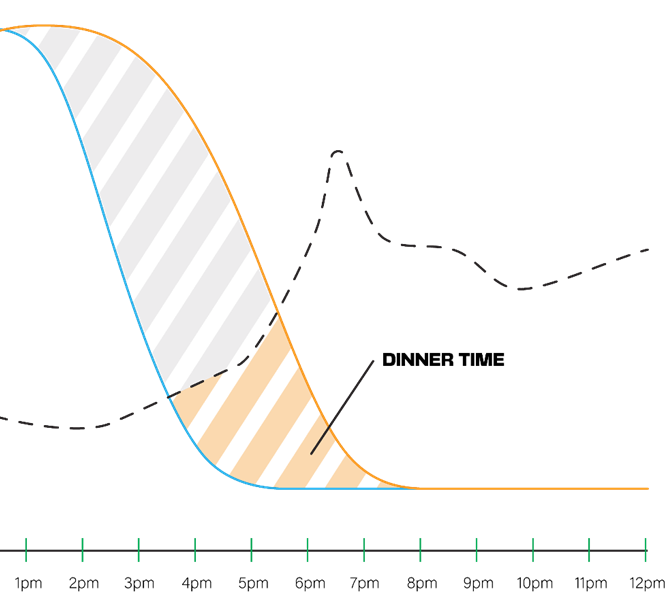
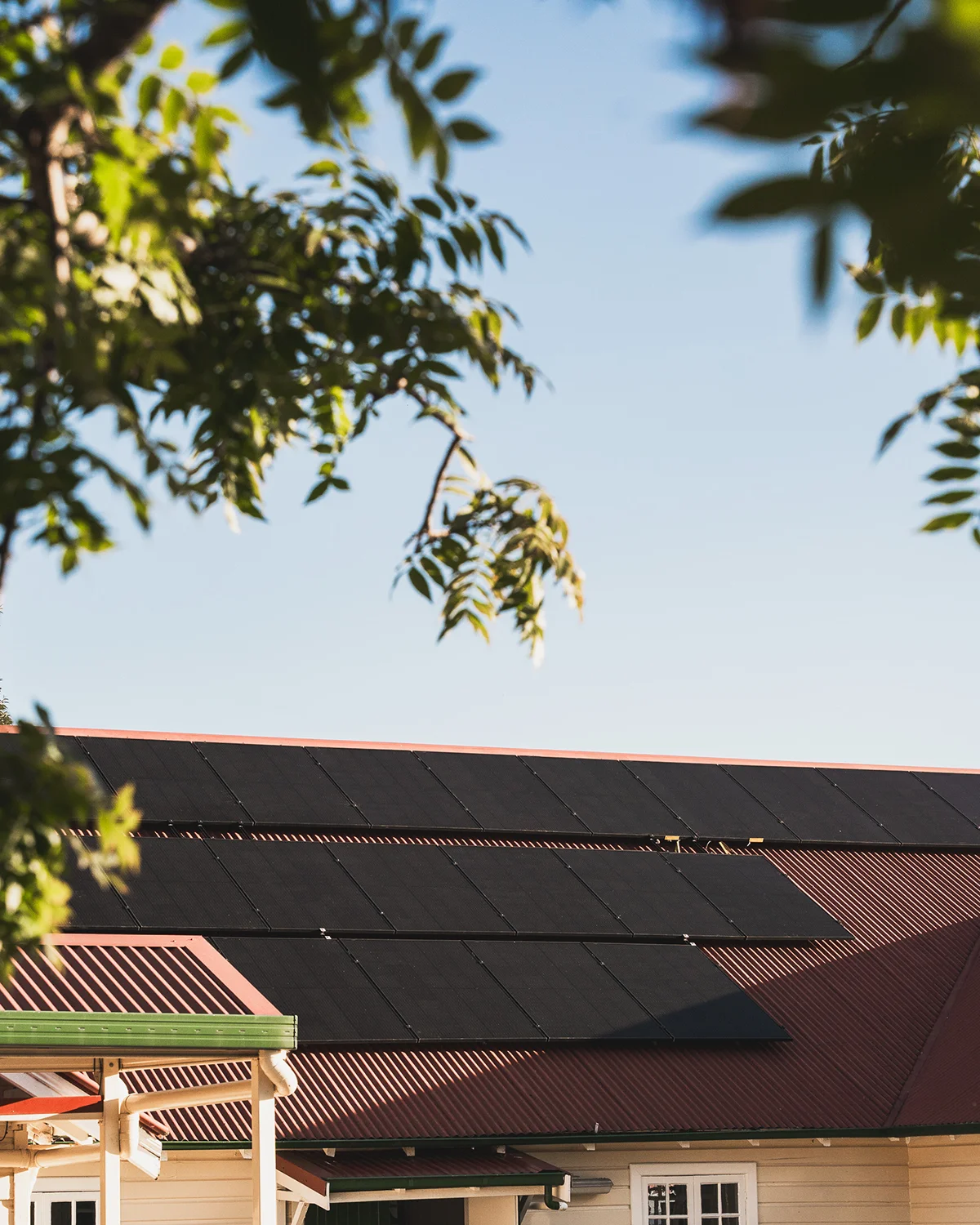
The main difference of solar generation through daylight savings is the time periods that we consume energy.
Because the daylight times are shifted further into the evening, solar can offset a large portion of energy consumption activities during the evenings like cooking dinner, which would usually be reliant on grid energy during standard time.
By using solar energy whilst the sun is out instead of peak grid electricity during evenings, it allows homes to cook dinner with renewable energy. Unlike daylight savings, the sun goes down relatively quickly in the evenings, forcing properties without battery storage to use grid electricity at night which drives energy costs up. We’ll touch more on battery storage later.
Daylight Savings started as a way to get more daylight hours in the evenings during spring and summer. The Australian states that participate in daylight savings are NSW, Victoria, South Australia, Tasmania, and ACT.
The Daylight Savings period starts on the first Sunday of October setting the clock forward one hour and ends on the first Sunday in April at 3am setting the clock back to standard time.
Setting clocks forward allows for increased daylight times throughout the evenings and less in the morning, but does this affect energy consumption? How does it affect solar?
Courtesy of Tiff NG on Pexels.
If you weren't aware already, sunlight hours change throughout the year. Australia’s daytime duration varies depending on the occurring season, and this is what mostly affects overall solar production more than daylight savings times. (Obviously, the panel conditions are another contributing factor to efficiency and production, but we’re mainly focused on seasonal changes and daylight savings.)
Solar generation around summer vs. winter is much different, not just due to the difference in sun angles, but also the duration of daylight hours. Here is a chart that shows the amount of daylight hours during the year with times for sunrise and sunsets throughout Australia.
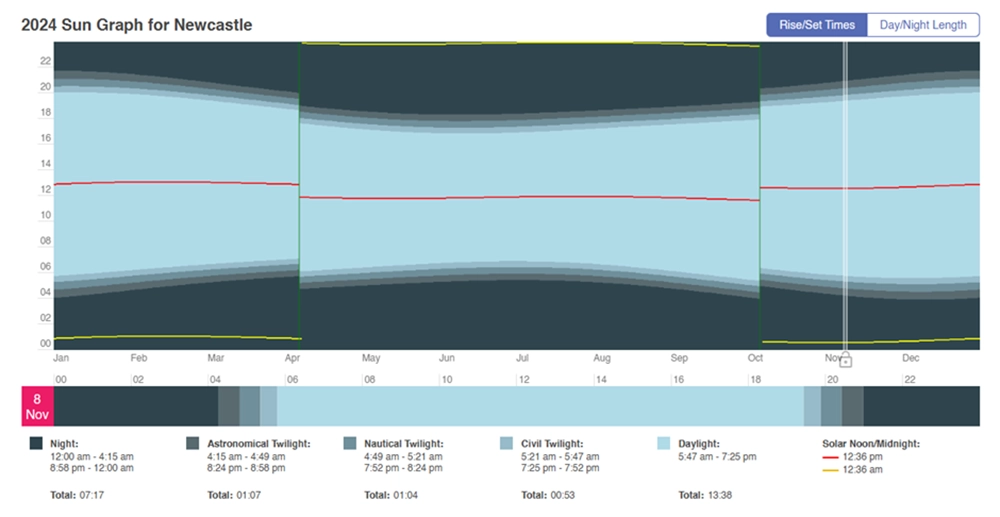
Image courtesy of timeanddate.com
In December-January, you can see that total daylight hours lasts from around 5:50am to 8pm, and July around 7am-5pm. So, whilst daylight
savings does shift the timing by one hour, the amount of daylight actually increases as you hit the end/start of the year
with brighter mornings and evenings.
From the time of writing this article, New South Wales is heading into the optimal months for peak solar production going from Spring into Summer. Over the course of November to February, solar production times peak with the days being longer and the sun more intense making Summer better for solar generation.
As the year passes, there are other seasonal factors that affect solar production throughout Newcastle and the Hunter, NSW.
During spring and summer, daylight hours are generally longer, and the sun shines higher in the sky (around 78°) with increased intensity. Comparatively, Autumn and Winter typically get a lower angle of around 31° which results in less sunlight exposure and generation.
This page can give you a better understanding of the sun’s path during the year. (Latitude: 32.9283° S, Longitude: 151.7817° E, and you can use the month slider to see the differences). Note that this data is from 2014, but it should give you an idea.
In NSW, north-facing solar arrays are typically the best direction for maximum solar production. You’ll see some roofs across Newcastle with solar strings on different faces on the roof where they may point east for example. Due to the angle of the sun, summer is much more optimal for reaching all faces efficiently.
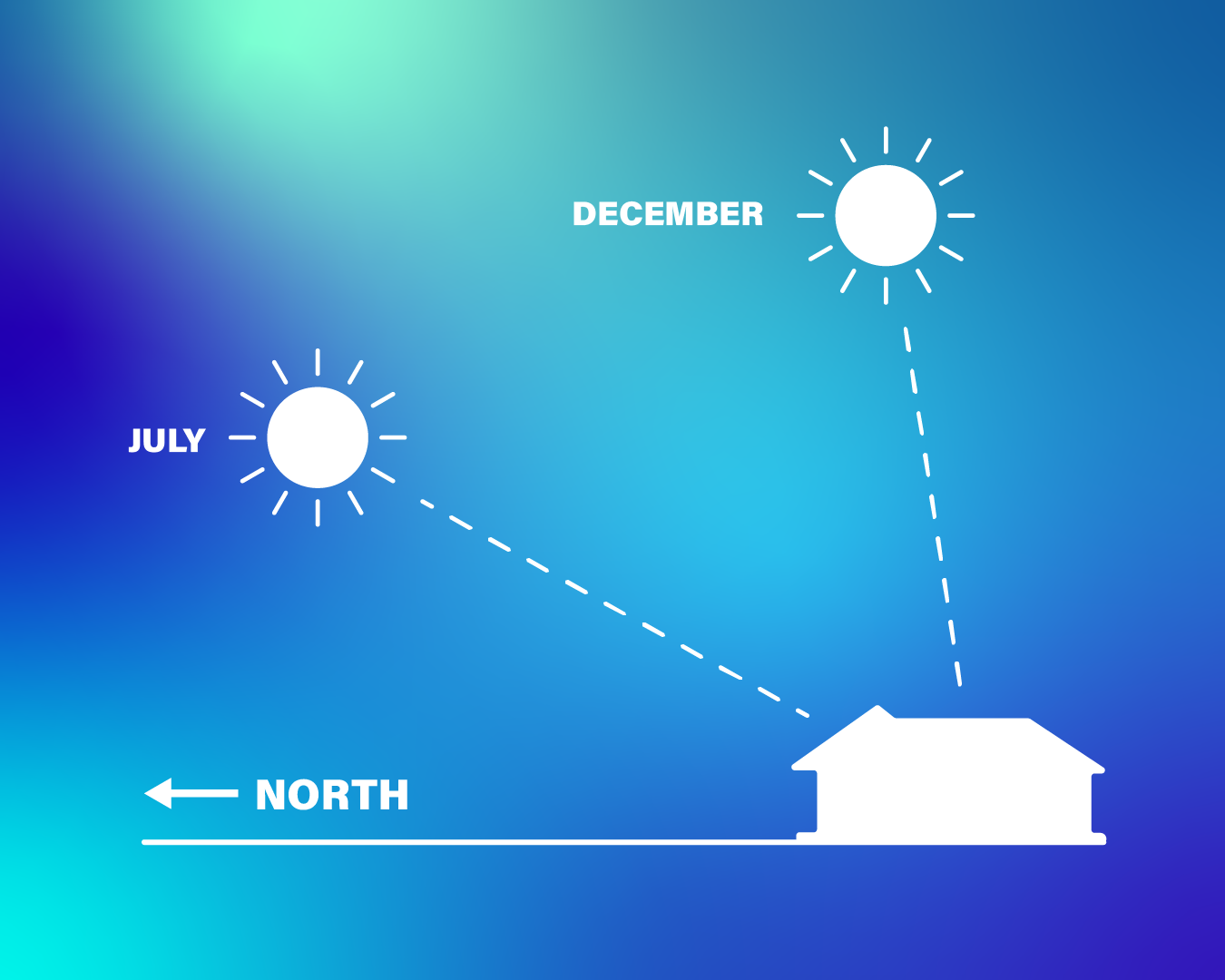
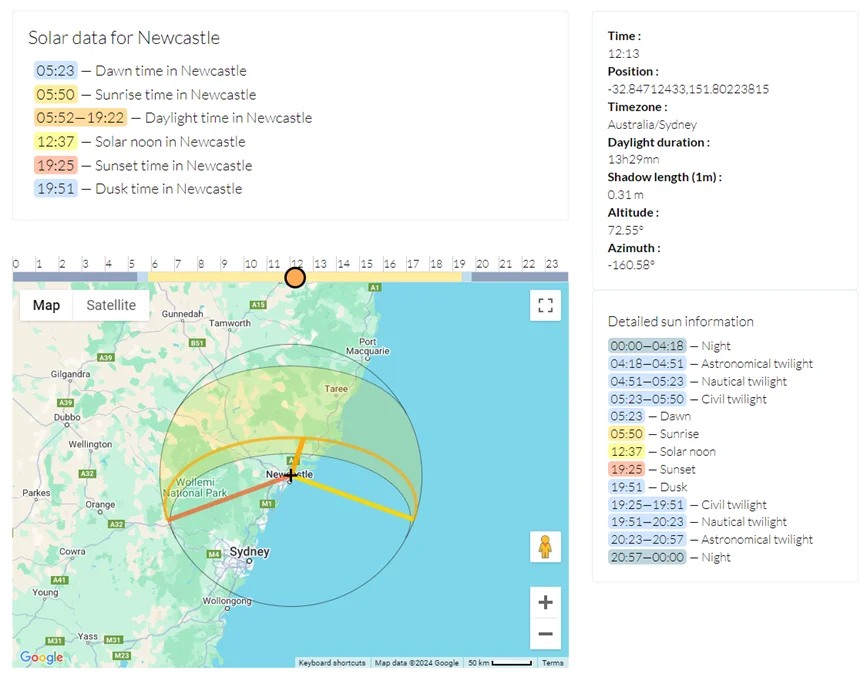
Image courtesy of sun-direction.com
We explain how to maximise your solar in this article, however, here are a few tips that could help you take advantage of daylight savings hours:
During daylight savings, you have access to continued solar electricity up until around dinner time for most people. By bringing forward cooking and other high-consumption activities to when the sun is still out, you can minimise your peak grid electricity usage which will help save on your energy bill.
Appliances like pool pumps and air conditioners can be scheduled to run during peak solar production to help remove reliance on grid energy. During daylight savings these times are more flexible in the evenings to give you more sustainable energy for later in the day.
If you’re worried about not having solar energy at night through peak demand periods, you can always have a look at getting solar battery storage. This allows you to store your excess solar energy for use when the sun is down, giving you the ability to use renewable energy 24/7 which also acts as a backup electricity source for grid outages.
Yes, ultraviolet (UV) levels can affect solar generation, but not in the way you’d expect.
Generally, solar panels aren’t directly affected by changes in UV light as it is different to visible and infrared light. Panels like monocrystalline panels are designed to harness that visible and infrared light and is less sensitive to UV light.
However, when panels are exposed to long durations of UV light, the panels can heat up a lot which negatively impacts the panels’ efficiency. The UV light is too energy-rich and can’t be converted into electricity, so it ends up as wasted energy which causes heat.
This heating over time can quicken degradation and decrease the lifetime of older panels and systems. More modern panels are not only more efficient but adopt new UV protective coating which greatly reduces this deterioration.
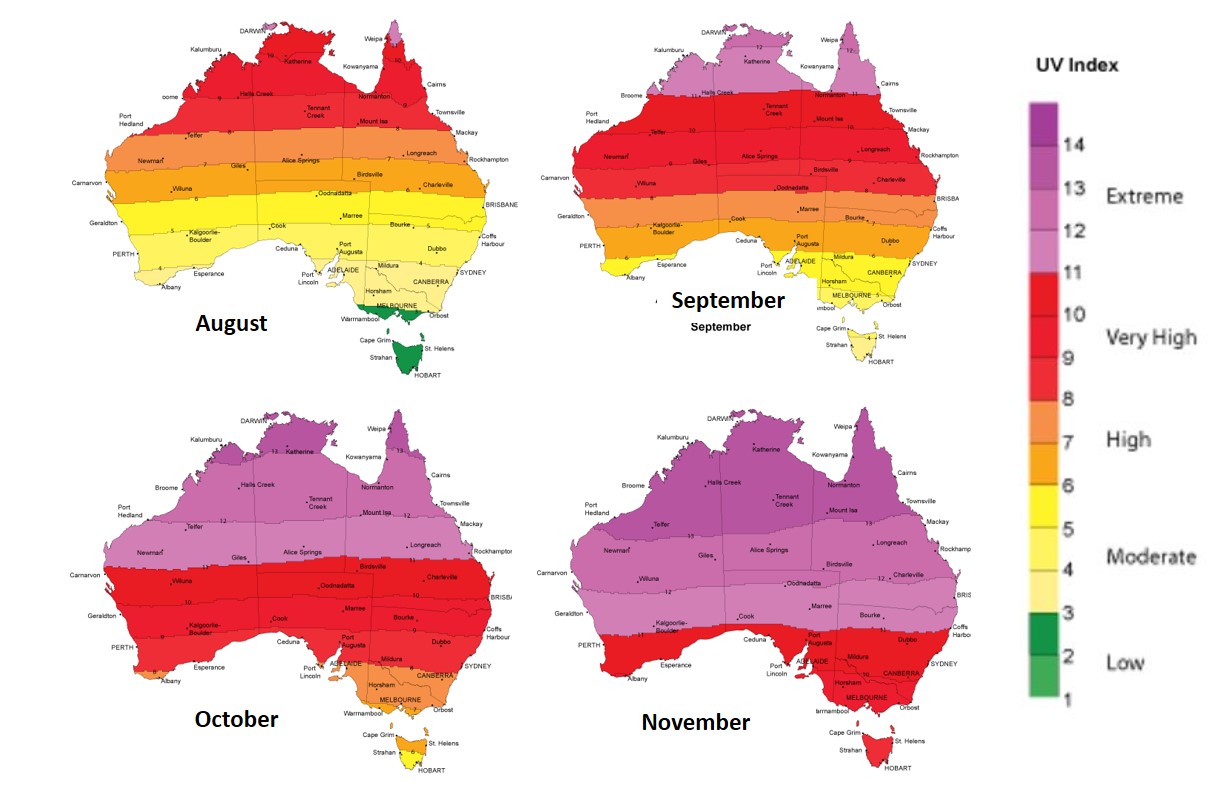
With the heat in summer periods, the UV levels are also high, which would also indicate a difference in performance between the seasons with Autumn and Spring having moderate levels of UV.
 Image
courtesy of
bom.gov.au
Image
courtesy of
bom.gov.au
Overall, no matter your system specifications or setup, your production will always vary throughout the year with different elements determining the output of your system.
Most solar systems average out to expected performance through the year with its highs and lows, but now you know how each season can affect your production.
With the release of the new Clean Energy Council (CEC) H1 2024 report on solar and battery storage, it gives an idea of the upward path of Australia’s renewable energy adoption.
Amber & ARENA have started trials for Vehicle-to-grid technology in NSW, Australia to help develop standards and framework in V2G and Bidirectional charging.
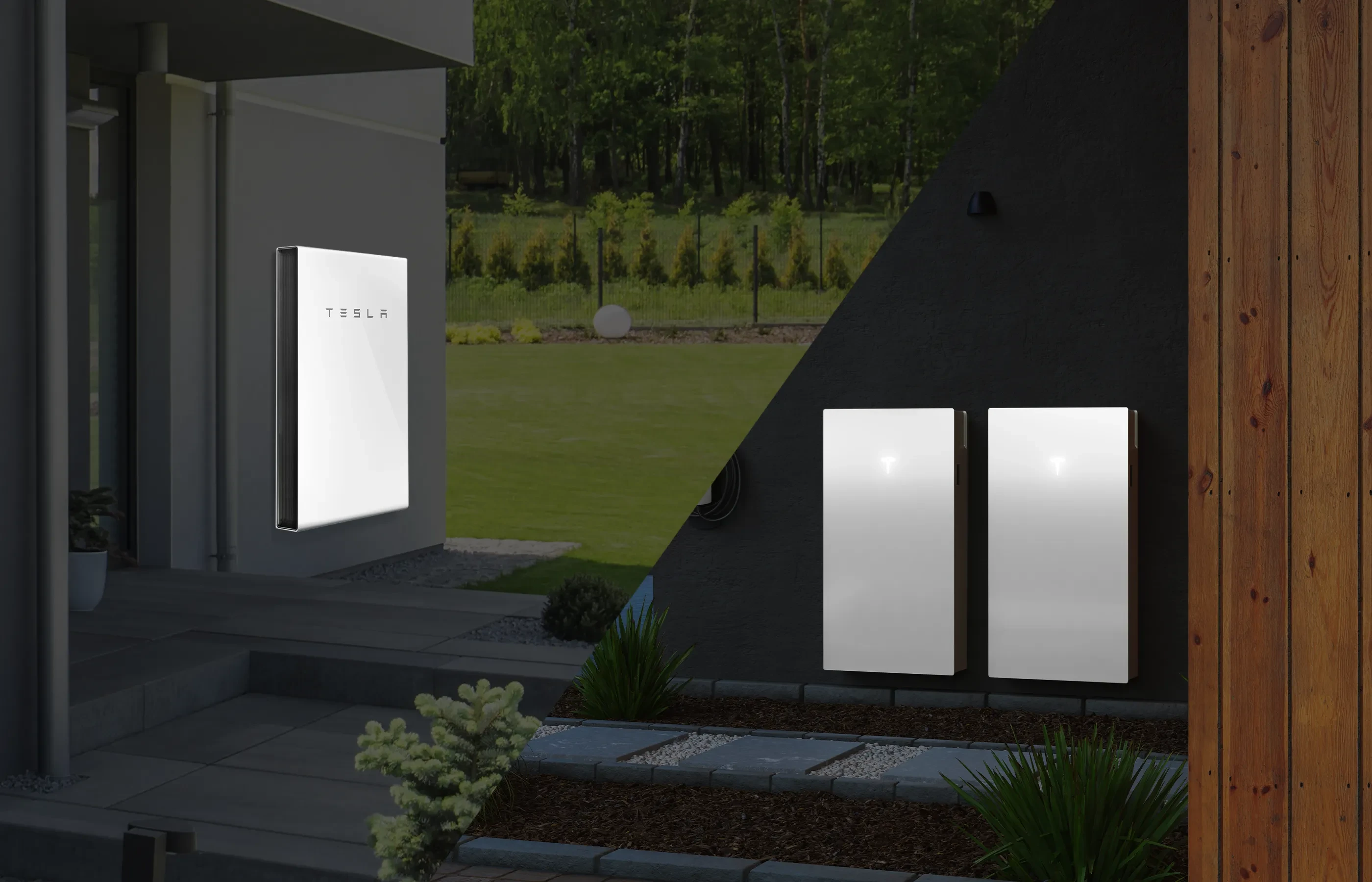
Compare Tesla Powerwall 2 vs Powerwall 3 differences including specs, capacity, dimensions, backup power, and differences for Australian homes.

Explore solar battery fire risks, hazards, and statistics, and if solar batteries are safe to install for homes in NSW, Australia. (Spoiler alert.. they are!)
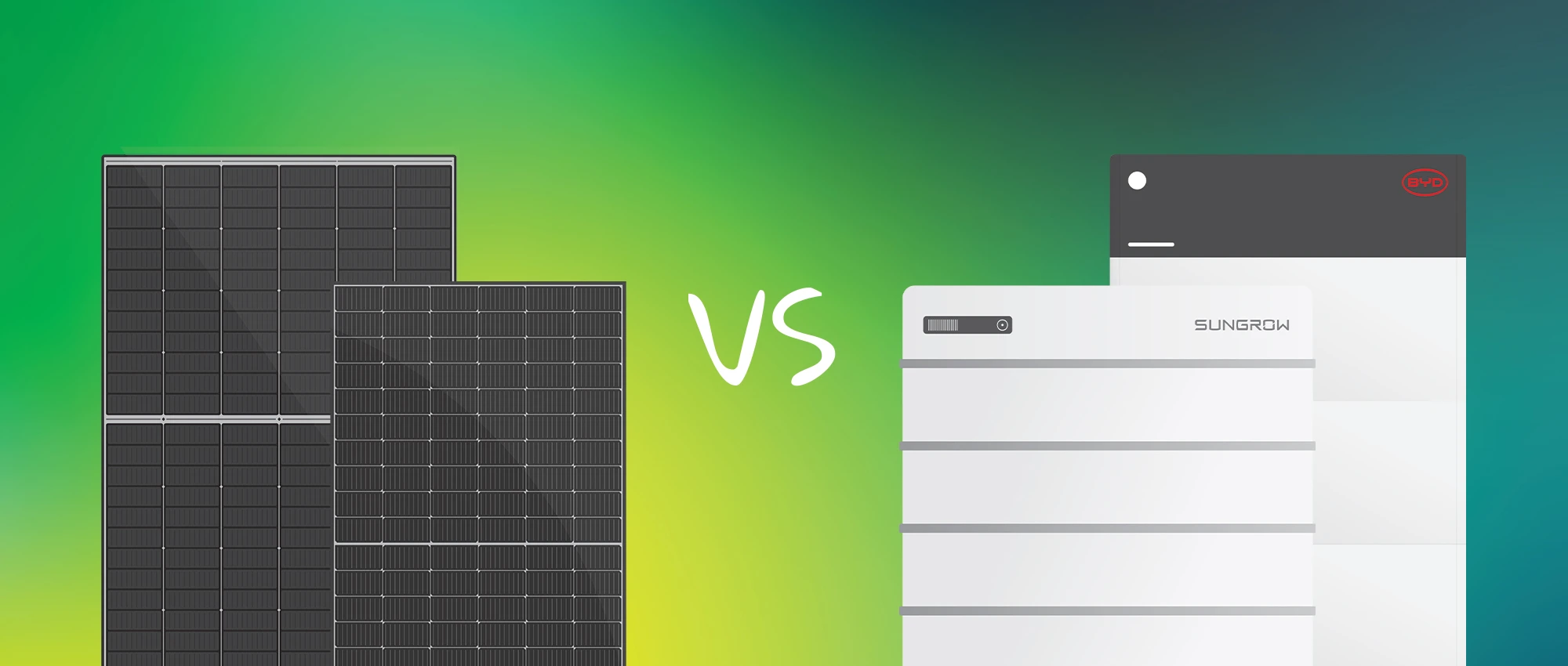
Investing in your solar system has many opportunities, but should you replace your panels, upgrade with more solar, or add battery storage to your home?
Though bidirectional charging isn't available, vehicle-to-grid is already turning heads in Australia with its potential to change energy consumption and distribution.
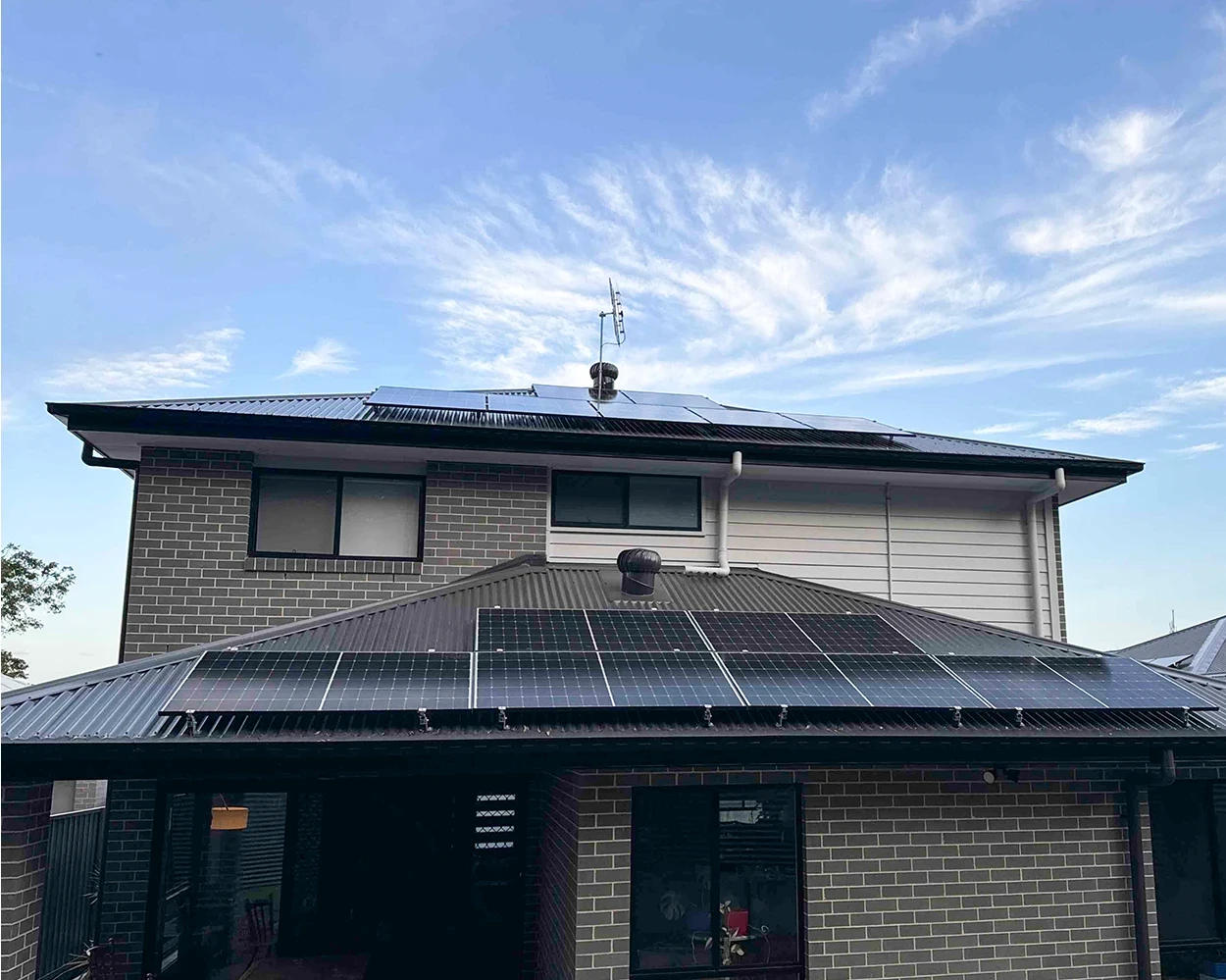
Explore how Australia's energy is evolving with t like Microgrids, DER's, Virtual Power Plants, & Demand Response, for solar and battery systems.
Learn alternating and direct current, and the differences between AC vs. DC with real-life examples and diagrams of power flow and voltage in Australia.
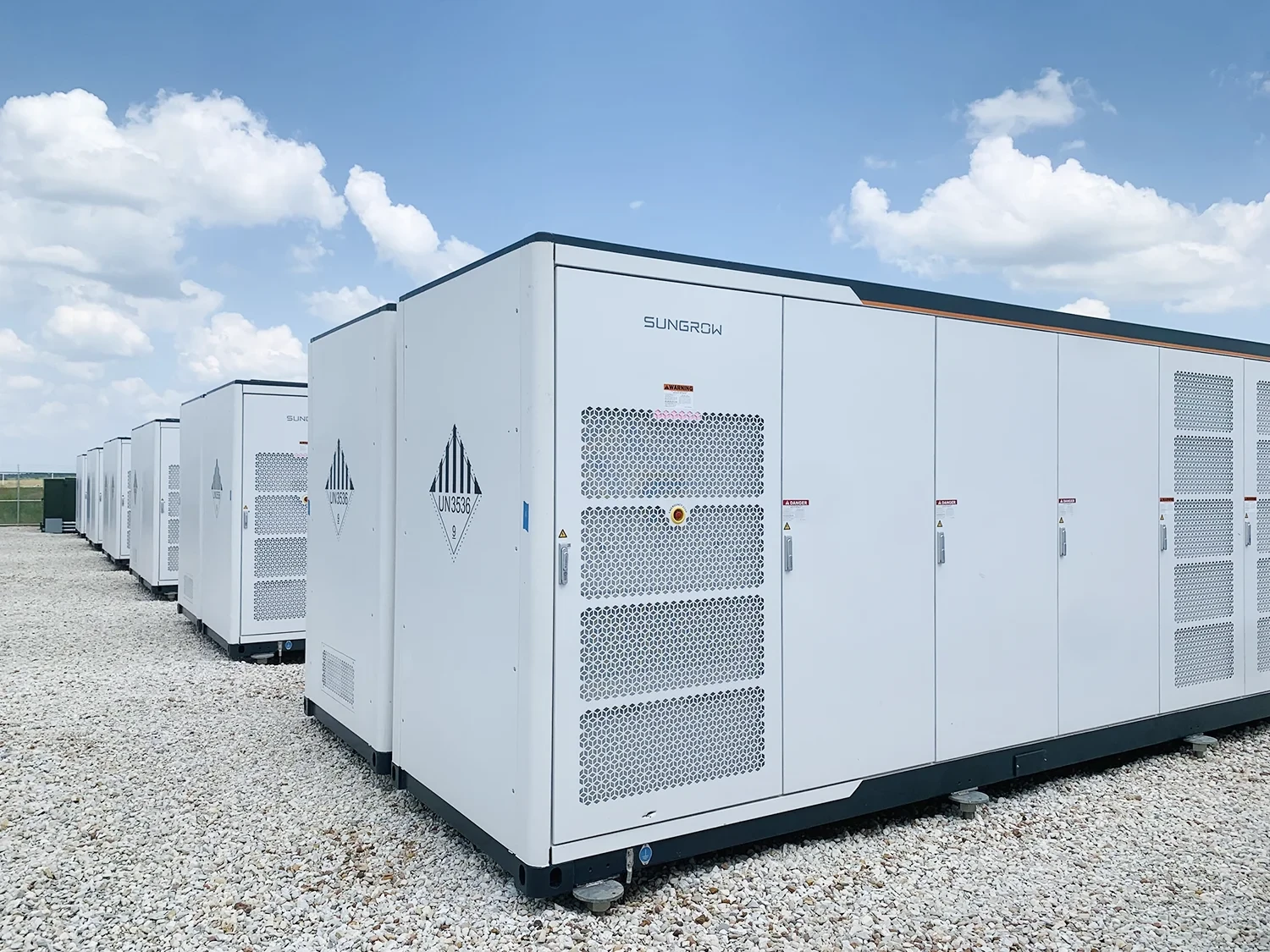
Everything NSW businesses need to know about commercial battery storage - costs, benefits, peak shaving, backup power, and how to choose a system.
In the new 2024 CEC report, they found that renewable contribution in the overall supply of energy in Australia, produced 40% of Australia’s total electrical supply.
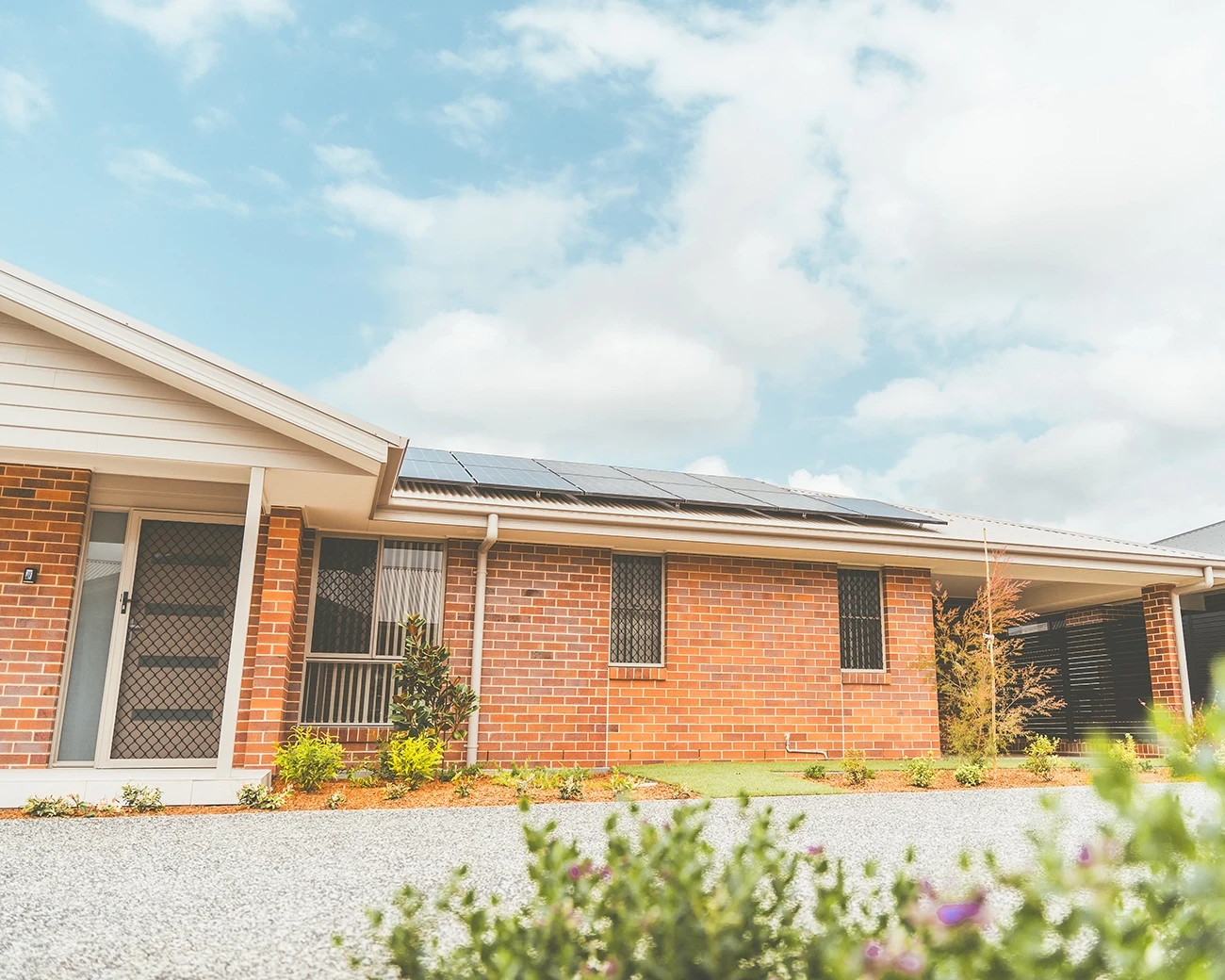
So you've invested in solar to reduce your electricity bills, but since then your bills are still high? Explore why your energy bills are still high even after solar.
Learn electricity tariffs like single-rate, controlled loads, and time-of-use tariffs where on and off peak pricing occurs through retailers like energy australia.
Explore the differences between single phase vs. three phase power, and how 1 phase and 3 phase electricity works with real-life examples in Australia.
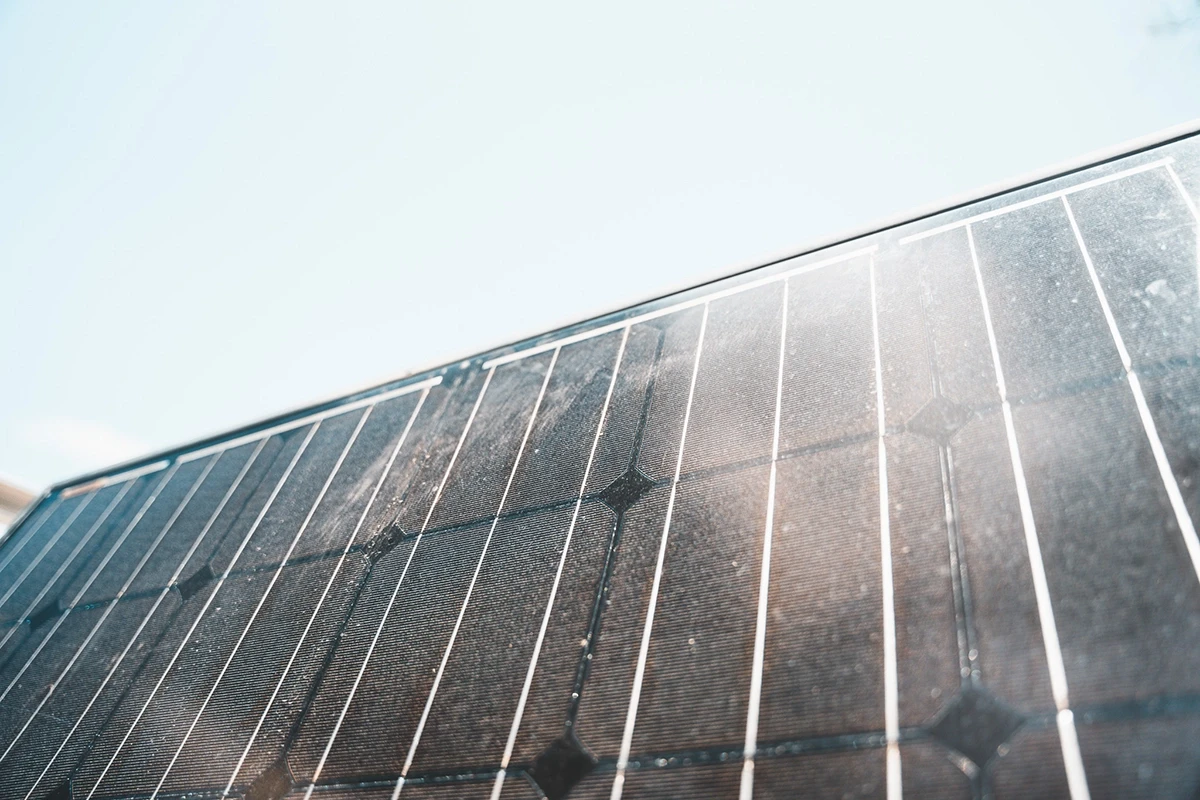
If your solar panels are dirty, explore easy ways to DIY clean your solar panels, or when to get your system cleaned by a professional solar cleaner in Australia.

Batteries store energy as chemical potential energy, released as electrical current once connected to a circuit. Learn how batteries store & release energy.
Now is the best time to invest in solar panels.. here are 4 reasons why Australians should invest in solar energy before it's time runs out for 2024.
Explore the National Electricity Market (the NEM), and how it interconnected 5 states with electricity distribution to balance demand and supply in Australia.

Discover how agrivoltaics can benefit farms by combining agriculture and solar energy to increase sustainability and agricultural production in NSW.

The energy required to heat hot water is quite high and for most Australian households. Here are some strategies on how to save on your hot water heating bill.
So you bought an electric vehicle, but what's the best way to charge it? Discover how to prepare your home for an EV charger station and what to do in NSW.
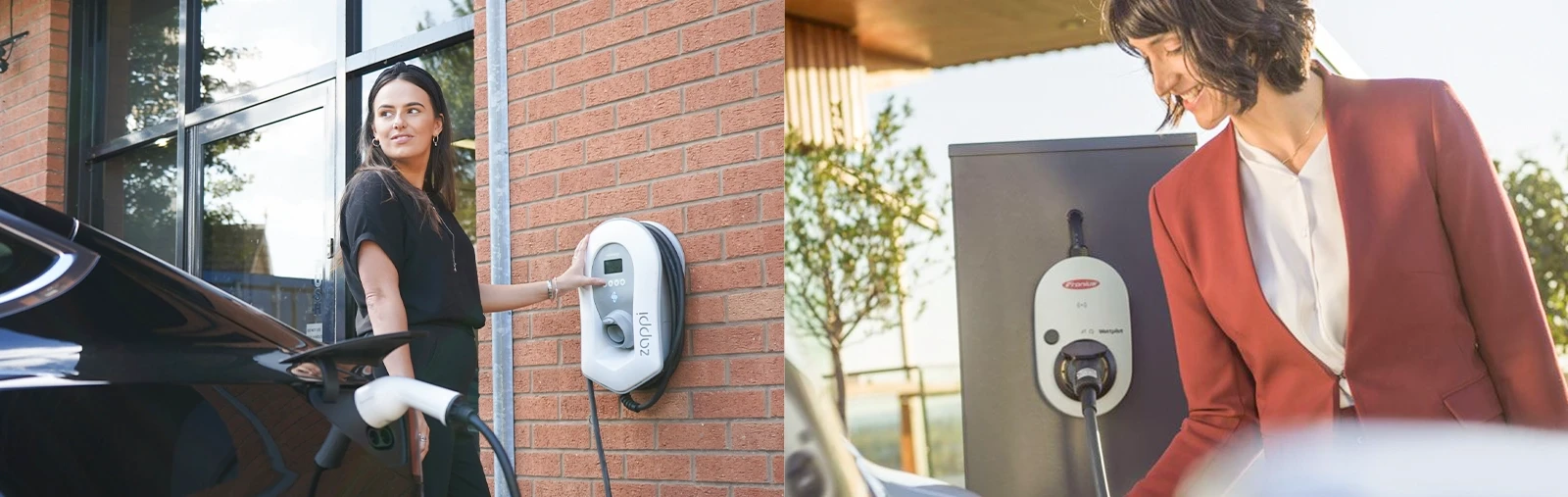
What's the best Solar EV Charger? Zappi or the Wattpilot? We have put together a side-by-side comparison, including the pro’s and con’s for both EV chargers.
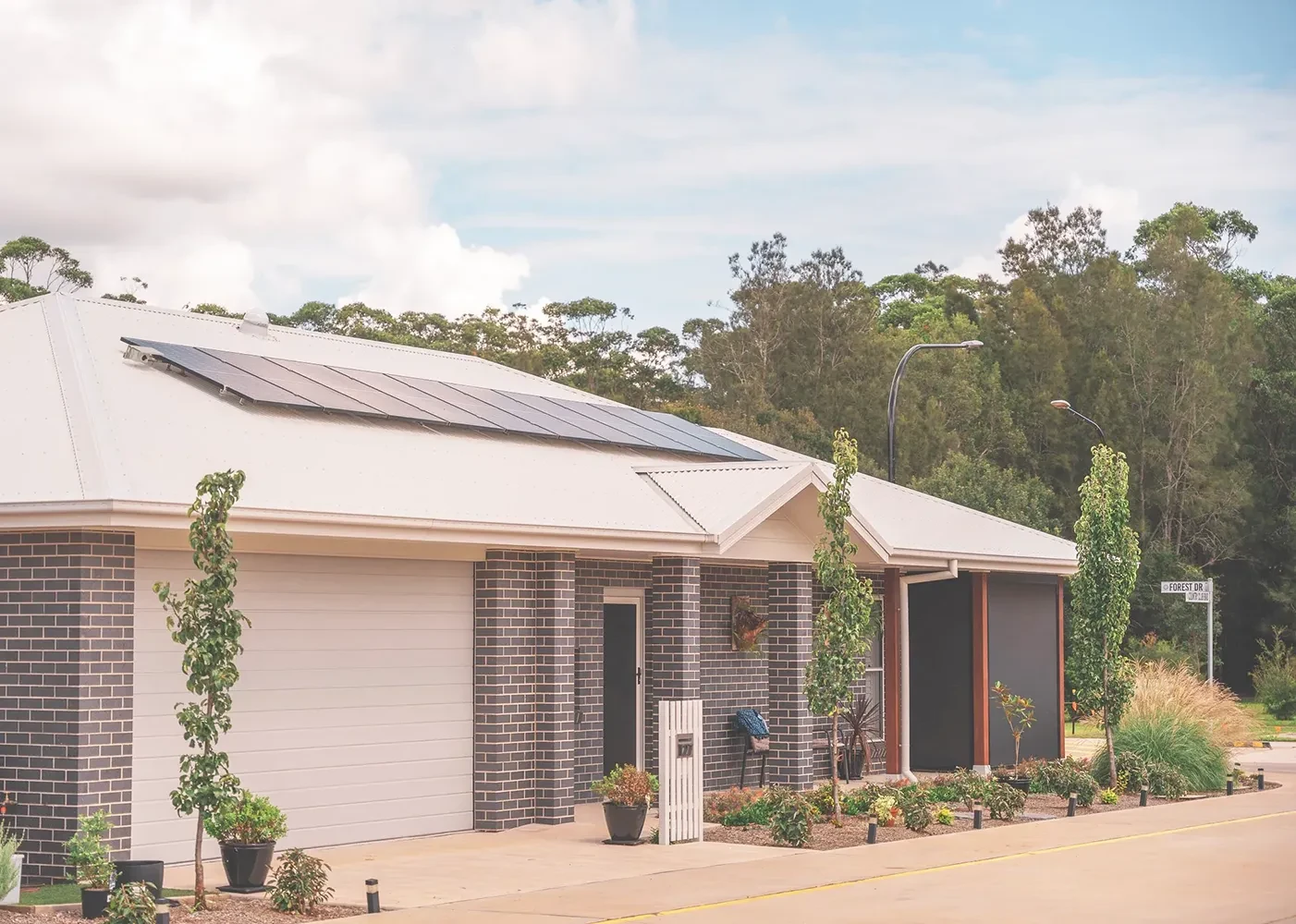
With booming solar adoption, Newcastle is quickly becoming a sustainable region with homes and businesses adoption the technology. What's happening?
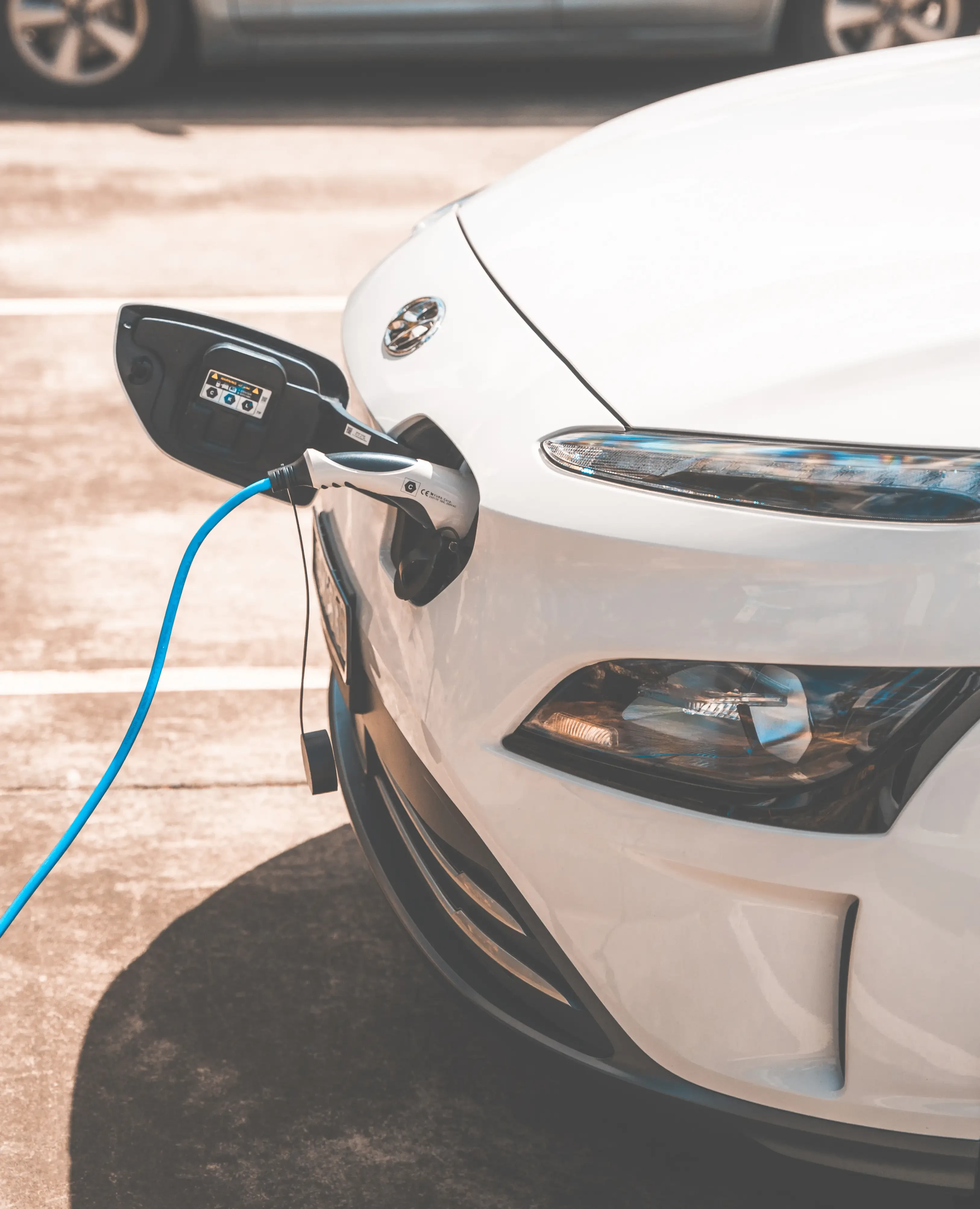
Differences between bidirectional Vehicle-to-Grid (V2G), Vehicle-to-Home (V2H), Vehicle-to-Load (V2L), and compatible chargers and EVs in Australia.
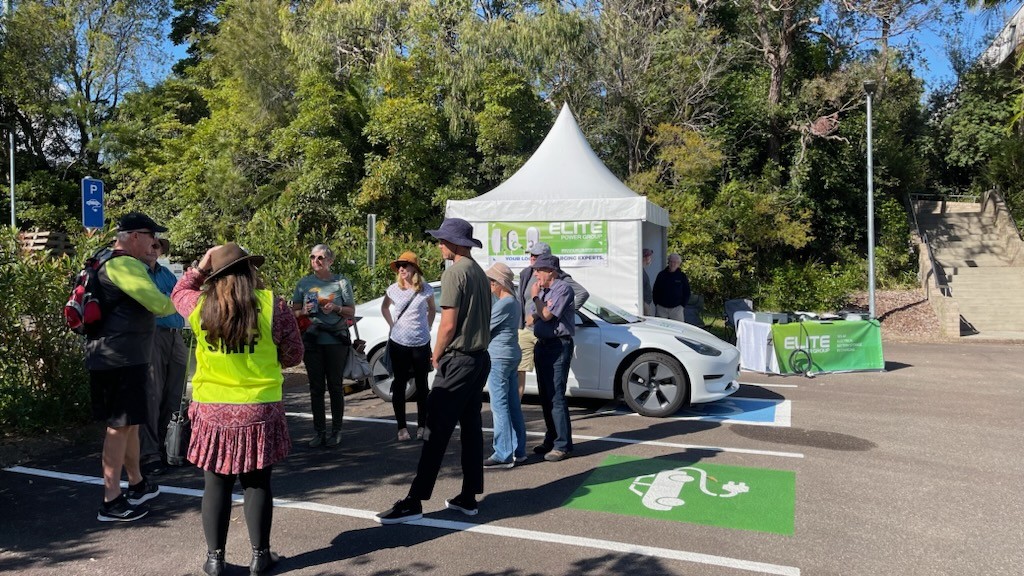
Our team attended the Electric Vehicle open day in Lake Macquarie hosted by Lake Macquarie City Council, and what a day! From all the fun events, to the informative aspects, everyone definitely got something out of the day.
Renewable News Articles
We've invested in becoming fully-licenced and qualified installers to ensure Newcastle homes and businesses
get the best systems and installations possible. We want to assist Newcastle's renewable energy revolution with quality systems.
Certified solar system installers near you.
Get CEC-Approved Battery Installations.
Fully-licenced electricians in Newcastle.
Convenient EV charging stations for properties.
Leave a Comment