Newcastle's Leading Residential & Commercial Solar Installers

Newcastle's Leading Residential & Commercial Solar Installers
Posted 7 Feb
Want the latest in energy, solar, and savings?Subscribe to our newsletter – we don’t spam!
Last updated: 6/7/2026
If you've ever looked at your electricity bill and seen your usage split into peak, shoulder, and off-peak periods - those time slots directly determine what you pay per kilowatt-hour.
Quick answer: in NSW, peak electricity generally runs 2pm–8pm in summer or 5pm–9pm in winter, off-peak is 10pm–7am every night, and shoulder covers everything in between. Energy Australia, AGL and Origin each apply their own version of this on top of their own rates, so jump to the table below if you want your specific retailer.
For households wanting to cut energy costs, knowing when these periods fall and which tariff you're on can mean paying 70c/kWh during peak
hours versus as little as 30c/kWh off-peak - less than half the price for the exact same appliance running for the same amount of time.
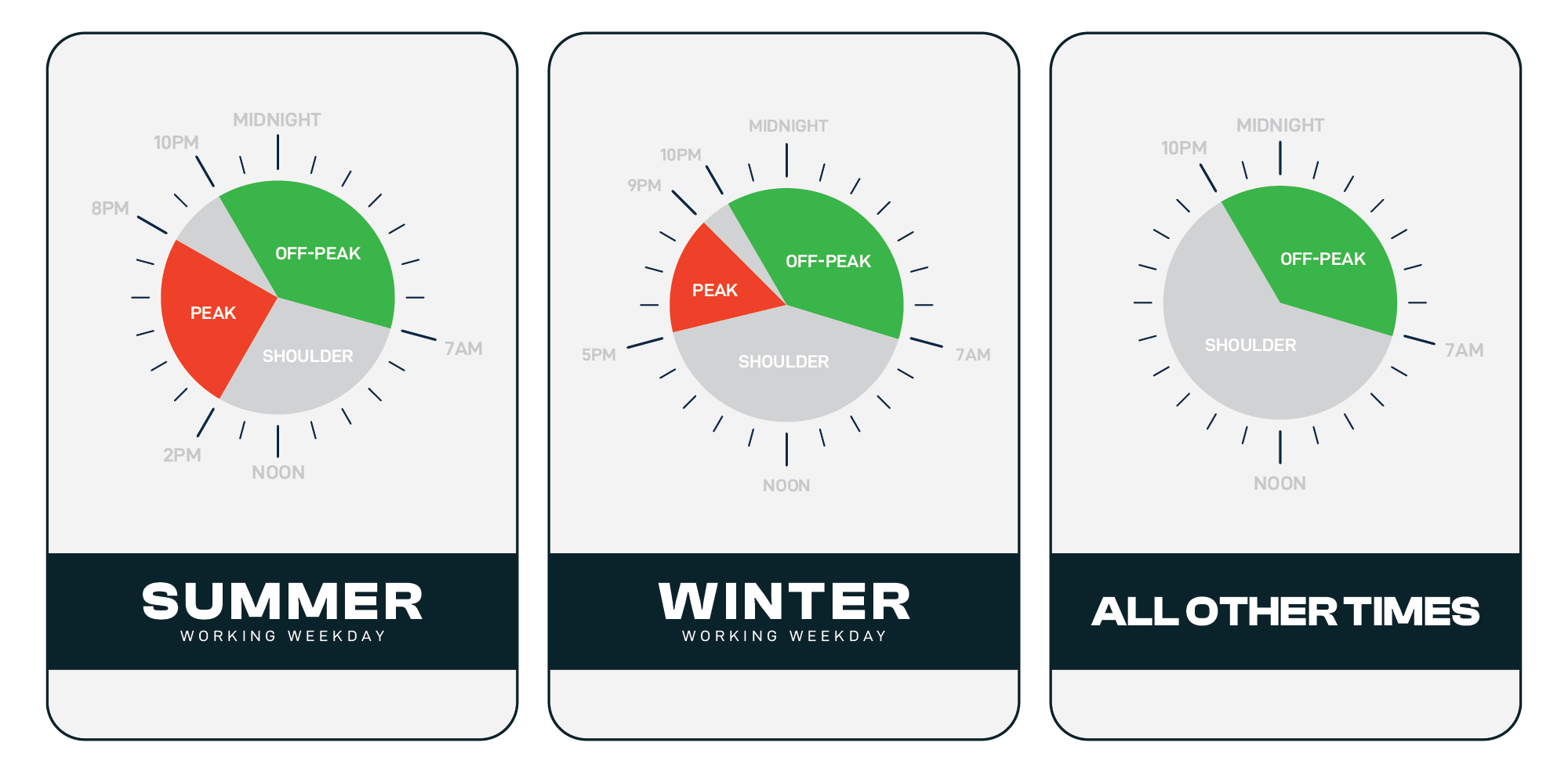
Showing peak time period, off-peak time period, and shoulder time period in Australia in a simple diagram.
Peak electricity in NSW is from 2-8pm (Summer), and 5-9pm (Winter).
Peak periods are the most expensive hours on a time-of-use plan - typically costing round 65-70c/kWh.
Shoulder periods run 7am-2pm & 8-10pm (Summer), and 7am-5pm & 9-10pm (Winter).
Priced between peak & off-peak, shoulder hours are mid-range and apply on weekdays only.
Off-peak electricity runs 10pm-7am every day.
The cheapest period on a time-of-use plan, usually costing around 20-30c/kWh, idea for high-consumption.
Here's how the times and approximate rates stack up across the retailers most NSW households are with, plus the Ausgrid network default for anyone whose retailer isn't listed below - retailer vs. distributor comparison below the table.
| Retailer | 🔴 Peak Times | 🟡 Shoulder Times | 🟢 Off-Peak Times | Approx. Rates |
|---|---|---|---|---|
|
Energy Australia |
Summer:
2pm – 8pm Winter: 5pm – 9pm Weekdays (excl. public holidays) |
Summer:
7am–2pm & 8–10pm Winter: 7am–5pm & 9–10pm |
10pm – 7am (daily) |
Peak
~70c/kWh Off-peak ~30c/kWh |
| AGL | 2pm – 8pm (all days) Incl. weekends · ~18% of week | 7am–2pm & 8–10pm ~45% of the week | 10pm – 7am (daily) ~37% of the week |
Peak
~65c/kWh Off-peak ~30c/kWh |
|
Origin Energy |
7–9am & 5–8pm Business days only (NSW & ACT) | 9am–5pm & 8–10pm Business days only |
10pm
– 7am (weekdays) All weekend |
Varies by plan Check energymadeeasy.gov.au |
|
GloBird Energy |
3pm – 9pm (all days) Incl. weekends · ~25% of week | No shoulder period | 9pm – 3pm next day ~75% of the week |
Peak
~56c/kWh Off-peak ~30c/kWh Rates updated Jan 2026 |
|
Ausgrid network default |
2pm – 8pm Two-rate structure since Jul 2024 | Merged into off-peak As of Jul 2024 — some retailers still use 3 rates | All other times |
Peak
~65c/kWh Off-peak ~30c/kWh |
⚠️ Times and rates are indicative for residential customers on the Ausgrid network (Sydney, Newcastle, Hunter & Central Coast). Your exact periods depend on your distributor, meter type, and specific plan. Always confirm with your retailer or compare at energymadeeasy.gov.au. Rates are GST-inclusive approximates as of mid-2026.
Your retailer, Energy Australia, AGL, Origin, GloBird and so on, is who sends you a bill each month, but they're not who decides when your peak and off-peak periods actually fall. That's set by your distributor, the company that owns and runs the physical poles and wires in your area. Across most of Sydney, Newcastle, the Hunter and the Central Coast, that's Ausgrid. Retailers apply their own rates on top of whatever time windows their distributor sets.
This is why searching "Energy Australia peak times" and "Ausgrid peak times" can turn up slightly different answers, and why two neighbours on different retailers, same street, same network, can end up with identical peak windows but different prices per kWh.
Since 1 July 2024, Ausgrid simplified its own network tariff down to two periods, peak and off-peak, dropping the separate shoulder rate at the network level. Some retailers still publish their own three period plans on top of this though, which is why you'll still see a shoulder rate on some bills even though the underlying network tariff no longer has one. If you're ever unsure which version applies to you, your bill or plan fact sheet has the final say.
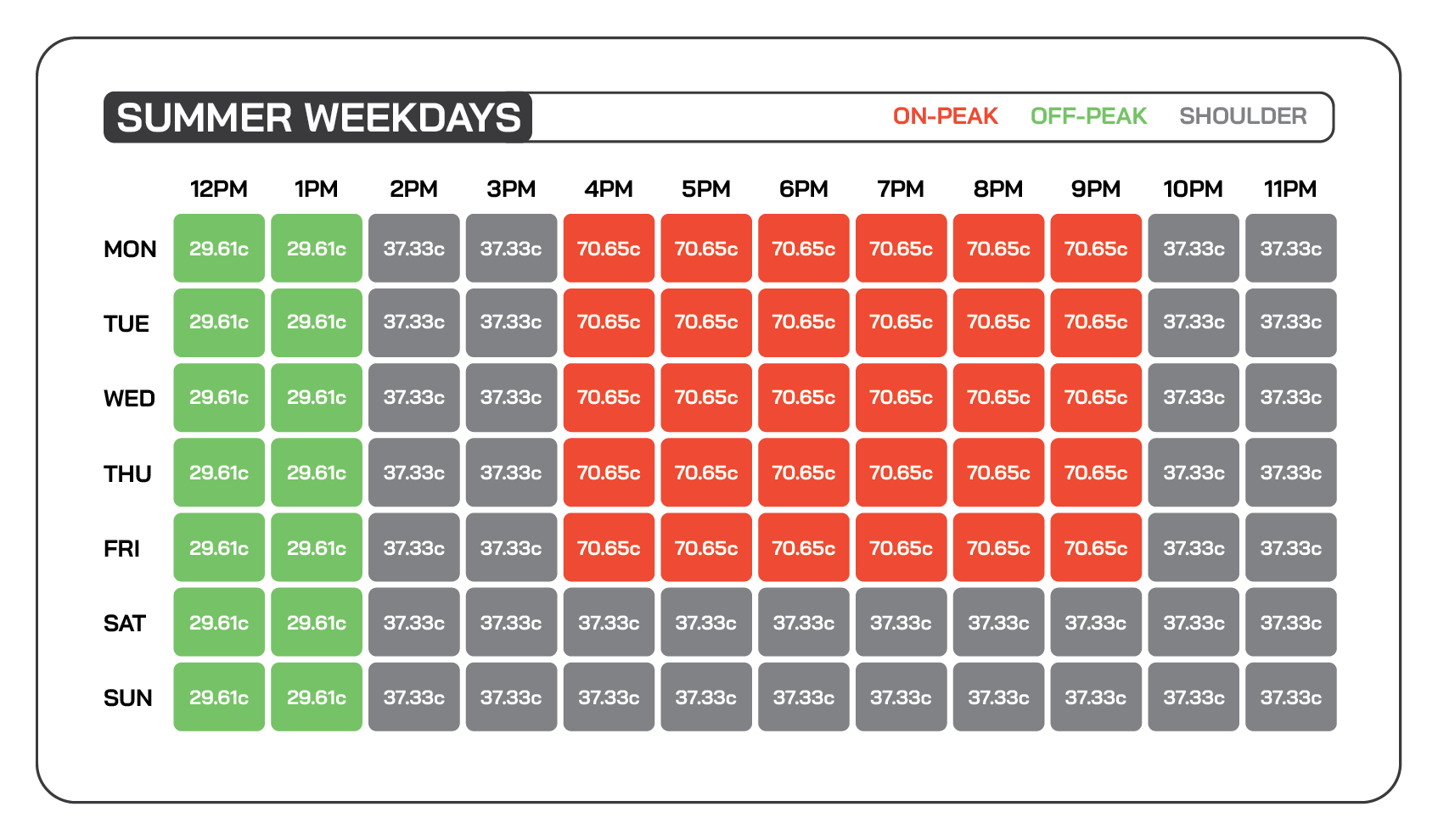
With all the different energy retailers available, it may be a little confusing trying to keep up with what time peak, shoulder, and off-peak hours are. Here's a quick breakdown of Energy Australia's, AGL's, Origin's, and Globird's peak and off-peak times.
Comparing these electricity prices, if you were to run the same appliance during a peak period (2-8pm) vs. an off-peak period (10pm-7am), it would cost you more than double to run the exact same appliance for the same amount of time.
Whilst we hear the word 'tariff' around the global arena, the word also represents the energy 'plan' you're on. An electricity tariff refers to a pricing structure that your energy retailer uses to bill you for your electricity consumption.
Every property in Australia will have unique lifestyles and energy consumption habits which will vary in the most suitable tariff for
that property. Finding the right electricity tariff can depend on a few factors. Below are the main 4 tariffs available throughout NSW:
|
TARIFF TYPE |
BEST FOR |
PEAK/OFF-PEAK PRICING? |
|
|
Flexible households, EV Owners | Yes |
|
|
Peak hour households, predictable budgets | No |
|
|
Low peak-consumption households & businesses |
Partial |
|
|
Hot water, pool pump, floor heating | Separate meter |
|
|
3 hours of free electricity everyday | No |
A time-of-use electricity tariff is designed to charge different rates depending on the time of day. Peak energy hours are charged the most, shoulder is charged at a medium rate, and off-peak is when electricity is cheapest.
Who are time-of-use tariffs for? Most households run on a time-of-use energy tariff which can be flexible for homes that run appliances overnight, charge electric vehicles, or operate high-consuming appliances like pool pumps or hot water systems. (Did you know that most hot water systems are on a timer that take advantage of off-peak electricity overnight?)
This kind of electricity plan is suited to those who have flexibility in when they use electricity, incentivising off-peak consumption.
For residents who consume most of their energy during peak periods, it can become very expensive to run basic appliances for cooking,
cooling, or entertainment.
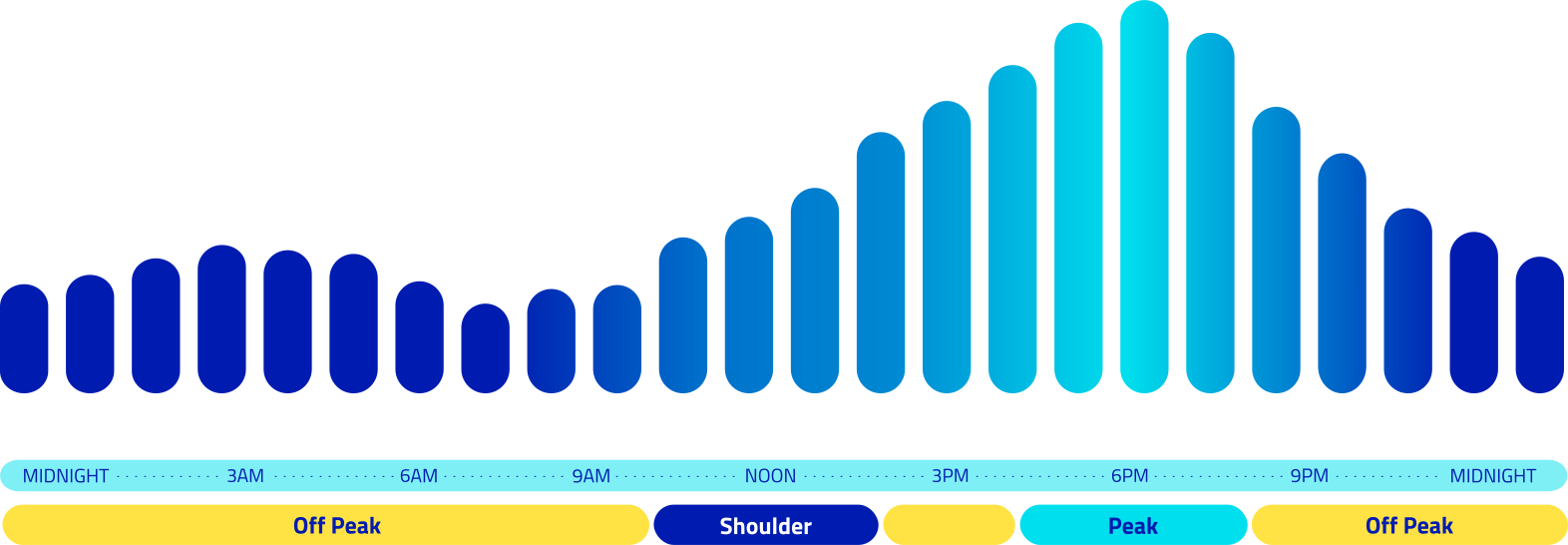
Since 2024, Ausgrid combined both shoulder periods with off-peak periods, making it easier to differentiate on vs. off-peak prices for consumers. AGL on-peak times generally occur between 2pm - 8pm, and off-peak around 10pm - 7am. Based on AGL's standing offer, peak period prices come in at around $0.65c/kWh, and off-peak electricity prices around $0.30c/kWh.
Unlike a time-of-use tariff which is variable depending on the hour of the day, a flat rate tariff remains consistent throughout the day and night. There are no peak and off-peak periods which means that your electricity costs remain consistent whether the electricity is during a peak or an off-peak period. Depending on the retailer, flat rate electricity tariff prices range from 30-40c/kWh.
Who are single rate tariffs suited for? A single rate tariff is suited for homes that use most of their electricity during peak periods and for those who prefer consistent and predictable electricity bills. Flat rate plans are a great choice for workers who return home at dinner time and consume their energy right in the middle of peak electricity hours.
Is a Flat rate or Time-of-use tariff better? Whilst flat rate tariffs are simple, they are less cost-effective compared to taking advantage of off-peak electricity pricing. If your household can take advantage of off-peak electricity prices, a flat rate tariff may prevent savings.
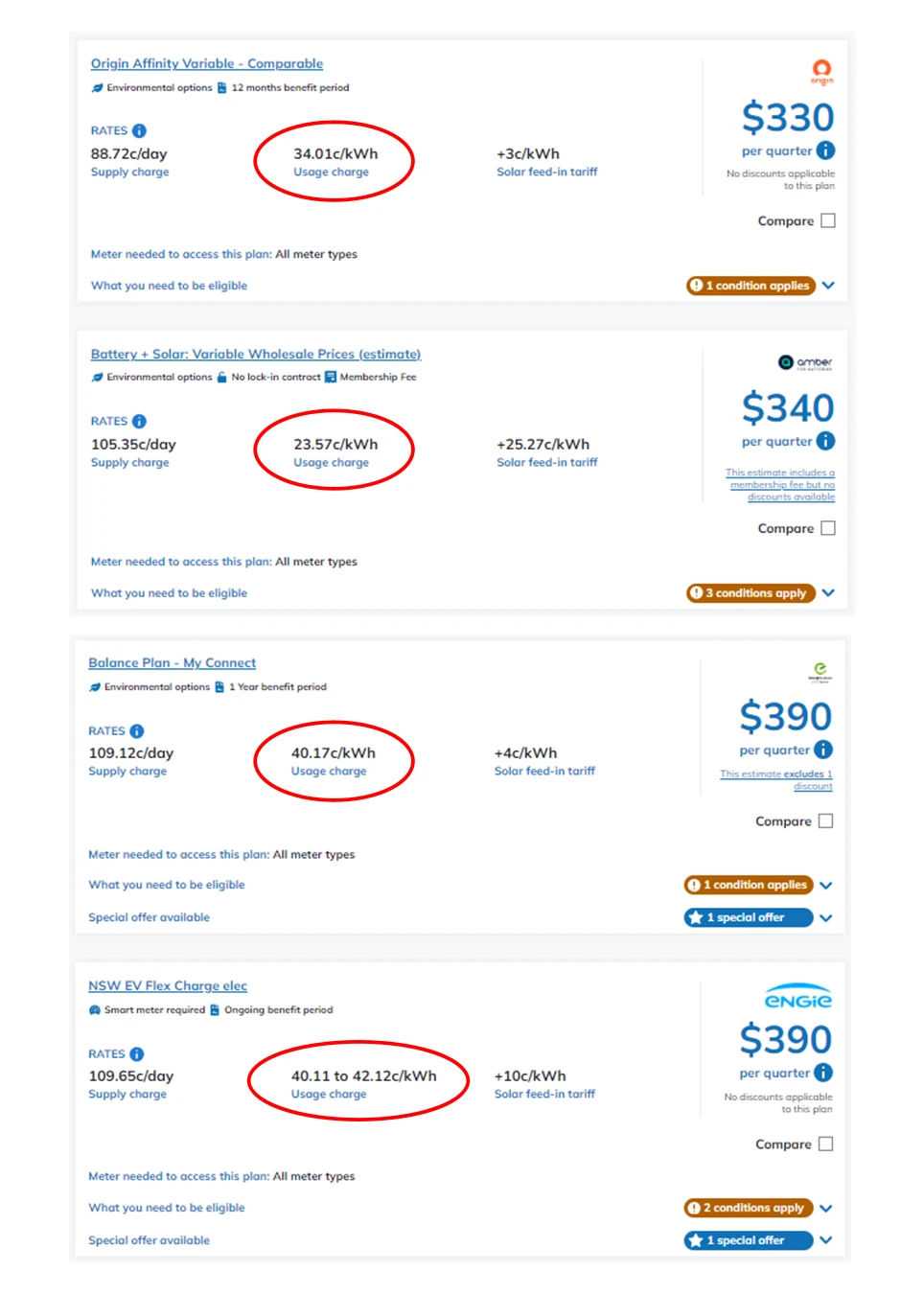
Demand tariffs, also known as demand charges on electricity bills, incentivise customers to use less energy in peak periods.
How are demand charges calculated? Demand charges look at your maximum electricity consumption during peak hours. Measuring in 15 or 30-minute block intervals each day during a month, the block with the highest consumption will be your highest energy consumption.
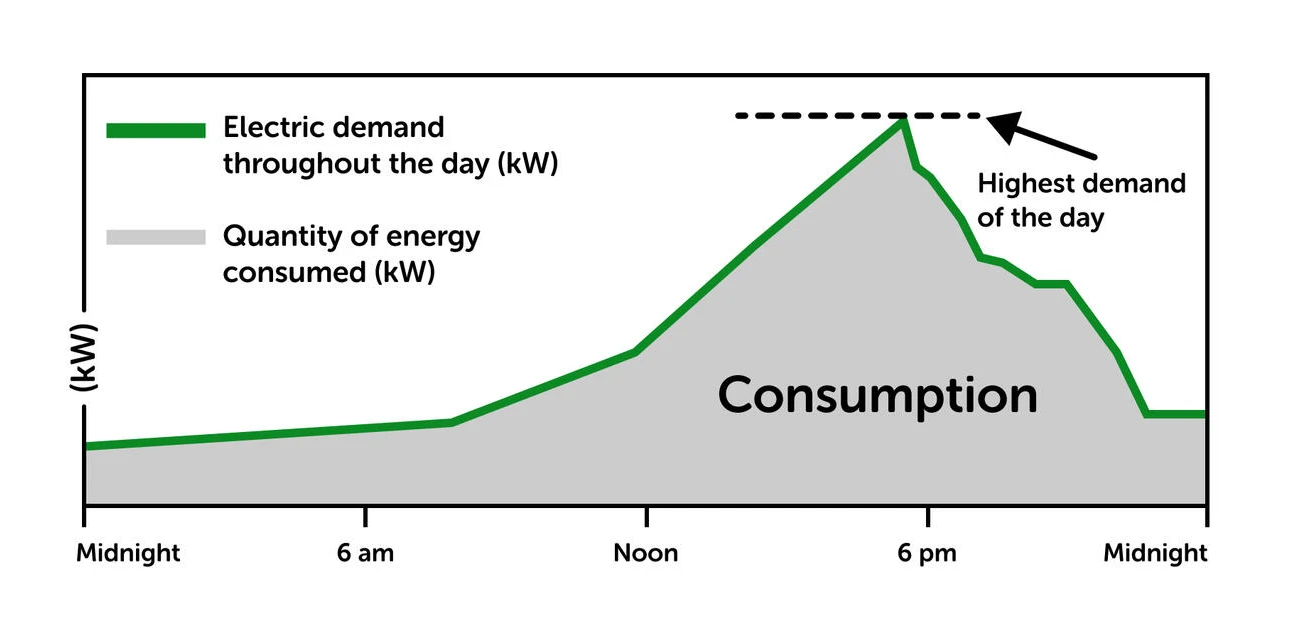
Rather than solely focusing on the amount of energy being used, a demand tariff also takes into account the amount of power being drawn. Running multiple high-consuming appliances like air-conditioning, pool pumps, and ovens at the same time can cause spikes which increase the demand charge portion of your electricity bill.
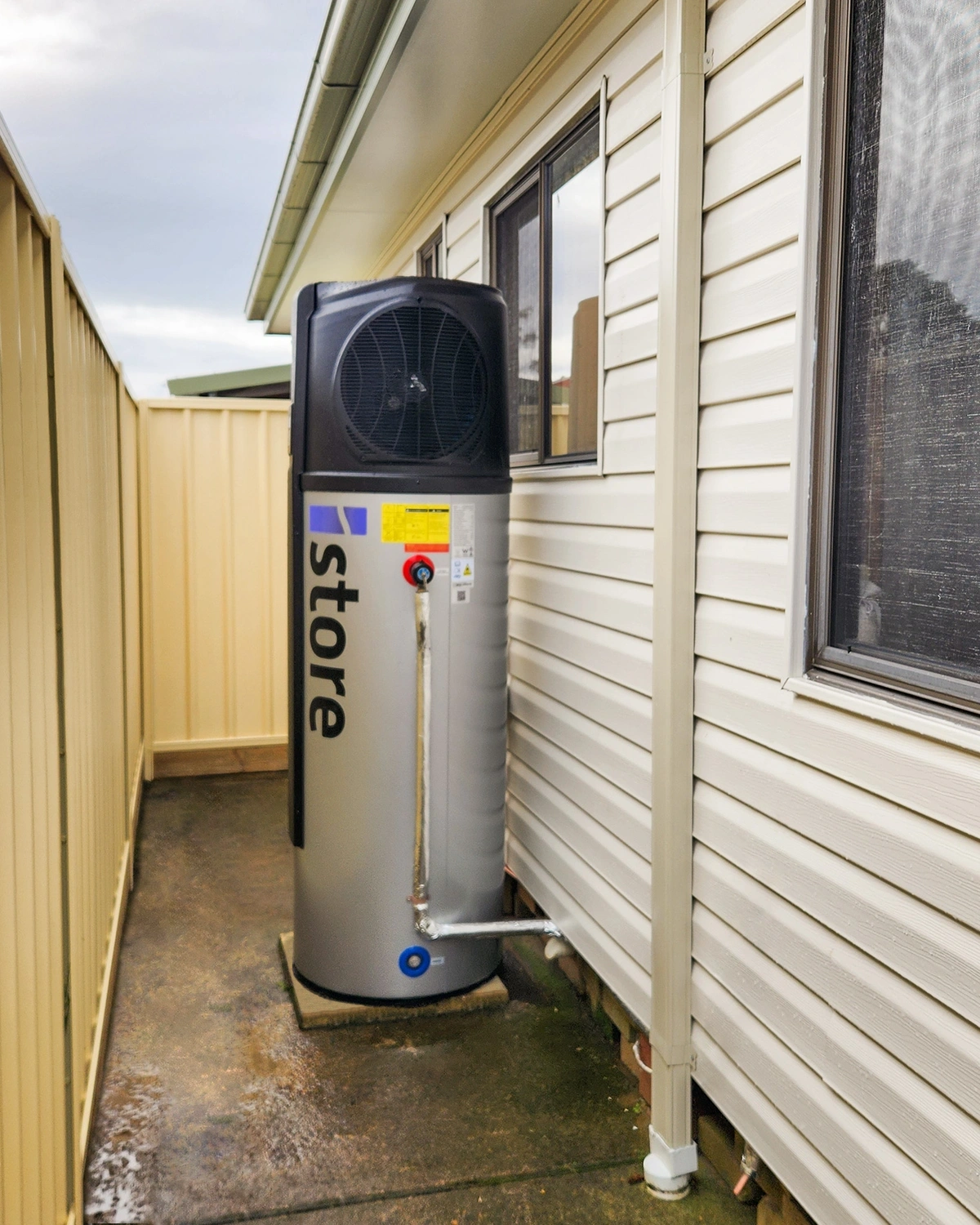
A controlled load is a tariff for specific stand-alone appliances like electric hot water heaters, pool and irrigation pumps, and underfloor heating. They're designed to power systems that don't need instant consumption, only powered during periods where electricity is generally cheaper than off-peak rates.
Controlled loads are managed remotely by electricity providers where appliances are powered usually overnight or during low-demand periods.
Because they are on their own meter, it's easier to track individual usage which can be billed at a separate rate than your general household consumption.
Ausgrid's controlled
tariff
periods include:
WHAT ARE SMART METERS?
A Smart Meter is essentially a tool that can be installed to allow properties to see accurate and clear data of their energy consumption, which allows the owner to make informed decisions about when and how long to use appliances.
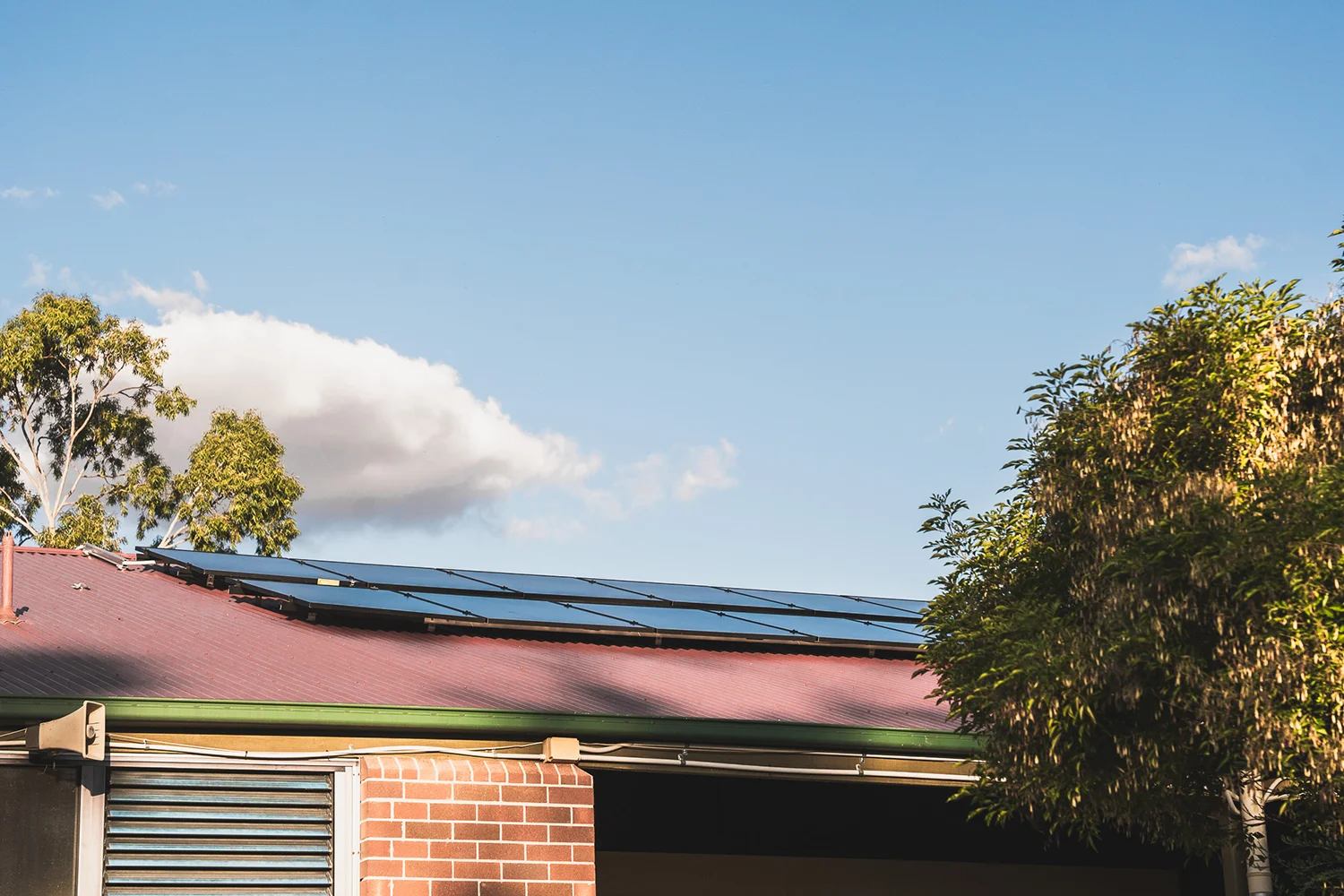
One of the most well-known rebates across Australia is the solar feed-in-tariff, which enables homeowners to export their excess solar power for credit on their electricity bill.
In recent years, the value per kWh of exported solar has been reduced as more and more households continue to rely on solar production.
Depending on which energy provider you're with, they offer various packages and incentives which helps homeowners access higher rewards, mostly ranging from 3-5c/kWh exported.
Whilst the solar export reward used to be much higher, there is still a great opportunity for large energy consumers to greatly offset their daytime electricity usage with the solar they generate.
Households are no longer focused on exporting, but consuming the power they produce. This is also maximised with battery storage where homeowners can continue consuming stored solar long into the night.
With the transition to renewable energy happening, we will most likely see a higher rate of grid failures and higher grid energy costs as coal-fired power stations close across Australia. We believe now is the best time ever to invest in solar as rebates are still available (not for long), and the rapidly growing demand for grid security.
If you want to see if you’re on the cheapest energy plan, we recommend visiting ‘Energy
Made Easy’
where you can simply compare energy plans, it’s great.
The journey of bidirectional charging in Australia has hit a milestone with the recent approval of the new standard for vehicle-to-grid (V2G) charging for 2025.
Read moreFor cabins, homes, and sheds with limited or no access to grid energy, getting an off grid solar and battery storage system may be worth it in NSW in 2025.
Read moreEveryone has seen a solar installation a normal roof like tin or tiled roofs, but have you ever seen a solar installation a roof made of Brass? Well we did one...
Read moreWith the release of the new Clean Energy Council (CEC) H1 2024 report on solar and battery storage, it gives an idea of the upward path of Australia’s renewable energy adoption.
Read moreAmber & ARENA have started trials for Vehicle-to-grid technology in NSW, Australia to help develop standards and framework in V2G and Bidirectional charging.
Read moreCompare Tesla Powerwall 2 vs Powerwall 3 in Australia. See differences in capacity, power output, dimensions, specifications, pricing & solar compatibility.
Read moreExplore solar battery fire risks, hazards, and statistics, and if solar batteries are safe to install for homes in NSW, Australia. (Spoiler alert.. they are!)
Read moreThough bidirectional charging isn't available, vehicle-to-grid is already turning heads in Australia with its potential to change energy consumption and distribution.
Read moreExplore how Australia's energy is evolving with t like Microgrids, DER's, Virtual Power Plants, & Demand Response, for solar and battery systems.
Read moreLearn alternating and direct current, and the differences between AC vs. DC with real-life examples and diagrams of power flow and voltage in Australia.
Read moreEverything NSW businesses need to know about commercial battery storage - costs, benefits, peak shaving, backup power, and how to choose a system.
Read moreIn the new 2024 CEC report, they found that renewable contribution in the overall supply of energy in Australia, produced 40% of Australia’s total electrical supply.
Read moreSo you've invested in solar to reduce your electricity bills, but since then your bills are still high? Explore why your energy bills are still high even after solar.
Read moreLearn electricity tariffs like single-rate, controlled loads, and time-of-use tariffs where on and off peak pricing occurs through retailers like energy australia.
Read moreExplore the differences between single phase vs. three phase power, and how 1 phase and 3 phase electricity works with real-life examples in Australia.
Read moreIf your solar panels are dirty, explore easy ways to DIY clean your solar panels, or when to get your system cleaned by a professional solar cleaner in Australia.
Read moreBatteries store energy as chemical potential energy, released as electrical current once connected to a circuit. Learn how batteries store & release energy.
Read moreNow is the best time to invest in solar panels.. here are 4 reasons why Australians should invest in solar energy before it's time runs out for 2024.
Read moreExplore the National Electricity Market (the NEM), and how it interconnected 5 states with electricity distribution to balance demand and supply in Australia.
Read moreDiscover how agrivoltaics can benefit farms by combining agriculture and solar energy to increase sustainability and agricultural production in NSW.
Read moreThe energy required to heat hot water is quite high and for most Australian households. Here are some strategies on how to save on your hot water heating bill.
Read moreWhat's the best Solar EV Charger? Zappi or the Wattpilot? We have put together a side-by-side comparison, including the pro’s and con’s for both EV chargers.
Read moreWith booming solar adoption, Newcastle is quickly becoming a sustainable region with homes and businesses adoption the technology. What's happening?
Read moreDifferences between bidirectional Vehicle-to-Grid (V2G), Vehicle-to-Home (V2H), Vehicle-to-Load (V2L), and compatible chargers and EVs in Australia.
Read moreOur team attended the Electric Vehicle open day in Lake Macquarie hosted by Lake Macquarie City Council, and what a day! From all the fun events, to the informative aspects, everyone definitely got something out of the day.
Read moreRenewable News Articles
Sign up for new article updates - we don't spam.
We've invested in becoming fully-licenced and qualified installers to ensure Newcastle homes and businesses
get the best solar, battery, and electrical systems available. We want to assist Newcastle's renewable energy revolution with quality
installations for maximum customer satisfaction.
Certified solar system installers near you.
Get CEC-Approved Battery Installations.
Fully-licenced electricians in Newcastle.
Convenient EV charging stations for properties.
Leave a Comment