Hunter Valley's Leading Residential & Commercial Solar Installers
Hunter Valley's Leading Residential & Commercial Solar Installers
Posted 14 Sep
Want the latest in energy, solar, and savings?Subscribe to our newsletter – we don’t spam!
The renewables rebate landscape in NSW has changed dramatically over the last few years, and has grown well beyond one rebate for each energy solution. There's a distinct incentive for homeowners, another for people with existing battery storage, and separate ones for apartment buildings and businesses.
This guide helps those find the right rebates and incentive that are made for you, from 0% interest-free loans, to the federal battery
subsidy, let's explore which one you're eligible for, and how they fi t together to help you maximise your savings.
| Program | What it's for | Who it's for | Status |
|---|---|---|---|
| Federal | |||
| Small-scale Renewable Energy Scheme (SRES) | Solar | Homes & most businesses | Available Reducing to 2030 · expanding to 1MW for commercial from Oct 2026 |
| Cheaper Home Batteries Program› | Battery | Homes & businesses | Available Discount reducing to 2030 |
| NSW State · Peak Demand Reduction Scheme | |||
| BESS1 — Home & Small Business | Battery / VPP incentive | Homeowners & small business | Available |
| BESS2 — Existing Battery | VPP / demand response | Owners of an existing battery | Available |
| BESS3 — Apartment Buildings | Battery / VPP incentive | Strata buildings, 4+ dwellings | Available |
| BESS4 — Small & Medium Business | Battery / VPP incentive | SME sites | Available |
| BESS5 — Commercial & Industrial | Battery / VPP incentive | Large commercial & industrial | Available |
| Other | |||
| NSW Home Energy Saver Loan› | Solar, battery & other upgrades | Eligible NSW households | Available 0% interest, no fees |
| Feed-in Tariffs | Solar & battery export | Anyone exporting to the grid | Available Ongoing |
Jump straight to the section that matches your property.
The main federal battery incentive for homes and businesses, discounting the upfront cost of an eligible battery based on its usable
capacity. The discount is tiered by size and steps down every January and July on the way to 2030.
Not a rebate, but it changes what any of these cost upfront: a 0% interest, no-fee loan from the NSW Government, covering solar, battery, EV
charging and other eligible upgrades from $2,000 to $15,000 over terms up to 10 years.
What used to be described as "the NSW VPP Incentive", one incentive for one type of household battery - is now five separate
activities under the state's Peak Demand Reduction Scheme (PDRS), each built around a different kind of property. They're referred to as
BESS1 through BESS5.
The direct successor to the old NSW VPP Incentive for most homeowners. The battery just needs to be aggregator-capable, signing up to an
actual VPP arrangement is optional and can earn further ongoing payments on top. NSW doesn't publish a fixed dollar figure for this
incentive; the amount depends on your battery's capacity (up to the 28kWh cap) and which provider and contract you choose, so it's worth
comparing offers before committing.
For a battery installed before these incentives existed, joining demand response now. Requires a formal 12-month VPP or aggregator contract
and pays at a lower rate than BESS1 with a shorter certificate life. BESS1 and BESS2 aren't stacked on the same battery - it's one
pathway or the other, depending on whether the battery is new or already installed.
Built for Class 2 apartment buildings with four or more dwellings, covering shared battery systems with a higher rate available if paired
with new solar within a set window. If you're managing or developing a multi-dwelling building in the Hunter, get in touch and we can walk
you through whether it stacks up for your building.
For small and medium business sites, with new solar required alongside the battery. The system needs to be connected to and controllable by a
demand response aggregator, and can only be claimed once per site.
The same idea scaled up further for larger commercial and industrial operations, with the incentive calculated on the first 10MWh. If you're
running a site with meaningful energy demand, this is worth a proper conversation with our commercial team, since the numbers change a lot
with scale.
WHICH OF THESE INCENTIVES APPLIES TO YOU?
Cheaper Home Batteries Program
NSW Home Energy Saver Loan
NSW STATE INCENTIVES: THE PEAK DEMAND REDUCTION SCHEME
BESS1 — Home & Small Business
2–28kWhNo VPP contract required
BESS2 — Existing Battery
Up to 28kWhVPP contract required
BESS3 — Apartment & Strata Buildings
20–200kWh4+ dwellings
BESS4 — Small & Medium Business
20–200kWhNew solar required
BESS5 — Commercial & Industrial
200kWh–30MWhNew solar required
What most people don't realise is that there are still valuable solar rebates and incentives designed to help people like you get discounted solar systems and further invest in the energy you produce.
Below is a rundown of the current solar rebates and incentives available through solar
installers in Newcastle.
(Open)
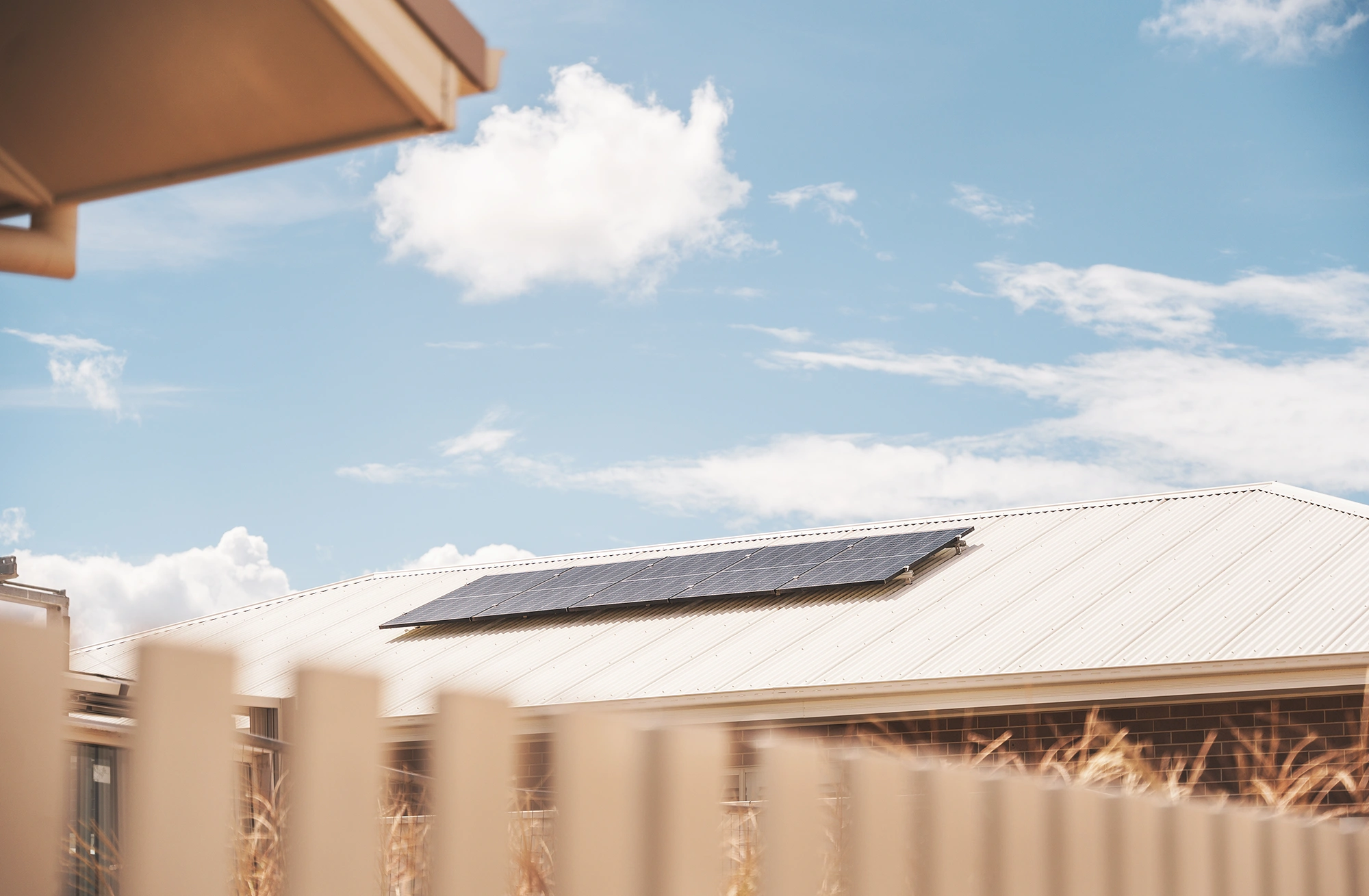
As the primary subsidy (technically not a rebate) for solar power in NSW, the Small-Scale Renewable Energy Scheme (SRES) is an incentive that encourages investments of both homes and businesses to install rooftop solar up to 100 kW that is less than 250 MWh per year, as well as solar water heaters and air sourced heat pumps.
The SRES is still available in 2026, but its benefits keep shrinking every year on the way to the scheme's scheduled end in 2030. The number of Small-scale Technology Certificates (STCs) your system earns is based on a "deeming period" that drops by one year every 1 January, so a system installed today generates fewer STCs than the same system would have a year or two ago. This means the amount you can save from investing in a system reduces every year - all the more reason to install sooner rather than later. Note this scheme does not include a rebate for battery storage on its own (see the Cheaper Home Batteries Program below for that).
(Open)
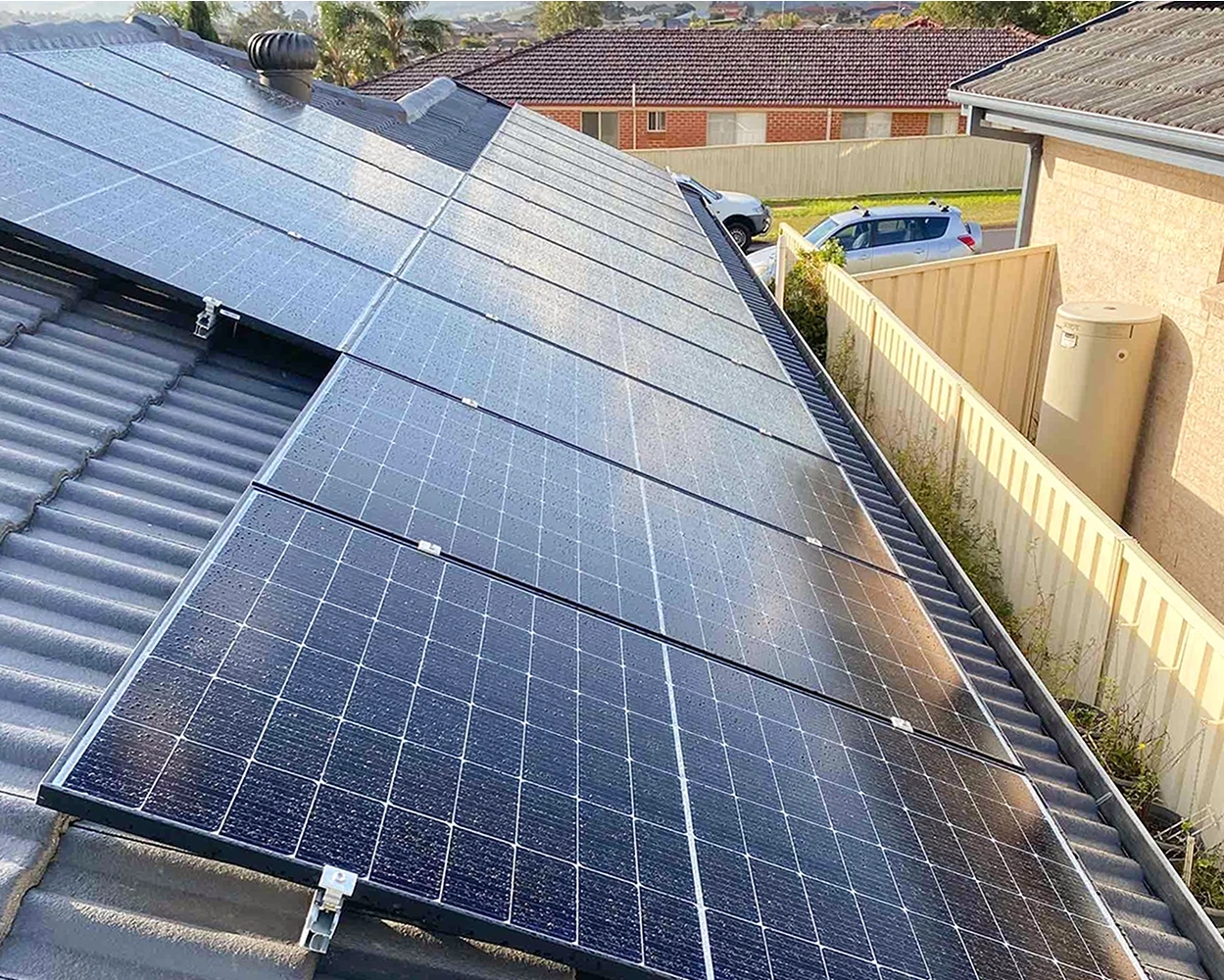
A feed-in-tariff is essentially a reward provided by your energy provider for feeding your excess solar energy back into the grid.
IPART's benchmark for the 2026-27 financial year has the flat, all-day feed-in-tariff sitting between 3.4 and 6.5 cents per kWh - down again from 4.8 to 7.3 cents in 2025-26, as more rooftop solar pushes daytime wholesale prices lower. The upside is that time-of-use plans now pay far more for evening exports, with benchmark peak rates of roughly 17 to 19 cents per kWh with Ausgrid and Endeavour Energy, and up to around 33 cents per kWh with Essential Energy. A battery that lets you shift your export until the evening peak, or a VPP that's paid to discharge at those times, is increasingly where the real value is.
.webp "Solar panel cells close up")
(Closed)
The more well-known solar rebates like the Solar Swap and Low-income household rebates are no longer available. The Low-Income Household rebate allowed eligible homes to get a free 3 kW solar system installed to help reduce electricity bills.
This was designed to allow homes to save on their electricity bills up to $600 a year, and was funded under a fixed term in the NSW Government’s COVID-19 economic stimulus package. The trial has since closed and been formally evaluated by the NSW Government.
The Solar Swap rebate has also ended, which allowed households who were eligible for the Low-Income rebate to exchange their rebate for a free 3 kW solar system. Neither program is accepting new applicants in 2026.
Homes and businesses can still get discounts on solar battery storage in 2026, though the mix of federal and
state incentives has changed. Here's what's actually available right now.
(Open)
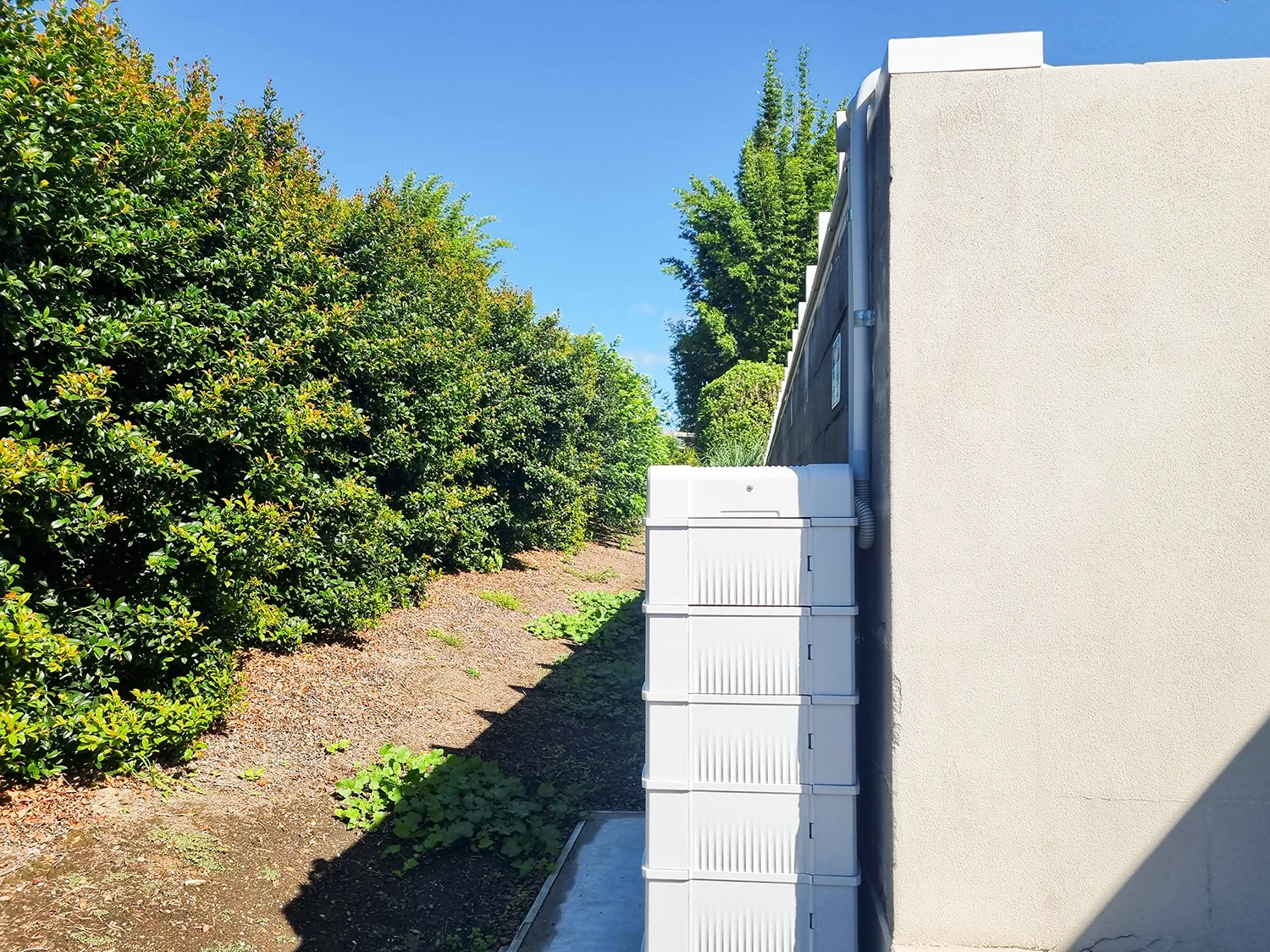
Since launching on July 1st 2025, the Federal Government's Cheaper Home Batteries Program has become the main battery rebate for homes and businesses across Newcastle, Maitland, and the Hunter. It works like the solar STC scheme: the discount is applied to your invoice up front by your accredited retailer, calculated from your battery's usable capacity, an STC "factor," and the current STC price (generally trading between $38 and $39, under a $40 government cap).
From 1 May 2026, the rebate rules changed: the STC factor now steps down twice a year instead of once, and larger batteries earn a smaller share of the incentive (the first 14 kWh of usable capacity is rebated in full, the next 14 kWh at a reduced rate, and any usable capacity above 28 kWh up to the 50 kWh cap at a much lower rate again). In practice, a typical 10 kWh battery now attracts a rebate of roughly $2,500-$2,600, down from around $3,200 before May 2026 - still a meaningful saving, but smaller than it was, and it will keep shrinking every 1 January and 1 July on the way to 2030.
In addition to solar battery rebates, NSW battery-owners can also take advantage of available Virtual Power
Plants (VPP) rebates and incentives to help reduce the overall cost of investing in energy storage. Here are the available VPP rebates in
NSW:
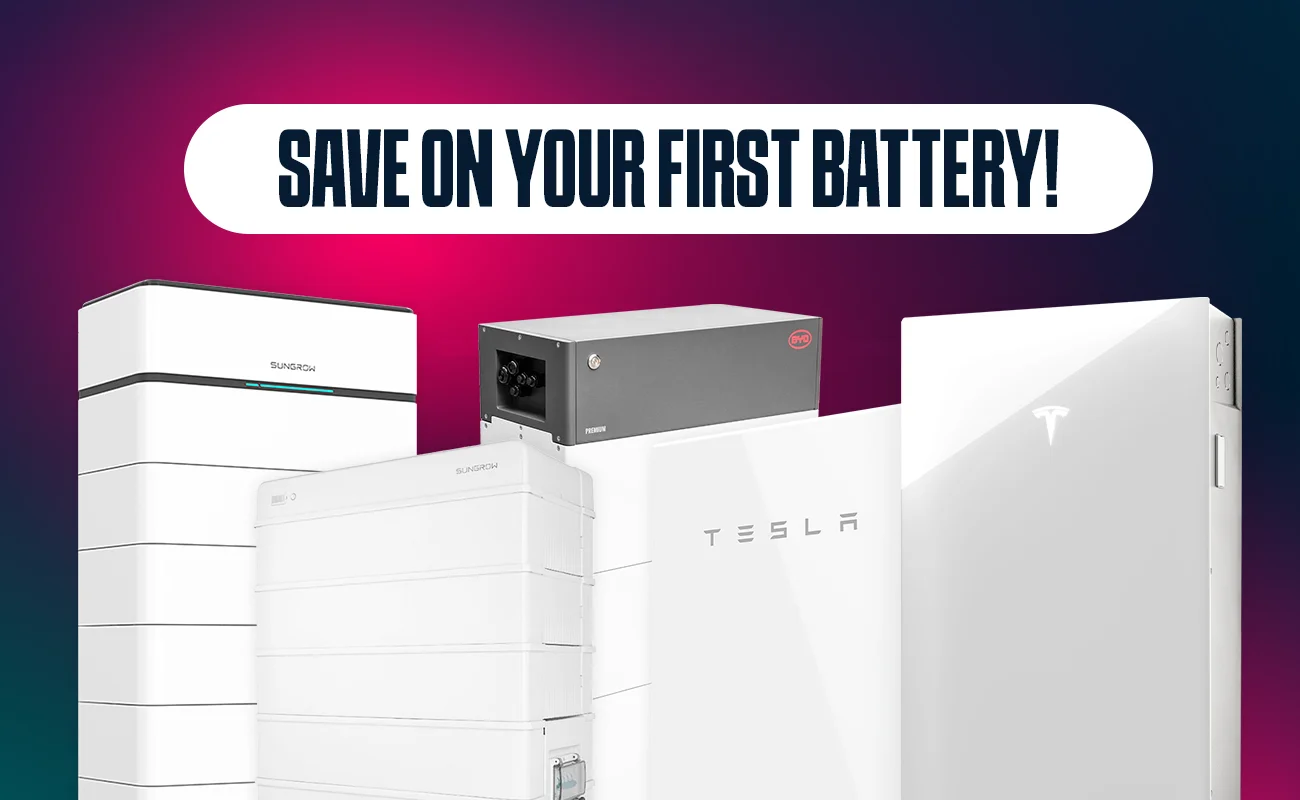
(Open)
Formerly known as the state-wide home battery subsidy, the Peak
Demand Reduction Scheme now serves as an incentive for primarily home VPPs and commercial and STRATA buildings.
Which providers offer the NSW VPP Incentive? The NSW VPP Incentive isn't something you apply for directly through the government, you sign your battery up with a participating retailer or VPP operator, and they handle the certificate side of things through an Accredited Certificate Provider. A number of retailers and specialist VPP-only operators run eligible programs in NSW, including Amber Electric among others, though the exact list of participating providers and their offers changes fairly often, so it's worth checking directly with a few before you sign up.
As time goes on, old rebates and subsidies phase out, and new ones come in to replace them - 2026 has already brought a reshuffle, with the federal Cheaper Home Batteries Program stepping in as the main battery incentive and NSW's own battery rebate shifting toward the VPP Incentive instead. There's still a good opportunity for most households to take advantage of not just one rebate, but a combination of them, all designed to encourage investment in your own energy.
Still need help? We help business and homeowners find their ideal energy solutions and maximise existing rebates and incentives.
The journey of bidirectional charging in Australia has hit a milestone with the recent approval of the new standard for vehicle-to-grid (V2G) charging for 2025.
Read moreFor cabins, homes, and sheds with limited or no access to grid energy, getting an off grid solar and battery storage system may be worth it in NSW in 2025.
Read moreEveryone has seen a solar installation a normal roof like tin or tiled roofs, but have you ever seen a solar installation a roof made of Brass? Well we did one...
Read moreWith the release of the new Clean Energy Council (CEC) H1 2024 report on solar and battery storage, it gives an idea of the upward path of Australia’s renewable energy adoption.
Read moreAmber & ARENA have started trials for Vehicle-to-grid technology in NSW, Australia to help develop standards and framework in V2G and Bidirectional charging.
Read moreCompare Tesla Powerwall 2 vs Powerwall 3 in Australia. See differences in capacity, power output, dimensions, specifications, pricing & solar compatibility.
Read moreExplore solar battery fire risks, hazards, and statistics, and if solar batteries are safe to install for homes in NSW, Australia. (Spoiler alert.. they are!)
Read moreThough bidirectional charging isn't available, vehicle-to-grid is already turning heads in Australia with its potential to change energy consumption and distribution.
Read moreExplore how Australia's energy is evolving with t like Microgrids, DER's, Virtual Power Plants, & Demand Response, for solar and battery systems.
Read moreLearn alternating and direct current, and the differences between AC vs. DC with real-life examples and diagrams of power flow and voltage in Australia.
Read moreEverything NSW businesses need to know about commercial battery storage - costs, benefits, peak shaving, backup power, and how to choose a system.
Read moreIn the new 2024 CEC report, they found that renewable contribution in the overall supply of energy in Australia, produced 40% of Australia’s total electrical supply.
Read moreSo you've invested in solar to reduce your electricity bills, but since then your bills are still high? Explore why your energy bills are still high even after solar.
Read moreLearn electricity tariffs like single-rate, controlled loads, and time-of-use tariffs where on and off peak pricing occurs through retailers like energy australia.
Read moreExplore the differences between single phase vs. three phase power, and how 1 phase and 3 phase electricity works with real-life examples in Australia.
Read moreIf your solar panels are dirty, explore easy ways to DIY clean your solar panels, or when to get your system cleaned by a professional solar cleaner in Australia.
Read moreBatteries store energy as chemical potential energy, released as electrical current once connected to a circuit. Learn how batteries store & release energy.
Read moreNow is the best time to invest in solar panels.. here are 4 reasons why Australians should invest in solar energy before it's time runs out for 2024.
Explore the National Electricity Market (the NEM), and how it interconnected 5 states with electricity distribution to balance demand and supply in Australia.
Read moreDiscover how agrivoltaics can benefit farms by combining agriculture and solar energy to increase sustainability and agricultural production in NSW.
Read moreThe energy required to heat hot water is quite high and for most Australian households. Here are some strategies on how to save on your hot water heating bill.
Read moreWhat's the best Solar EV Charger? Zappi or the Wattpilot? We have put together a side-by-side comparison, including the pro’s and con’s for both EV chargers.
Read moreDifferences between bidirectional Vehicle-to-Grid (V2G), Vehicle-to-Home (V2H), Vehicle-to-Load (V2L), and compatible chargers and EVs in Australia.
Read moreOur team attended the Electric Vehicle open day in Lake Macquarie hosted by Lake Macquarie City Council, and what a day! From all the fun events, to the informative aspects, everyone definitely got something out of the day.
Read moreRenewable News Articles
Sign up for new article updates - we don't spam.
We've invested in becoming fully-licensed and qualified installers to ensure homes and businesses get
the best solar, battery, and electrical systems available.
Certified solar system installers near you.
Get SAA-Approved Battery Installations.
Fully-licensed electricians Near You.
Convenient EV charging stations for properties.
Leave a Comment