Rooftop vs. Ground Mount Solar: Which is Better?⚡Australia
Explore whether rooftop or ground mounted solar systems are better for homes, farms, and remote properties needing solar PV power in Australia.
Read more
Newcastle's Leading Residential & Commercial Solar Installers
Posted 29 Jan
Want the latest in energy, solar, and savings?Subscribe to our newsletter – we don’t spam!
Like anything that is well-maintained, solar panels run optimally when they’re looked after. Depending on where your property is located, solar panels can gather dirt and moss which can negatively affect the your solar's daily generation.
Other elements such as leaves, bird droppings, and excess moss can all contribute to a reduction in solar panel production, so keeping the panels clean is essential to getting the most out of your system and investment.
Because solar panels rely on direct sunlight to produce its maximum power output, panels need clear and unobstructed to stay as efficient as possible.
To get the most out of your solar panels, your system should be regularly maintained and cleaned, with the removal of any bird droppings, layers of dirt, or moss that may be growing. Even with obstructions on a single cell, it can cause panel inefficiencies that may affect your whole system.
When your solar generation is reduced, your solar exports and savings are impacted which can affect your overall investment and timeframes.
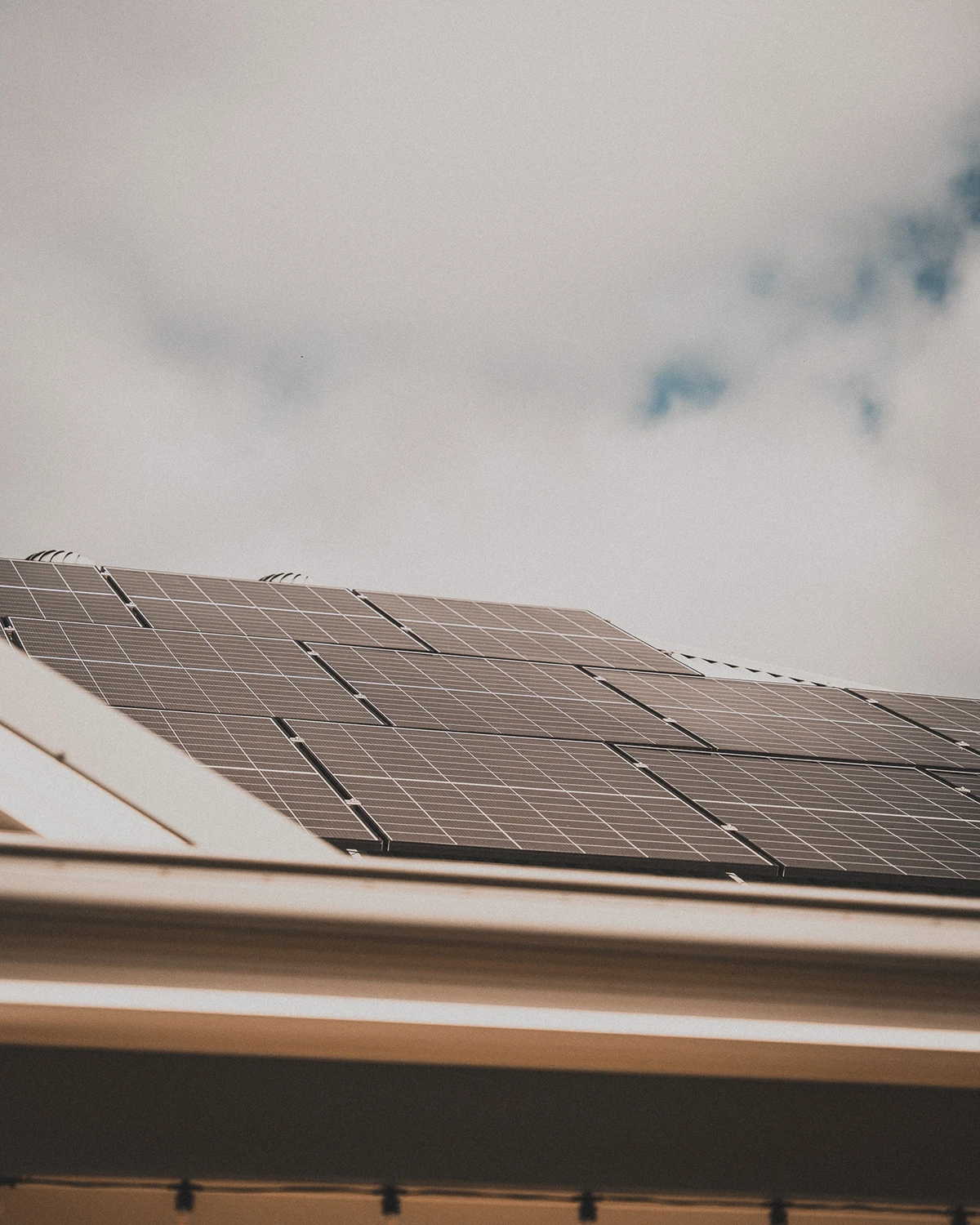
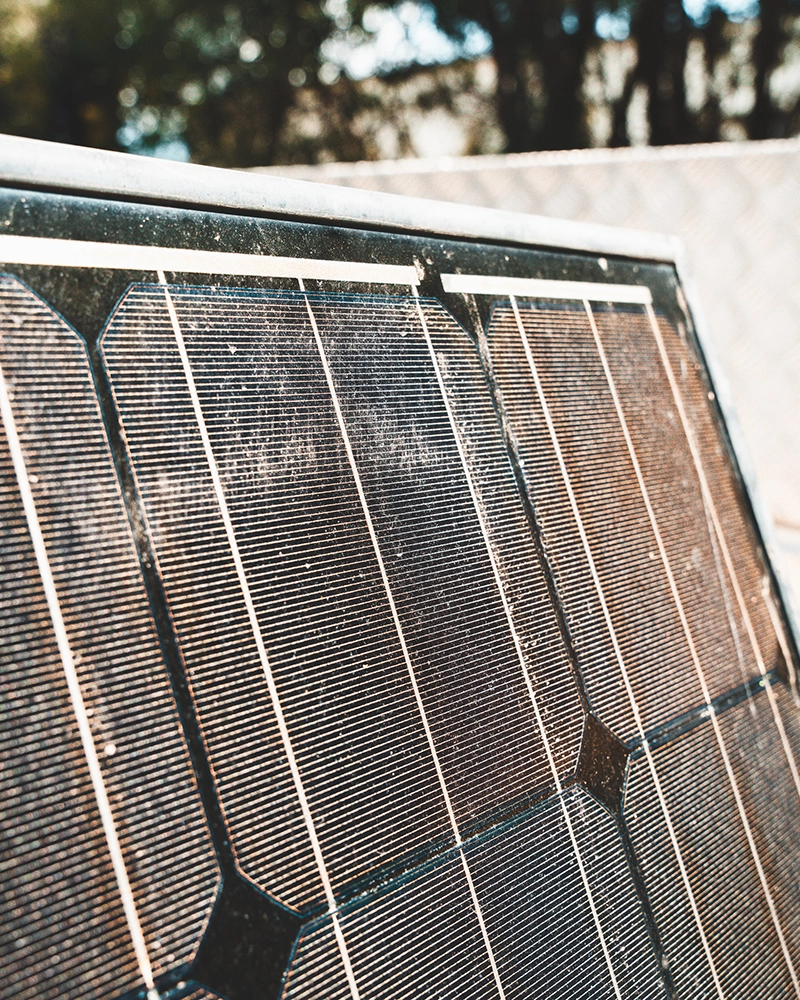
To determine how often you should clean your solar panels, it will depend on where your property is located, as well as the surroundings around your building.
'Dirty' solar panels can come in all forms, like simple layers of dust, or a mix of tree debris like leaves and sticks. If you live in a dusty location, the wind pushes the dust onto the panels which create layers over time that negatively impact your solar generation.
If your solar system is not exposed to surrounding trees, and isn't a dusty environment, you can get away with cleaning your solar panels once every 6-months to yearly.
In contrast, if your property is vulnerable to dust and tree debris exposure, you may need to clean and maintain your panels more often depending on the amount.
On average, it's good to at least visually inspect your solar panels every 6-months, and clean according to whether they look dirty or not.
To get started in cleaning dirty solar panels yourself, you'll need:
- a soft sponge or brush that doesn't scratch the glass (this could be an old
broom or car wash sponge)
- a hose /nozzle adjuster to rinse the dirty
water off, or soap when doing a deep clean.
- a soap solution that is water based to avoid harsh chemicals (optional)
- a ladder to access the roof
By combining a soft sponge or bristled brush with a water-based soap solution (which is optional), you avoid damaging protective layers and the glass to ensure your system stays operational. Water-based solutions also reduce the risk of damaging waterproofing and seals to confirm your panels are long-lasting.
To avoid needed to get on the roof, single-storey homes and use a hose nozzle to adjust the stream and reach the panels from the ground. This is actually the recommended way.
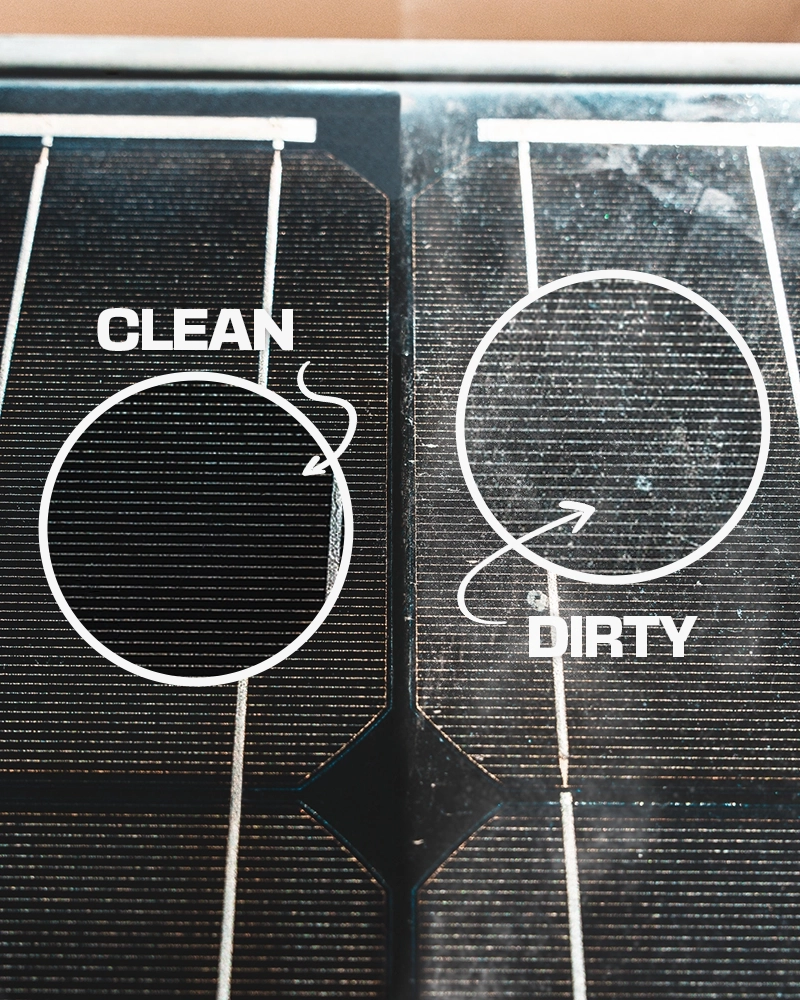
Whilst we recommend getting a professional to clean your solar panels, you can DIY clean them if you wish to.
When preparing to clean your solar panels, it is very important you identify risks in the process to avoid injury.
Elements like wet roofs and moss can be a slip hazard, unsecure ladders can cause injury, and fragile roof material could cause damage to you and your roof.
Cleaning your solar panels can use the hose and adjust the nozzle to best rinse the dirt and debris off. A pressure washer may be required but must not get too close to avoid seal penetration.
If you're on the roof, use your brush or sponge and scrub the dirt off and rinse away with the hose.
To ensure your clean was successful, you can compare your solar's performance vs. historical data to see how much better your system performs with less dirt and obstructions.
If your system still underperforms, you may be due for a system health check.
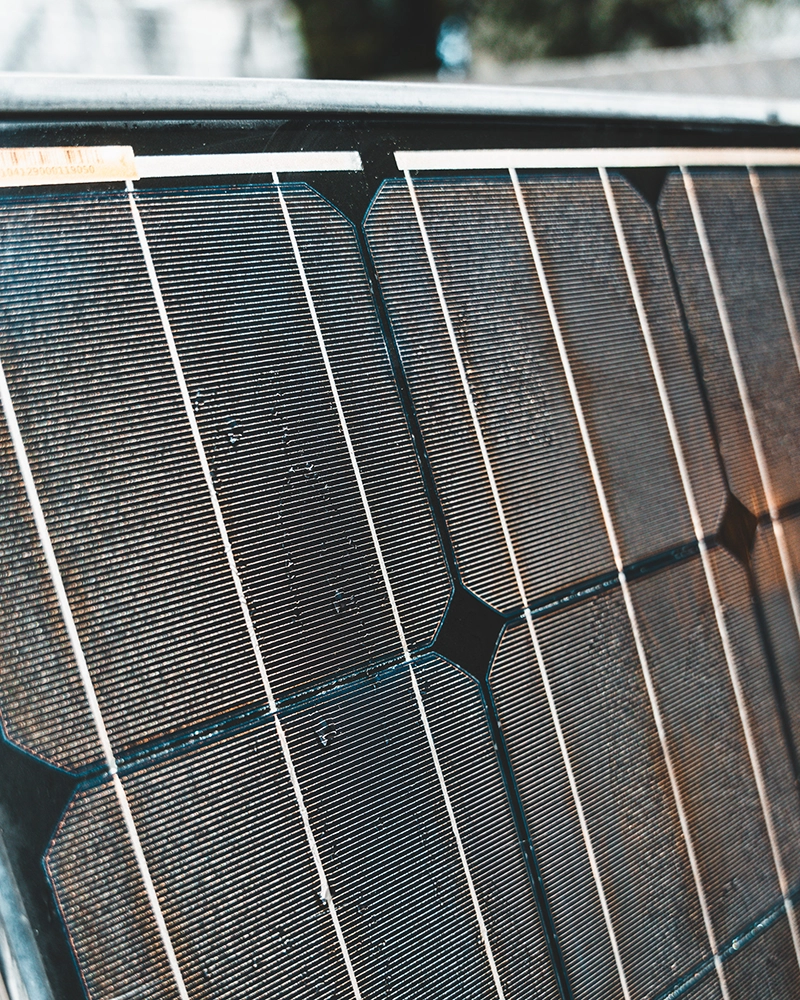
Most home solar panels will remain relatively clean with occasional rainfall which will rinse any dirt. If your system is very dirty with various obstructions and layers of dirt, then hiring a professional may be the choice for you.
By hiring a professional solar cleaner, they can reach every surface of each panel using specialised gear that is designed to deep clean solar systems.
For double-storey homes, hiring a professional is a must as the risk is far too great. Professionals will have harnesses and safety gear, designed to ensure they're as safe as possible whilst your solar system is being cleaned.
Overall, it is recommended that a professional be used for most solar cleans, with the exclusion of single-storey homes that a hose stream can reach.
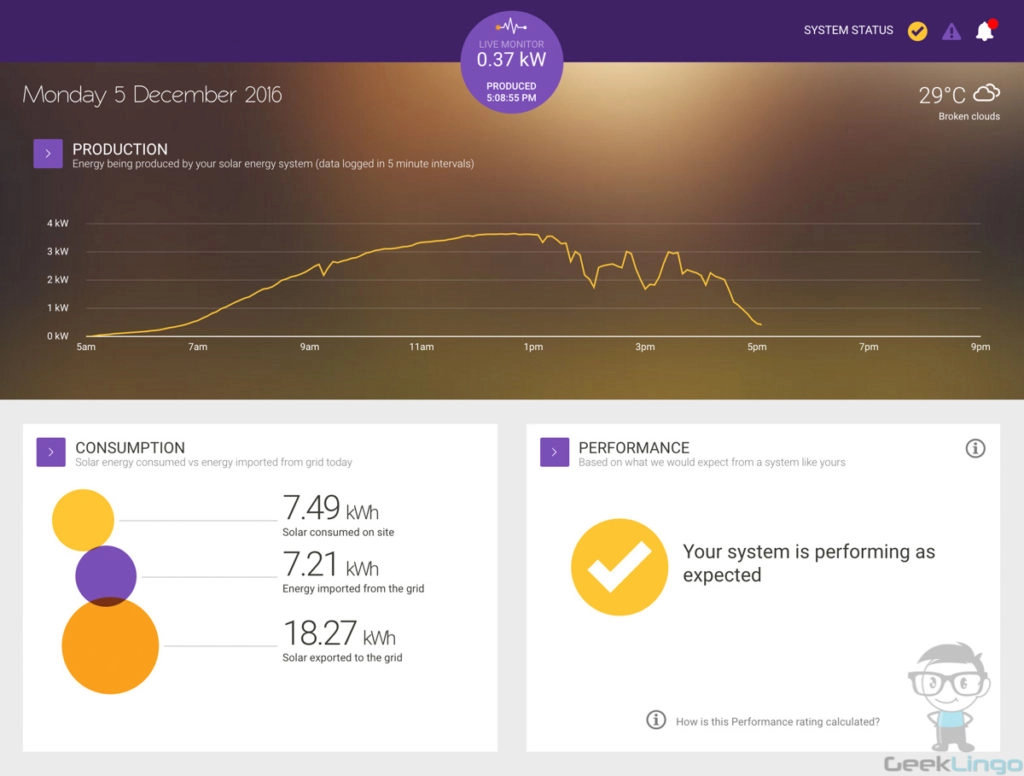
In addition to visually checking the panel condition once the clean has been completed, you can also check your solar app and see the production level differences in your solar generation.
A dirty system will produce less, so by visualising your generation, you can see how much you've improved your production.
When attempting to clean solar panels yourself, there are a few things to avoid ensuring minimal risk of injury and damage the solar panels. We recommend hiring a professional solar cleaner to maintain your panels if they are not easily accessible from the ground.
Avoid using harsh detergents that consist of strong chemicals that may result in corrosion of panels, resulting in damage.
Use either cleaner that is designed for solar panels, or a water-based cleaner soap and rinse with water.
Only use a pressure washer when spraying from a distance. Spraying closely will result in damage to the panel waterproofing and
potentially negatively impact its production.
Don't use harsh brushes or anything with ‘teeth’ (brooms with hard bristles, anything that is not soft etc.).
You may scratch the surface of the panels, lowering its efficiency, defeating the whole purpose of cleaning your panels in the first place.
We do not recommend attempting to clean your solar panels from the roof or any high places, as it is unsafe and could cause serious injury, and in some cases, death.
Contact expert solar panel cleaners today.
With more homes and businesses adopting solar battery storage for their properties, it is important to know how to maintain battery storage and what things to avoid.
Even though owning a battery is mostly maintenance-free, you battery still required an occasional visual inspection to ensure everything is running smoothly. Elements to look out for in these inspections is to ensure that the battery isn't obstructed and is clear for air flow and adequate cooling.
Whilst batteries installed indoors are susceptible to clutter, outdoor batteries should be visually inspected as they are likely to exposed to weather conditions.
A battery that is not running properly can not only negatively impact your investment, but can also be a hazard. Intermittently checking your system ensures your system is long-lasting and as safe as possible.
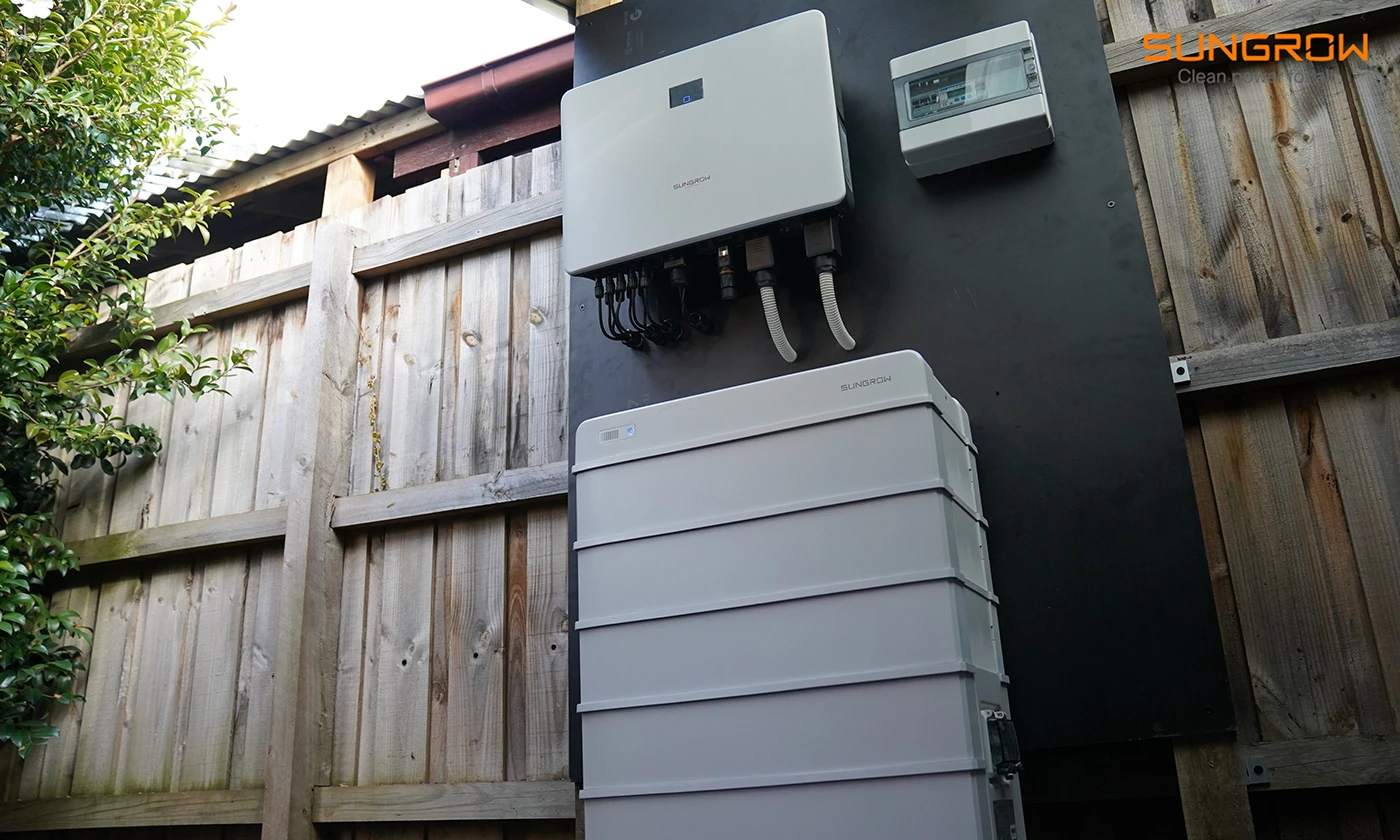
Maintain a well-ventilated area around the battery to ensure the energy storage system remains cool and can combat the harsh Australian heat on those summer days.
This also applies to your solar inverter, which also needs ventilation to keep cool whilst converting your energy
Your battery installer should setup a monitoring dashboard where you can analyse your battery's health. Here you can also update the firmware which may eliminate issues with your system.
An easy way to maintain your battery is to simply have a look over it. You don’t need to be a technician to see if the battery and wiring has any signs of wear or malfunction. With the combination of your batteries statistics analysis, and physical check-ups you will know if there is anything wrong.
By ensuring your solar and battery are working to their fullest capacity, you can be assured your investment will be fulfilled in the desired expected timeframe. Whilst both solar and battery systems are designed with longevity in mind, it is important to confirm your system is working at its fullest within the years of its expected lifetime to ensure the maximum returns and benefits.
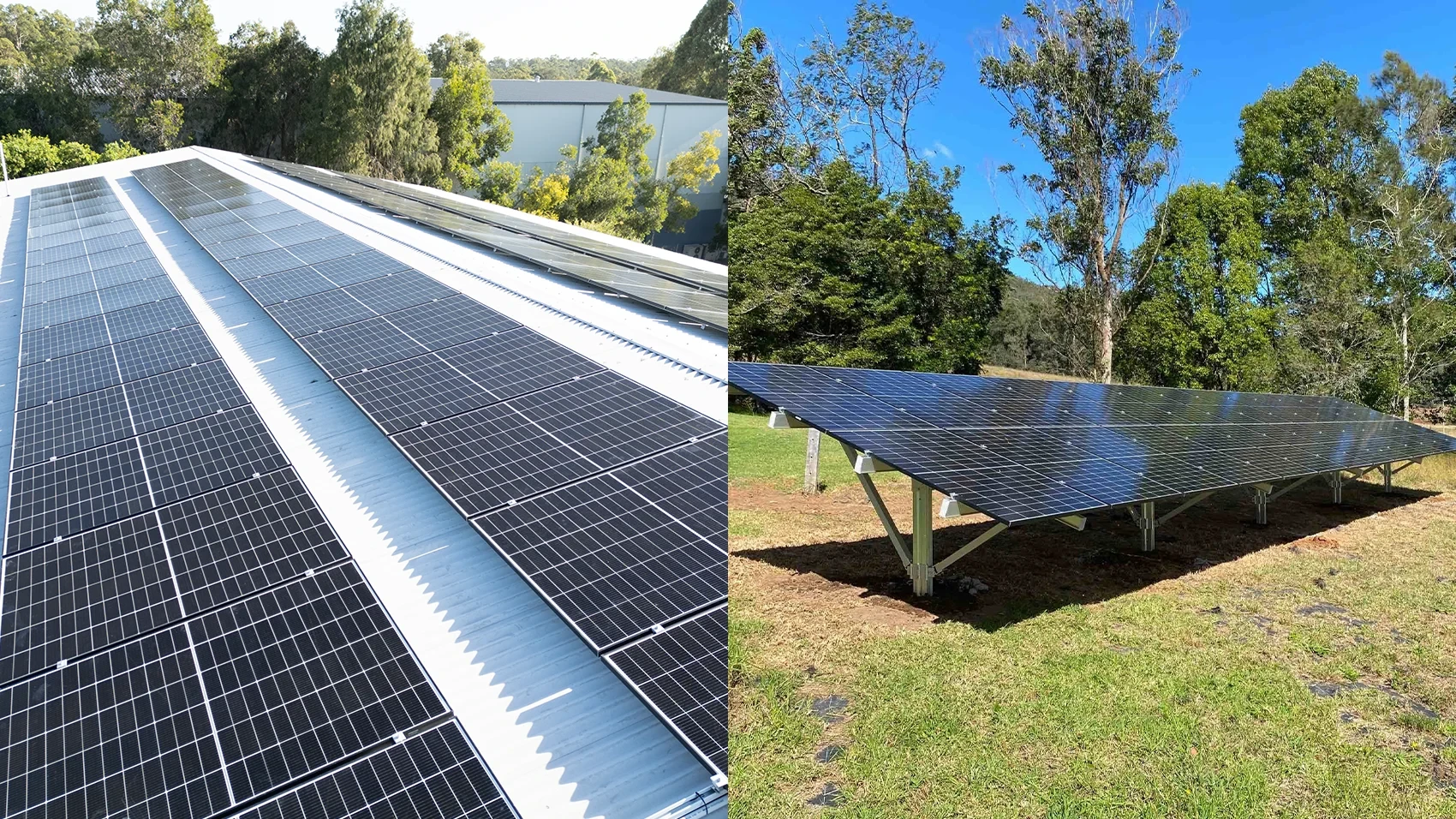
Explore whether rooftop or ground mounted solar systems are better for homes, farms, and remote properties needing solar PV power in Australia.
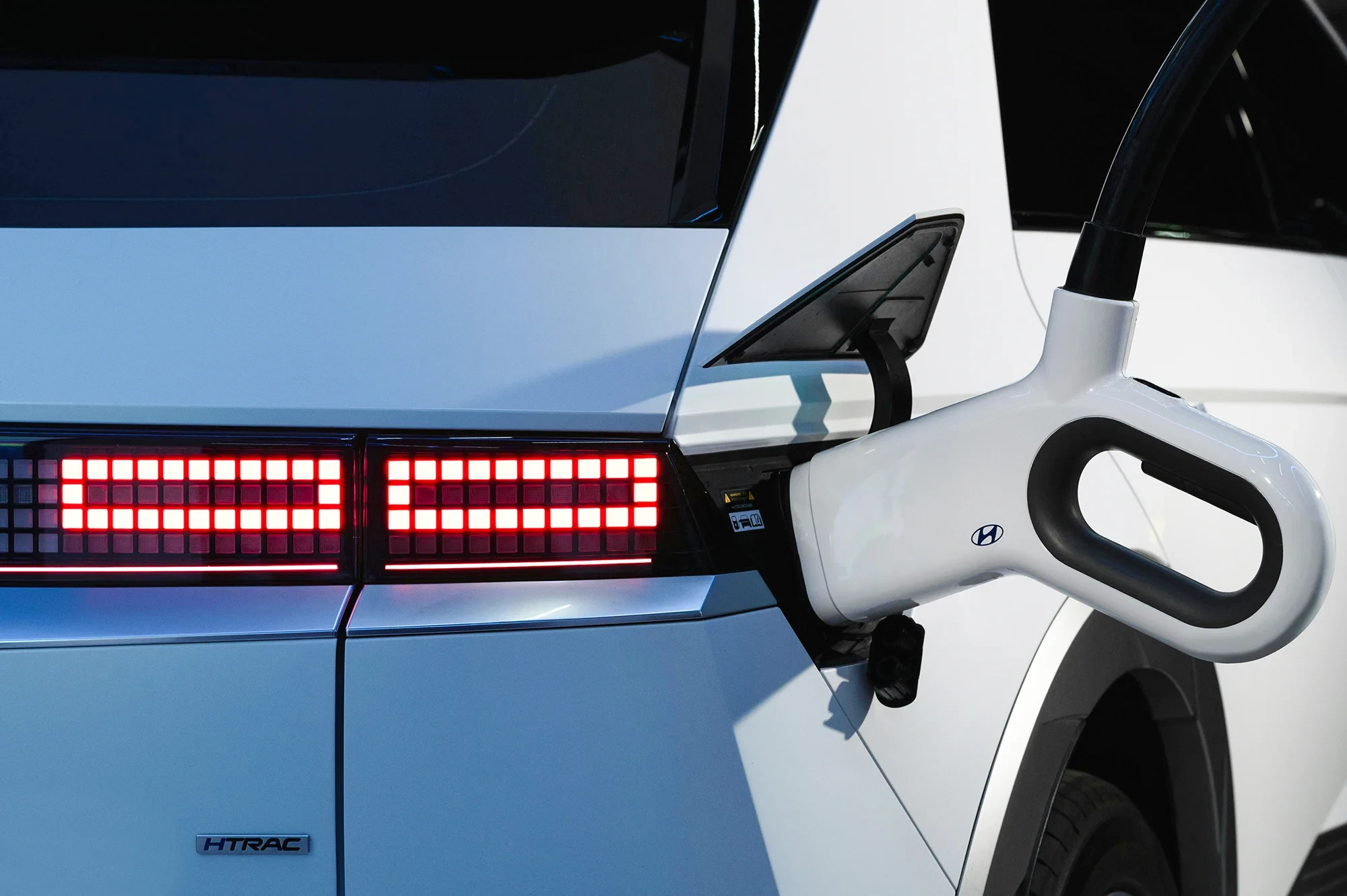
The journey of bidirectional charging in Australia has hit a milestone with the recent approval of the new standard for vehicle-to-grid (V2G) charging for 2025.
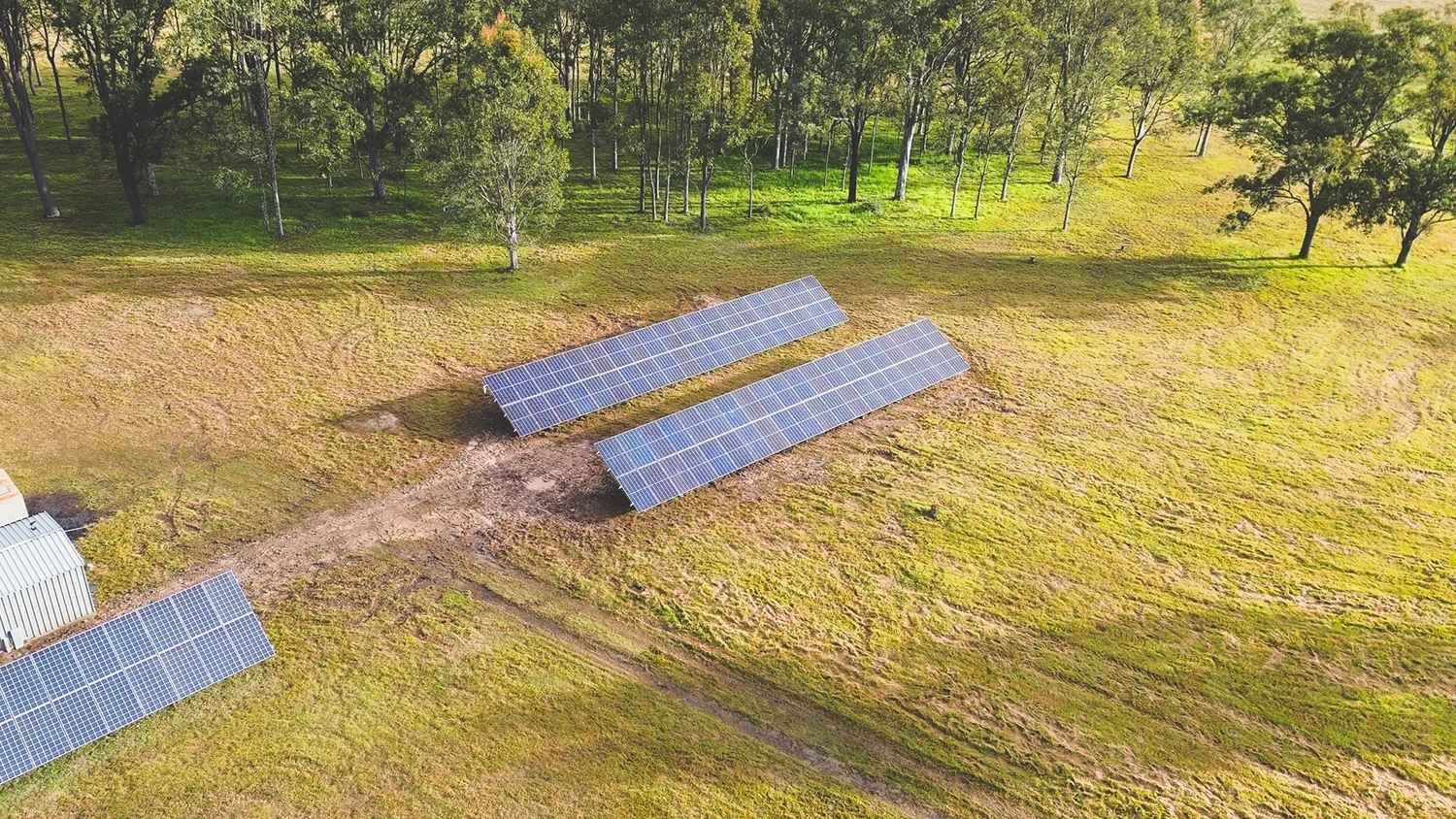
For cabins, homes, and sheds with limited or no access to grid energy, getting an off grid solar and battery storage system may be worth it in NSW in 2025.
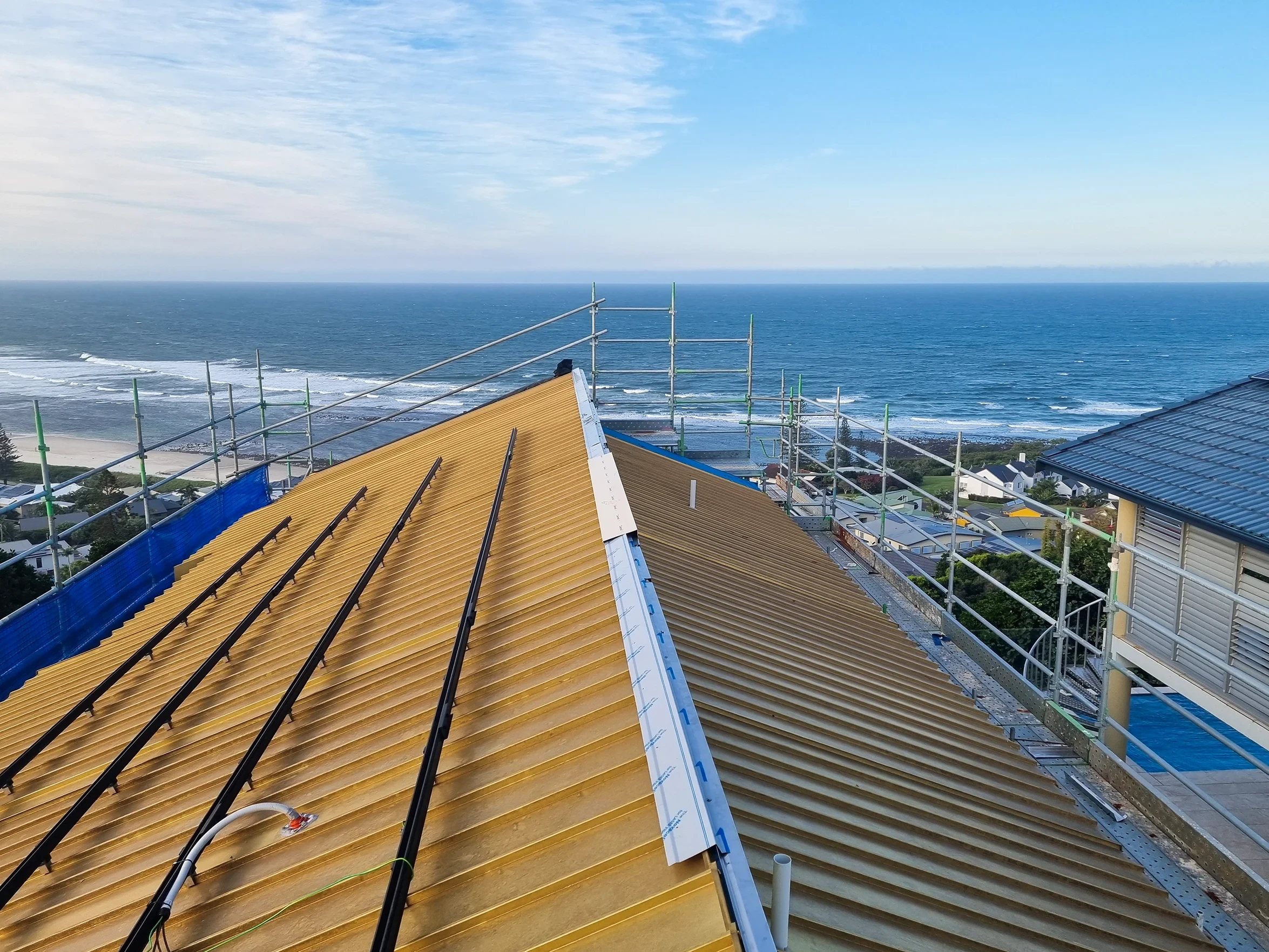
Everyone has seen a solar installation a normal roof like tin or tiled roofs, but have you ever seen a solar installation a roof made of Brass? Well we did one...
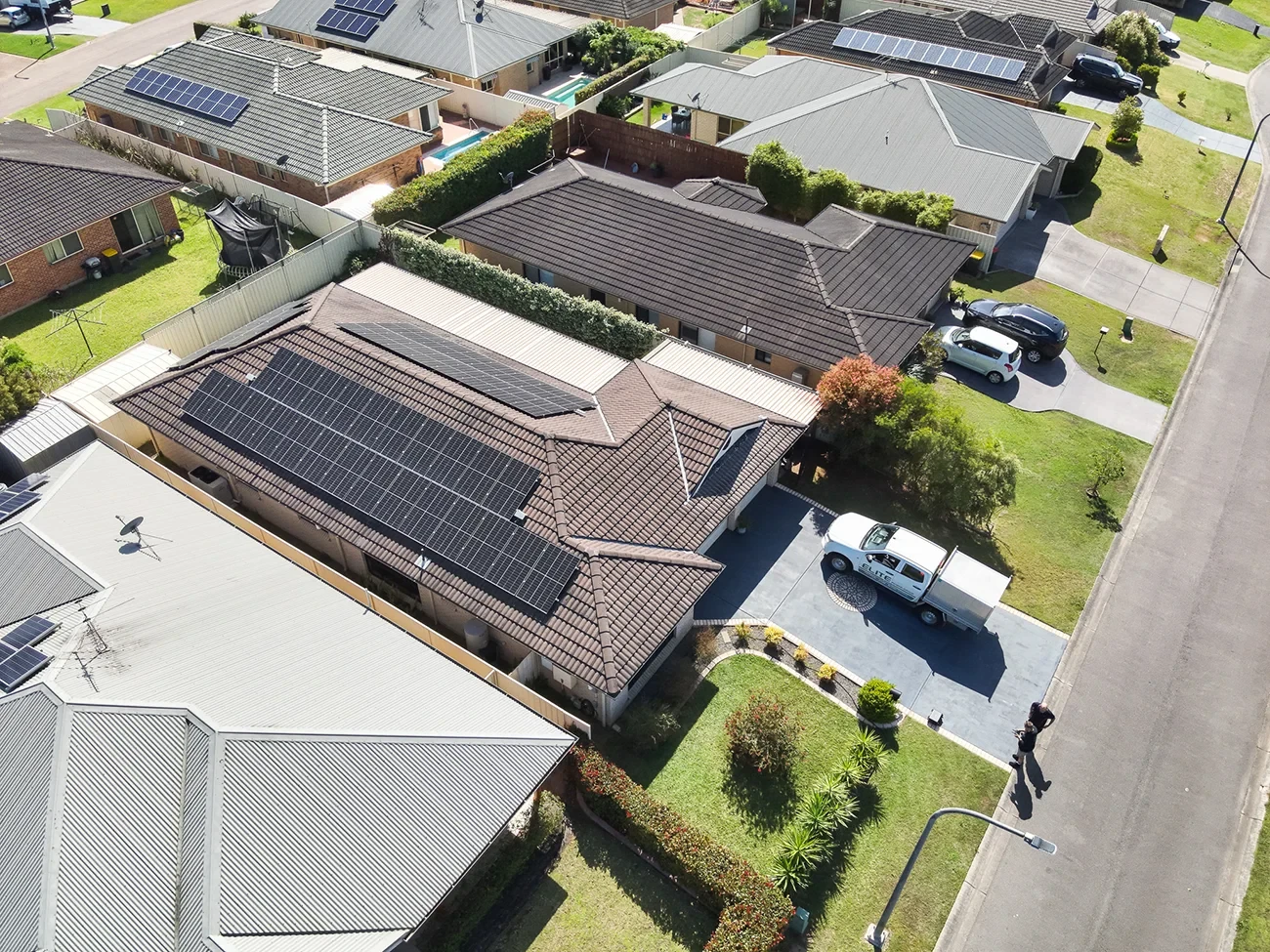
With the release of the new Clean Energy Council (CEC) H1 2024 report on solar and battery storage, it gives an idea of the upward path of Australia’s renewable energy adoption.
Amber & ARENA have started trials for Vehicle-to-grid technology in NSW, Australia to help develop standards and framework in V2G and Bidirectional charging.
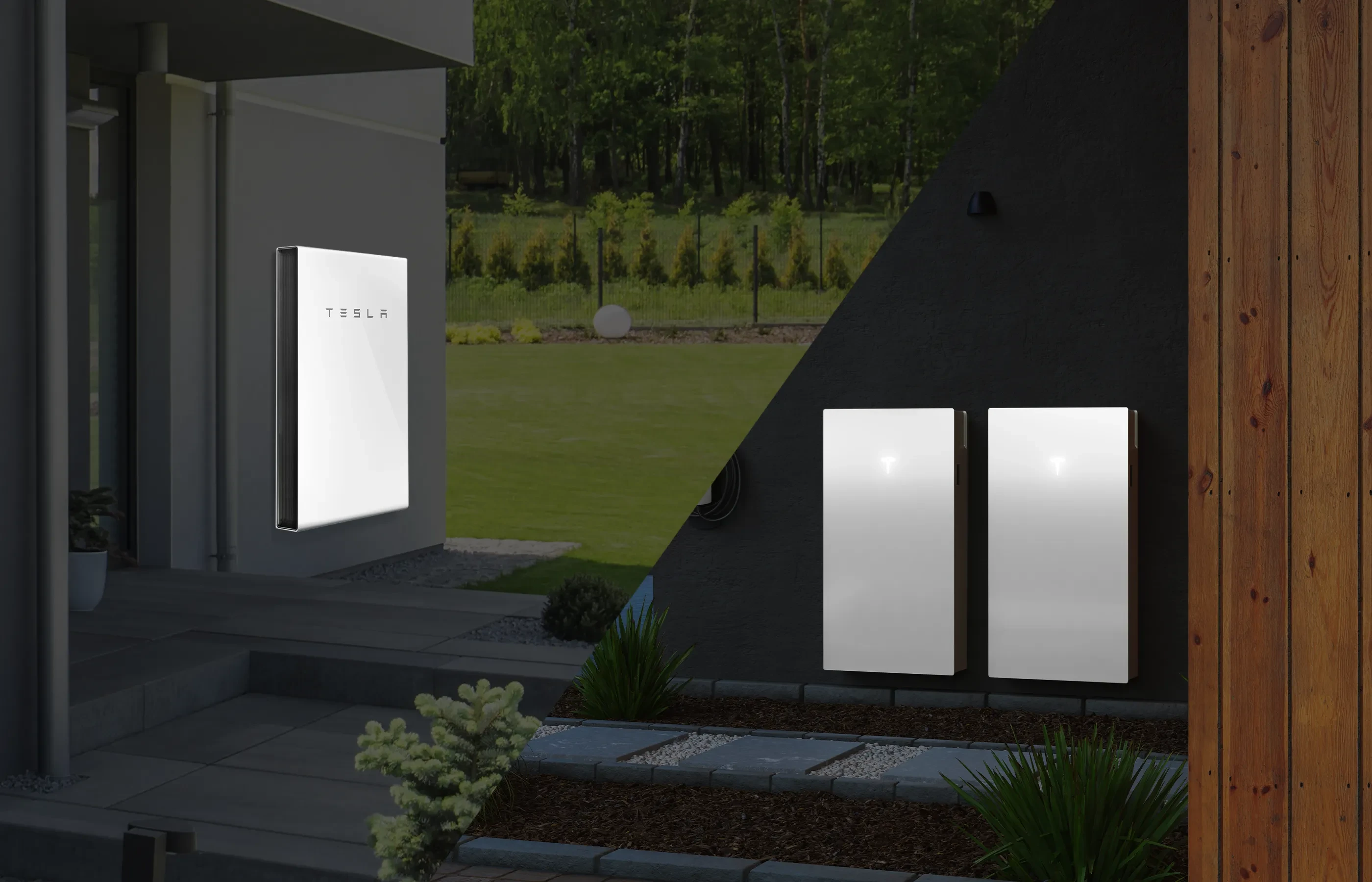
Compare Tesla Powerwall 2 vs Powerwall 3 in Australia. See differences in capacity, power output, dimensions, specifications, pricing & solar compatibility.
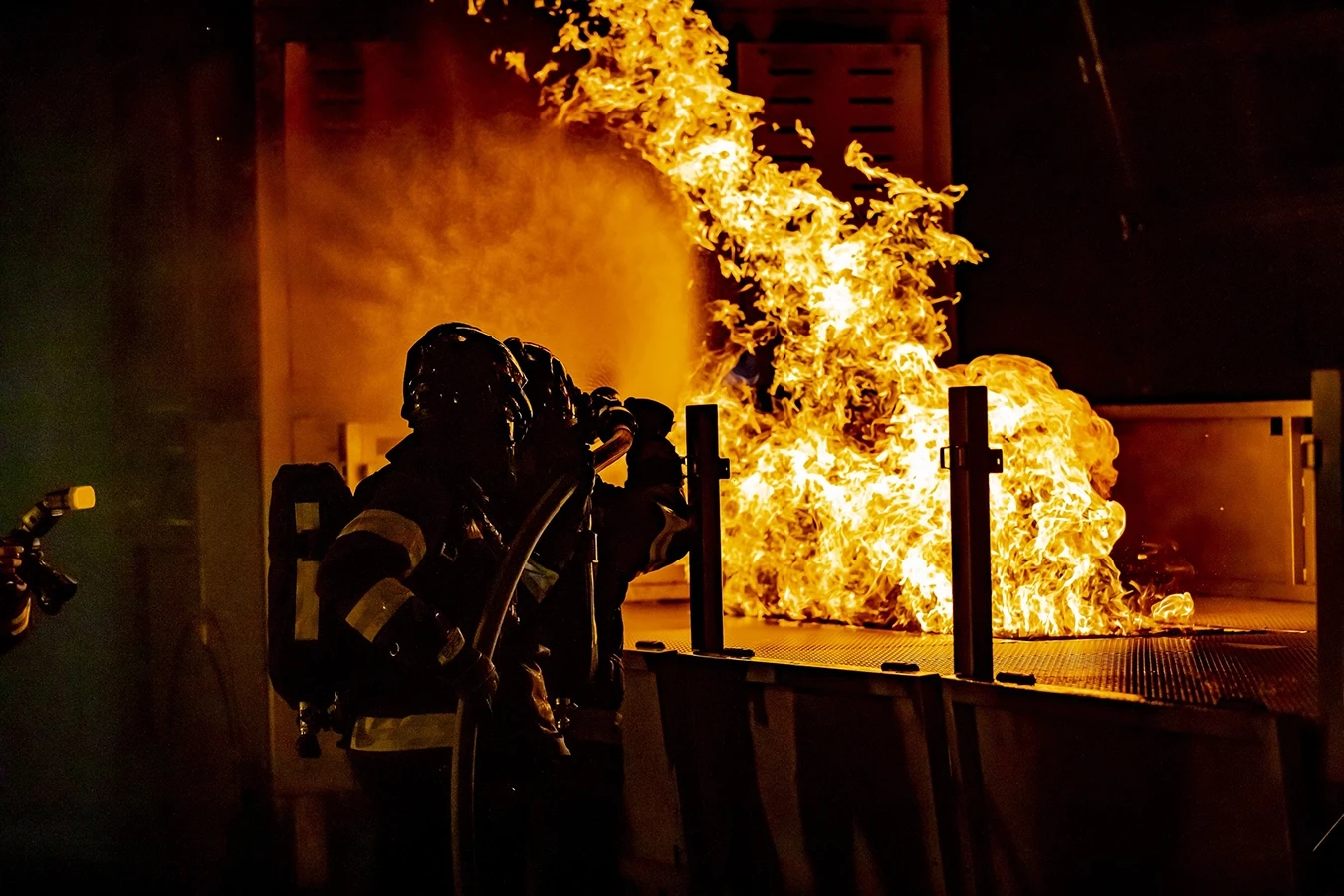
Explore solar battery fire risks, hazards, and statistics, and if solar batteries are safe to install for homes in NSW, Australia. (Spoiler alert.. they are!)
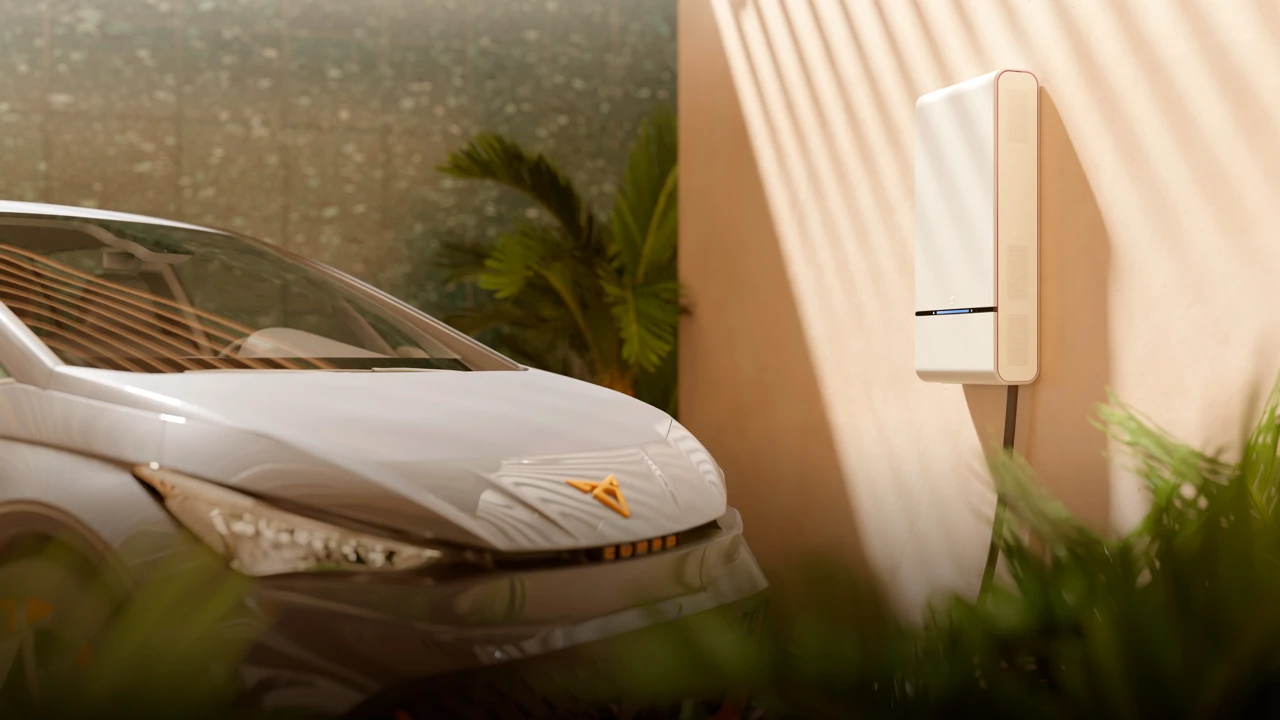
Though bidirectional charging isn't available, vehicle-to-grid is already turning heads in Australia with its potential to change energy consumption and distribution.
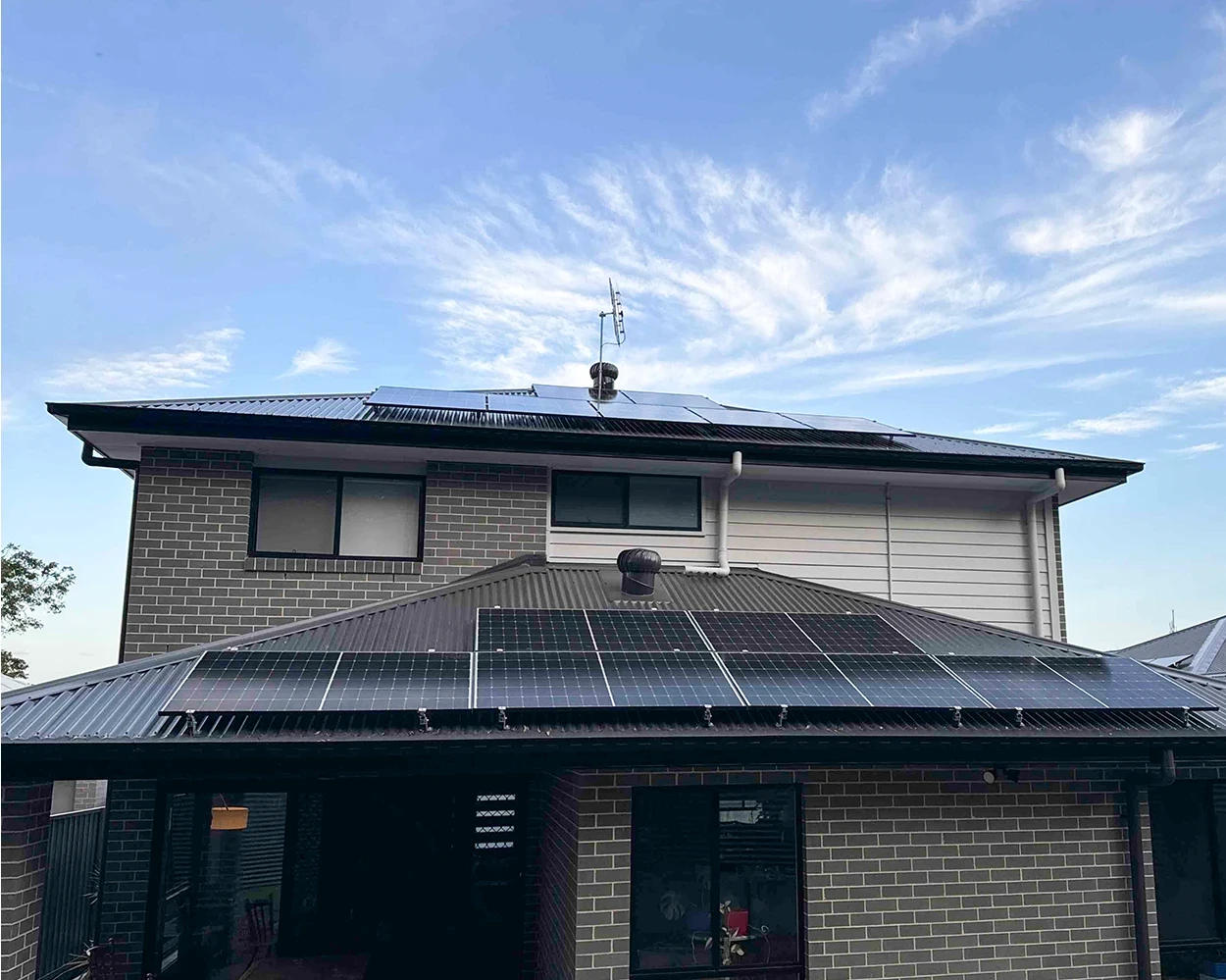
Explore how Australia's energy is evolving with t like Microgrids, DER's, Virtual Power Plants, & Demand Response, for solar and battery systems.
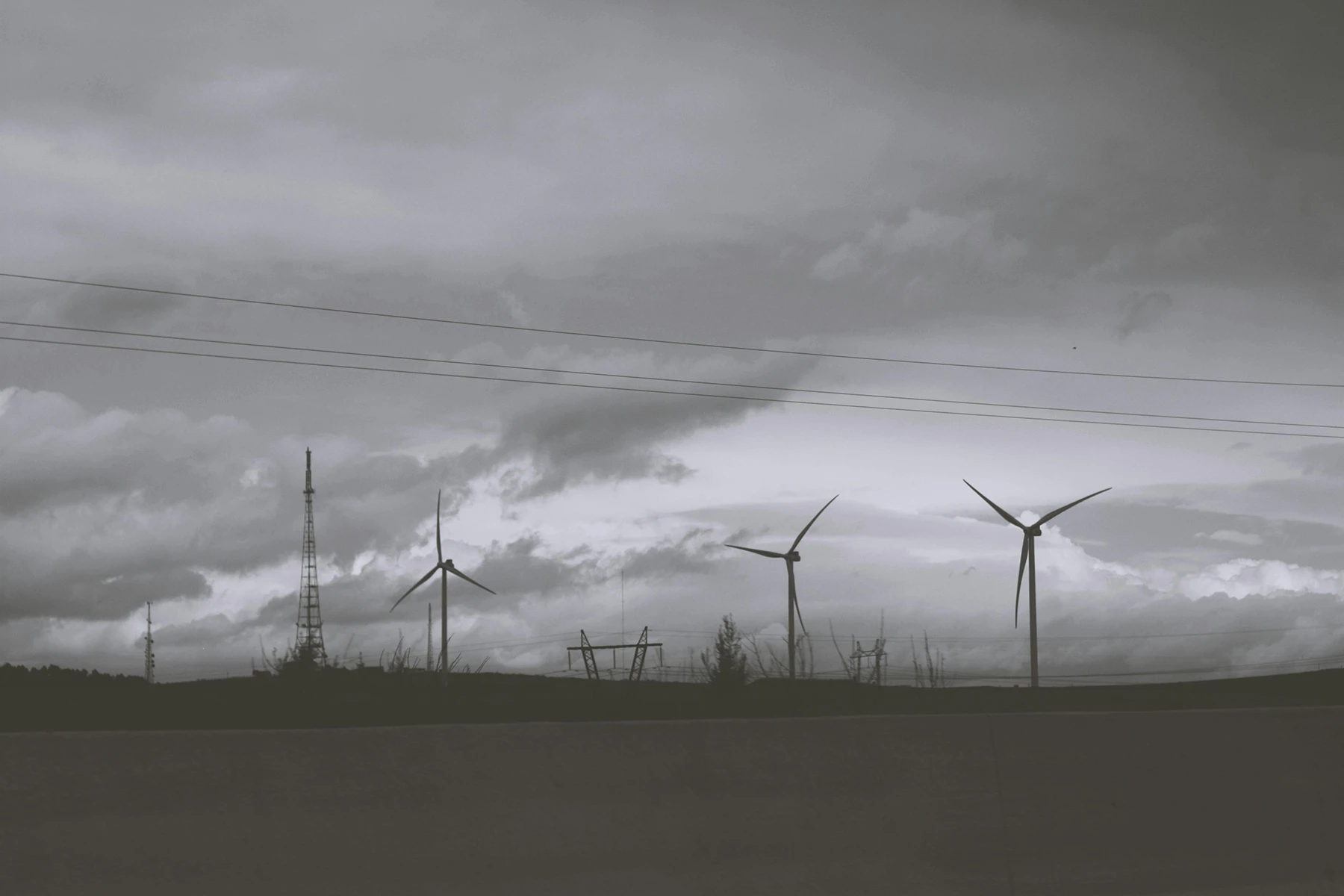
Learn alternating and direct current, and the differences between AC vs. DC with real-life examples and diagrams of power flow and voltage in Australia.
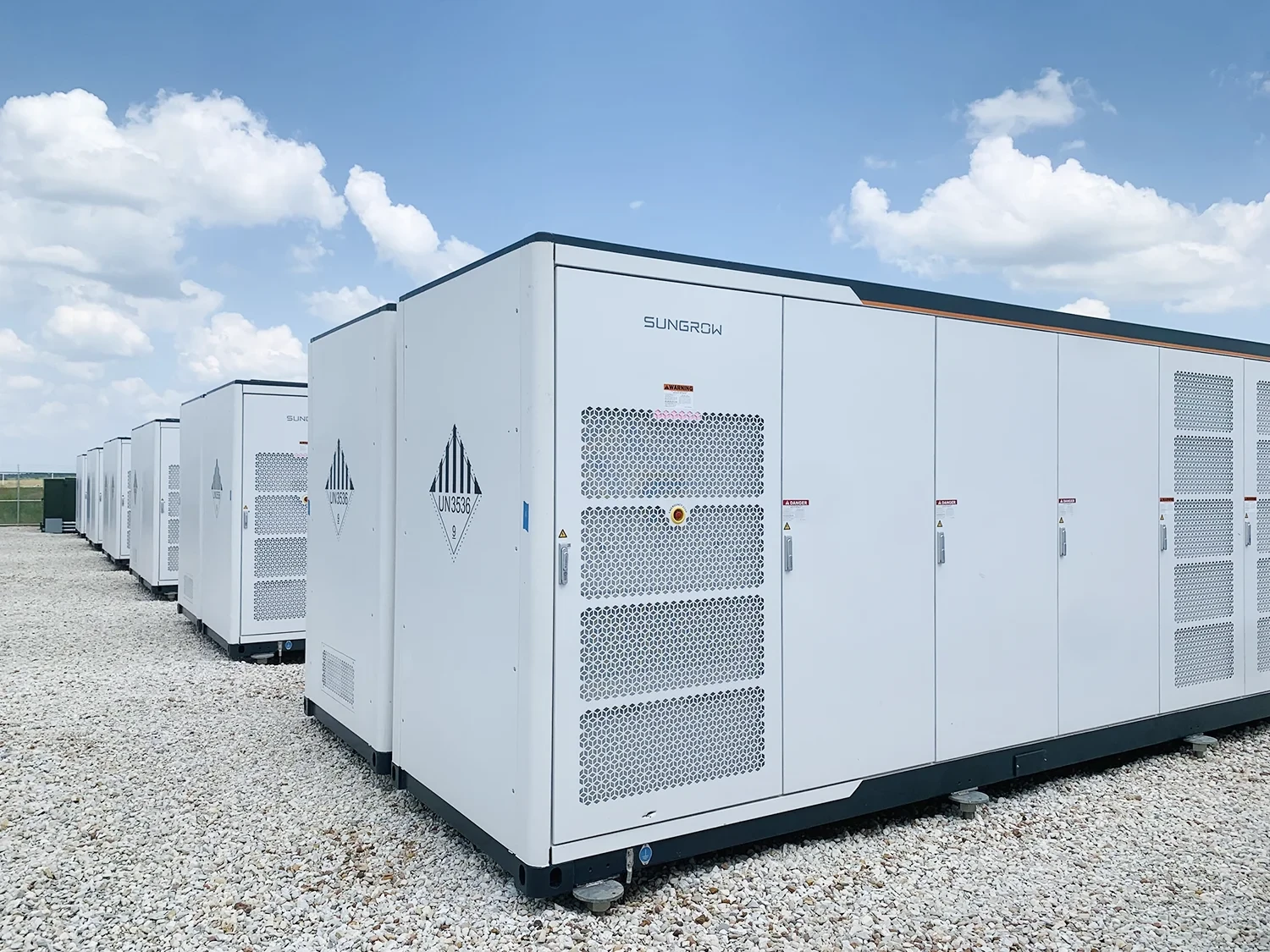
Everything NSW businesses need to know about commercial battery storage - costs, benefits, peak shaving, backup power, and how to choose a system.

In the new 2024 CEC report, they found that renewable contribution in the overall supply of energy in Australia, produced 40% of Australia’s total electrical supply.
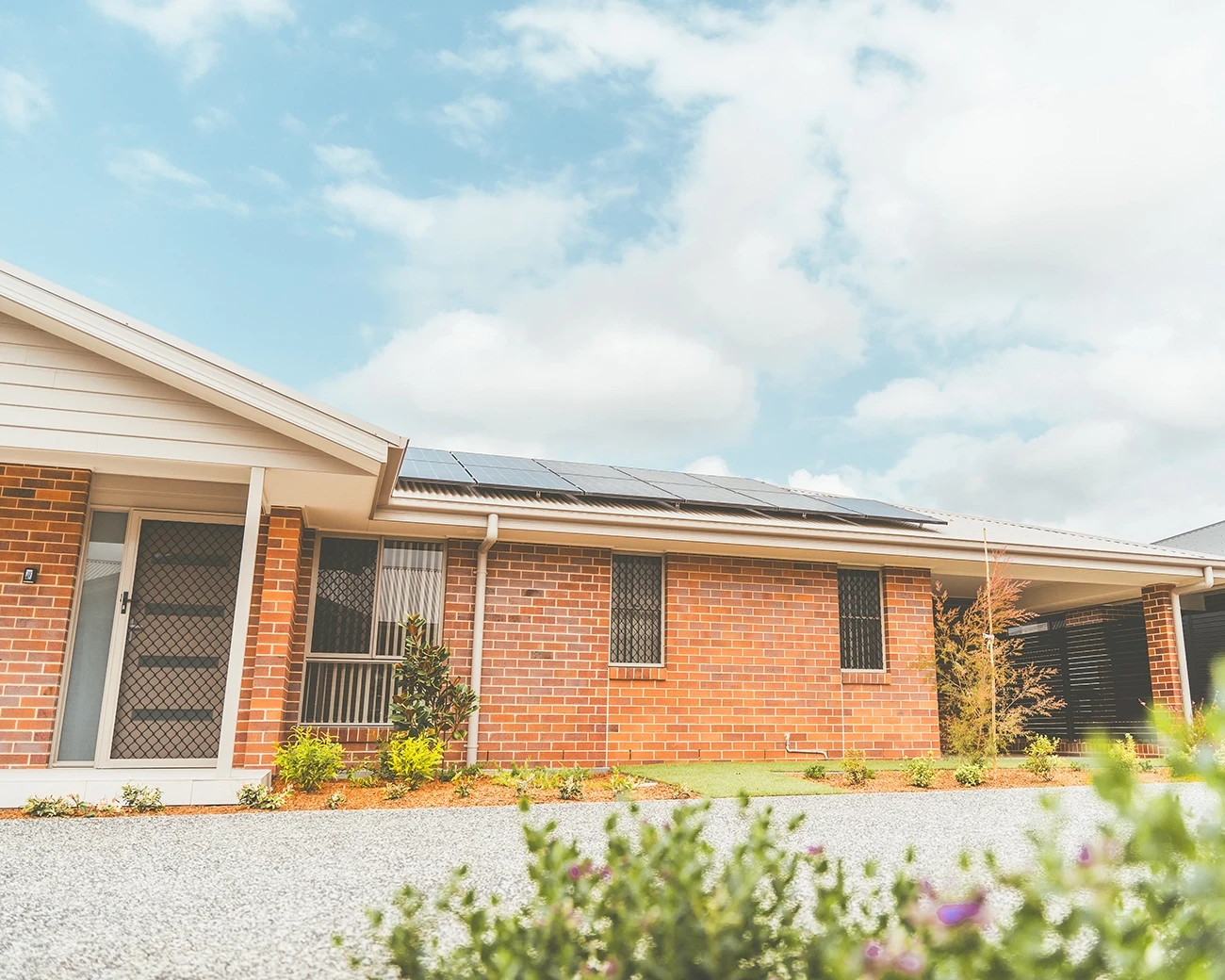
So you've invested in solar to reduce your electricity bills, but since then your bills are still high? Explore why your energy bills are still high even after solar.
Learn electricity tariffs like single-rate, controlled loads, and time-of-use tariffs where on and off peak pricing occurs through retailers like energy australia.
Explore the differences between single phase vs. three phase power, and how 1 phase and 3 phase electricity works with real-life examples in Australia.
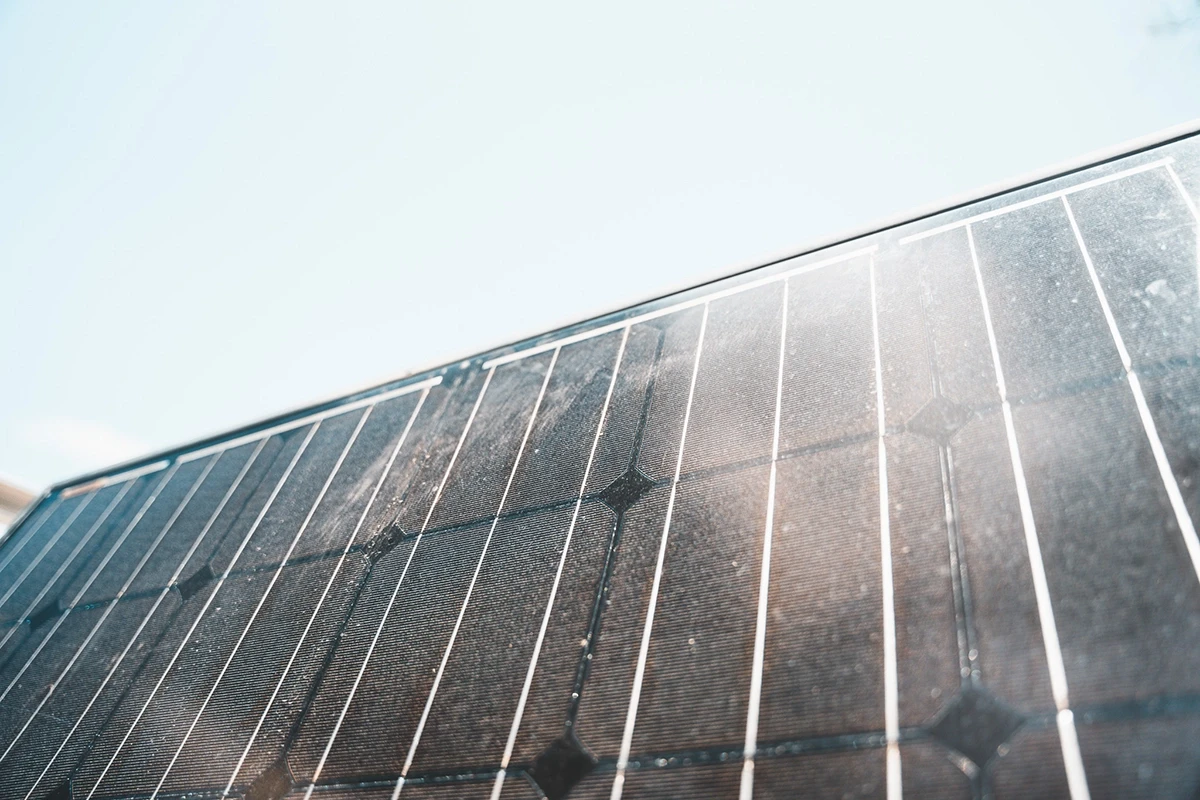
If your solar panels are dirty, explore easy ways to DIY clean your solar panels, or when to get your system cleaned by a professional solar cleaner in Australia.
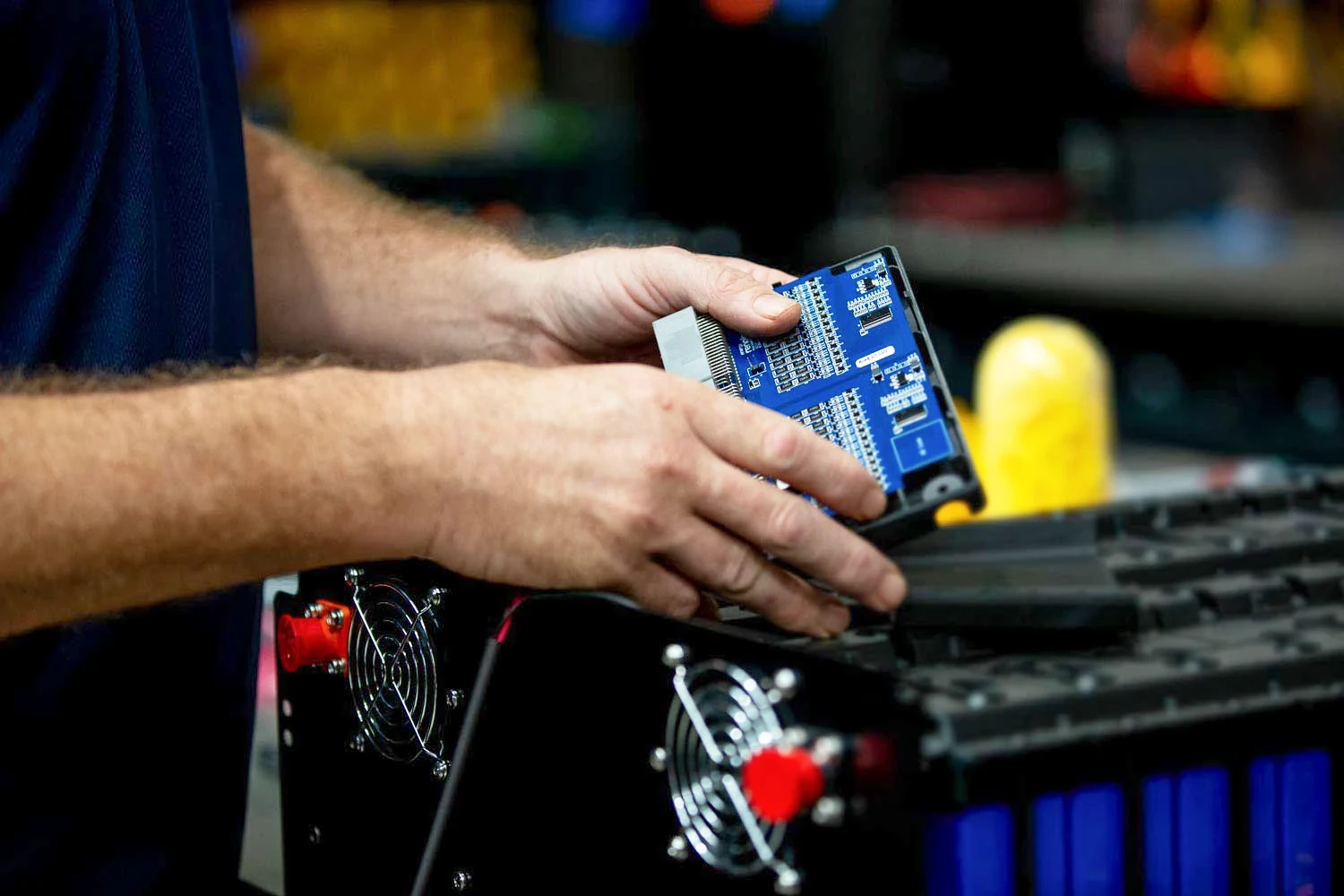
Batteries store energy as chemical potential energy, released as electrical current once connected to a circuit. Learn how batteries store & release energy.
Now is the best time to invest in solar panels.. here are 4 reasons why Australians should invest in solar energy before it's time runs out for 2024.

Explore the National Electricity Market (the NEM), and how it interconnected 5 states with electricity distribution to balance demand and supply in Australia.

Discover how agrivoltaics can benefit farms by combining agriculture and solar energy to increase sustainability and agricultural production in NSW.
The energy required to heat hot water is quite high and for most Australian households. Here are some strategies on how to save on your hot water heating bill.
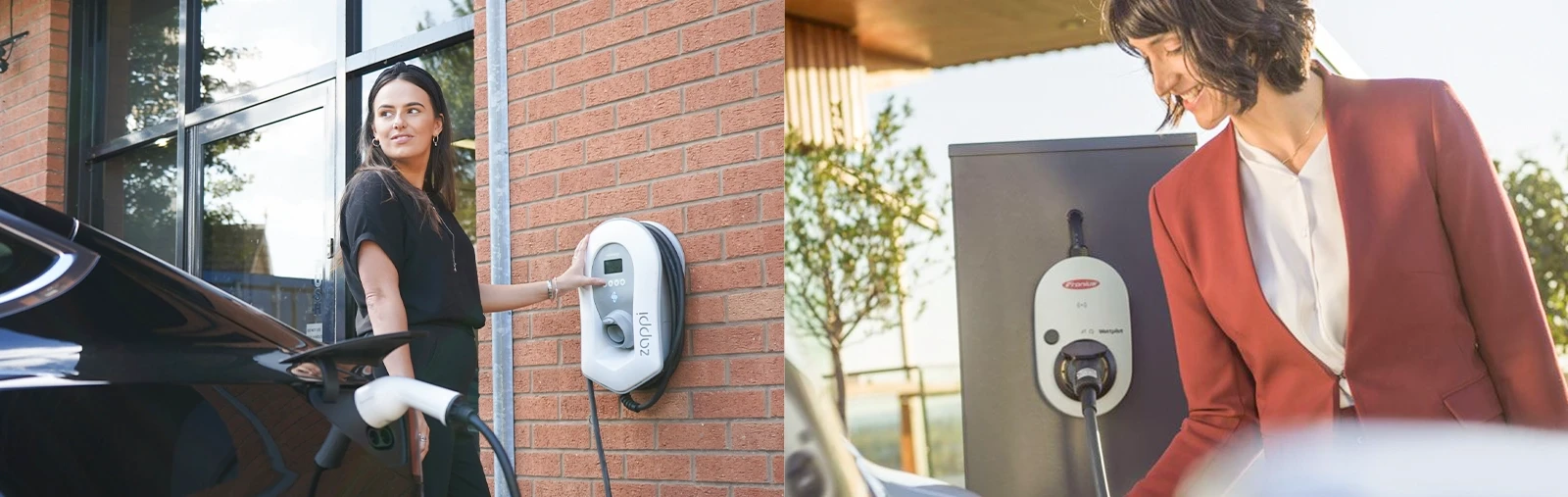
What's the best Solar EV Charger? Zappi or the Wattpilot? We have put together a side-by-side comparison, including the pro’s and con’s for both EV chargers.
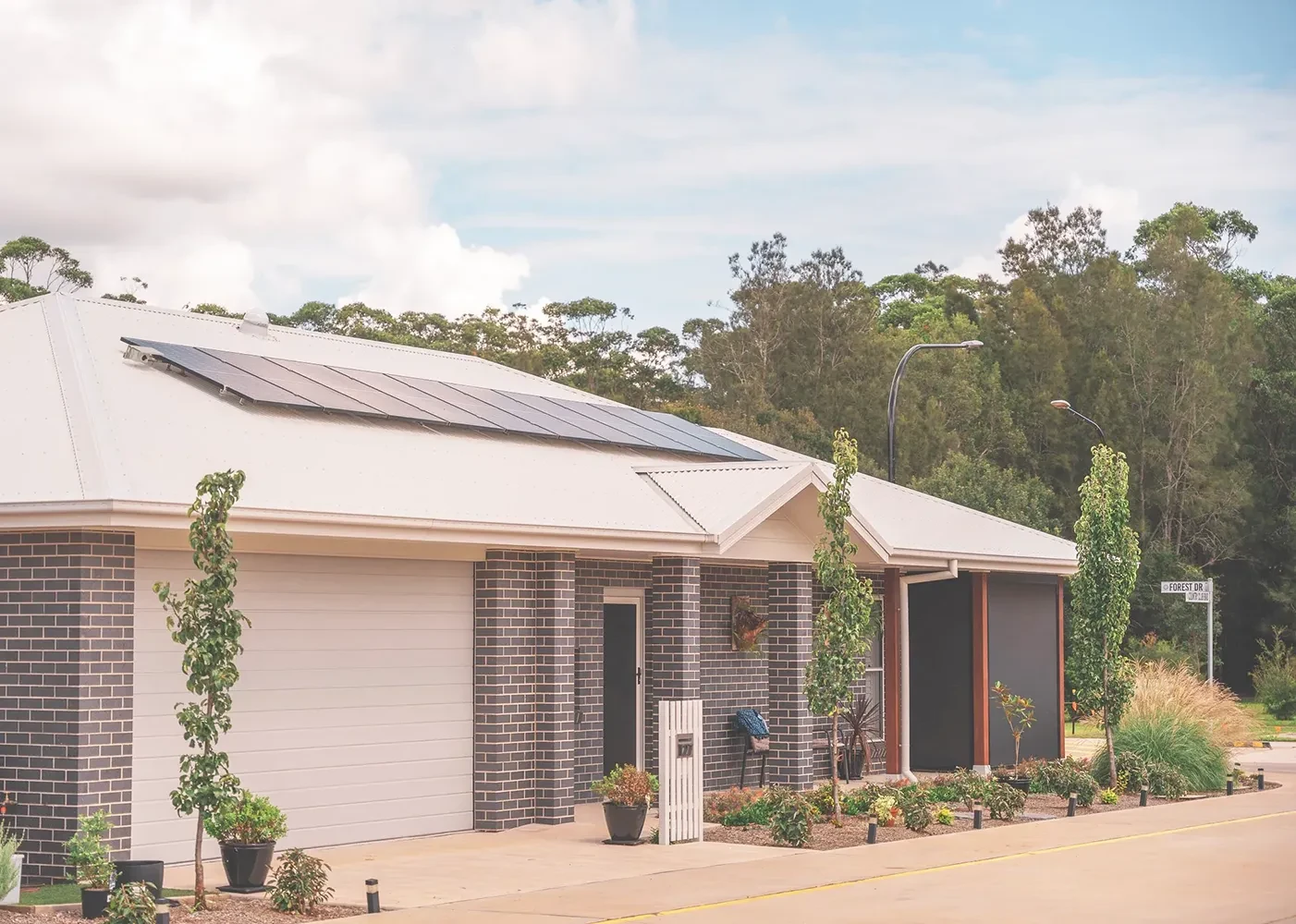
With booming solar adoption, Newcastle is quickly becoming a sustainable region with homes and businesses adoption the technology. What's happening?
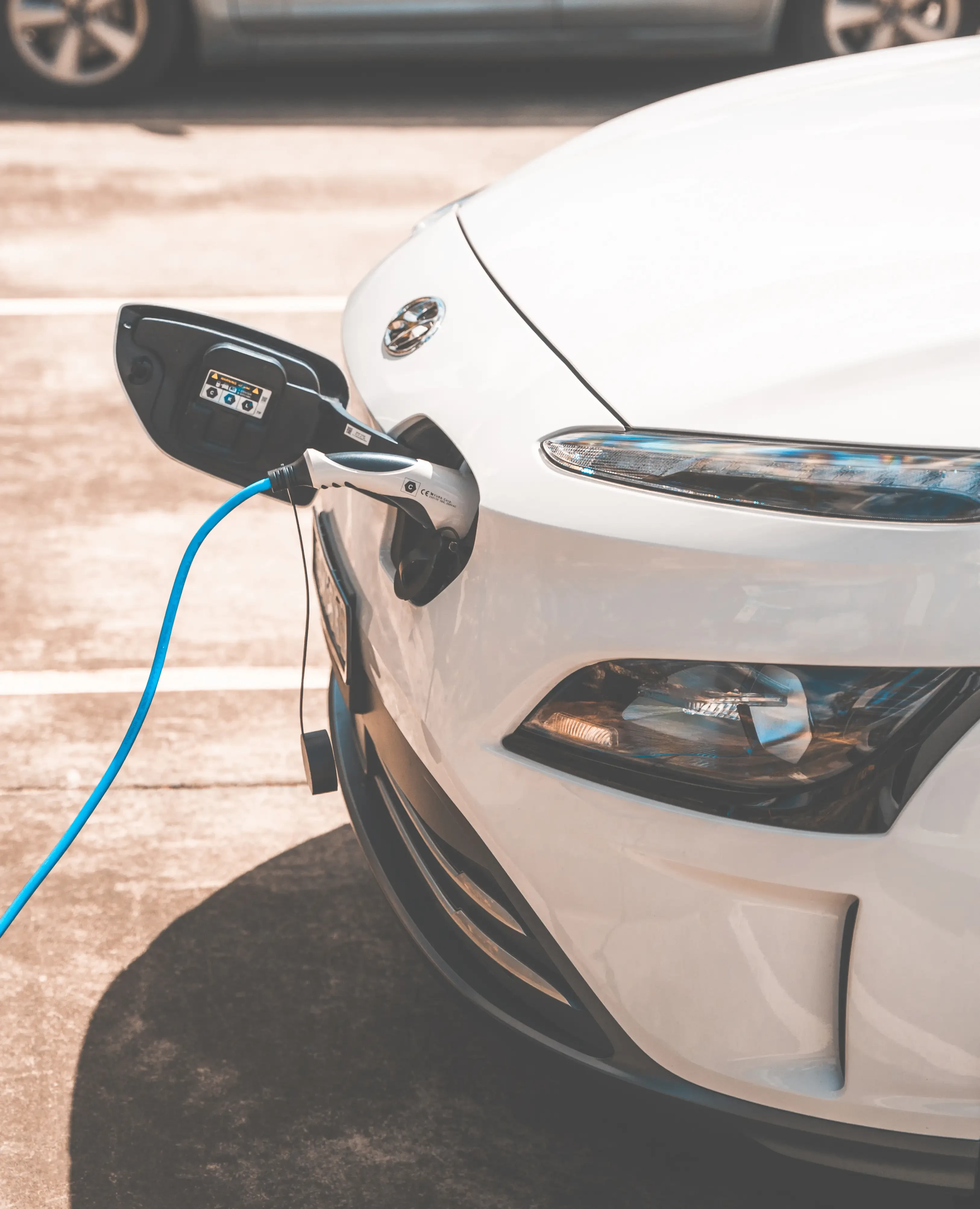
Differences between bidirectional Vehicle-to-Grid (V2G), Vehicle-to-Home (V2H), Vehicle-to-Load (V2L), and compatible chargers and EVs in Australia.
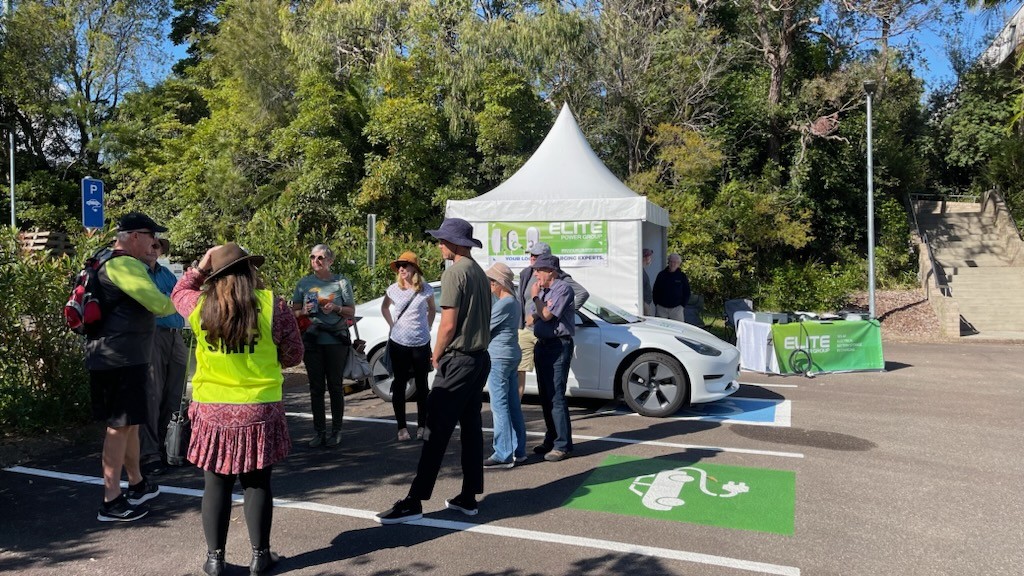
Our team attended the Electric Vehicle open day in Lake Macquarie hosted by Lake Macquarie City Council, and what a day! From all the fun events, to the informative aspects, everyone definitely got something out of the day.
Renewable News Articles
Sign up for new article updates - we don't spam.
We've invested in becoming fully-licenced and qualified installers to ensure Newcastle homes and businesses
get the best solar, battery, and electrical systems available. We want to assist Newcastle's renewable energy revolution with quality
installations for maximum customer satisfaction.
Certified solar system installers near you.
Get CEC-Approved Battery Installations.
Fully-licenced electricians in Newcastle.
Convenient EV charging stations for properties.
Leave a Comment