Rooftop vs. Ground Mount Solar: Which is Better?⚡Australia
Explore whether rooftop or ground mounted solar systems are better for homes, farms, and remote properties needing solar PV power in Australia.
Read more
Hunter Valley's Leading Residential & Commercial Solar Installers
Posted 30 May
Want the latest in energy, solar, and savings?Subscribe to our newsletter – we don’t spam!
With the evolving world of energy in Australia, there are new abbreviations surfacing on all levels of the renewable and electrical industry, which can be quite confusing, particularly if you're new.
Words like 'Microgrids' and DER's are being thrown around, but what do they actually mean? Let's go through together and set things straight in terms of what means what, and what each one does.
For those with limited time, below is a simple definition for each abbreviation and what it does.
A microgrid is simply a localised electrical system that can work independently of the grid, producing and store energy for local
consumption.
Because you're generating, storing, and consuming your own energy, you essentially become a microgrid.
A distributed energy resource or 'DER' generally refers to small-scale energy generation that is located close to where it will be consumed.
These resources include; solar, wind, battery storage, EV’s (through V2G), generators, and other various methods.
A Virtual Power Plant or 'VPP', is a program that allows properties to join and contribute to grid stability.
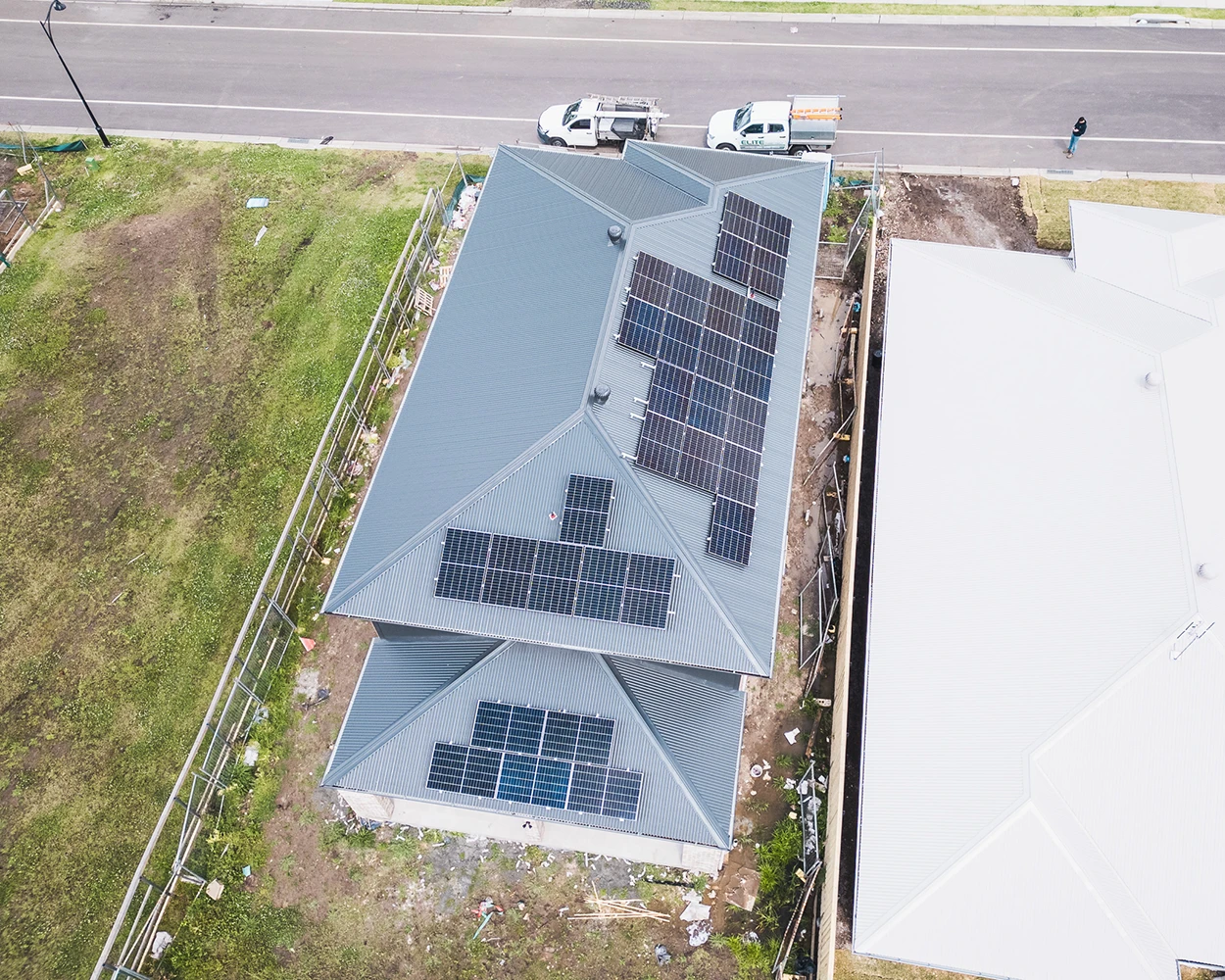
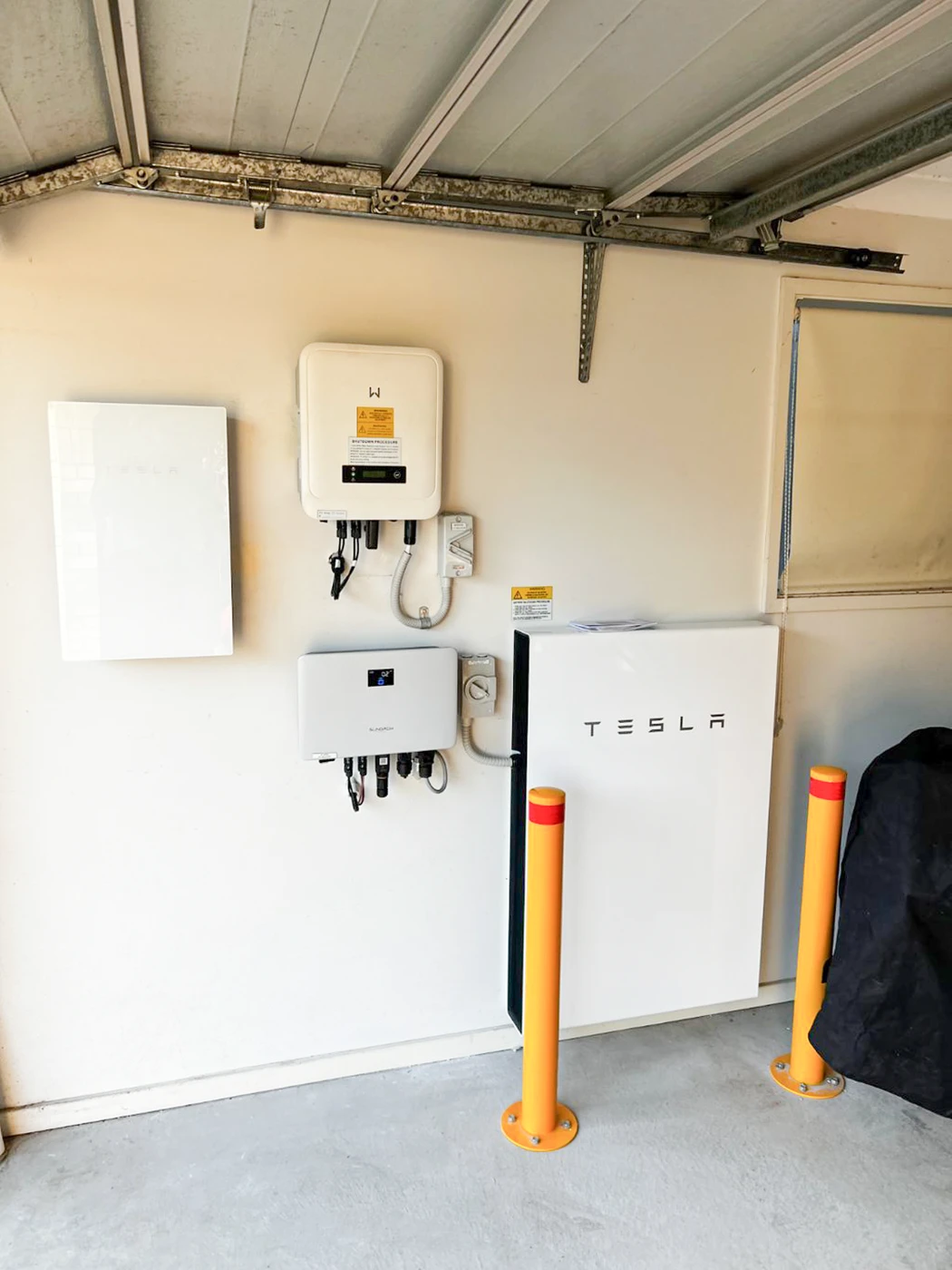
Using a solar & battery system (microgrid), properties can individually produce and store energy to supplement grid imbalances in the network.
Whilst they sound similar there is a difference between Microgrid’s and VPP’s.
Microgrids: A Microgrid is a solar and battery system that is setup for local energy production and consumption where the owner is prioritised.
Virtual Power Plant: Virtual Power Plants are also local energy production, however, they are designed to distribute and aggregate energy production into the grid for optimised grid efficiency and stability.
If a property has solar and battery, they are considered a microgrid. With VPP-compatible components, that home's microgrid can be used to join a Virtual Power Plant network/program if desired.
To maximise savings, a microgrid is designed to help offset peak period consumption, and take advantage of solar. Virtual Power Plants provide rewards for using your battery to charge and discharge when required by the network.
We go more in-depth into Virtual Power Plants here, but in summary, they are designed for flexibility in the grid, acting as stabilisers for peak demand periods in our electricity grid.
If you had a battery and participated in a Virtual Power Plant, this would take energy out of your battery automatically to help supplement the grid with bursts of energy to alleviate high peak demand periods. They even sometimes reward you for charging your battery to consume over-excess solar energy.
One exception to Virtual Power Plants is Amber. Amber Smartshift confusingly is a VPP, but technically isn't one as it floats between a microgrid and VPP setup, where the user retains all the control.
As you've probably noticed, we haven't included Demand Response or 'DR' along with the other abbreviations, but why?
Demand response programs (also known as Demand Management programs) in Australia are generally catered to larger consumers with commercial and industrial properties that have a big impact on the grid.
In its simplest form, Demand Response programs are for businesses to voluntarily reduce their grid electricity consumption for a nominated short time period when the prices spike above certain levels.
A potential client would be a supermarket with a large refrigerated section. When a notification arrives with a time period, the supermarket would temporarily turn off their fridges, or turn them down to reduce their electricity consumption over the period in return for a reward.
There are different types of Demand Response programs, traditional Demand Response, Frequency Control Ancillary Services (FCAS), and Reliability and Emergency Reserve Trader (RERT), which vary in aspects and act similar to how a VPP works.

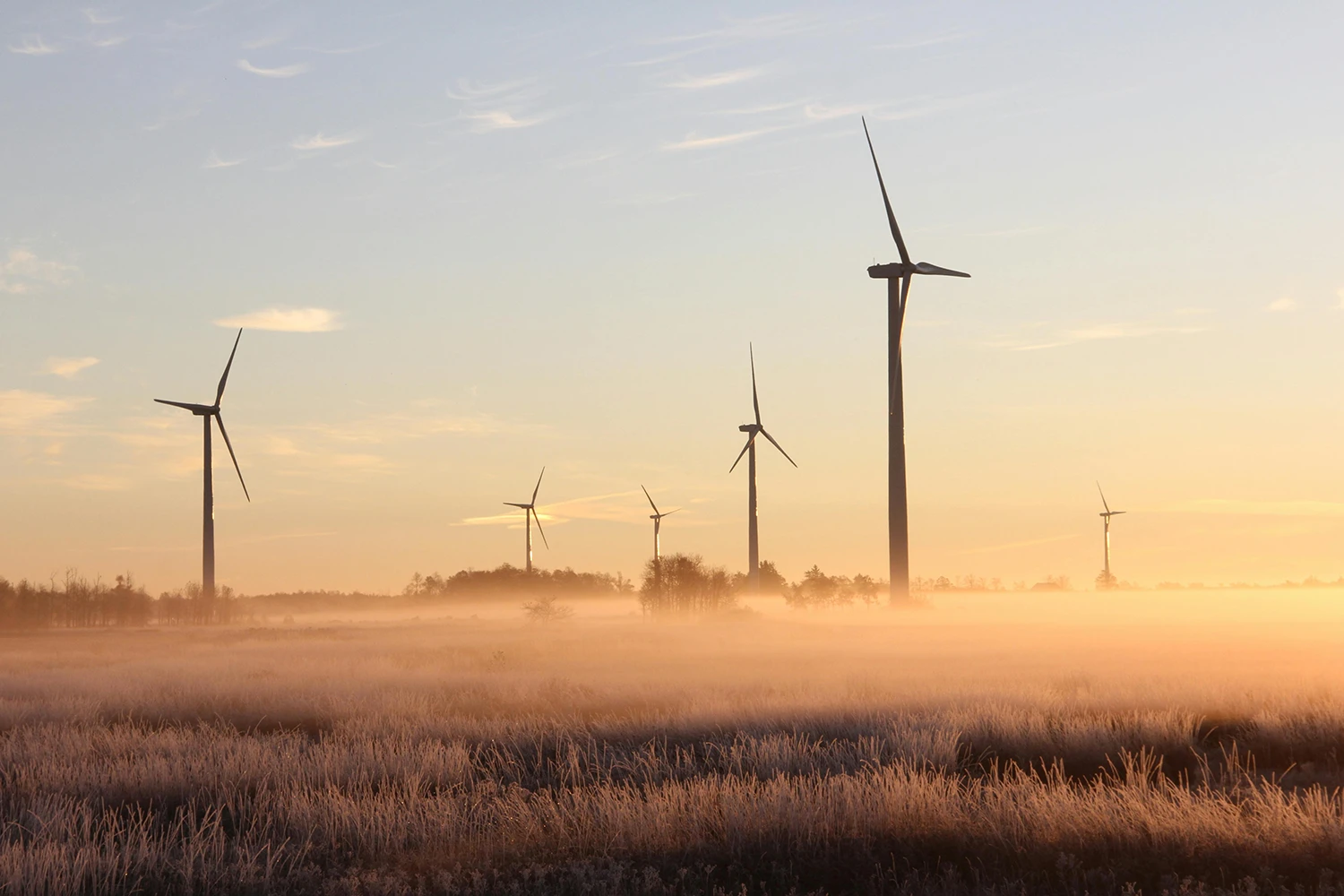
Courtesy of Daniel & Hannah Snipes on Pexels
Rely on local energy produced by your own system for optimal self-reliance.
Remove the strong reliance on grid energy consumption and save.
Save on your bills and quicken return-on-investment timeframes.
Scale to your requirements and enjoy a reliable backup storage system for grid outages.
Initially purchasing a system may be expensive, depending on the desired system.
We seem to be seeing the term ‘AI powered’ thrown around everywhere at the moment with what seems to be every device, but that isn’t limited to phones.
The energy grid is becoming smarter in the way it distributes power, with new algorithms and machine learning taking the wheel to better allocate energy across Australia.
We see a future where using machine learning, the grid can remain flexible, both producing and consuming power where it is demanded, optimising the balance in the overall network.
Combing this with the rapid uptake of solar and battery systems could mean the end of grid instability and peak periods.
Australia has been taking advantage of great opportunities we have with both solar generation and energy storage, but how will VPPs and microgrids change our energy ecosystem?
The National Energy Market (NEM), Australia's interconnected wholesale electricity system could stand to benefit greatly from VPP’s and Microgrids.
As more and more homes adopt solar and battery storage systems, it reduces stress on the grid in peak demand periods like a hot night when everyone has their air conditioning on.
With every home being self-sufficient in the energy they produce and consume, it would greatly reduce the grid's demand and varying instability.
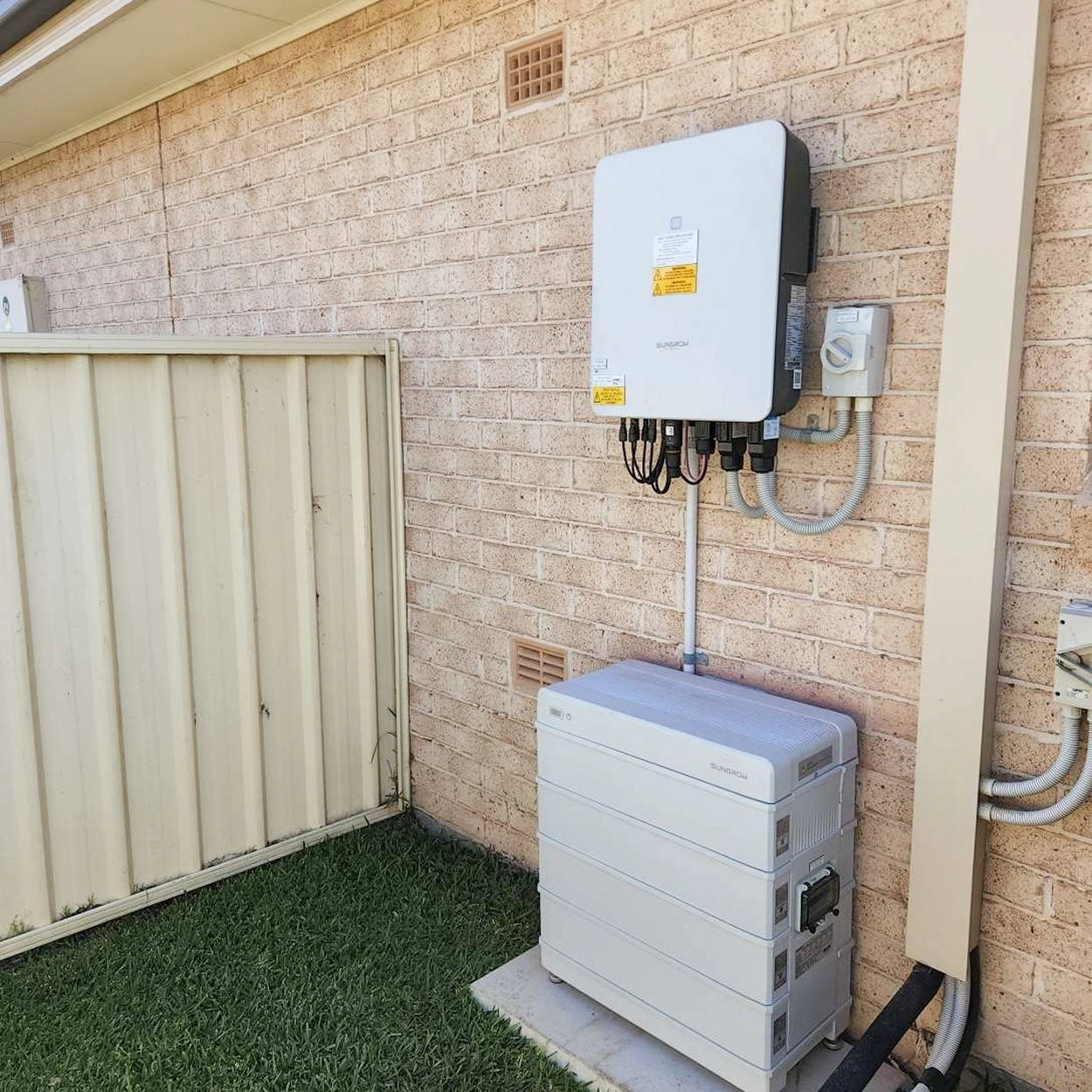
Investing in solar and battery storage systems can bring great benefits to you and your energy. In addition to cost-savings that solar energy advantages can bring, here are a few more benefits of microgrids.
Because Australia has such a large and diverse range of properties spread out across all the states, energy can be hard to distribute.
In suburbs like Weilmoringle, energy can be quite scarce in a limited grid, but a microgrid installation can allow properties to be self-dependent in keeping the lights on, with excess energy being fed into the grid to help power other properties.
Australia are world leaders in rooftop solar energy which means that our existing renewable production is high. With the addition of battery storage and VPP programs, this would stabilise our energy through the nights, and allow for more efficient demand response resulting in fewer grid outages.
Whilst we have strong production through the day, we are still highly reliant on grid energy at night when the sun is down. Battery systems in a VPP would help supplement the grid with renewable energy 24/7.
As Australians continue to adopt Solar and Battery systems, Microgrids will continue to be formed all over the country.
We are seeing a rapid adoption in the Newcastle and Hunter region Renewable Energy Zone (REZ), which is all contributing to the NetZero 2030 goal.
Services like VPP’s will allow for greater returns on energy systems, encouraging more participants to join the network. This will be an integral part in allowing for all properties to be powered by renewable energy.
We are seeing a world where everything is being integrated with everything, including our energy.
Companies all over the world like Tesla, are evolving the way we produce, consume, and store energy with completely integrated systems, and with the addition of putting all these integrated energy management systems into a big, decentralised network, we see a huge opportunity for energy security and greatly reduced reliance on fossil fuels.
As solar and battery installers, we are seeing innovations everywhere, combined with rapid adoption, industry wide. The continual release and adoption of Microgrids and VPP’s clearly indicate that we are undoubtedly heading towards this kind of future for our energy.
The combination of Australian renewable energy sources, as well as innovative and futuristic systems like Vehicle-to-grid, Smart Grids etc. which all contribute to Australia’s transition to a sustainable future.
Whilst we are in the transition, it’s hard to identify main trends that will surface, but right now we see a great opportunity for solar and battery adoption for homes and businesses, as well as VPP programs like Amber.
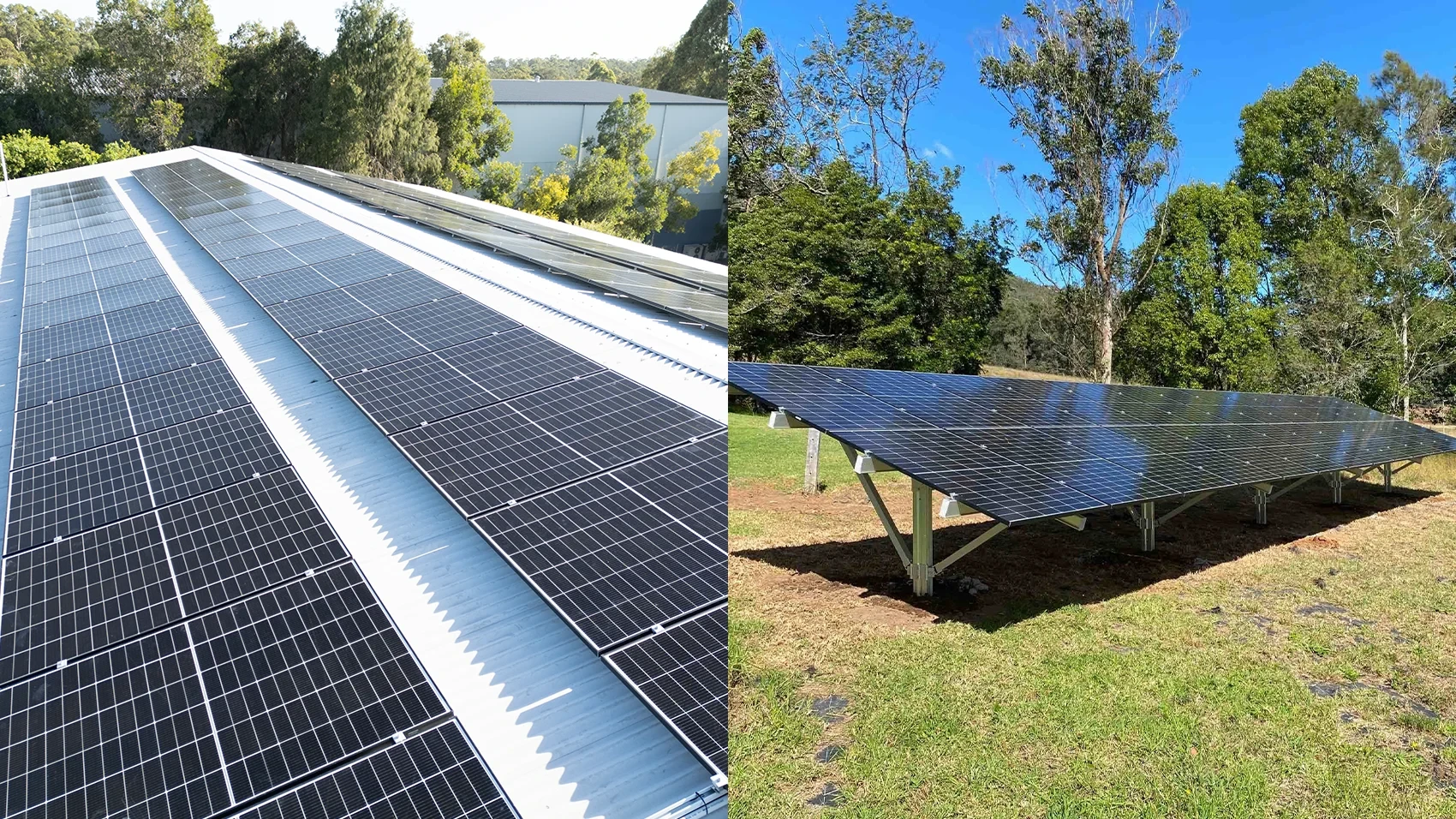
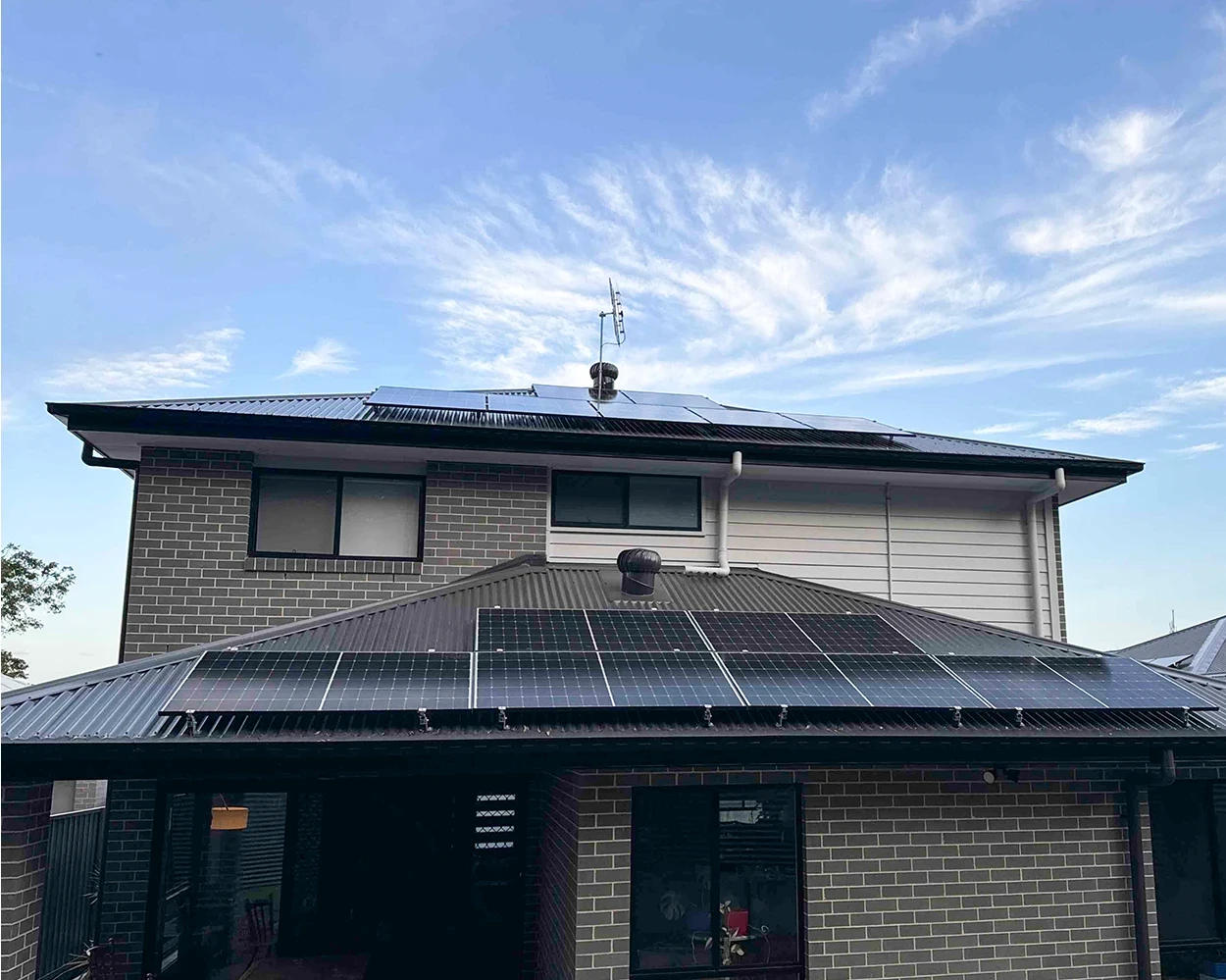
Explore whether rooftop or ground mounted solar systems are better for homes, farms, and remote properties needing solar PV power in Australia.
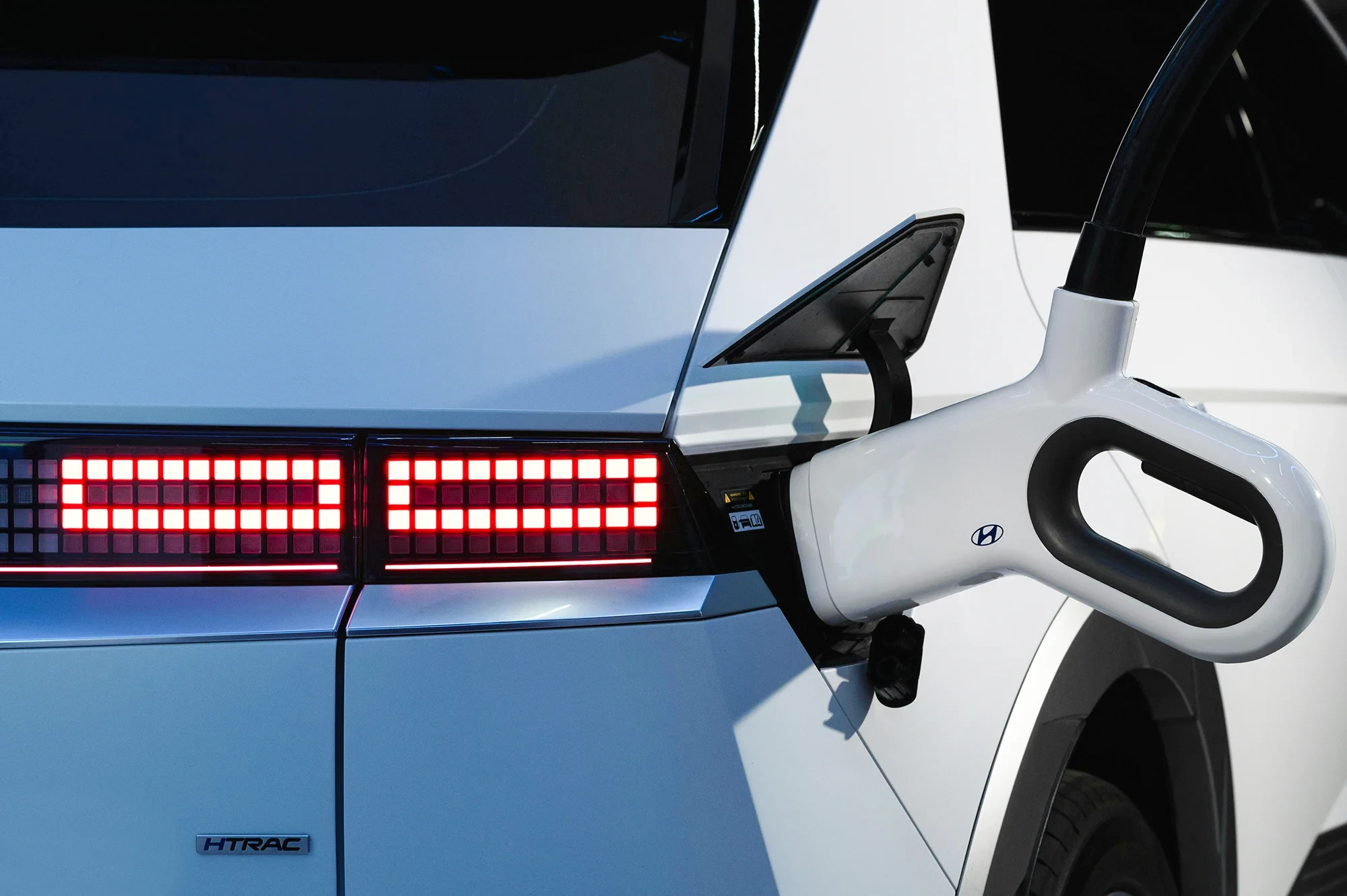
The journey of bidirectional charging in Australia has hit a milestone with the recent approval of the new standard for vehicle-to-grid (V2G) charging for 2025.
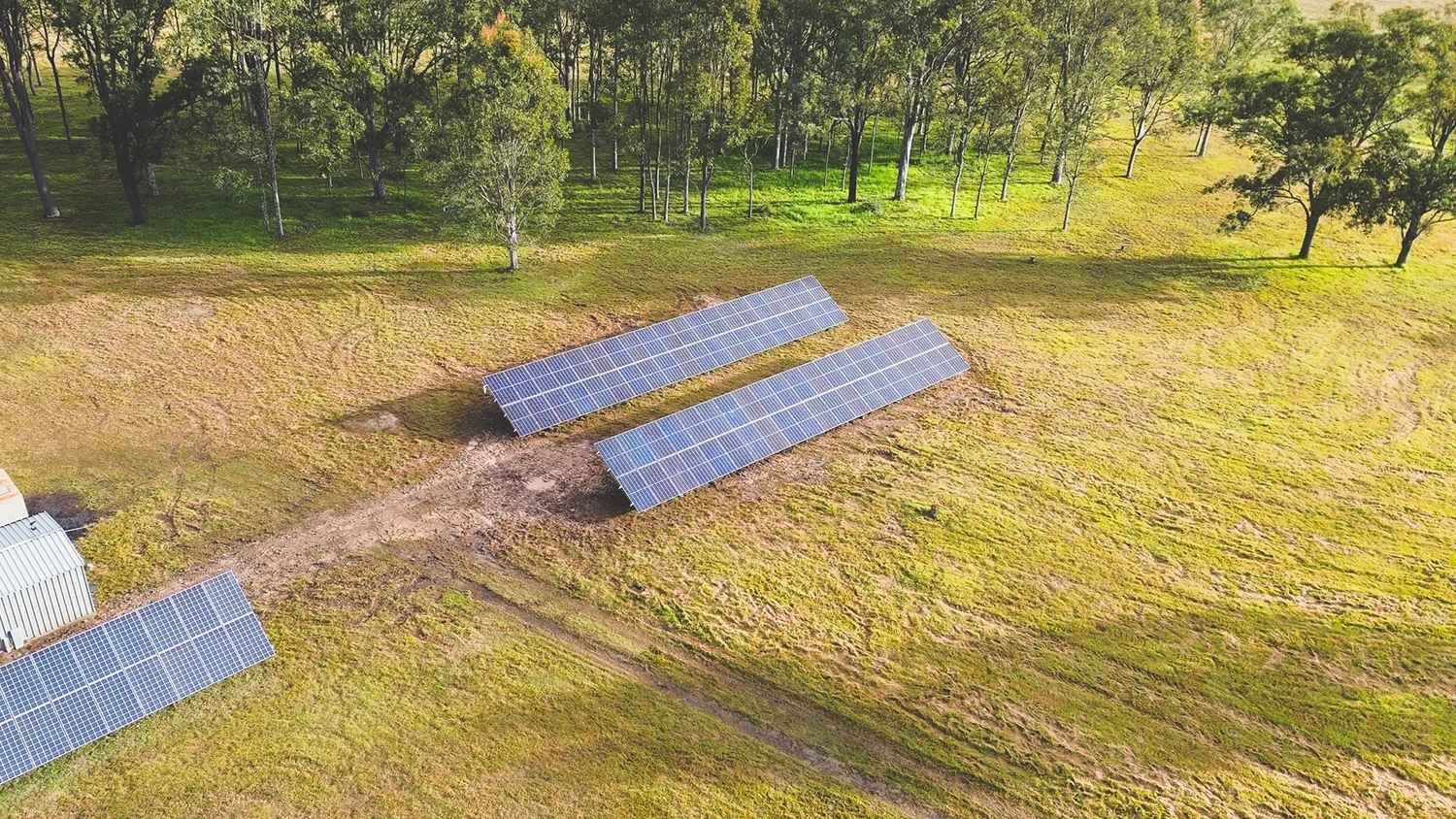
For cabins, homes, and sheds with limited or no access to grid energy, getting an off grid solar and battery storage system may be worth it in NSW in 2025.
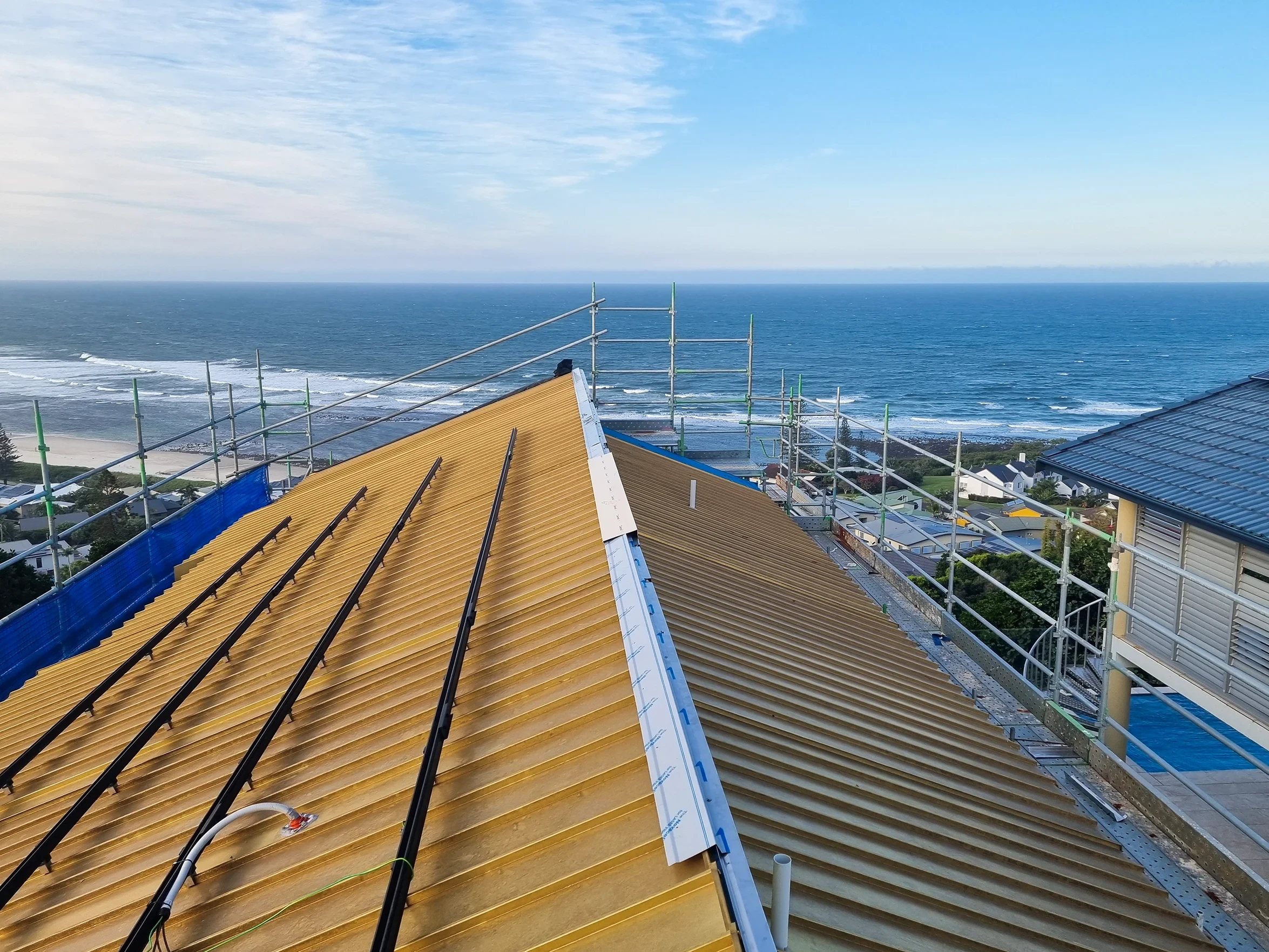
Everyone has seen a solar installation a normal roof like tin or tiled roofs, but have you ever seen a solar installation a roof made of Brass? Well we did one...
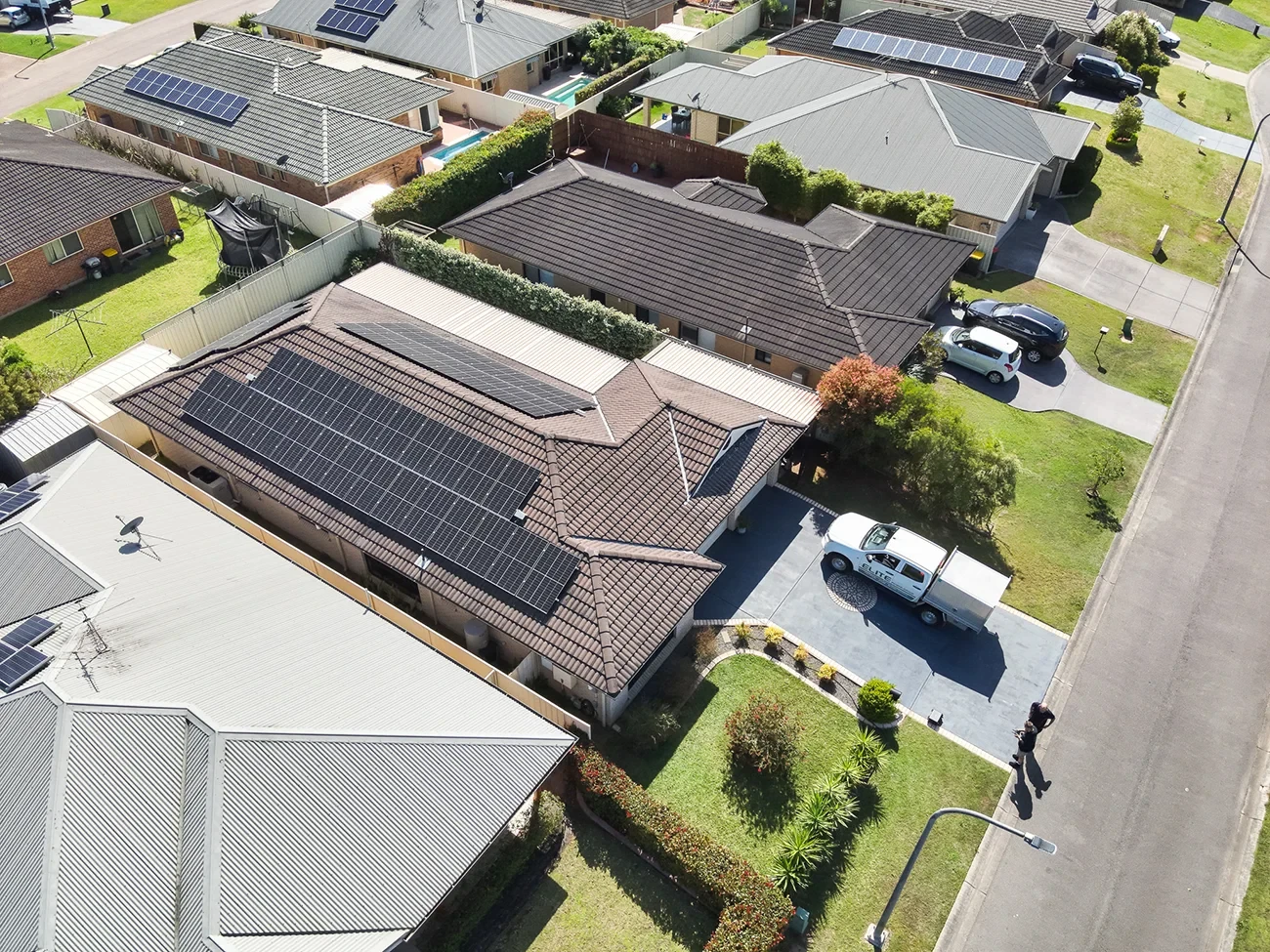
With the release of the new Clean Energy Council (CEC) H1 2024 report on solar and battery storage, it gives an idea of the upward path of Australia’s renewable energy adoption.
Amber & ARENA have started trials for Vehicle-to-grid technology in NSW, Australia to help develop standards and framework in V2G and Bidirectional charging.
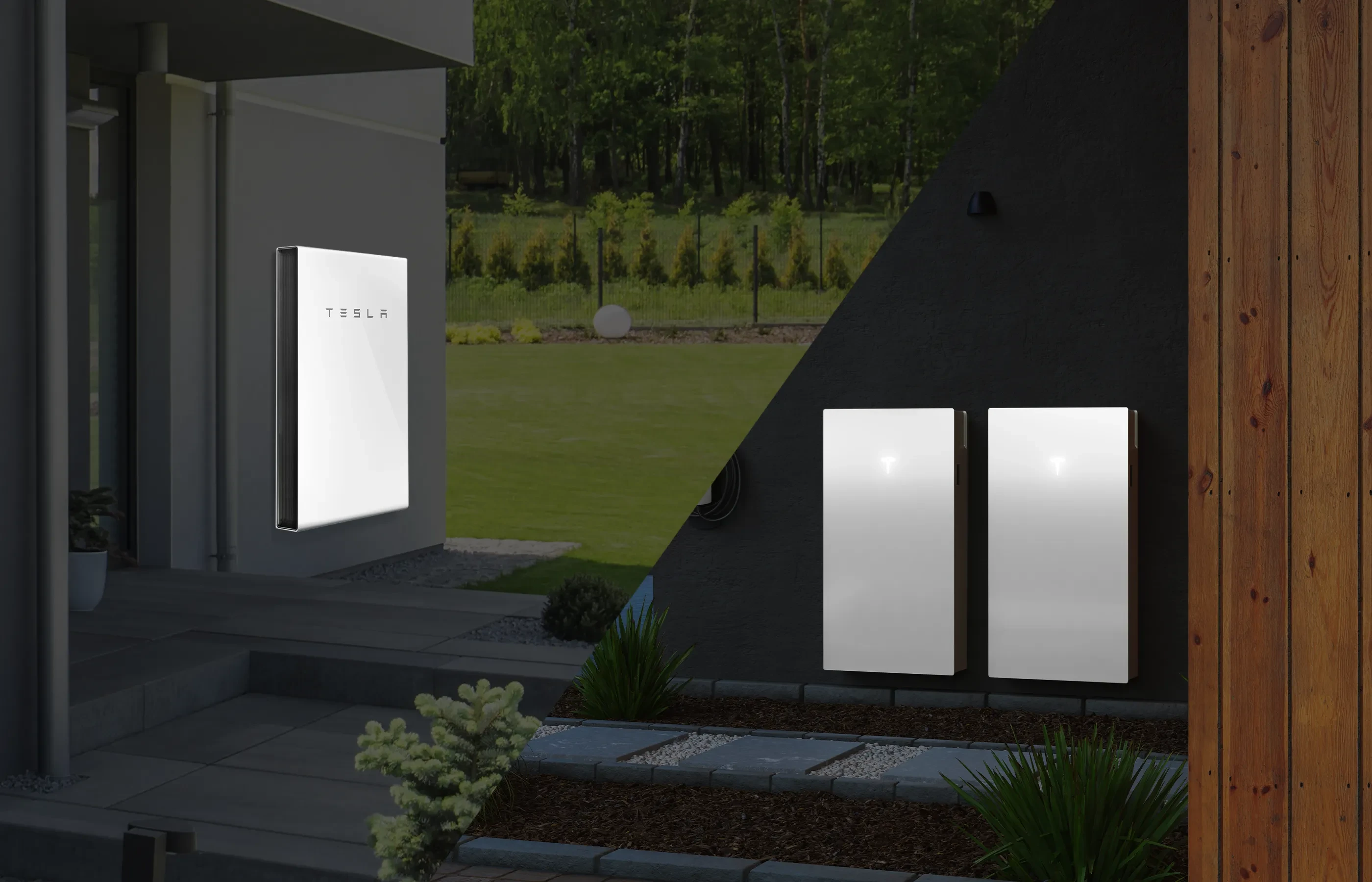
Compare Tesla Powerwall 2 vs Powerwall 3 in Australia. See differences in capacity, power output, dimensions, specifications, pricing & solar compatibility.
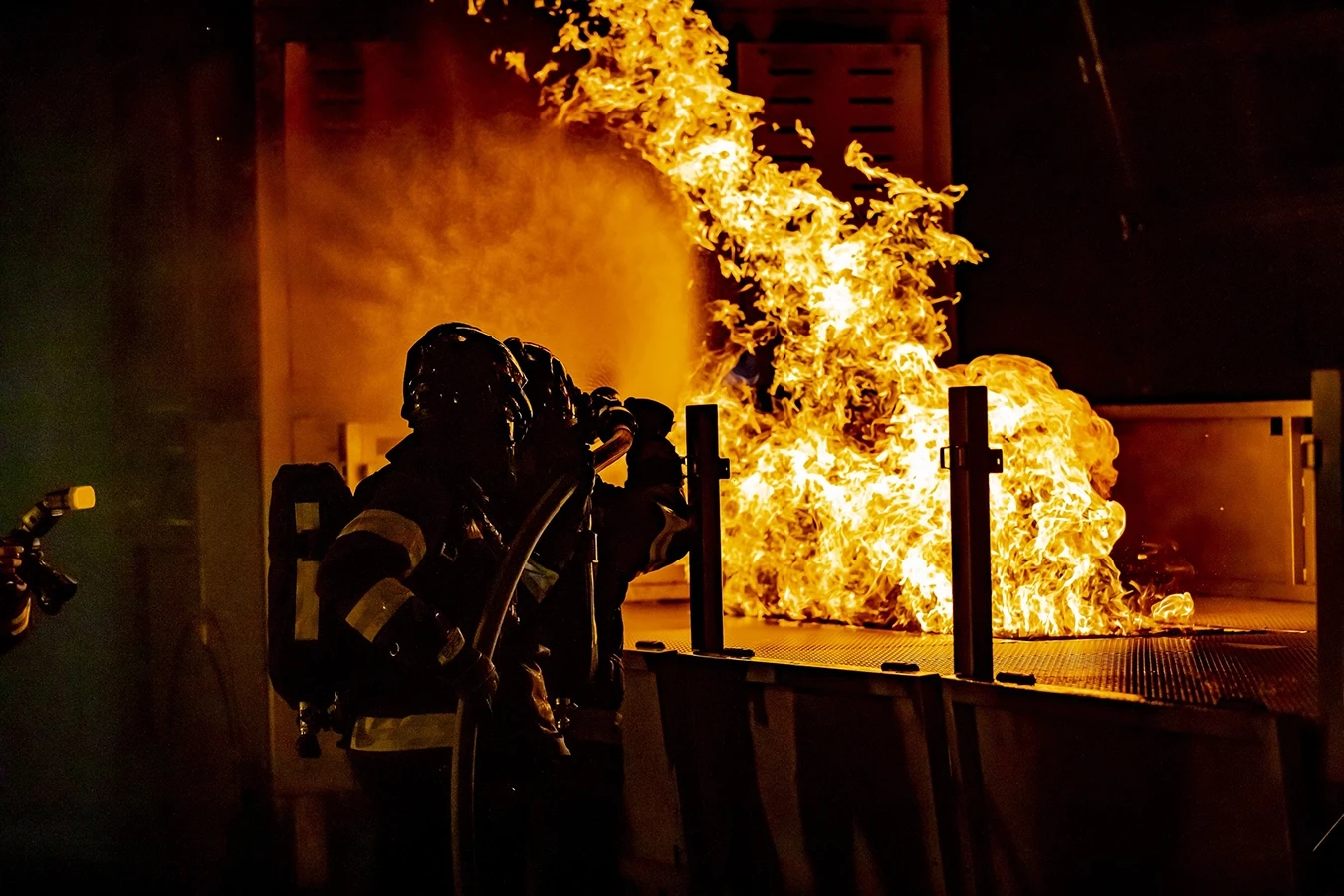
Explore solar battery fire risks, hazards, and statistics, and if solar batteries are safe to install for homes in NSW, Australia. (Spoiler alert.. they are!)
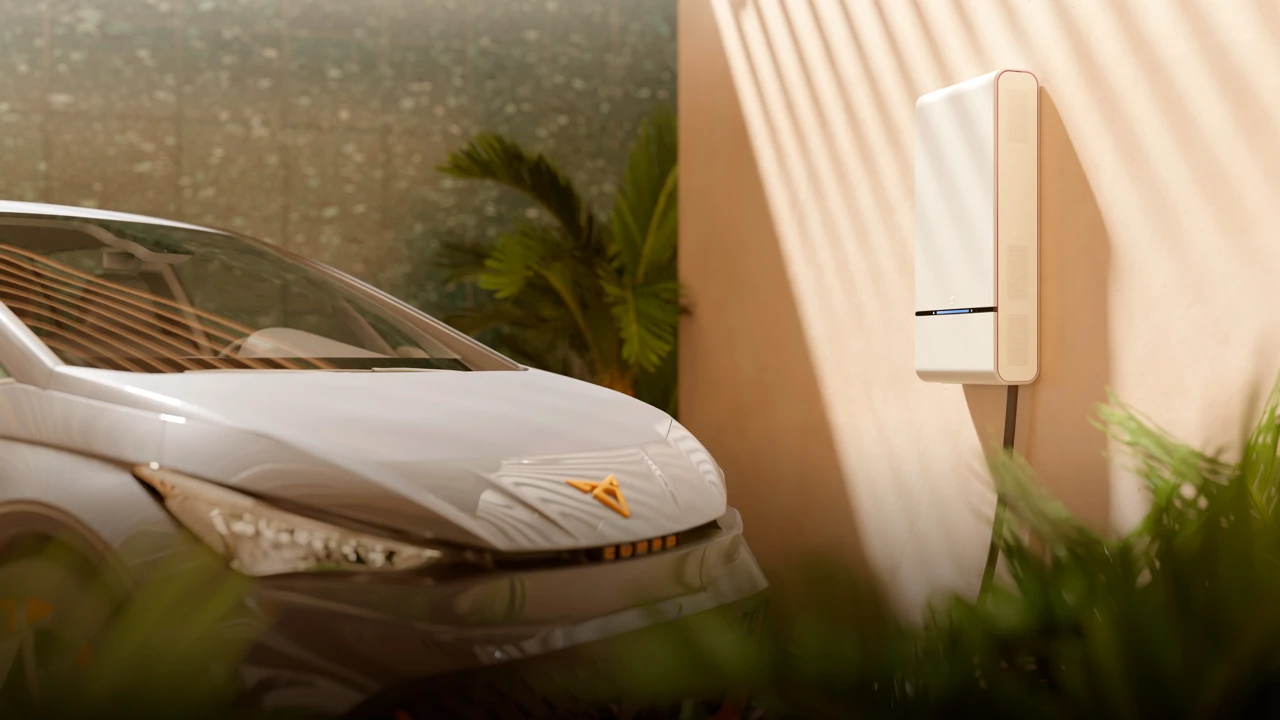
Though bidirectional charging isn't available, vehicle-to-grid is already turning heads in Australia with its potential to change energy consumption and distribution.
Explore how Australia's energy is evolving with t like Microgrids, DER's, Virtual Power Plants, & Demand Response, for solar and battery systems.
Learn alternating and direct current, and the differences between AC vs. DC with real-life examples and diagrams of power flow and voltage in Australia.
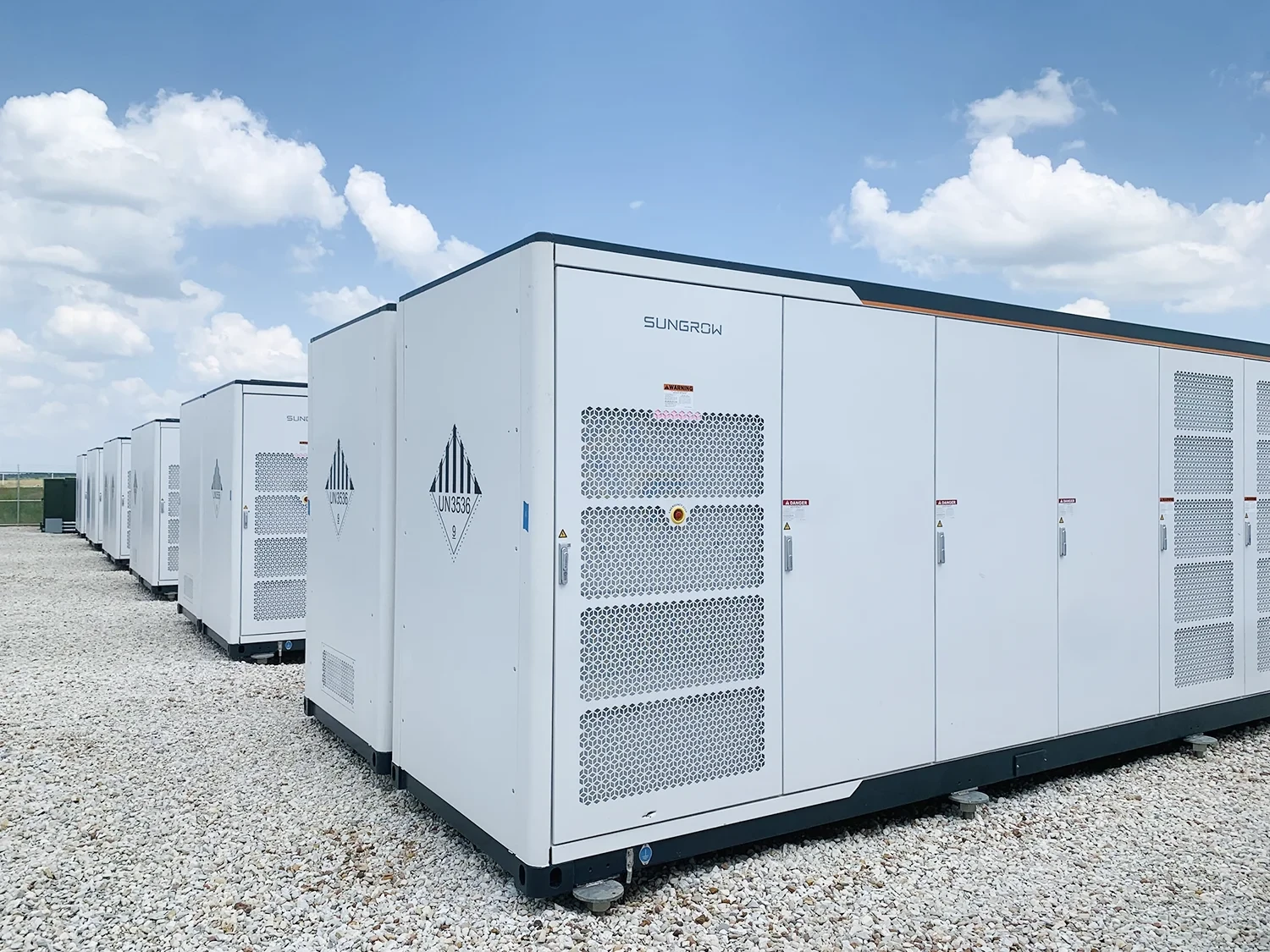
Everything NSW businesses need to know about commercial battery storage - costs, benefits, peak shaving, backup power, and how to choose a system.
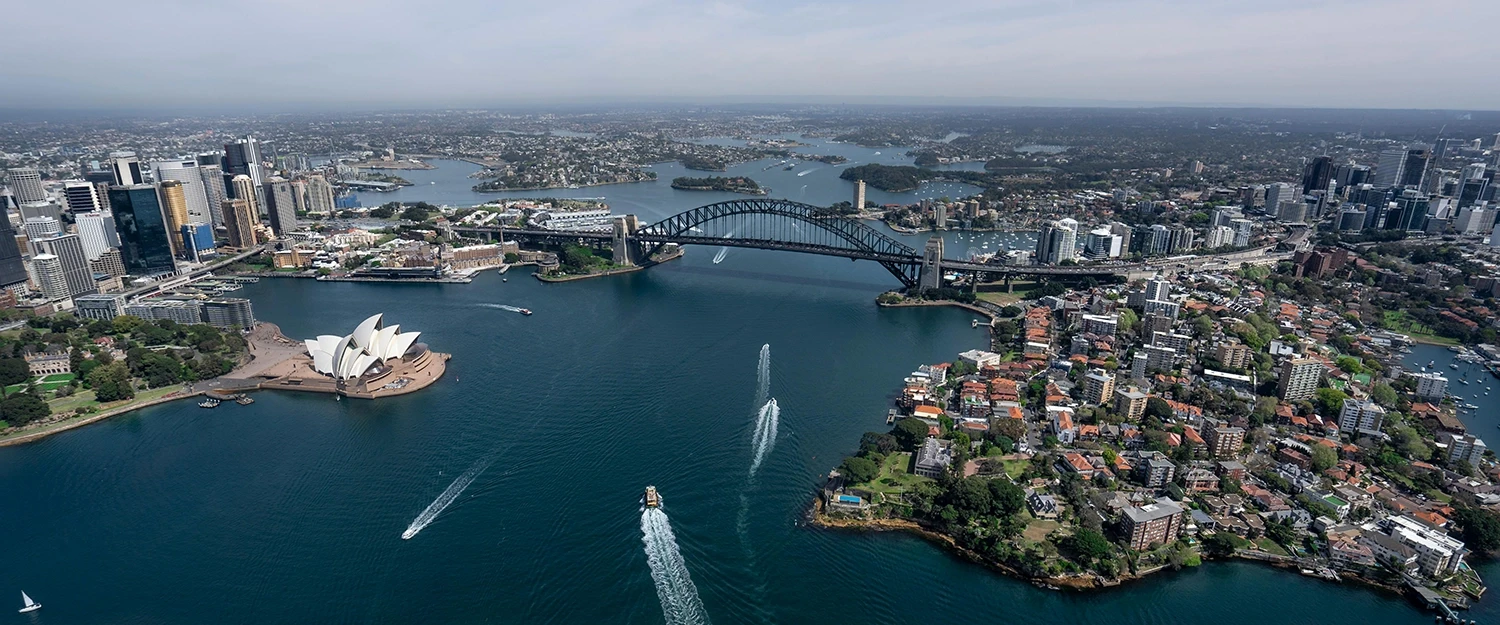
In the new 2024 CEC report, they found that renewable contribution in the overall supply of energy in Australia, produced 40% of Australia’s total electrical supply.
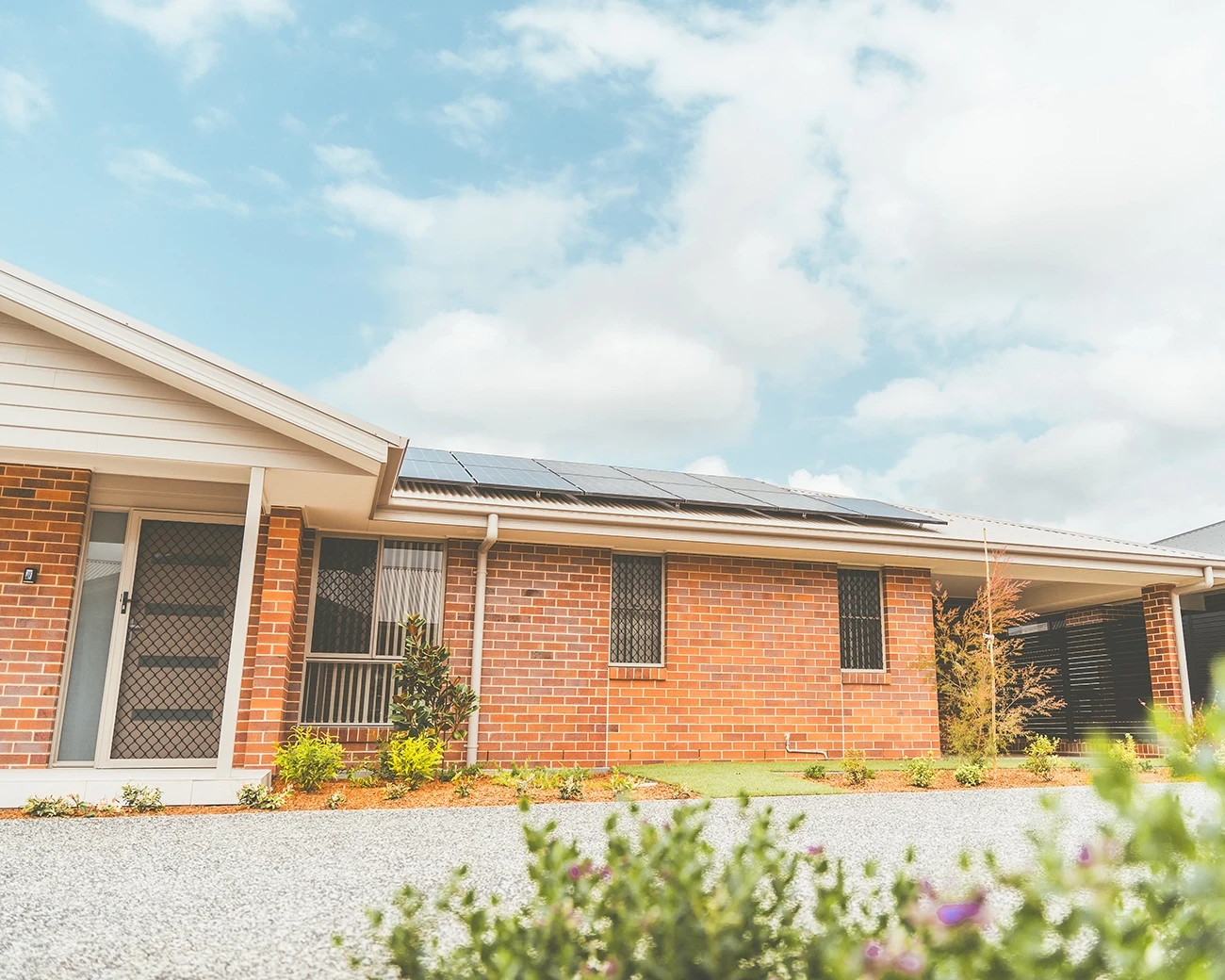
So you've invested in solar to reduce your electricity bills, but since then your bills are still high? Explore why your energy bills are still high even after solar.
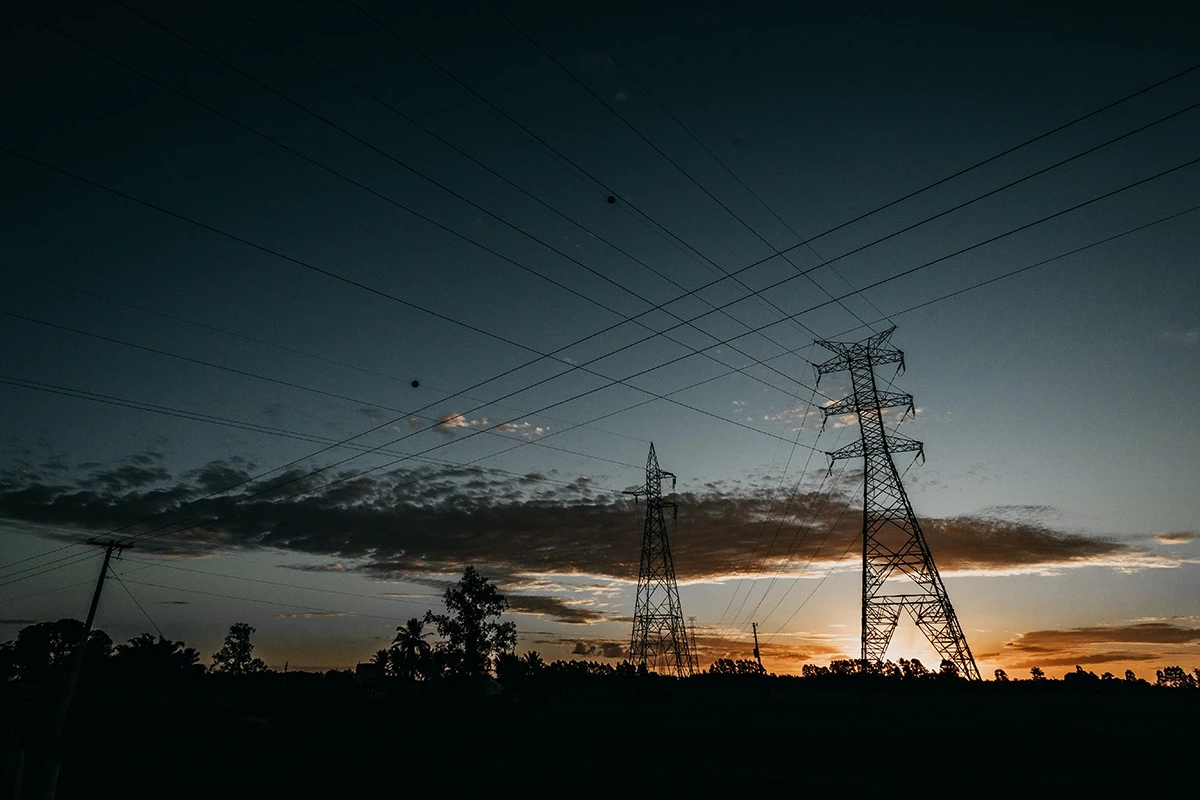
Learn electricity tariffs like single-rate, controlled loads, and time-of-use tariffs where on and off peak pricing occurs through retailers like energy australia.
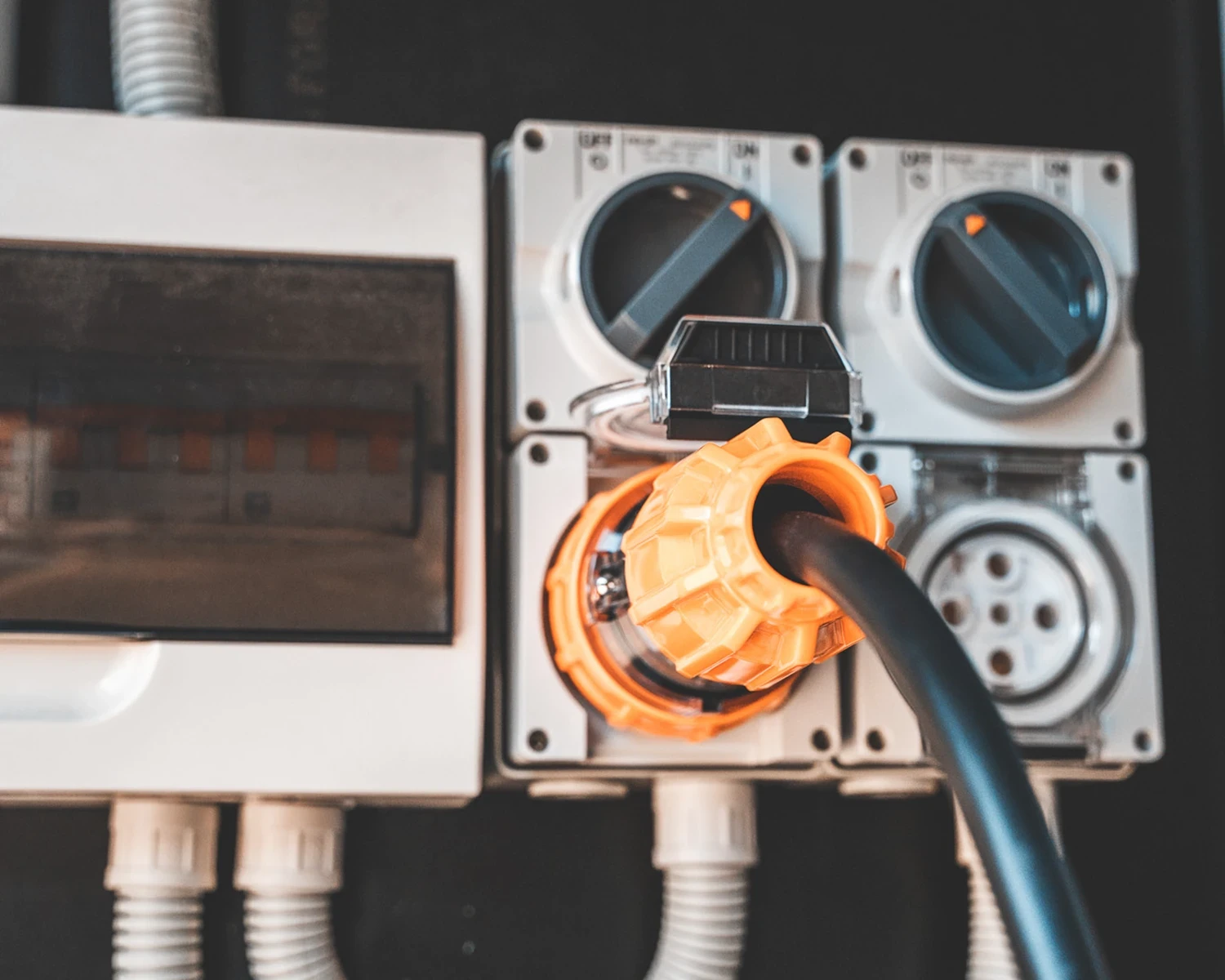
Explore the differences between single phase vs. three phase power, and how 1 phase and 3 phase electricity works with real-life examples in Australia.
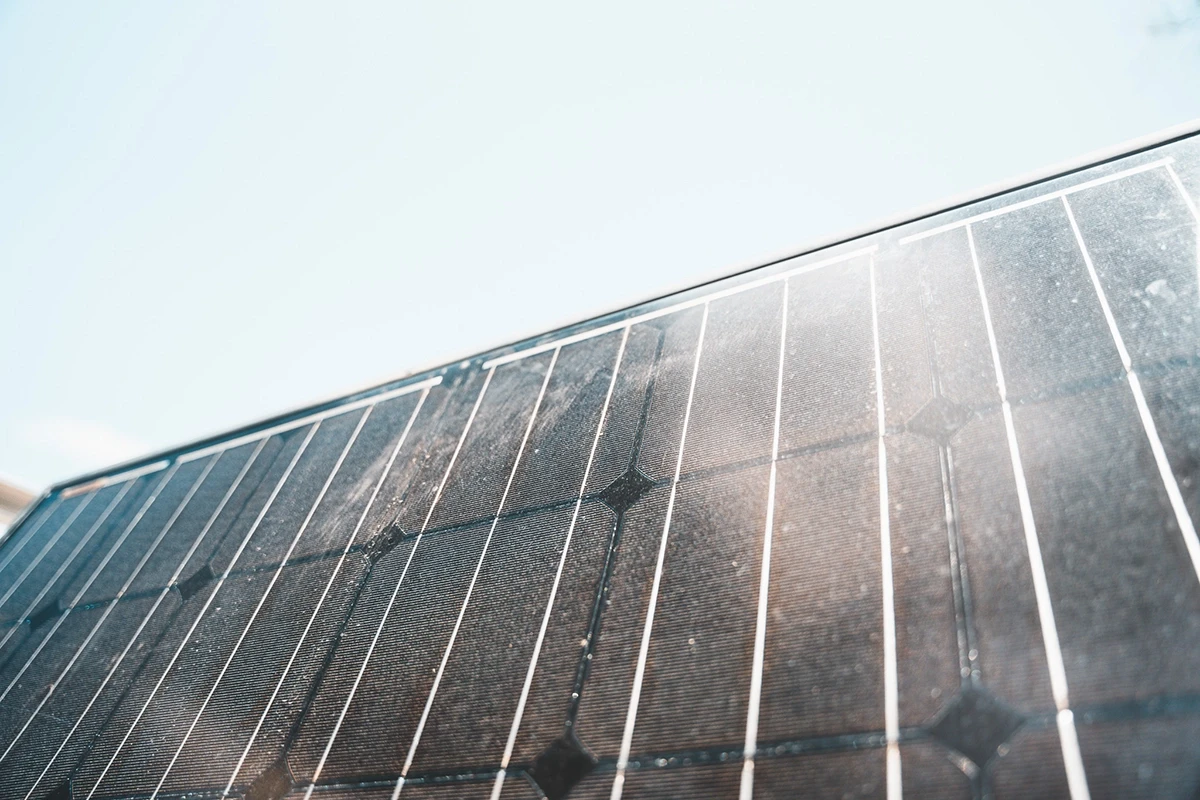
If your solar panels are dirty, explore easy ways to DIY clean your solar panels, or when to get your system cleaned by a professional solar cleaner in Australia.
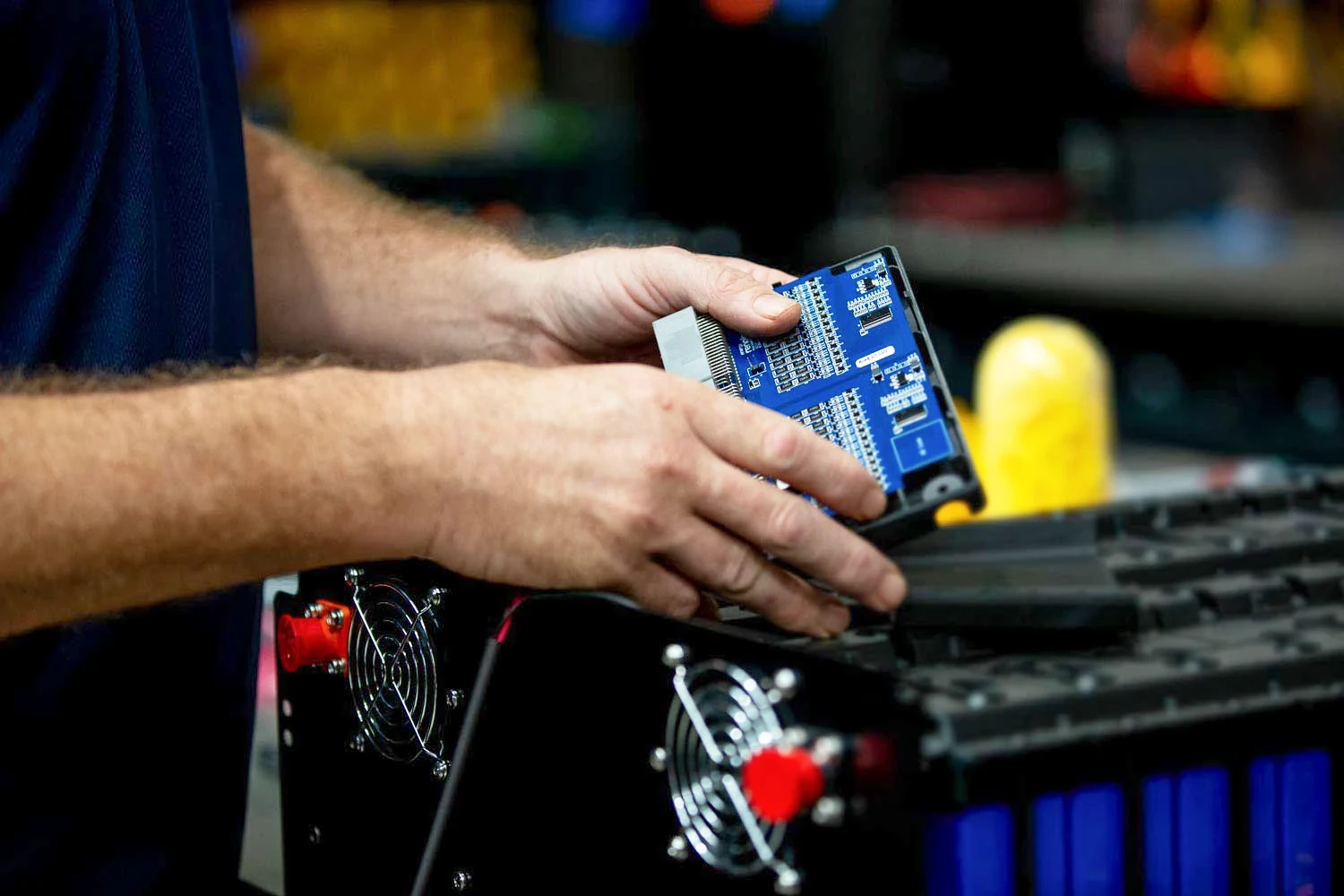
Batteries store energy as chemical potential energy, released as electrical current once connected to a circuit. Learn how batteries store & release energy.
Now is the best time to invest in solar panels.. here are 4 reasons why Australians should invest in solar energy before it's time runs out for 2024.

Explore the National Electricity Market (the NEM), and how it interconnected 5 states with electricity distribution to balance demand and supply in Australia.

Discover how agrivoltaics can benefit farms by combining agriculture and solar energy to increase sustainability and agricultural production in NSW.

The energy required to heat hot water is quite high and for most Australian households. Here are some strategies on how to save on your hot water heating bill.
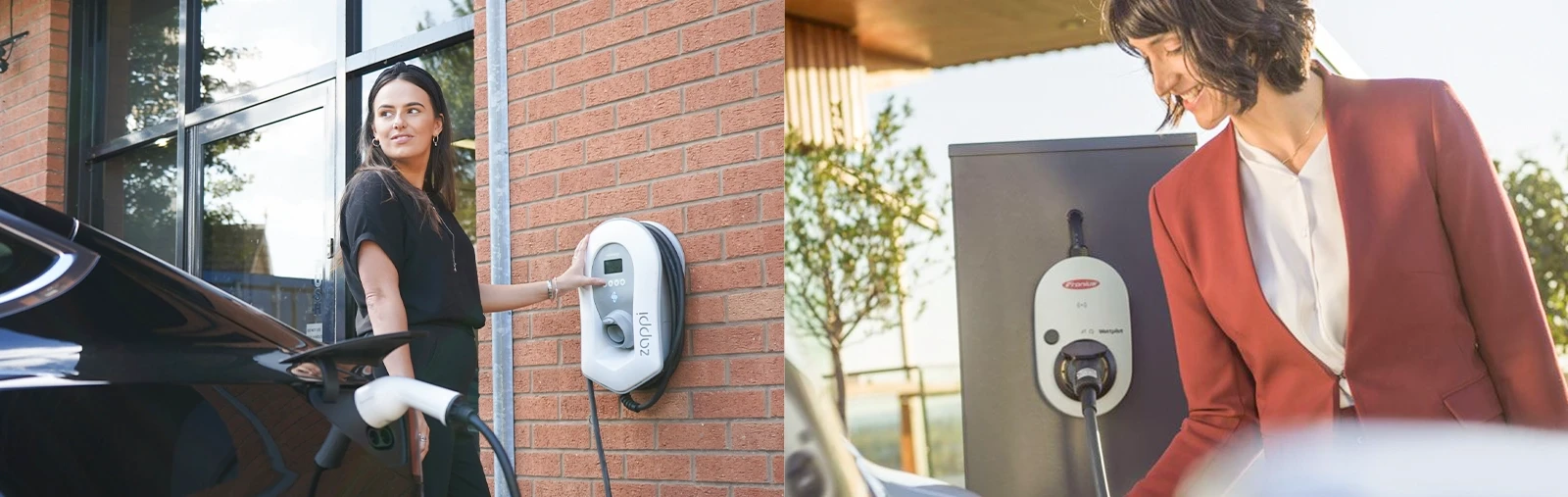
What's the best Solar EV Charger? Zappi or the Wattpilot? We have put together a side-by-side comparison, including the pro’s and con’s for both EV chargers.
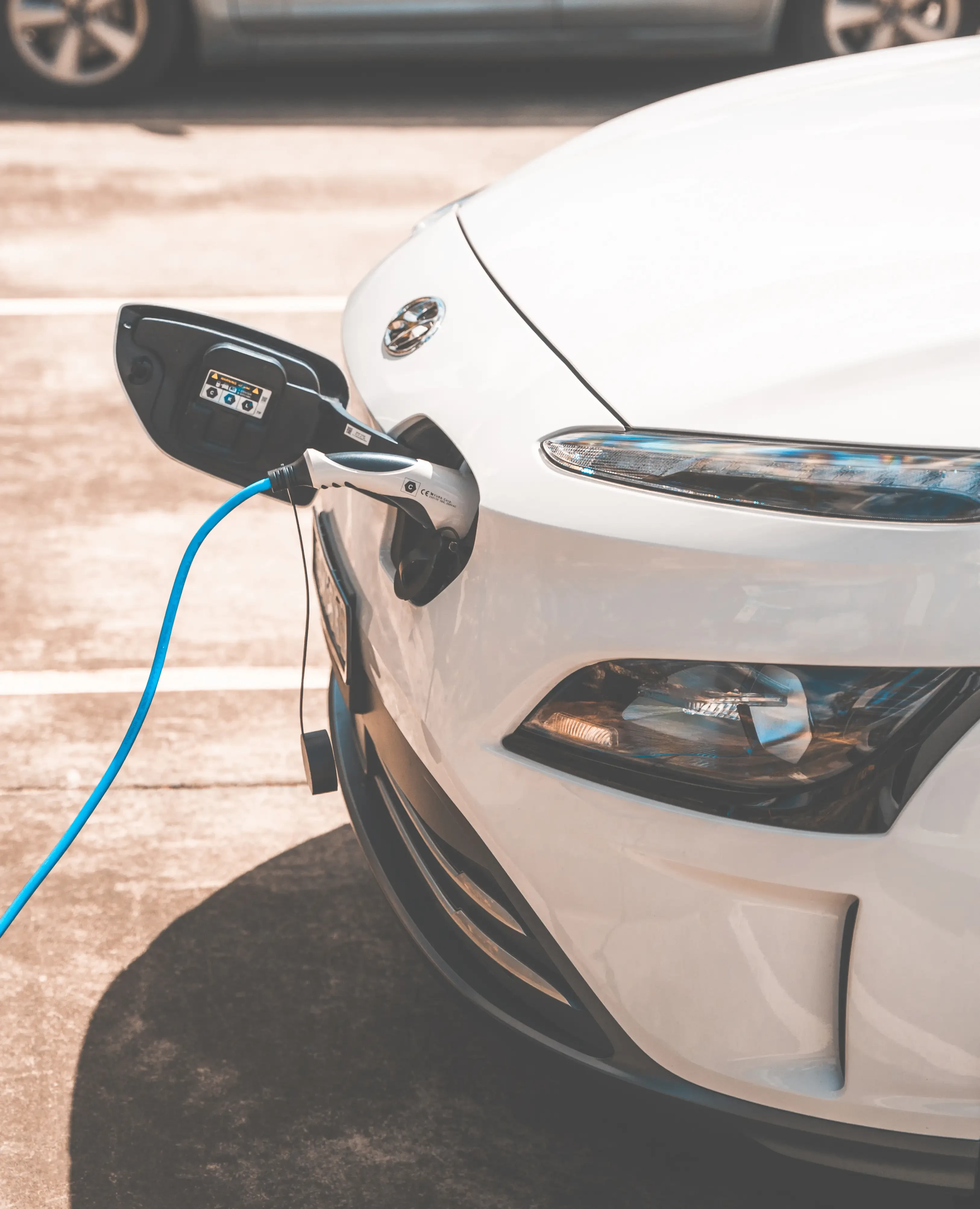
Differences between bidirectional Vehicle-to-Grid (V2G), Vehicle-to-Home (V2H), Vehicle-to-Load (V2L), and compatible chargers and EVs in Australia.
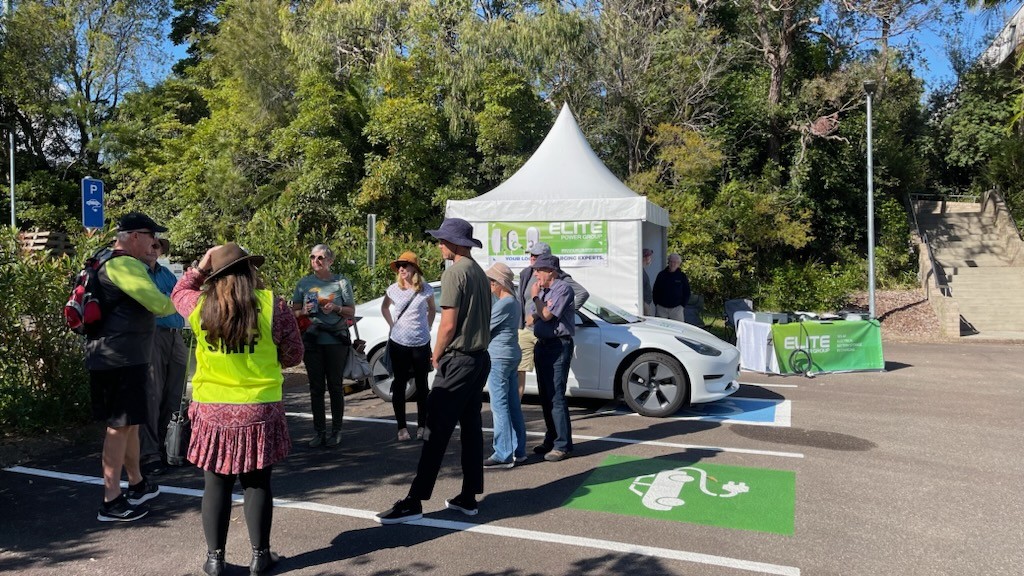
Our team attended the Electric Vehicle open day in Lake Macquarie hosted by Lake Macquarie City Council, and what a day! From all the fun events, to the informative aspects, everyone definitely got something out of the day.
Renewable News Articles
Sign up for new article updates - we don't spam.
We've invested in becoming fully-licensed and qualified installers to ensure Newcastle homes and businesses
get the best solar, battery, and electrical systems available. We want to assist Newcastle's renewable energy revolution with quality
installations for maximum customer satisfaction.
Certified solar system installers near you.
Get CEC-Approved Battery Installations.
Fully-licensed electricians in Newcastle.
Convenient EV charging stations for properties.
Leave a Comment