Newcastle's Leading Residential & Commercial Solar Installers
Newcastle's Leading Residential & Commercial Solar Installers
Posted 6 Jan
Want the latest in energy, solar, and savings?Subscribe to our newsletter – we don’t spam!
As 2025 comes to light, homes and businesses in NSW have access to a range of rebates and subsidies that allow for discounted installations of solar and battery solutions. Let’s explore the current rebates and how they will be affected with the new year.
There's good news! There are available rebates and incentives
on Solar,
Battery, Virtual Power Plants, and more. All these can be combined to maximise your savings and help you get the most out of your energy.
Available NSW Rebates & Incentives
|
Type |
Status |
End Date |
| Cheaper Home Batteries Program (SRES) |
Battery |
Available |
2030 |
| Small-Scale Renewable Energy Scheme (SRES) | Solar |
Available |
2030 |
| Peak Demand Reduction Scheme (PDRS) |
Battery, VPP |
Available (Ends Soon) | June 30th 2025 |
|
Solar for Low-Income Households |
Solar |
Closed |
- |
| Feed-in-Tariffs |
Solar, Battery, Energy |
Available | Ongoing |
What most people don't realise is that there have been, and still are valuable solar rebates and incentive that are designed to help people like you get discounted solar systems to help you further invest in the energy you produce.
Below are a list of recent rebates and incentives for solar energy throughout New South Wales.
(Open)
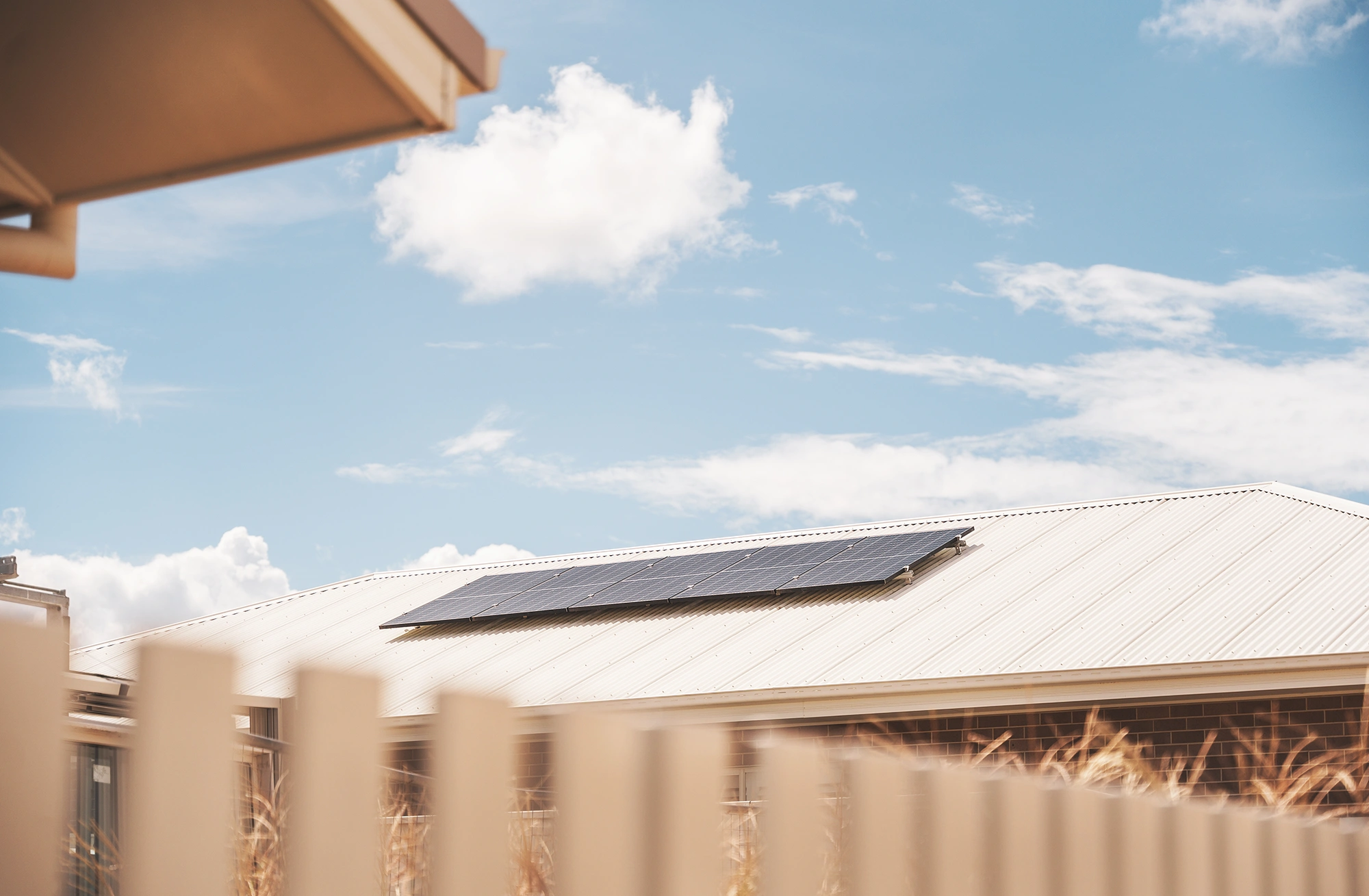
As the primary subsidy (technically not a rebate) for solar power in NSW, the Small-Scale Renewable Energy Scheme (SRES) is an incentive that encourages investments of both homes and businesses to install rooftop solar up to 100 kW that is less than 250 MWh per year, as well as solar water heaters and air sourced heat pumps.
Whilst the SRES is still available, its benefits are slowly diminishing, ending in 2030. But that’s lot of time? Whilst another 5 years is still a large amount of time, the STC buy-back prices reduce by 7% each year until 2030. This means that the amount you can save from investing in a system reduces every year. This also does not include a rebate for battery storage.
Eligibility requirements for the Small-Scale Renewable Energy Scheme include to:
.webp "Solar panel cells")
(Closed)
The more well-known solar rebates like the Solar Swap and Low-income household rebates are no longer available. The Low-Income Household rebate allowed eligible homes to get a free 3 kW solar system installed to help reduce electricity bills.
This was designed to allow homes to save on their electricity bills up to $600 a year, and was funded under a fixed term in the NSW Government’s COVID-19 economic stimulus package.
The Solar Swap rebate has also ended, which allowed households who were eligible for the Low-Income rebate to exchange their rebate for a free 3 kW solar system.
(Open)
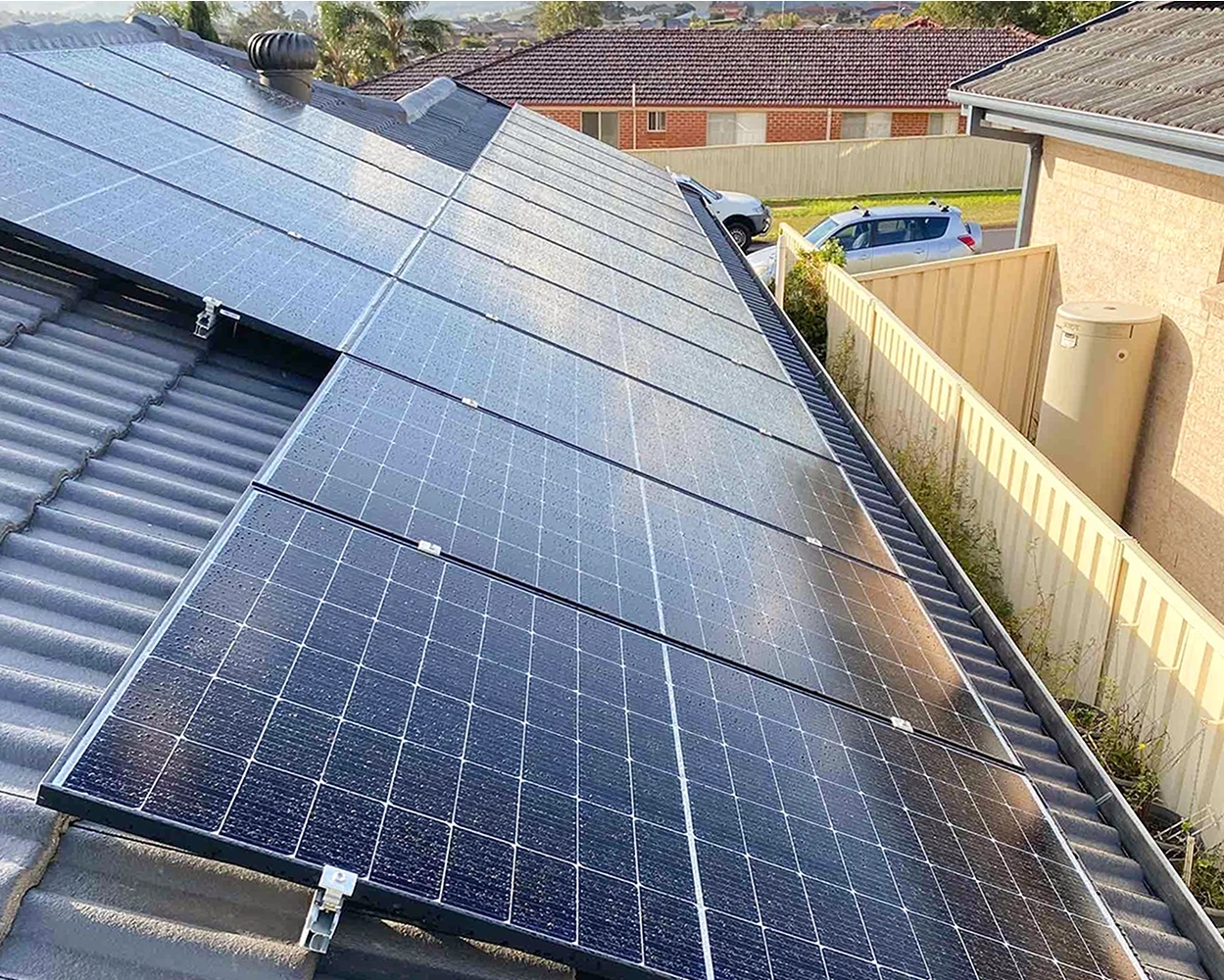
A feed-in-tariff is essentially a reward provided by your energy provider for feeding your excess solar energy back into the grid.
Properties with solar and battery storage can take advantage of solar feed-in-tariffs where solar owners get credits by sending excess solar energy back in to the grid. Depending on the plan you’re on, your provider will pay you a different amount for every kWh you put into the grid.
Whilst this has been reduced recently, it still contributes to a large portion of reducing most home’s bills. According to Wattever.com.au, there are different types of plans where you can earn variable rates depending on the amount you’ve exported, and flat rate earnings.
Homes and businesses can now get discounts on their solar battery storage with energy storage rebates and
subsidies designed to incentivise you to invest in your energy. Here are the available battery storage schemes.
(Open)
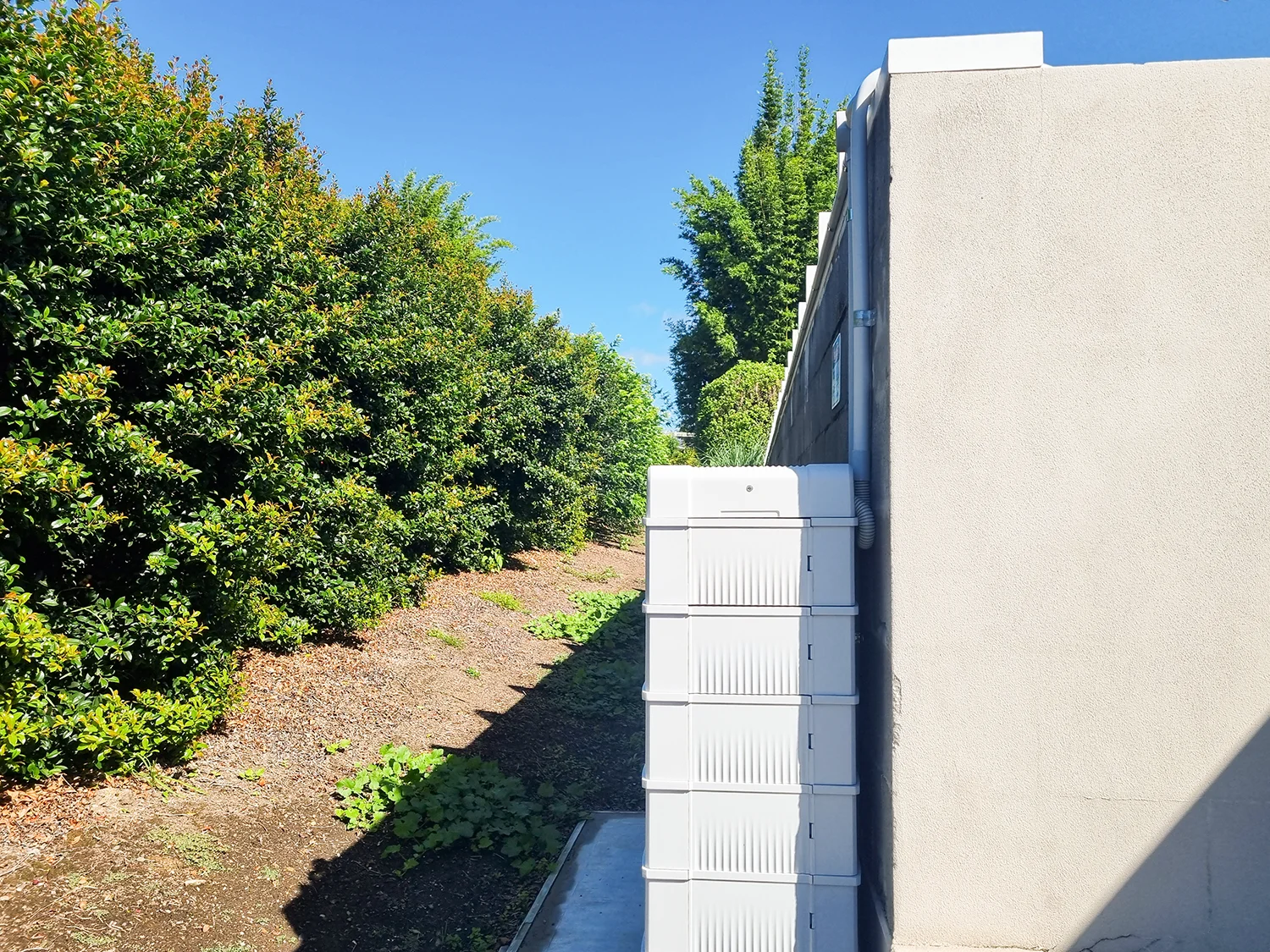
Starting July 1st 2025, the Federal Government’s $2.3 billion Cheaper Home Batteries Program Subsidy will assist business and homeowners access solar battery storage, with the mission to help properties throughout Newcastle, Maitland, and the Hunter, maximise their solar energy and reduce overall network costs for everyone.
(Open - Closing Soon)
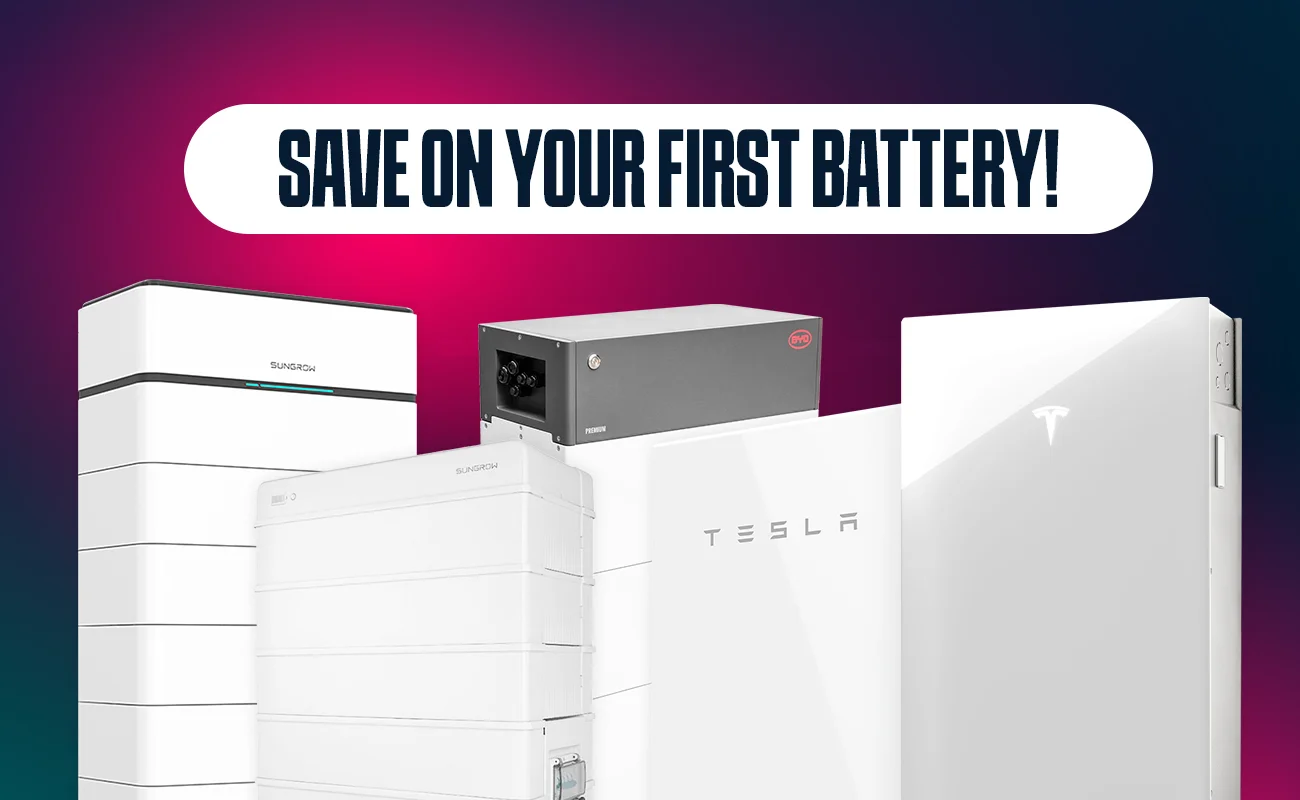
The Peak Demand Reduction Scheme started in November 2024 and is available for 2025 with no end date. This subsidy (also not really a rebate) allows homes and businesses to save on their first battery. It’s important to note that this isn’t a rebate as the subsidy acts a discount off the overall cost.
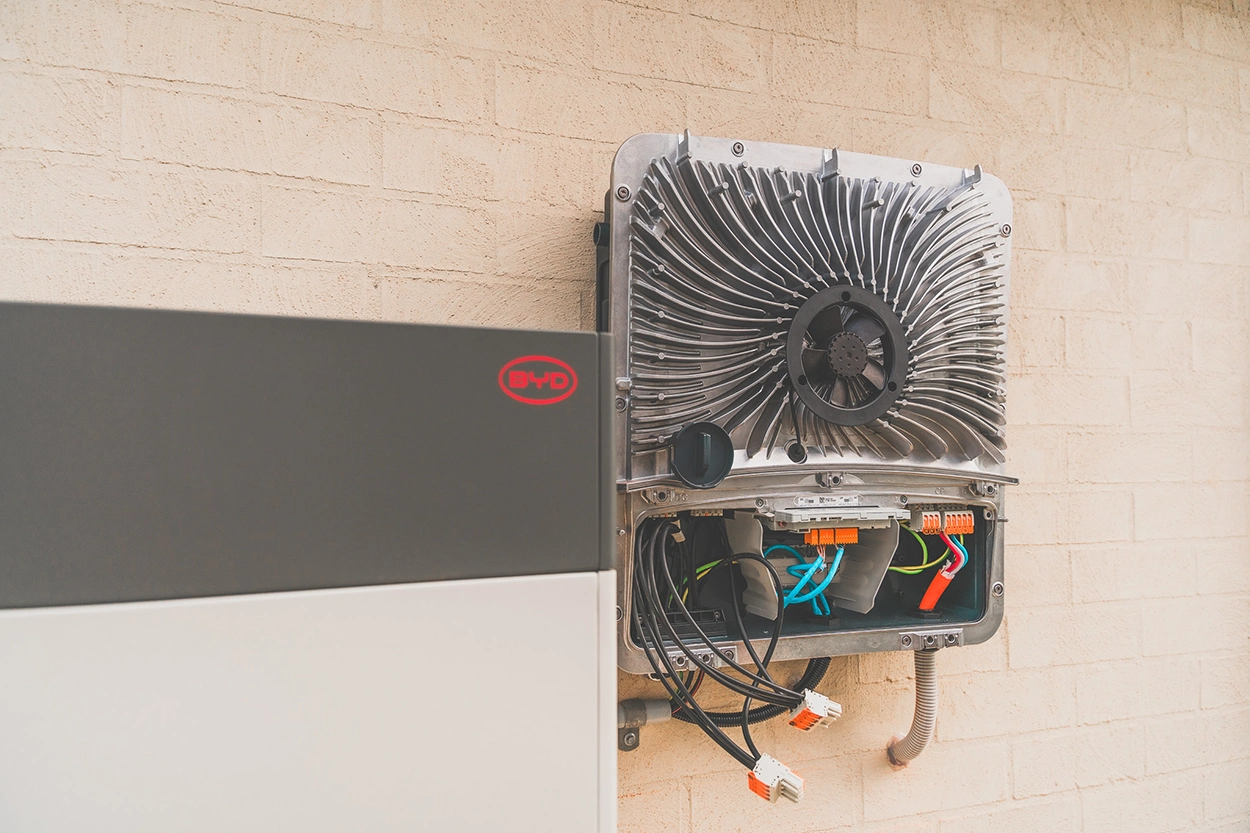
With the recent announcement of the NSW Battery Rebate (PDRS) closure, the Virtual Power Plant (VPP) rebate has almost doubled.
By connecting your solar and battery system to a Virtual Power Plant, you unlock additional rewards that can boost returns and quicken return-on-investment timeframes.
From July 1, 2025, participants who join a Virtual Power Plant network will be eligible for a $1,500
reward for a 27 kWh battery unit. You can combine VPP rebates with the new Cheaper Home Batteries Program which is designed to enable
discounts for battery investments.
If you’re looking for ways to save on electricity and system costs, there are other strategies that you can use to save extra on your energy bills. These ways include analysing your energy consumption habits to better improve efficiency in your usage, finding the right tariff for your lifestyle, and how solar can be greatly utilised in your energy.
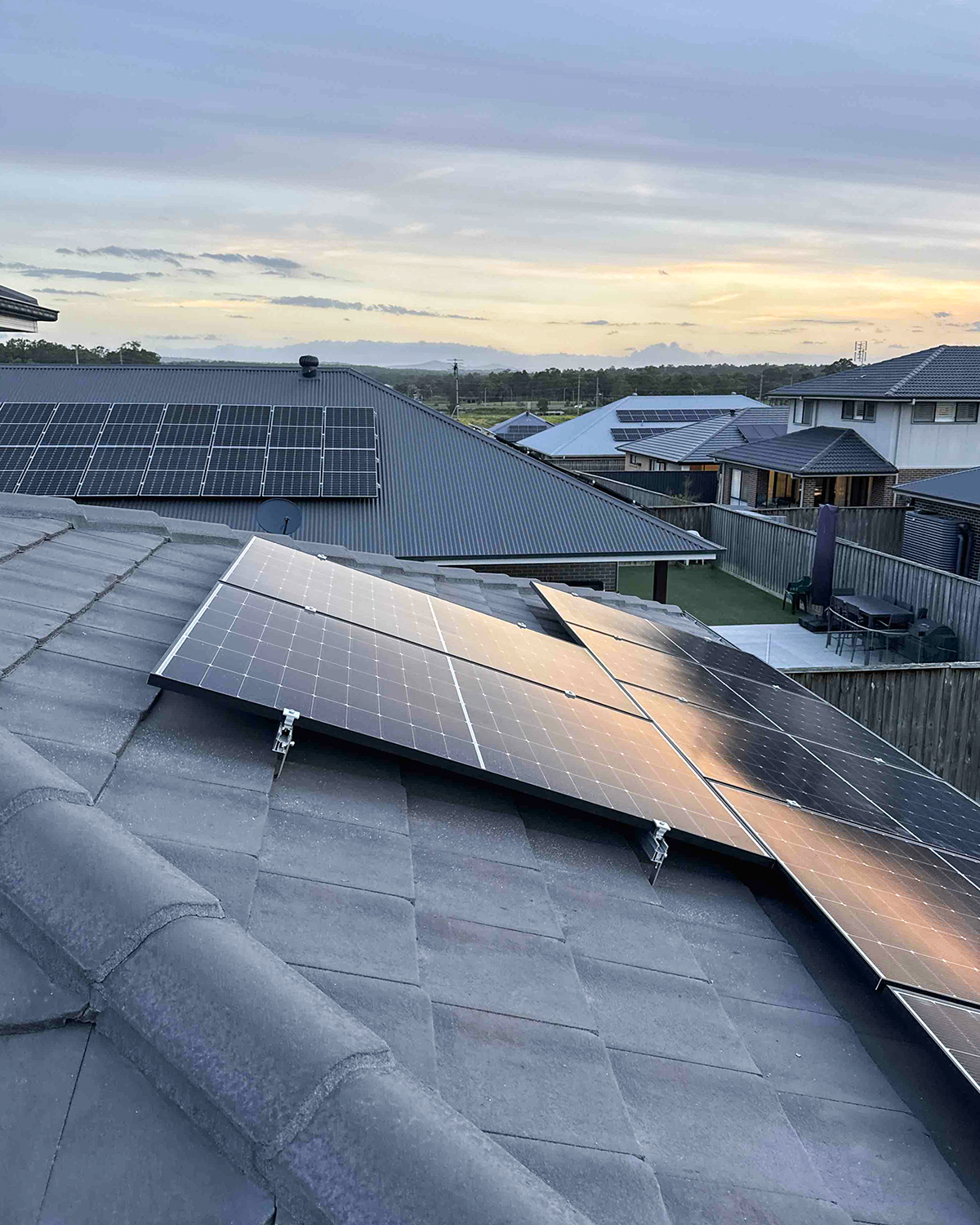
As time goes on, old rebates and subsidies slowly die out, and new one's come in to replace them. Right now there is a great opportunity for the majority of households to take advantage of not only single rebates, but combinations, all designed to boost the desire to invest in their own energy.
We help a lot of households find their optimal solar solutions, and walk them through every step in how the subsidy works, as well as transparent quotes and pricing.
Our goal is to deliver tailored and quality renewable and electrical solutions that result in a positive customer experience.
Get a Free Quote
Use this form, and we'll get in contact with you about solar and battery incentives in Newcastle & the Hunter region.
The Small-scale Renewable Energy Scheme (SRES) is part of a larger goal of helping increase adoption of renewable energy systems like solar energy. How does the SRES work?
Small-scale Technology Certificates (STCs) are virtual tokens which are created when you install a solar system to your property. The STCs essentially represent the environmental benefits of your system. The number of STCs depend on your solar system's size and the location.
These STCs are then usually assigned to us as a part of the subsidy process, in which fluctuates in value over time. As of this article the live STC price is $38.30.
Each zone is segmented based on their solar irradiation levels which affects the incentive value.

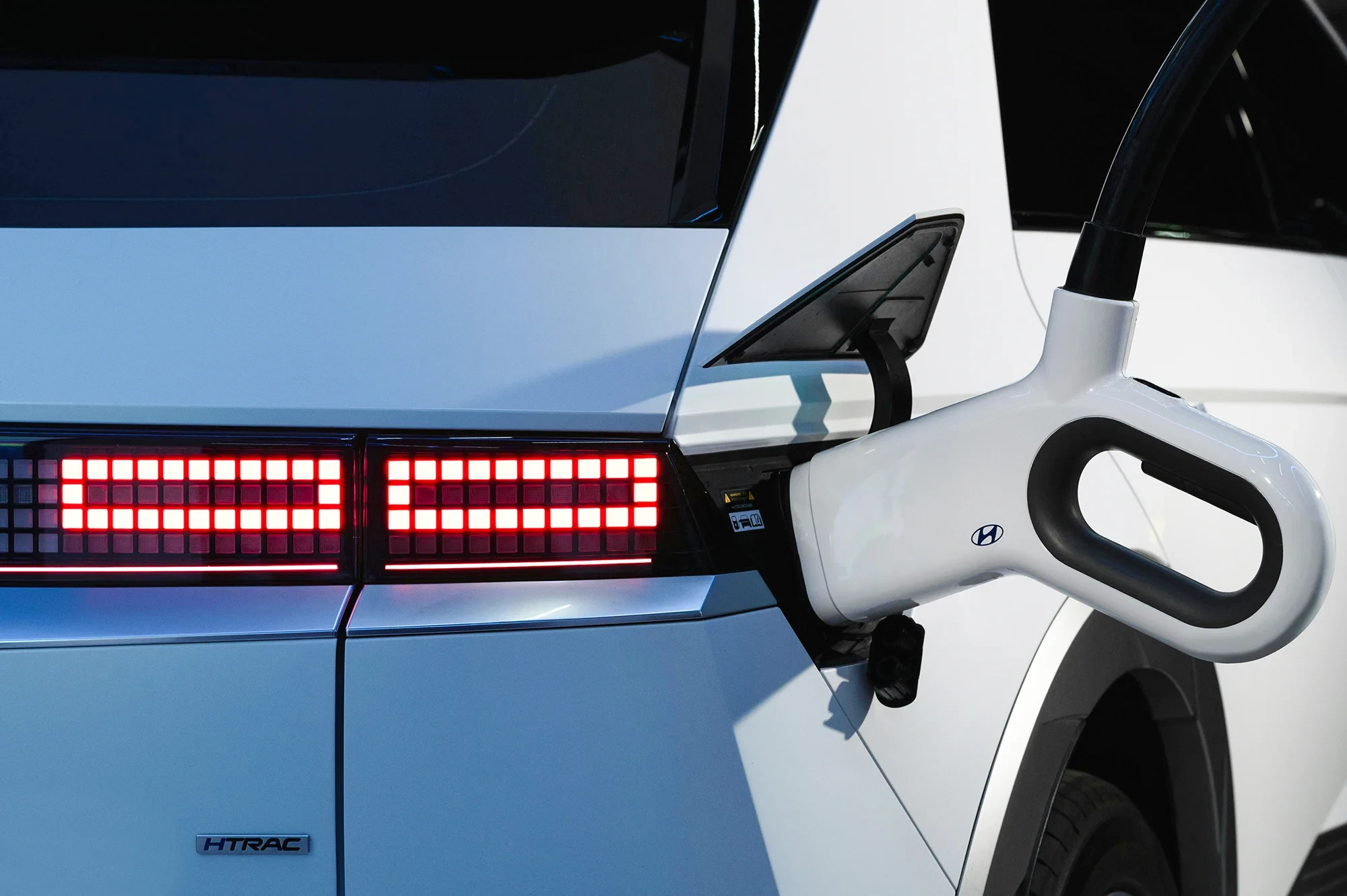
The journey of bidirectional charging in Australia has hit a milestone with the recent approval of the new standard for vehicle-to-grid (V2G) charging for 2025.
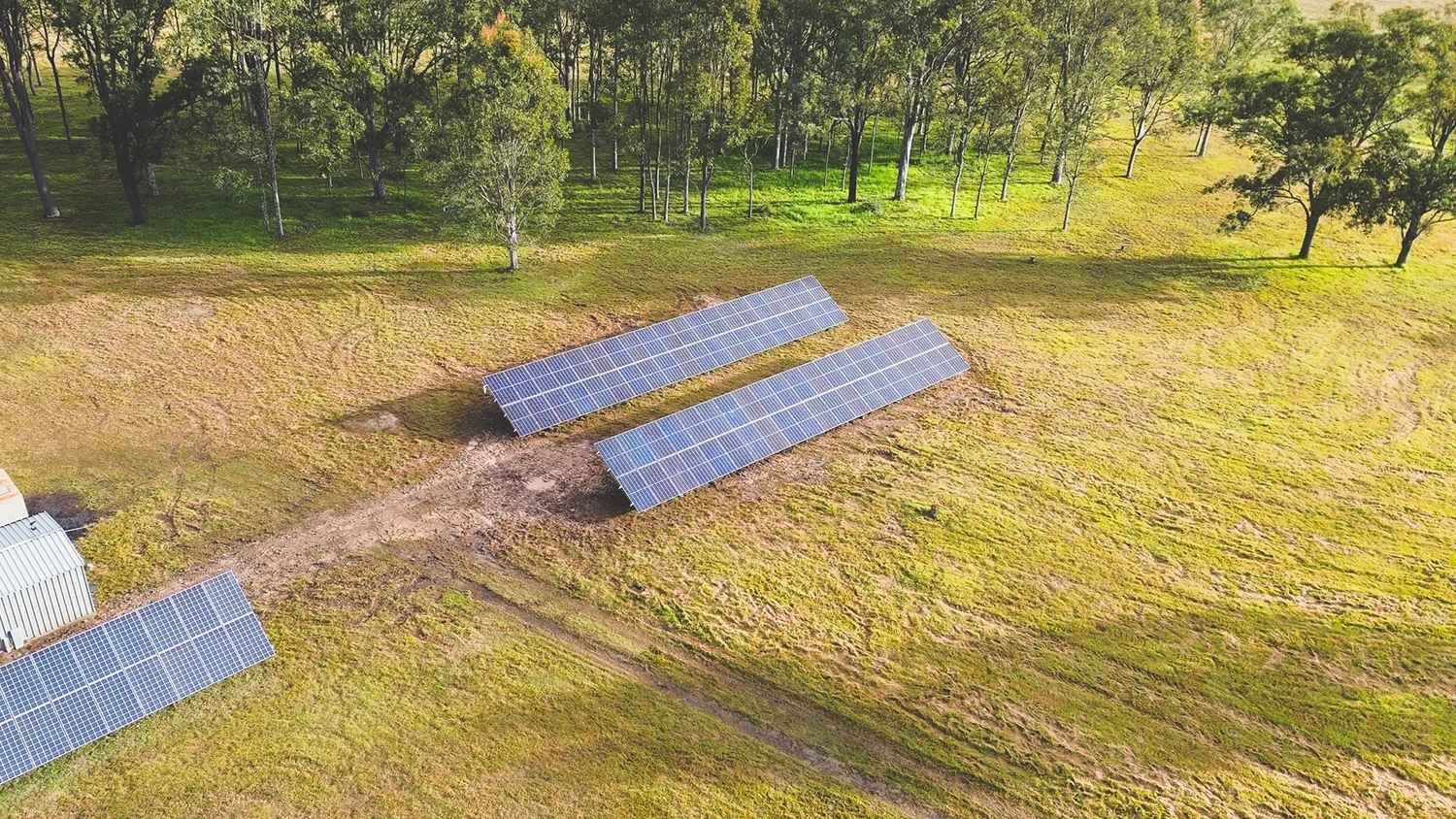
For cabins, homes, and sheds with limited or no access to grid energy, getting an off grid solar and battery storage system may be worth it in NSW in 2025.
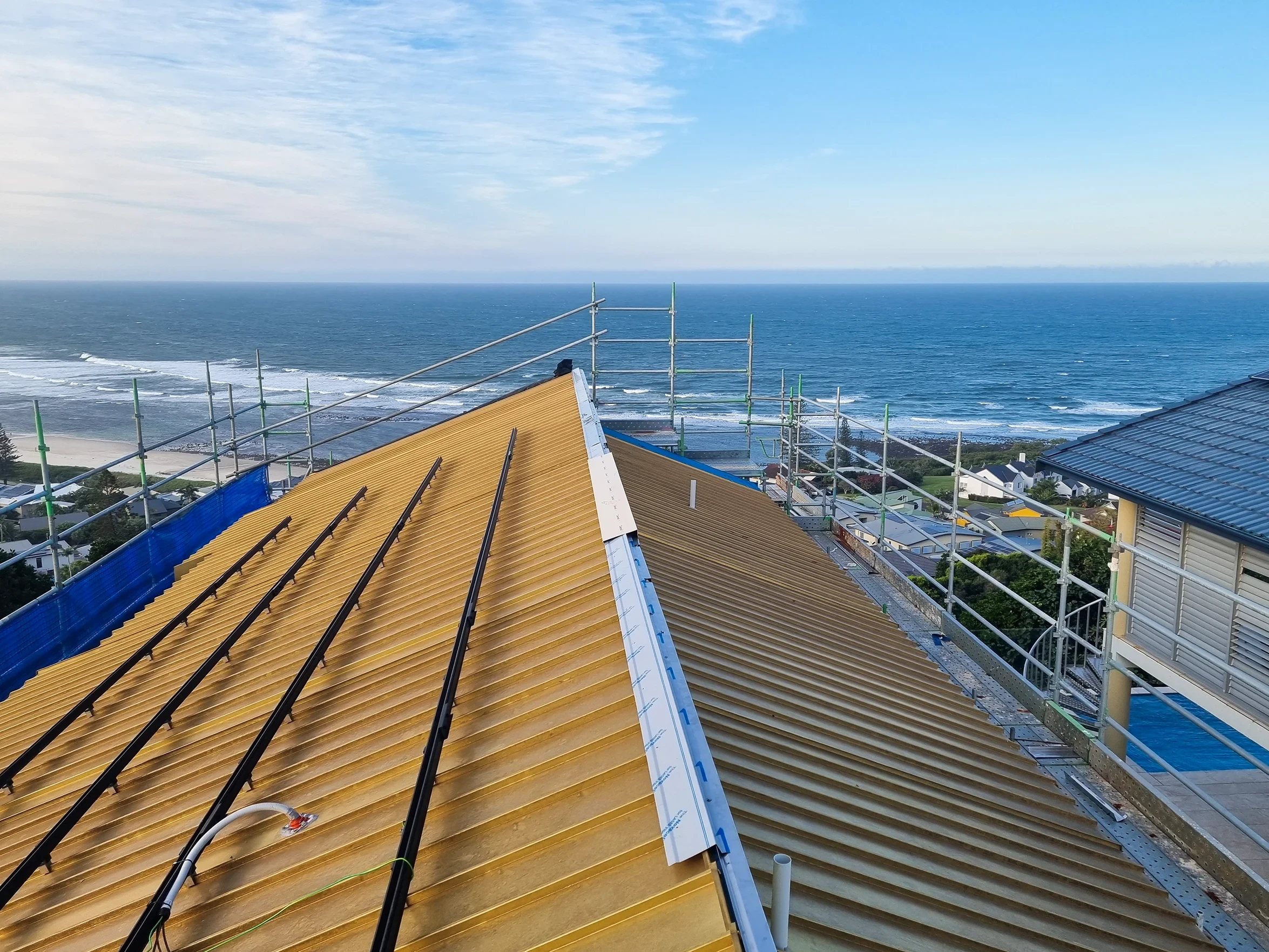
Everyone has seen a solar installation a normal roof like tin or tiled roofs, but have you ever seen a solar installation a roof made of Brass? Well we did one...
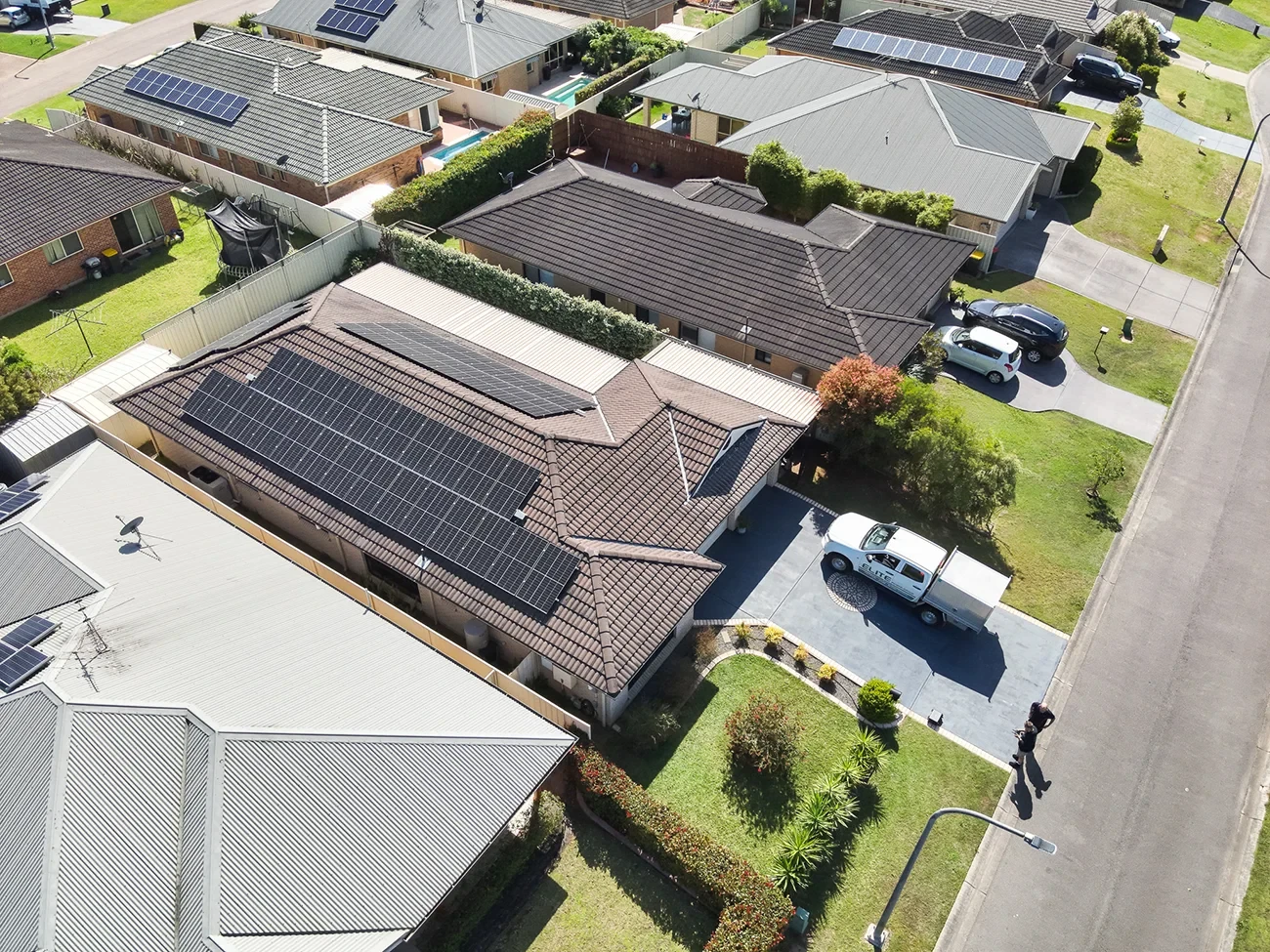
With the release of the new Clean Energy Council (CEC) H1 2024 report on solar and battery storage, it gives an idea of the upward path of Australia’s renewable energy adoption.
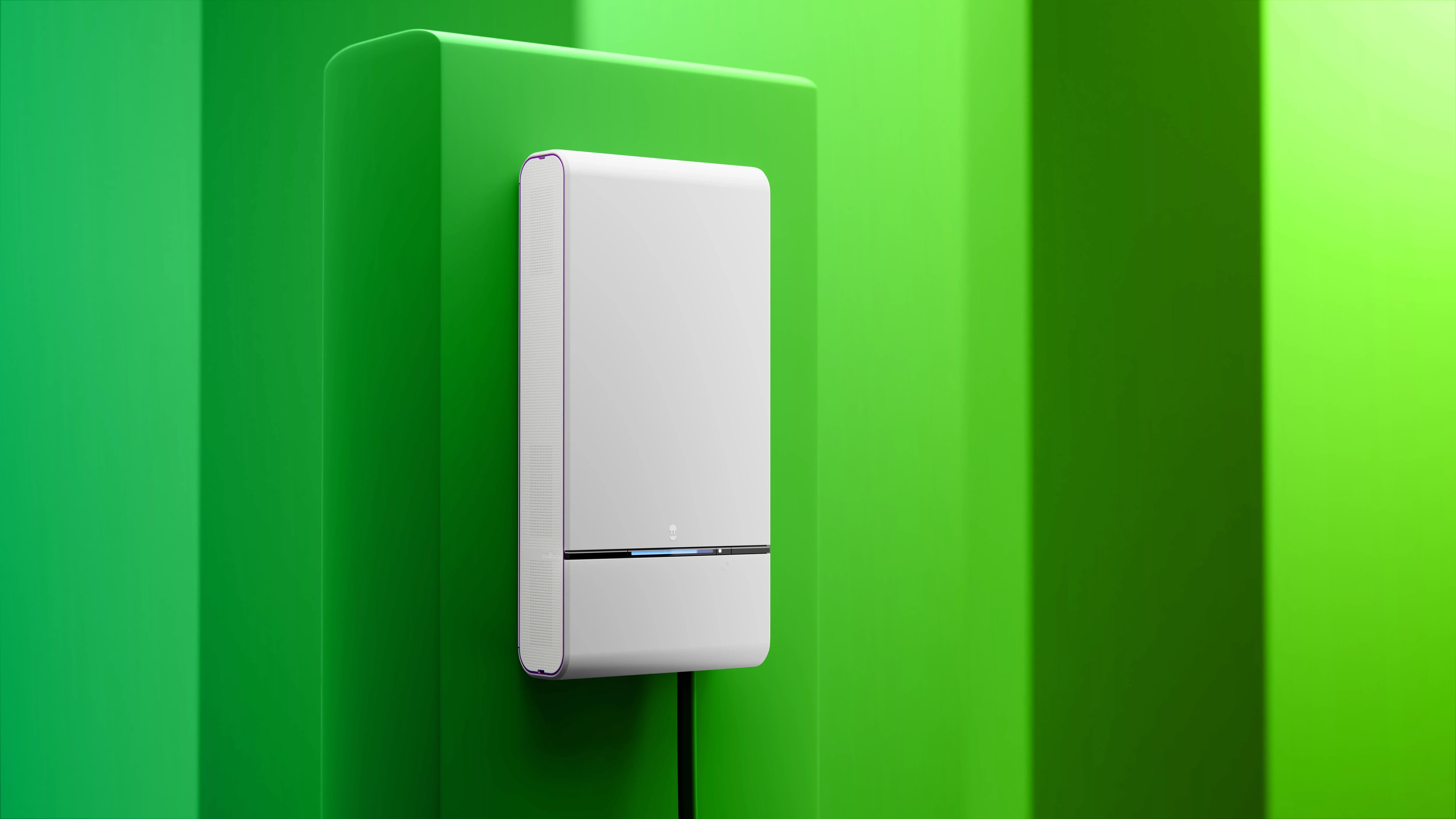
Amber & ARENA have started trials for Vehicle-to-grid technology in NSW, Australia to help develop standards and framework in V2G and Bidirectional charging.
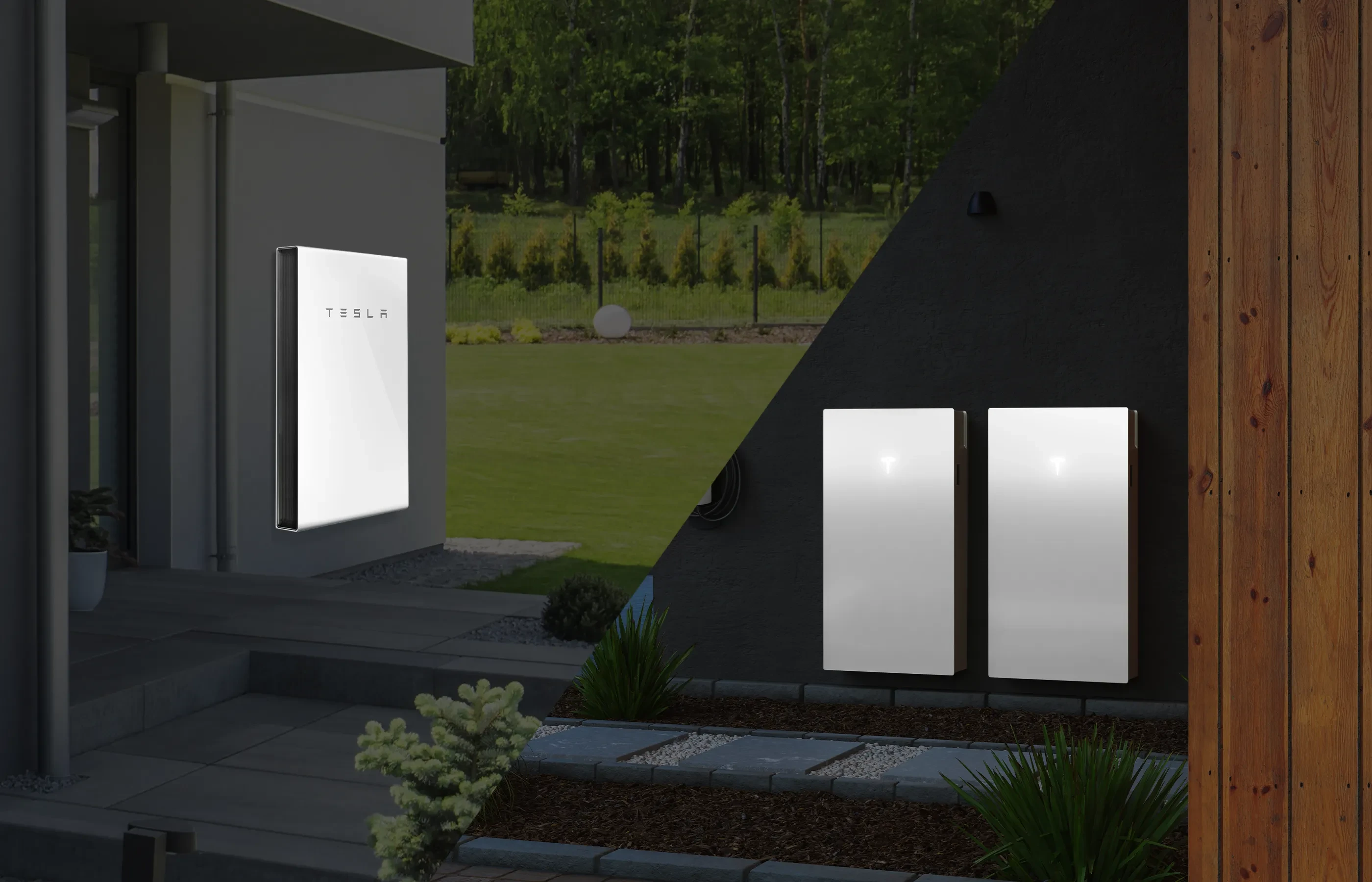
Compare Tesla Powerwall 2 vs Powerwall 3 in Australia. See differences in capacity, power output, dimensions, specifications, pricing & solar compatibility.
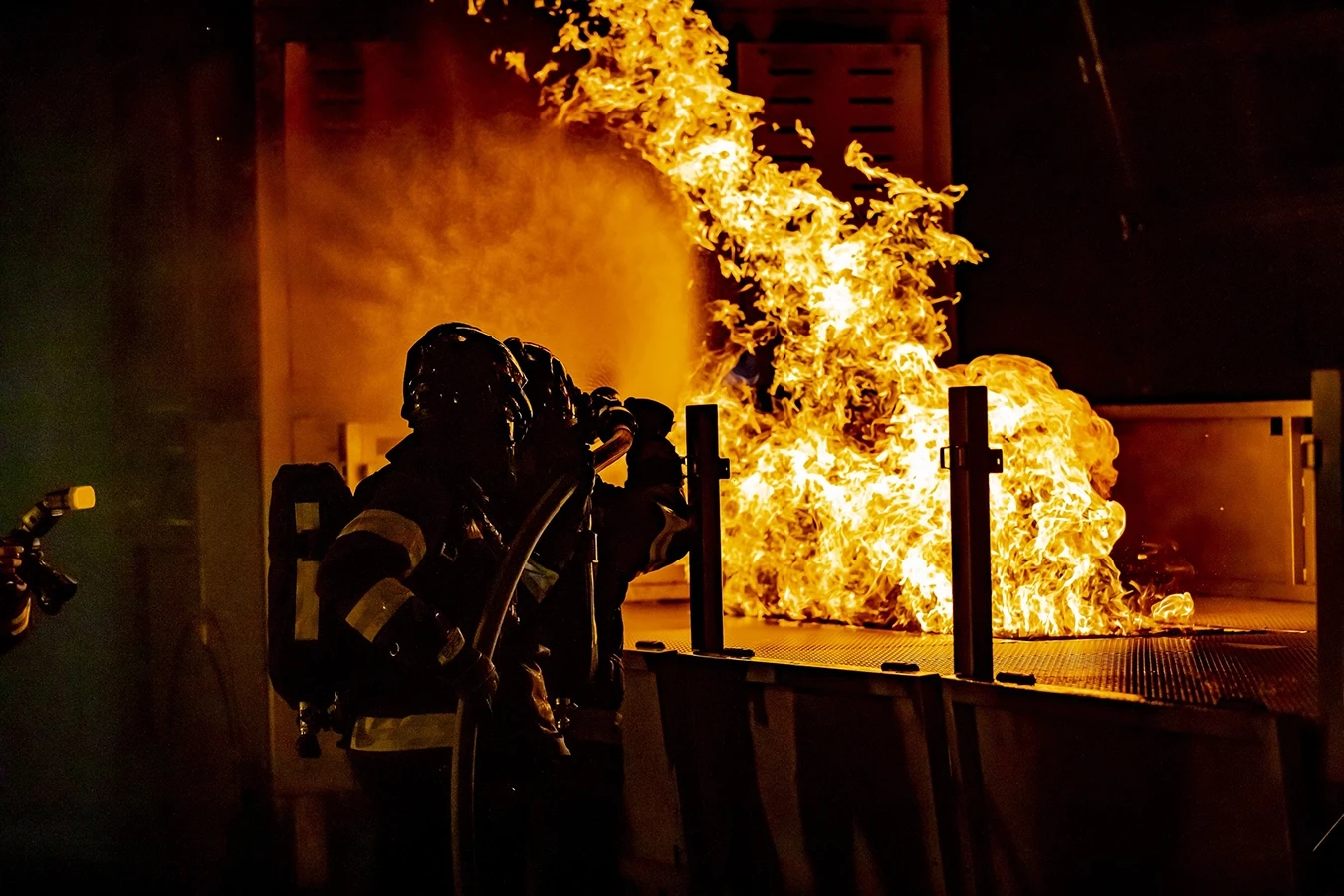
Explore solar battery fire risks, hazards, and statistics, and if solar batteries are safe to install for homes in NSW, Australia. (Spoiler alert.. they are!)
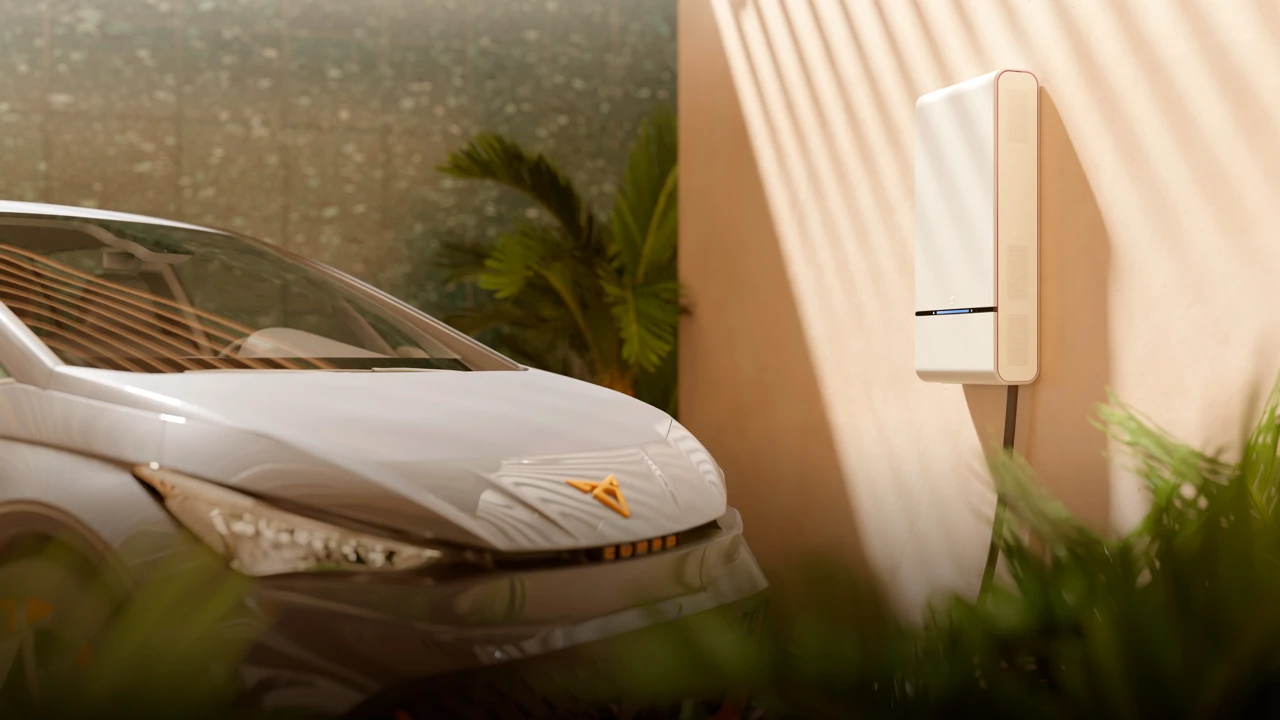
Though bidirectional charging isn't available, vehicle-to-grid is already turning heads in Australia with its potential to change energy consumption and distribution.
Explore how Australia's energy is evolving with t like Microgrids, DER's, Virtual Power Plants, & Demand Response, for solar and battery systems.
Learn alternating and direct current, and the differences between AC vs. DC with real-life examples and diagrams of power flow and voltage in Australia.
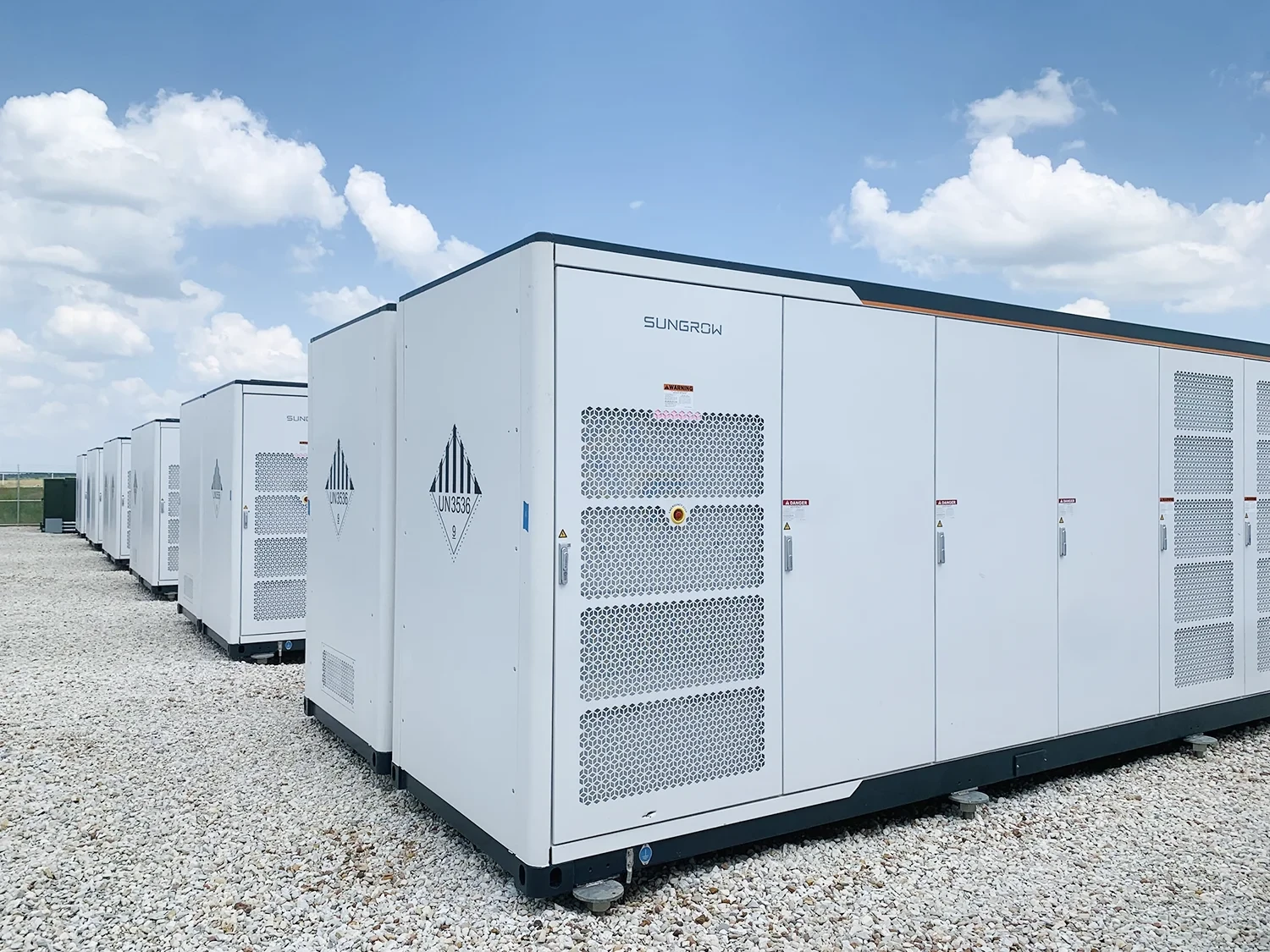
Everything NSW businesses need to know about commercial battery storage - costs, benefits, peak shaving, backup power, and how to choose a system.
![How Australia Reached 40% Renewables⚡[Q4 2023 Statistics]](/media/website_posts/74/Sydney.webp)
In the new 2024 CEC report, they found that renewable contribution in the overall supply of energy in Australia, produced 40% of Australia’s total electrical supply.
So you've invested in solar to reduce your electricity bills, but since then your bills are still high? Explore why your energy bills are still high even after solar.
Learn electricity tariffs like single-rate, controlled loads, and time-of-use tariffs where on and off peak pricing occurs through retailers like energy australia.
Explore the differences between single phase vs. three phase power, and how 1 phase and 3 phase electricity works with real-life examples in Australia.
If your solar panels are dirty, explore easy ways to DIY clean your solar panels, or when to get your system cleaned by a professional solar cleaner in Australia.
Batteries store energy as chemical potential energy, released as electrical current once connected to a circuit. Learn how batteries store & release energy.
Now is the best time to invest in solar panels.. here are 4 reasons why Australians should invest in solar energy before it's time runs out for 2024.
Explore the National Electricity Market (the NEM), and how it interconnected 5 states with electricity distribution to balance demand and supply in Australia.
Discover how agrivoltaics can benefit farms by combining agriculture and solar energy to increase sustainability and agricultural production in NSW.
The energy required to heat hot water is quite high and for most Australian households. Here are some strategies on how to save on your hot water heating bill.
So you bought an electric vehicle, but what's the best way to charge it? Discover how to prepare your home for an EV charger station and what to do in NSW.
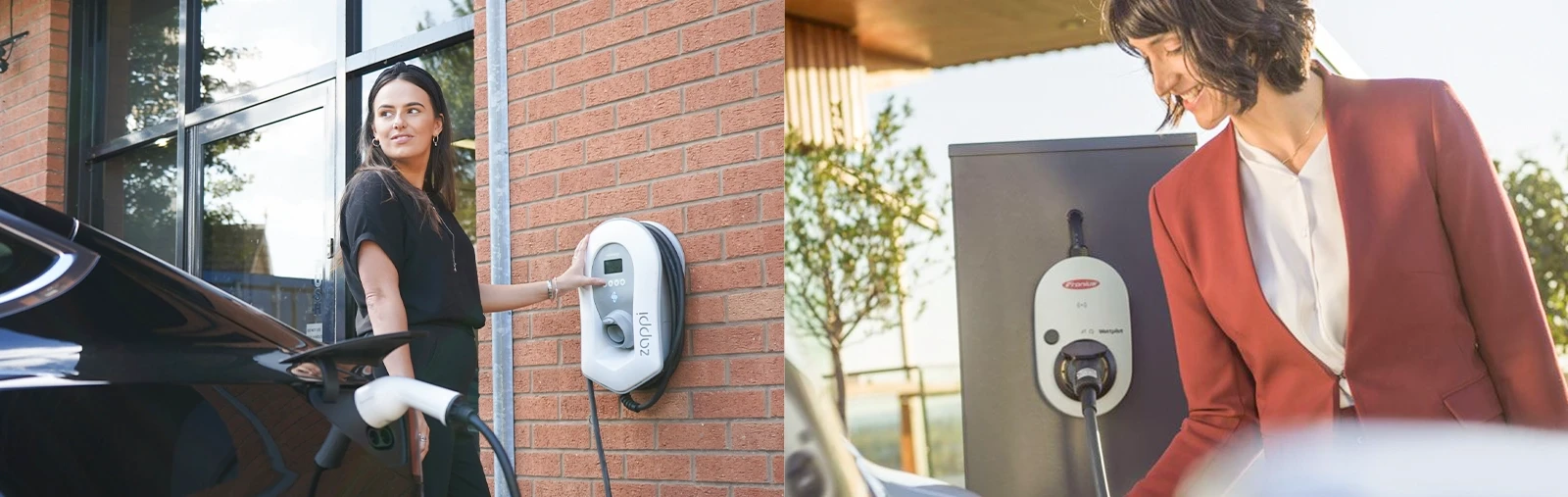
What's the best Solar EV Charger? Zappi or the Wattpilot? We have put together a side-by-side comparison, including the pro’s and con’s for both EV chargers.
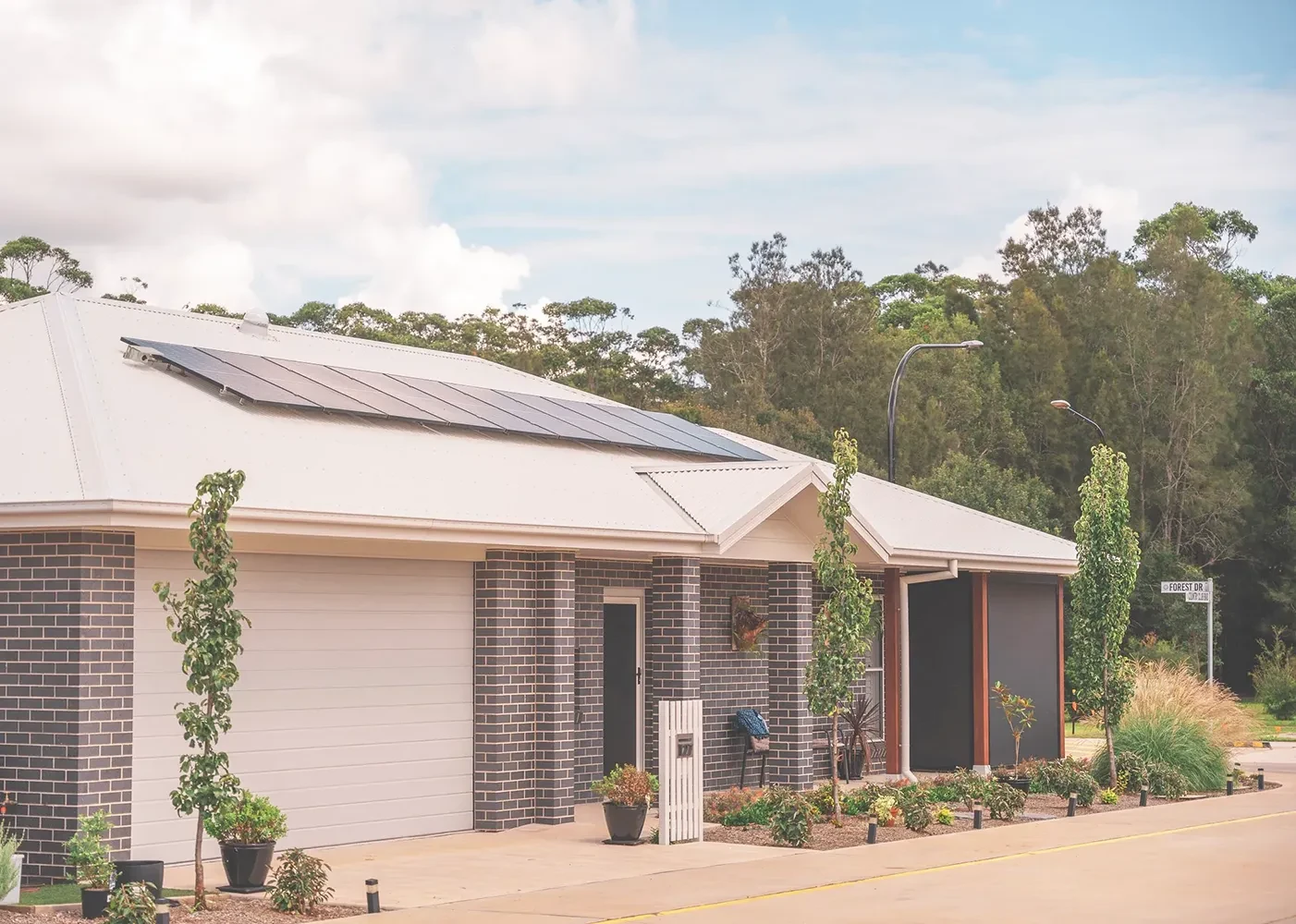
With booming solar adoption, Newcastle is quickly becoming a sustainable region with homes and businesses adoption the technology. What's happening?
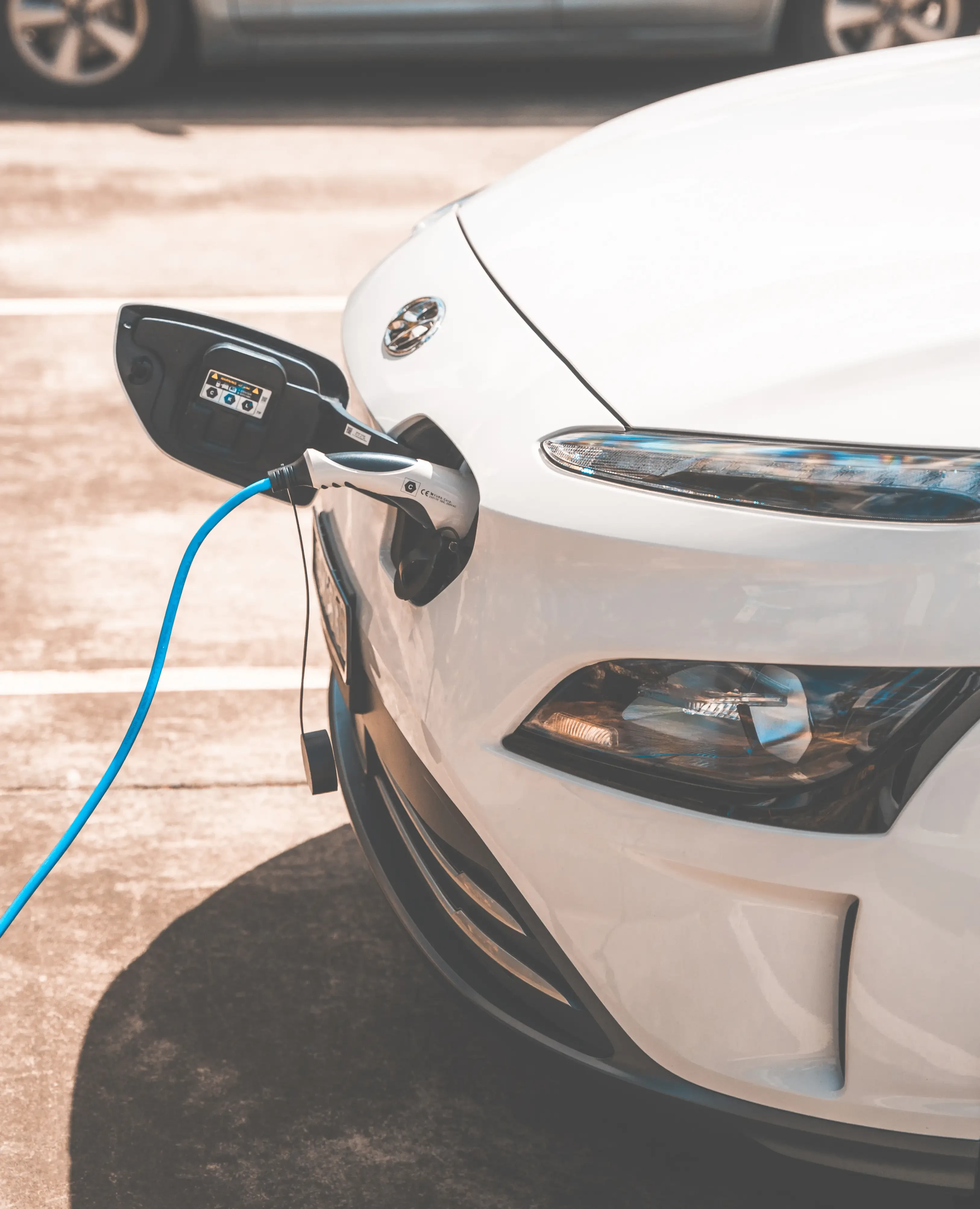
Differences between bidirectional Vehicle-to-Grid (V2G), Vehicle-to-Home (V2H), Vehicle-to-Load (V2L), and compatible chargers and EVs in Australia.
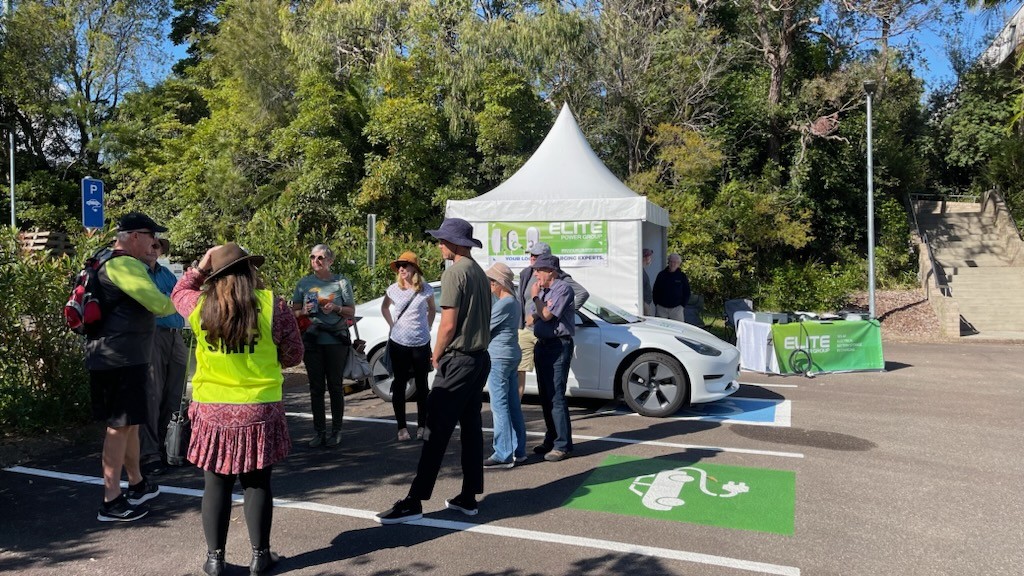
Our team attended the Electric Vehicle open day in Lake Macquarie hosted by Lake Macquarie City Council, and what a day! From all the fun events, to the informative aspects, everyone definitely got something out of the day.
Renewable News Articles
We've invested in becoming fully-licenced and qualified installers to ensure Newcastle homes and businesses
get the best systems and installations possible. We want to assist Newcastle's renewable energy revolution with quality systems.
Certified solar system installers near you.
Get CEC-Approved Battery Installations.
Fully-licenced electricians in Newcastle.
Convenient EV charging stations for properties.
Leave a Comment