Australia's First CEC-Approved Bidirectional Charger⚡V2G
Explore Australia's first CEC-approved bidirectional and vehicle-to-grid capable electric vehicle, the V2Grid Numbat, a 6.2kW V2G/H charger now ready.
Read more
Tesla Powerwall 3 Rebate Now Available - Combine with Federal Subsidy Today
Posted 29 Jul
Are you considering getting solar installed for your home but not sure if your rooftop can handle a new system? Whilst most homes can support various solar system sizes, there are elements to consider like roof tilt, material type, and orientation that can affect rooftop solar suitability and system performance.
A key factor in determining if your rooftop is suitable for solar is the roof strength / structural integrity.
The average 440W solar panel weights around 21kg, meaning a standard 6.6kW solar system (15 panels) adds roughly 315kg of additional weight to your roof's structure.
Most NSW homes will be able to accommodate this, however, older and more deteriorated homes may need additional assessment.
The likely-hood of your home not being suitable for even a small-scale solar system is pretty low. Even my 30-year-old terracotta rooftop home can easily support its 3.3kW solar system.
Because solar is a long-term investment, it's definitely worth considering these factors before and installation begins to ensure your house is fully suitable for a system installation.
It's more expensive to install, remove, and reinstall a solar system in the future so best to take care of it sooner rather than later.
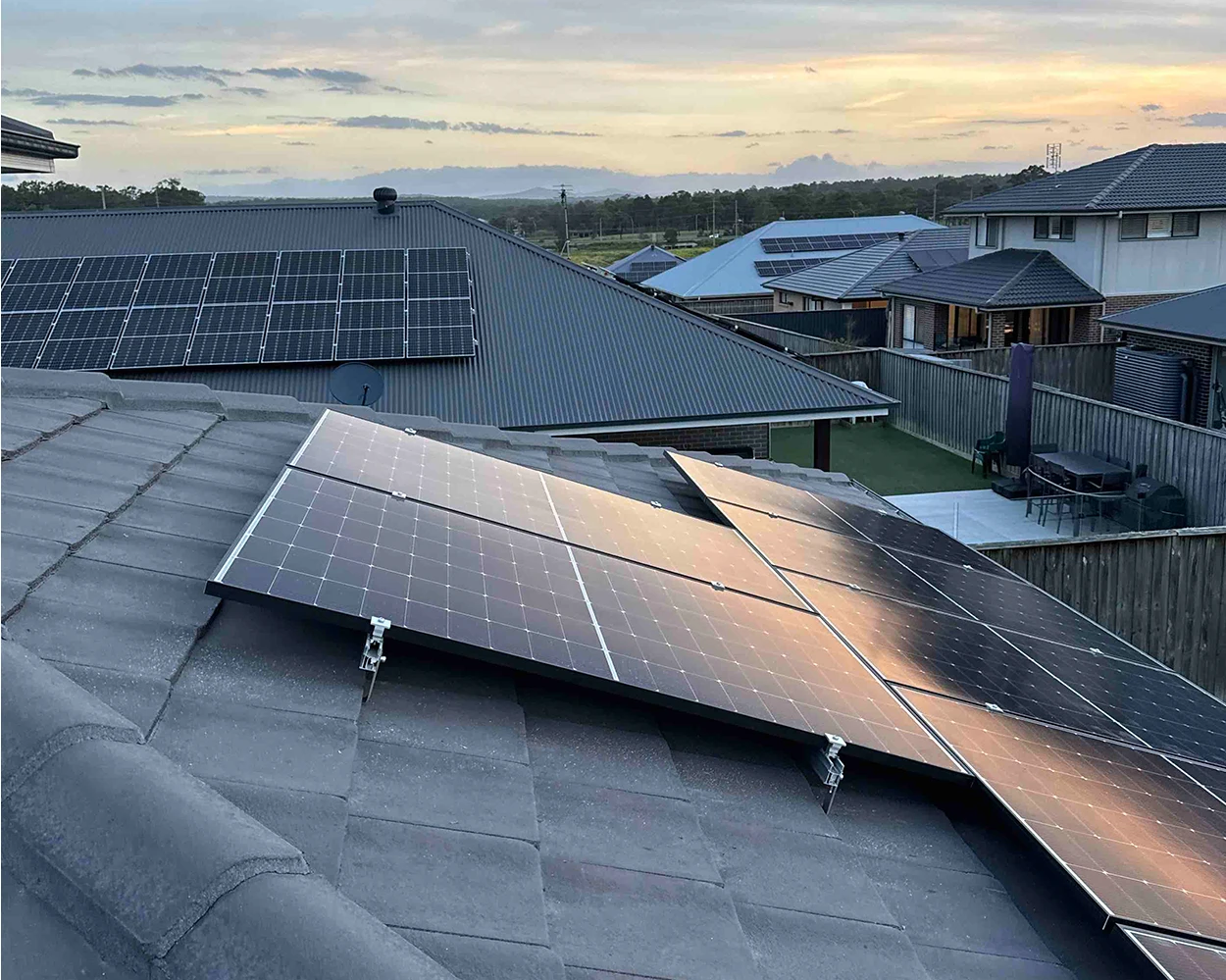
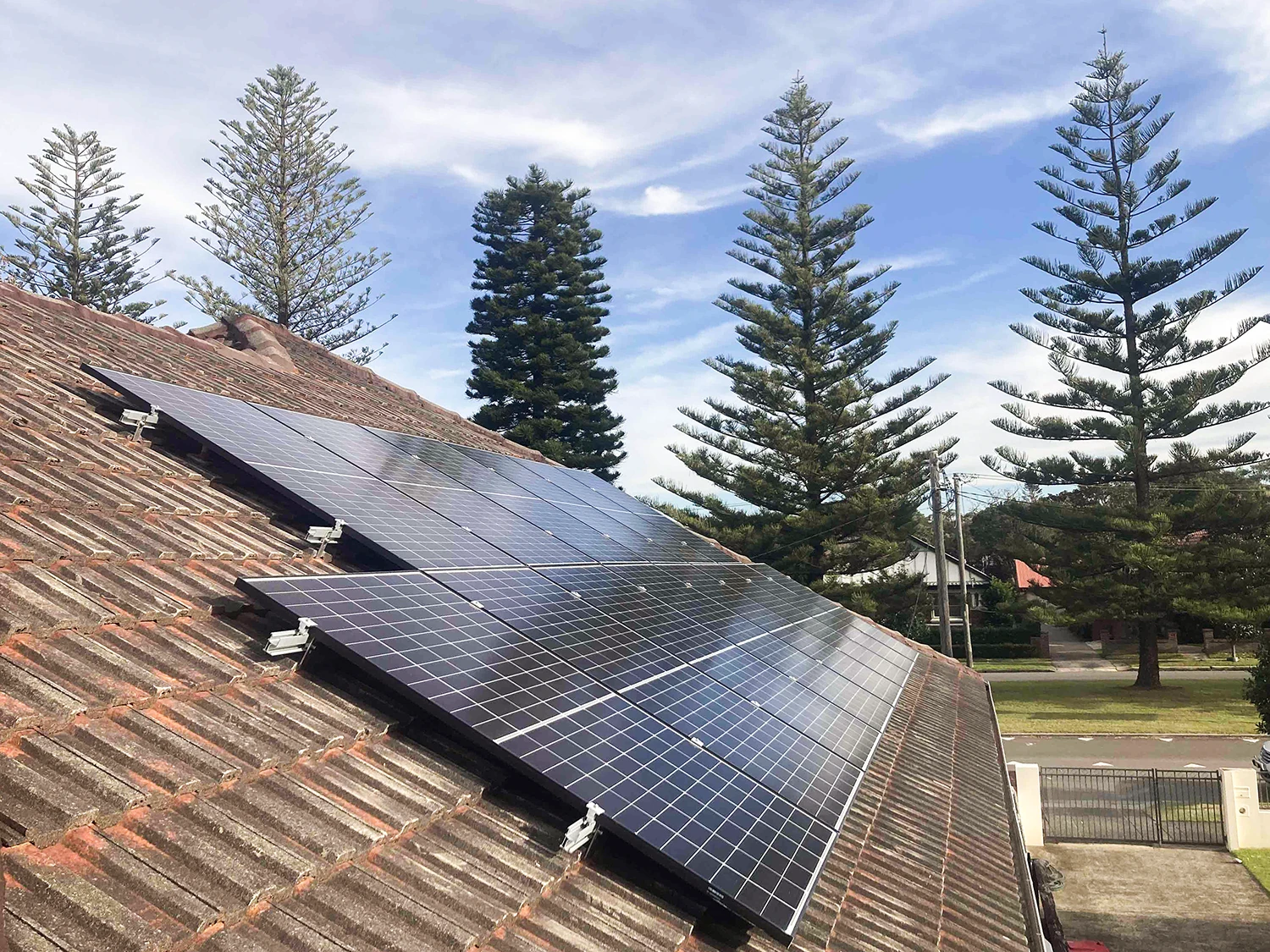
Whilst most roof types can support solar, there are definitely preferred rooftop types that will not only reduce the amount of labour hours on a job, but also improve the efficiency and speed of the installation.
Metal roofing like corrugated and Colorbond steel are typically preferred by solar installers as they offer higher durability, panel mounting, and minimised penetration which can be a more cost-effective solar installation as opposed to tiled roofs. Tin roof solar installation is generally simpler and more affordable, making it an excellent choice for homeowners considering solar
Terracotta and concrete tile roofs are more common, especially for older homes which can make installations more complex in elements like roof penetrations which will require more time to install.
Shade is one of the biggest hidden factors to reduced solar performance throughout NSW. Even partial shading from trees, nearby buildings,
or chimneys can negatively affect your solar generation performance.

If the shade appears during an extended period, particularly throughout the middle of the day, it can dramatically reduce your system's performance, even if it's partial shade. Solar panel efficiency drops significantly when shaded, affecting your overall solar ROI.
Analysing where shadows cast with the sun's movements can help identify any obstructions that can or will affect your solar energy production. Less intrusive obstructions like TV aerials are usually alright, depending on the duration. A professional solar site assessment can accurately determine shading impacts on your potential solar system.
When it comes to getting the most out of your solar system in NSW, the orientation of your primary solar array will play a huge part in your renewable energy generation.
Because the sun rises in the east and sets in the west, it makes the north-facing rooftop face the best position for the optimal sun exposure and maximum solar production and electricity bill reductions.
Even though the sun hits most parts of your roof throughout points of the day, solar panels perform optimally when in direct sunlight. For multi-array systems (more on this later), they can be installed on the both the East and West roof faces to take advantage of morning and afternoon sunlight for consistent production.


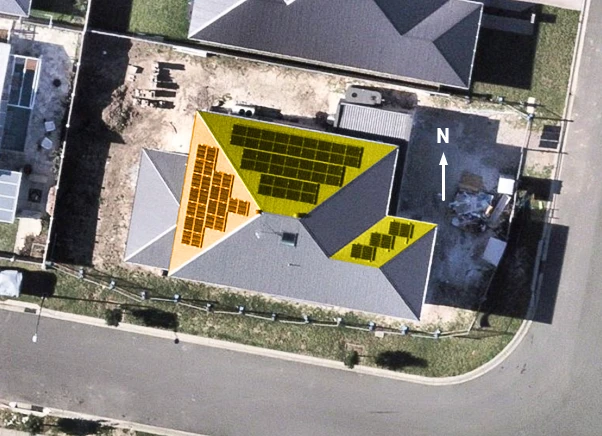
If your roof has multiple roof faces and can't fit on solely the north-facing roof, modern solar technology allows you to design a multi-array system for maximum real estate efficiency.
Multi-array solar systems with multi-MPPT string inverters enable NSW homeowners to take advantage of every roof face available for maximum solar energy generation.
Image: A solar system that is designed to shine at least one array directly at the sun at all times of the day. East, north, and west.
The design phase is a critical part of the solar installation process, as it ensures your system not only fits on your roof, but also optimises power output for maximum energy production.
By professionally designing solar systems, elements like orientation, tilt, components, and strings are optimised to provide the most efficient and long-lasting solar solution available for homes in NSW.
Because every house has different design and requirement variables, suitable systems need to be specifically designed for each property. For example, in this image, we see a south-facing rooftop. In this situation, our design team opted for tilts to face the panels back towards the sun which would otherwise get minimal sun exposure.
Choosing the right solar system size comes down to a few factors including energy requirements, roof space availability, and budget, which can indicate whether a home needs a 6.6kW, 10kW, or 15kW+ system.
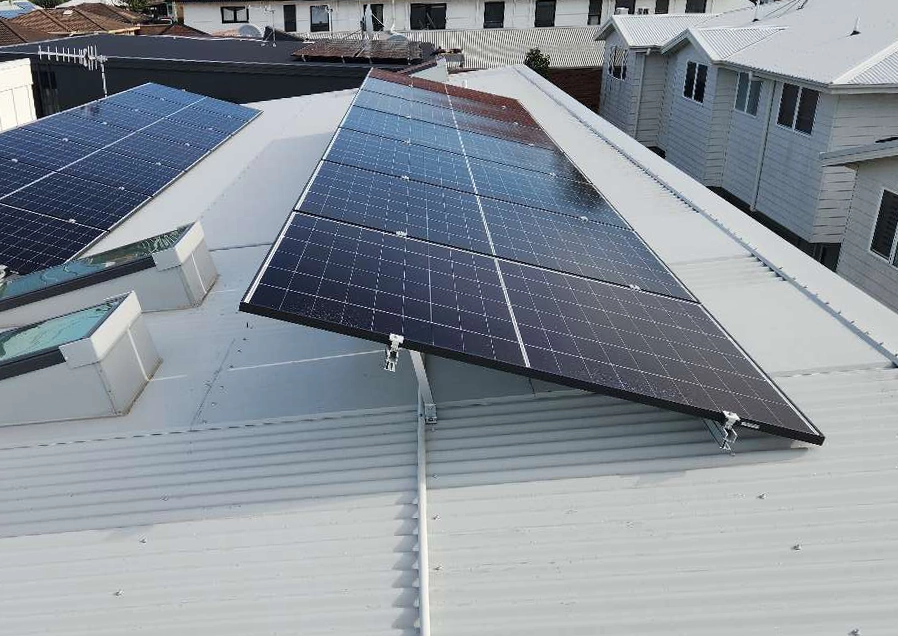
Check which direction your roof faces. In Australia, north-facing roofs receive the most sunlight.
Tip: Use a compass app on your smartphone to determine your roof's orientation.
The angle of your roof affects solar panel efficiency. The optimal tilt depends on your location.
Tip: Most residential roofs have a pitch between 22°-35°, which is generally suitable for solar.
Assess the physical condition of your roof. Solar systems last 25+ years, so your roof should be in good condition.
Recommendation: If your roof needs replacement within 5-10 years, consider doing this before solar installation.
Identify any objects that cast shadows on your roof during peak sun hours (9am-3pm).
Tip: Observe your roof at different times of day and seasons. Even partial shading can significantly reduce output.
Calculate how many solar panels can fit on your suitable roof areas.
Example: A 20-25m² suitable area can accommodate approximately 10-11 panels (6kW system).
Based on your evaluation, determine your roof's overall solar suitability.
Assessing your roof suitability for solar power is the first step in your renewable energy journey. By understanding elements like orientation, tilt, roof condition, and shading, you can determine if your roof is ready for solar and how effective a solar system installation would be.
Choosing a reputable solar installer in NSW ensures that a professional inspects your roof and design a system that is tailored for your rooftop and energy consumption. By having an optimal solar system installed, you can maximise your property's sunlight exposure and renewable energy generation, offsetting your daytime electricity usage.
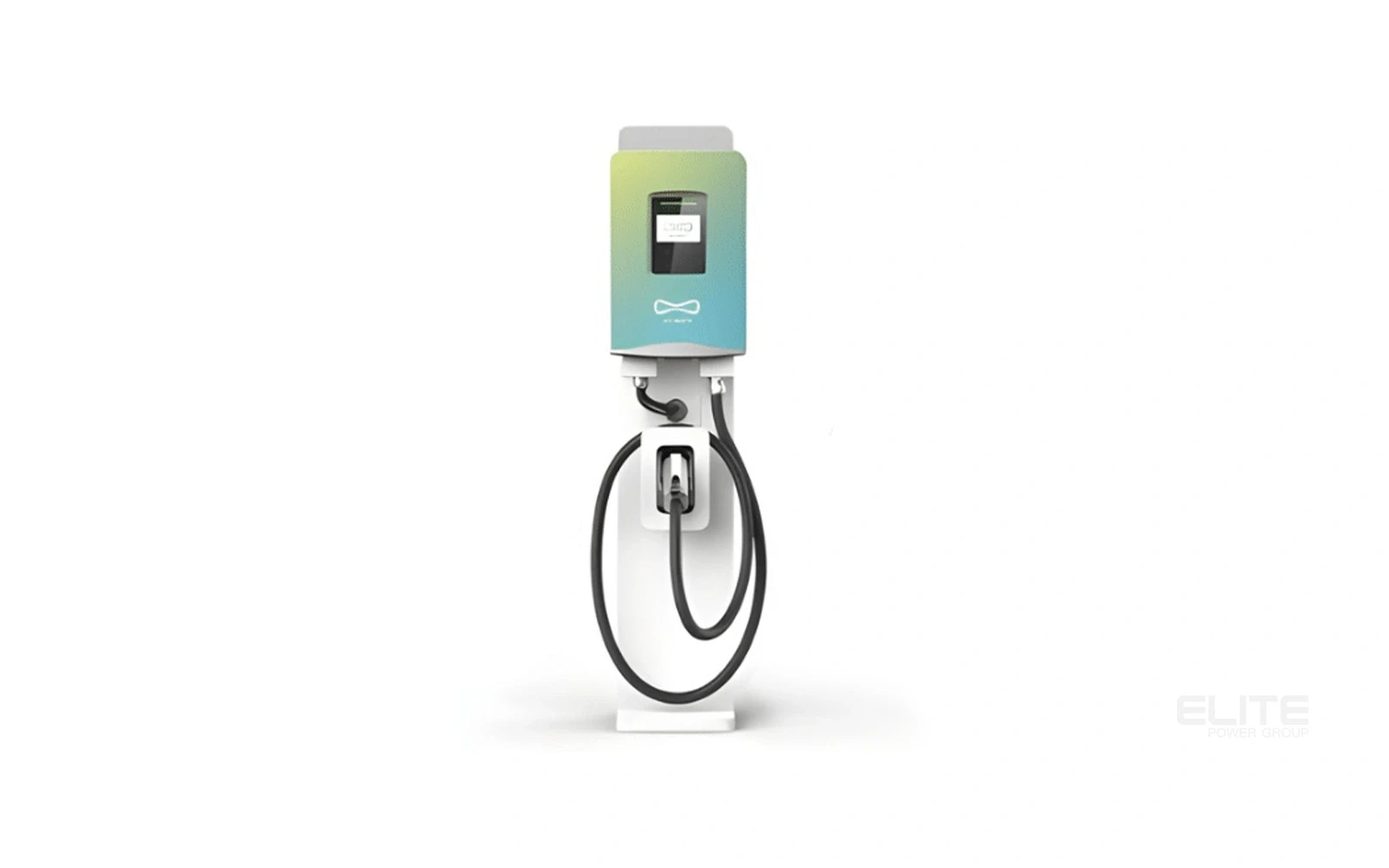
Explore Australia's first CEC-approved bidirectional and vehicle-to-grid capable electric vehicle, the V2Grid Numbat, a 6.2kW V2G/H charger now ready.
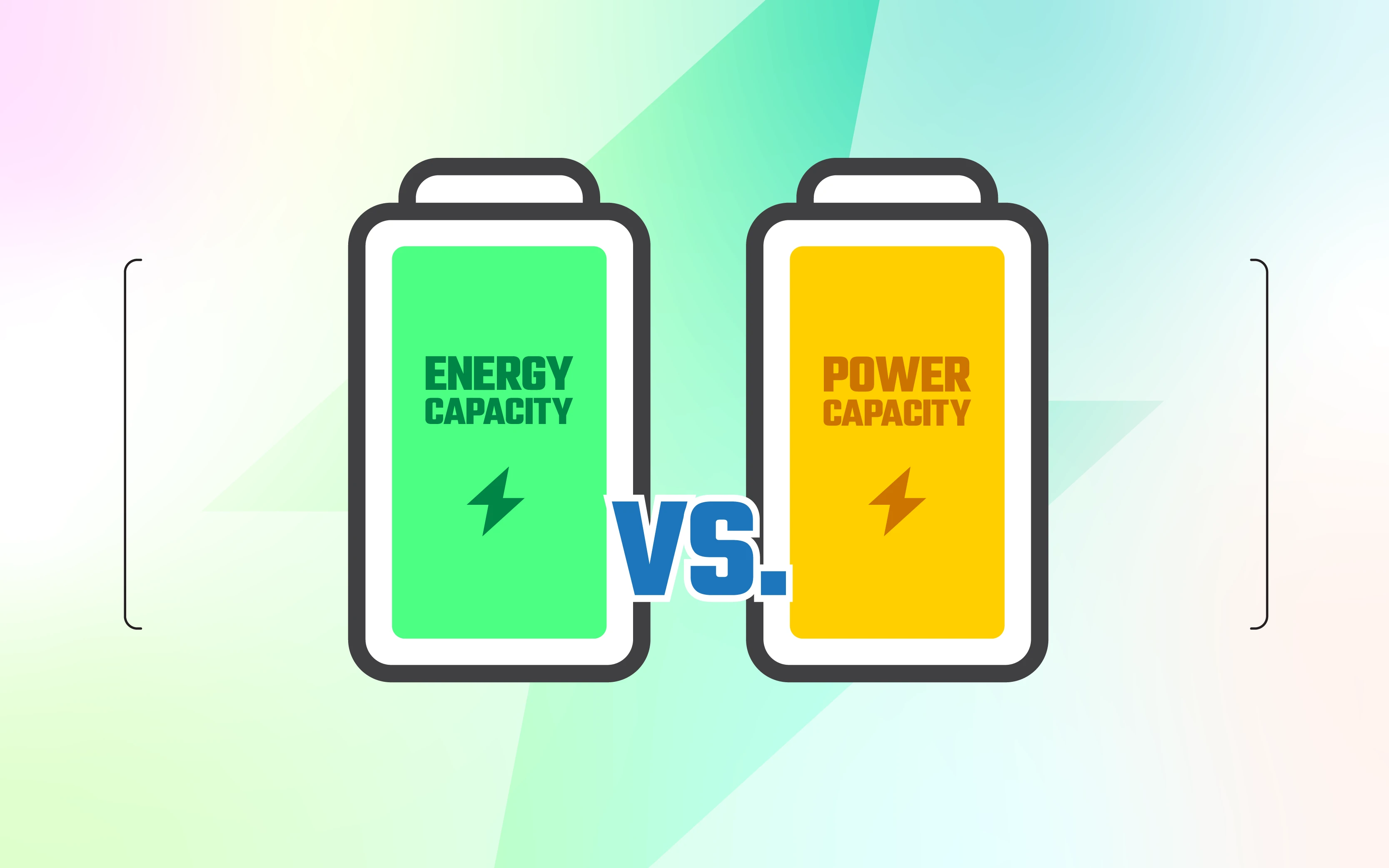
Explore how battery nominal & useable energy capacity is different to power output, and learn about state of charge, depth of discharge, and cycles.
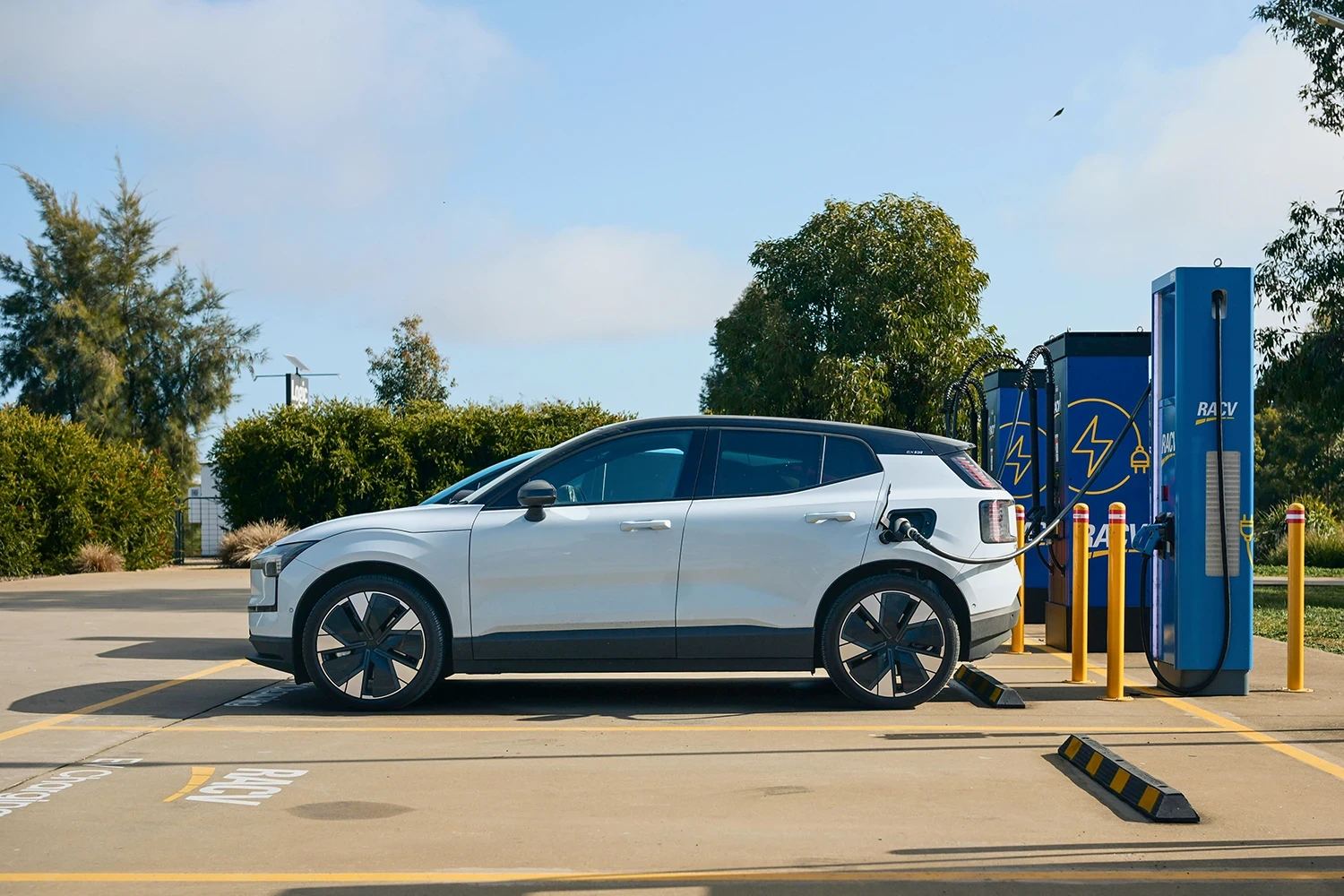
Explore the differences between AC and DC electric vehicle charging in Australia and how it affects the way you charge your EV, and the pros & cons.
Considering a cheap solar system? Learn how low-quality, unreliable inverters and panels can lead to costly repairs, full replacements, and safety issues.
Discover the differences between amps, volts, watts, and ohms in electricity and how electrical currents and circuits are measured for homes in Australia.

Battery supply chains are tight across Australia, with shipping delays leaving many installers out of stock and customers waiting longer. What's happening?
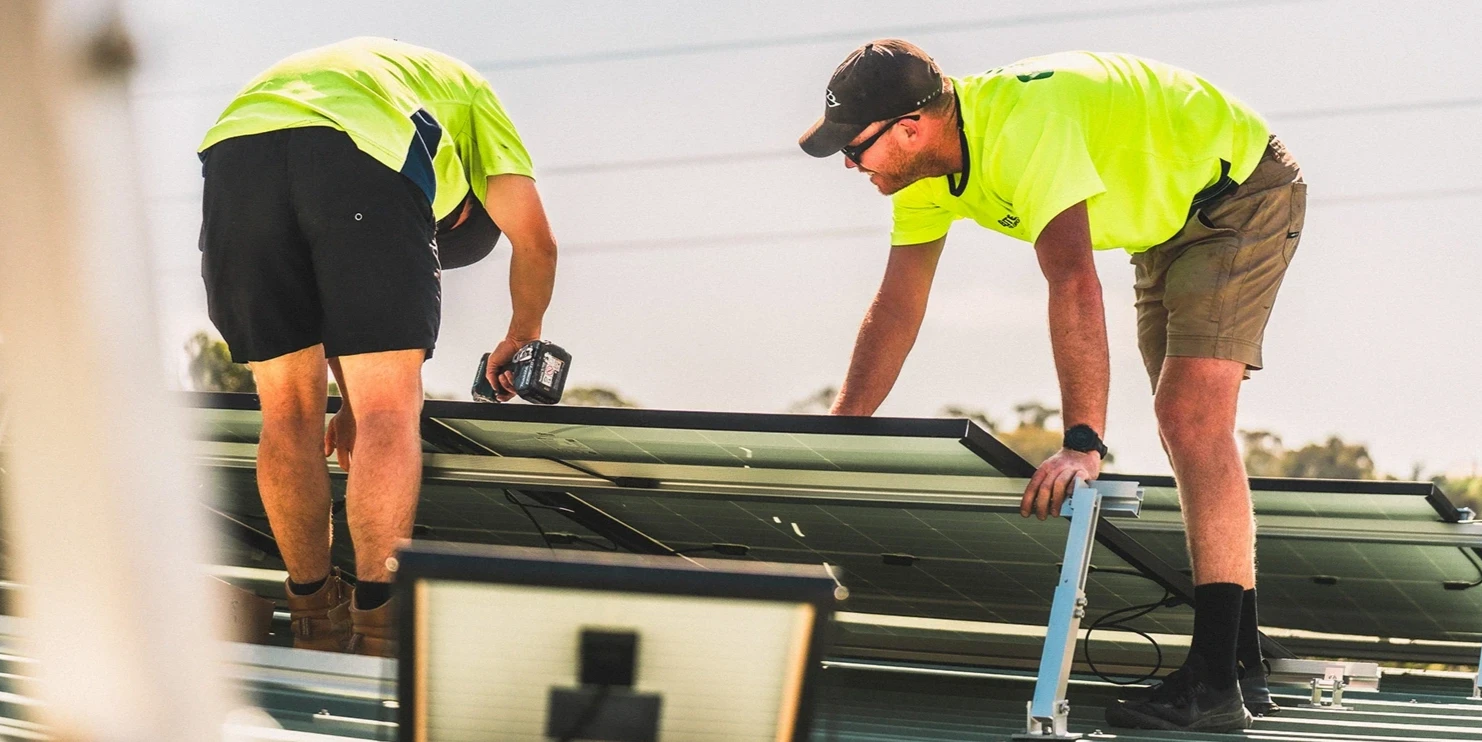
Learn how to avoid solar scams in NSW. Spot red flags & dodgy installer tactics and find reputable companies with great warranty & quality installations.
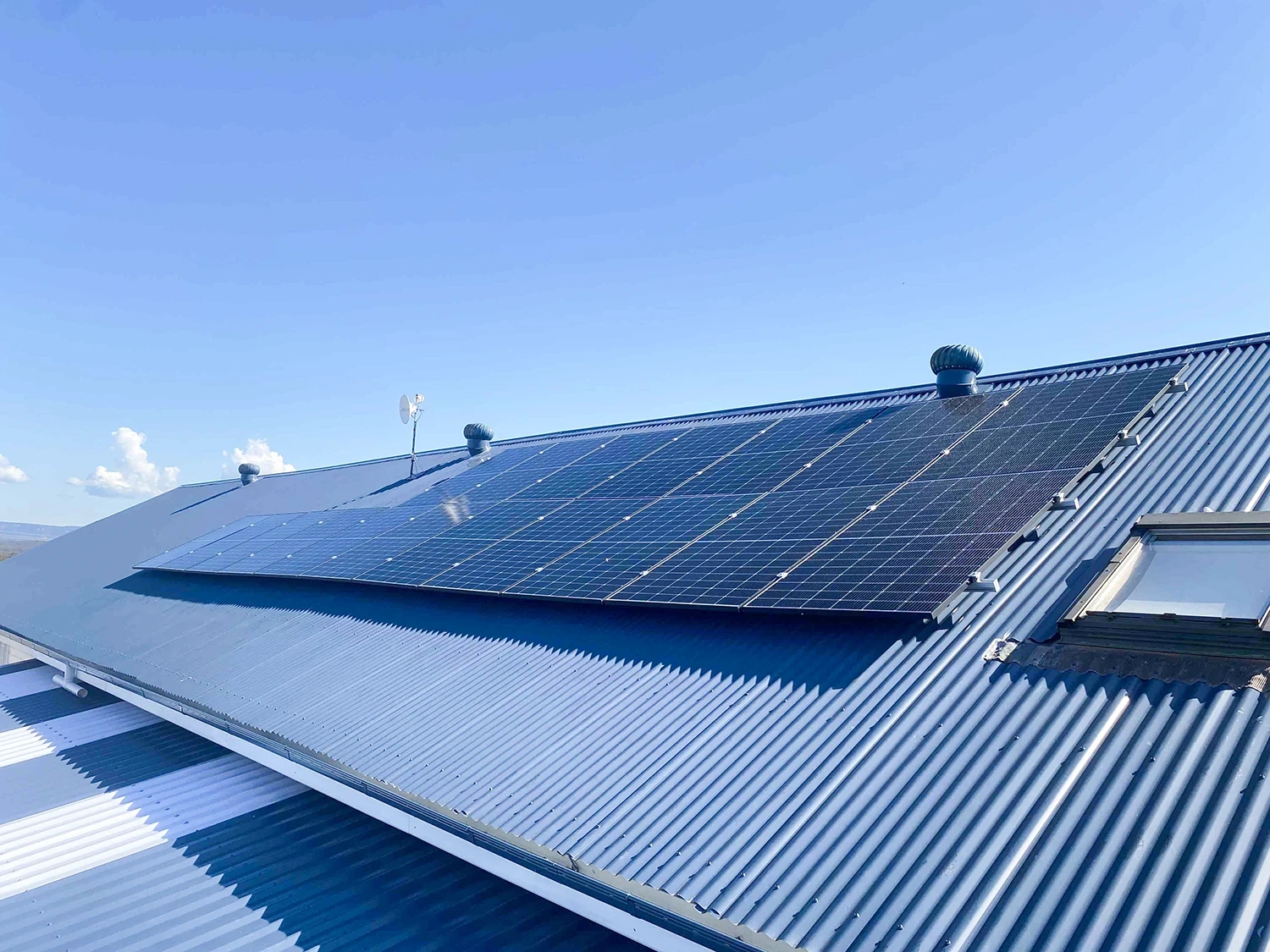
Explore the best solar system sizes & how many panels you need, the best Australian solar brands, and cost estimates for 6.6 & 10kW systems in NSW.
Explore why the delays in vehicle-to-grid and bidirectional chargers are happening, and how V2G faces regulatory and legislative development in Australia.
Over 56,000 solar batteries were sold in Q2, 2025, thanks to the Australian battery subsidy. Explore solar & battery uptake, growth trends, and what's next.
Discover how to choose the right solar battery size for your home. Compare 10kWh, 15kWh, and 20kWh options to maximise savings, and solar in NSW.
Explore what Virtual Power Plants (VPP) are, if joining is worth it, and how NSW solar battery owners can earn rewards, FiTs & rebates in Australia.
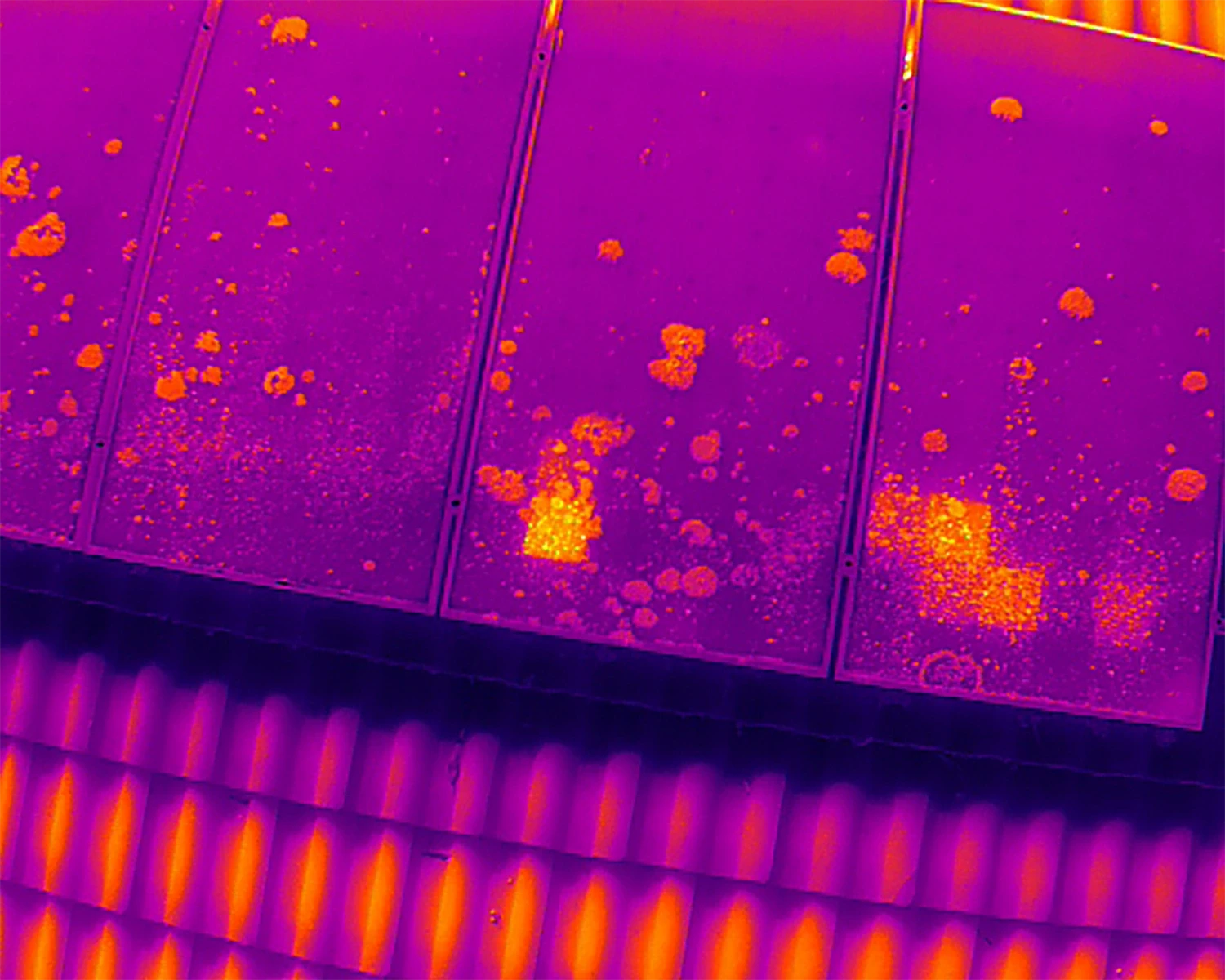
Explore what solar hotspots are, how they can affect your panel performance & efficiency, & how bypass diodes can affect your cells & strings in Australia.
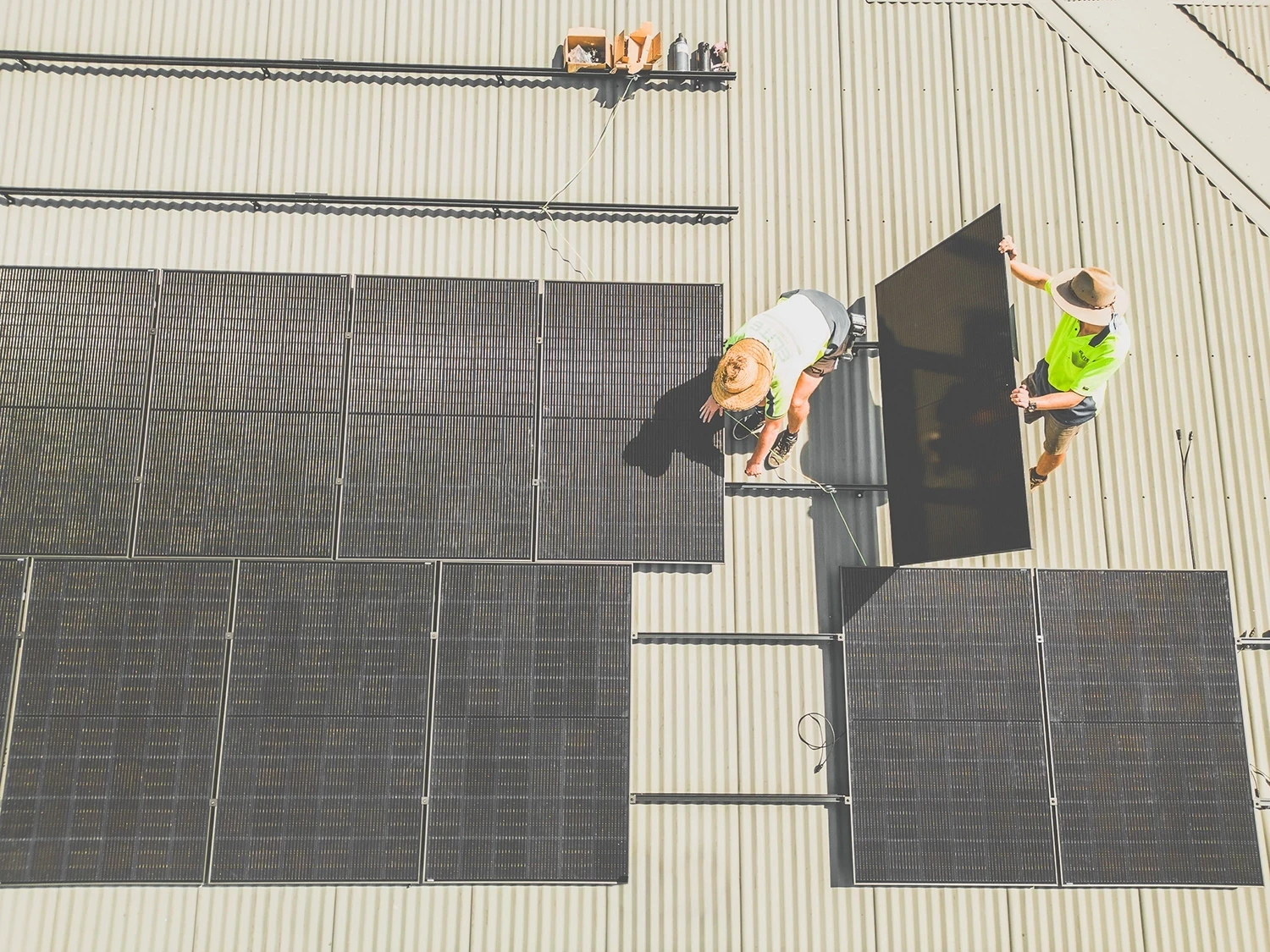
Explore the process of installing rooftop solar and battery storage systems in a step-by-step guide of 9 easy steps on how solar is installed in Australia.
Discover the best home EV chargers in Australia. Compare popular electric vehicle home charging stations, costs, and installations for Newcastle NSW.
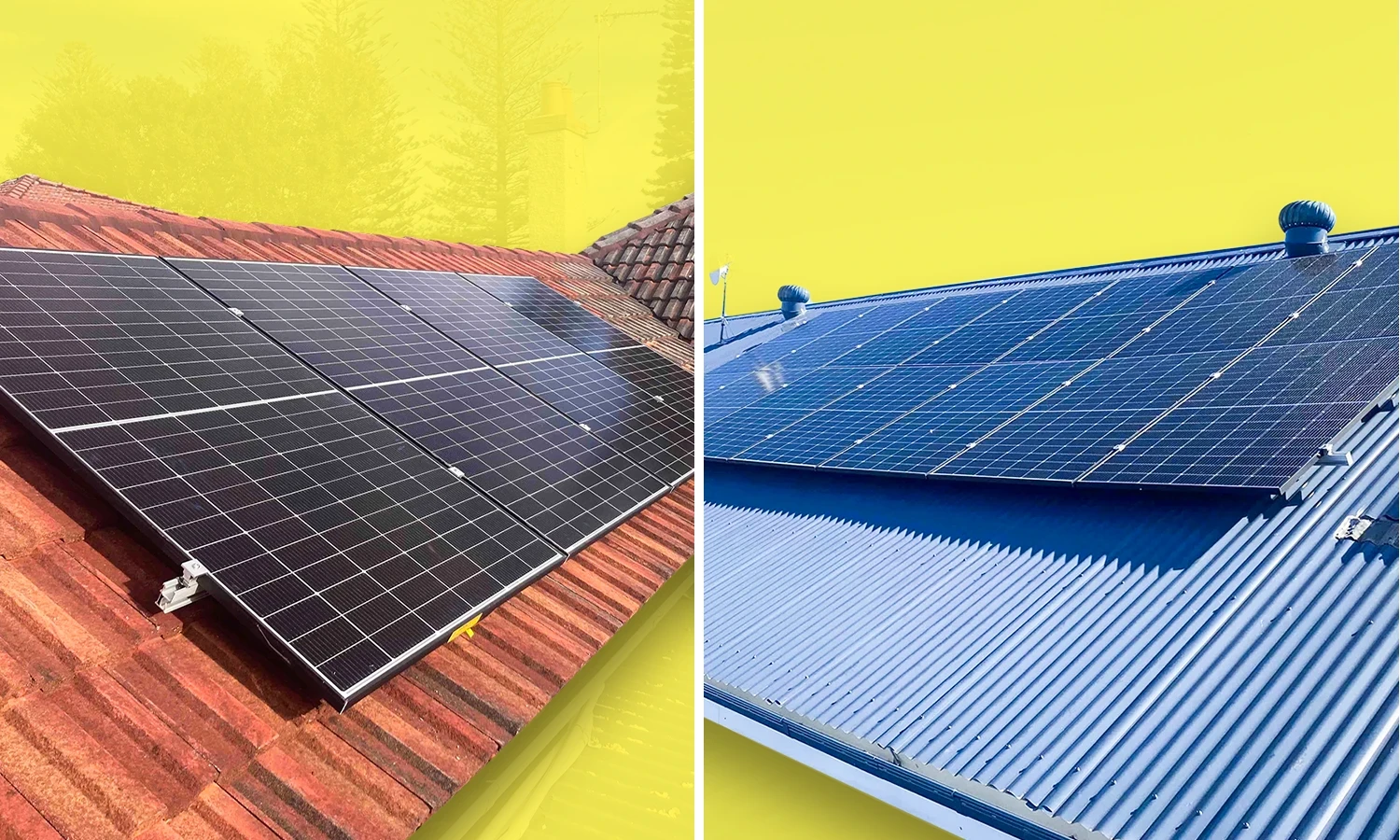
Learn if your roof is suitable for solar panels and how roof materials like terracotta or tin, orientation, tilt, & shading can affect energy production and install.

Explore the differences between power and energy, watt vs. watt-hours, and kW vs. kWh in Australia, with electrical diagrams and examples explained.
Explore upcoming & available bidirectional V2G-capable chargers in Australia from V2Grid, RedEarth, Sigenergy, Enphase, Tesla, and Fronius EV charging.

Compare the difference between Sungrow's SBH and SBR battery storage vs. BYD Battery-Box and find what battery is better for homes or businesses in NSW.
The NSW Government have announced that the NSW Battery Rebate (PDRS) will be suspended on June 30th, 2025, and will no longer be available.

Avoid the 9.7% NSW electricity bill increase with expert tips on reducing energy costs, optimising solar usage, and finding better energy plans in 2025.
Explore how you can use your EV battery via vehicle-to-load (V2L) as a backup energy source during blackouts to power your home appliances in Australia.
Explore Australia's Federal Government solar battery rebate subsidy like eligibility, approved batteries, requirements, and more about the upcoming incentive.
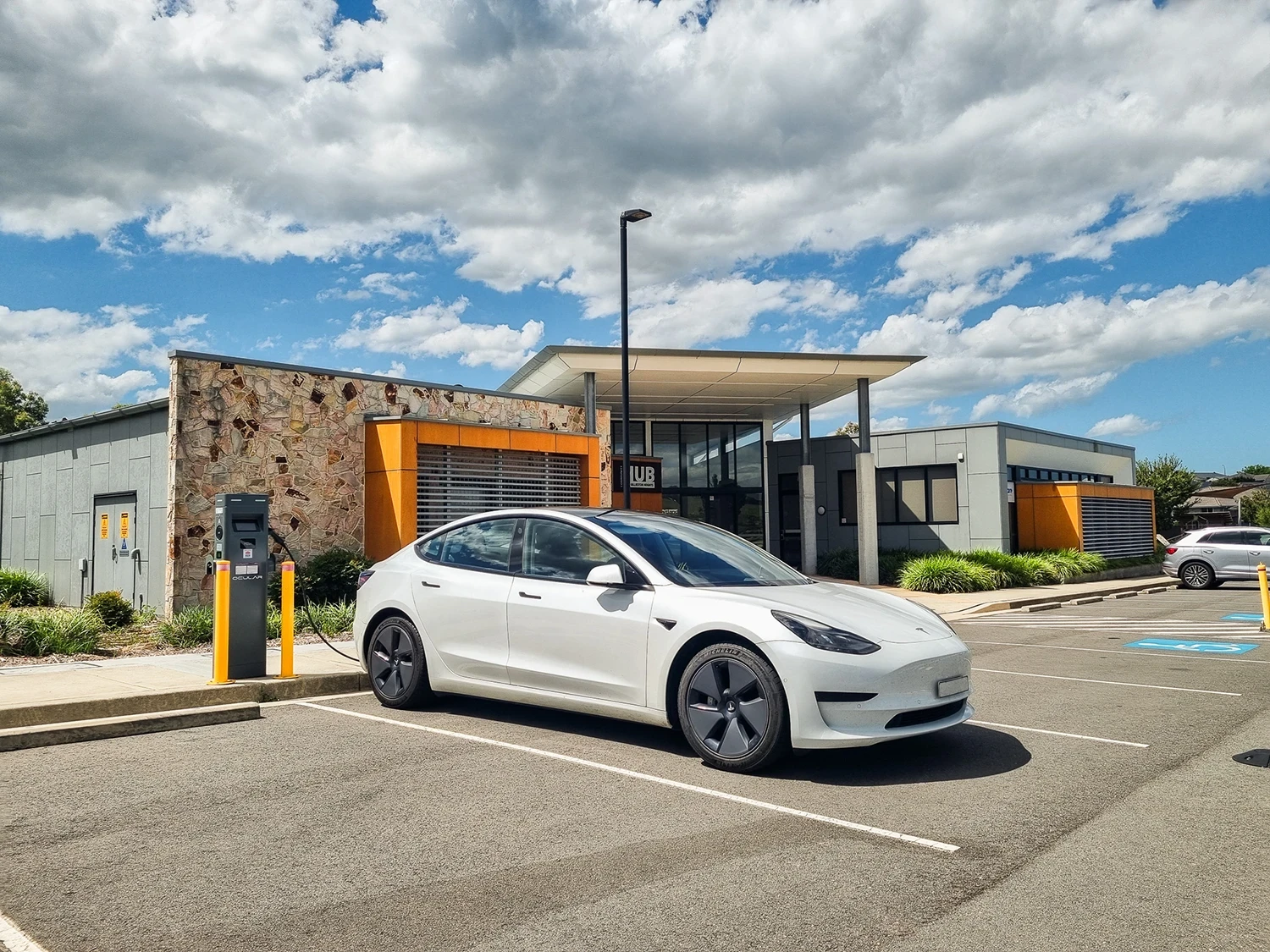
Partnering with Elite Power Group, Maitland City Council have invested in more electric vehicle chargers in the Maitland area, supporting the uptake of EVs.
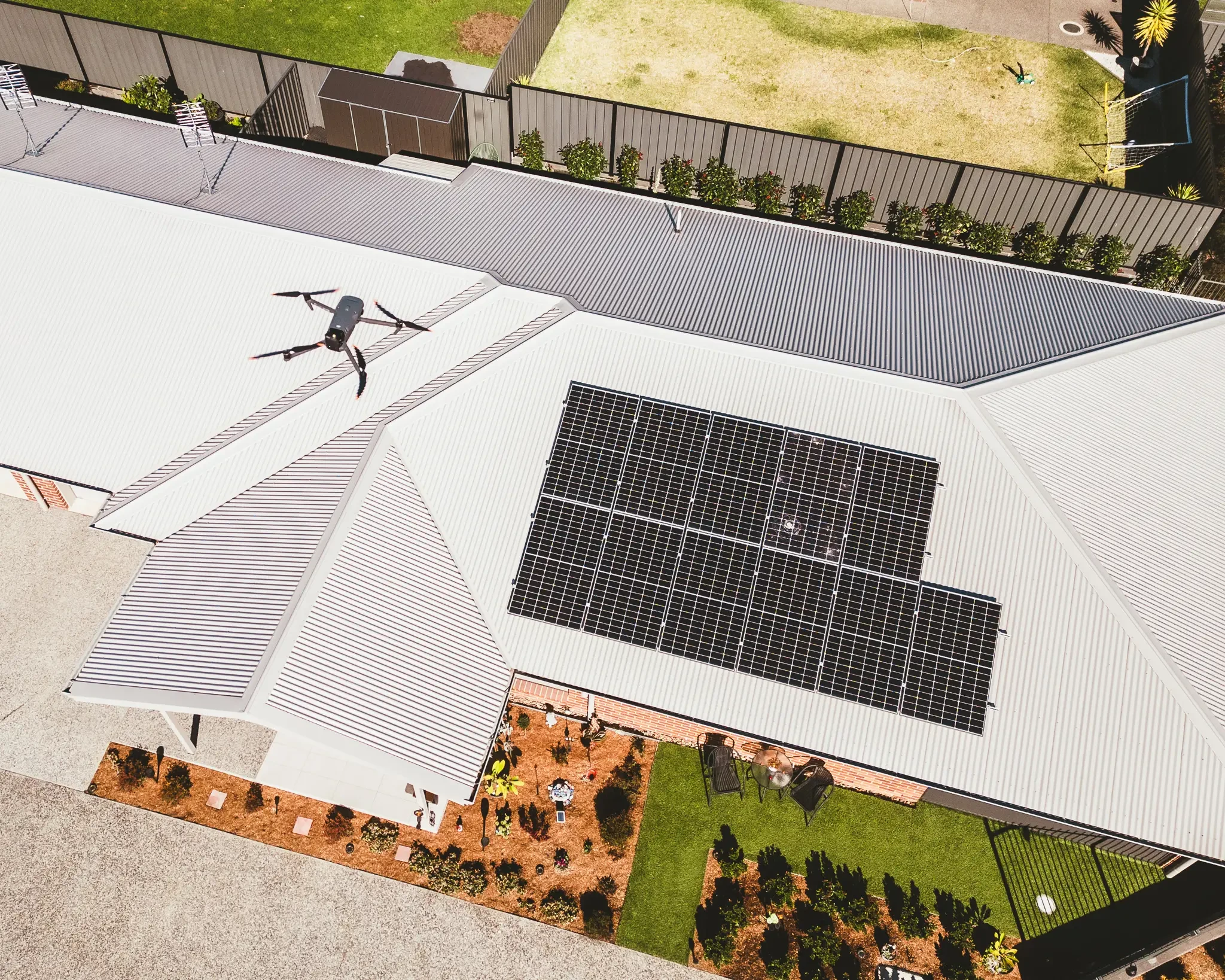
Does installing solar & batteries affect home insurance? Explore how solar & energy storage changes home insurance premiums in Australia, NSW in 2025.
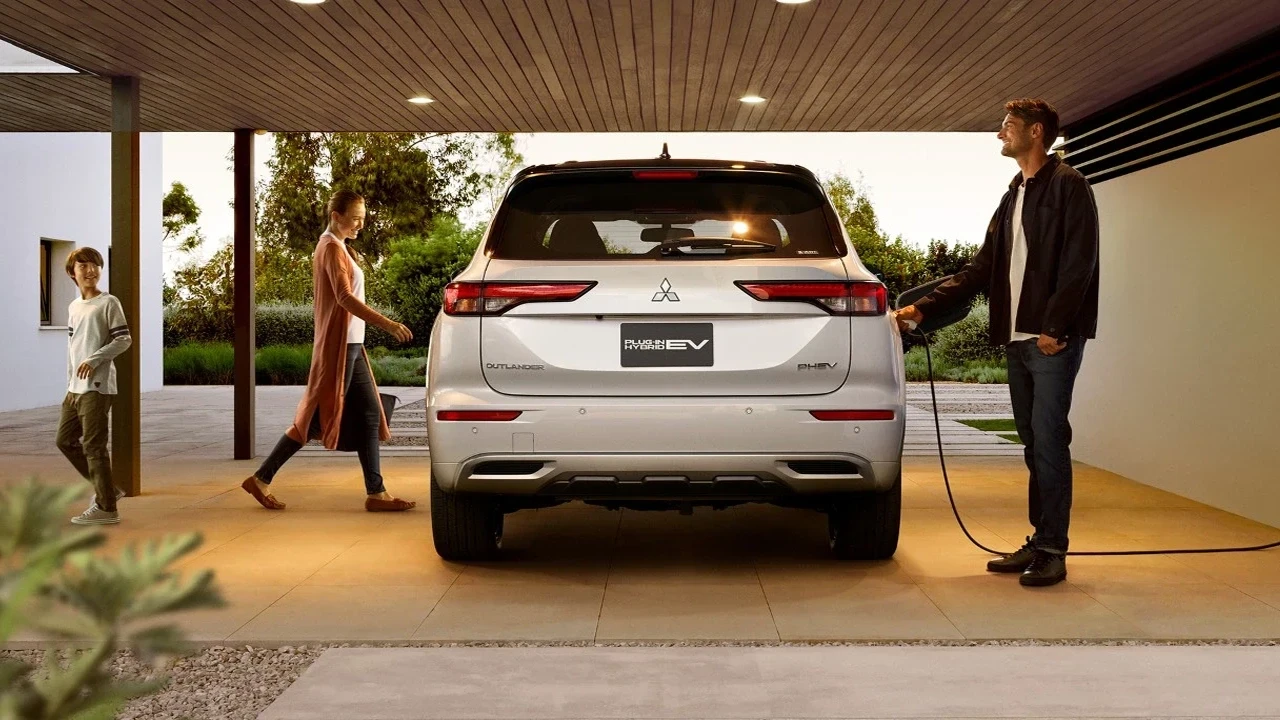
Should solar owners get a home battery (ESS) or wait for vehicle-to-home (V2H) technology to use electric vehicle battery power to be available in Australia?
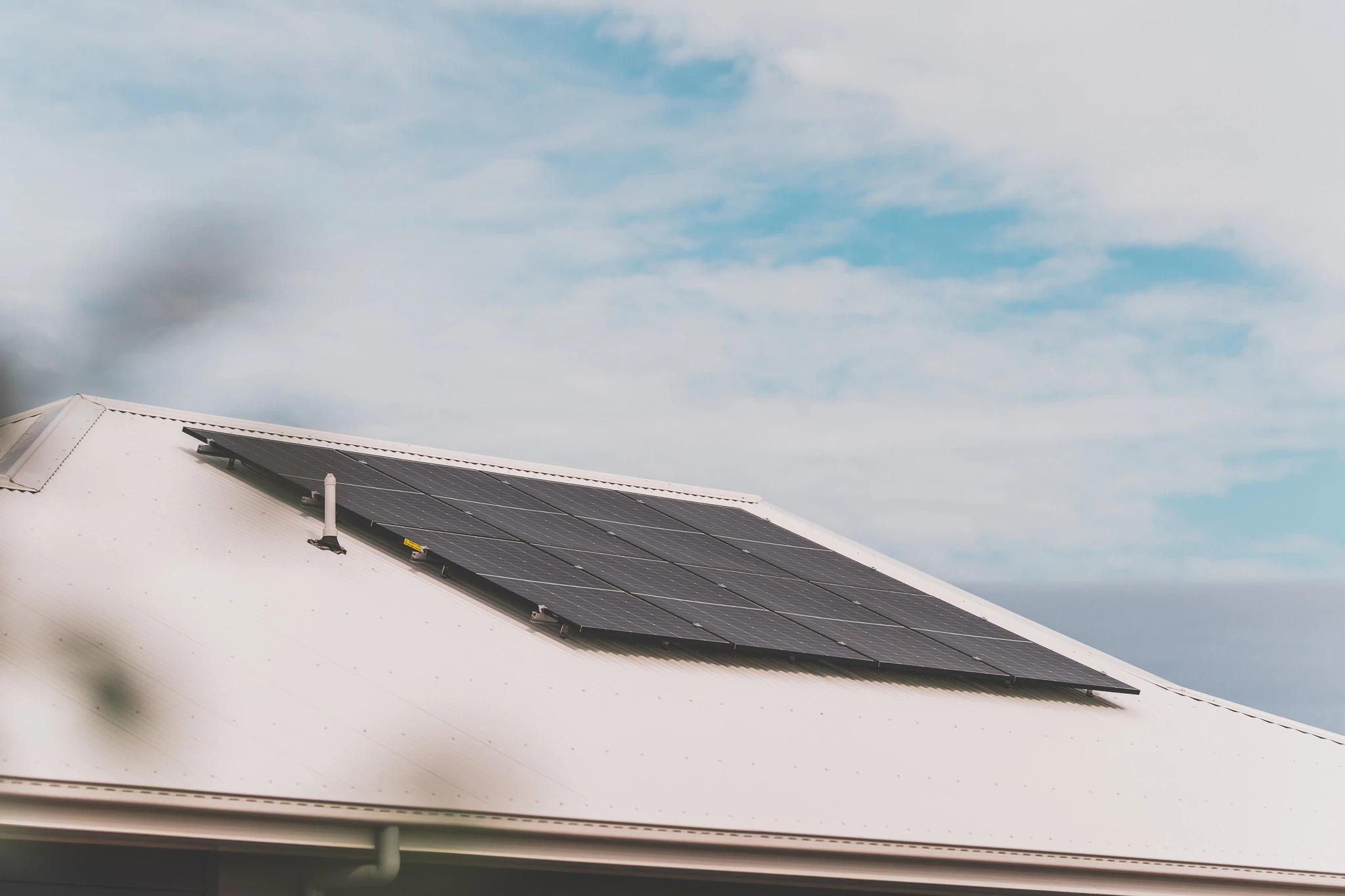
Explore available NSW solar rebates, subsidies, incentives, and financing programs to help you invest in solar power for your Newcastle home in 2025.
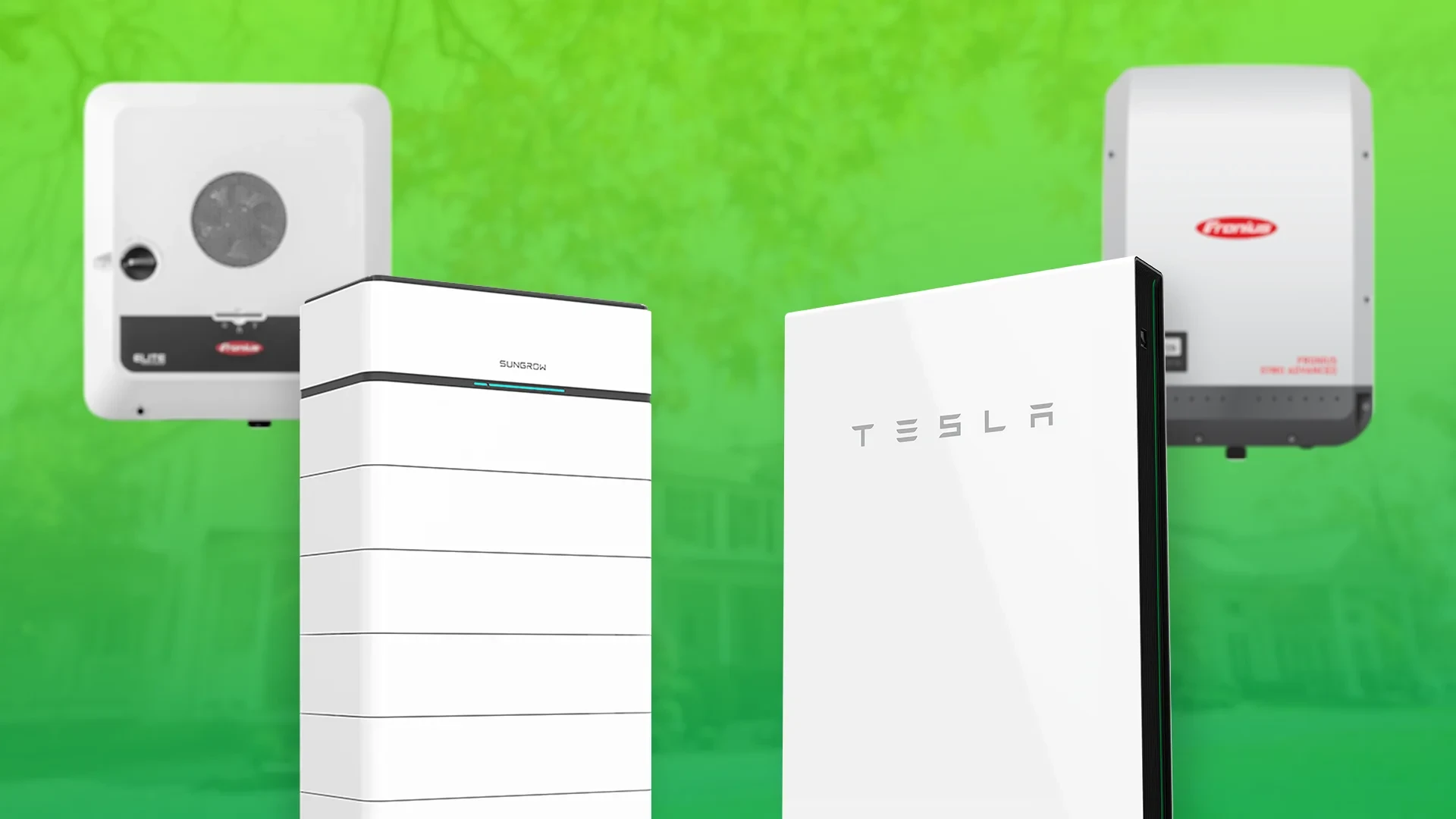
Explore the differences between AC and DC coupled solar battery storage and how it affects your solar system and inverters' configuration in Australia.

Explore if fleet or public electric vehicle charging is better for charging workplace and employee EVs for your business in Newcastle & the Hunter, NSW.

With homes, Australian standards, and energy networks being ready for bidirectional charging, why the wait? Let's explore grid, EV, & charger developments.
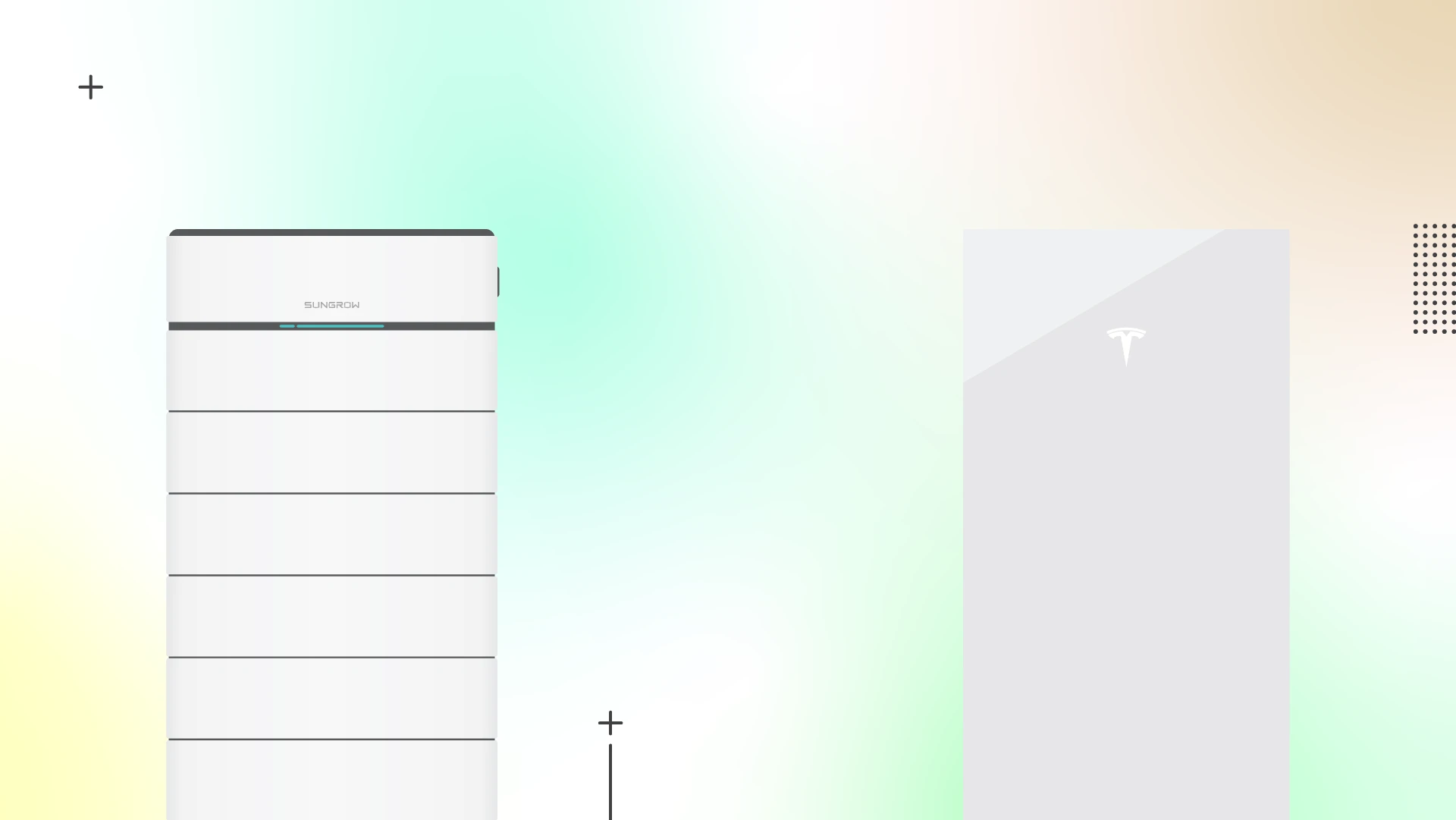
Discover the differences between Tesla Powerwall 3 and Sungrow SBH battery storage and which one is better suited for homes across Australia, NSW in 2025.
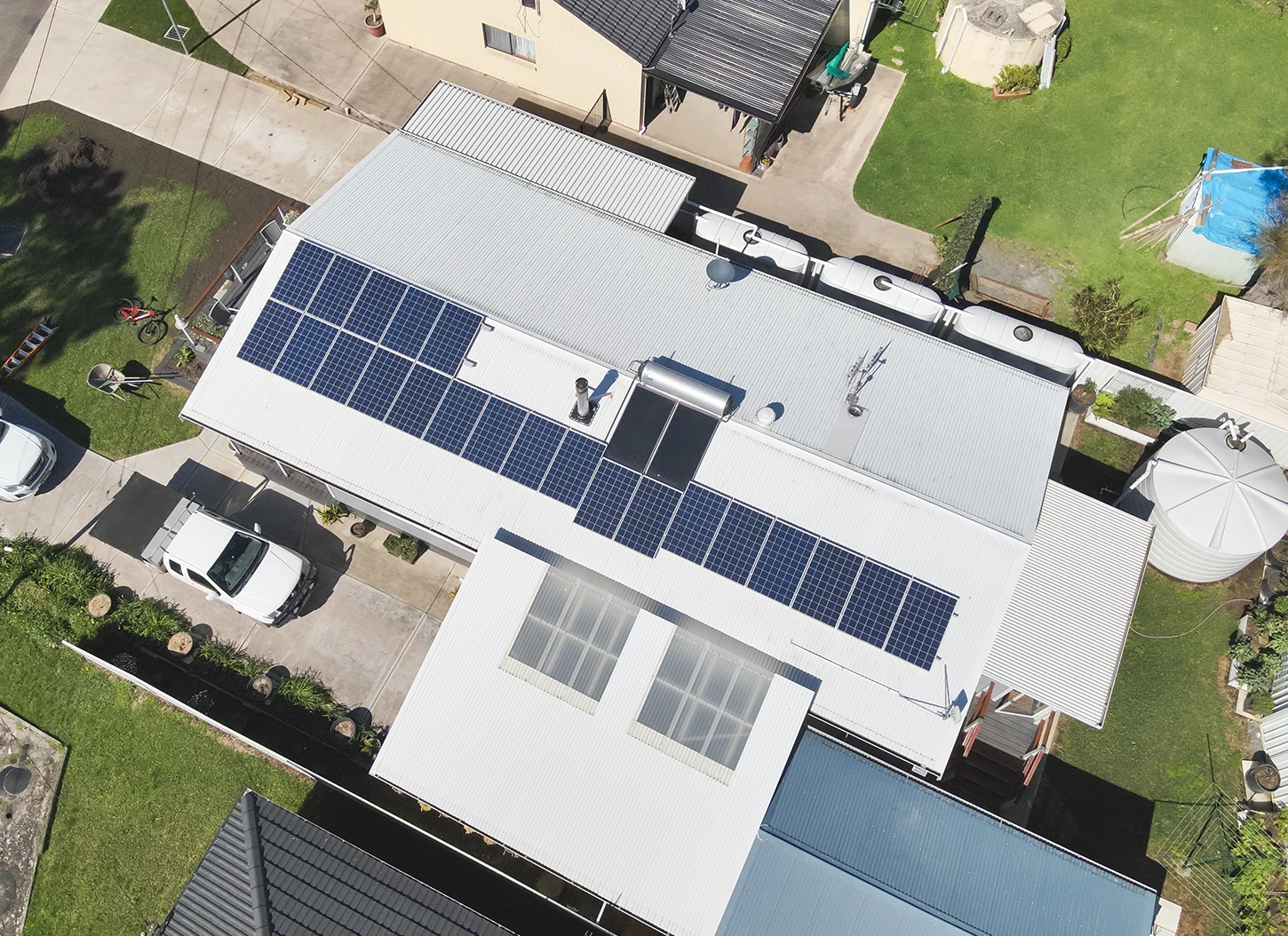
Explore the differences and if hot water solar or solar PV systems are better, along with heat pumps and electric water heaters for home savings in Australia.
Working closely with the Newcastle City Council, we helped the development of Gregson Park Playspace with electrical infrastructure, lighting, and facilities.
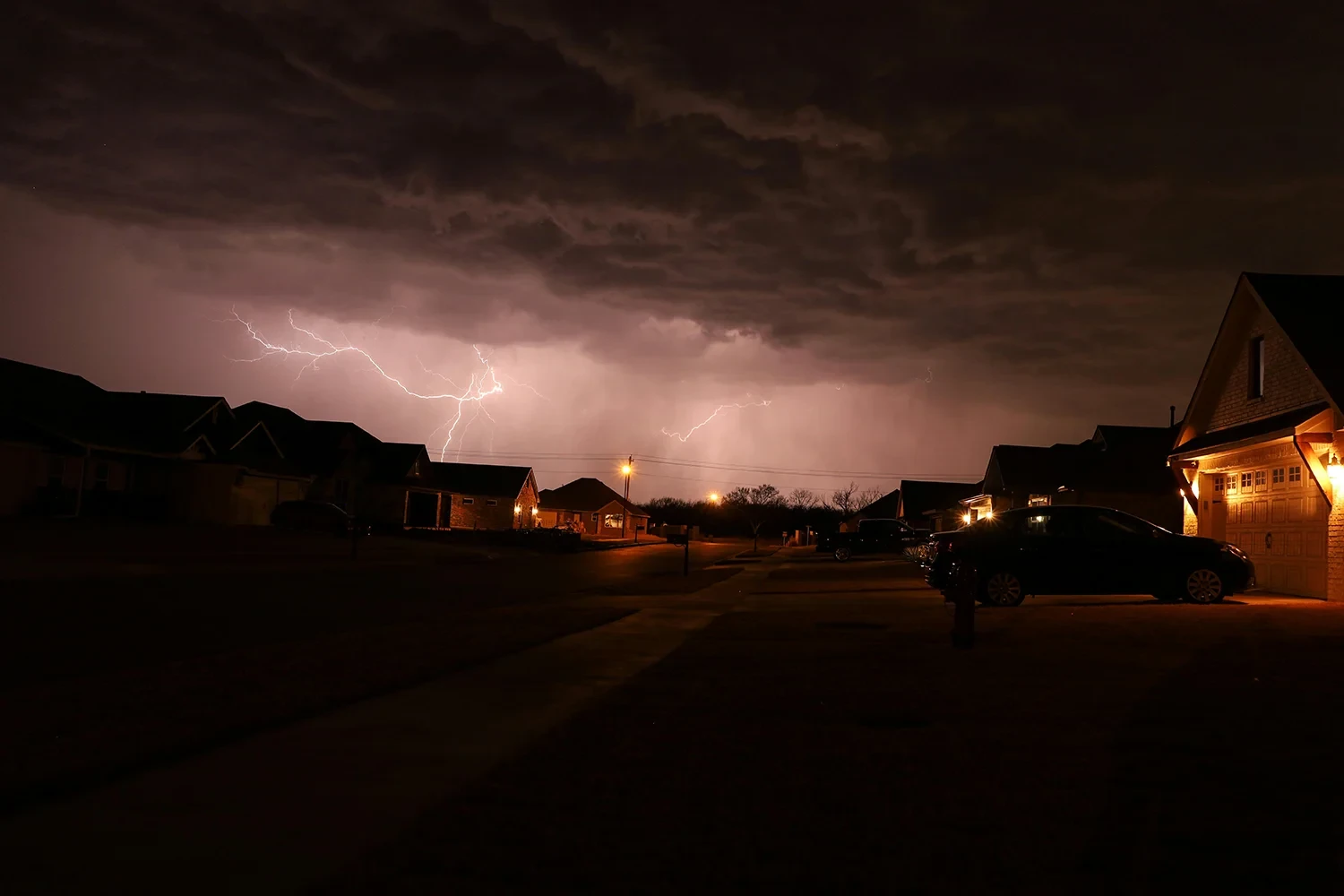
A very strong storm passed through the Hunter, leaving over 100,000 homes without power. Here's how you can protect your home's energy with independence.
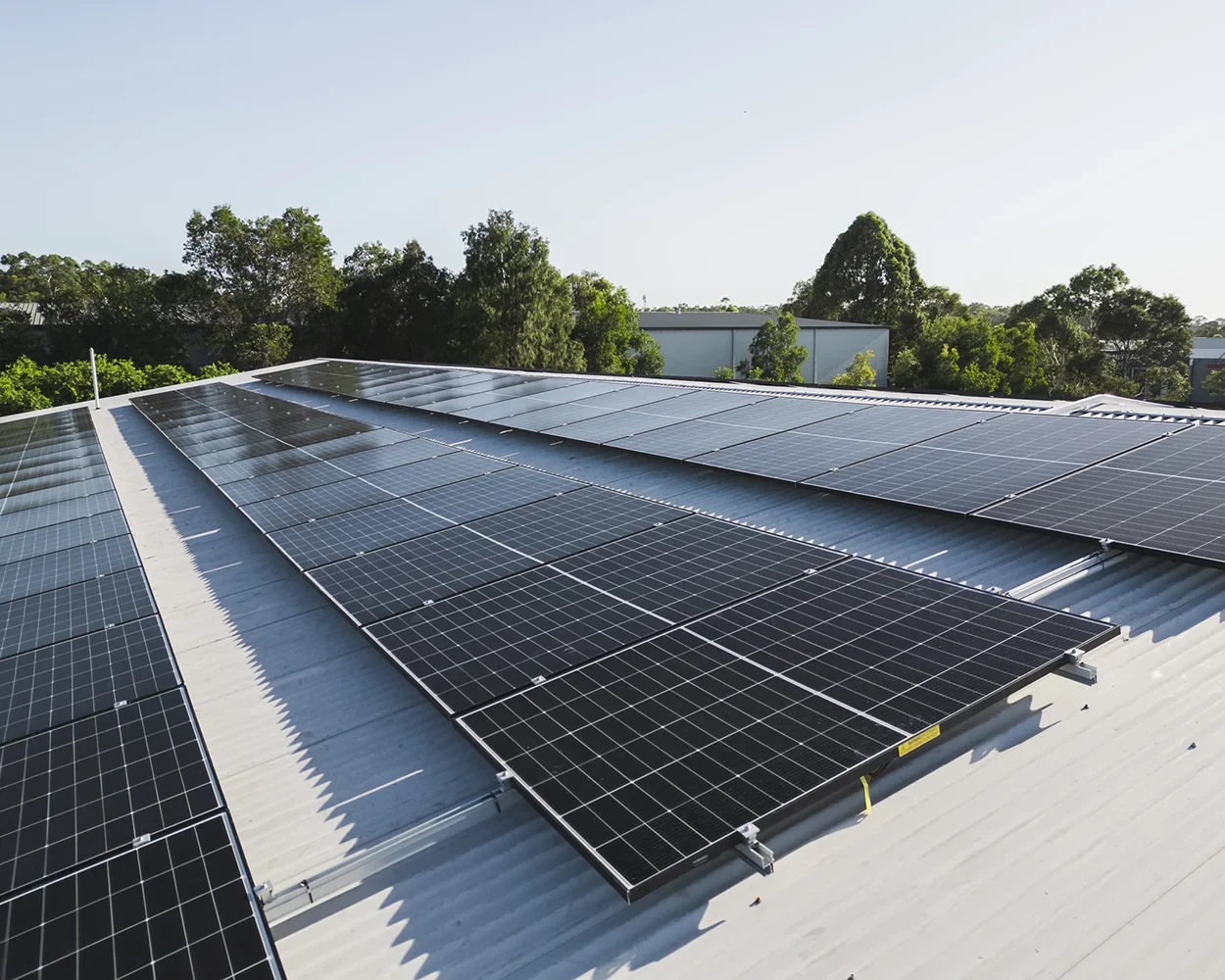
As 2025 comes to light, homes and businesses in NSW have access to a range of rebates and subsidies that allow for discounted installations of solar and battery solutions.
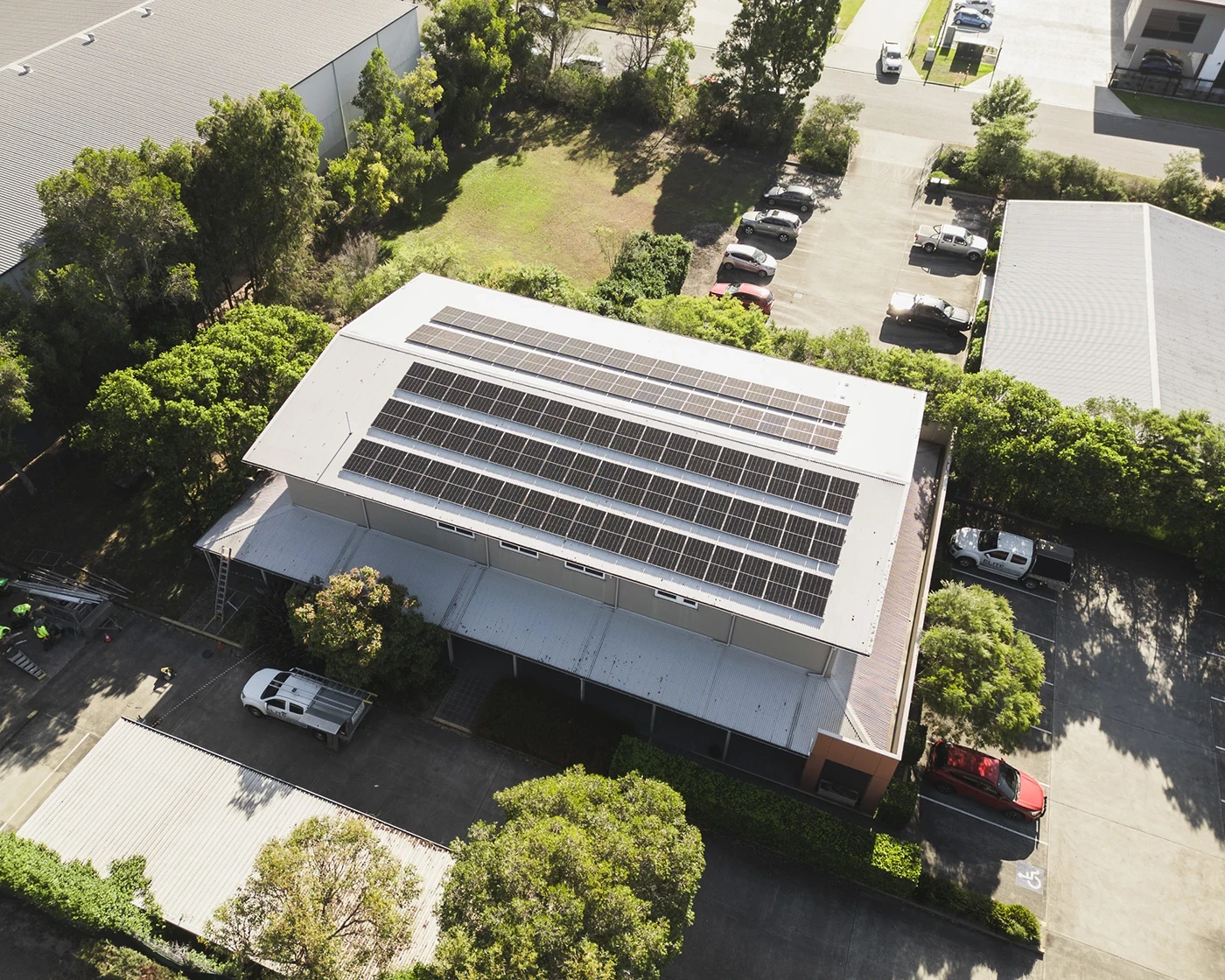
Completing a commercial solar and electric vehicle charger installation, our Thornton neighbours can take full advantage of renewable electricity and charging.
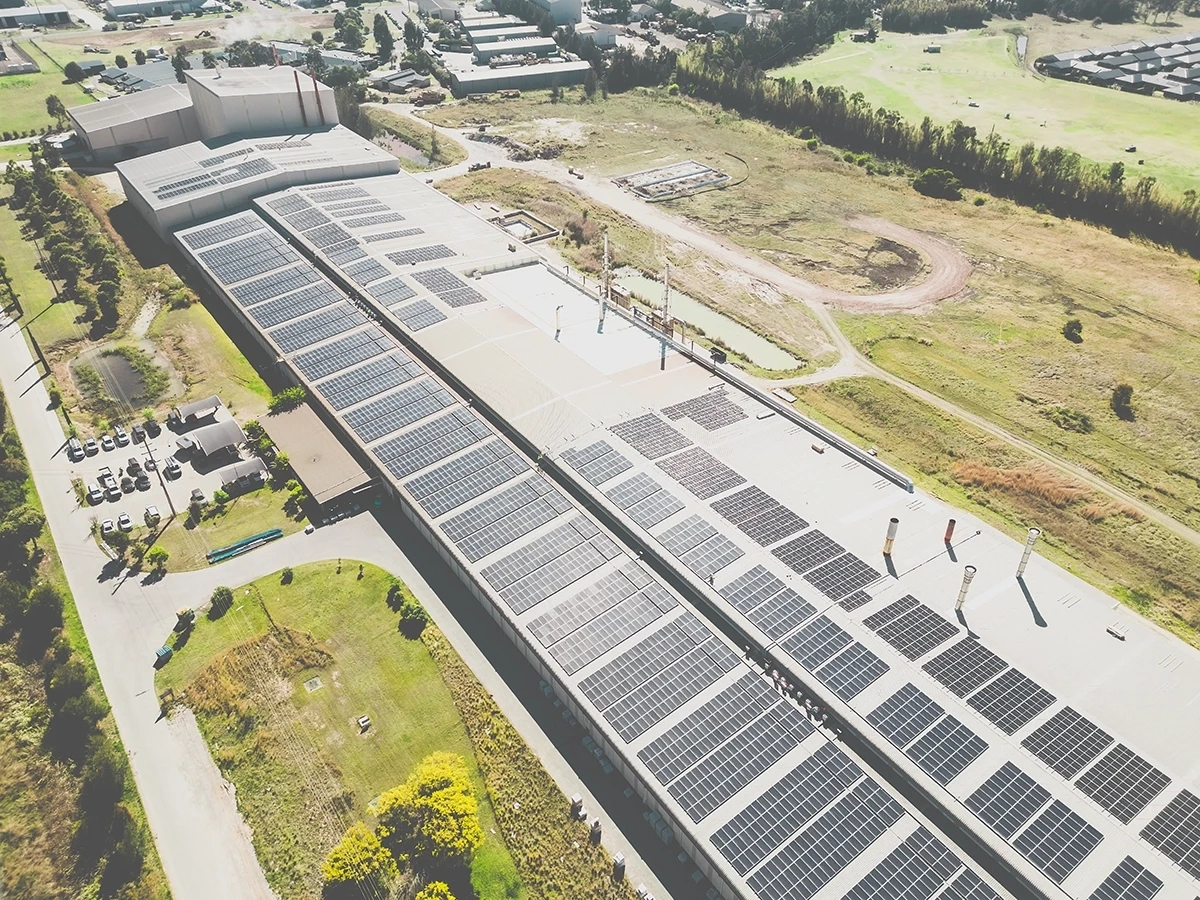
Elite Power Group installed a 2MW commercial solar installation for National Ceramic Industries Australia, totaling 4000 solar panels in Rutherford.
Explore various ways where homes and businesses can reduce electricity bills and maximise solar generation in Newcastle and the Hunter, NSW for 2025.
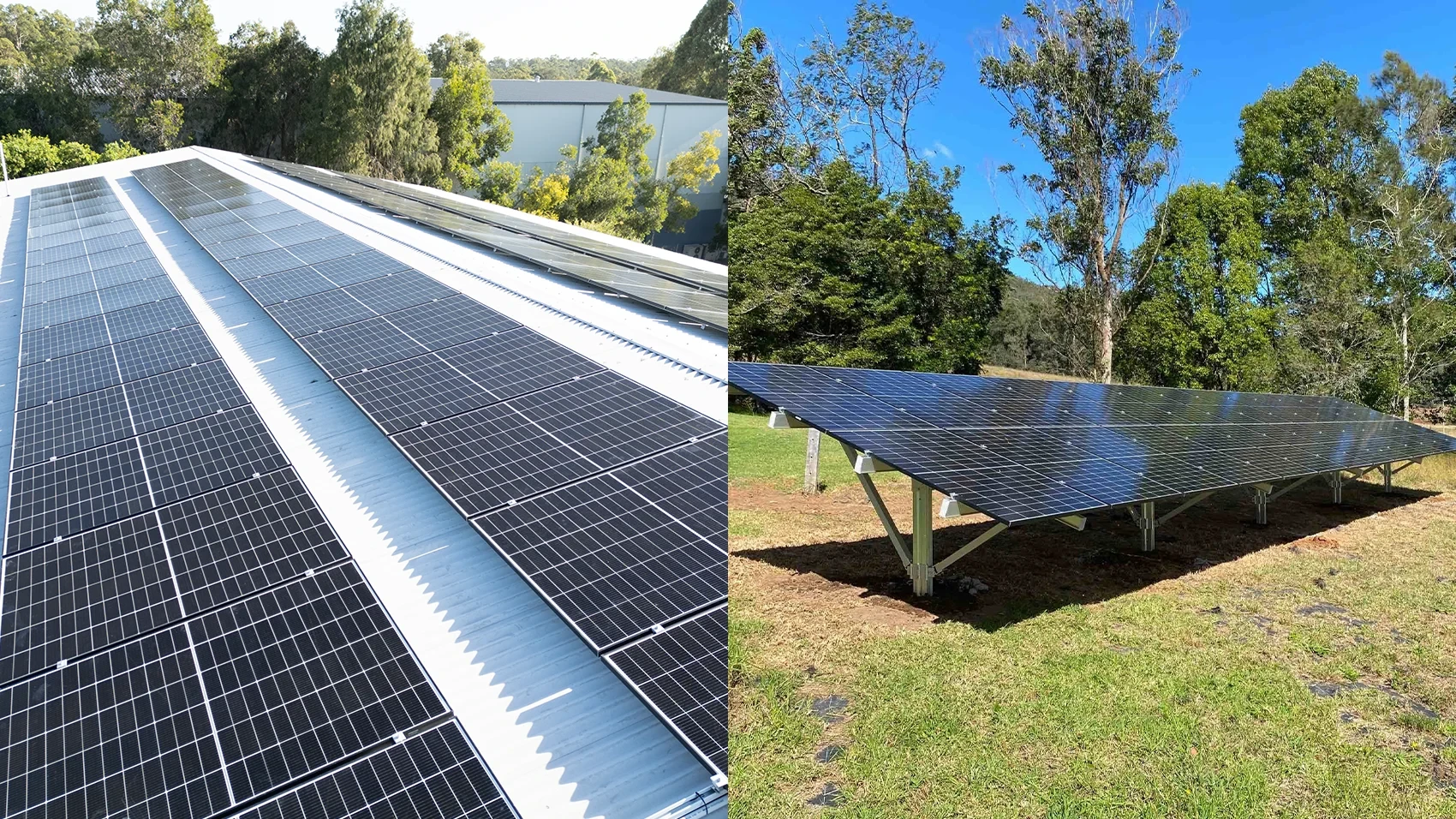
Explore whether rooftop or ground mounted solar systems are better for homes, farms, and remote properties needing solar PV power in Australia.
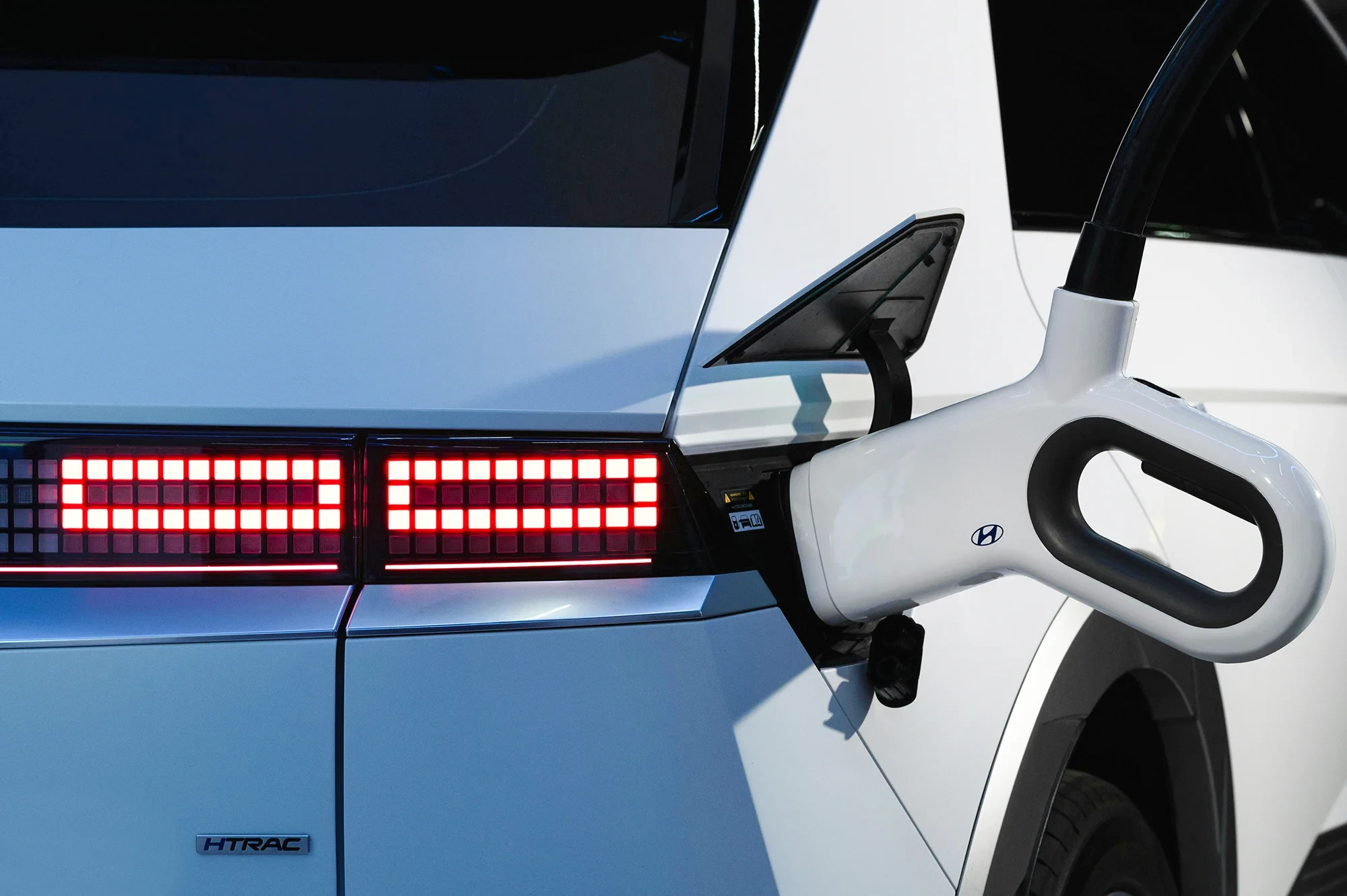
The journey of bidirectional charging in Australia has hit a milestone with the recent approval of the new standard for vehicle-to-grid (V2G) charging for 2025.
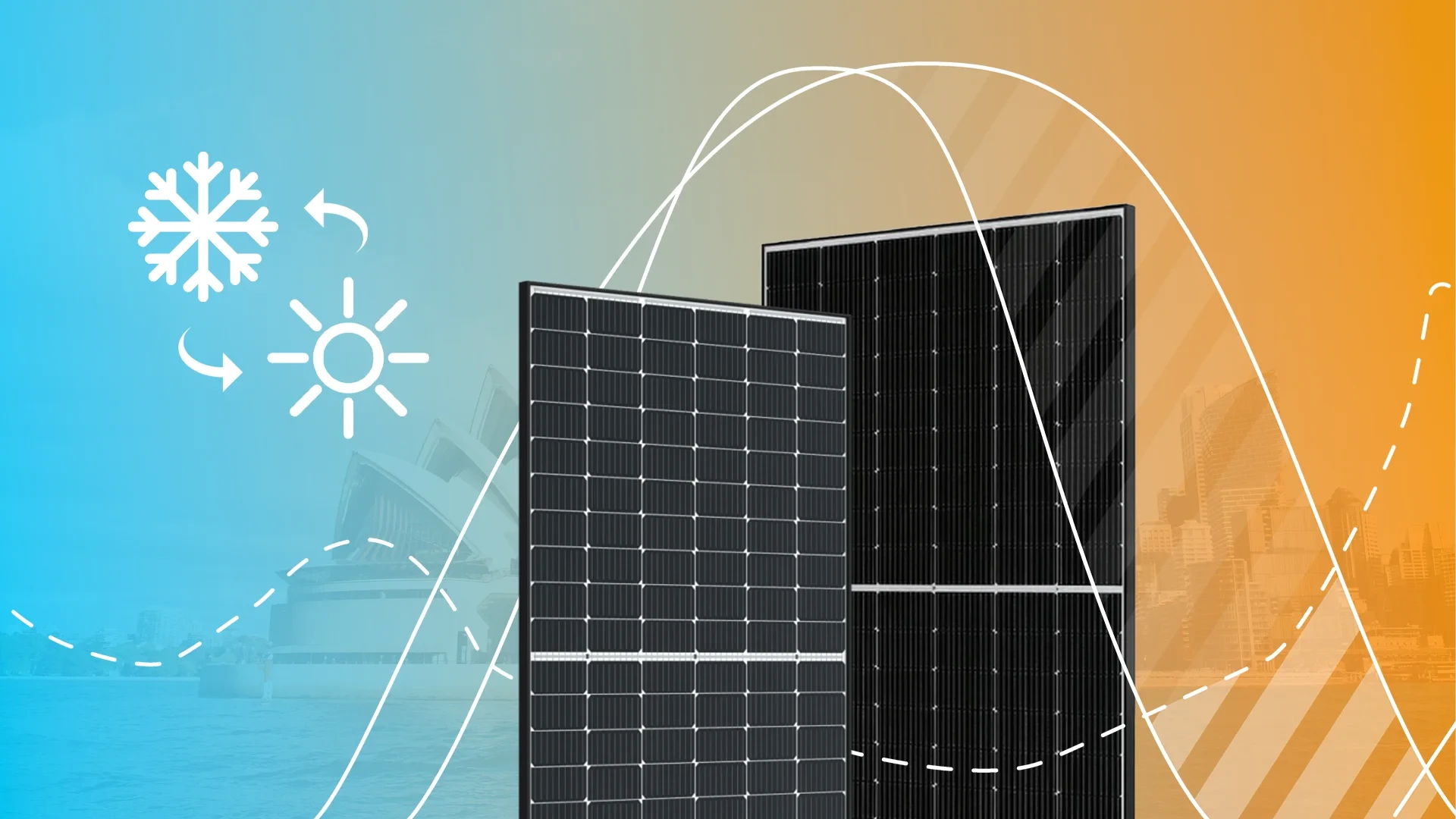
Explore how daylight savings and seasonal changes during winter and summer can affect your solar panels performance and solar generation in NSW, Australia.
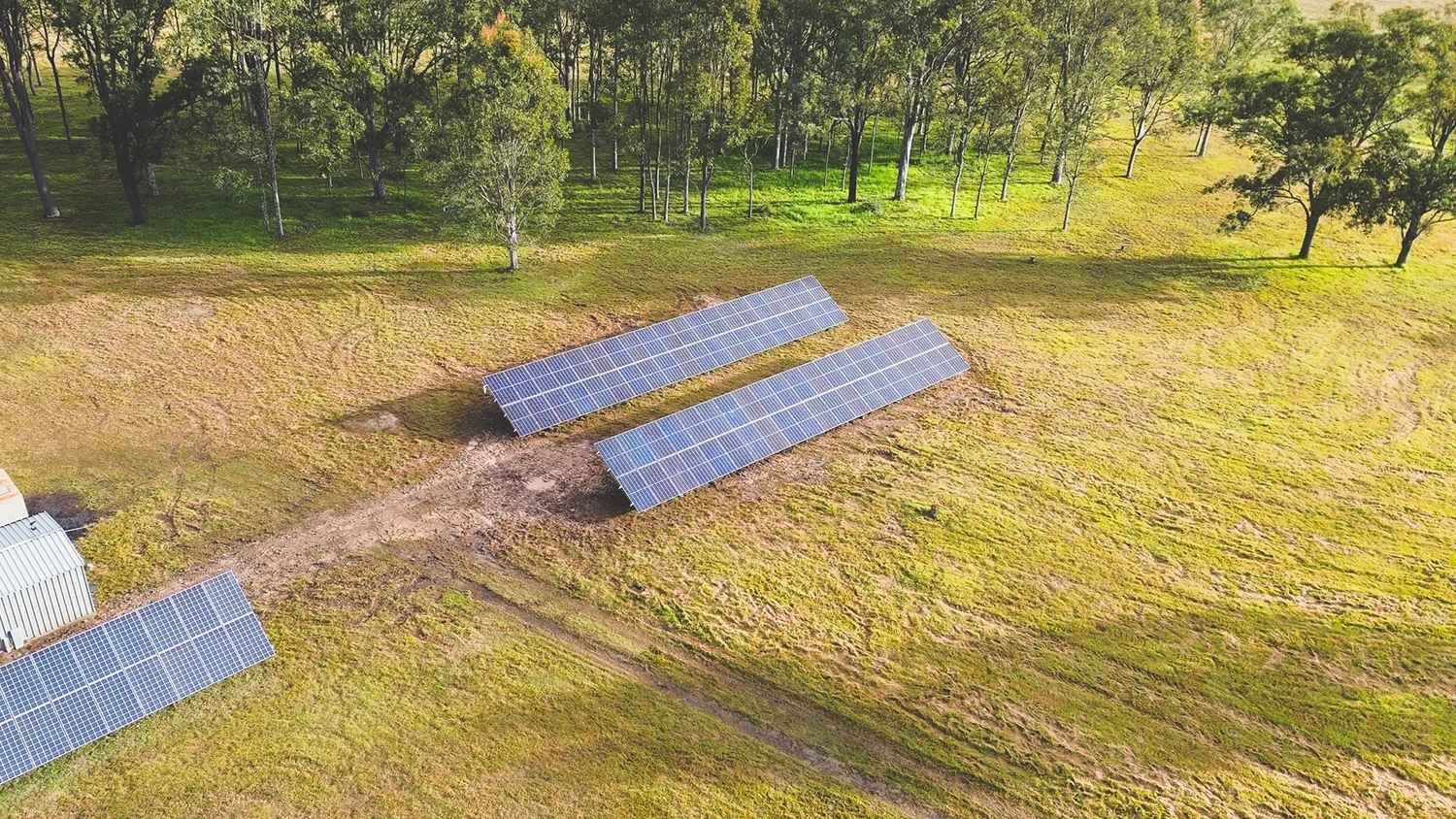
For cabins, homes, and sheds with limited or no access to grid energy, getting an off grid solar and battery storage system may be worth it in NSW in 2025.
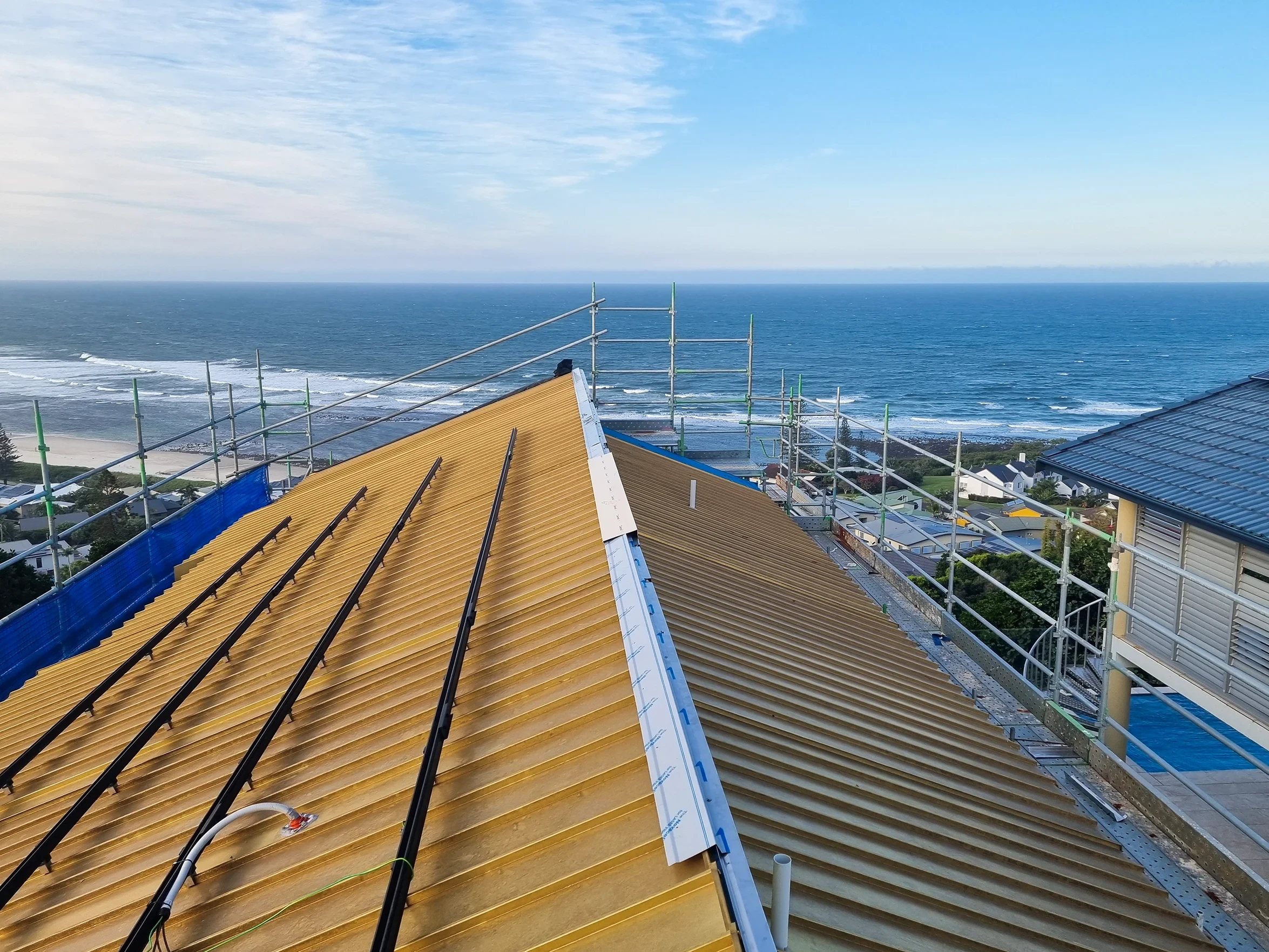
Everyone has seen a solar installation a normal roof like tin or tiled roofs, but have you ever seen a solar installation a roof made of Brass? Well we did one...
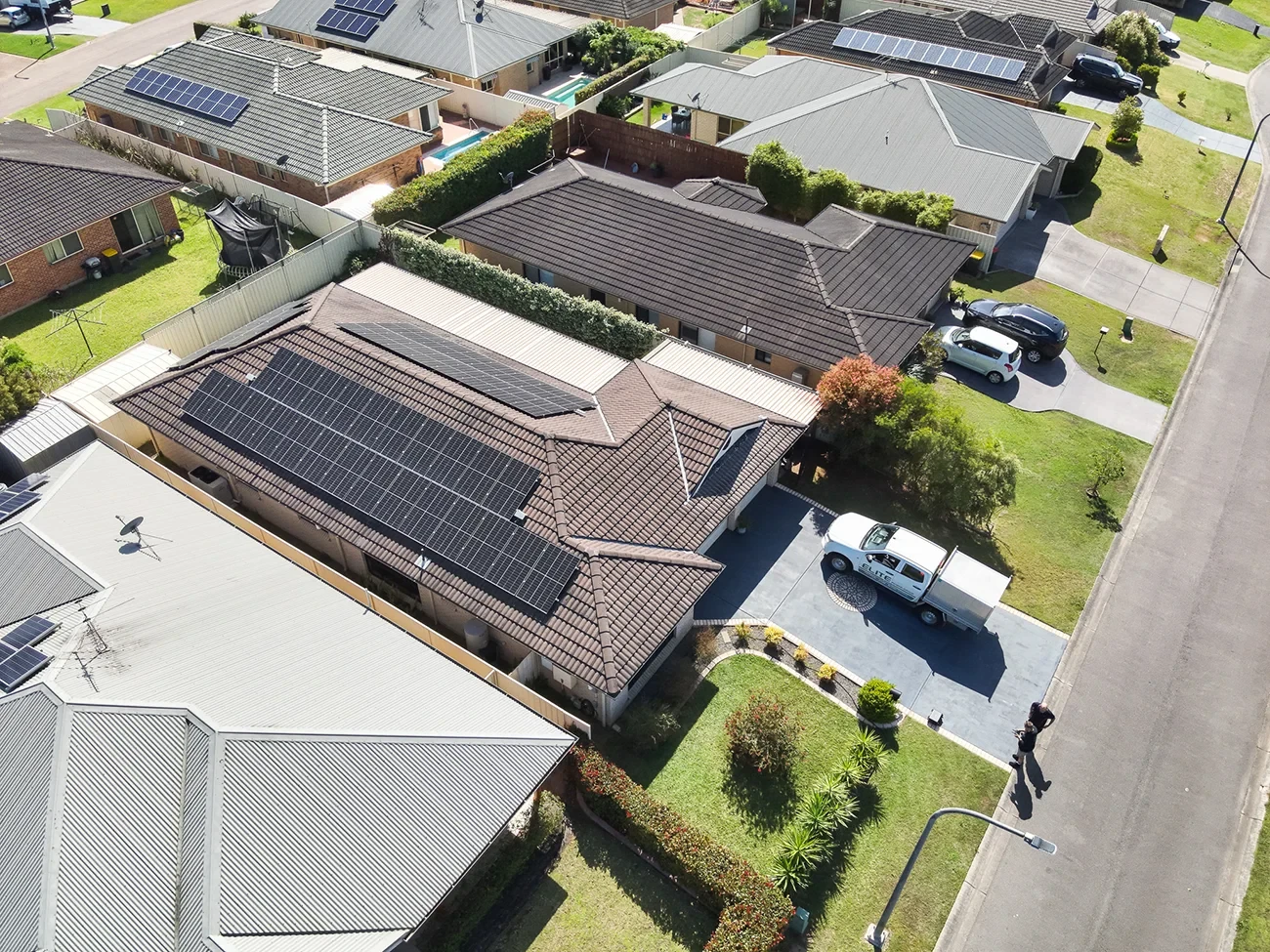
With the release of the new Clean Energy Council (CEC) H1 2024 report on solar and battery storage, it gives an idea of the upward path of Australia’s renewable energy adoption.
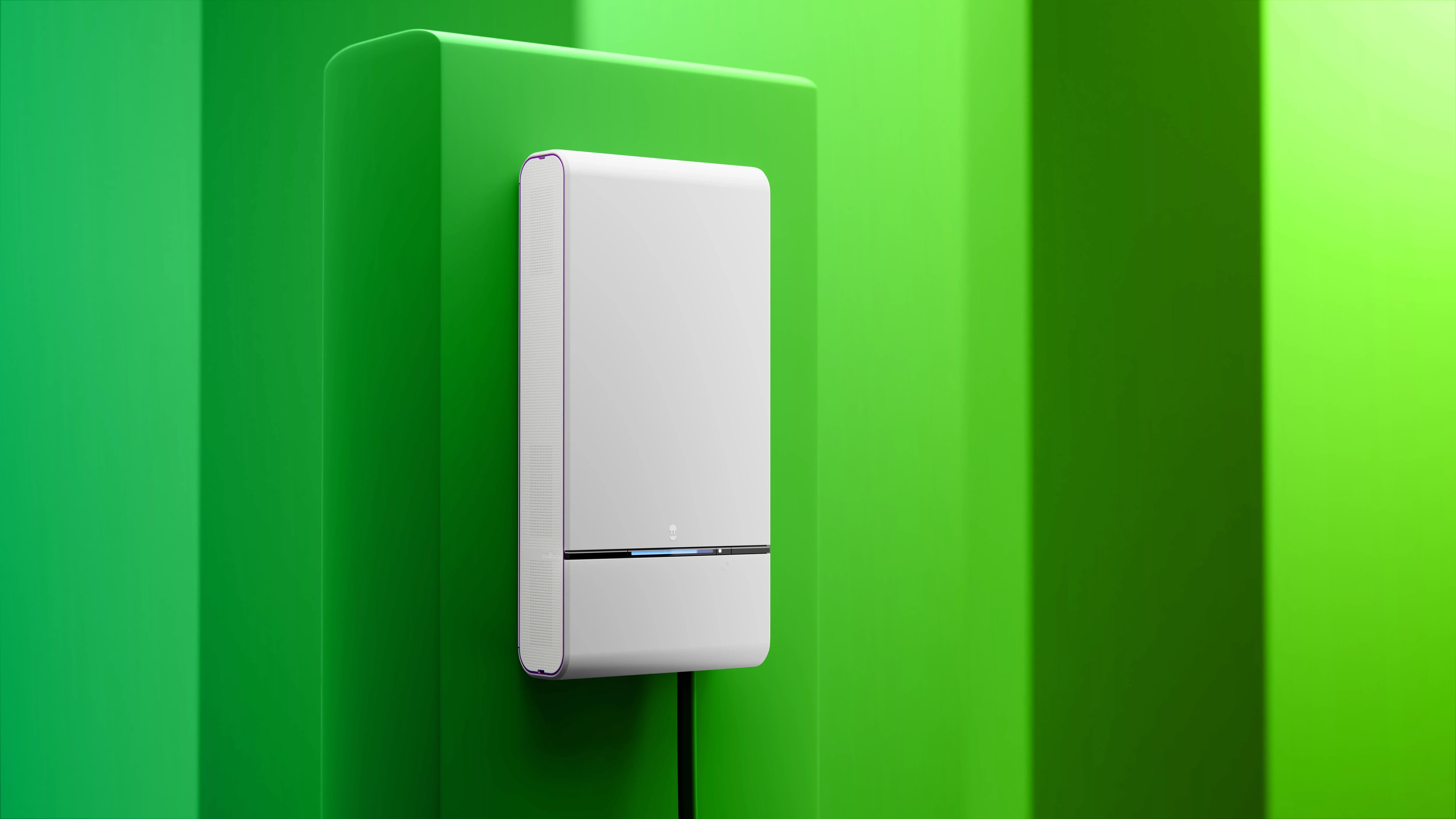
Amber & ARENA have started trials for Vehicle-to-grid technology in NSW, Australia to help develop standards and framework in V2G and Bidirectional charging.
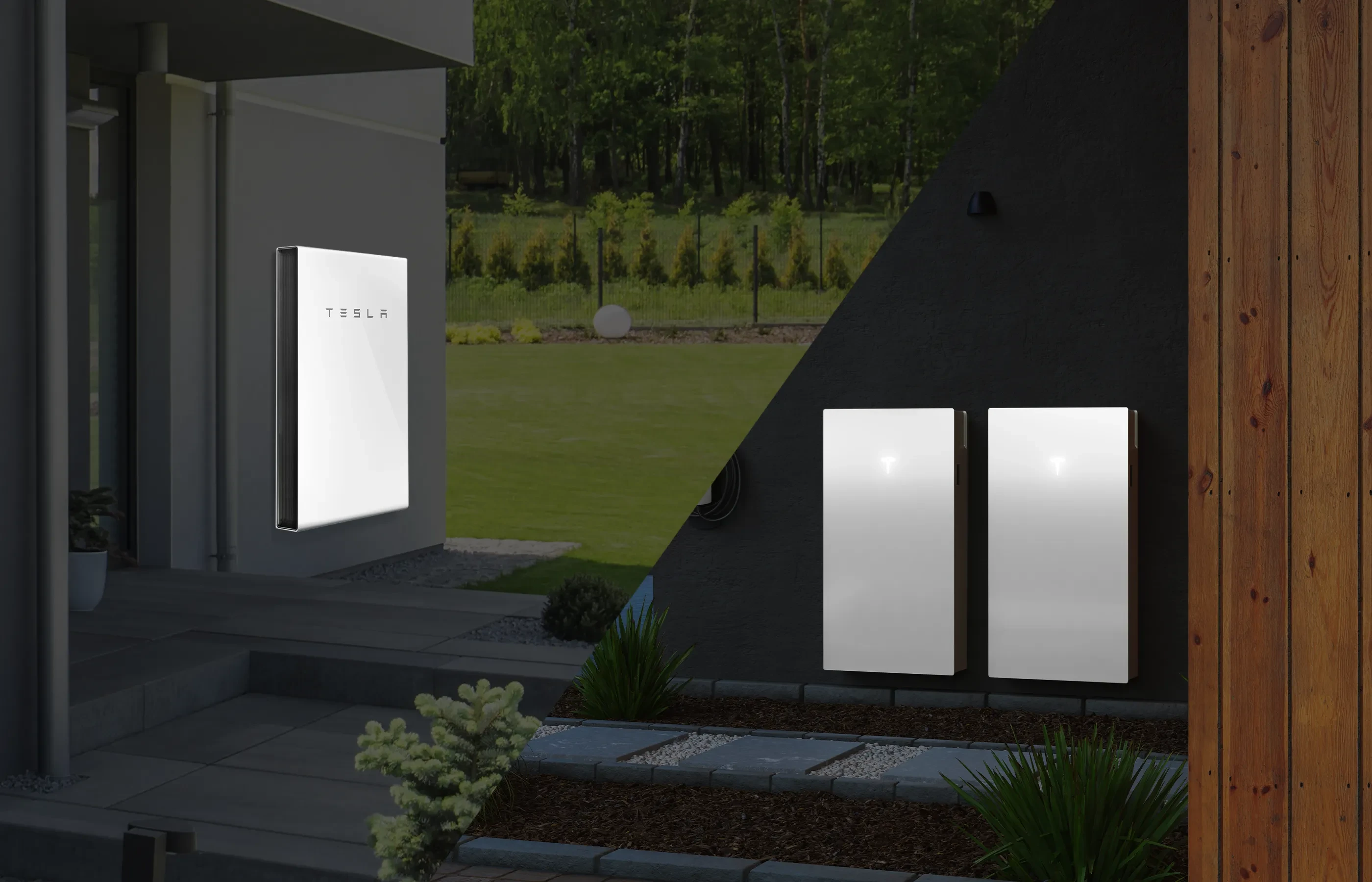
Explore the differences between Tesla Powerwall 2 vs. Tesla Powerwall 3 solar battery storage specs, pricing, and features in Australia for homes.
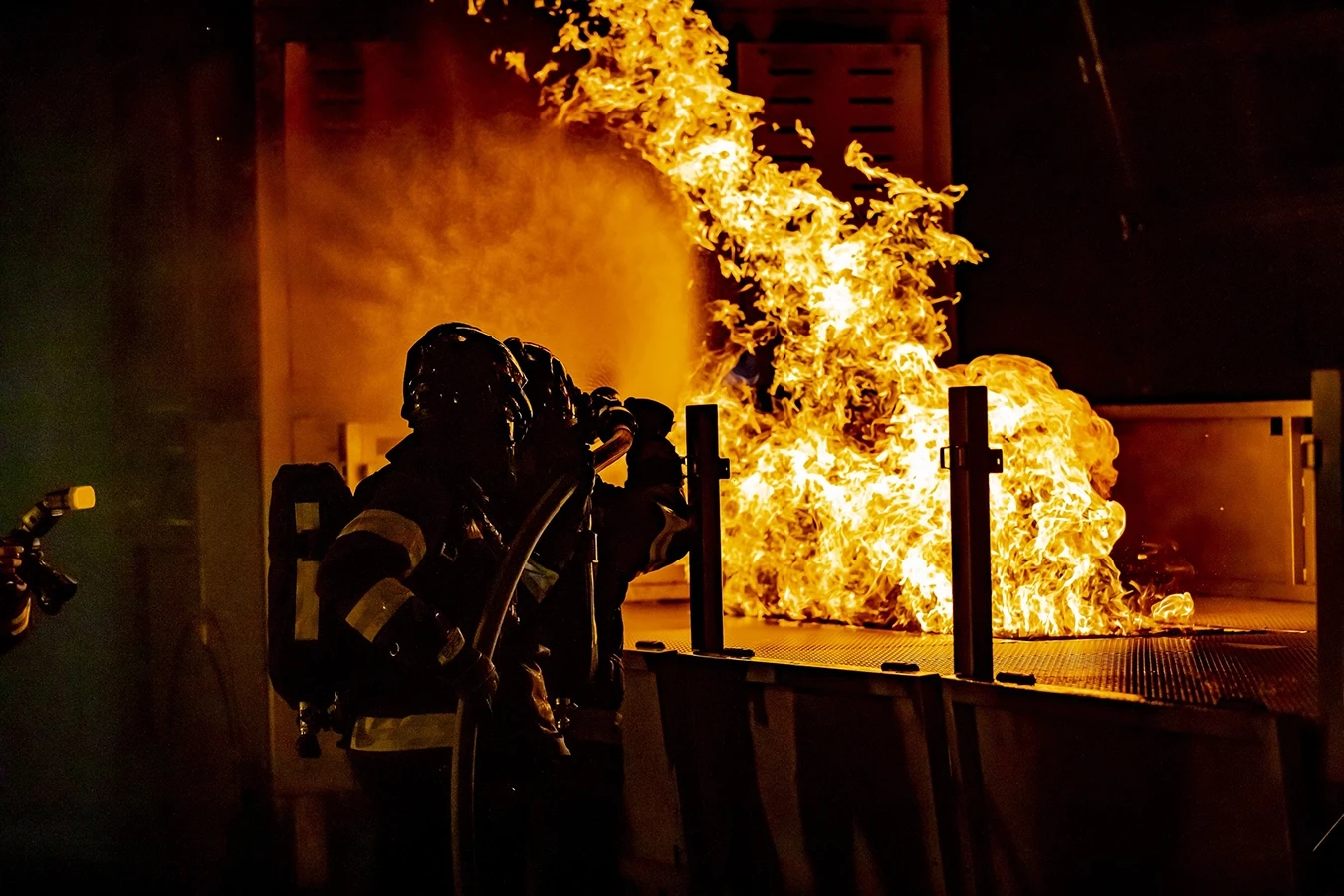
Explore solar battery fire risks, hazards, and statistics, and if solar batteries are safe to install for homes in NSW, Australia. (Spoiler alert.. they are!)
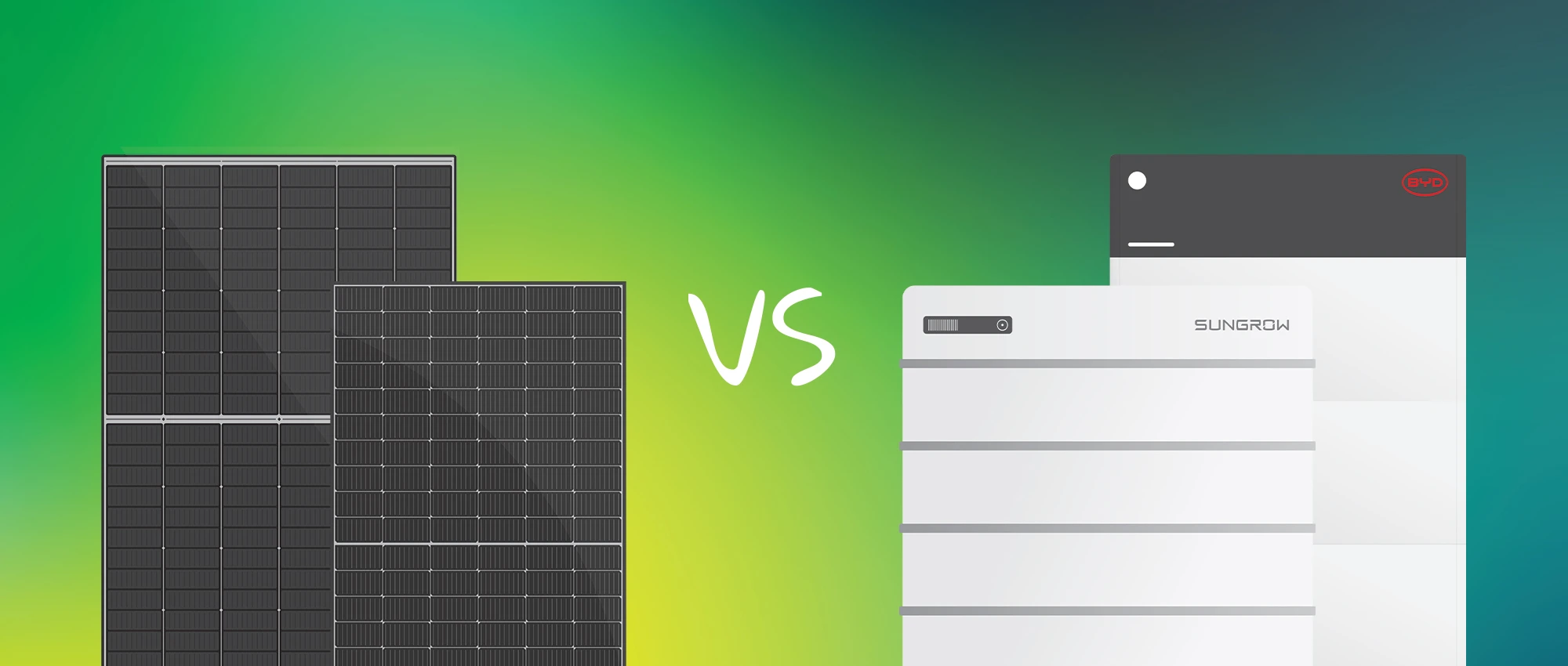
Investing in your solar system has many opportunities, but should you replace your panels, upgrade with more solar, or add battery storage to your home?
Though bidirectional charging isn't available, vehicle-to-grid is already turning heads in Australia with its potential to change energy consumption and distribution.
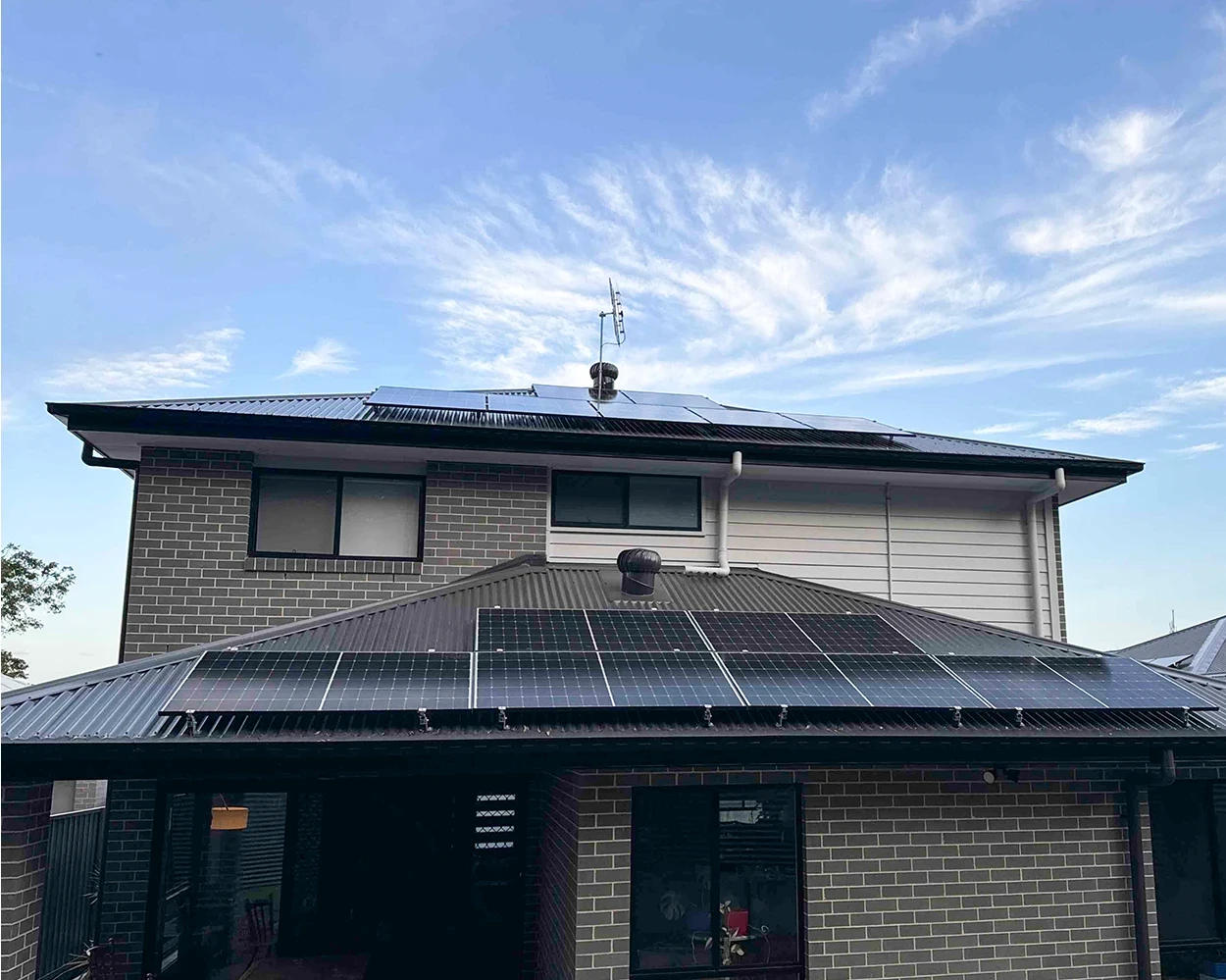
Explore how Australia's energy is evolving with t like Microgrids, DER's, Virtual Power Plants, & Demand Response, for solar and battery systems.
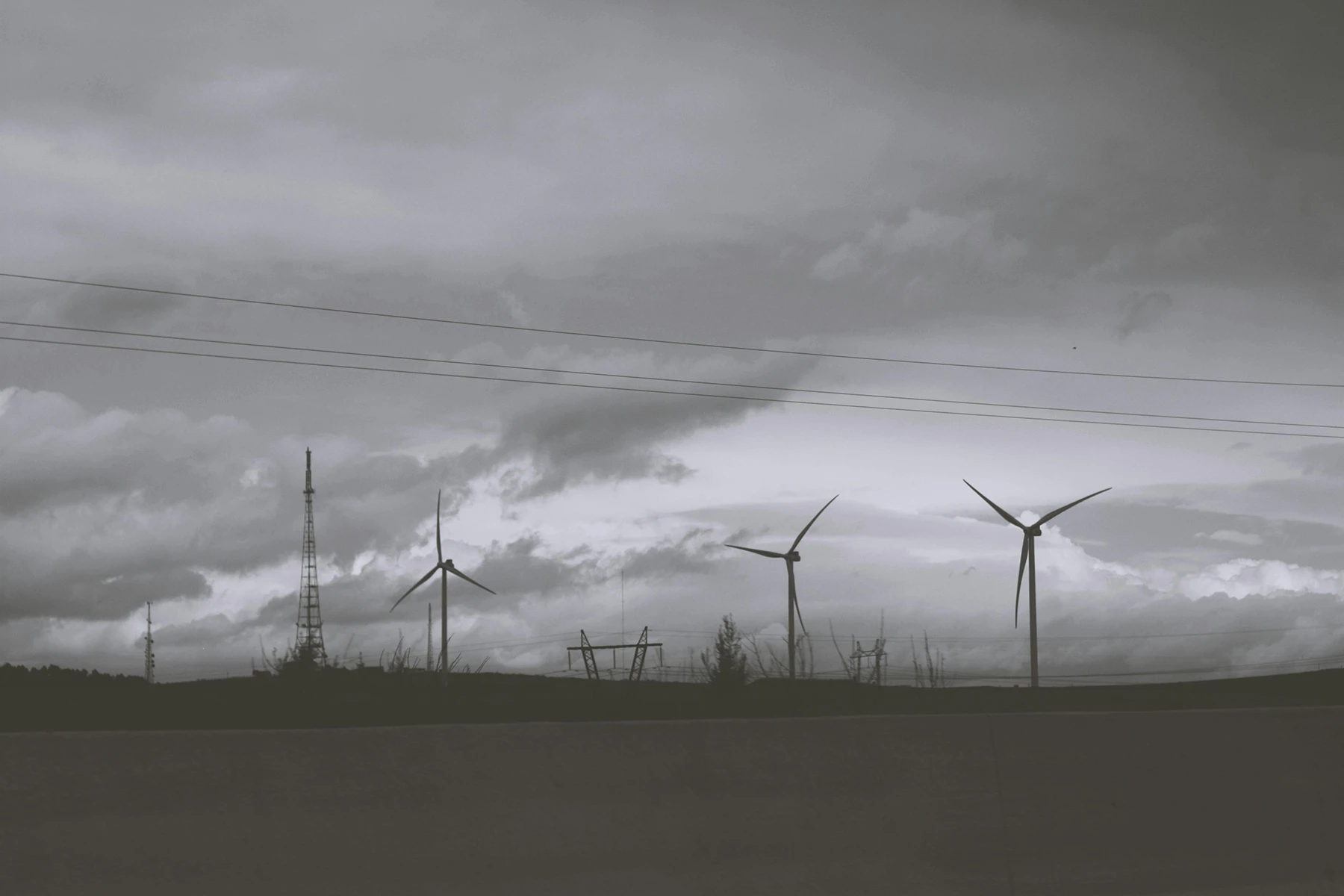
Learn the differences between alternating current (AC) and direct current (DC), voltage, and current flow with real-life examples for homes in Australia.
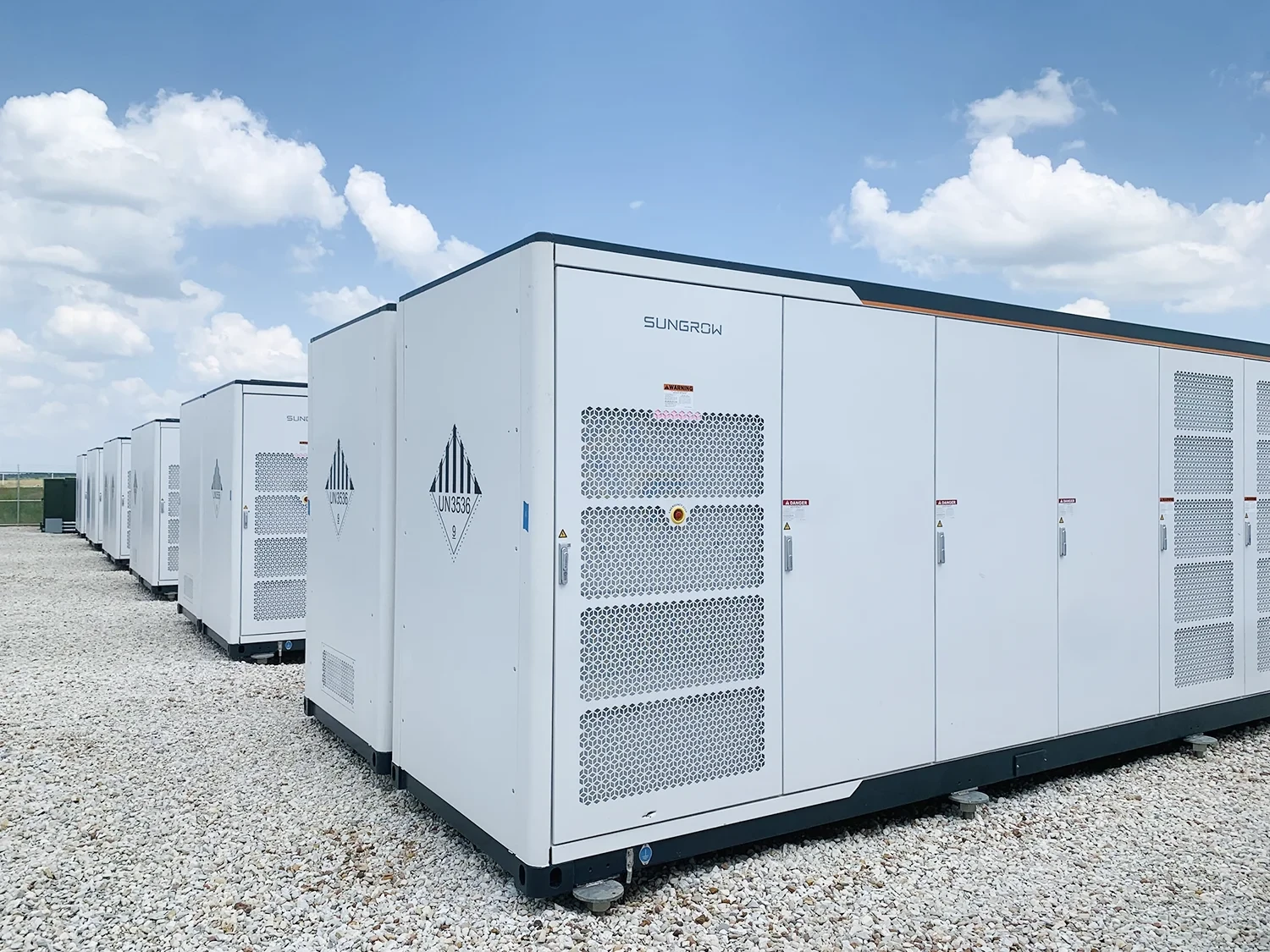
Discover how commercial solar battery storage can benefits businesses in NSW, with benefits like maximising solar, reducing operational costs, and more!

In the new 2024 CEC report, they found that renewable contribution in the overall supply of energy in Australia, produced 40% of Australia’s total electrical supply.
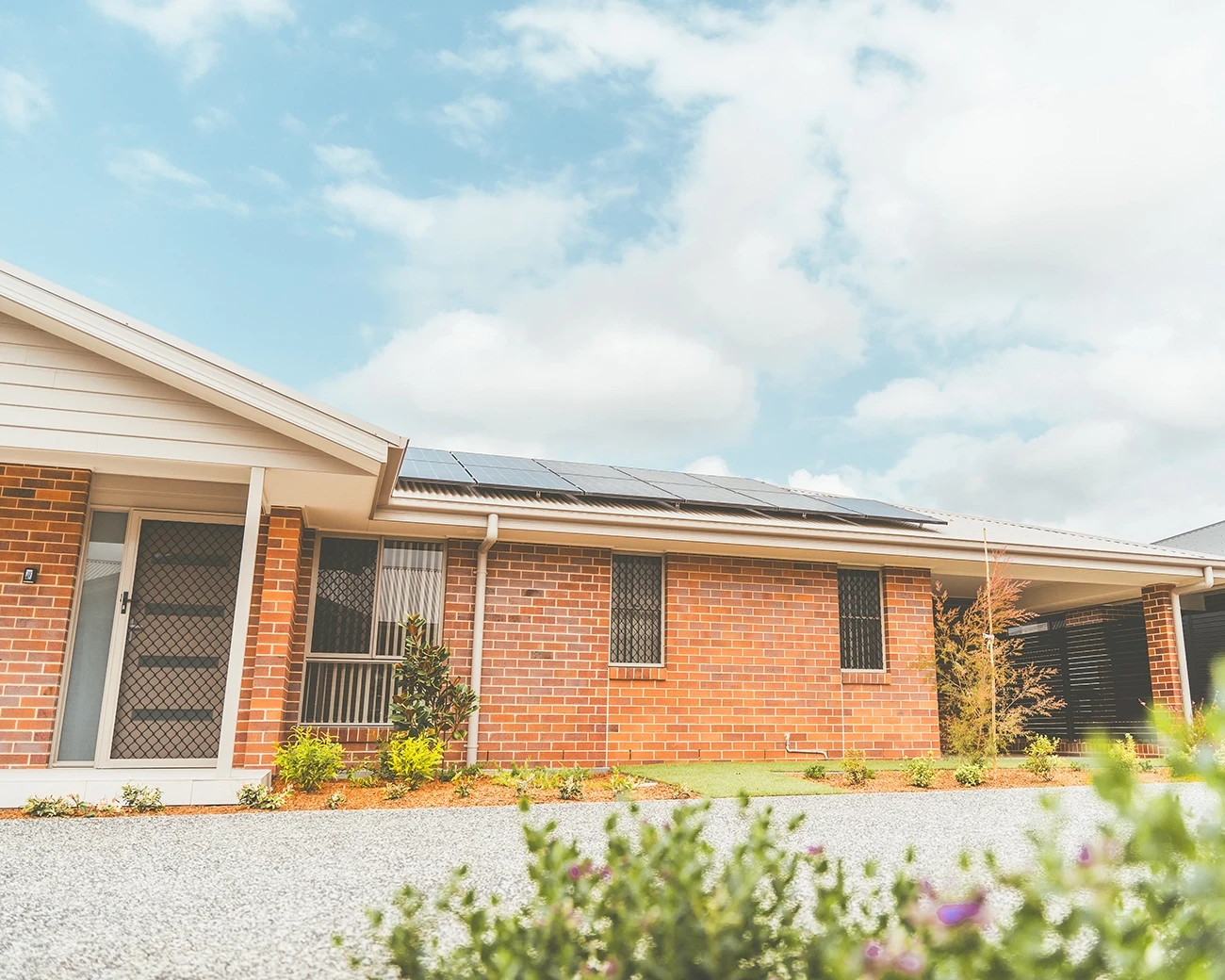
So you've invested in solar to reduce your electricity bills, but since then your bills are still high? Explore why your energy bills are still high even after solar.
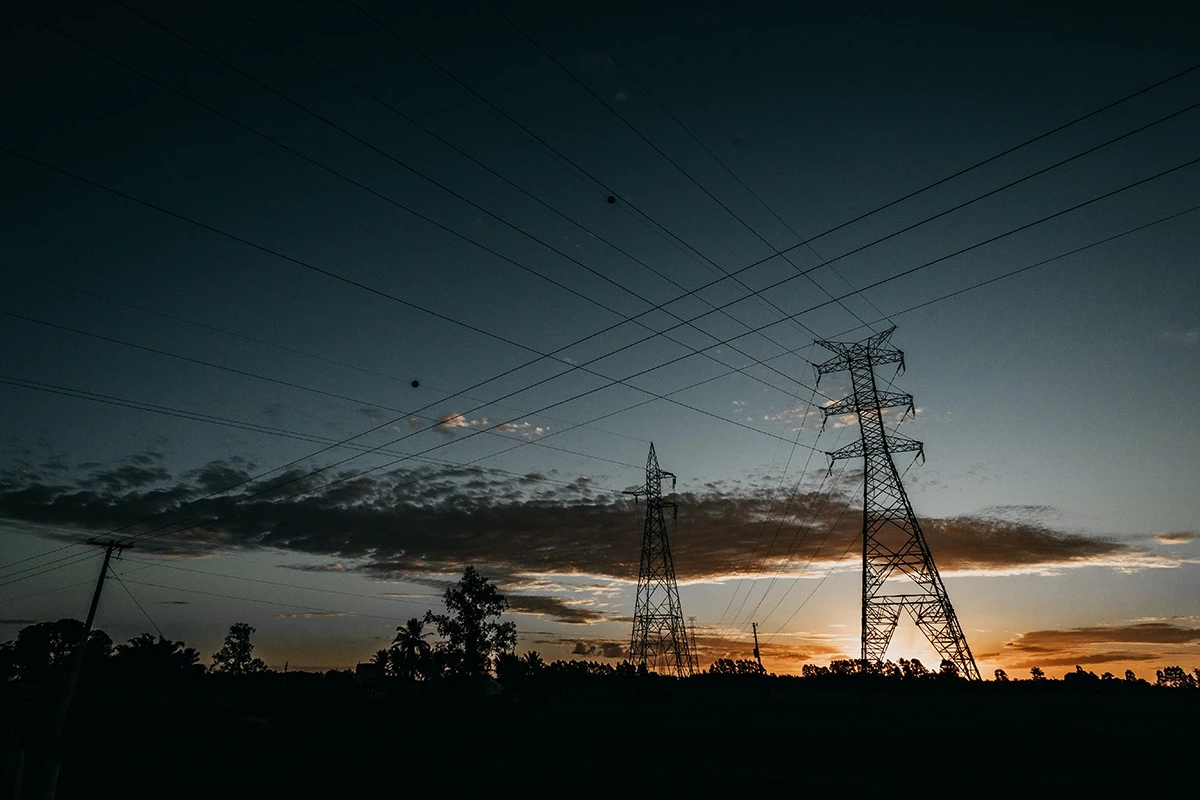
Explore on-peak, shoulder, and off-peak times and electricity tariffs in Australia to find the best hours to use energy and the cheapest rates for homes.
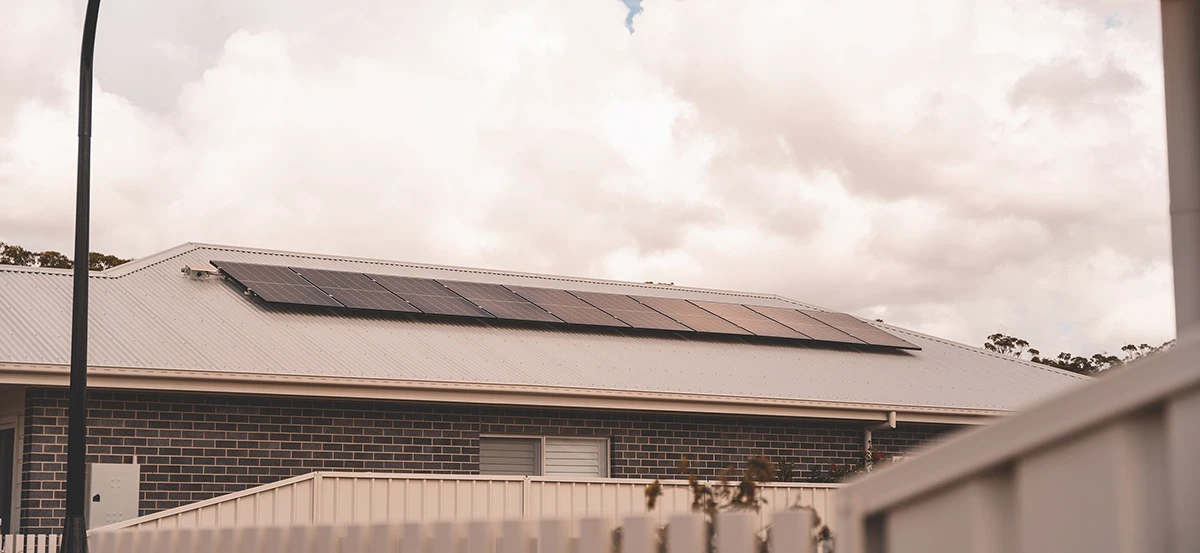
Explore the differences between single phase vs. three phase power, and how 1 phase and 3 phase electricity works with real-life examples in Australia.
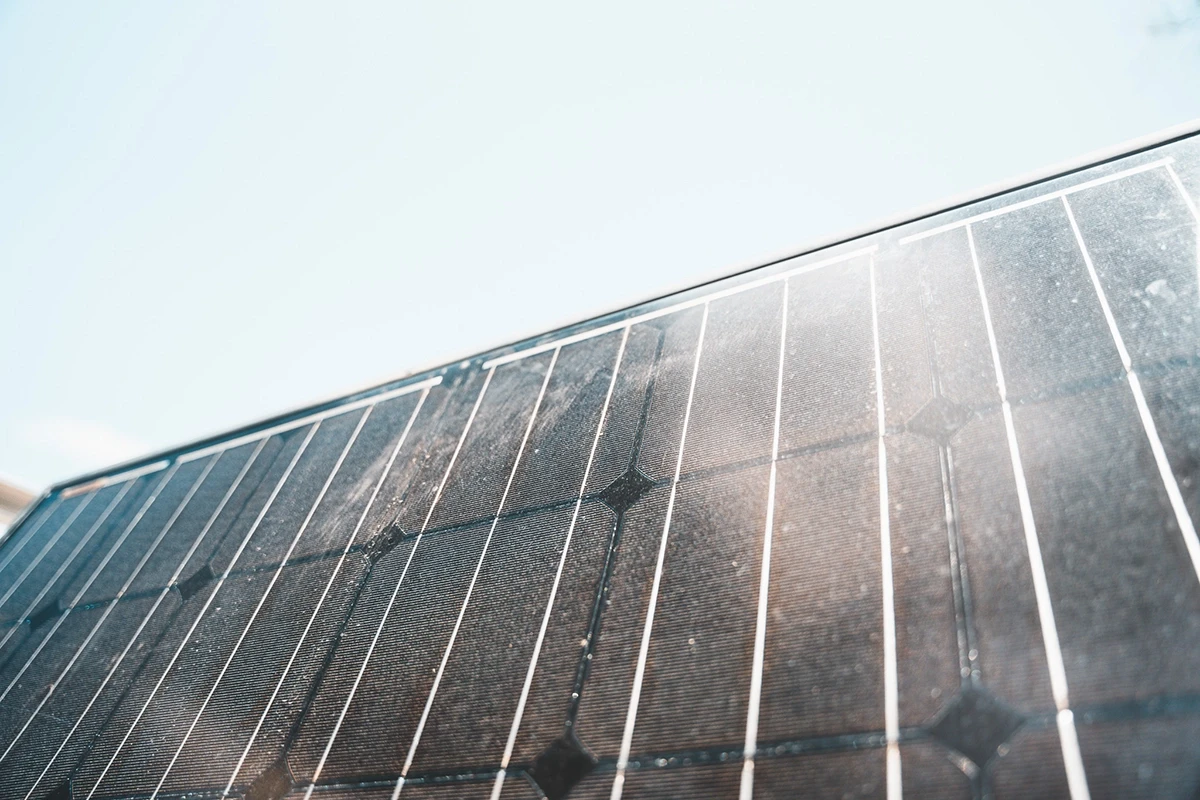
If your solar panels are dirty, explore easy ways to DIY clean your solar panels, or when to get your system cleaned by a professional solar cleaner in Australia.
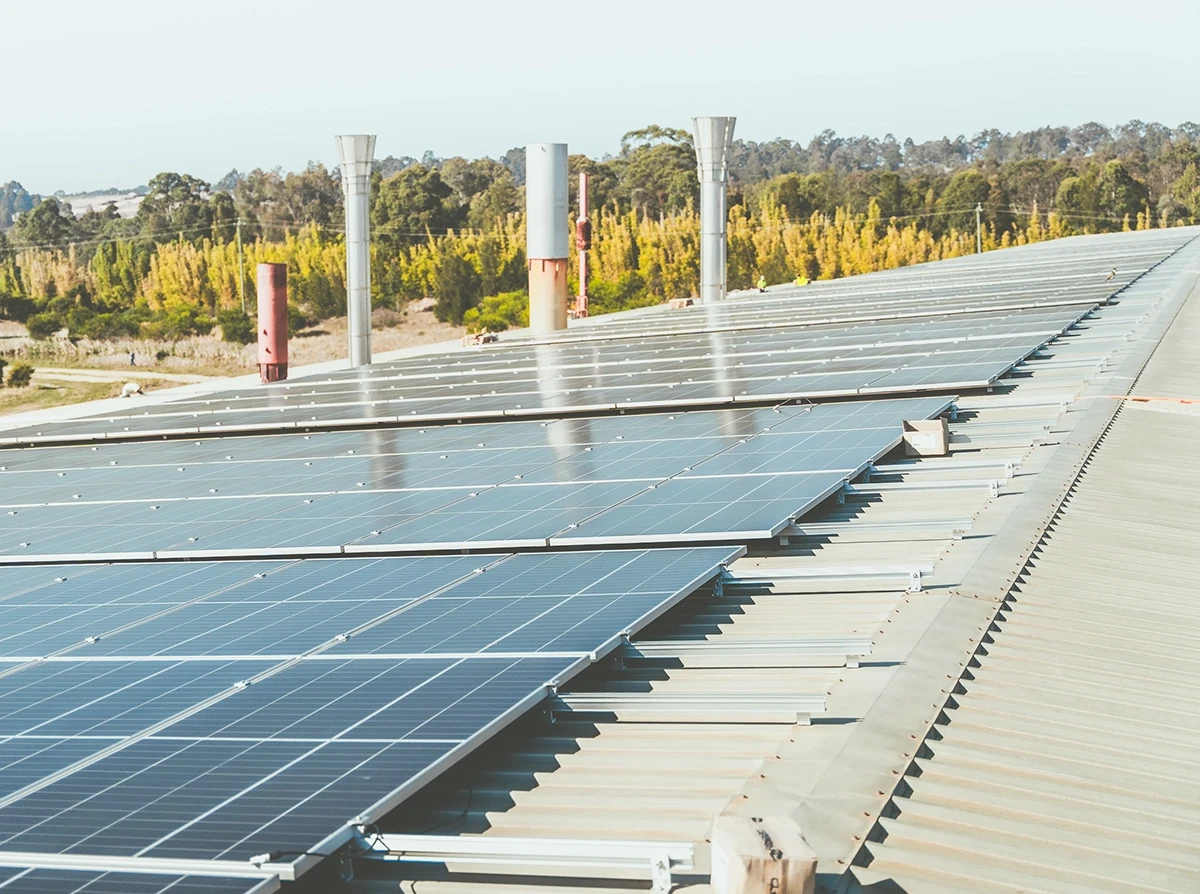
With aspects constantly changing, Australian's are wondering if solar is still worth investing in for 2024, and if owners will actually earn anything from solar energy.
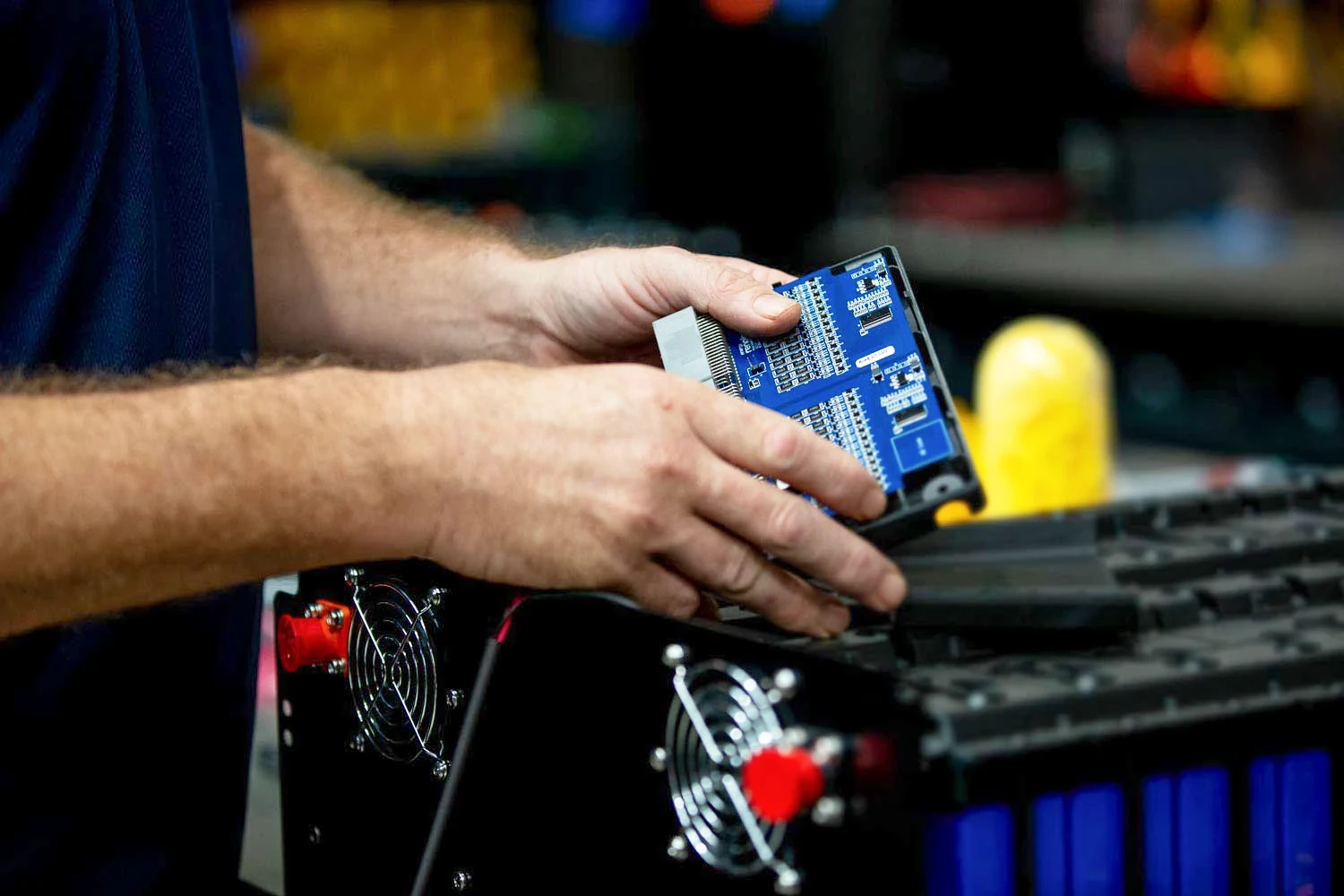
How do solar batteries work? Some might believe that they use magic, but let's walk through how they work in simple terms to help you better understand battery storage.
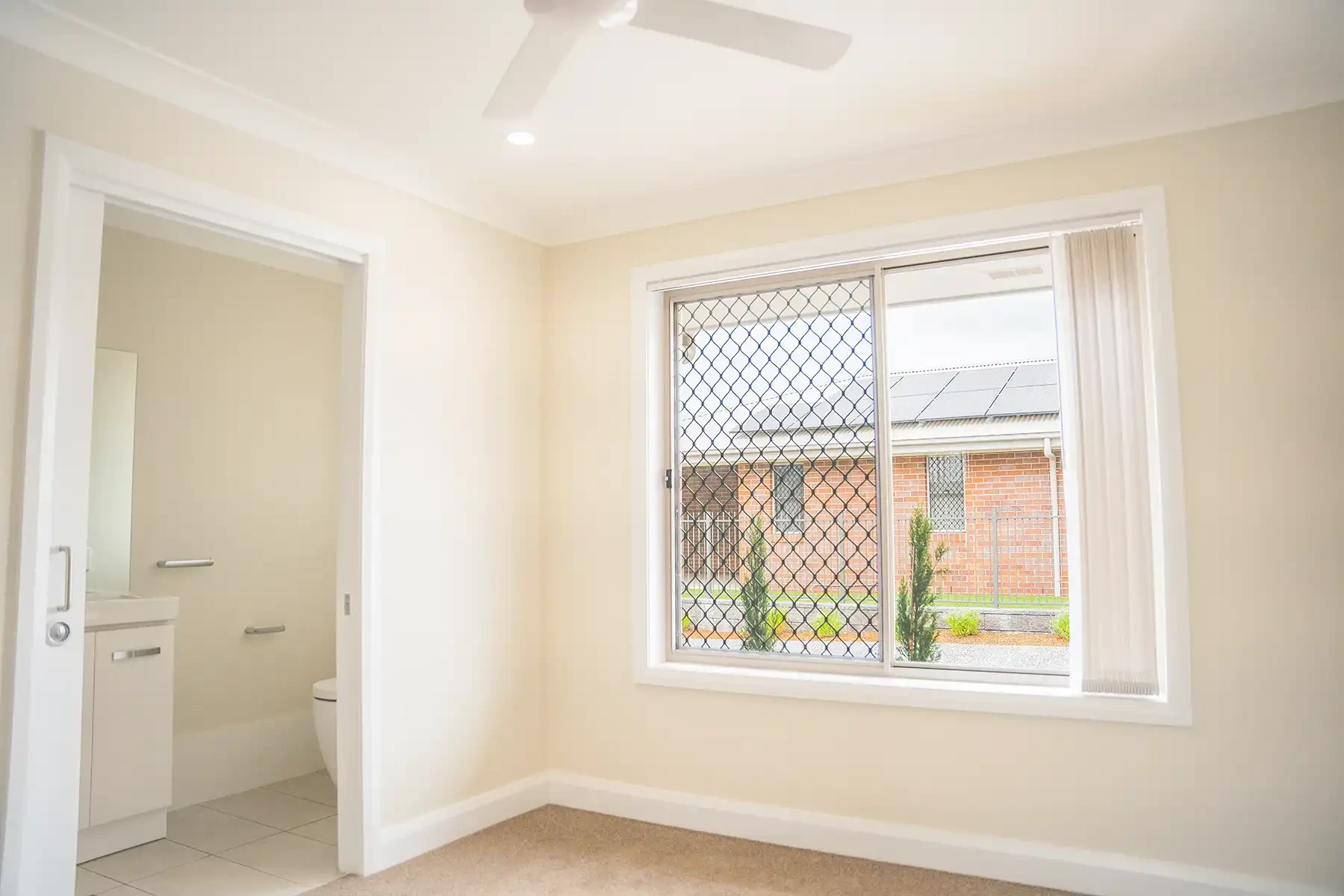
Now is the best time to invest in solar panels.. here are 4 reasons why Australians should invest in solar energy before it's time runs out for 2024.

The NEM or otherwise known as the National Electricity Market, looks after interconnecting the 5 states, as it is difficult to store and distribute electricity.

Discover how agrivoltaics can benefit farms by combining agriculture and solar energy to increase sustainability and agricultural production in NSW.

The energy required to heat hot water is quite high and for most Australian households. Here are some strategies on how to save on your hot water heating bill.
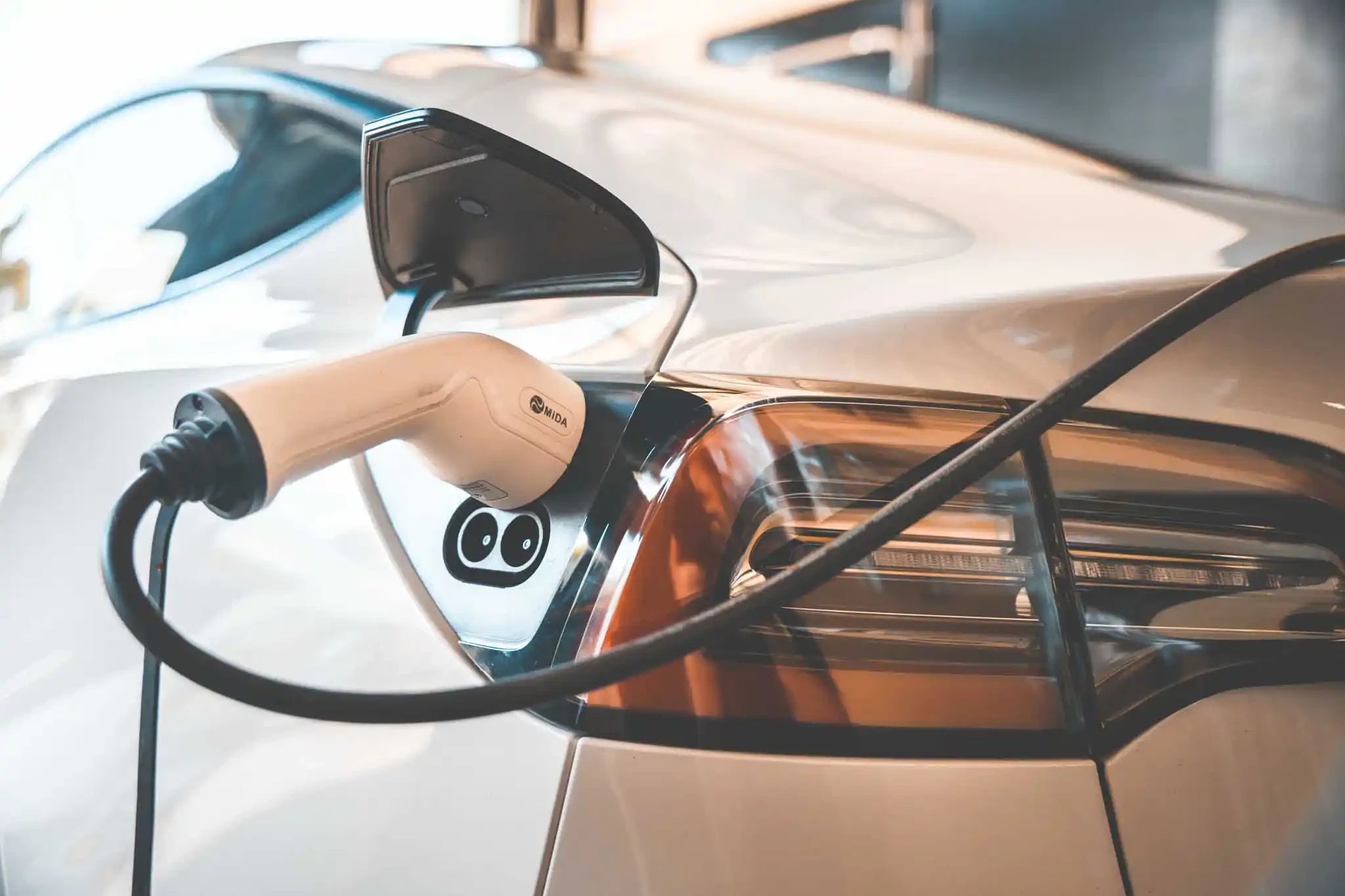
So you bought an electric vehicle, but what's the best way to charge it? Discover how to prepare your home for an EV charger station and what to do in NSW.
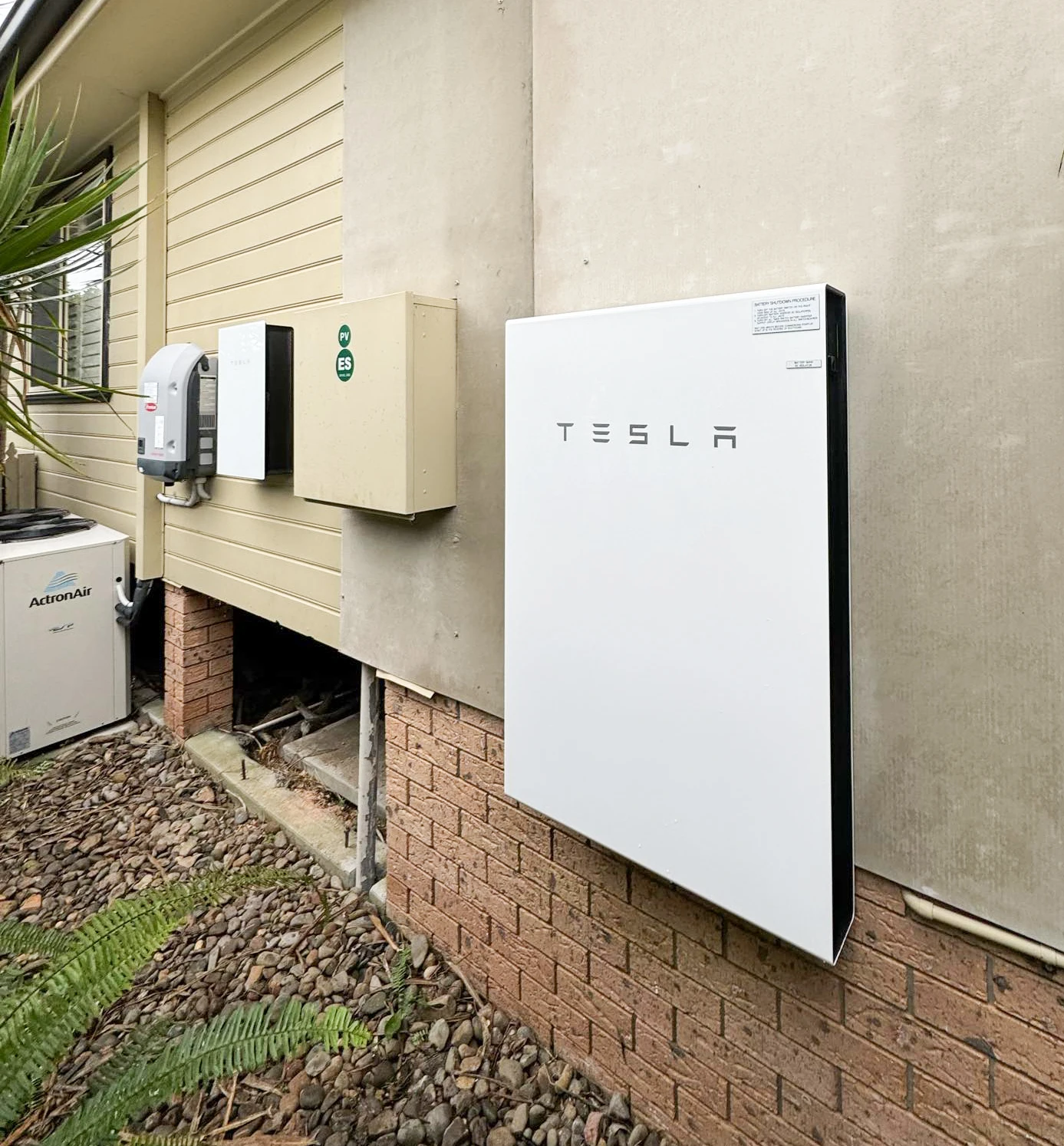
Explore the latest battery storage rebates for home solar energy storage in Australia. Will there be a rebate? If so, when and how will the scheme work?
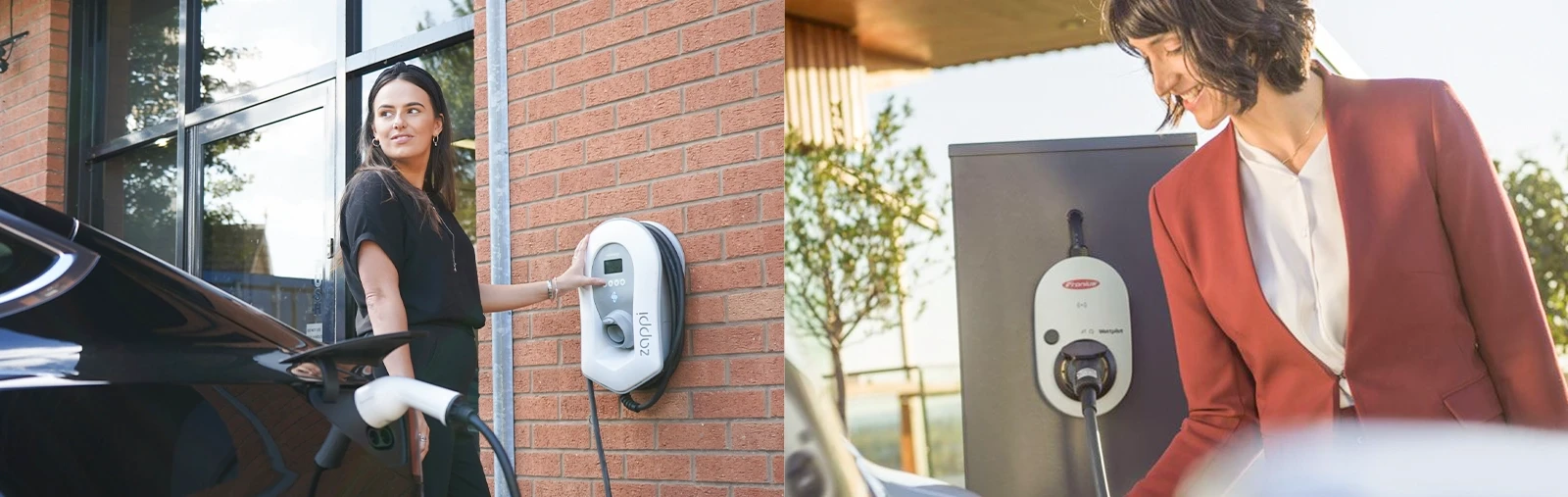
What's the best Solar EV Charger? Zappi or the Wattpilot? We have put together a side-by-side comparison, including the pro’s and con’s for both EV chargers.
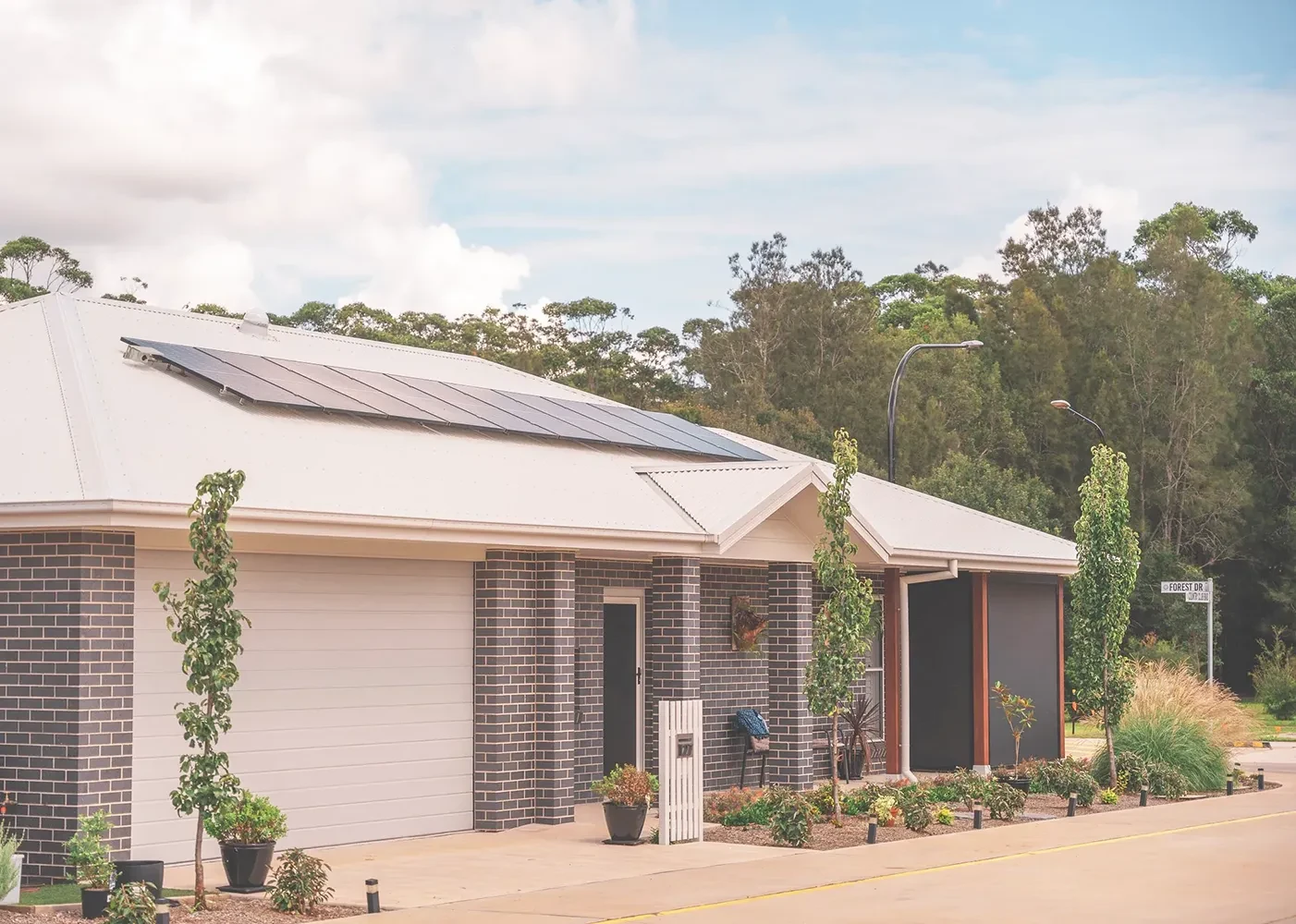
With booming solar adoption, Newcastle is quickly becoming a sustainable region with homes and businesses adoption the technology. What's happening?
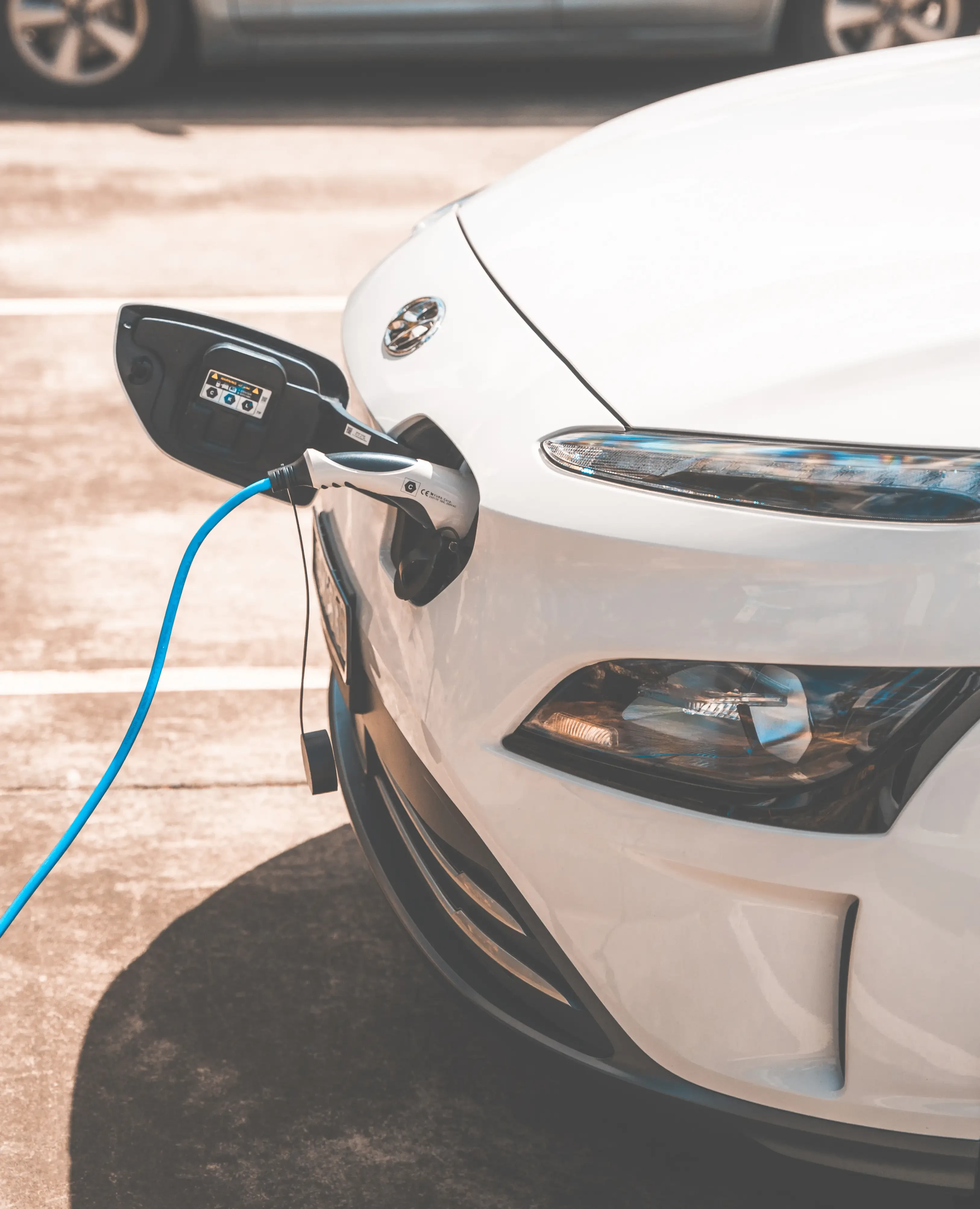
Differences between bidirectional Vehicle-to-Grid (V2G), Vehicle-to-Home (V2H), Vehicle-to-Load (V2L), and compatible chargers and EVs in Australia.
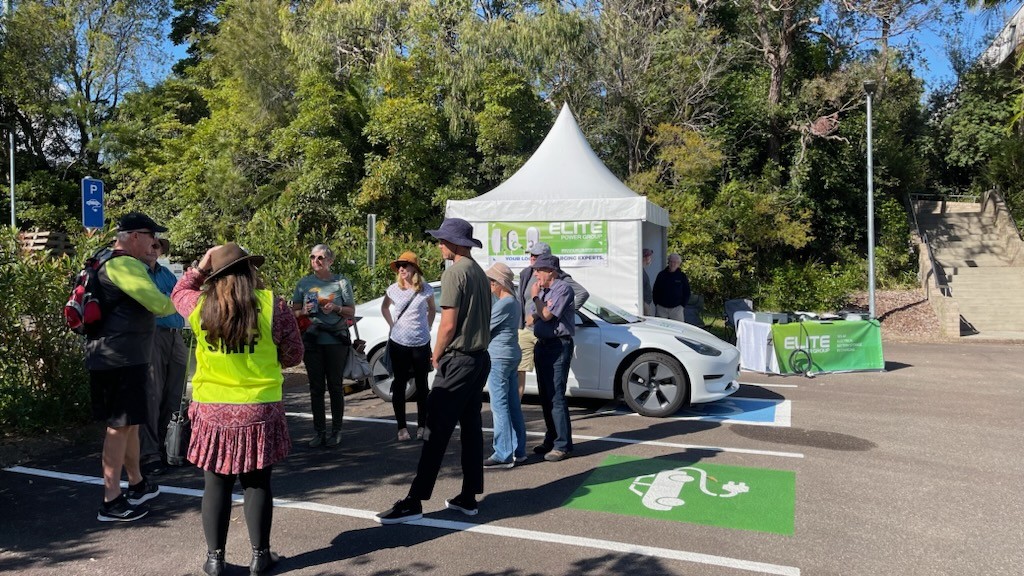
Our team attended the Electric Vehicle open day in Lake Macquarie hosted by Lake Macquarie City Council, and what a day! From all the fun events, to the informative aspects, everyone definitely got something out of the day.
Renewable News Articles
Not only are we specialists in solar power, but we pride ourselves in being leading installers in battery
storage, as well as EV charging for homes and businesses. For solar and battery systems, we offer both on and off-grid solutions for a
range of applications.
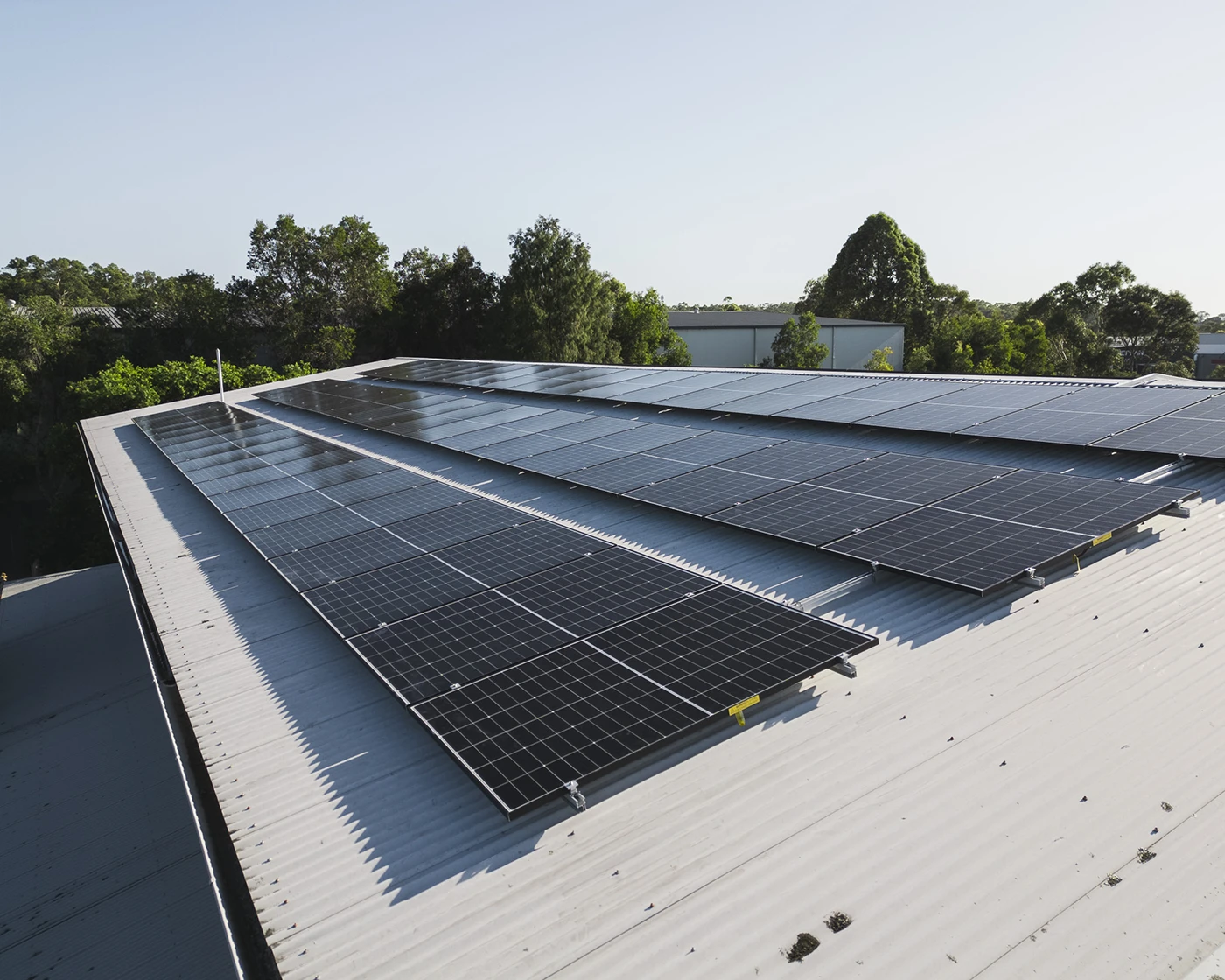
Newcastle's leading solar installers, providing long-lasting residential and commercial rooftop solar systems.
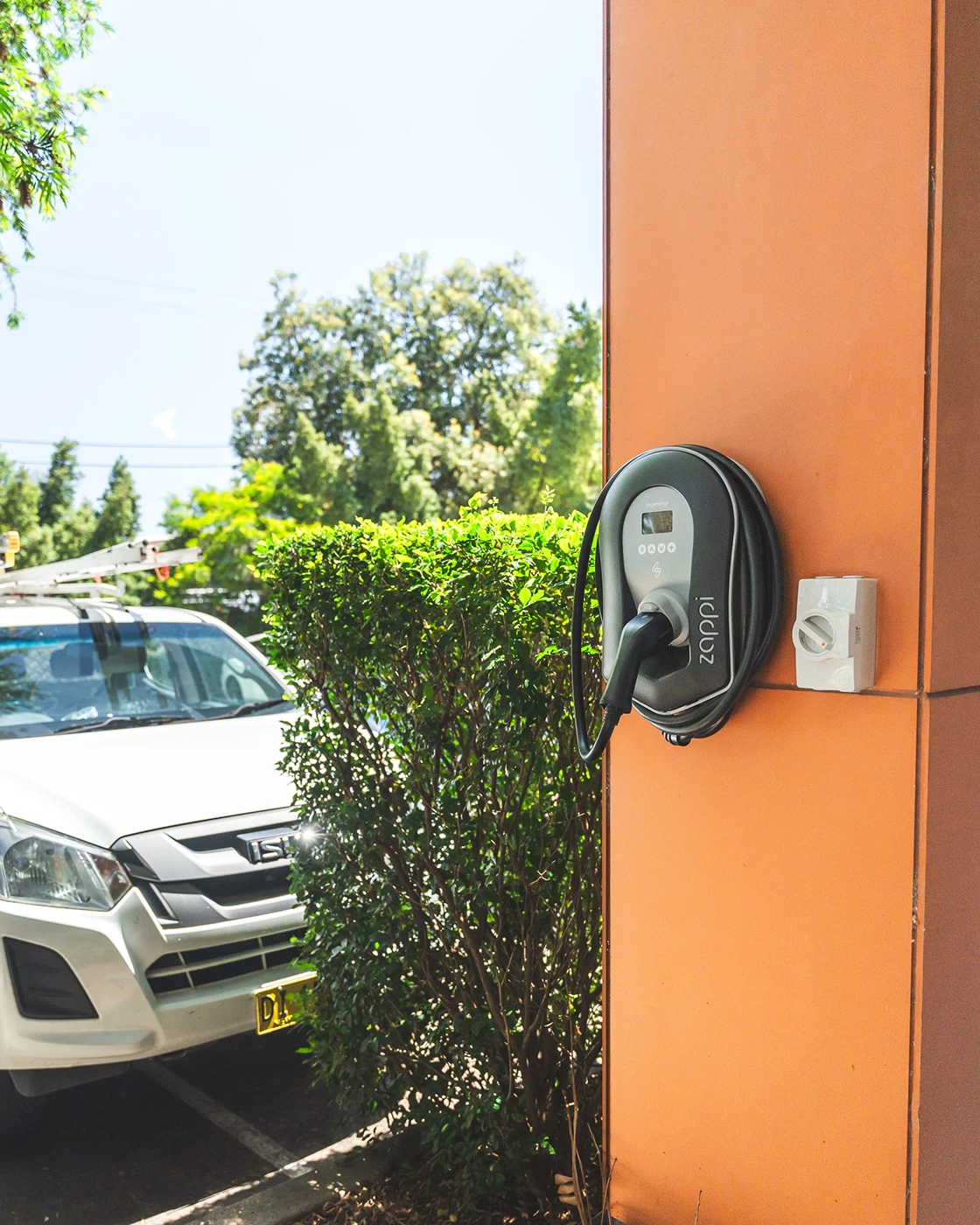
Experts in both residential and commercial electric vehicle charging station installations from 7kW - 360kW+.
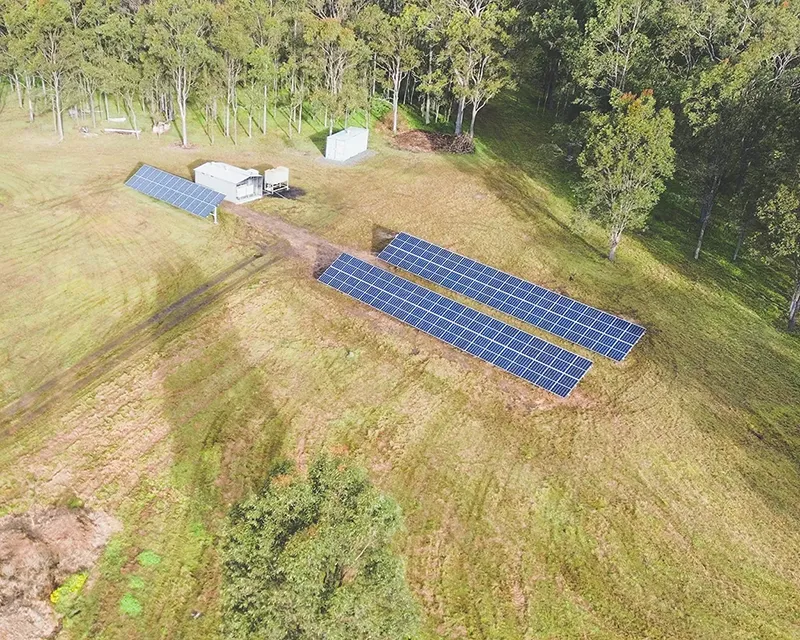
Specialists in off-grid solar and battery, helping properties never have to pay another electricity bill again.
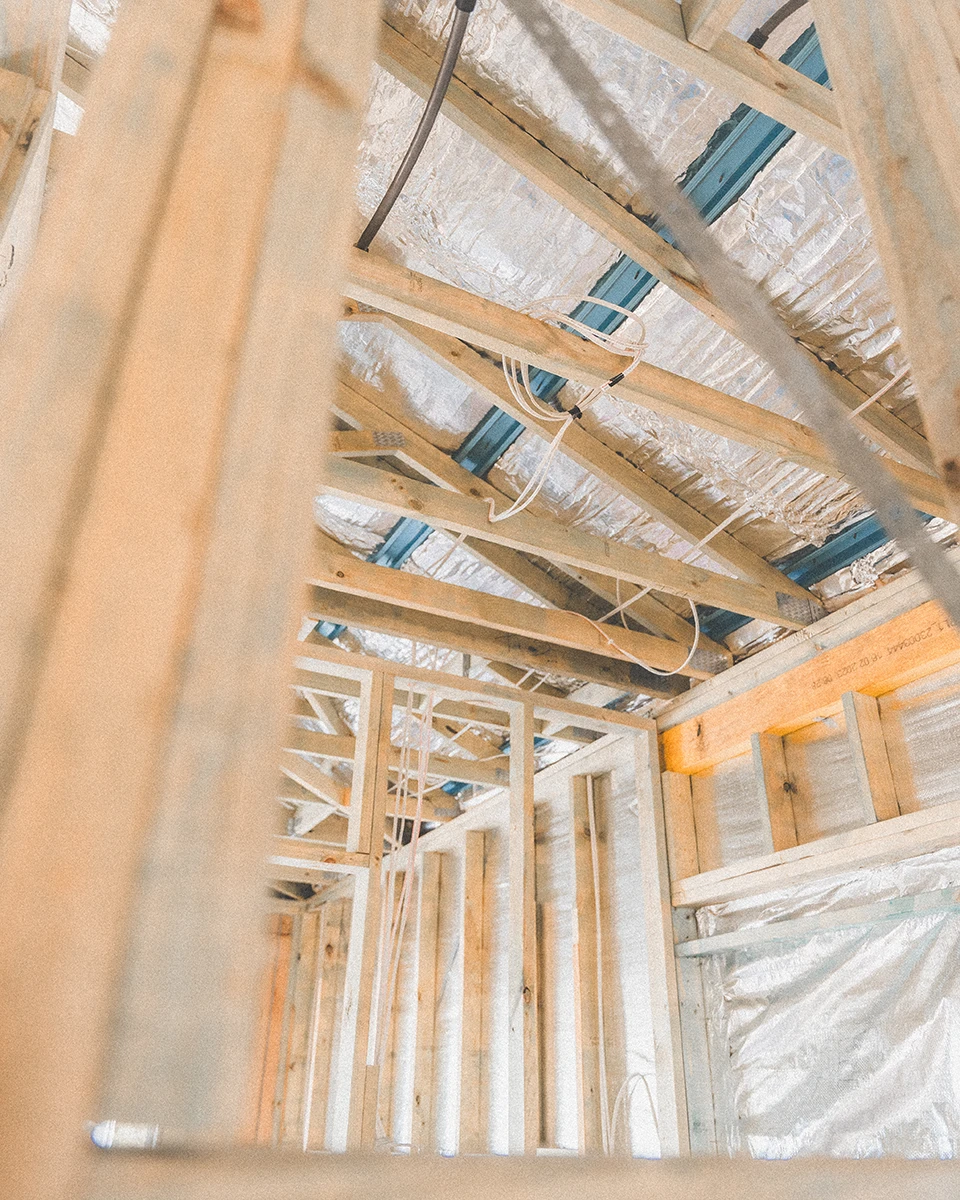
With decades of electrical and industry experience, our fully-qualified & licensed electricians are here to help.
Maximise your solar generation with battery storage from reputable brands to accelerate return-on-investment.
Leave a Comment