Newcastle's Leading Residential & Commercial Solar Installers

Newcastle's Leading Residential & Commercial Solar Installers
Posted 1 Feb
Want the latest in energy, solar, and savings?Subscribe to our newsletter – we don’t spam!
Single-phase power delivers electricity through one wire which is standard for most homes in Australia. Single-phase can handle basic
household appliances like fridges and lighting, whereas three-phase power has 3 wires delivering power. Three-phase power is mostly used to
power commercial and industrial buildings to power appliances like EV chargers, ducted air conditioning and heat pumps.
What is Single Phase? In Australia, single-phase (1Φ) is the most common throughout homes and small-businesses. 1-phase runs at 230 V and is capable of running your everyday appliances like washing machines, lighting, fridges, and the most important appliance - the coffee machine.
What is Three Phase? Three-phase (3Φ) is used for properties that require extra power capacity like EV chargers, industrial equipment, and high-consuming appliances in both homes and businesses. 3-phase runs at 400V and is designed to run power-hungry appliances without going over property's maximum capacity.
As Australian property owners continue to invest in their energy, knowing whether your home is single or three-phase can help indicate the best way to upgrade and maximise your power.
| SINGLE PHASE |
THREE PHASE |
|
| Typical Use |
Small-to-medium homes, small offices. | Larger homes, commercial & industrial properties. |
| Good for |
Lighting, fridges, washing machines, and other general appliances. | EV chargers, ducted air conditioning, pool pumps, heat pumps, motors etc. |
| Avg. Upgrade Costs |
$0 |
$4,000-$5,000 - depending on the property and its installation requirements. |
| Standard Voltage (V) |
230 V | 415 V |
| Live Wires |
1 |
3 (120° apart) |
| Est. Maximum Power Draw (63A) | 14.5kW (230V) |
43-44kW |
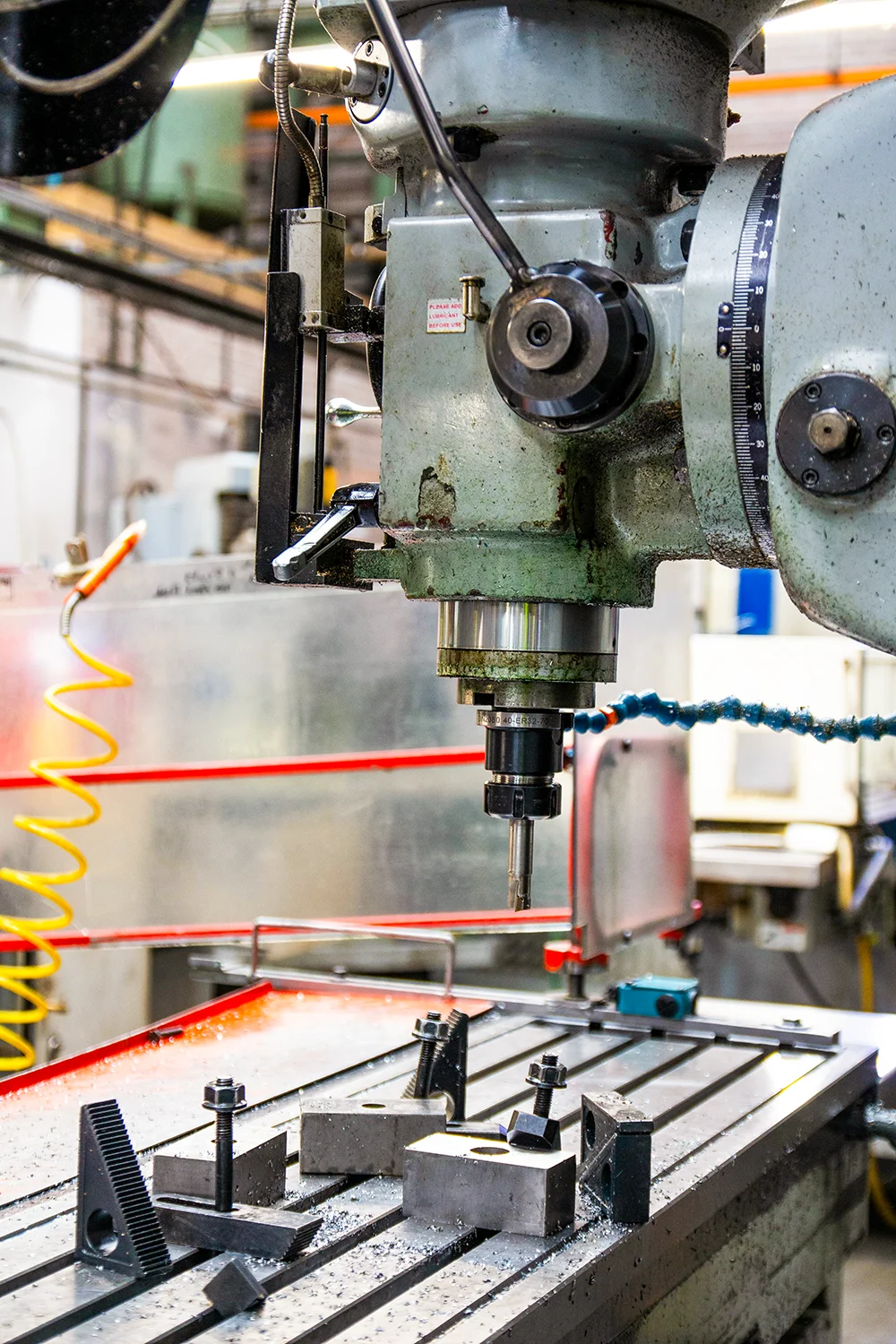
Courtesy of Connor Lucock on Pexels.
If single-phase is capable of running most appliances, why would you need to upgrade to 3 phase power? Assessing the need to upgrade really comes down to what you need to power.
In a real world scenario, upgrading your home to 3-phase would unlock the ability to charge your electric vehicle faster - from a maximum of 7kW to 22kW.
Upgrading from single to three-phase really comes down to what you're looking to power. The higher power demand, the more power needs to be delivered. 1-ph properties can get away with standard appliances whereas for larger homes, 3-ph will enable more flexibility in your overall capacity.
What happens when you overload a single-phase property? If you overload your property's single phase supply, you'll trip your circuit breaker which will need to be reset.
Real world example: Let's say a standard single-phase, 63A home is running an electric vehicle charger which is charging at a maximum rate of 7.4kW at 32A. This means that the rest of your appliances have to run on the remaining 31A or it will trip the circuit. A ducted air-conditioner consumes around 4-8kW (around 15-20A), and appliances like ovens and kettles run at ~10A meaning that you'll need to keep an eye on what appliances are running at the same time.
(Power was calculated using our Voltage & Current calculator)
Most Australian homes will be on single-phase power, with larger homes and businesses likely to be three-phase.
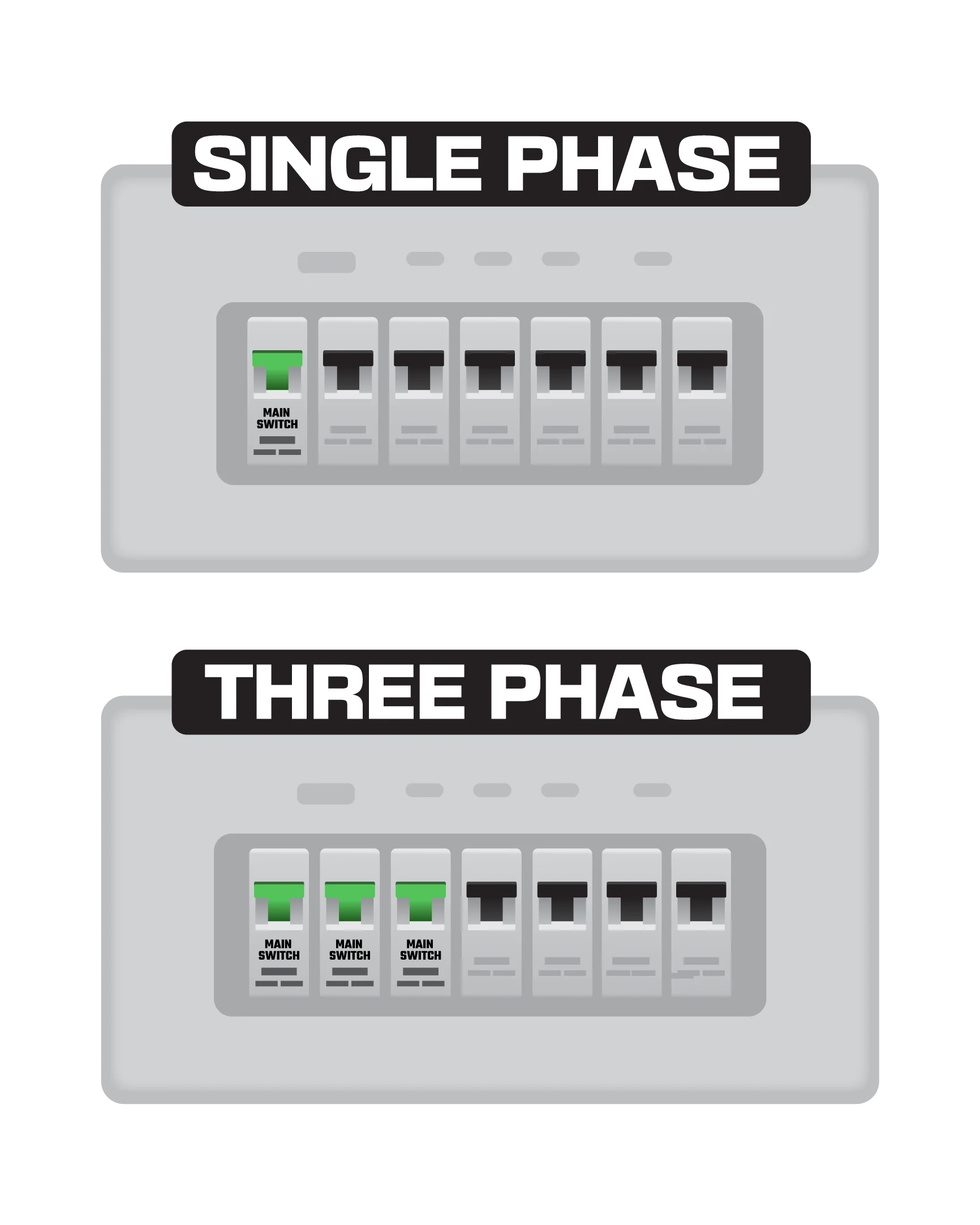
Here's how you can determine if your property is 1 or 3 phase:
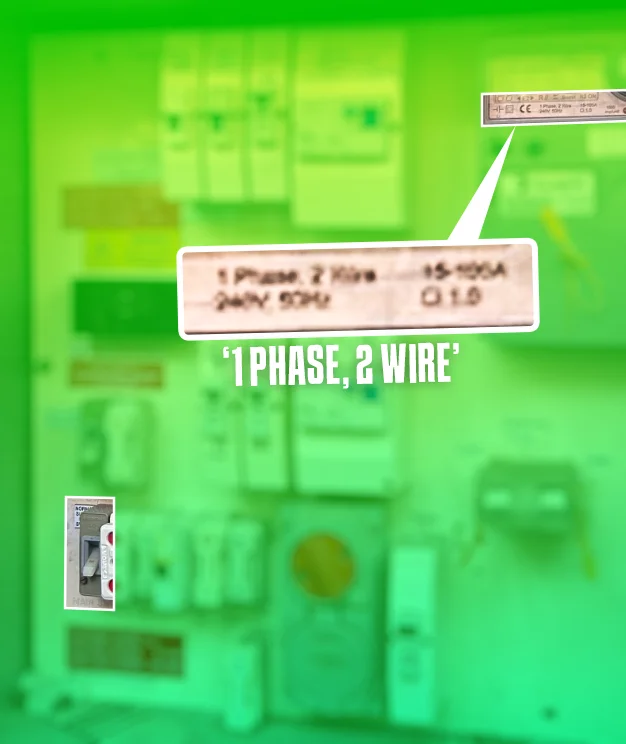
1. Check your smart meter and see how many 'L' icons there are, or if it mentions other details about phases.
2. Inspect the 'Main Switch Grid Supply' and see how many switches there are from 1-3.
In these examples, you can see both single and three-phase property meter boxes and what they look like inside. In the first image, the 3 'L' icons labelling each phase 1, 2, and 3 on the smart meter indicates 3-phase.
The second, mentions '1-phase' in text under the smart meter's screen, and also only has one main grid supply switch.
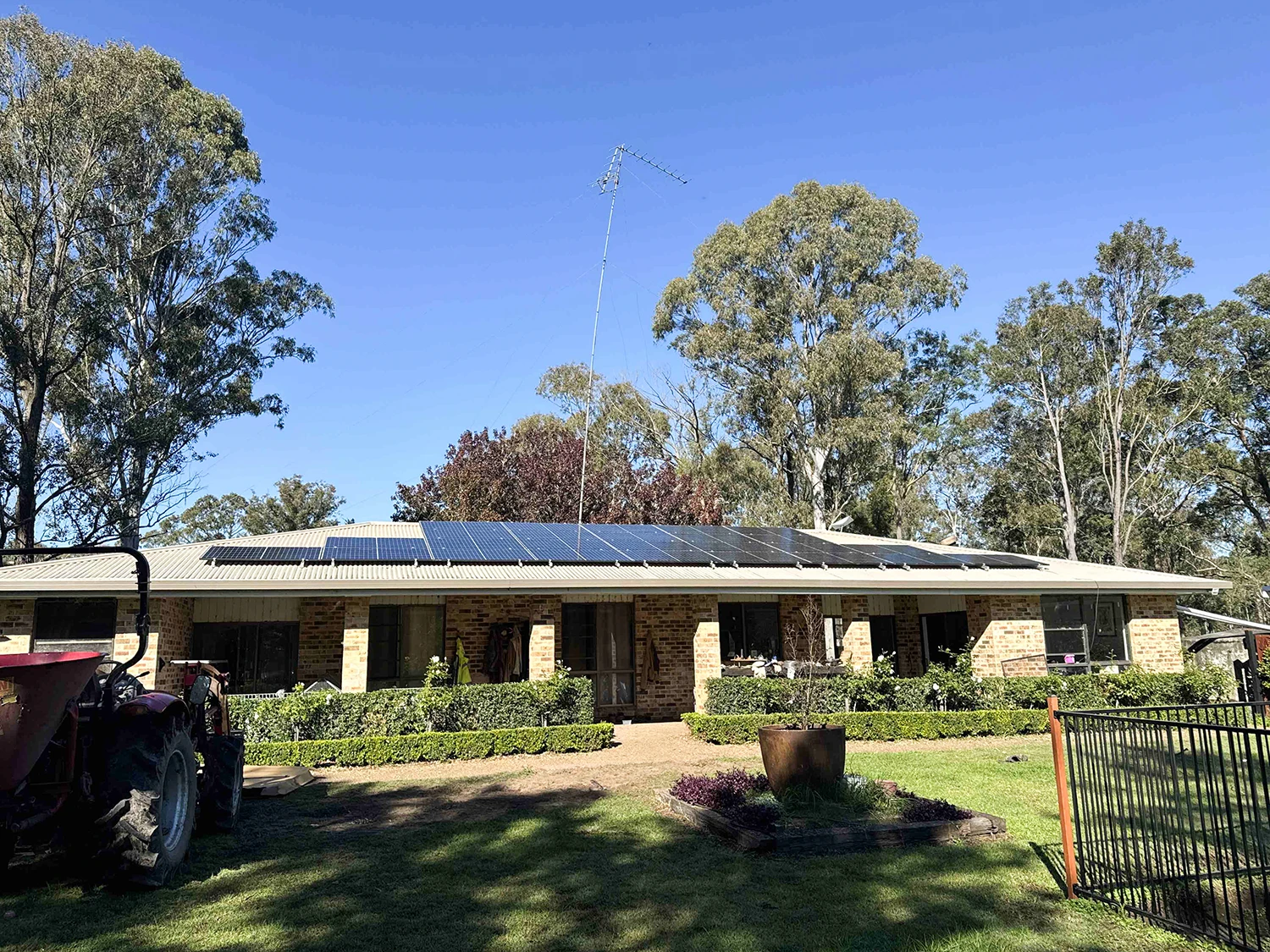
An electrical phase is essentially a method of delivering power to your property, similar to how a water pipe delivers water. Each phase acts as stream of electricity, and can be upgraded when more power is required.
Australia's AC power supply comes in waves that rise and fall 50 times a second (50Hz), and each of those waves are called a phase.
Using traffic as an example, let's say one lane is open with low to moderate traffic flowing pretty fluently but starts to struggle when heavy traffic appears. This is when three lanes would be more sufficient to allow for the higher demand.
Tip: the symbol for an electrical phase is 'Φ'.
Yes, 2-phase or 'split-phase' electrical power does exist, however only older electrical systems used a form of 2-phase and is almost fully phased-out (pun intended), with modern home electricity supplied as single-phase. Our 2-Phase is not the same as the 120/240V 'split-phase' as the U.S. uses.
In the word of electric vehicle charging, single and three-phase both play an important role in how long it takes to charge EVs.
A Tesla Model 3 electric vehicle has a battery which stores 60kWh of energy. If we charged that car with a single-phase charger which is up to 7kW of power, the EV would take 8.2 hours to charge.
When the house is upgraded to three-phase power, it can deliver up to 22kW of charging to the EV, reducing the charge time to under 3 hours. This upgrade enables the supply to triplicate and provide more power for electric vehicles that have the charging capabilities.
Electric vehicle charging is only one example with other appliances like workshop lathes & compressors, industrial air conditioning, ovens and large electric water heaters.
It's also important to note that if you use all your appliances simultaneosly, you will need the high power output of the three-phase supply.
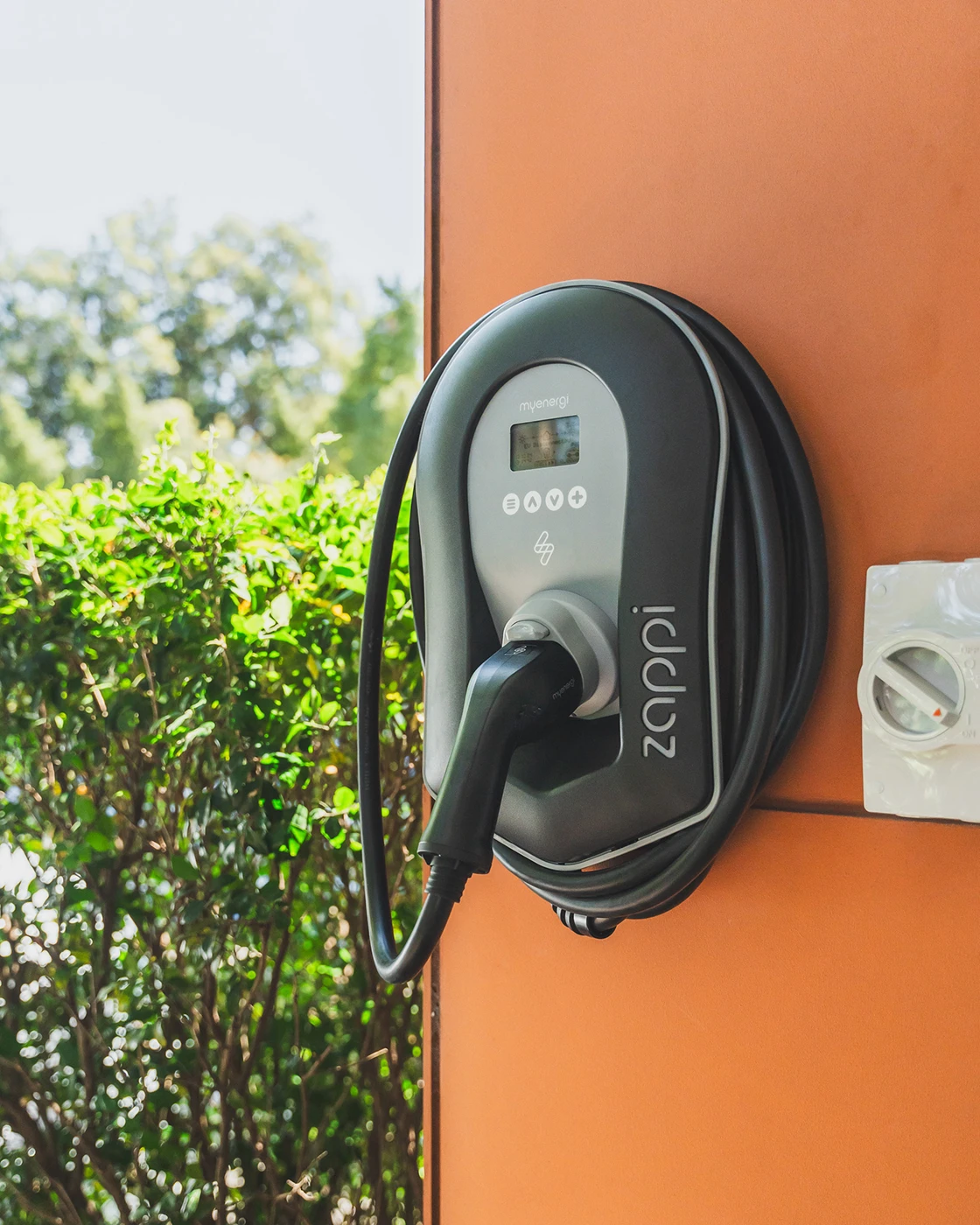
Not every house or business will need to upgrade to three-phase power, however there are benefits to upgrading your electricity supply which may be worth it depending on requirements and budget.
Upgrading your property to three-phase will allow you to use all your appliances (including heavy consumption) at once without tripping any circuits.
Three-phase is also recommended for high-capacity solar and battery systems.
As there isn't really a fixed price, upgrading to three-phase can cost anything between $4,000 - $5,000 depending on the property and requirements.
Whilst not cheap, upgrading properties to three-phase is more than just adding another connection - elements like switchboard upgrades, trenching, cabling and component upgrades will determine costs which will vary property-to-property.
The advantages of upgrading to three-phase power includes a more
stable and durable form of electricity, the ability to run high-powered appliances without worry, and the capability of installing up
to 30kW of solar.
The disadvantages of upgrading to three-phase power includes upfront costs of upgrading which may not be worth it for some, and can also be more complex for any maintenance.
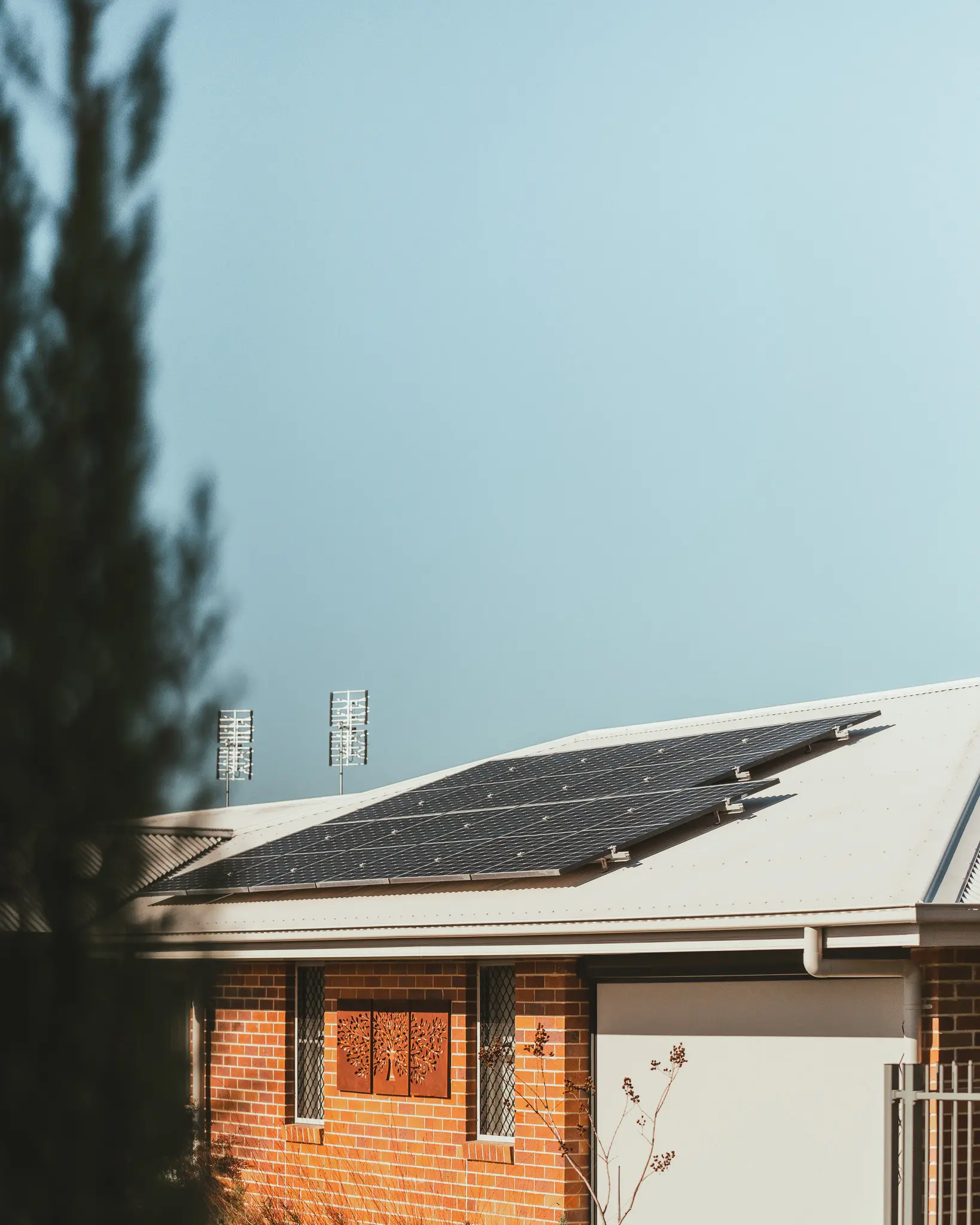
Finding the right solar and battery system is largely determined by whether your property is single or three-phase power.
Depending on the phase supply, it will impact the maximum solar inverter capacity that you're allowed to install by your DNSP (like Ausgrid). It will also affect your battery configurations and if you'll need to submit additional applications.
In NSW, Distributed Network Service Providers (DNSPs) set limits on the amount of solar inverter output allowed per phase. Ausgrid for example allow up to 10kW of inverter capacity per phase without needing to submit an application.
It's also important to note that if your solar battery is AC-coupled, then the battery's built-in inverter is counted towards the inverter output total.
Three-phase properties on the other hand offer much more flexibility. 3-phase homes with a hybrid inverter can install up to 30kW of inverter capacity which makes it ideal for larger solar and battery systems.
Understanding the differences between single and three-phase can help you make educated decisions for the long term to ensure you're ready to go, and your property is futureproof.
Overall, both single and three-phase setups have their places throughout Australia, with most homes really only needing what single-phase has to offer, and businesses upgrading accordingly. If your property doesn't have to accommodate high-consuming appliances (especially all-at-once), then you should be fine with single phase and won't need to upgrade.
Explore whether rooftop or ground mounted solar systems are better for homes, farms, and remote properties needing solar PV power in Australia.
Read moreThe journey of bidirectional charging in Australia has hit a milestone with the recent approval of the new standard for vehicle-to-grid (V2G) charging for 2025.
Read moreFor cabins, homes, and sheds with limited or no access to grid energy, getting an off grid solar and battery storage system may be worth it in NSW in 2025.
Read moreEveryone has seen a solar installation a normal roof like tin or tiled roofs, but have you ever seen a solar installation a roof made of Brass? Well we did one...
Read moreWith the release of the new Clean Energy Council (CEC) H1 2024 report on solar and battery storage, it gives an idea of the upward path of Australia’s renewable energy adoption.
Read moreAmber & ARENA have started trials for Vehicle-to-grid technology in NSW, Australia to help develop standards and framework in V2G and Bidirectional charging.
Read moreCompare Tesla Powerwall 2 vs Powerwall 3 in Australia. See differences in capacity, power output, dimensions, specifications, pricing & solar compatibility.
Read moreExplore solar battery fire risks, hazards, and statistics, and if solar batteries are safe to install for homes in NSW, Australia. (Spoiler alert.. they are!)
Read moreThough bidirectional charging isn't available, vehicle-to-grid is already turning heads in Australia with its potential to change energy consumption and distribution.
Read moreExplore how Australia's energy is evolving with t like Microgrids, DER's, Virtual Power Plants, & Demand Response, for solar and battery systems.
Read moreLearn alternating and direct current, and the differences between AC vs. DC with real-life examples and diagrams of power flow and voltage in Australia.
Read moreEverything NSW businesses need to know about commercial battery storage - costs, benefits, peak shaving, backup power, and how to choose a system.
Read moreIn the new 2024 CEC report, they found that renewable contribution in the overall supply of energy in Australia, produced 40% of Australia’s total electrical supply.
Read moreSo you've invested in solar to reduce your electricity bills, but since then your bills are still high? Explore why your energy bills are still high even after solar.
Read moreLearn electricity tariffs like single-rate, controlled loads, and time-of-use tariffs where on and off peak pricing occurs through retailers like energy australia.
Read moreExplore the differences between single phase vs. three phase power, and how 1 phase and 3 phase electricity works with real-life examples in Australia.
Read moreIf your solar panels are dirty, explore easy ways to DIY clean your solar panels, or when to get your system cleaned by a professional solar cleaner in Australia.
Read moreBatteries store energy as chemical potential energy, released as electrical current once connected to a circuit. Learn how batteries store & release energy.
Read moreNow is the best time to invest in solar panels.. here are 4 reasons why Australians should invest in solar energy before it's time runs out for 2024.
Read moreExplore the National Electricity Market (the NEM), and how it interconnected 5 states with electricity distribution to balance demand and supply in Australia.
Read moreDiscover how agrivoltaics can benefit farms by combining agriculture and solar energy to increase sustainability and agricultural production in NSW.
Read moreThe energy required to heat hot water is quite high and for most Australian households. Here are some strategies on how to save on your hot water heating bill.
Read moreWhat's the best Solar EV Charger? Zappi or the Wattpilot? We have put together a side-by-side comparison, including the pro’s and con’s for both EV chargers.
Read moreWith booming solar adoption, Newcastle is quickly becoming a sustainable region with homes and businesses adoption the technology. What's happening?
Read moreDifferences between bidirectional Vehicle-to-Grid (V2G), Vehicle-to-Home (V2H), Vehicle-to-Load (V2L), and compatible chargers and EVs in Australia.
Read moreOur team attended the Electric Vehicle open day in Lake Macquarie hosted by Lake Macquarie City Council, and what a day! From all the fun events, to the informative aspects, everyone definitely got something out of the day.
Read moreRenewable News Articles
Sign up for new article updates - we don't spam.
We've invested in becoming fully-licenced and qualified installers to ensure Newcastle homes and businesses
get the best solar, battery, and electrical systems available. We want to assist Newcastle's renewable energy revolution with quality
installations for maximum customer satisfaction.
Certified solar system installers near you.
Get CEC-Approved Battery Installations.
Fully-licenced electricians in Newcastle.
Convenient EV charging stations for properties.
Leave a Comment