Solar Panel & System Size Guide 2026: What Size Do You Need?
See exactly what solar system size you need, from panel dimensions to 3kW-13.3kW+ pricing, based on your household size and daily usage in NSW.
Read more
Newcastle's Leading Residential & Commercial Solar Installers

Posted 29 Jan
Want the latest in energy, solar, and savings?Subscribe to our newsletter – we don’t spam!
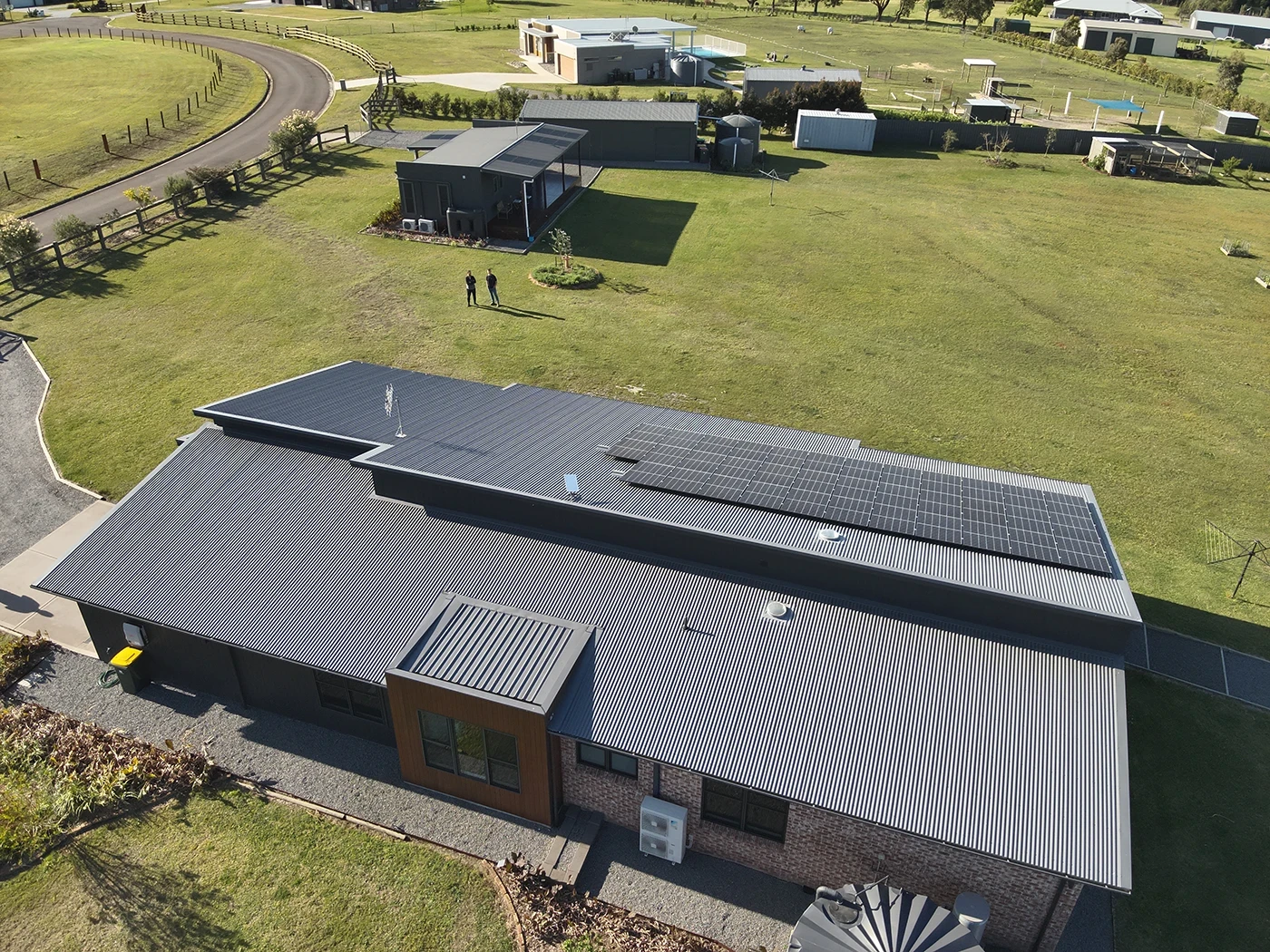
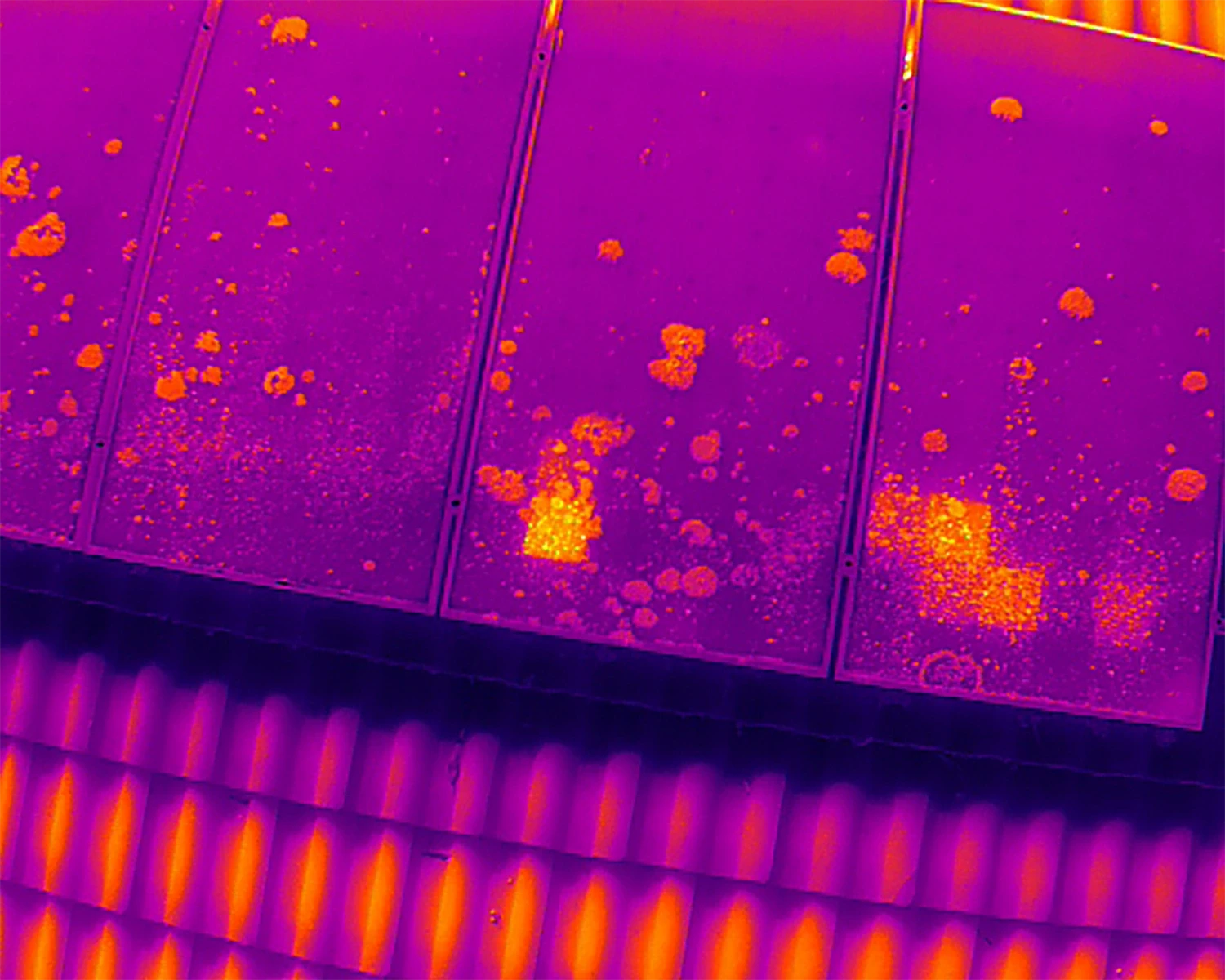
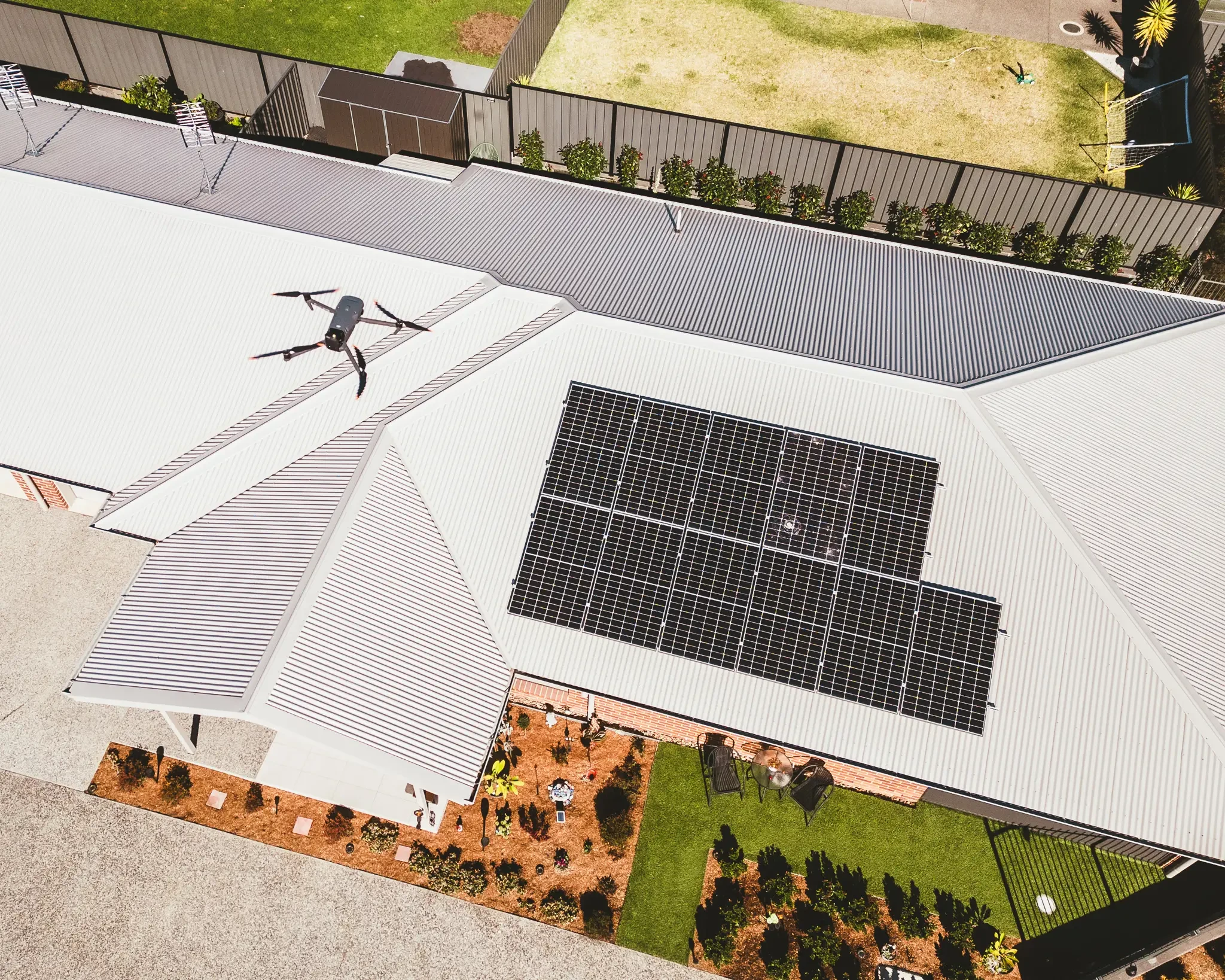
Like anything that is well-maintained, solar panels run optimally when they’re looked after. Depending on where your property is located, solar panels can gather dirt and moss which can negatively affect the your solar's daily generation.
Other elements such as leaves, bird droppings, and excess moss can all contribute to a reduction in solar panel production, so keeping the panels clean is essential to getting the most out of your system and investment.
Because solar panels rely on direct sunlight to produce its maximum power output, panels need clear and unobstructed to stay as efficient as possible.
To get the most out of your solar panels, your system should be regularly maintained and cleaned, with the removal of any bird droppings, layers of dirt, or moss that may be growing. Even with obstructions on a single cell, it can cause panel inefficiencies that may affect your whole system.
When your solar generation is reduced, your solar exports and savings are impacted which can affect your overall investment and timeframes.
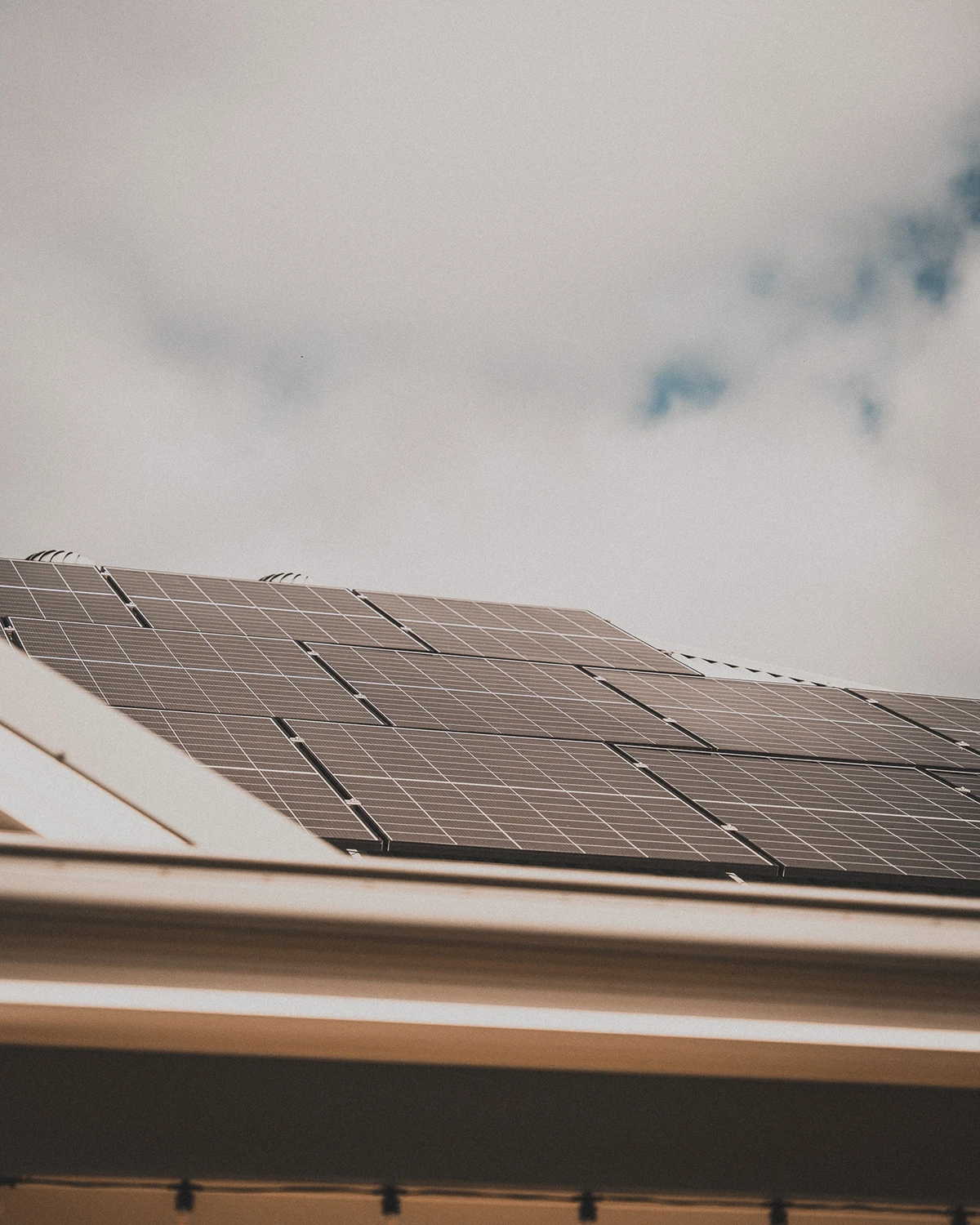
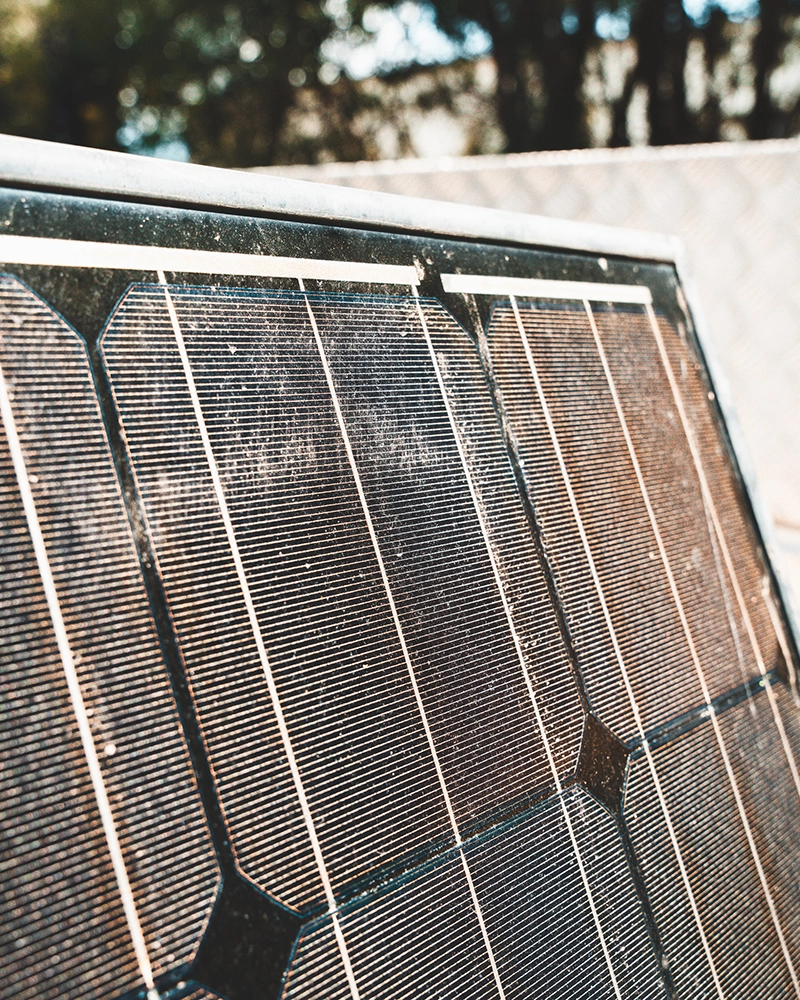
To determine how often you should clean your solar panels, it will depend on where your property is located, as well as the surroundings around your building.
'Dirty' solar panels can come in all forms, like simple layers of dust, or a mix of tree debris like leaves and sticks. If you live in a dusty location, the wind pushes the dust onto the panels which create layers over time that negatively impact your solar generation.
If your solar system is not exposed to surrounding trees, and isn't a dusty environment, you can get away with cleaning your solar panels once every 6-months to yearly.
In contrast, if your property is vulnerable to dust and tree debris exposure, you may need to clean and maintain your panels more often depending on the amount.
On average, it's good to at least visually inspect your solar panels every 6-months, and clean according to whether they look dirty or not.
To get started in cleaning dirty solar panels yourself, you'll need:
- a soft sponge or brush that doesn't scratch the glass (this could be an old
broom or car wash sponge)
- a hose /nozzle adjuster to rinse the dirty
water off, or soap when doing a deep clean.
- a soap solution that is water based to avoid harsh chemicals (optional)
- a ladder to access the roof
By combining a soft sponge or bristled brush with a water-based soap solution (which is optional), you avoid damaging protective layers and the glass to ensure your system stays operational. Water-based solutions also reduce the risk of damaging waterproofing and seals to confirm your panels are long-lasting.
To avoid needed to get on the roof, single-storey homes and use a hose nozzle to adjust the stream and reach the panels from the ground. This is actually the recommended way.
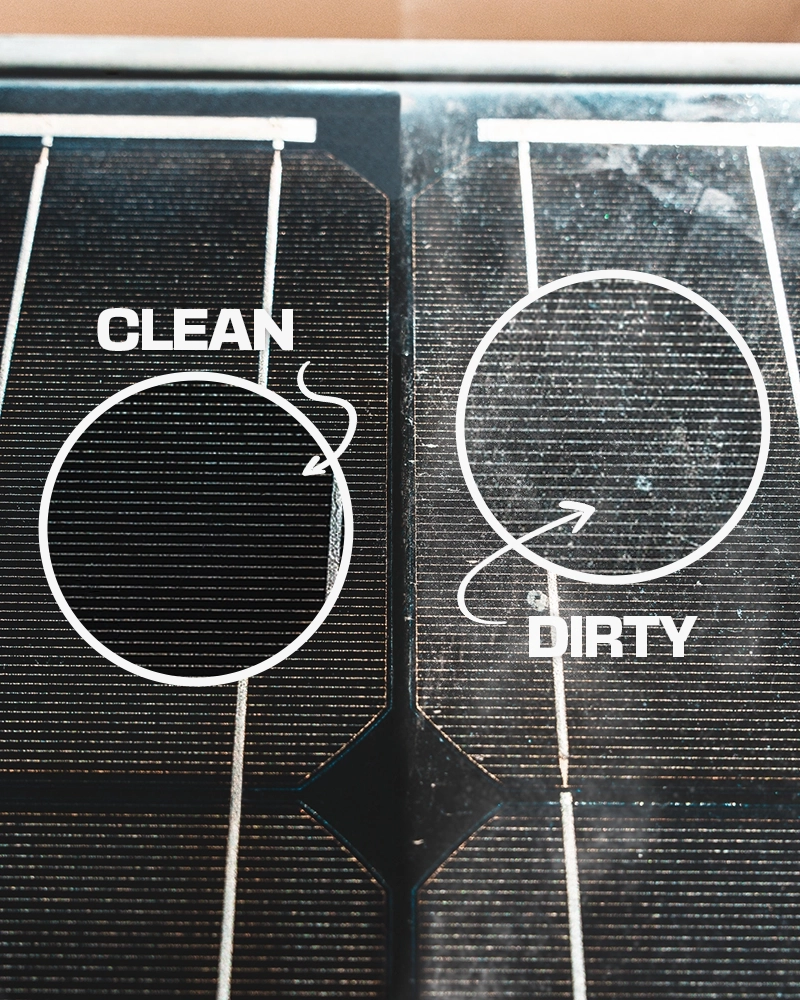
Whilst we recommend getting a professional to clean your solar panels, you can DIY clean them if you wish to.
When preparing to clean your solar panels, it is very important you identify risks in the process to avoid injury.
Elements like wet roofs and moss can be a slip hazard, unsecure ladders can cause injury, and fragile roof material could cause damage to you and your roof.
Cleaning your solar panels can use the hose and adjust the nozzle to best rinse the dirt and debris off. A pressure washer may be required but must not get too close to avoid seal penetration.
If you're on the roof, use your brush or sponge and scrub the dirt off and rinse away with the hose.
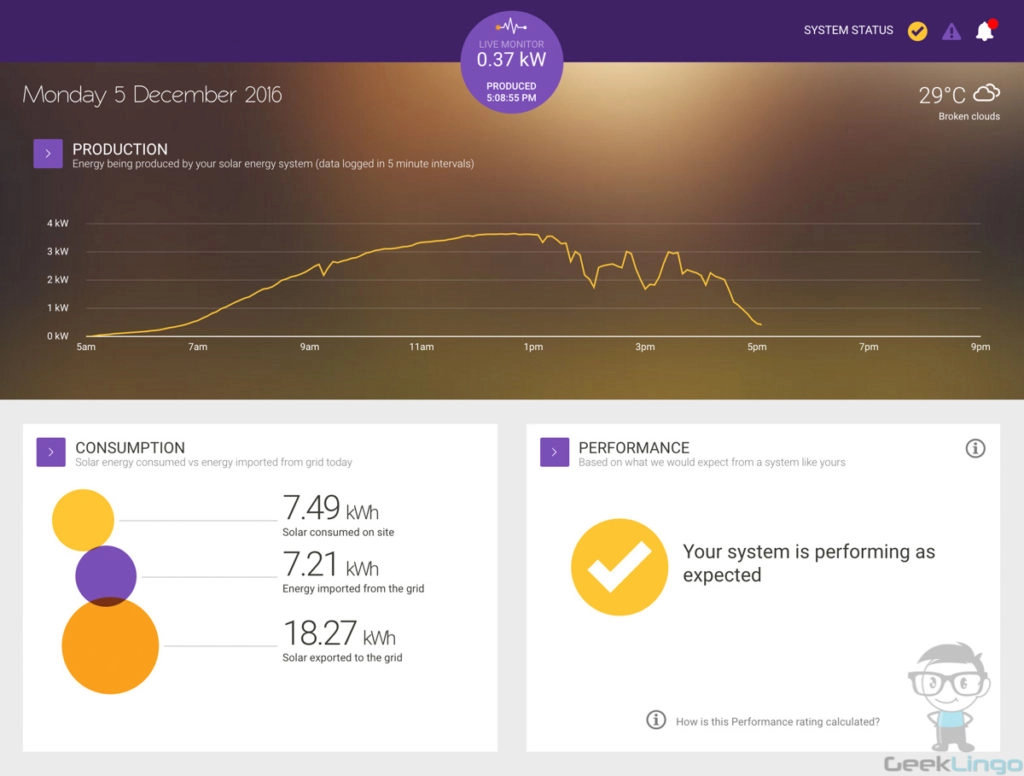
To ensure your clean was successful, you can compare your solar's performance vs. historical data to see how much better your system performs with less dirt and obstructions.
If your system still underperforms, you may be due for a system health check.
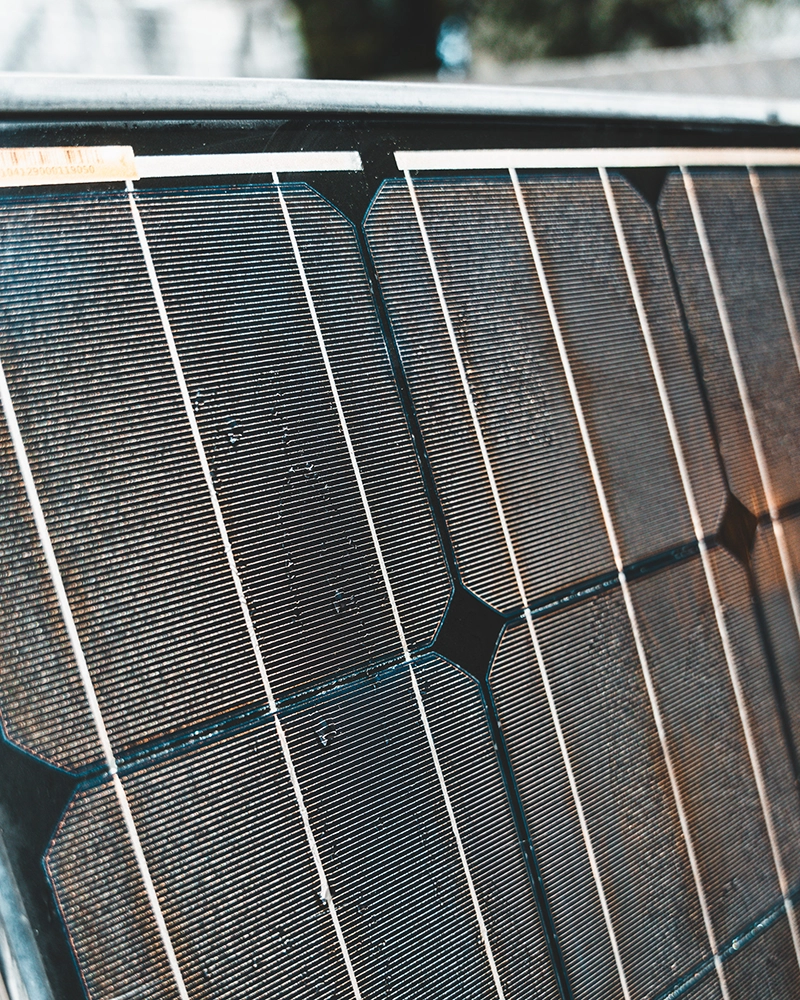
Most home solar panels will remain relatively clean with occasional rainfall which will rinse any dirt. If your system is very dirty with various obstructions and layers of dirt, then hiring a professional may be the choice for you.
By hiring a professional solar cleaner, they can reach every surface of each panel using specialised gear that is designed to deep clean solar systems.
For double-storey homes, hiring a professional is a must as the risk is far too great. Professionals will have harnesses and safety gear, designed to ensure they're as safe as possible whilst your solar system is being cleaned.
Overall, it is recommended that a professional be used for most solar cleans, with the exclusion of single-storey homes that a hose stream can reach.
In addition to visually checking the panel condition once the clean has been completed, you can also check your solar app and see the production level differences in your solar generation.
A dirty system will produce less, so by visualising your generation, you can see how much you've improved your production.
When attempting to clean solar panels yourself, there are a few things to avoid ensuring minimal risk of injury and damage the solar panels. We recommend hiring a professional solar cleaner to maintain your panels if they are not easily accessible from the ground.
Avoid using harsh detergents that consist of strong chemicals that may result in corrosion of panels, resulting in damage.
Use either cleaner that is designed for solar panels, or a water-based cleaner soap and rinse with water.
Only use a pressure washer when spraying from a distance. Spraying closely will result in damage to the panel waterproofing and
potentially negatively impact its production.
Don't use harsh brushes or anything with ‘teeth’ (brooms with hard bristles, anything that is not soft etc.).
You may scratch the surface of the panels, lowering its efficiency, defeating the whole purpose of cleaning your panels in the first place.
We do not recommend attempting to clean your solar panels from the roof or any high places, as it is unsafe and could cause serious injury, and in some cases, death.
Contact expert solar panel cleaners today.
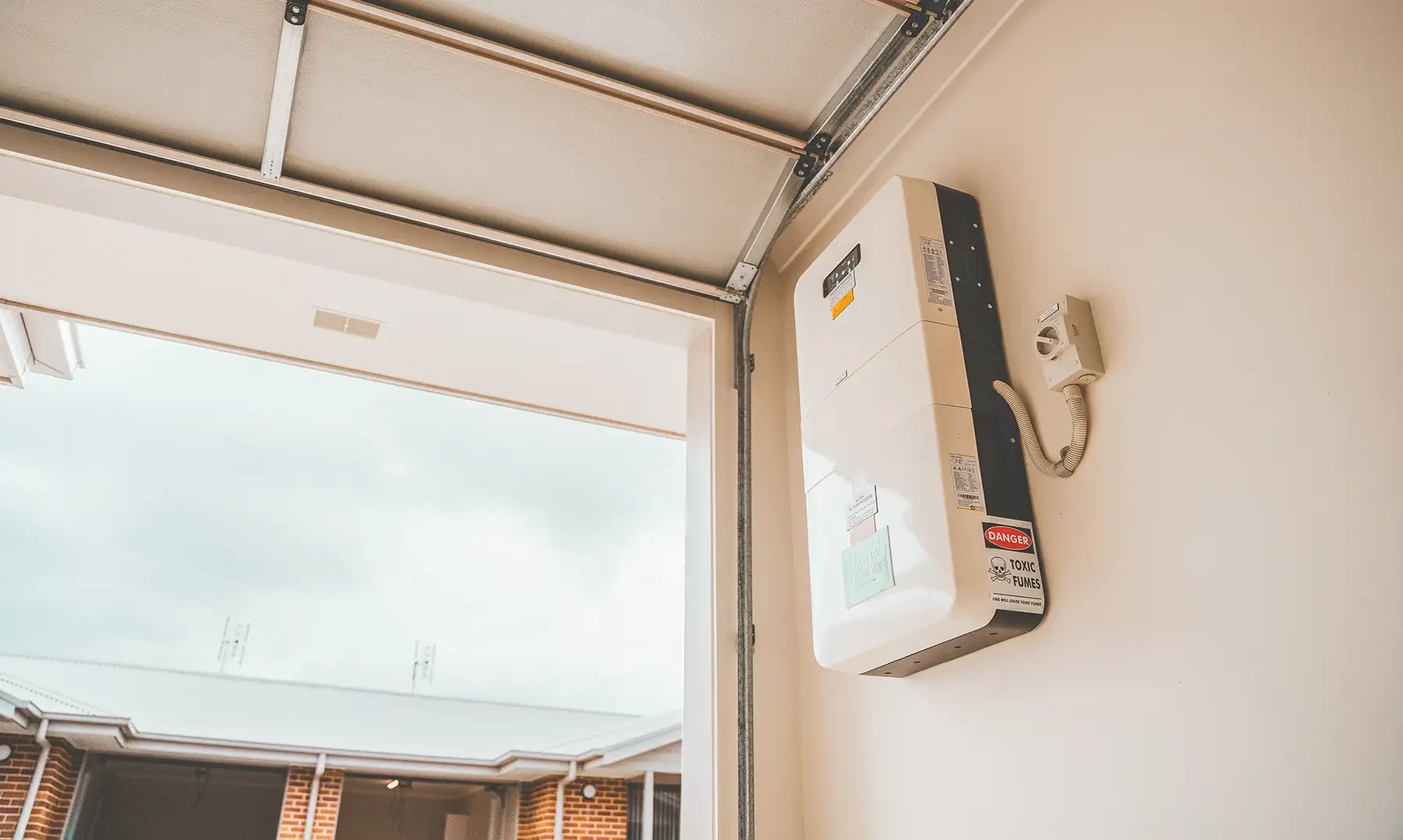
With more homes and businesses adopting solar battery storage for their properties, it is important to know how to maintain battery storage and what things to avoid.
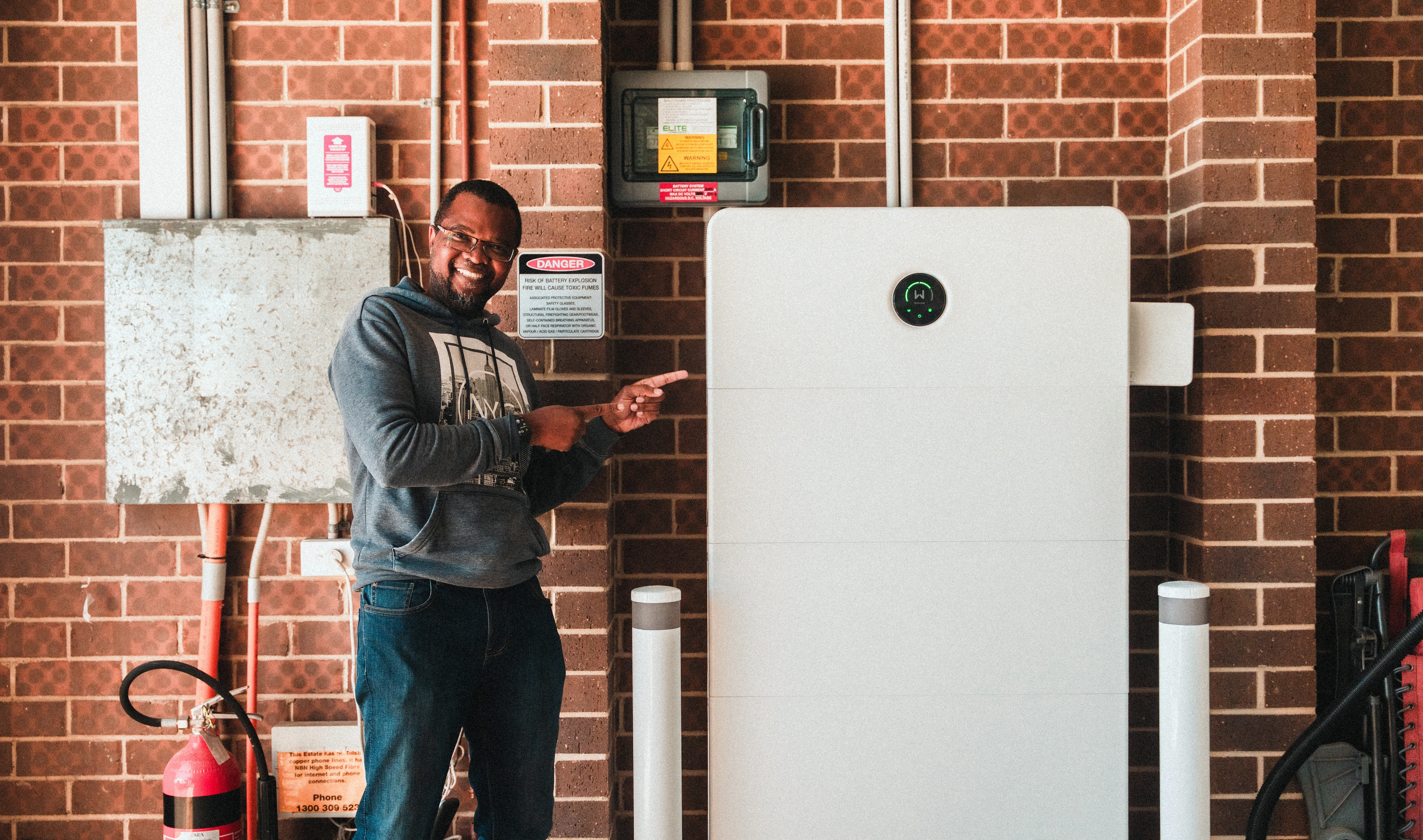
Even though owning a battery is mostly maintenance-free, you battery still required an occasional visual inspection to ensure everything is running smoothly. Elements to look out for in these inspections is to ensure that the battery isn't obstructed and is clear for air flow and adequate cooling.
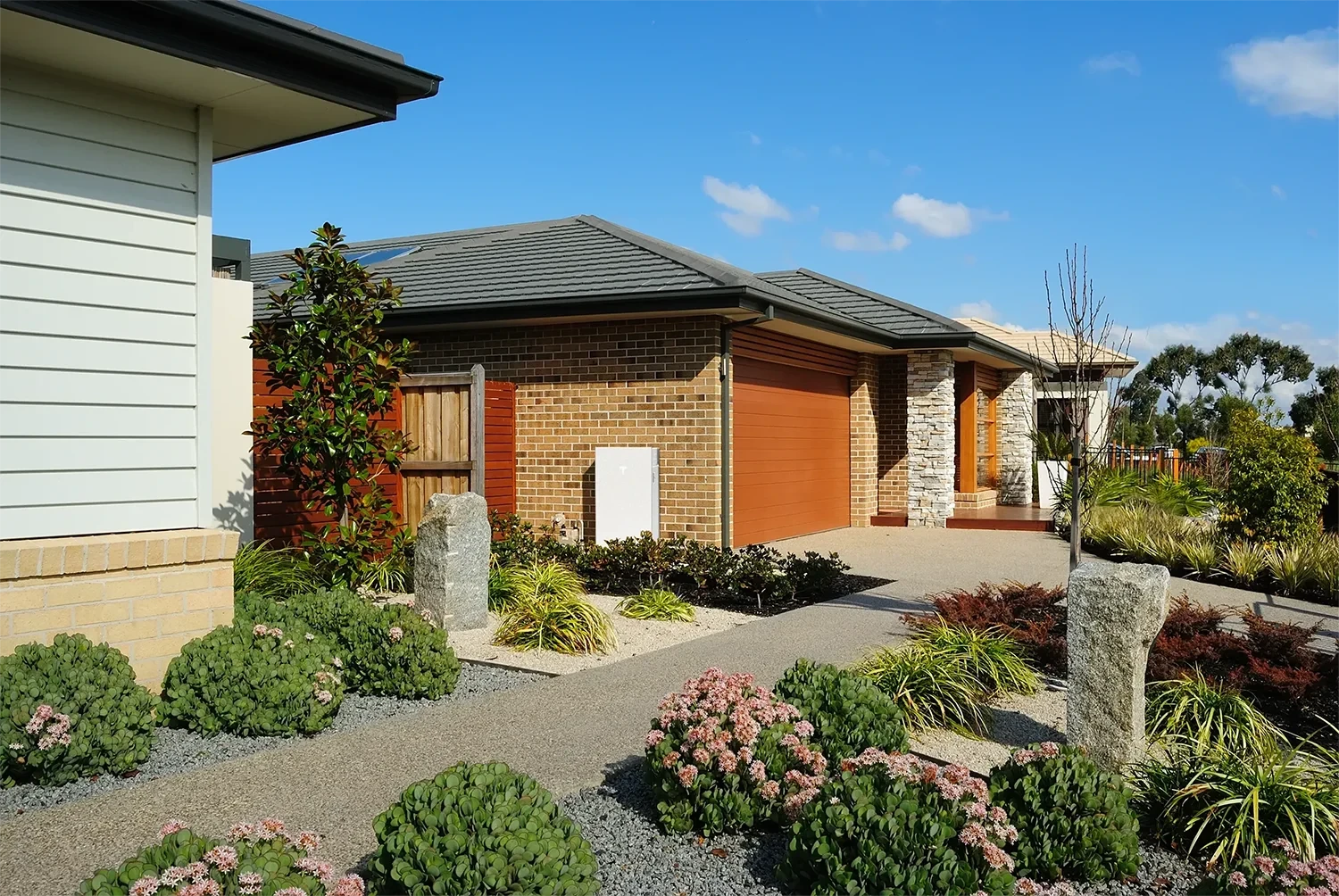
Whilst batteries installed indoors are susceptible to clutter, outdoor batteries should be visually inspected as they are likely to exposed to weather conditions.
A battery that is not running properly can not only negatively impact your investment, but can also be a hazard. Intermittently checking your system ensures your system is long-lasting and as safe as possible.
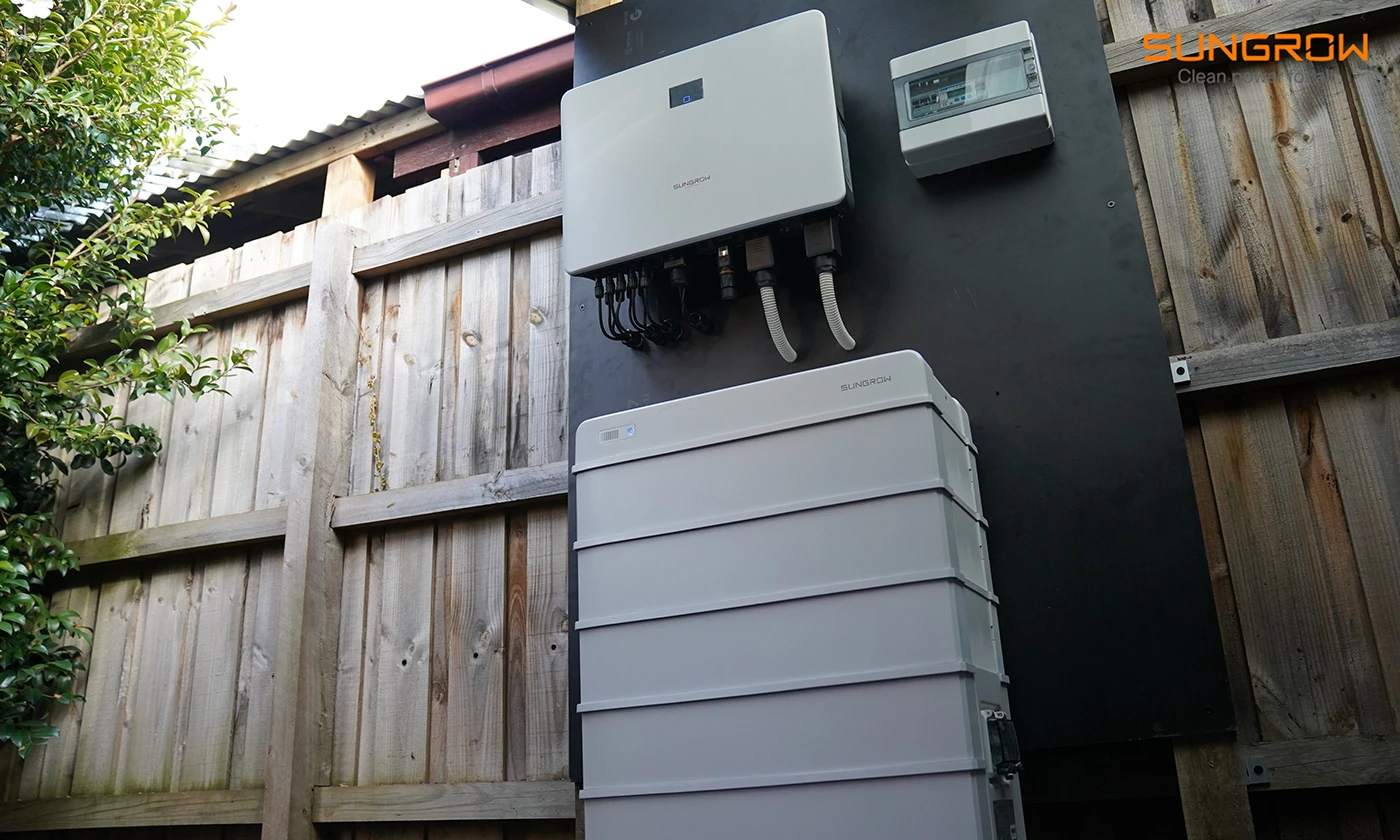
Maintain a well-ventilated area around the battery to ensure the energy storage system remains cool and can combat the harsh Australian heat on those summer days.
This also applies to your solar inverter, which also needs ventilation to keep cool whilst converting your energy
Your battery installer should setup a monitoring dashboard where you can analyse your battery's health. Here you can also update the firmware which may eliminate issues with your system.
An easy way to maintain your battery is to simply have a look over it. You don’t need to be a technician to see if the battery and wiring has any signs of wear or malfunction. With the combination of your batteries statistics analysis, and physical check-ups you will know if there is anything wrong.
By ensuring your solar and battery are working to their fullest capacity, you can be assured your investment will be fulfilled in the desired expected timeframe. Whilst both solar and battery systems are designed with longevity in mind, it is important to confirm your system is working at its fullest within the years of its expected lifetime to ensure the maximum returns and benefits.
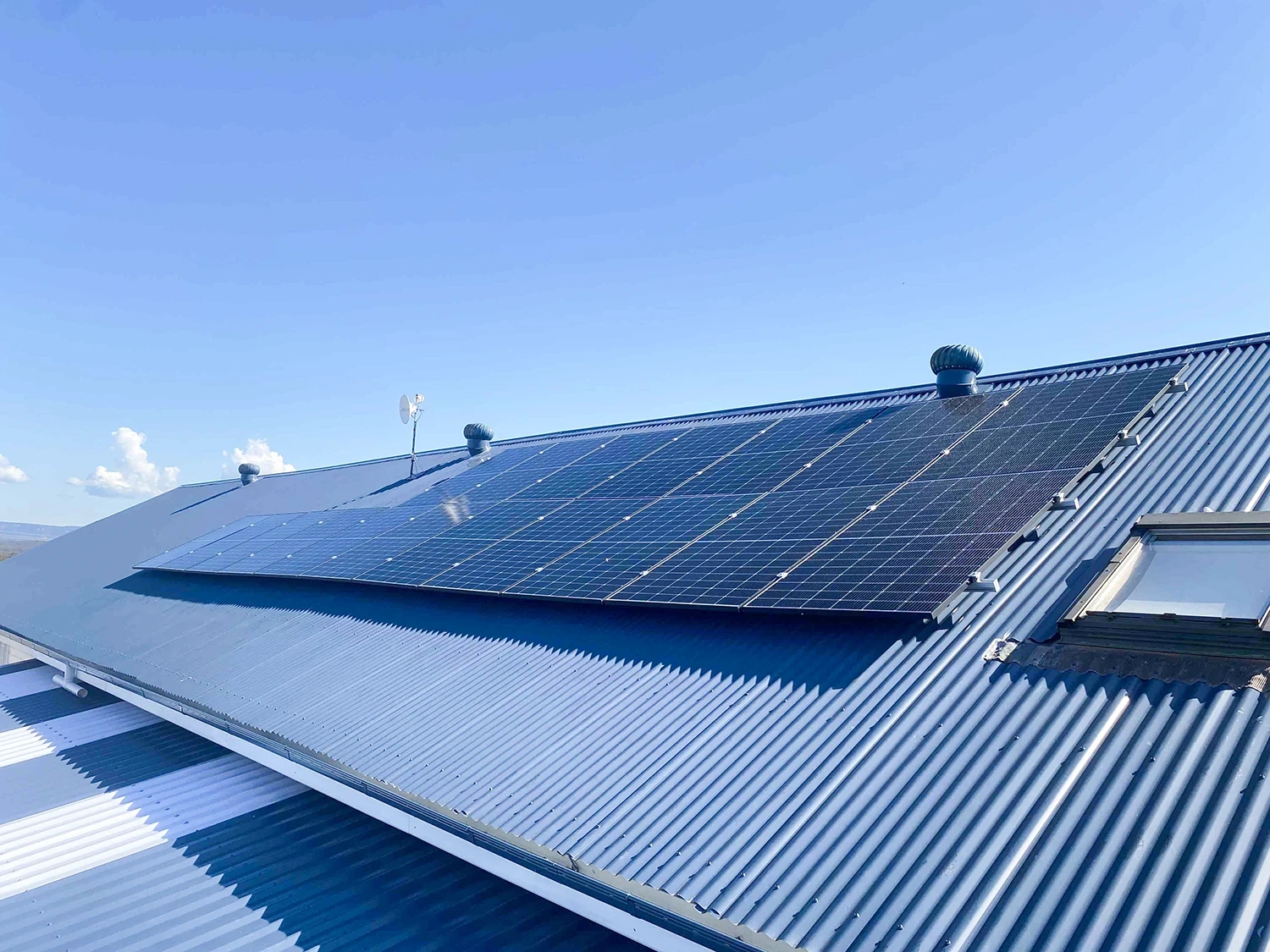
See exactly what solar system size you need, from panel dimensions to 3kW-13.3kW+ pricing, based on your household size and daily usage in NSW.
Explore the recently changed VPP NSW rebate, & how the Peak Demand Reduction Scheme (PDRS) calculates rewards for joining a Virtual Power Plant.
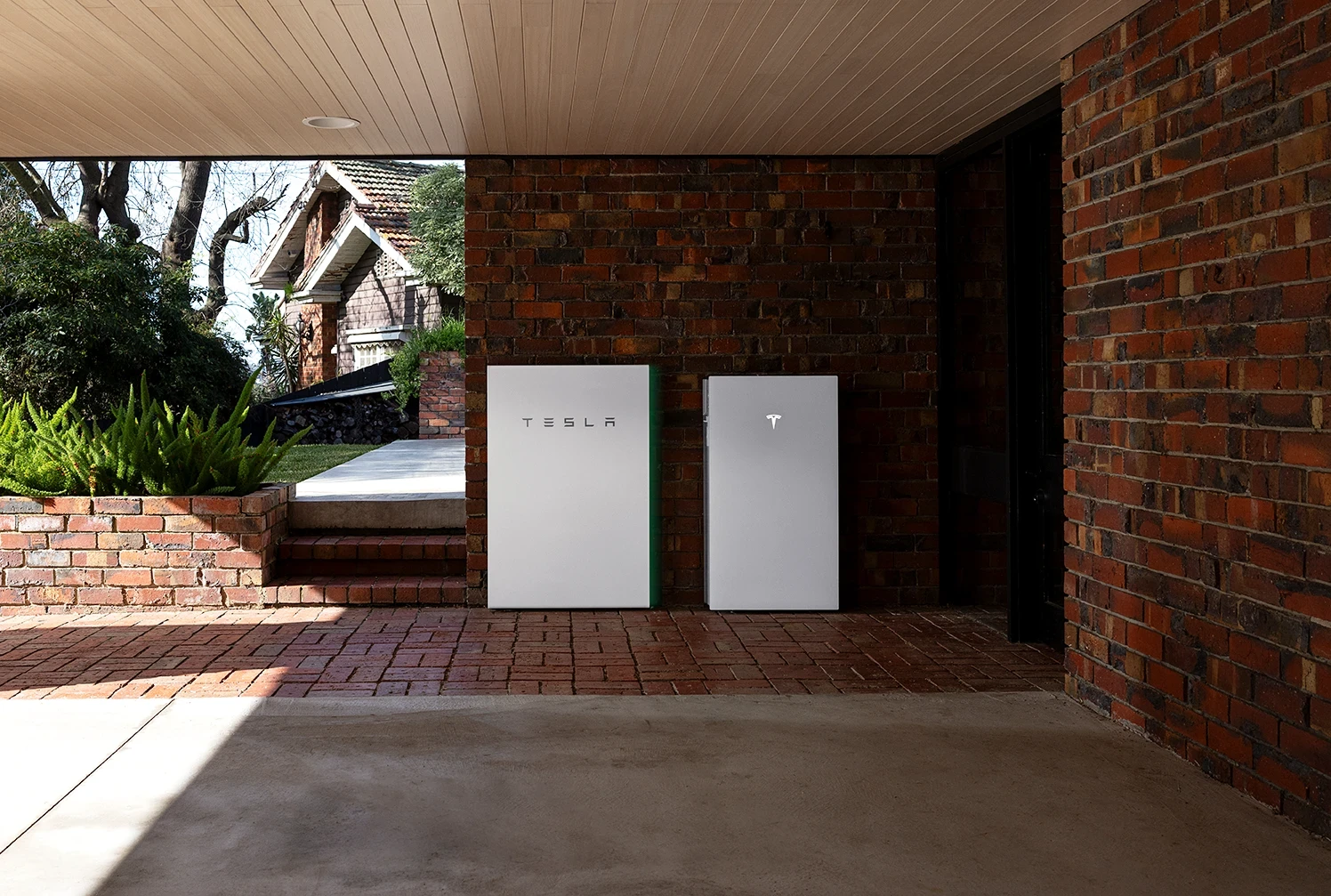
Already have a Powerwall 2? You can now add a Powerwall 3 alongside it. Supported configurations, limitations and how the rebates stack in 2026.
Why does your solar generate less in winter? Explore real output figures, summer vs. winter differences, and the best month to use solar in Australia.
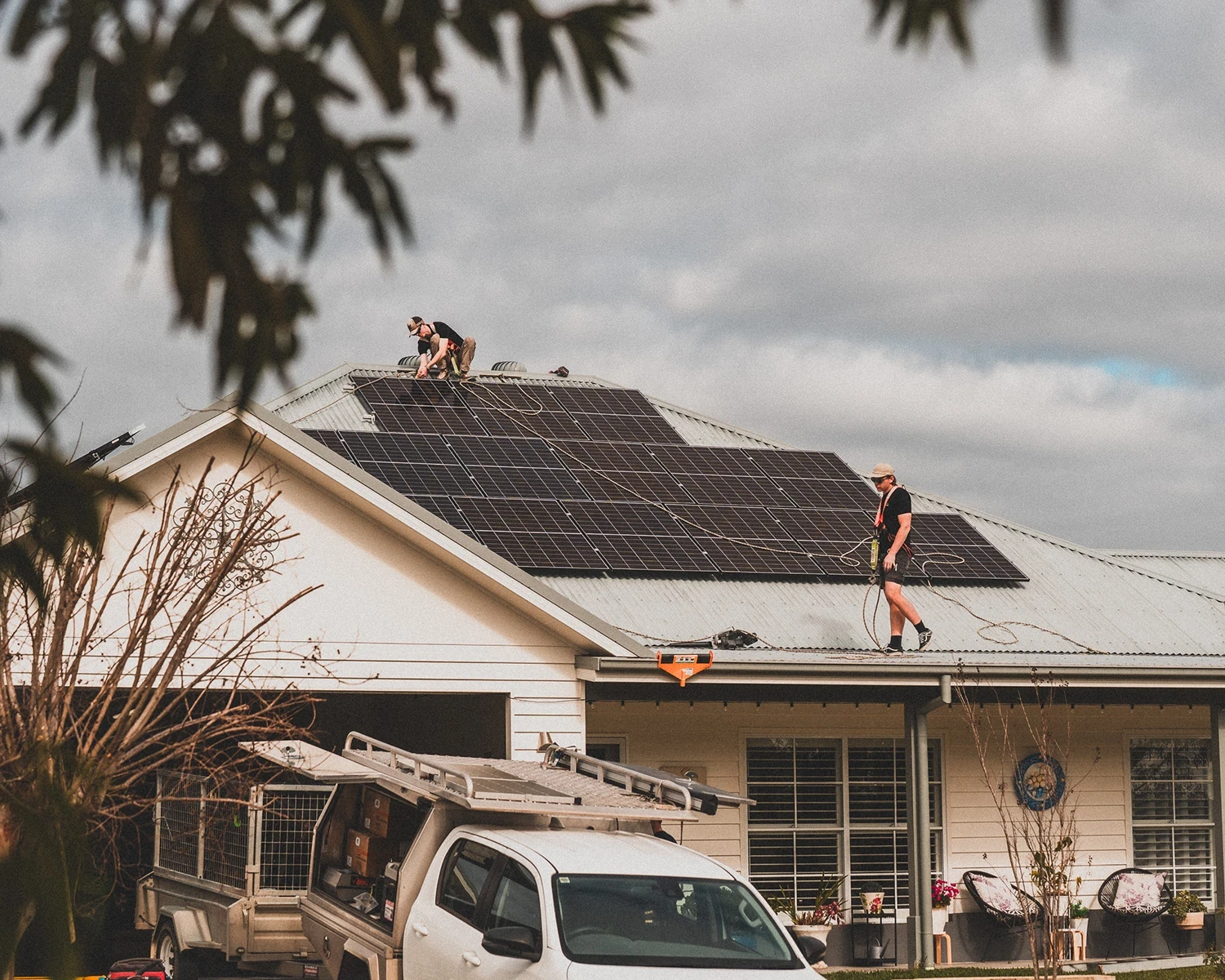
All NSW homeowners need to know about the solar installation process - from first quote to first bill. 9 steps, real timeframes, & what to ask your installer.
Already have solar? Decide whether to add a battery, expand your panels or replace your system, and which delivers the best return in 2026.
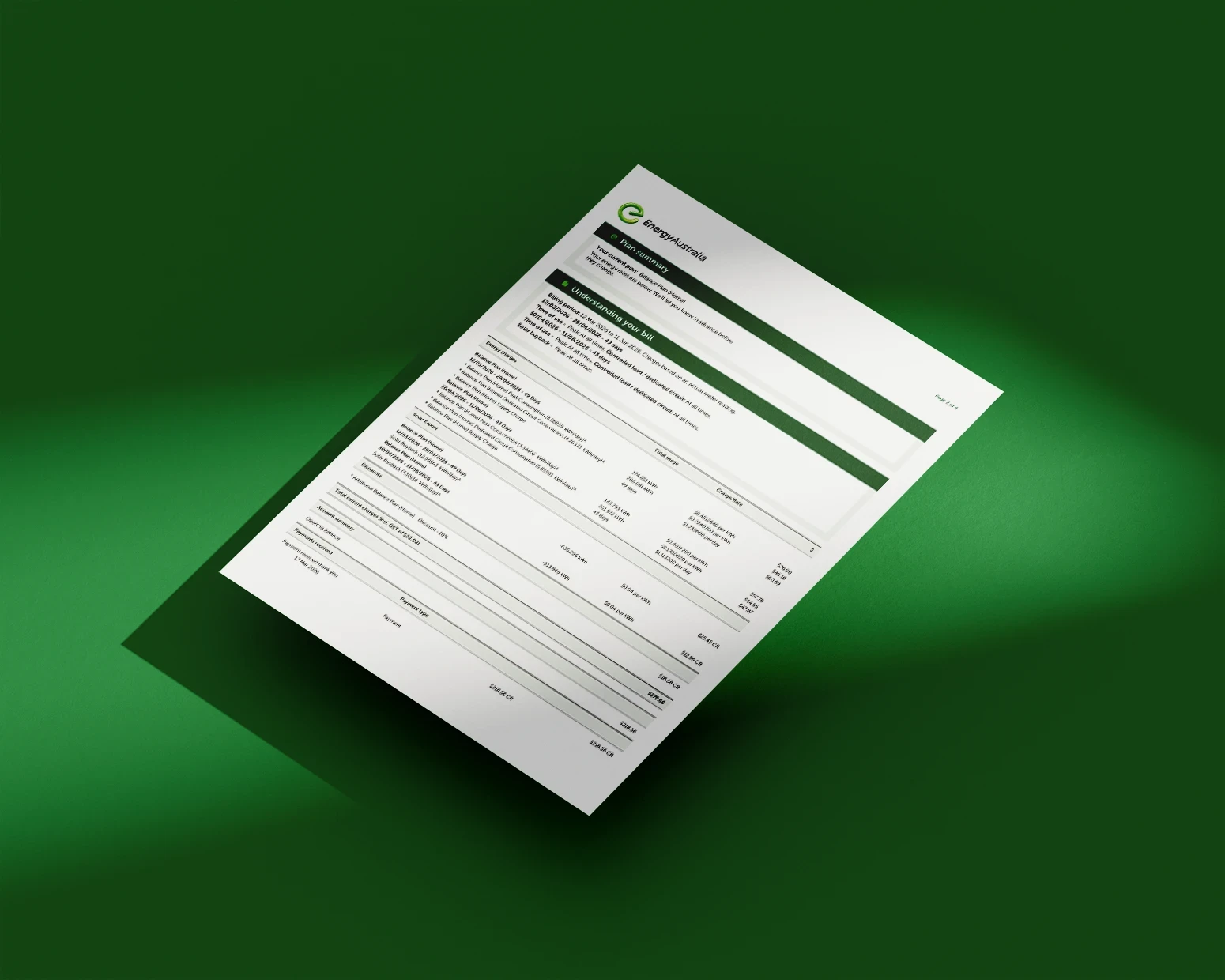
Supply charges, feed-in tariffs, controlled load, peak rates - we explain every line on your NSW electricity bill and show you where you can save more.
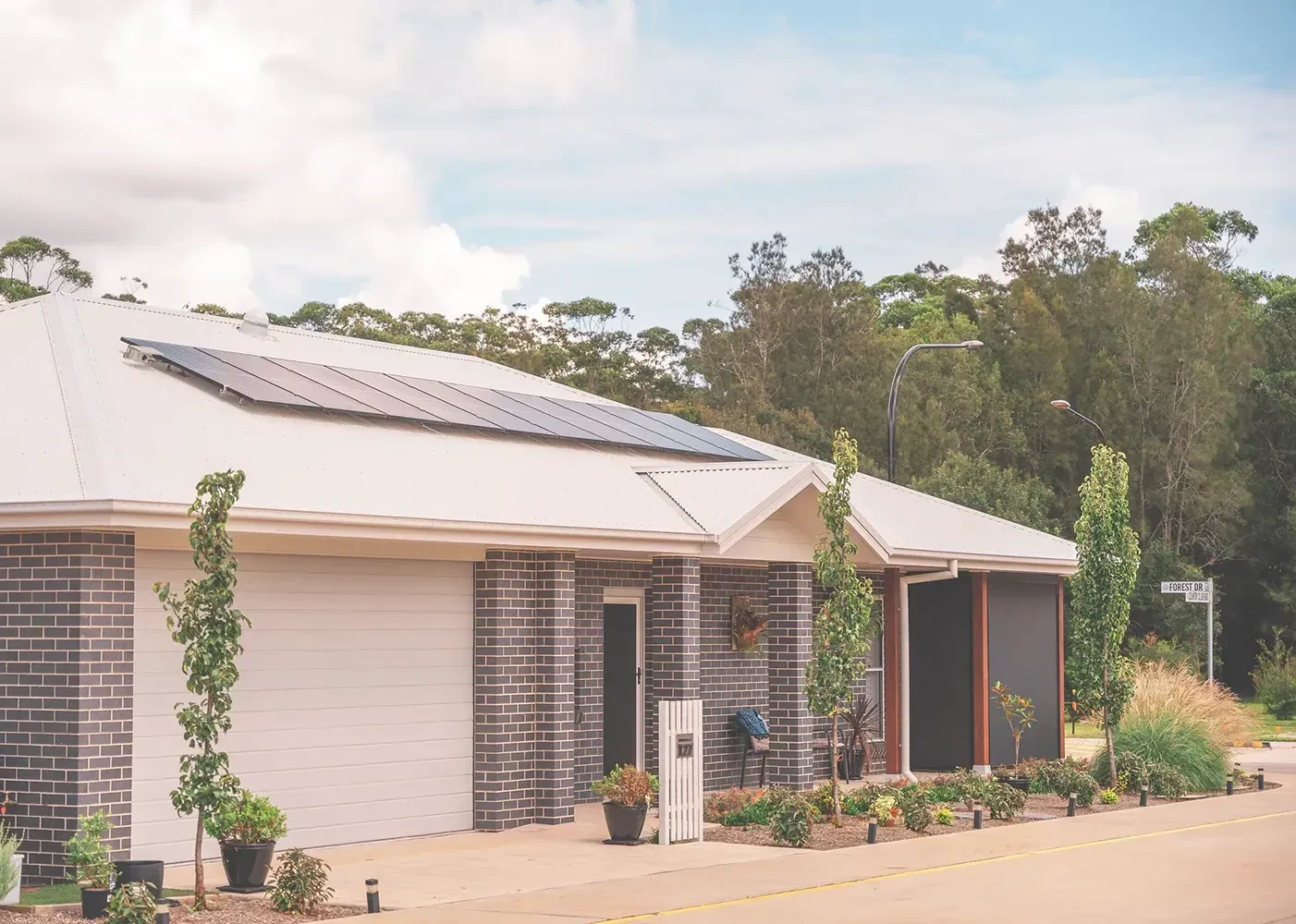
Compare retailer Solar Sharer plans, check eligibility & opt in. Origin, Amber, AGL, EnergyAustralia & more. 3 hours free power daily from 11am–2pm.
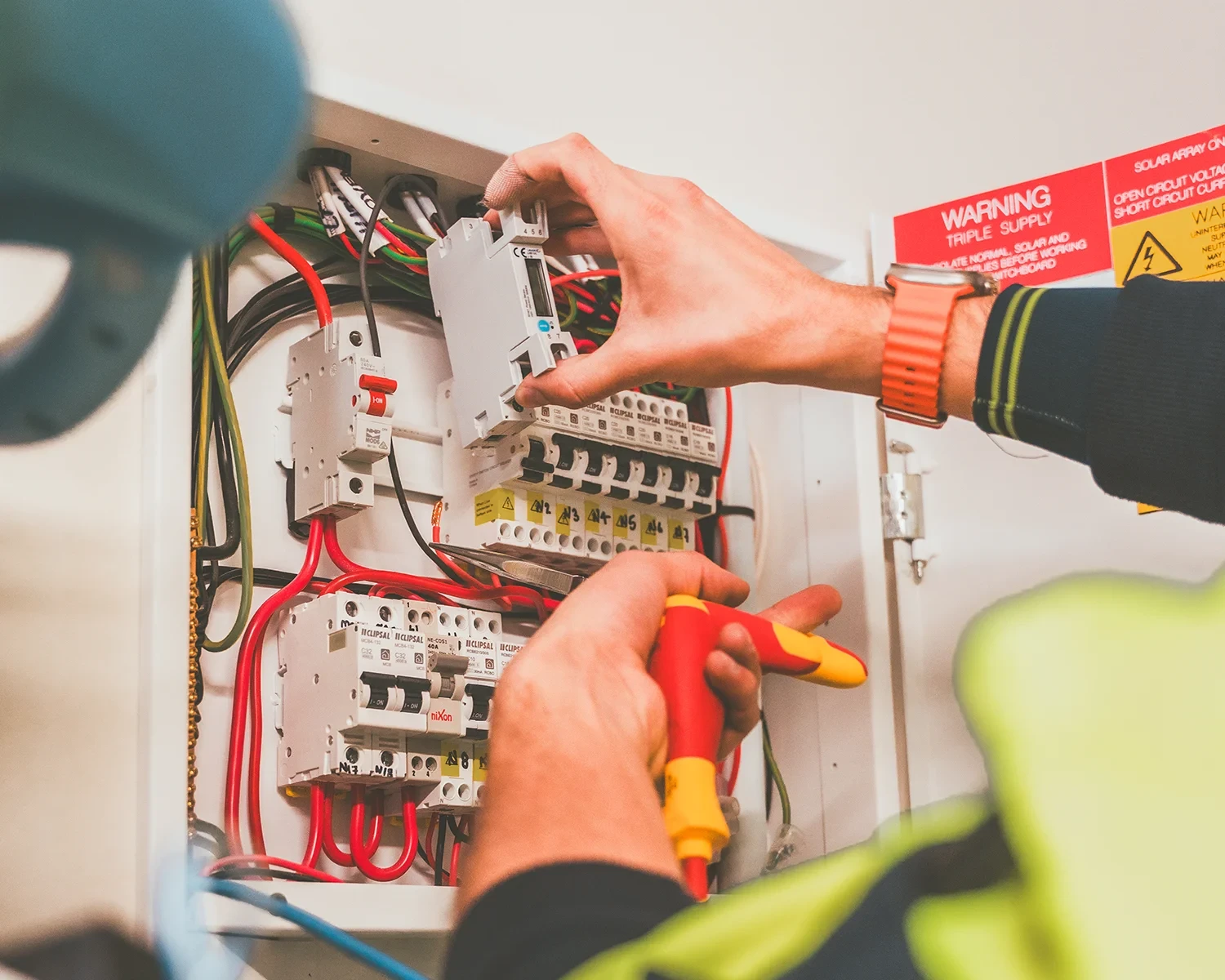
Learn how home electricity works in Australia, including circuits, switches, circuit breakers, RCDs and what happens during power outages.
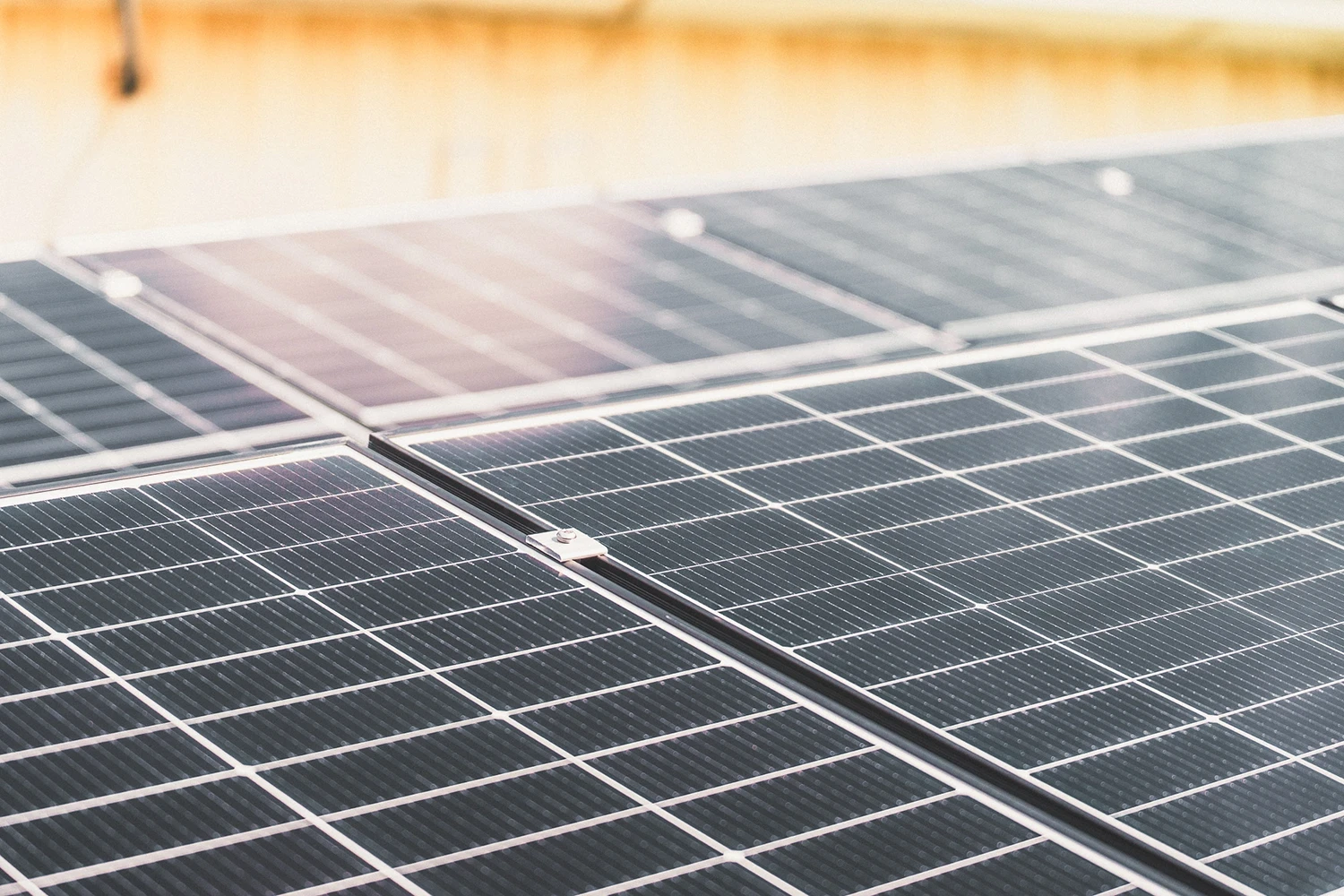
Is solar & battery worth investing in for Australian homes? Explore 2026 costs, payback periods, disadvantages, and how the Solar Sharer offer affects it.
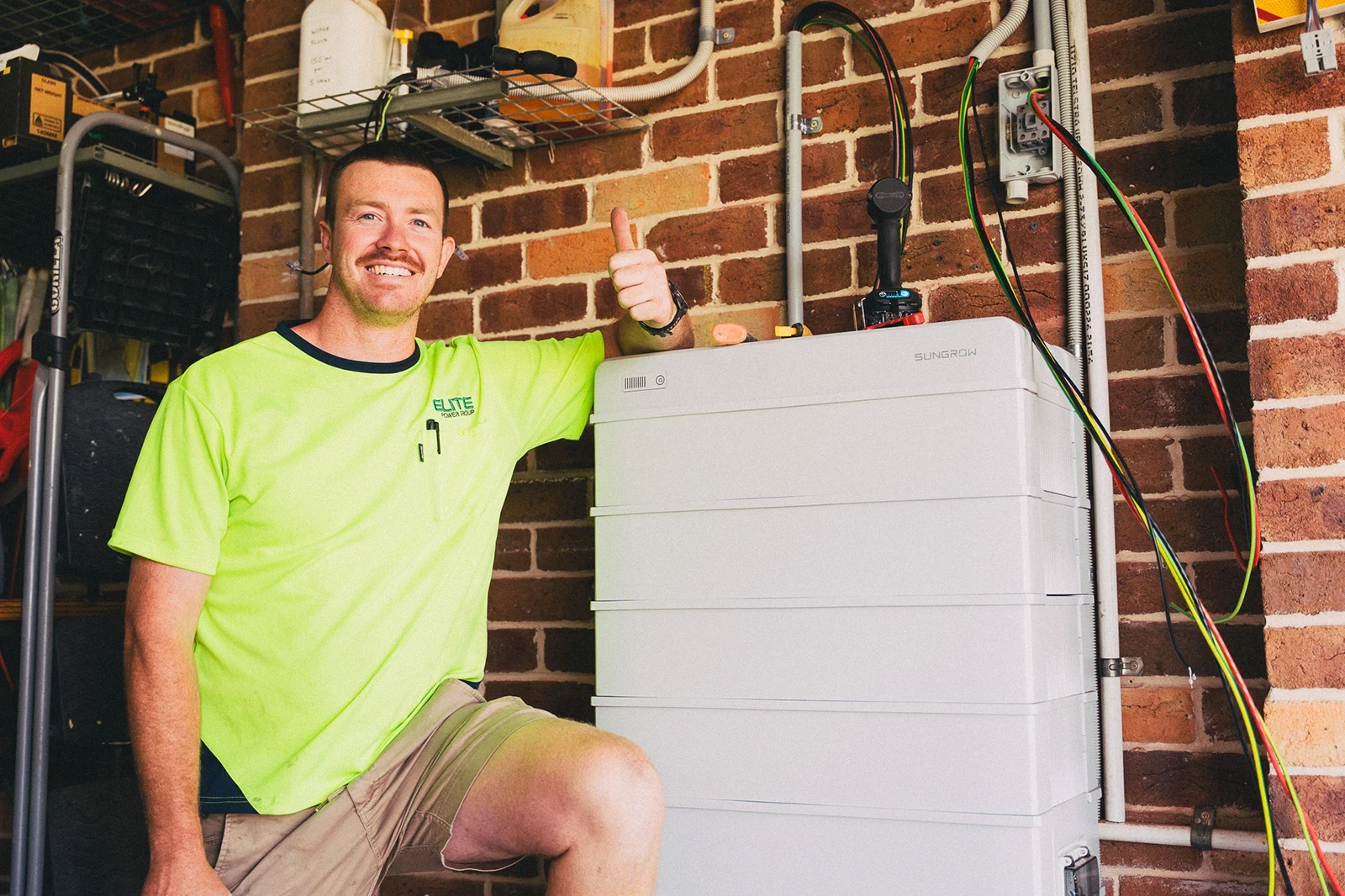
Learn about the May 1st Federal battery rebate changes in Australia and what they mean for home battery costs, solar savings, and discounts.
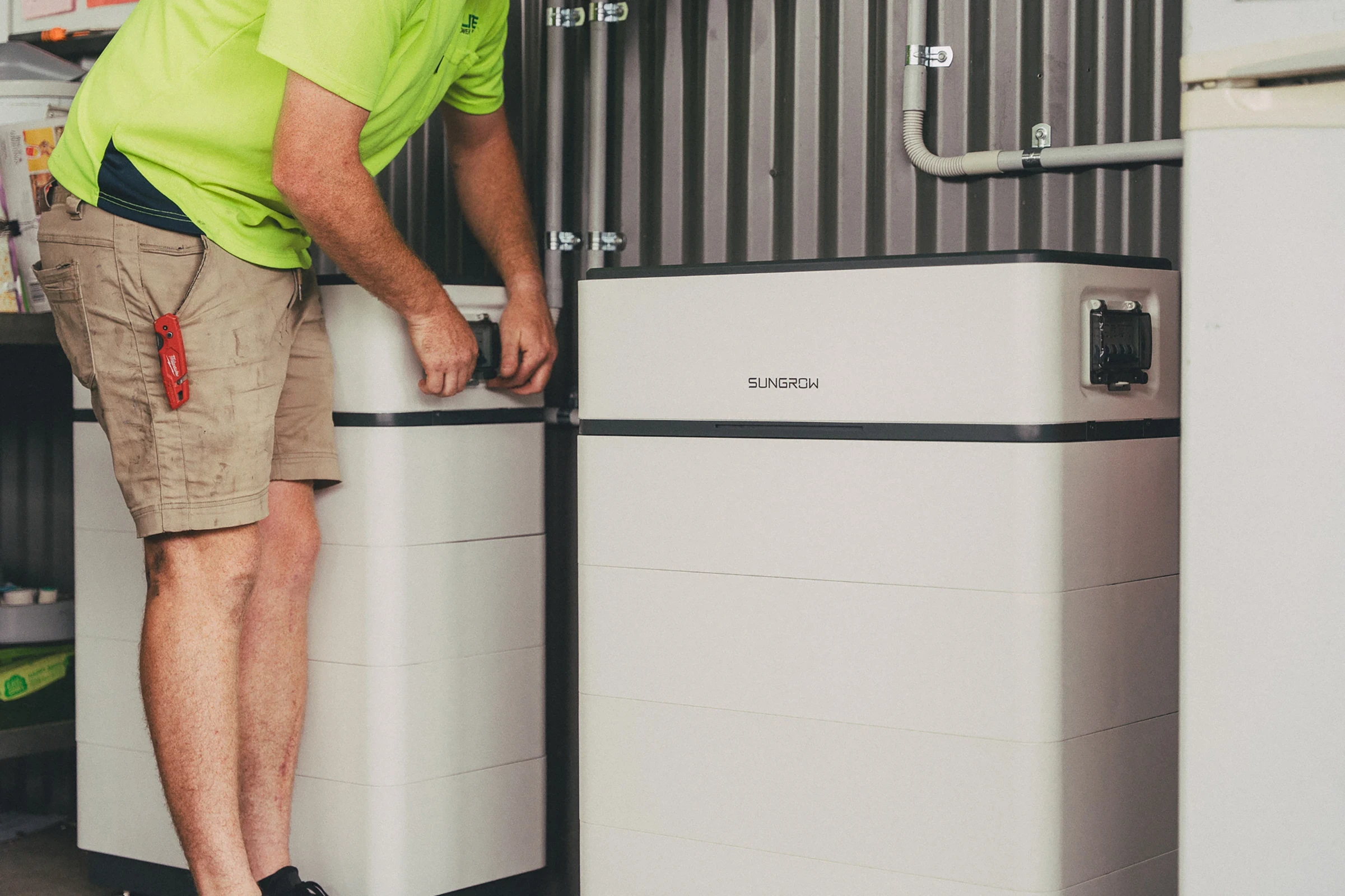
Compare Tesla Powerwall 3, Sungrow SBR & SBH, GoodWe ESA, Fronius Reserva, and BYD Battery-Box to find the best home battery for Australia.

Explore how Australia’s Q4 2025 solar and battery data highlights a major milestone: majority renewable contribution to daytime electricity demand.

How rooftop solar helped NSW avoid blackouts during the 2026 heatwave, reducing grid stress & supporting record electricity demand across Newcastle.
Explore Elite Power Group's solar and battery installation statistics for 2025, and how we performed over this year of operation in Newcastle and Maitland.
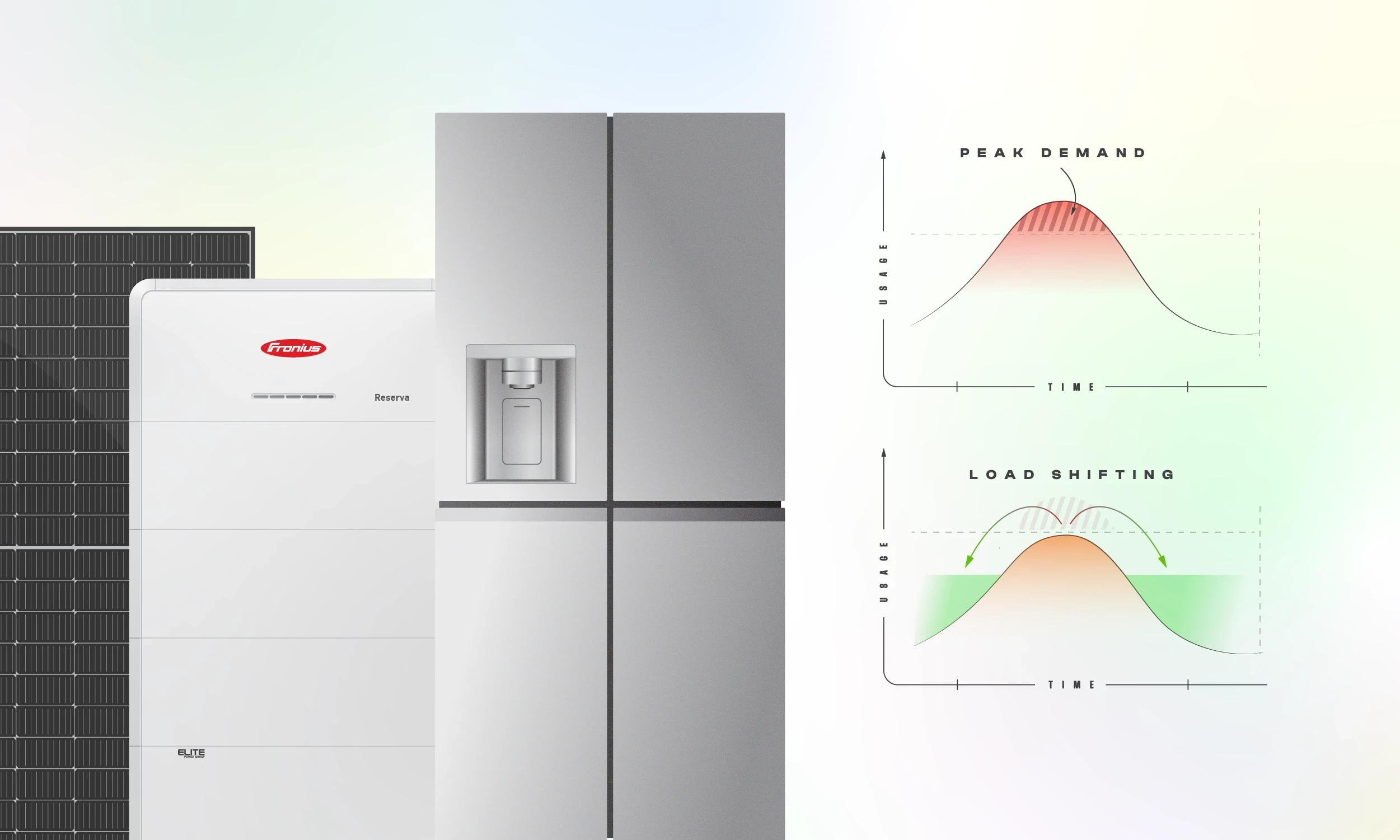
Compare how Peak shaving reduces demand spikes; load shifting moves consumption to cheaper hours; demand response is grid-triggered.
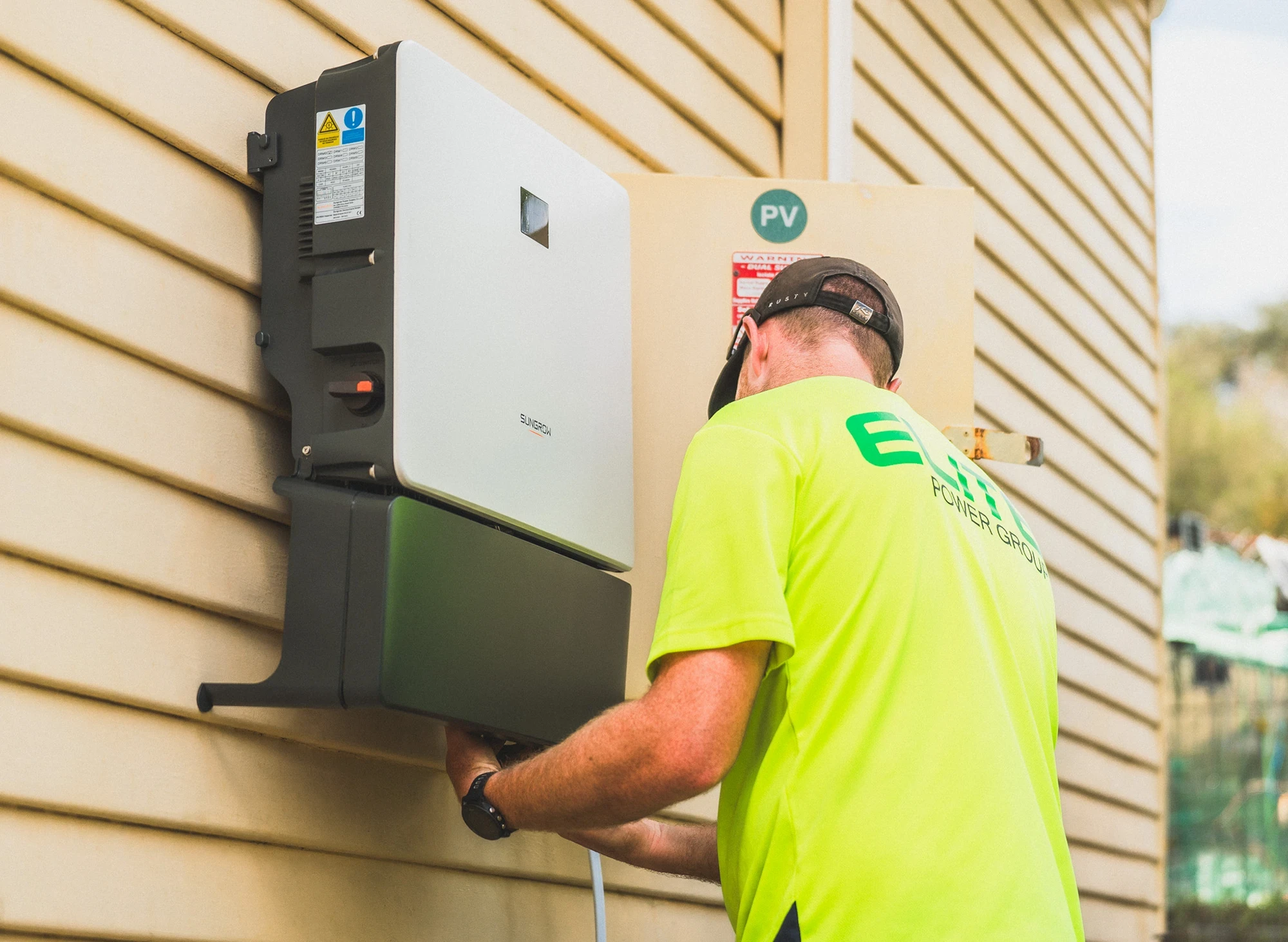
Explore the difference between solar inverter types like grid-tied, hybrid, microinverters, and off-grid inverters for solar and battery systems in Australia.
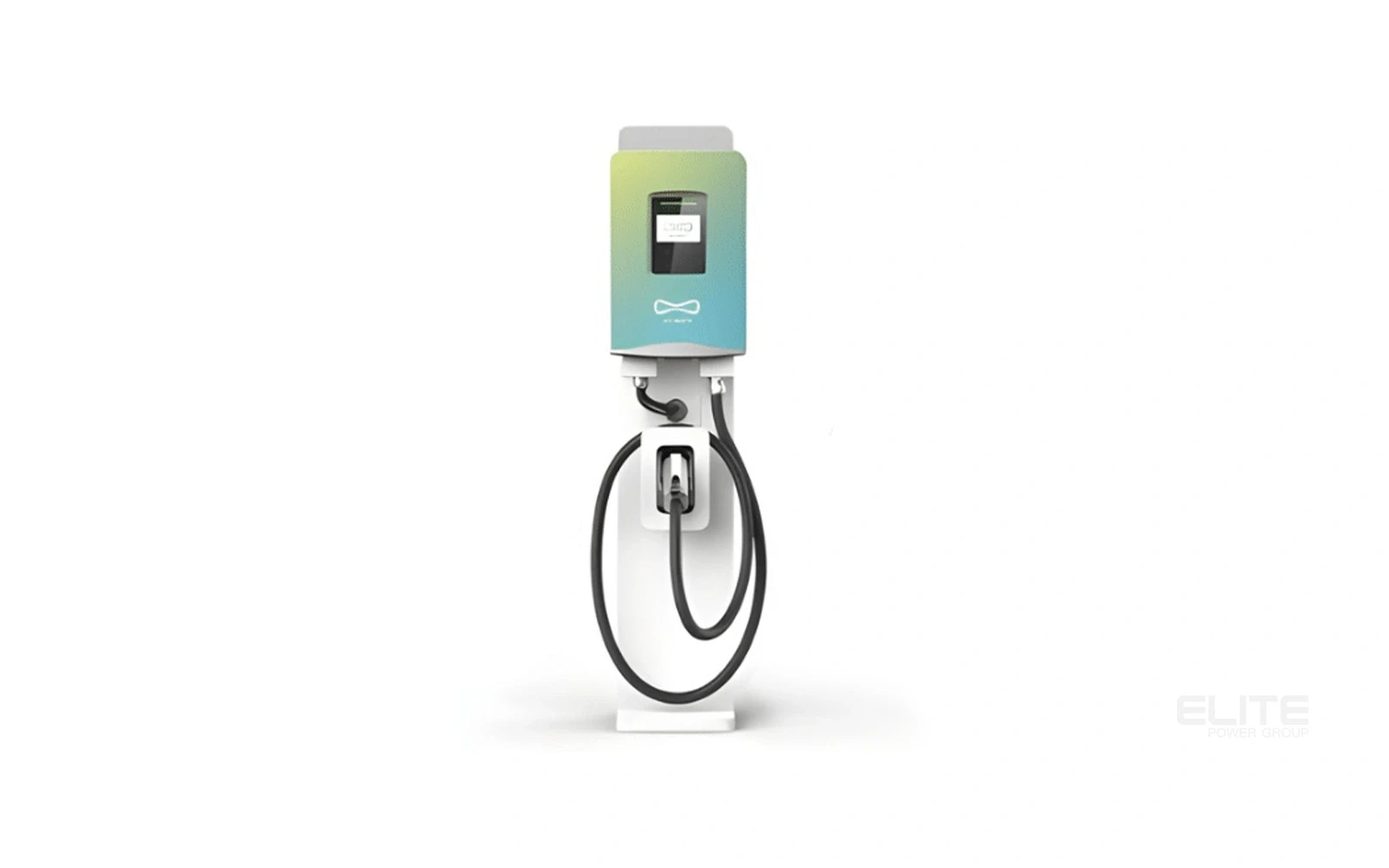
Explore Australia's first CEC-approved bidirectional and vehicle-to-grid capable electric vehicle, the V2Grid Numbat, a 6.2kW V2G/H charger now ready.
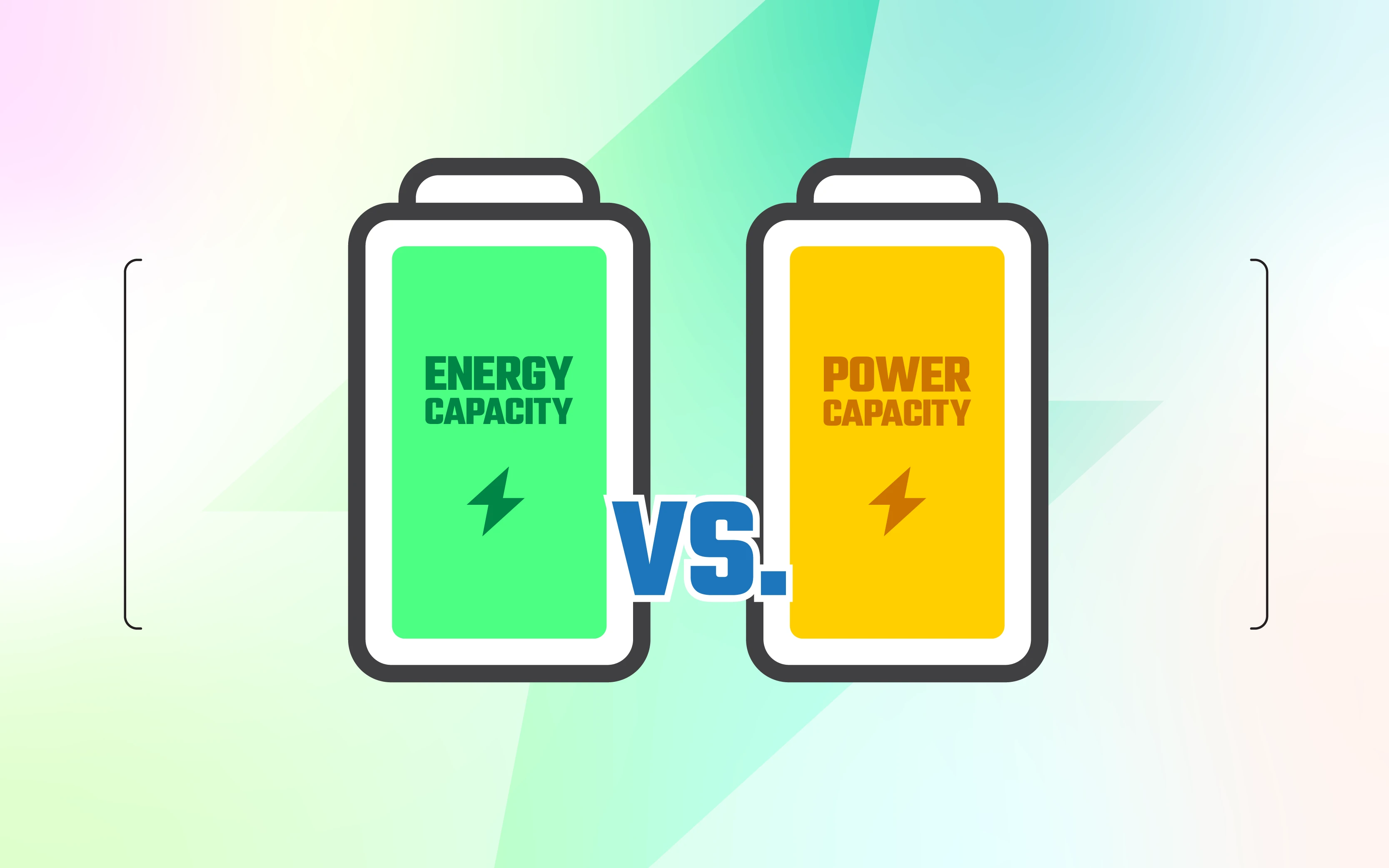
Energy capacity (kWh) is how much a battery stores. Power output (kW) is how fast it delivers. Covers nominal vs useable, SoC, DoD and cycles.
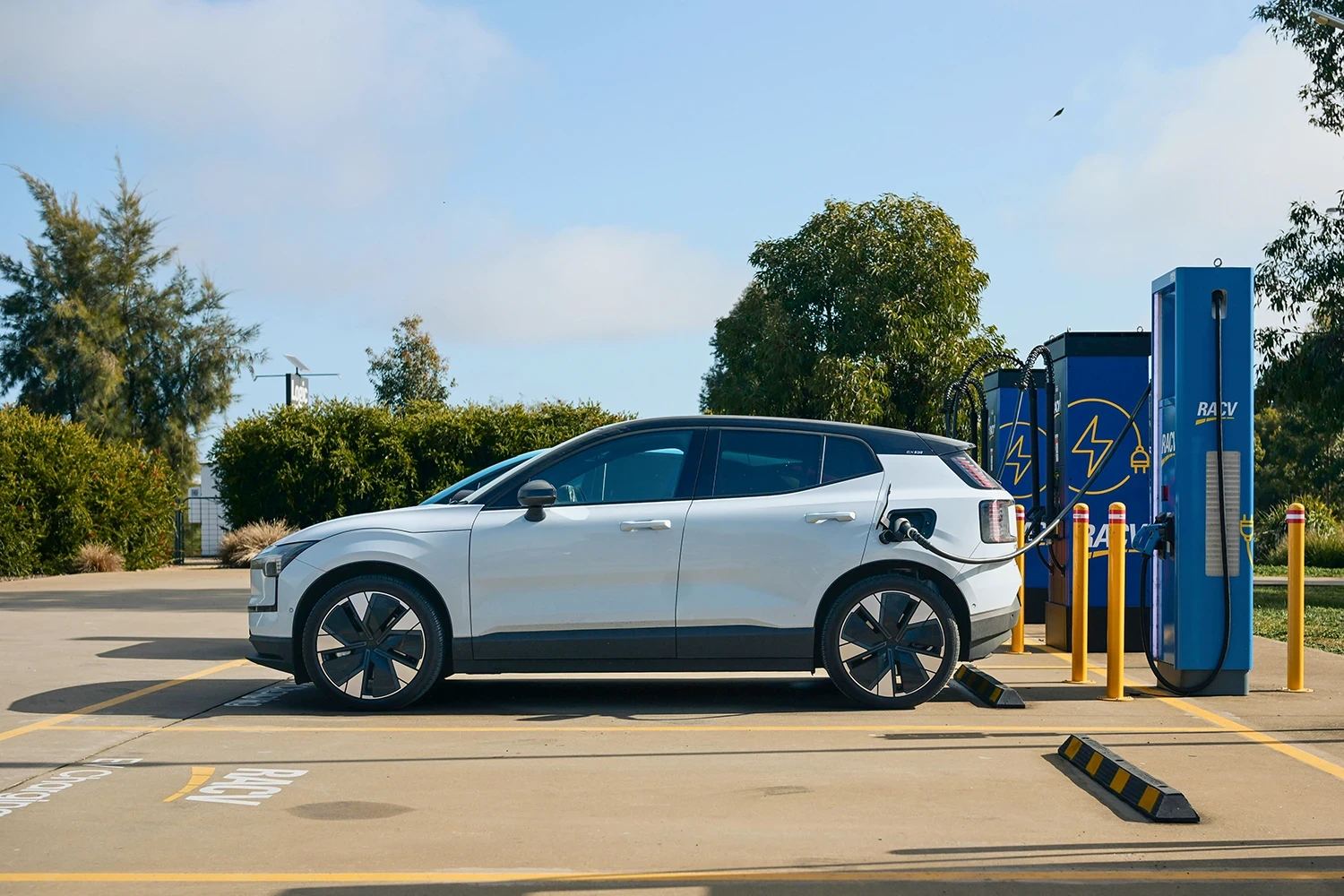
Explore the differences between AC and DC electric vehicle charging in Australia and how it affects the way you charge your EV, and the pros & cons.
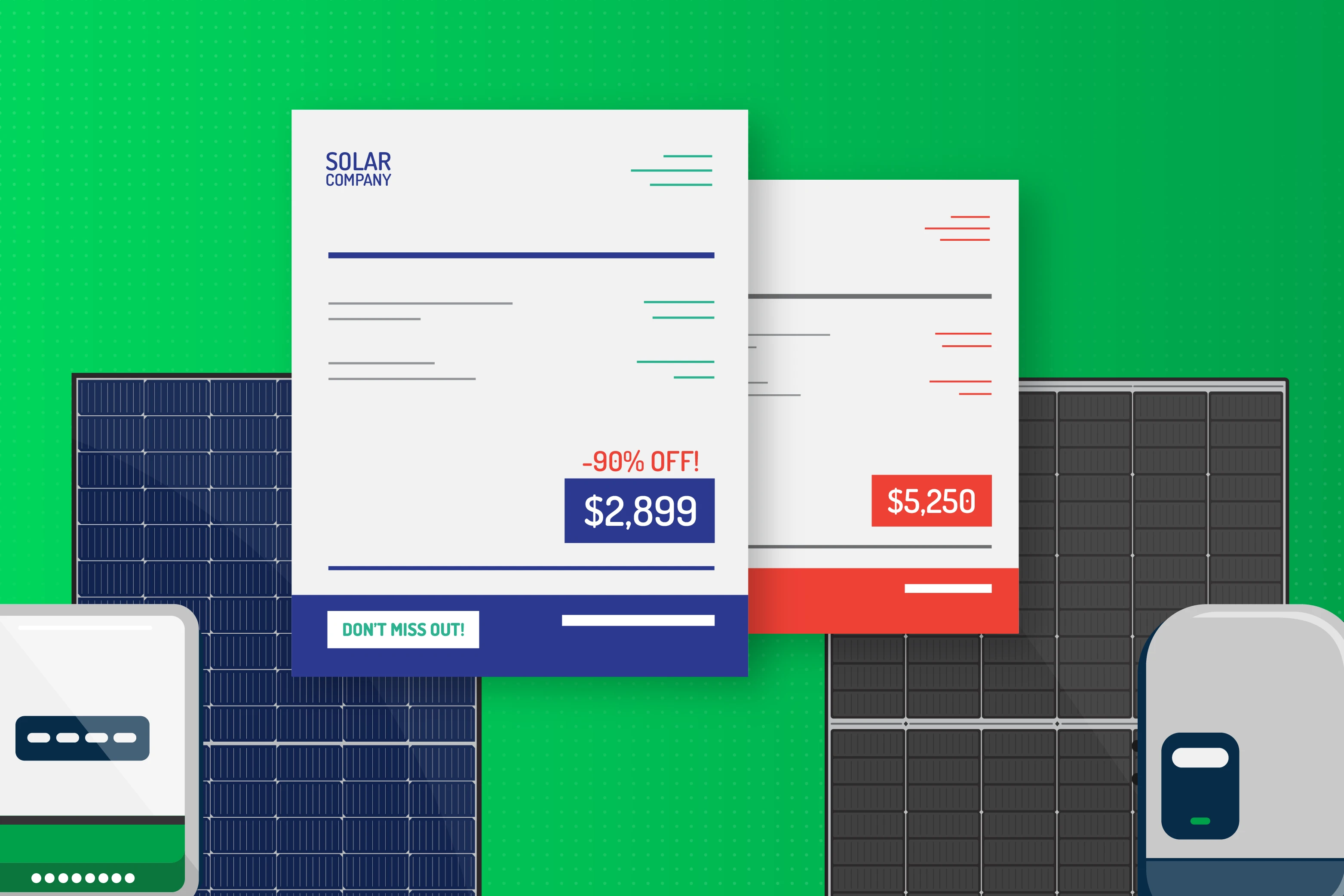
Considering a cheap solar system? Learn how low-quality, unreliable inverters and panels can lead to costly repairs, full replacements, and safety issues.
Learn the difference between volts, amps and watts, and learn electricity with simple explanations, formulas, real-world examples, and an easy calculator.

Battery supply chains are tight across Australia, with shipping delays leaving many installers out of stock and customers waiting longer. What's happening?
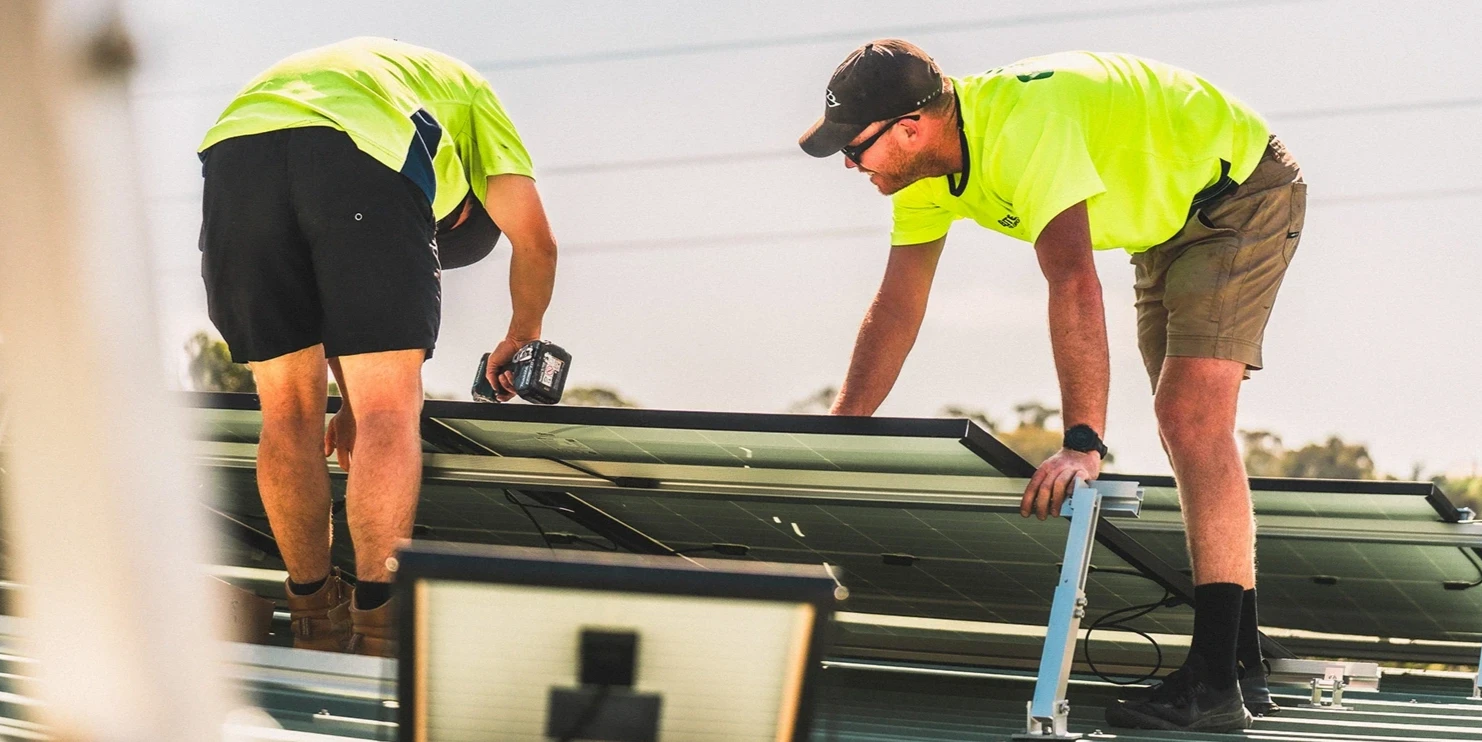
Learn how to avoid solar scams in NSW. Spot red flags & dodgy installer tactics and find reputable companies with great warranty & quality installations.
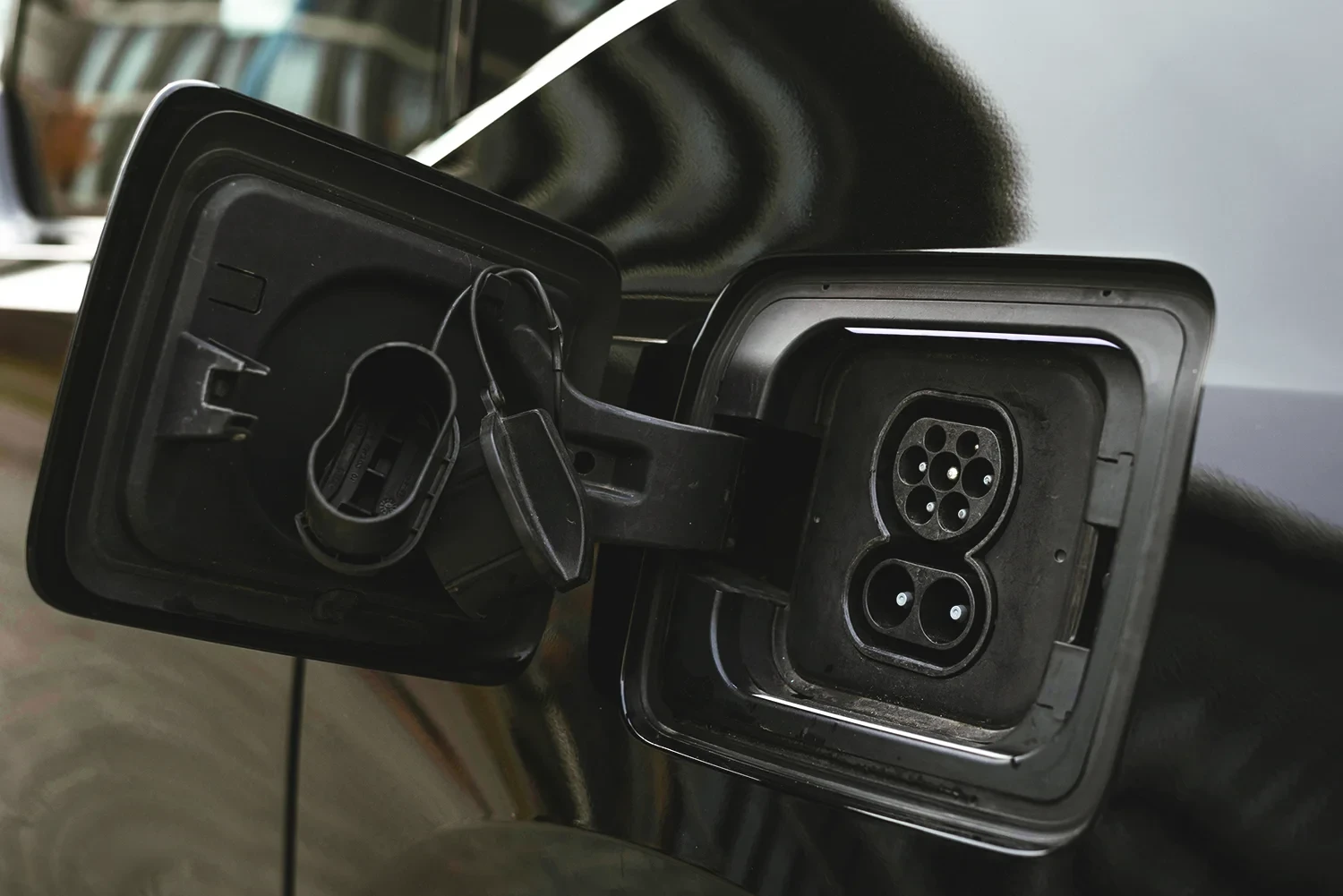
Explore why the delays in vehicle-to-grid and bidirectional chargers are happening, and how V2G faces regulatory and legislative development in Australia.
Over 56,000 solar batteries were sold in Q2, 2025, thanks to the Australian battery subsidy. Explore solar & battery uptake, growth trends, and what's next.
Discover how to choose the right solar battery size for your home. Compare 10kWh, 15kWh, and 20kWh options to maximise savings, and solar in NSW.
Virtual Power Plants explained for Australian homeowners. What a VPP is, how it works, NSW program comparison and whether joining one is worth it.
Explore what solar hotspots are, how they can affect your panel performance & efficiency, & how bypass diodes can affect your cells & strings in Australia.
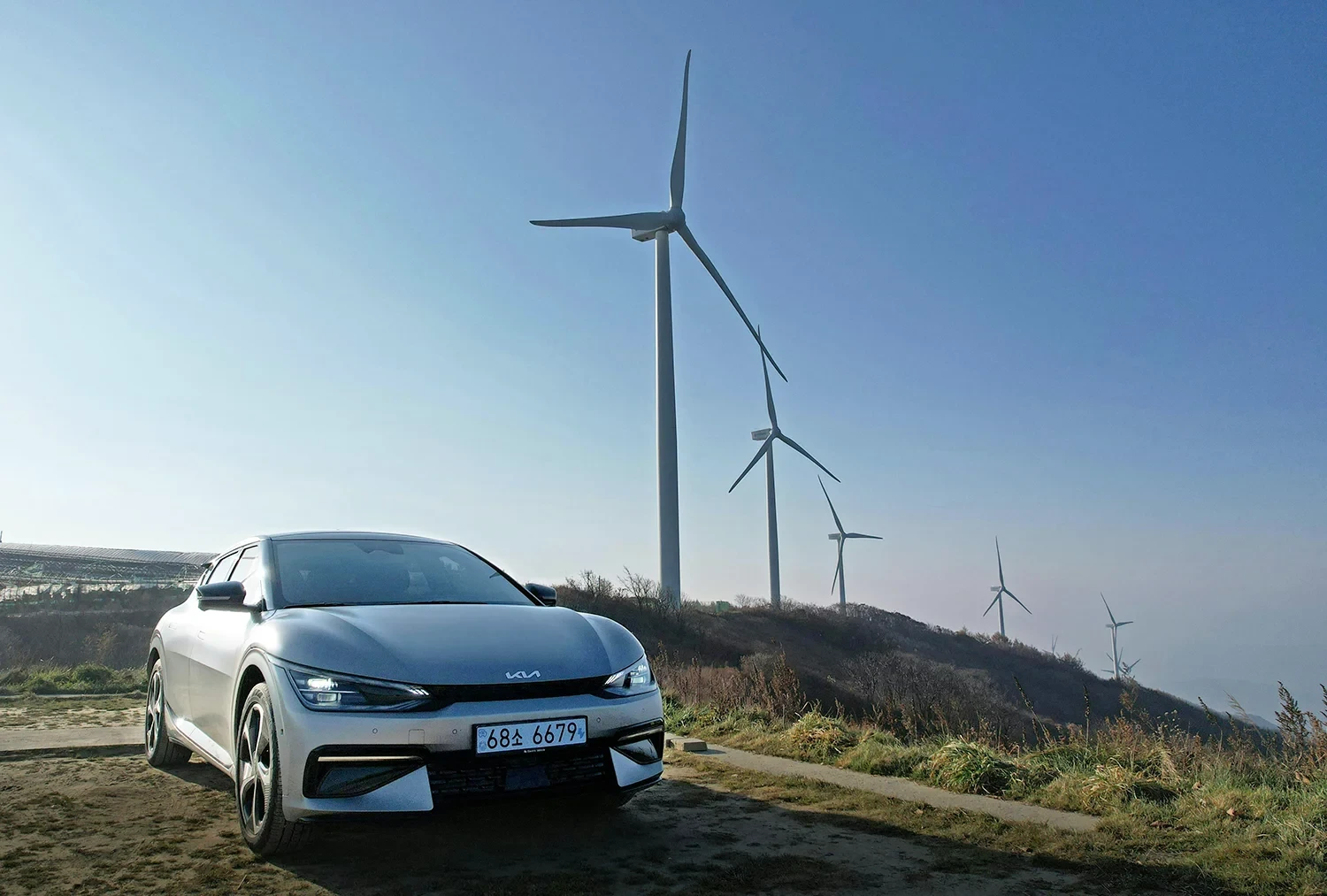
Discover the best home EV chargers in Australia. Compare popular electric vehicle home charging stations, costs, and installations for Newcastle NSW.
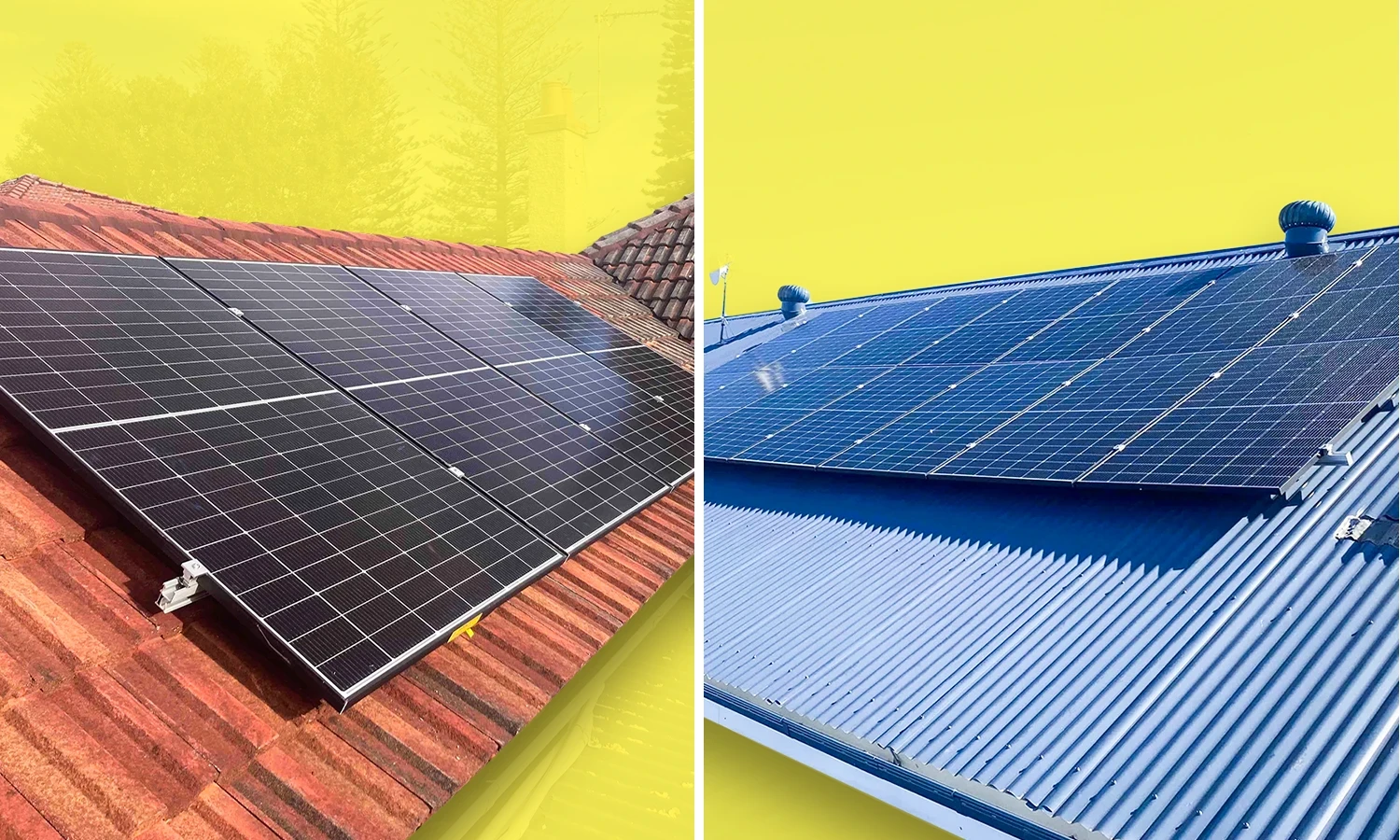
Learn if your roof is suitable for solar panels and how roof materials like terracotta or tin, orientation, tilt, & shading can affect energy production and install.
Power vs Energy in Australia: Difference Between Watts and Watt-Hours, kW vs kWh, with Diagrams, Calculations, and Home Appliance Examples.
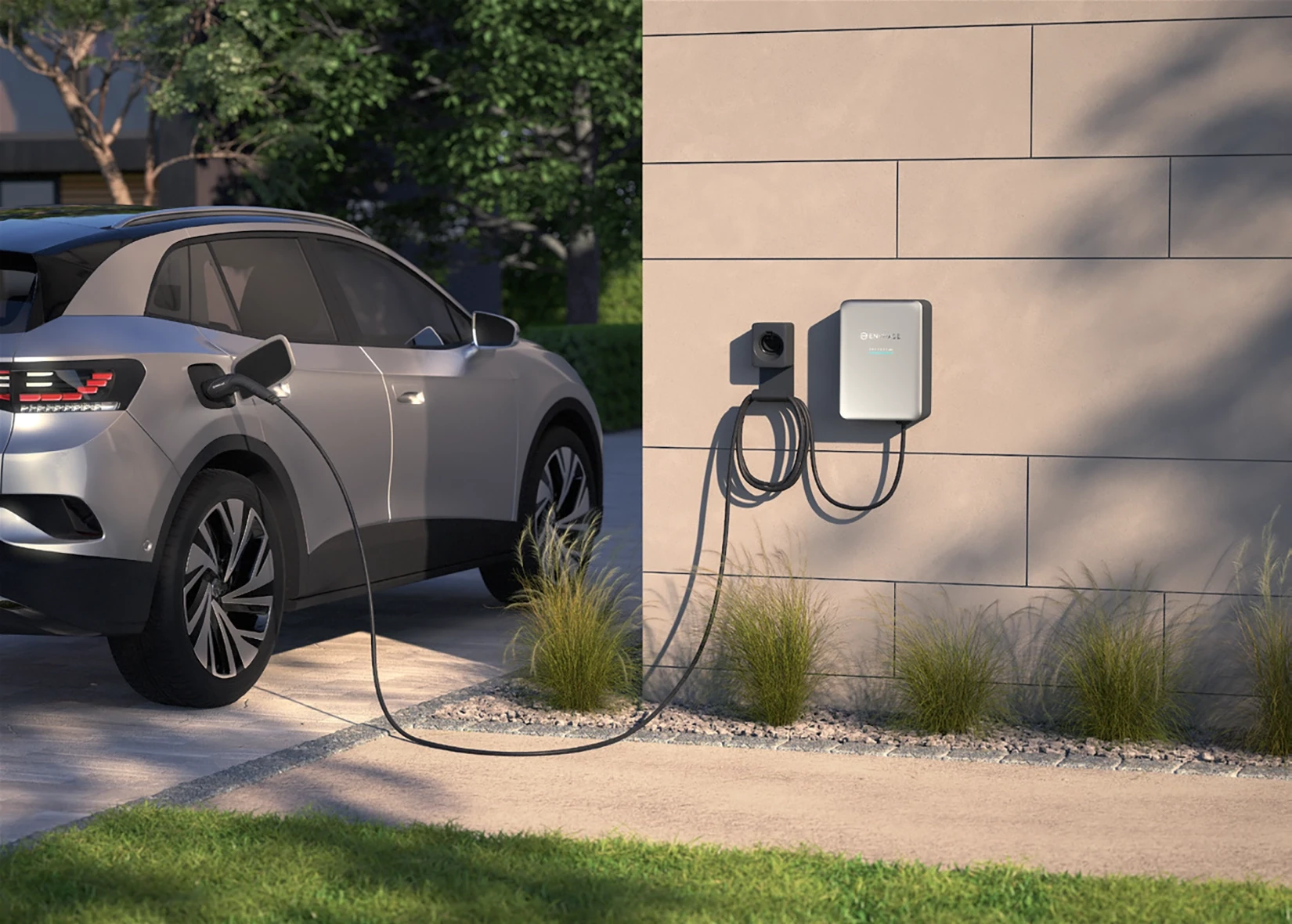
Explore upcoming & available bidirectional V2G-capable chargers in Australia from V2Grid, RedEarth, Sigenergy, Enphase, Tesla, and Fronius EV charging.

Compare the difference between Sungrow's SBH and SBR battery storage vs. BYD Battery-Box and find what battery is better for homes or businesses in NSW.
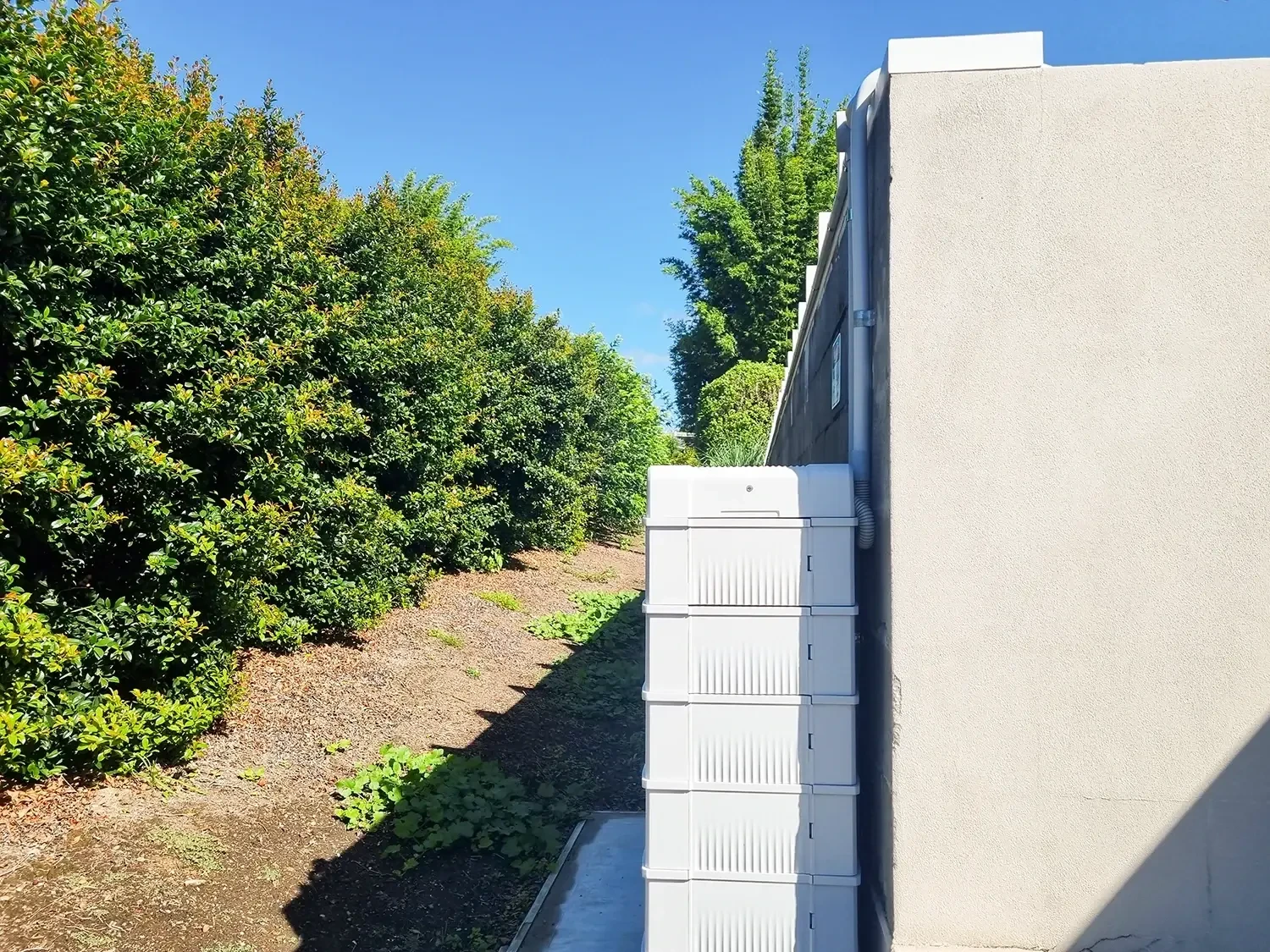
The NSW Government have announced that the NSW Battery Rebate (PDRS) will be suspended on June 30th, 2025, and will no longer be available.

Avoid the 9.7% NSW electricity bill increase with expert tips on reducing energy costs, optimising solar usage, and finding better energy plans in 2025.
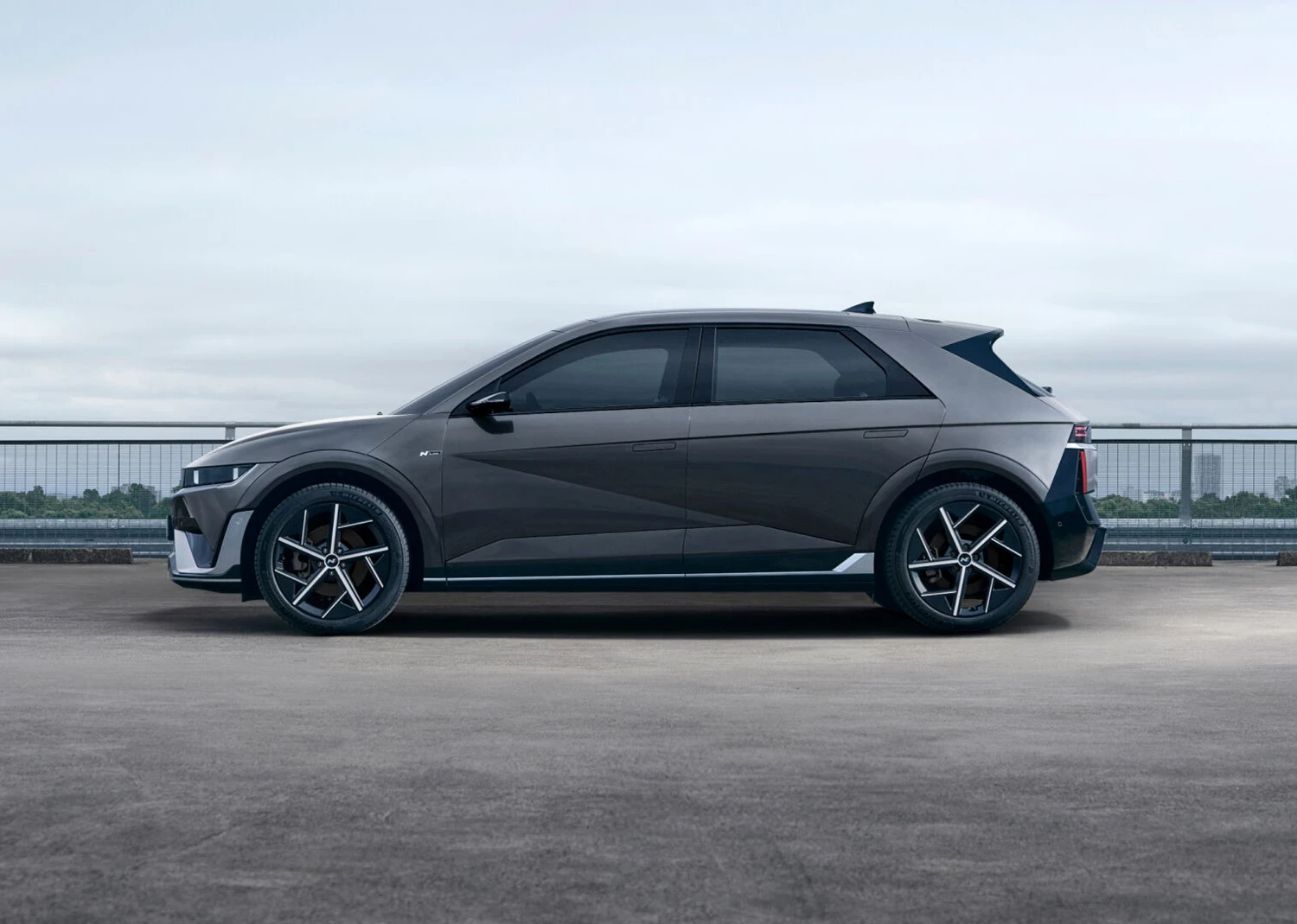
Explore how you can use your EV battery via vehicle-to-load (V2L) as a backup energy source during blackouts to power your home appliances in Australia.
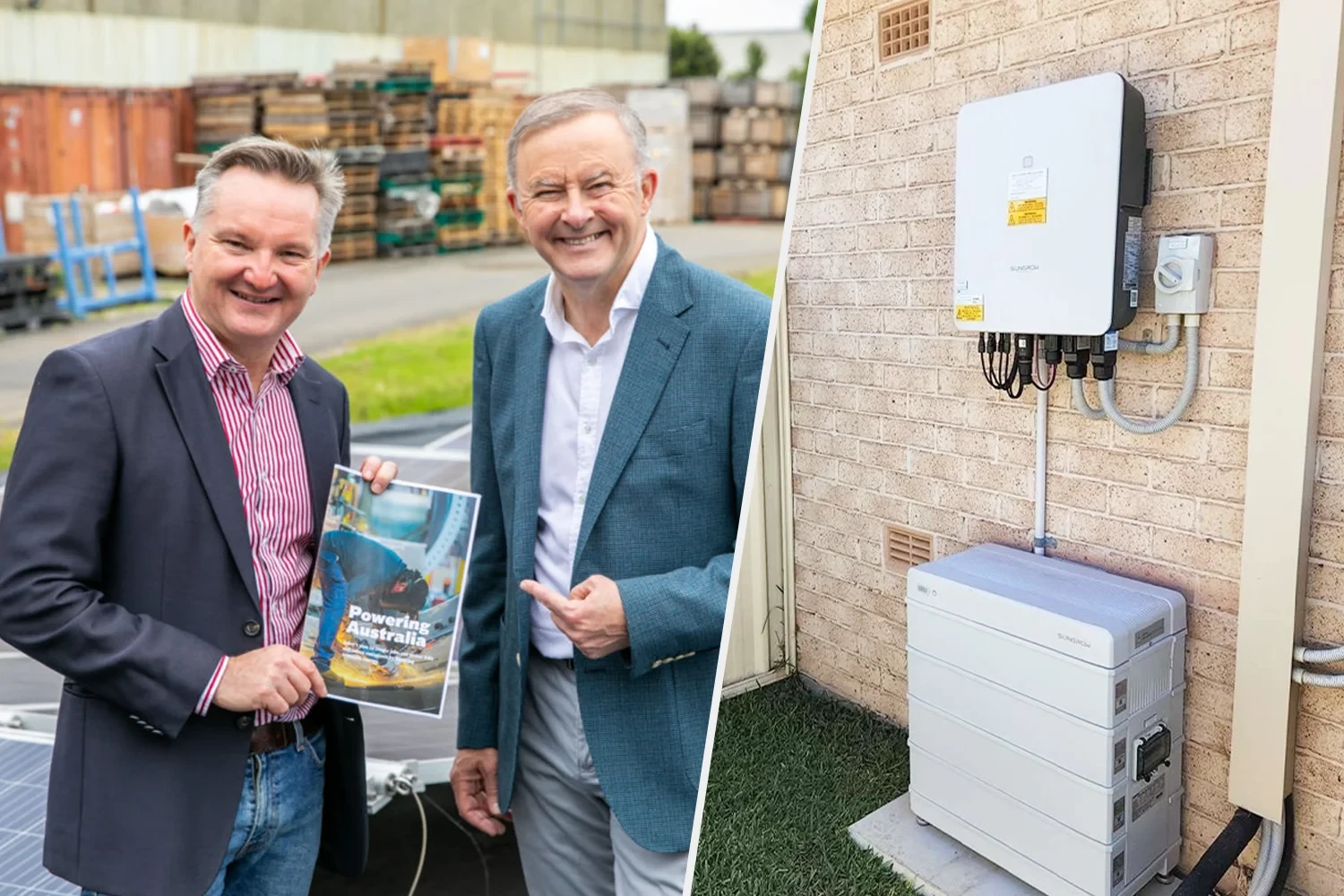
Explore Australia's Federal Government solar battery rebate subsidy like eligibility, approved batteries, requirements, and more about the upcoming incentive.
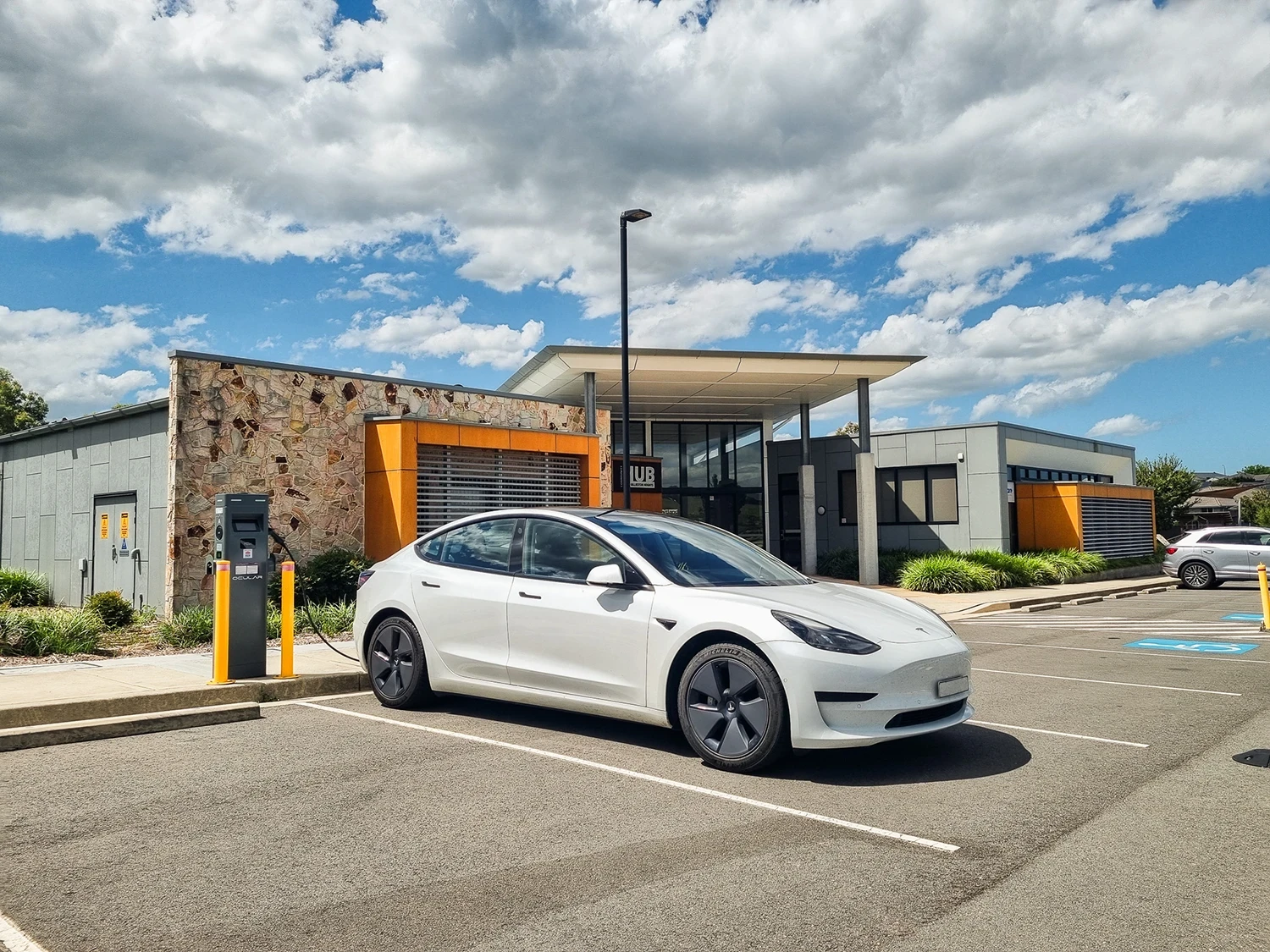
Partnering with Elite Power Group, Maitland City Council have invested in more electric vehicle chargers in the Maitland area, supporting the uptake of EVs.
Compare home insurance policies and find out if solar and battery is covered and how installations affect costs, value, and included coverage in Australia.
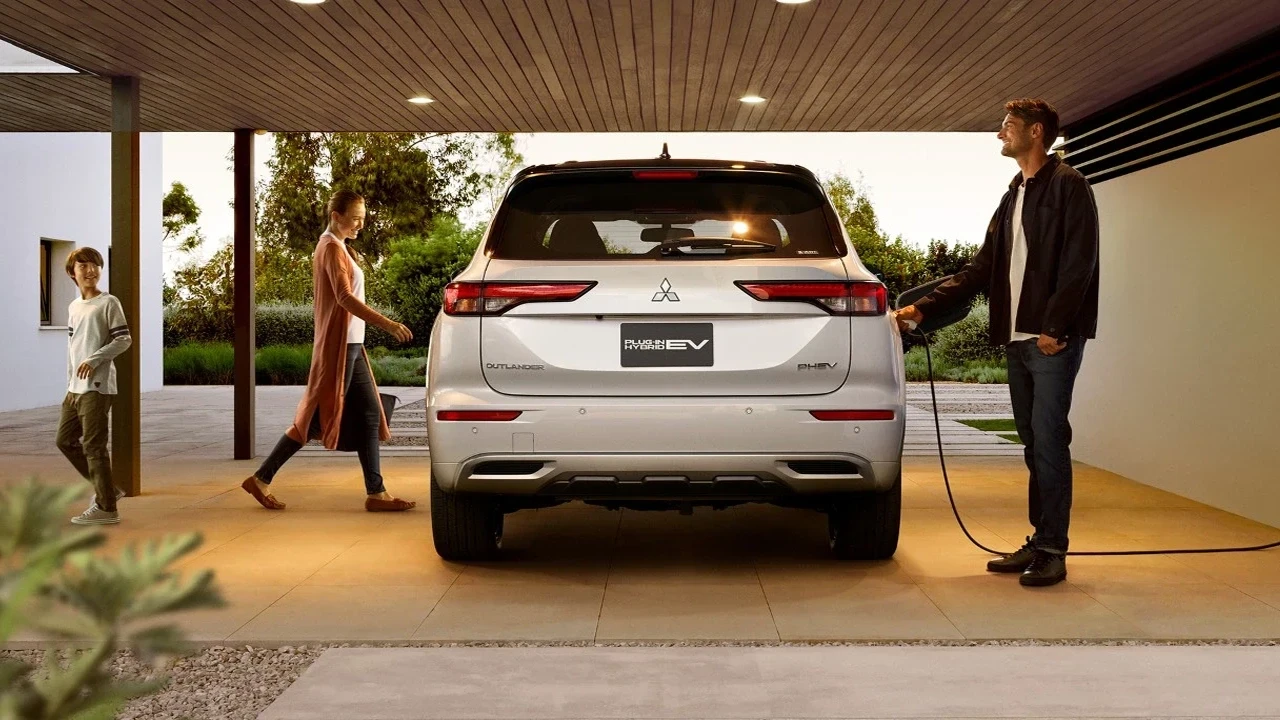
Should solar owners get a home battery (ESS) or wait for vehicle-to-home (V2H) technology to use electric vehicle battery power to be available in Australia?
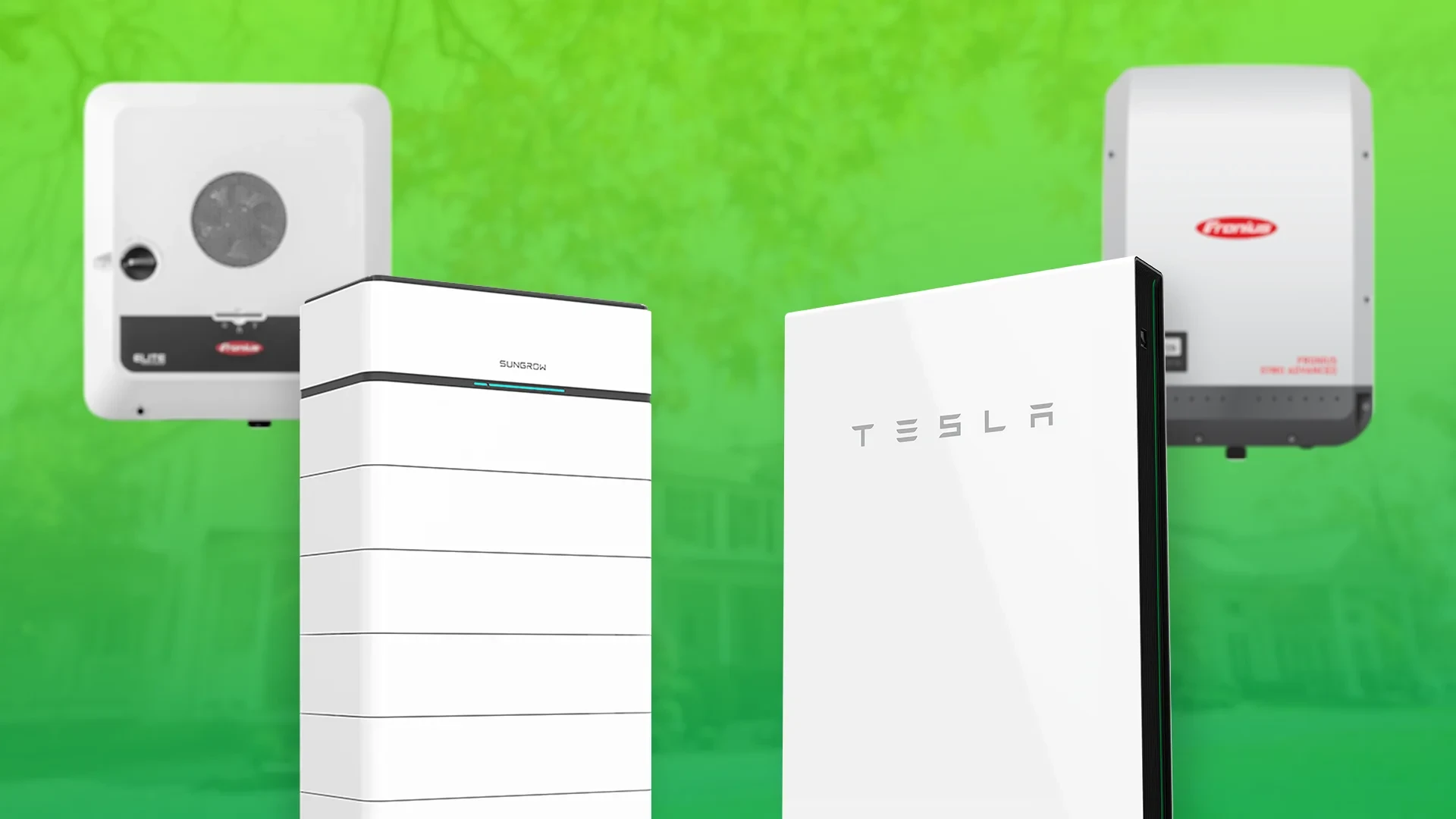
Explore the differences between AC and DC coupled solar battery storage and how it affects your solar system and inverters' configuration in Australia.

Explore if fleet or public electric vehicle charging is better for charging workplace and employee EVs for your business in Newcastle & the Hunter, NSW.
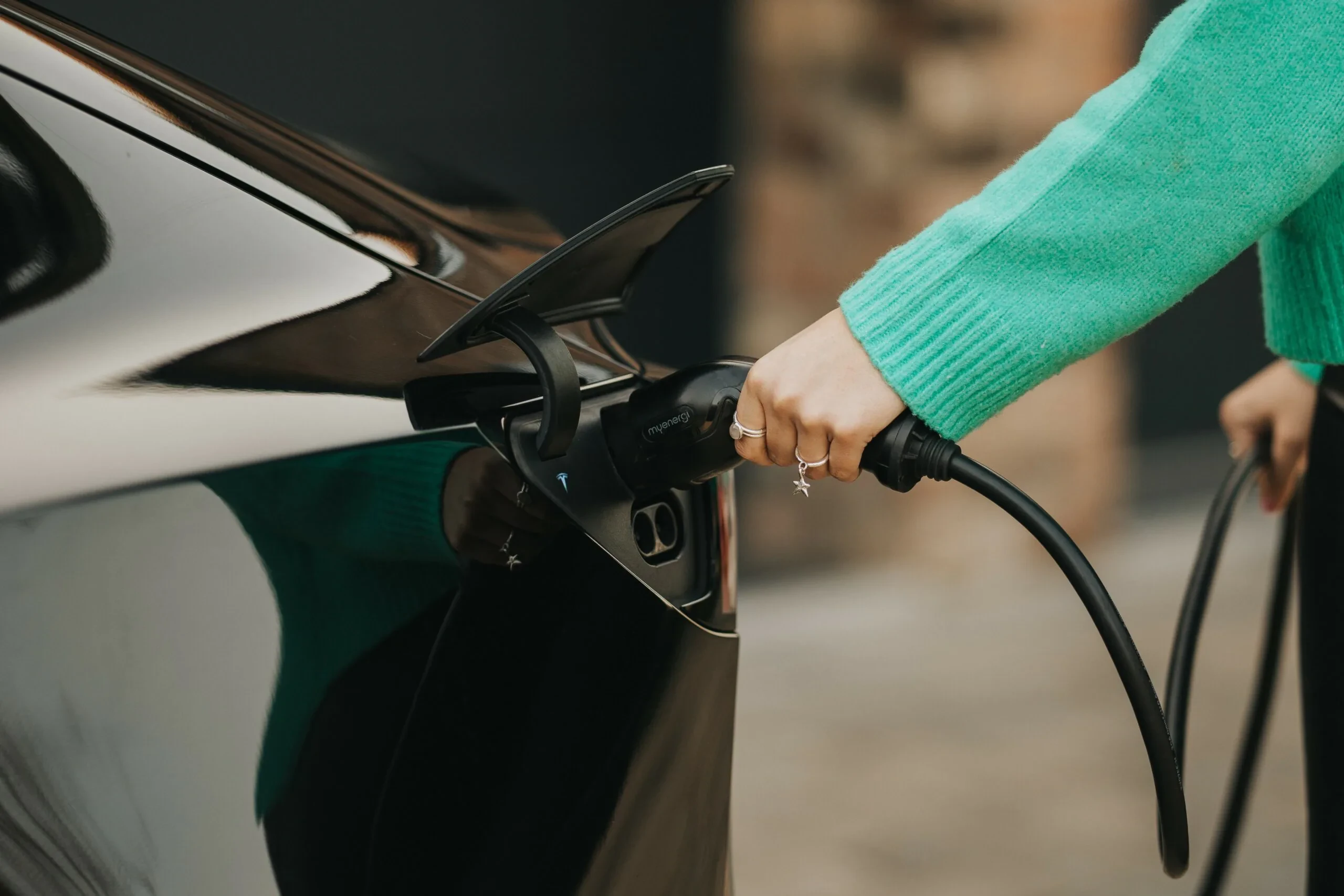
With homes, Australian standards, and energy networks being ready for bidirectional charging, why the wait? Let's explore grid, EV, & charger developments.
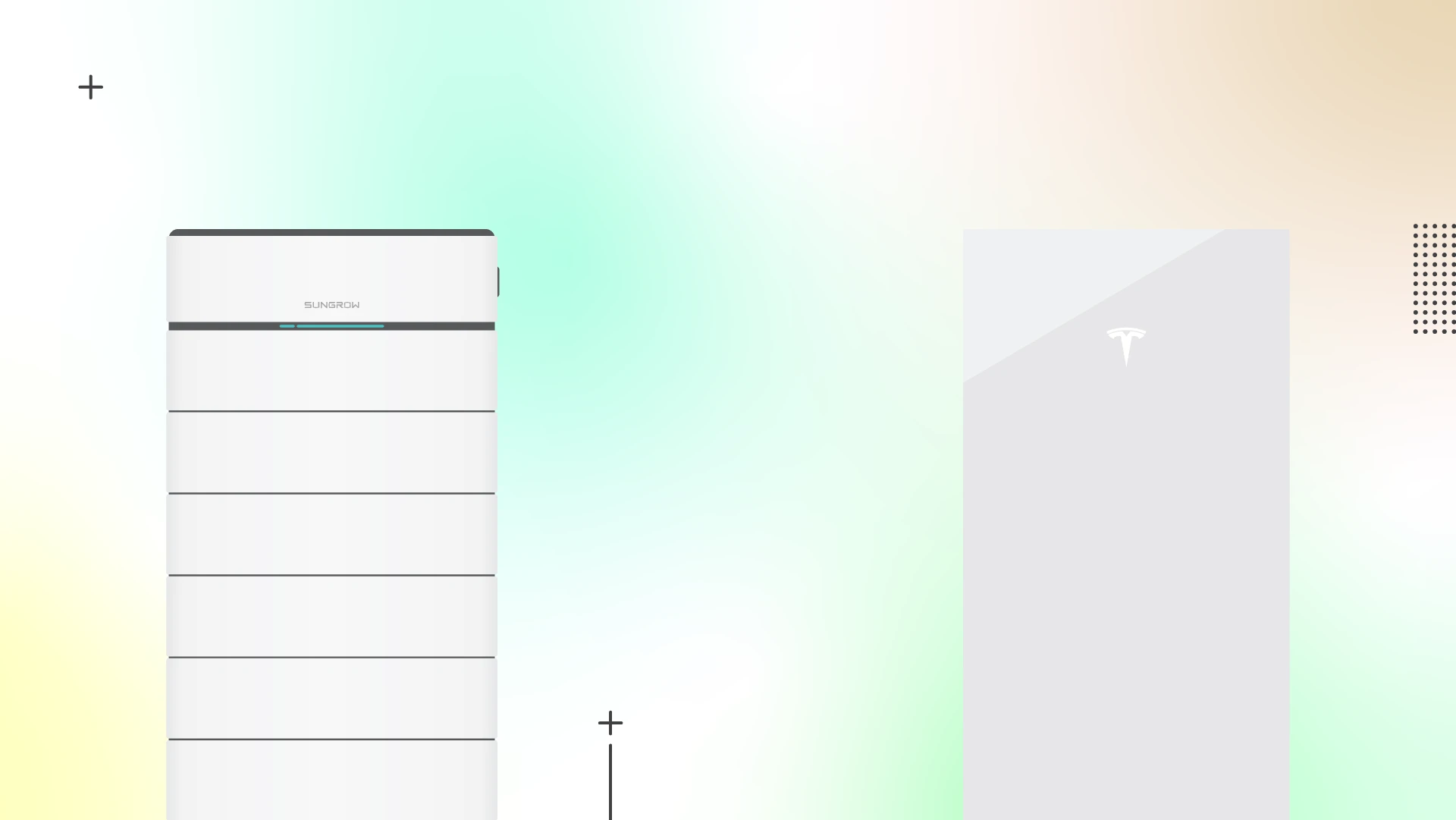
The differences between Tesla Powerwall 3 vs. Sungrow battery storage (SBH) capacity, warranty, and features, and which one is better in Australia.
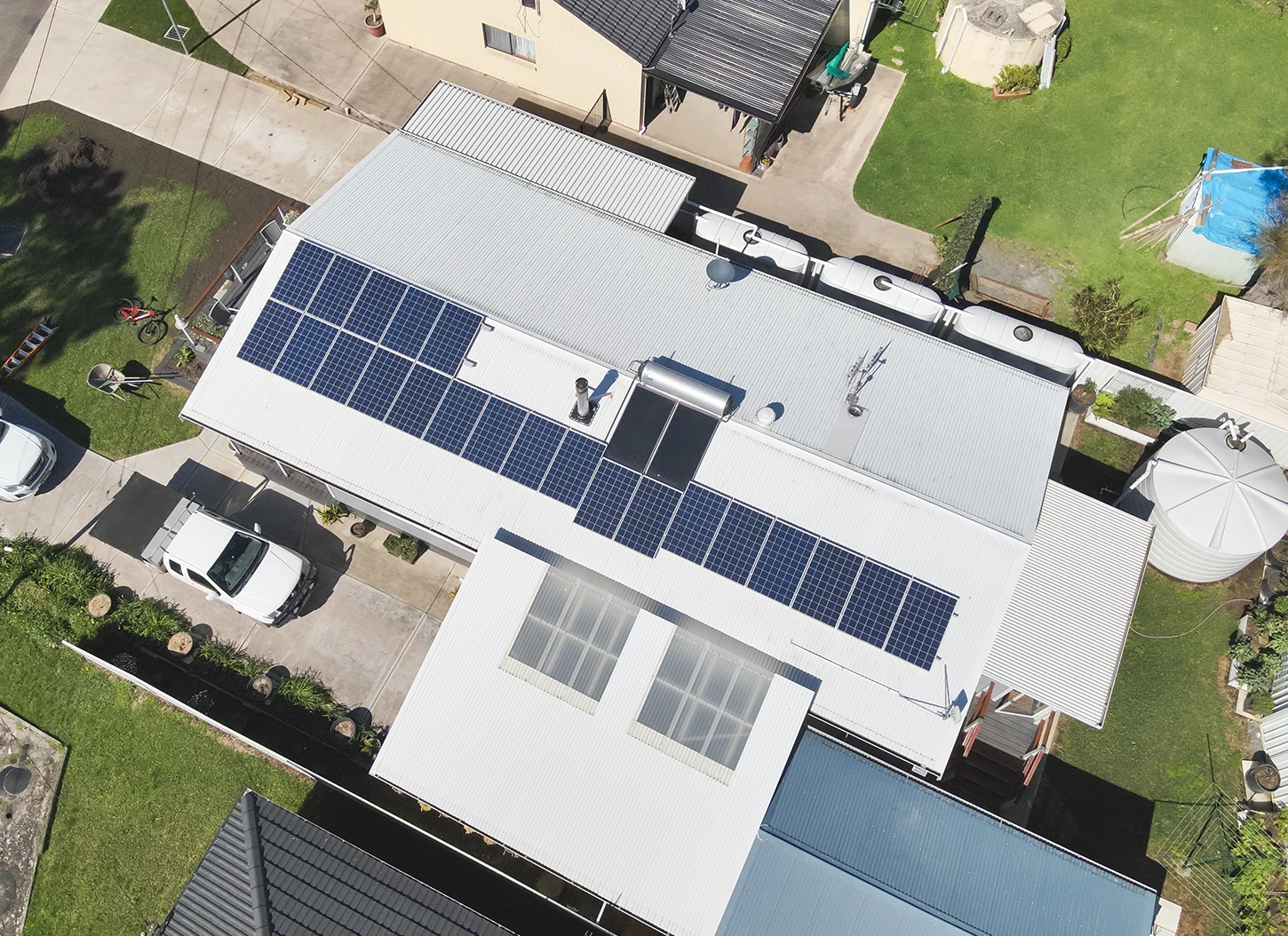
Comparing solar PV, solar hot water, & heat pump hot water systems for Australian homes. Which saves more, which costs less, and which is right for you.

Working closely with the Newcastle City Council, we helped the development of Gregson Park Playspace with electrical infrastructure, lighting, and facilities.
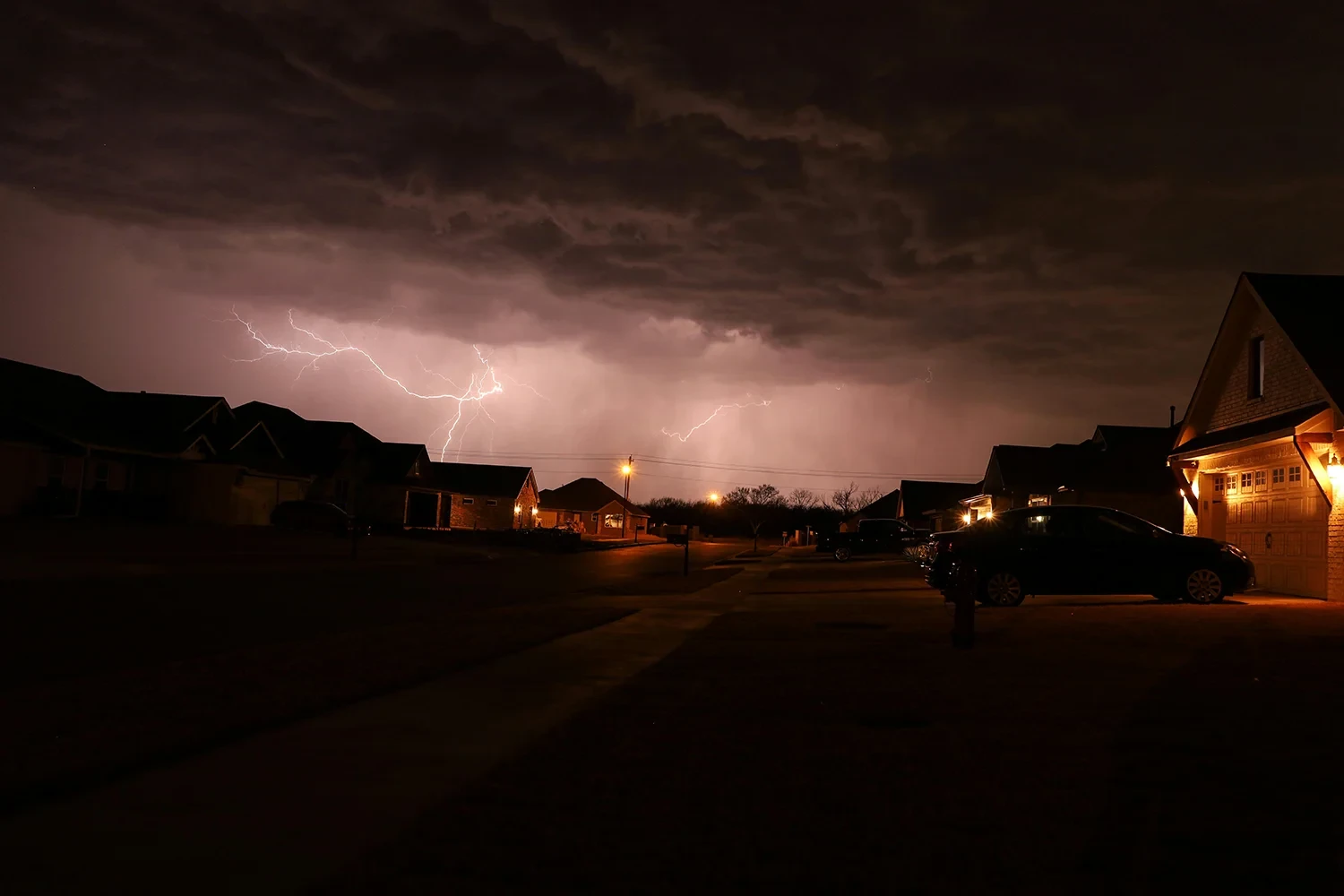
A very strong storm passed through the Hunter, leaving over 100,000 homes without power. Here's how you can protect your home's energy with independence.
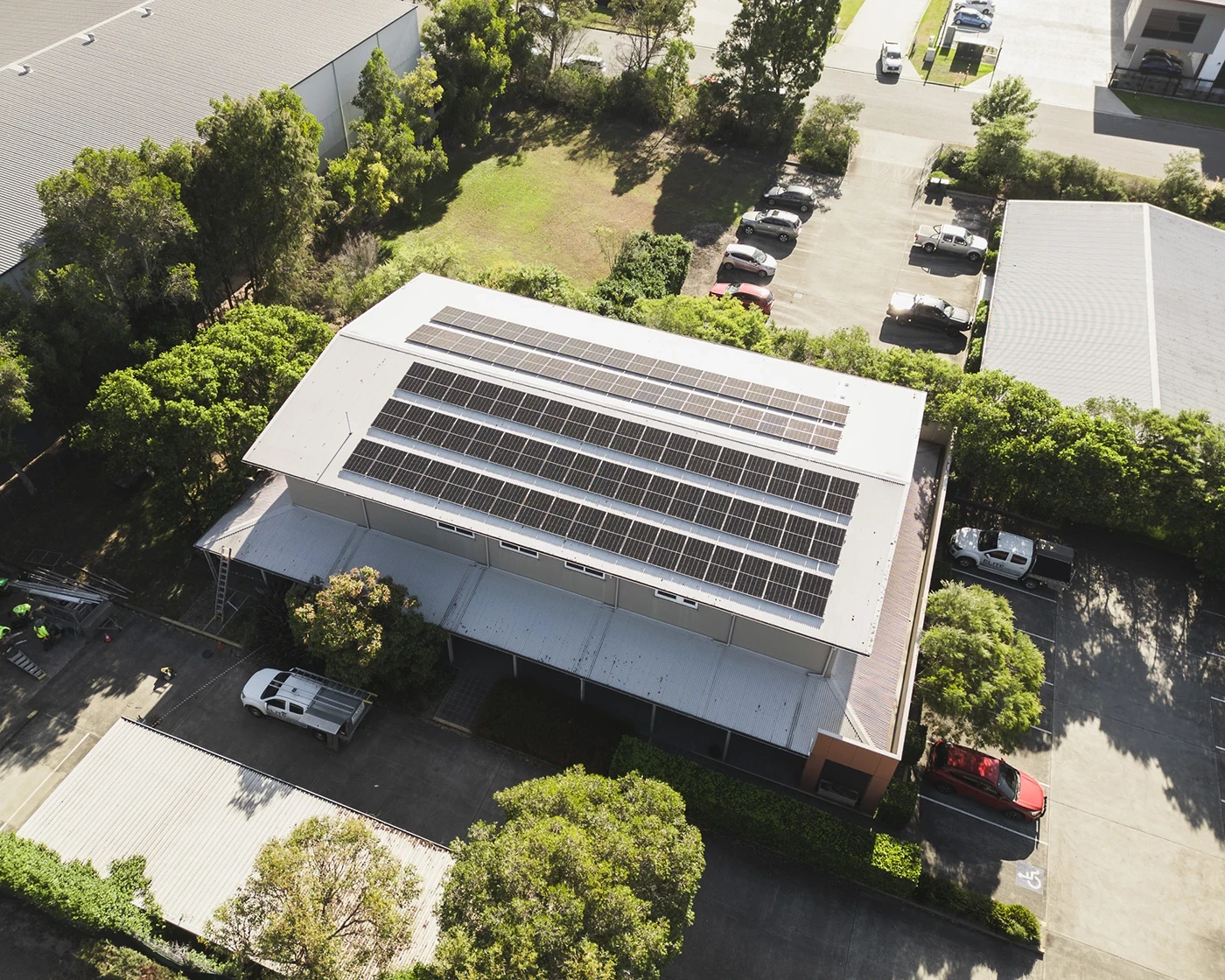
Completing a commercial solar and electric vehicle charger installation, our Thornton neighbours can take full advantage of renewable electricity and charging.
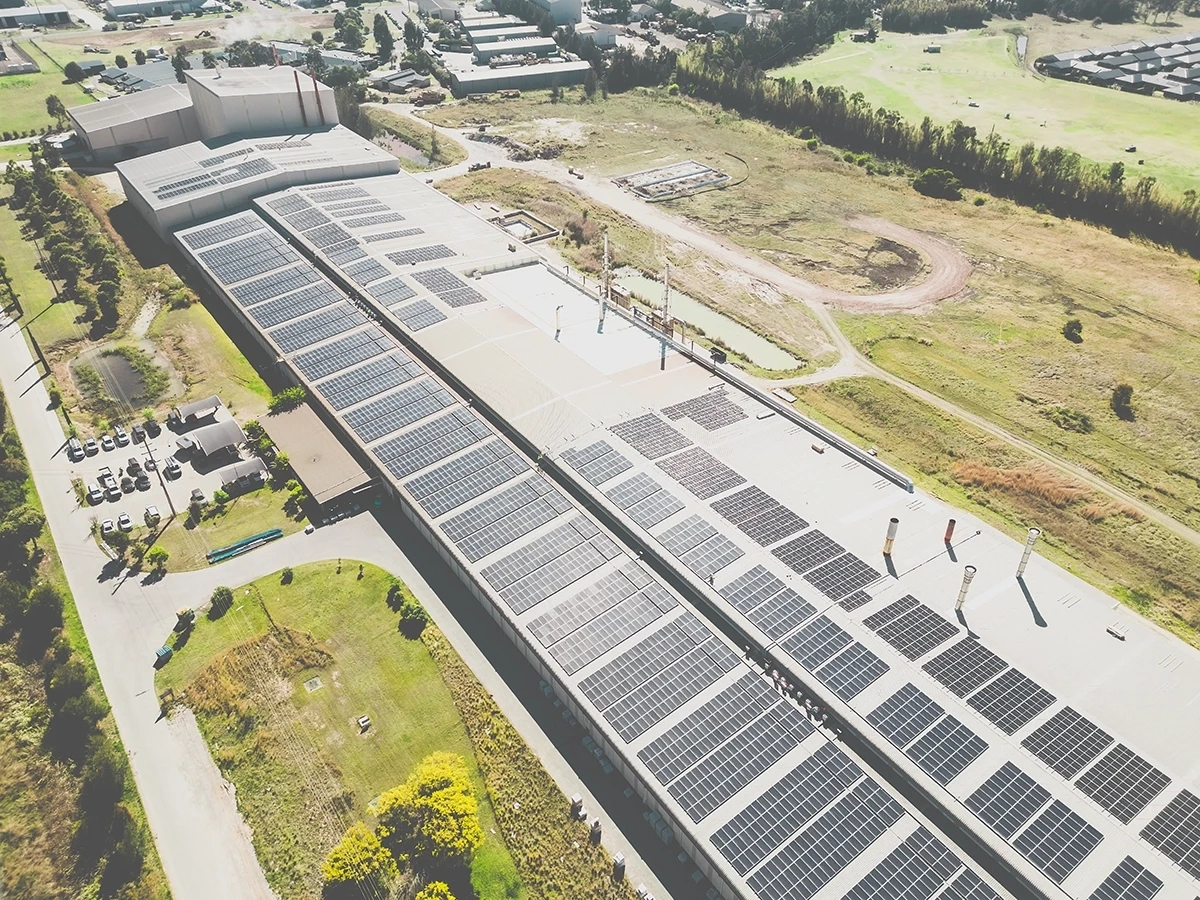
Elite Power Group installed a 2MW commercial solar installation for National Ceramic Industries Australia, totaling 4000 solar panels in Rutherford.
Renewable News Articles
Sign up for new article updates - we don't spam.
We've invested in becoming fully-licenced and qualified installers to ensure Newcastle homes and businesses
get the best solar, battery, and electrical systems available. We want to assist Newcastle's renewable energy revolution with quality
installations for maximum customer satisfaction.
Certified solar system installers near you.
Get CEC-Approved Battery Installations.
Fully-licenced electricians in Newcastle.
Convenient EV charging stations for properties.
Leave a Comment