Hunter Valley's Leading Residential & Commercial Solar Installers

Hunter Valley's Leading Residential & Commercial Solar Installers
Posted 22 Jul
Want the latest in energy, solar, and savings?Subscribe to our newsletter – we don’t spam!
With such a large portion of NSW homes with solar now, there is varying system sizes, ages, configuration, and usage which makes it hard to kno what the next steps are in investing in your energy. Here want to help solar owners determine if upgrading their solar, replacing it with a new solar system, or getting a battery is the best decision for them and their situation.
Quick answer: For most Australian homeowners with an existing solar system, adding a battery is the highest-return next step in 2026. If your system is producing well but you are exporting a lot for almost nothing, a battery captures that value. If your system is more than 10 years old and underperforming, a replacement often makes more sense before adding storage.
Australia installed millions of rooftop solar systems between 2010 and 2018. A significant portion of those systems are now 8 to 15 years old. At the same time, feed-in tariffs have collapsed from the 40-60c/kWh rates that made early solar so attractive, down to 3-5c/kWh for most households today. Energy bills have risen. EVs and heat pumps have increased household electricity consumption. And the Federal Battery Rebate has made storage more affordable than at any point previously.
The result is a large cohort of solar owners who know their system is not doing as much work as it could, but are not sure whether the right answer is more panels, a new system, or a battery.
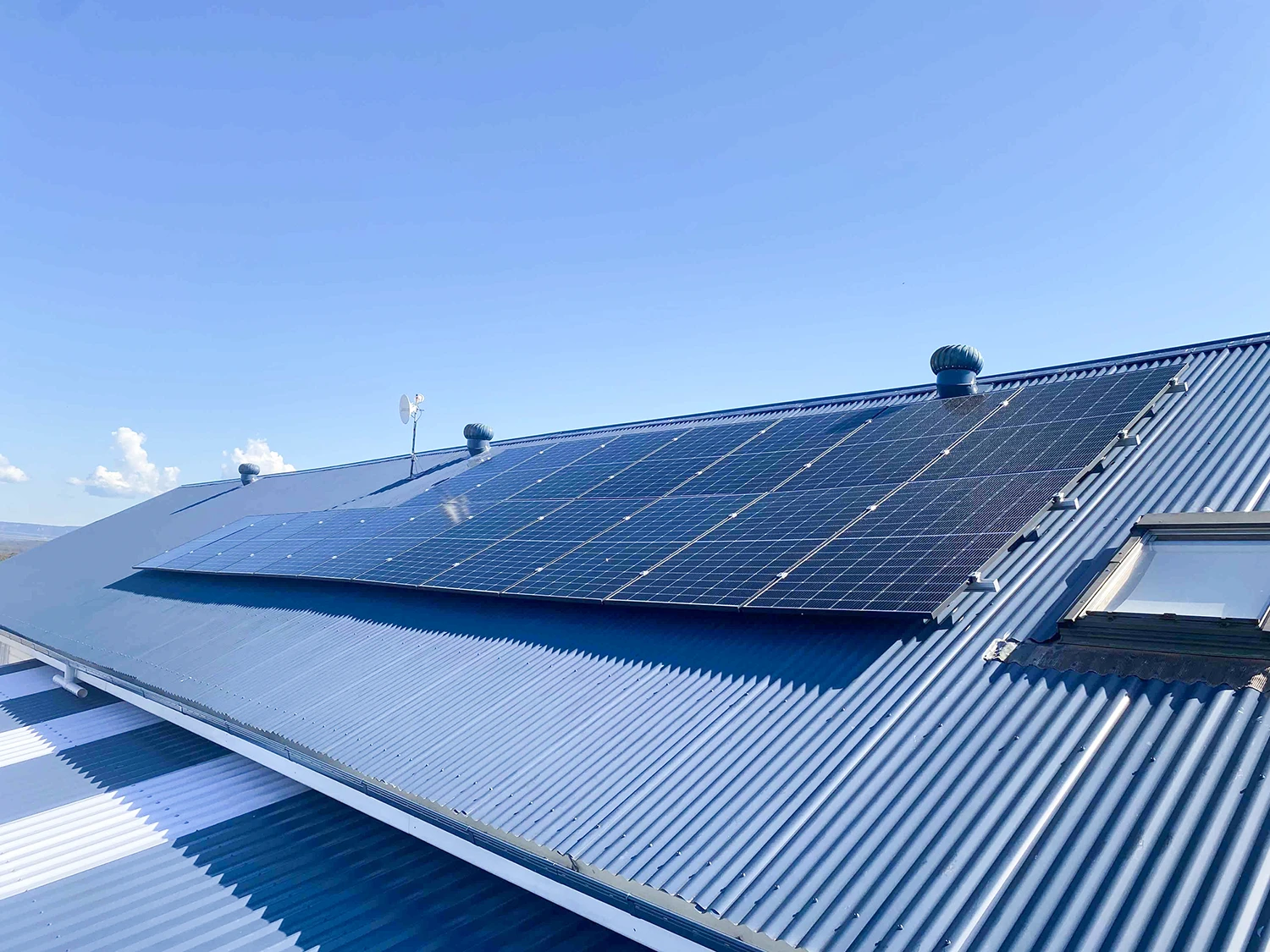
Before getting into the specifics, here is the short version of what your options actually are.
Adding a battery stores the surplus solar you are already generating but currently exporting to the grid for almost nothing. It does not increase generation - it increases how much of your existing generation you actually use.
Replacing your system starts from scratch with modern panels and a hybrid inverter. The right move when your existing system is ageing, underperforming, or incompatible with the storage and battery-ready features you want.
Expanding your solar adds more panels to increase how much electricity your system generates. The right move when your household usage has grown and your current system can no longer keep up.
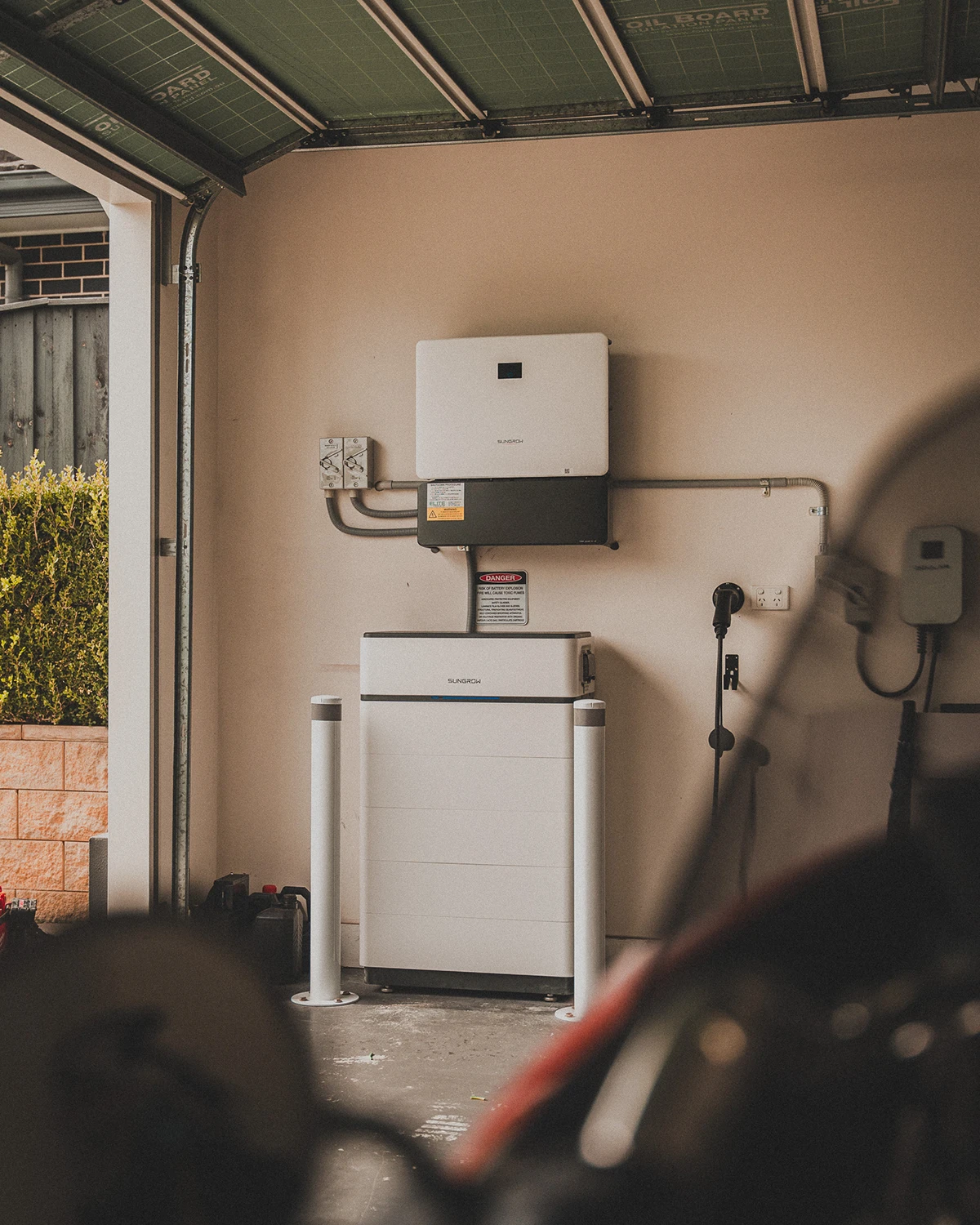
Adding a battery is the most common recommendation for existing solar owners in 2026, and for good reason. If your system is generating reasonable output but you are exporting a large portion of that generation to the grid at 3-5c/kWh while buying back grid electricity at 30-70c/kWh in the evenings, you are leaving money on the table every day.
A battery stores the surplus solar you are currently exporting and releases it during the evening peak, effectively converting what was almost worthless export into avoided peak-rate imports. For a household exporting 8-10kWh per day, this can represent $1,000-$1,800 per year in additional savings on top of what the solar system was already delivering.
The Federal Battery Rebate (Cheaper Home Batteries Program) is available to eligible NSW homeowners and provides approximately $330 per kWh of battery capacity installed as an upfront discount. On a 13-16kWh battery, that is around $3,000* off the installed price.
*Prices are estimated as of time of this article. Please contact us for an accurate quote.
If your household energy usage has grown substantially since your original solar installation, expanding the solar array may be a more effective step than adding storage. Common triggers include adding an EV, installing a heat pump hot water system, a growing family, or switching from gas cooking and heating to electric.
The question to ask is: does your system produce enough surplus to make a battery worthwhile, or is it already fully consumed by daytime usage with nothing left over? If the answer is the latter, adding a battery gives you nothing to store. More panels first, then battery.
Expanding solar is also worth considering if your original system was deliberately undersized due to budget constraints and your roof has space remaining. Modern panels produce significantly more per panel than those installed a decade ago, and an expansion using current-generation panels will outperform an equivalent expansion using matched older panels.
Important consideration: adding panels to an existing system depends on your current inverter's capacity. If your inverter is already at its input limit, additional panels may require either a second inverter or a full inverter upgrade. We assess this as part of any expansion quote.
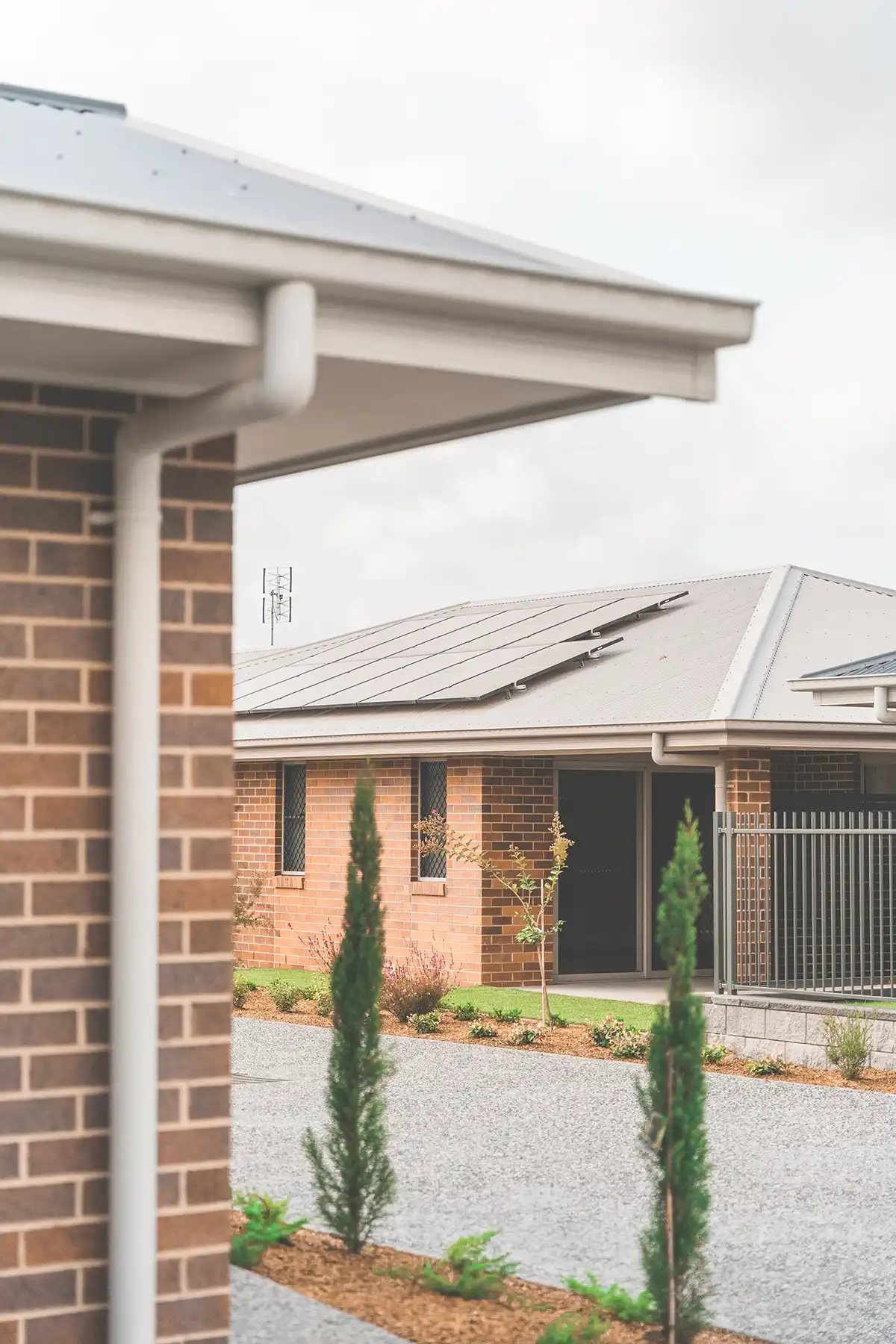
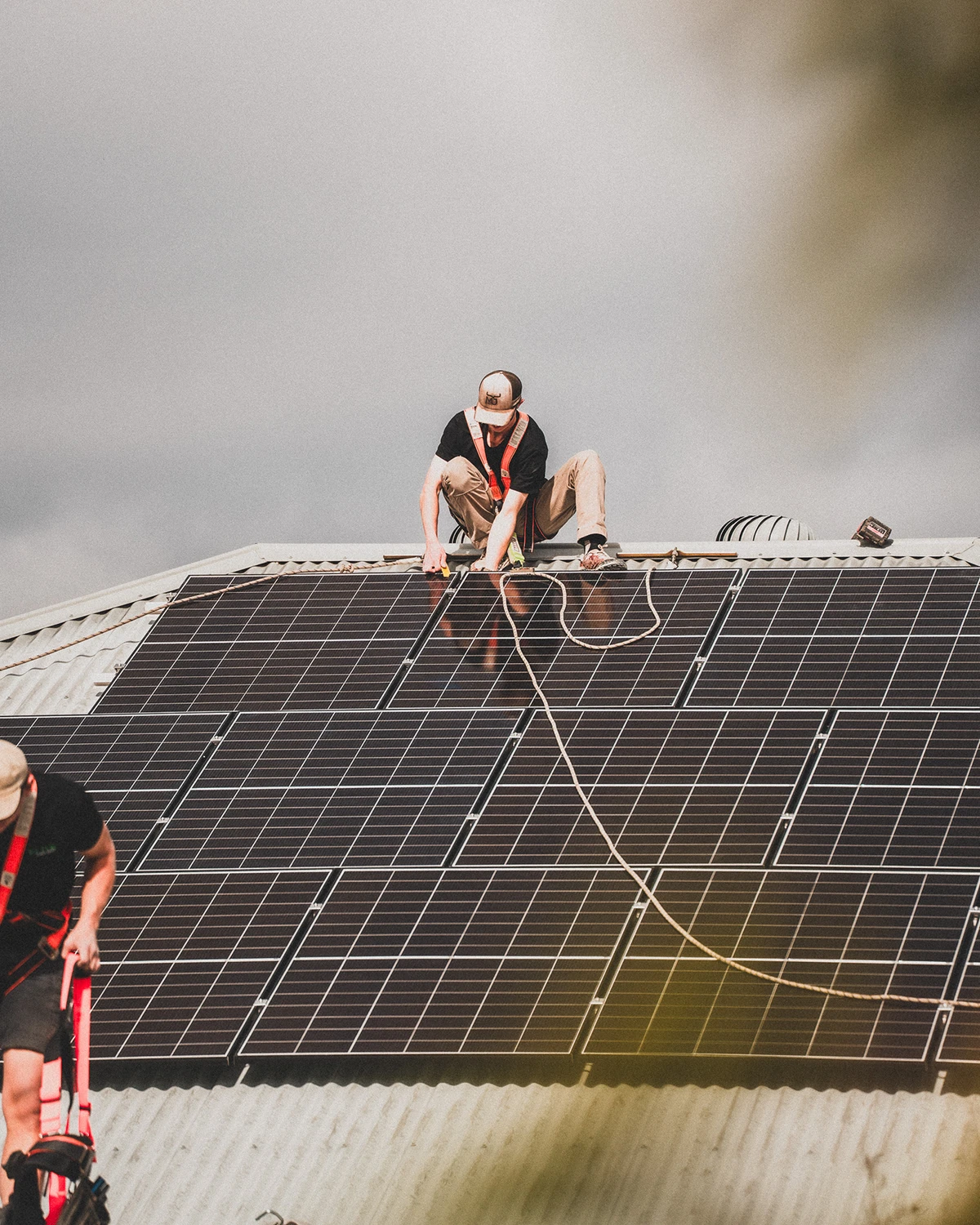
Replacing an existing solar system is a bigger decision but sometimes the right one, particularly for systems installed before 2014 that are running older-generation panels and string inverters that are increasingly inefficient by current standards.
Modern solar panels produce 440-470W per panel compared to the 200-250W panels common in installations from 2010-2014. A replacement system using the same roof area as your current installation will generate substantially more power than the original. Combined with modern hybrid inverter technology that enables direct battery integration, a full replacement can represent a genuinely better starting point than trying to extend the life of ageing hardware.
Signs that you should replace your solar system:
Solar panels themselves rarely need to be replaced before the end of their warranted life. Quality panels from reputable brands carry 25-30-year performance warranties and typically retain 80-85% of their rated output.
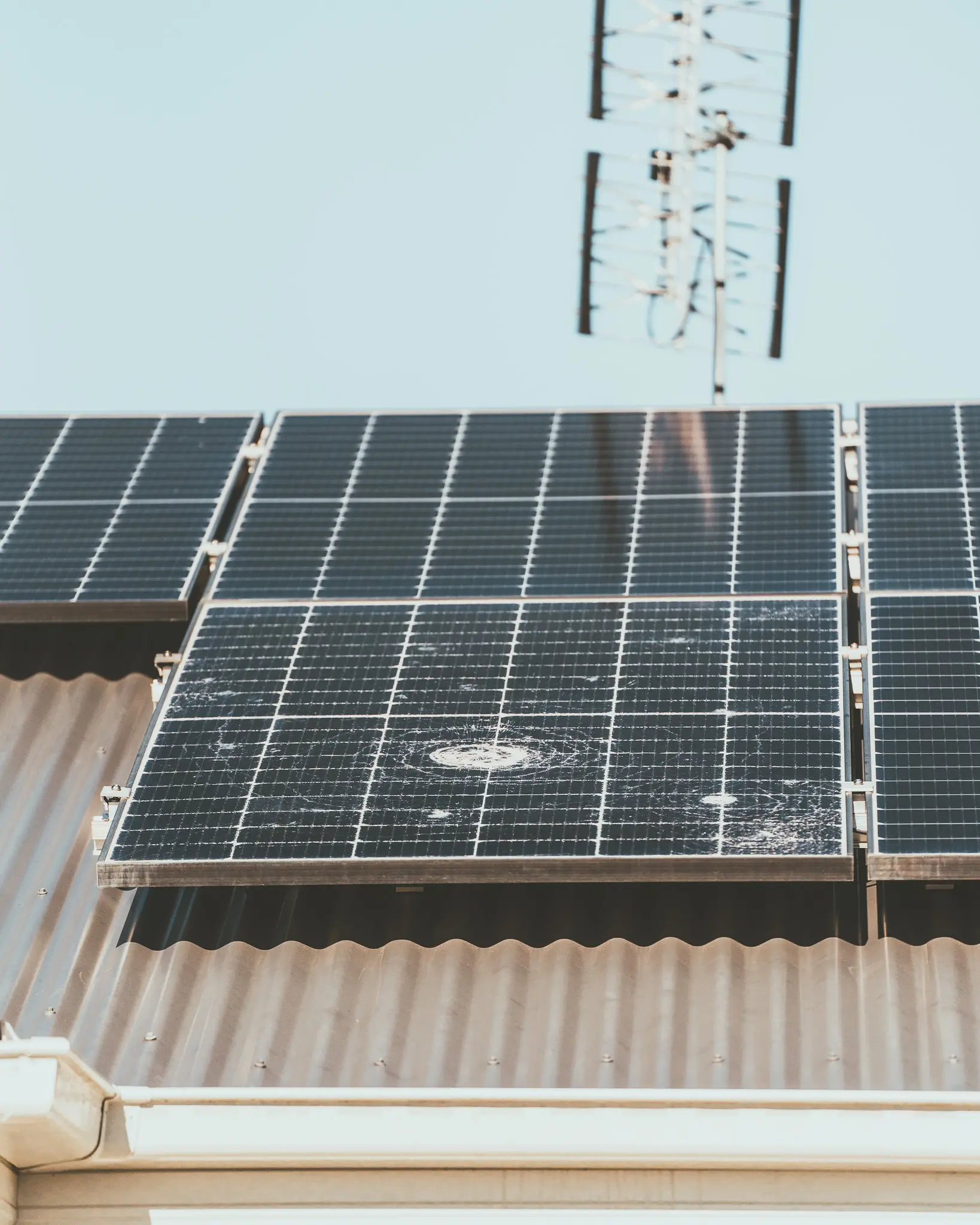
For panels that are physically damaged including fractured glass, delamination, or cell failure - replacement is straightforward if the panel brand is still operating and the model is still CEC-approved. This is where the age of the system matters.
Many brands that were selling panels in Australia between 2010 and 2016 are no longer in business, and their panels are no longer on the CEC-approved product list. A like-for-like replacement with the same panel is not possible, and sourcing an approved alternative that matches the electrical characteristics of the remaining panels requires careful specification.
The scenarios where replacing panels makes sense are:
If your panels are underperforming but undamaged, the cause is often the inverter rather than the panels themselves. An inverter fault or degraded MPPT (maximum power point tracking) performance can reduce system output significantly while the panels remain physically intact.
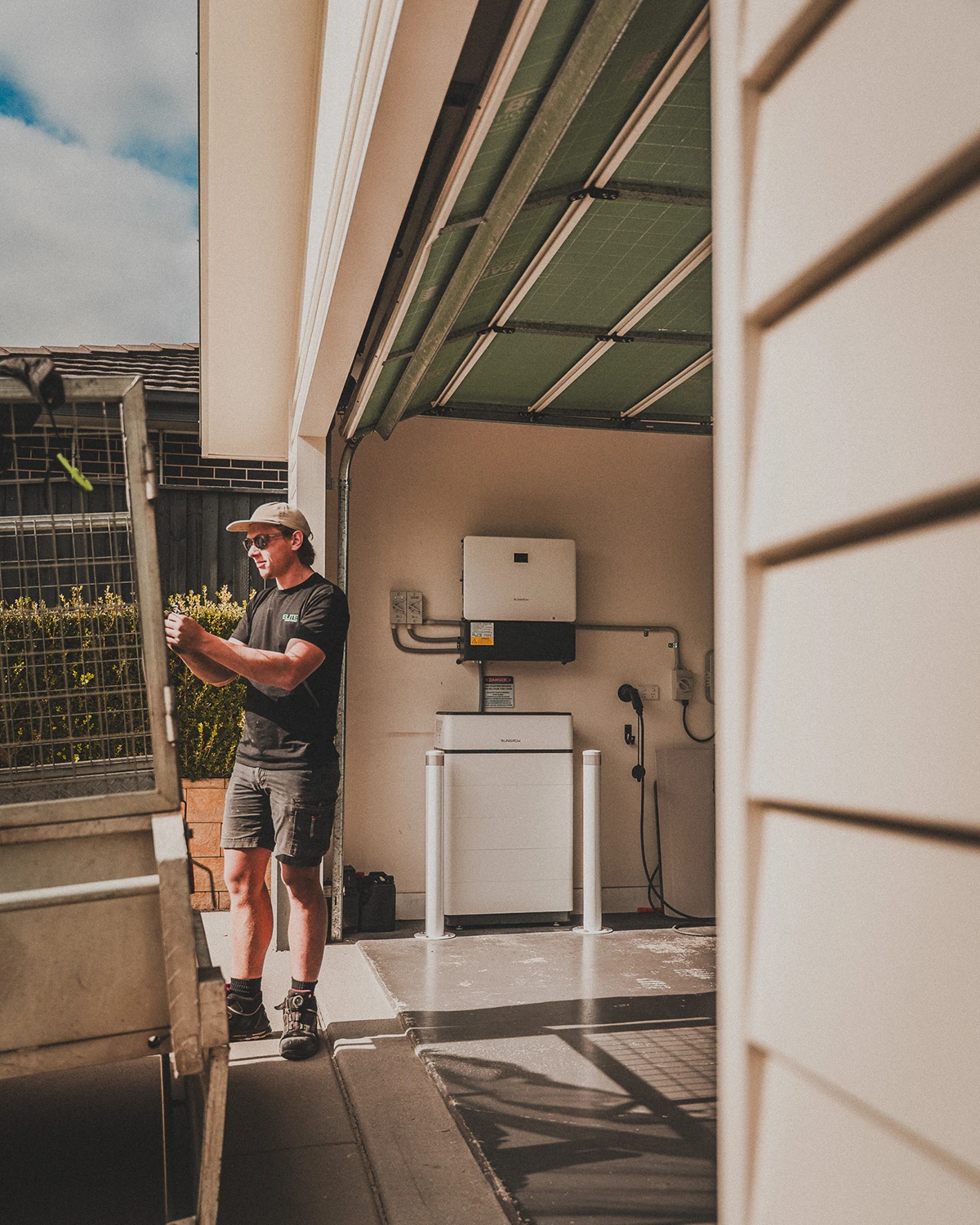
For households with good solar generation but high evening consumption and significant export: battery gives the better return. The economics of capturing otherwise-exported generation at 3-5c/kWh and using it instead of grid electricity at 30-70c/kWh are compelling, and the Federal Battery Rebate improves the payback considerably.
For households whose solar system is no longer meeting even their daytime consumption: more solar (or a new system) gives the better return, because there is nothing being exported and nothing for a battery to store.
For households in the middle - generating enough to cover daytime use with modest export: this is where the conversation gets more specific to the individual property, usage profile, and inverter configuration. A proper assessment is more useful than a general answer.
As a general principle: solar without battery gives you cheap daytime electricity. Battery without sufficient solar gives you a large, expensive device that charges from the grid. Solar and battery together is where the real bill reduction sits.
Three questions to answer before making a decision:
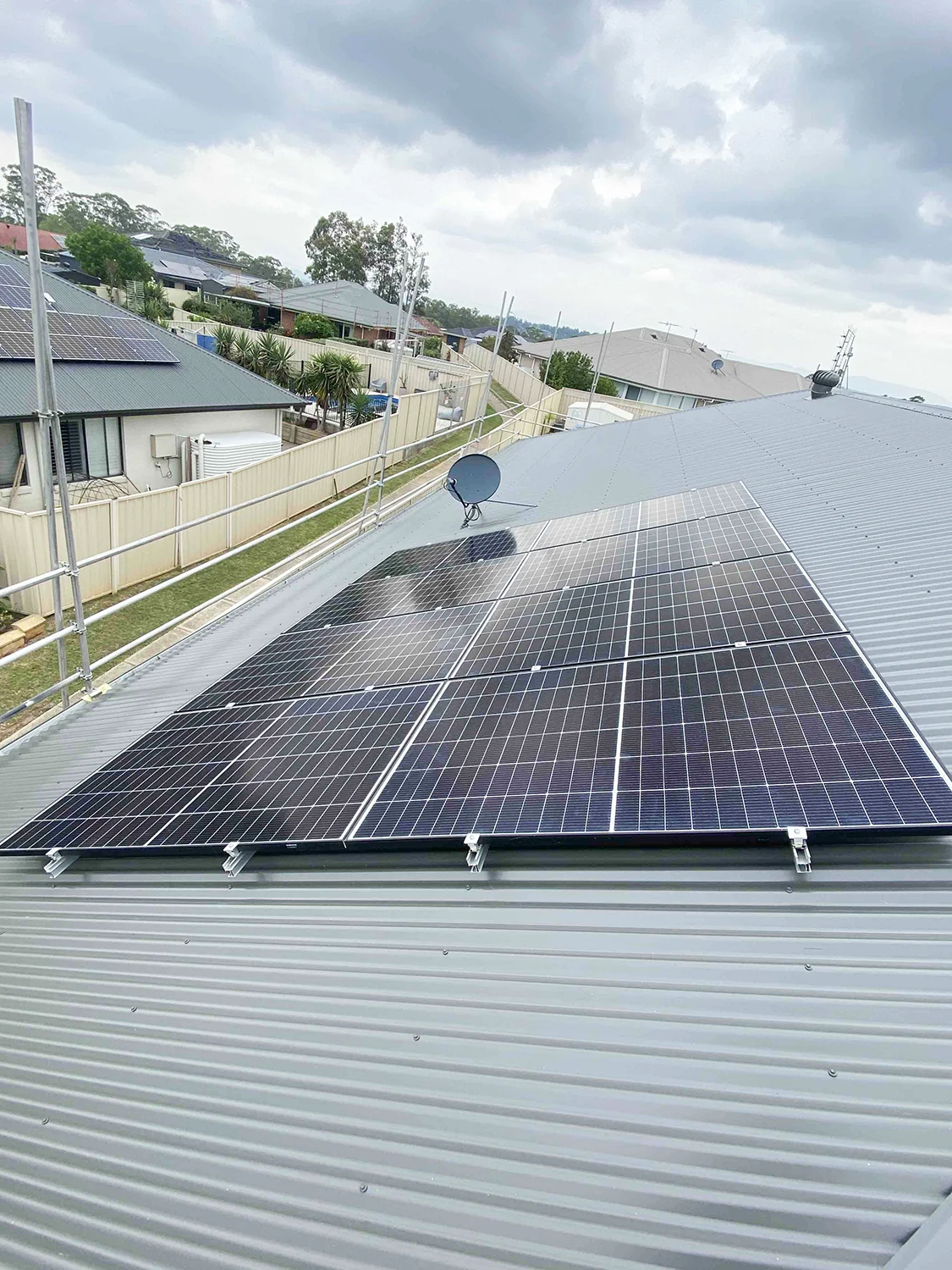
Overall, choosing between getting a battery and more solar will come down to your energy goals, budget, and system status. Other variables like your future plans will also shape how your system should look to maximise your energy.
Some households choose systems to opt for self-consumption, whilst others design theirs to be apart a virtual power plant (VPP) network, so it will depend on what you're trying to do.
In each case, there's always a way where you can maximise your energy and renewable consumption.
See exactly what solar system size you need, from panel dimensions to 3kW-13.3kW+ pricing, based on your household size and daily usage in NSW.
Read moreExplore the recently changed VPP NSW rebate, & how the Peak Demand Reduction Scheme (PDRS) calculates rewards for joining a Virtual Power Plant.
Read moreAlready have a Powerwall 2? You can now add a Powerwall 3 alongside it. Supported configurations, limitations and how the rebates stack in 2026.
Read moreWhy does your solar generate less in winter? Explore real output figures, summer vs. winter differences, and the best month to use solar in Australia.
Read moreAll NSW homeowners need to know about the solar installation process - from first quote to first bill. 9 steps, real timeframes, & what to ask your installer.
Read moreAlready have solar? Decide whether to add a battery, expand your panels or replace your system, and which delivers the best return in 2026.
Read moreSupply charges, feed-in tariffs, controlled load, peak rates - we explain every line on your NSW electricity bill and show you where you can save more.
Read moreCompare retailer Solar Sharer plans, check eligibility & opt in. Origin, Amber, AGL, EnergyAustralia & more. 3 hours free power daily from 11am–2pm.
Read moreLearn how home electricity works in Australia, including circuits, switches, circuit breakers, RCDs and what happens during power outages.
Read moreIs solar & battery worth investing in for Australian homes? Explore 2026 costs, payback periods, disadvantages, and how the Solar Sharer offer affects it.
Read moreLearn about the May 1st Federal battery rebate changes in Australia and what they mean for home battery costs, solar savings, and discounts.
Read moreCompare Tesla Powerwall 3, Sungrow SBR & SBH, GoodWe ESA, Fronius Reserva, and BYD Battery-Box to find the best home battery for Australia.
Read moreExplore how Australia’s Q4 2025 solar and battery data highlights a major milestone: majority renewable contribution to daytime electricity demand.
Read moreHow rooftop solar helped NSW avoid blackouts during the 2026 heatwave, reducing grid stress & supporting record electricity demand across Newcastle.
Read moreExplore Elite Power Group's solar and battery installation statistics for 2025, and how we performed over this year of operation in Newcastle and Maitland.
Read moreCompare how Peak shaving reduces demand spikes; load shifting moves consumption to cheaper hours; demand response is grid-triggered.
Read moreExplore the difference between solar inverter types like grid-tied, hybrid, microinverters, and off-grid inverters for solar and battery systems in Australia.
Read moreExplore Australia's first CEC-approved bidirectional and vehicle-to-grid capable electric vehicle, the V2Grid Numbat, a 6.2kW V2G/H charger now ready.
Read moreEnergy capacity (kWh) is how much a battery stores. Power output (kW) is how fast it delivers. Covers nominal vs useable, SoC, DoD and cycles.
Read moreExplore the differences between AC and DC electric vehicle charging in Australia and how it affects the way you charge your EV, and the pros & cons.
Read moreConsidering a cheap solar system? Learn how low-quality, unreliable inverters and panels can lead to costly repairs, full replacements, and safety issues.
Read moreLearn the difference between volts, amps and watts, and learn electricity with simple explanations, formulas, real-world examples, and an easy calculator.
Read moreBattery supply chains are tight across Australia, with shipping delays leaving many installers out of stock and customers waiting longer. What's happening?
Read moreLearn how to avoid solar scams in NSW. Spot red flags & dodgy installer tactics and find reputable companies with great warranty & quality installations.
Read moreExplore why the delays in vehicle-to-grid and bidirectional chargers are happening, and how V2G faces regulatory and legislative development in Australia.
Read moreOver 56,000 solar batteries were sold in Q2, 2025, thanks to the Australian battery subsidy. Explore solar & battery uptake, growth trends, and what's next.
Read moreDiscover how to choose the right solar battery size for your home. Compare 10kWh, 15kWh, and 20kWh options to maximise savings, and solar in NSW.
Read moreVirtual Power Plants explained for Australian homeowners. What a VPP is, how it works, NSW program comparison and whether joining one is worth it.
Read moreExplore what solar hotspots are, how they can affect your panel performance & efficiency, & how bypass diodes can affect your cells & strings in Australia.
Read moreDiscover the best home EV chargers in Australia. Compare popular electric vehicle home charging stations, costs, and installations for Newcastle NSW.
Read moreLearn if your roof is suitable for solar panels and how roof materials like terracotta or tin, orientation, tilt, & shading can affect energy production and install.
Read morePower vs Energy in Australia: Difference Between Watts and Watt-Hours, kW vs kWh, with Diagrams, Calculations, and Home Appliance Examples.
Read moreExplore upcoming & available bidirectional V2G-capable chargers in Australia from V2Grid, RedEarth, Sigenergy, Enphase, Tesla, and Fronius EV charging.
Read moreCompare the difference between Sungrow's SBH and SBR battery storage vs. BYD Battery-Box and find what battery is better for homes or businesses in NSW.
Read moreThe NSW Government have announced that the NSW Battery Rebate (PDRS) will be suspended on June 30th, 2025, and will no longer be available.
Read moreAvoid the 9.7% NSW electricity bill increase with expert tips on reducing energy costs, optimising solar usage, and finding better energy plans in 2025.
Read moreExplore how you can use your EV battery via vehicle-to-load (V2L) as a backup energy source during blackouts to power your home appliances in Australia.
Read moreExplore Australia's Federal Government solar battery rebate subsidy like eligibility, approved batteries, requirements, and more about the upcoming incentive.
Read morePartnering with Elite Power Group, Maitland City Council have invested in more electric vehicle chargers in the Maitland area, supporting the uptake of EVs.
Read moreCompare home insurance policies and find out if solar and battery is covered and how installations affect costs, value, and included coverage in Australia.
Read moreShould solar owners get a home battery (ESS) or wait for vehicle-to-home (V2H) technology to use electric vehicle battery power to be available in Australia?
Read moreExplore the differences between AC and DC coupled solar battery storage and how it affects your solar system and inverters' configuration in Australia.
Read moreExplore if fleet or public electric vehicle charging is better for charging workplace and employee EVs for your business in Newcastle & the Hunter, NSW.
Read moreWith homes, Australian standards, and energy networks being ready for bidirectional charging, why the wait? Let's explore grid, EV, & charger developments.
Read moreThe differences between Tesla Powerwall 3 vs. Sungrow battery storage (SBH) capacity, warranty, and features, and which one is better in Australia.
Read moreComparing solar PV, solar hot water, & heat pump hot water systems for Australian homes. Which saves more, which costs less, and which is right for you.
Read moreWorking closely with the Newcastle City Council, we helped the development of Gregson Park Playspace with electrical infrastructure, lighting, and facilities.
Read moreA very strong storm passed through the Hunter, leaving over 100,000 homes without power. Here's how you can protect your home's energy with independence.
Read moreCompleting a commercial solar and electric vehicle charger installation, our Thornton neighbours can take full advantage of renewable electricity and charging.
Read moreElite Power Group installed a 2MW commercial solar installation for National Ceramic Industries Australia, totaling 4000 solar panels in Rutherford.
Read moreRenewable News Articles
Sign up for new article updates - we don't spam.
We've invested in becoming fully-licensed and qualified installers to ensure Newcastle homes and businesses
get the best solar, battery, and electrical systems available. We want to assist Newcastle's renewable energy revolution with quality
installations for maximum customer satisfaction.
Certified solar system installers near you.
Get CEC-Approved Battery Installations.
Fully-licensed electricians in Newcastle.
Convenient EV charging stations for properties.
Leave a Comment