Newcastle's Leading Residential & Commercial Solar Installers

Newcastle's Leading Residential & Commercial Solar Installers
Posted 11 Mar
Want the latest in energy, solar, and savings?Subscribe to our newsletter – we don’t spam!
With the rapid uptake of solar in recent years, 2026 seems to be another great year for those looking into solar to finally get it. Combining advancements in solar technology, price reductions, and ever-growing benefits for households, more homes and businesses are considering investing in solar power - but is solar still worth it?
Quick answer: Yes. For most Australian homeowners, solar is still one of the best investments available in 2026. A standard 6.6kW system costs between $4,000 and $8,000 installed after federal rebates. For a typical NSW household, that pays back in 3 to 5 years and then generates effectively free electricity for another 20 years. The reasons solar is worth it have shifted from a few years ago - feed-in tariffs are low, but the Solar Sharer Offer and rising grid prices have changed the economics in solar's favour again.
The honest answer: it depends on your roof, your usage, and your electricity bill. This page gives you the real numbers so you can make that call yourself.
A standard 6.6kW solar system - the most common size for Australian homes, costs between $9,000 and $11,000 installed before rebates, and $6,000 to $8,000 after the federal Small-scale Technology Certificate (STC) rebate is applied at point of sale. The rebate is applied automatically by your installer, so you pay the after-rebate price upfront.
These figures reflect standard residential installations in the Newcastle and Hunter region. Prices vary depending on roof complexity, panel and inverter brand, and site-specific requirements.
If you are adding battery storage at the same time, a 20kWh battery (Sungrow SBH200) adds approximately $12,600 after the Federal Battery Rebate. The Battery Rebate currently provides around $320-$370 per kWh installed, making the combined solar-plus-battery investment more accessible than it has been at any point previously.
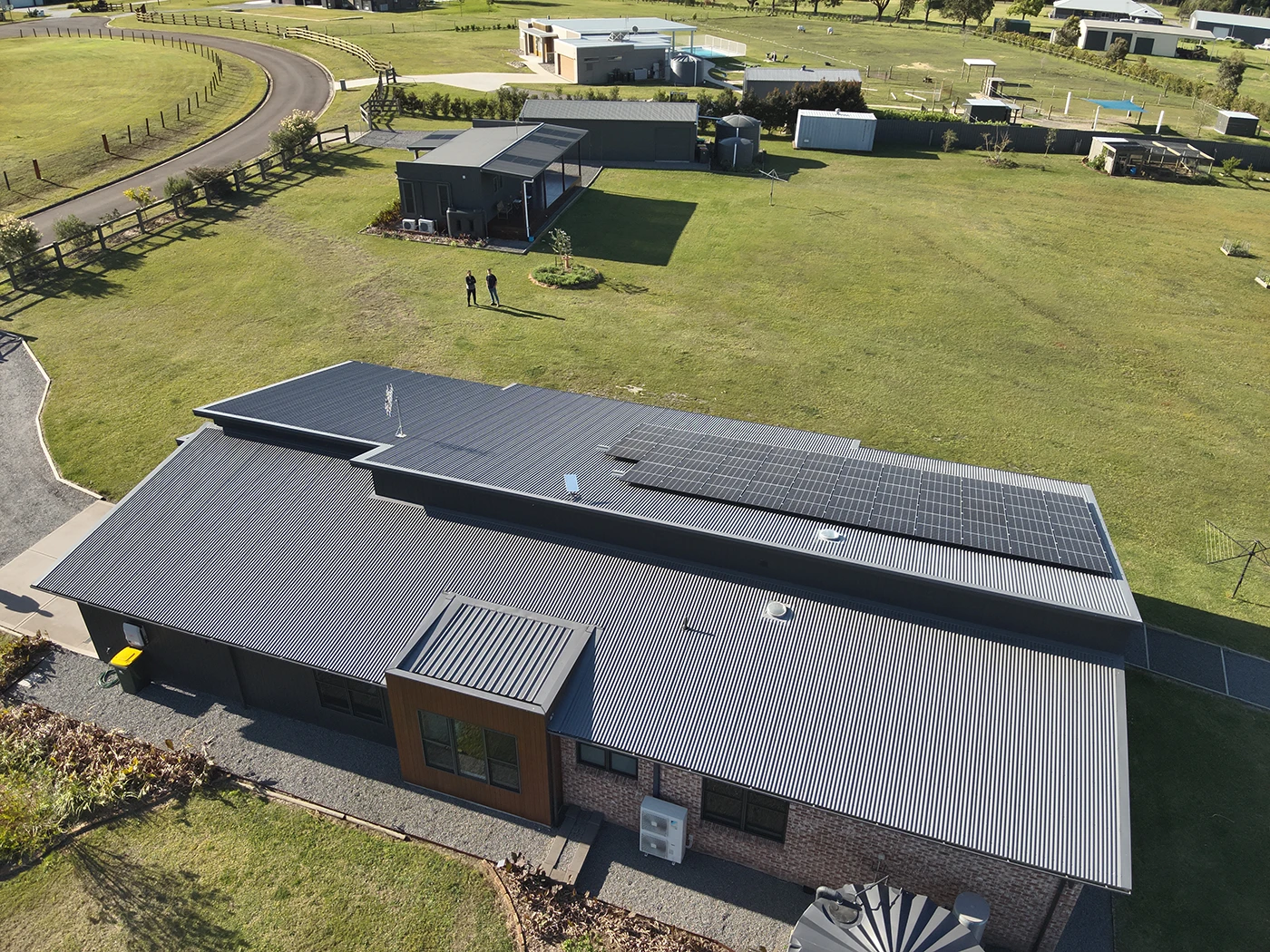
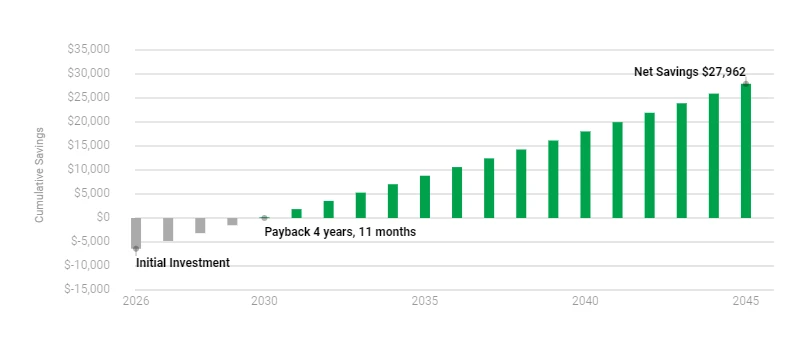
For a typical NSW household on a time-of-use tariff, payback on a 6.6kW solar system runs between 3 and 5 years. Here is what drives that:
|
Annual savings for a typical 6.6kW system in NSW: $1,200-$2,000 per year depending on how much of the generation you self-consume during the day. |
Self-consumption value: every kWh you generate and use yourself saves you what you would have paid for grid electricity - currently 30-70c/kWh depending on the time of day and your tariff. |
Feed-in tariff: any surplus you export earns you 3-8c/kWh from most NSW retailers. This is significantly lower than it was in the early years of solar, which is why self-consumption matters more than export now. |
As an example, at approx. $1,900/year average savings and a $8,000 installed cost, payback is around 4 year & 11 months. After
that, the electricity is effectively free.
Payback improves significantly if you can shift more consumption into solar hours - running the dishwasher, washing machine, and pool pump during the day rather than evenings. Even more so if you are on the Solar Sharer plan (see below).
The Solar Sharer Offer launched on 1 July 2026 and is directly relevant to whether solar is worth it in 2026 - both for households with solar and without it. Under the Solar Sharer Offer, eligible households in NSW, SA and QLD can access three hours of completely free electricity every day.
The question this raises is obvious: if you can get free electricity for three hours a day anyway, is solar still worth investing in? The answer is yes, and here is why.
The Solar Sharer Offer gives you free electricity for 3 hours. Solar generates free electricity for 6-10 hours a day, depending on season and conditions. Outside the Solar Sharer window, you are back on grid rates, whereas solar can cover those hours too - particularly with a battery.
Feed-in tariffs during the Solar Sharer window drop to zero on SSO plans, which makes self-consuming your solar generation even more valuable. A battery stores what you generate and releases it in the evening peak, capturing the full value of your solar output rather than exporting it for nothing.
For households already on solar, the Solar Sharer Offer is mostly irrelevant - your panels are already generating during that midday window, and the free hours don't change your bill meaningfully. For households considering solar for the first time, the SSO is useful context: it confirms the midday solar window has value, and a solar system extends that window far beyond 11am-2pm.
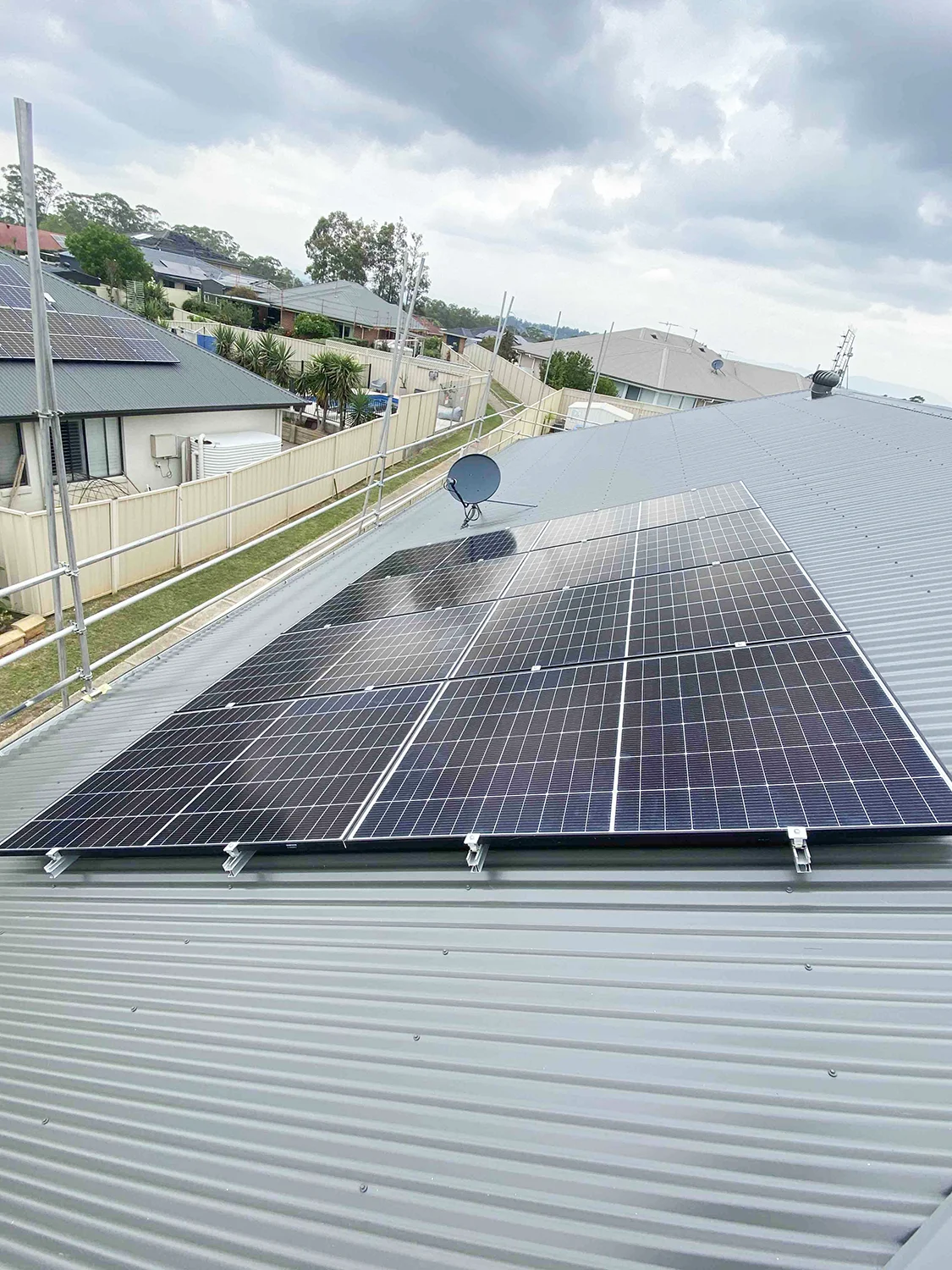
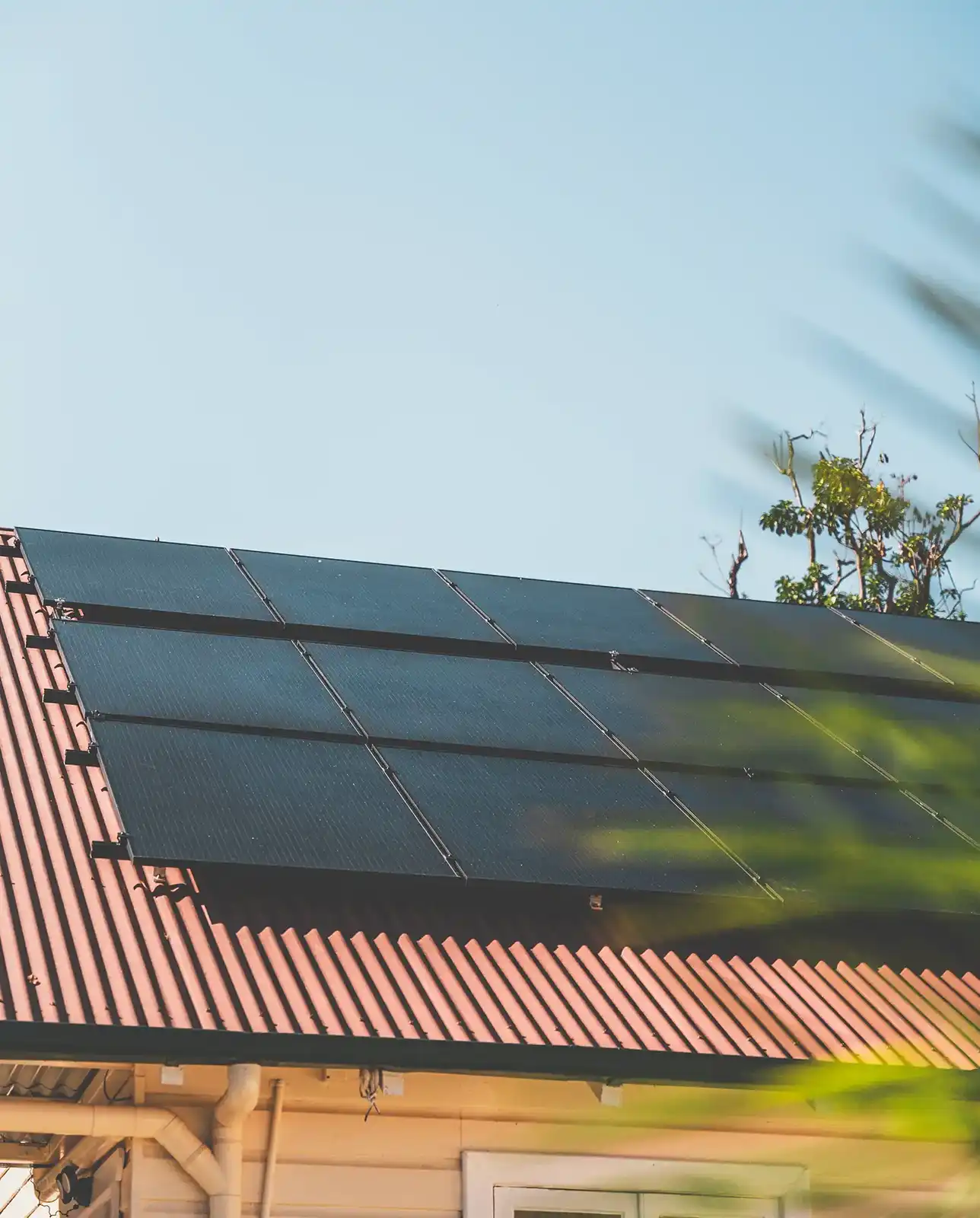
It used to be that you'd get a solar system so you can earn money when you export your solar energy to the grid - however, this has changed as more Australians flood the grid with excess solar energy.
This begs the question - with low feed-in tariffs, is solar still worth it? The short answer is yes, and it can actually work better than they used to for homeowners who understand how to use their system.
Back when solar was new, households could earn up to 40-60c/kWh of generous feed-in tariff rewards making it a great reason to invest in a solar system. Today, most NSW homes only get around 3-8c/kWh for their exports, and solar generation economics have shifted more to self-consumption where you use it instead of selling it.
During shoulder hours when the sun is shining, consuming your own energy instead of using grid energy, saves you from paying around 30c for every kWh used. That's around 5-6x more valuable than exporting it.
To take full advantage of your solar generation, households need to move their consumption to during sunlight hours. Otherwise known as Load Shifting, moving your appliance usage to use solar increases your self-consumption.
Being honest about the cases where solar may not make financial sense:
Your electricity bill is very low. If you are already spending under $300 per quarter, the payback period on a solar system extends considerably. Solar makes the most financial sense for households spending $500+ per quarter on electricity.
Your roof faces the wrong direction. Solar panels facing north-west or north produce 15-20% more than those facing east or west, and panels on a south-facing roof in NSW can produce 30-40% less than ideal. A shaded roof with significant tree or building coverage compounds the problem.
You are renting and plan to move frequently. While solar adds value to a property, if you are a tenant with no ownership stake in the outcome, the economics don't apply to you directly.
You cannot afford the upfront cost and interest rates are high. Zero-interest loan programs through the NSW Government and some retailers can bridge this, but if your budget is tight and financing costs are significant, the payback period shifts.
In 2025, there was a major boom in solar battery storage adoption with the announcement of the Federal battery subsidy. This incentive was designed to make energy storage more affordable for more Australians, but is battery storage still worth it?
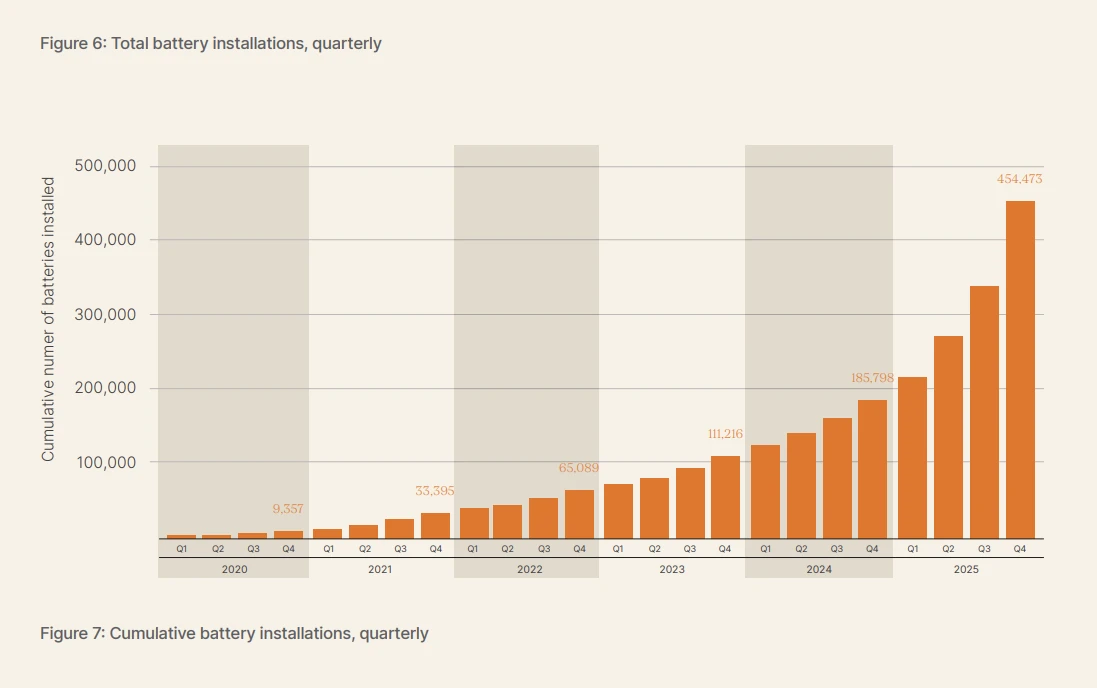
Courtesy of the Clean Energy Council's Rooftop Solar and Storage Biannual Report - July-December 2025
With a battery rebate currently available, it helps more Aussies jump into the pool of energy security. For Australian homes and businesses looking to find further energy independence, battery storage has become an extremely popular option due to its immediate and long-term benefits.
Yes, solar battery storage is definitely worth it if you generate excess solar energy and use most of your energy in the evenings when the sun is down. Energy storage stores the excess solar energy and offsets your usage, helping you avoid those expensive grid electricity prices during peak periods.
So overall, is Solar worth getting in 2026? The short answer is yes, solar is definitely worth it in 2026.
However, we understand that the initial investment may be unrealistic or hard to achieve for some property owners. Now is a great time to consider investing as both solar and battery incentives will drop over time.
In 2026, we have seen a massive boom in energy investments from solar, to battery, to electric vehicles which is great to see. With these investments, households and businesses are becoming more energy independent, producing, storing, and consuming their own energy.
Overall, it's not too late to invest in solar. In fact, 2026 is actually a perfect time to consider getting solar and battery with available incentives, current costs, and available options for you and your consumption habits.
Why does your solar generate less in winter? Explore real output figures, summer vs. winter differences, and the best month to use solar in Australia.
Read moreAll NSW homeowners need to know about the solar installation process - from first quote to first bill. 9 steps, real timeframes, & what to ask your installer.
Read moreAlready have solar? Decide whether to add a battery, expand your panels or replace your system, and which delivers the best return in 2026.
Read moreSupply charges, feed-in tariffs, controlled load, peak rates - we explain every line on your NSW electricity bill and show you where you can save more.
Read moreCompare retailer Solar Sharer plans, check eligibility & opt in. Origin, Amber, AGL, EnergyAustralia & more. 3 hours free power daily from 11am–2pm.
Read moreIs solar & battery worth investing in for Australian homes? Explore 2026 costs, payback periods, disadvantages, and how the Solar Sharer offer affects it.
Read moreExplore how Australia’s Q4 2025 solar and battery data highlights a major milestone: majority renewable contribution to daytime electricity demand.
Read moreHow rooftop solar helped NSW avoid blackouts during the 2026 heatwave, reducing grid stress & supporting record electricity demand across Newcastle.
Read moreExplore Elite Power Group's solar and battery installation statistics for 2025, and how we performed over this year of operation in Newcastle and Maitland.
Read moreConsidering a cheap solar system? Learn how low-quality, unreliable inverters and panels can lead to costly repairs, full replacements, and safety issues.
Read moreLearn how to avoid solar scams in NSW. Spot red flags & dodgy installer tactics and find reputable companies with great warranty & quality installations.
Read moreOver 56,000 solar batteries were sold in Q2, 2025, thanks to the Australian battery subsidy. Explore solar & battery uptake, growth trends, and what's next.
Read moreVirtual Power Plants explained for Australian homeowners. What a VPP is, how it works, NSW program comparison and whether joining one is worth it.
Read moreExplore what solar hotspots are, how they can affect your panel performance & efficiency, & how bypass diodes can affect your cells & strings in Australia.
Read moreLearn if your roof is suitable for solar panels and how roof materials like terracotta or tin, orientation, tilt, & shading can affect energy production and install.
Read morePower vs Energy in Australia: Difference Between Watts and Watt-Hours, kW vs kWh, with Diagrams, Calculations, and Home Appliance Examples.
Read moreCompare home insurance policies and find out if solar and battery is covered and how installations affect costs, value, and included coverage in Australia.
Read moreComparing solar PV, solar hot water, & heat pump hot water systems for Australian homes. Which saves more, which costs less, and which is right for you.
Read moreCompleting a commercial solar and electric vehicle charger installation, our Thornton neighbours can take full advantage of renewable electricity and charging.
Read moreElite Power Group installed a 2MW commercial solar installation for National Ceramic Industries Australia, totaling 4000 solar panels in Rutherford.
Read moreExplore various ways where homes and businesses can reduce electricity bills and maximise solar generation in Newcastle and the Hunter, NSW for 2026.
Read moreExplore whether rooftop or ground mounted solar systems are better for homes, farms, and remote properties needing solar PV power in Australia.
Read moreFor cabins, homes, and sheds with limited or no access to grid energy, getting an off grid solar and battery storage system may be worth it in NSW in 2025.
Read moreExplore how Australia's energy is evolving with t like Microgrids, DER's, Virtual Power Plants, & Demand Response, for solar and battery systems.
Read moreLearn alternating and direct current, and the differences between AC vs. DC with real-life examples and diagrams of power flow and voltage in Australia.
Read moreIn the new 2024 CEC report, they found that renewable contribution in the overall supply of energy in Australia, produced 40% of Australia’s total electrical supply.
Read moreSo you've invested in solar to reduce your electricity bills, but since then your bills are still high? Explore why your energy bills are still high even after solar.
Read moreExplore the differences between single phase vs. three phase power, and how 1 phase and 3 phase electricity works with real-life examples in Australia.
Read moreIf your solar panels are dirty, explore easy ways to DIY clean your solar panels, or when to get your system cleaned by a professional solar cleaner in Australia.
Read moreNow is the best time to invest in solar panels.. here are 4 reasons why Australians should invest in solar energy before it's time runs out for 2024.
Read moreDiscover how agrivoltaics can benefit farms by combining agriculture and solar energy to increase sustainability and agricultural production in NSW.
Read moreThe energy required to heat hot water is quite high and for most Australian households. Here are some strategies on how to save on your hot water heating bill.
Read moreWith booming solar adoption, Newcastle is quickly becoming a sustainable region with homes and businesses adoption the technology. What's happening?
Read moreRenewable News Articles
Sign up for new article updates - we don't spam.
We've invested in becoming fully-licenced and qualified installers to ensure Newcastle homes and businesses
get the best solar, battery, and electrical systems available. We want to assist Newcastle's renewable energy revolution with quality
installations for maximum customer satisfaction.
Certified solar system installers near you.
Get CEC-Approved Battery Installations.
Fully-licenced electricians in Newcastle.
Convenient EV charging stations for properties.
Leave a Comment