VPP Subsidy Explained: New PDRS Battery Rebate⚡August
Explore the recently changed VPP NSW rebate, & how the Peak Demand Reduction Scheme (PDRS) calculates rewards for joining a Virtual Power Plant.
Read more
Newcastle's Leading Residential & Commercial Solar Installers

Posted 30 Nov
Want the latest in energy, solar, and savings?Subscribe to our newsletter – we don’t spam!
Australia has some of the best sunshine in the world, this is why we are known for our agriculture and farming, even locally throughout New South Wales. Depending on what kind of farm it is, farms can take full advantage of solar photovoltaic energy and actually combine this with agricultural activities. This is called Agrivoltaics.
In Australia, Agrivoltaics (or agrisolar) refers to the combination of solar photovoltaic (PV) generation with farming and agricultural operations to benefit each other.
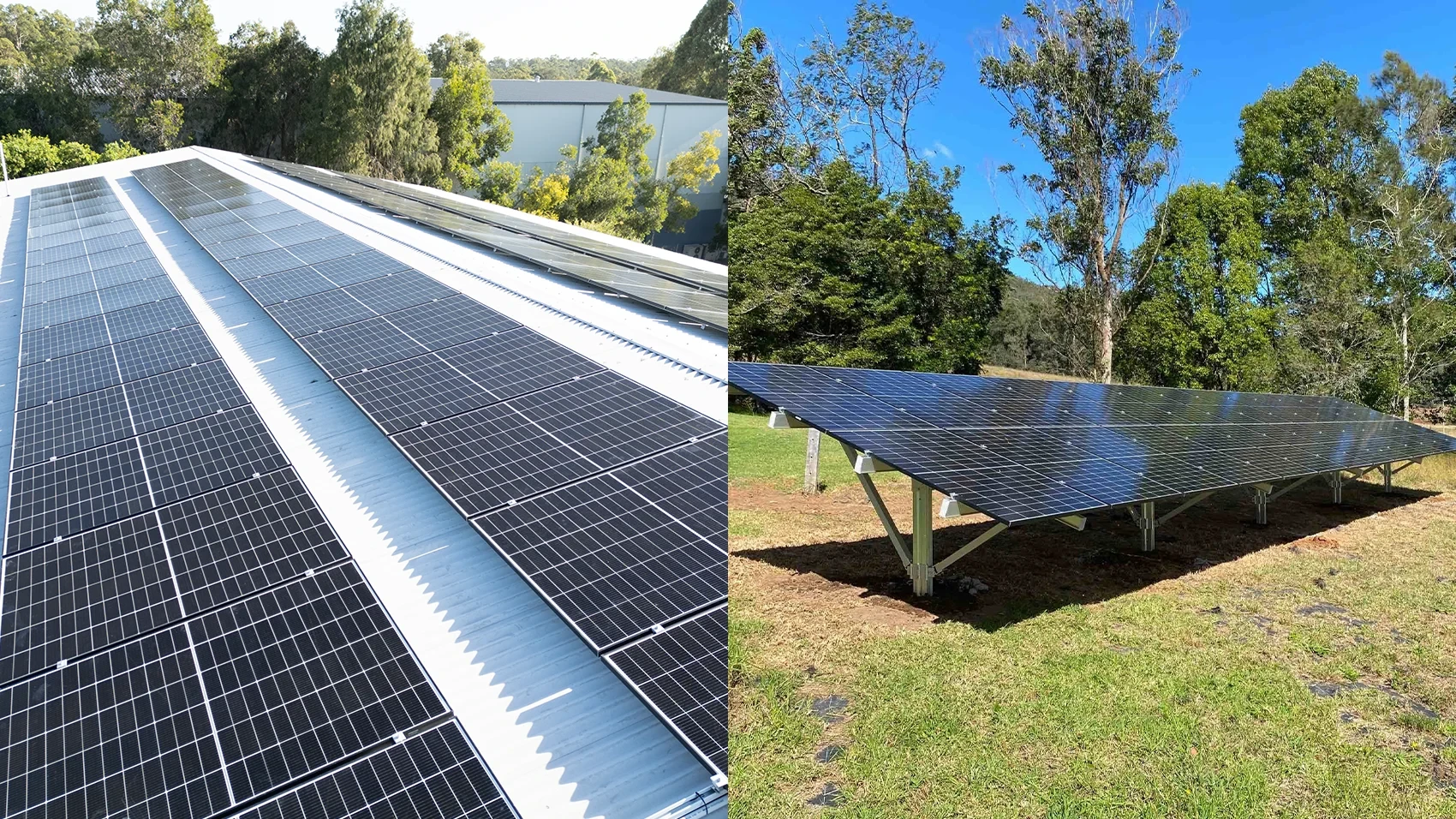
Under the harsh Australian sunshine, solar PV can not only be rooftop-mounted, but installed on ground-mounted systems in paddocks and larger amounts of space.
The installation of ground mount solar systems offer both energy and livestock benefits for the ultimate combination.
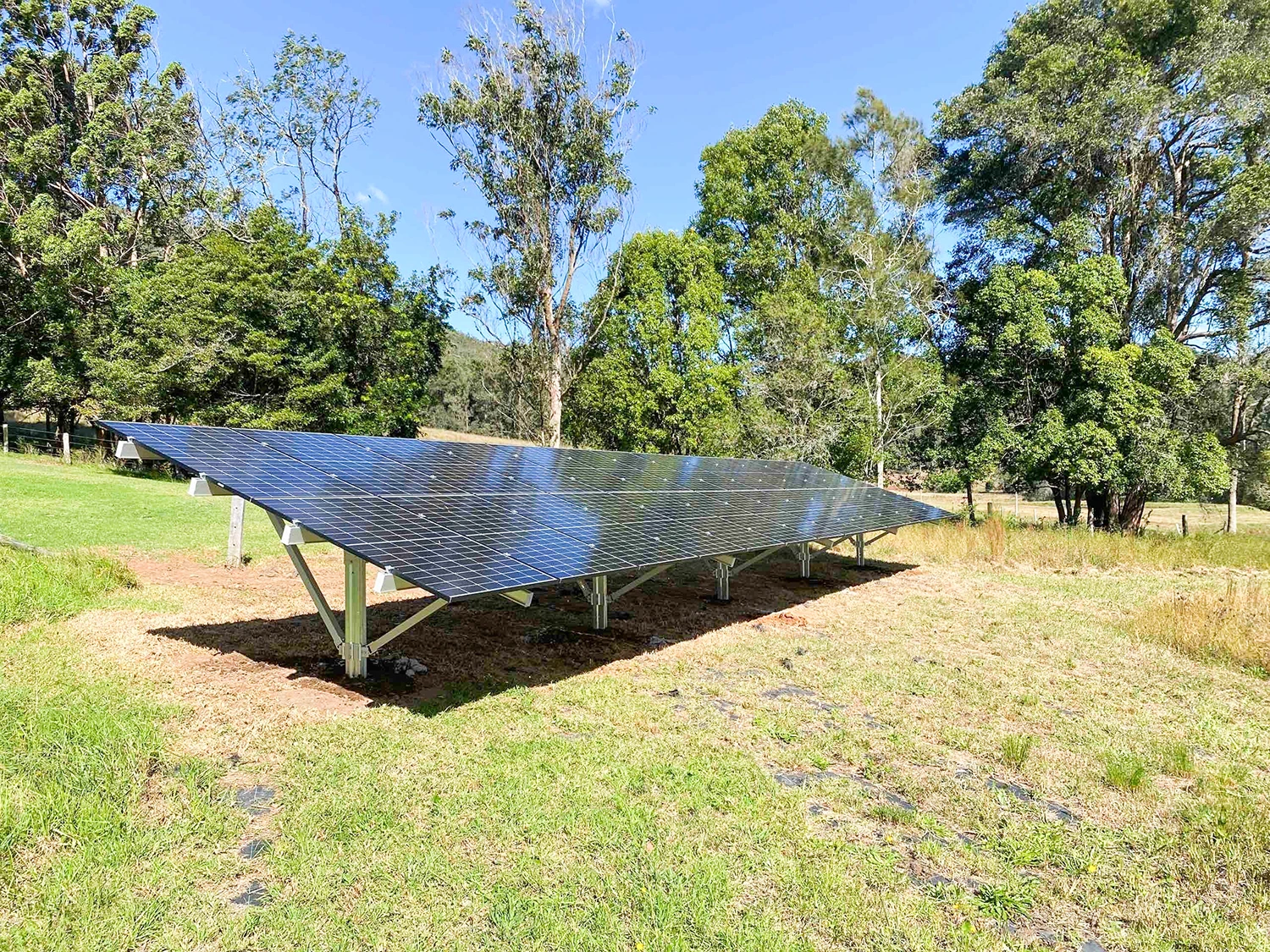
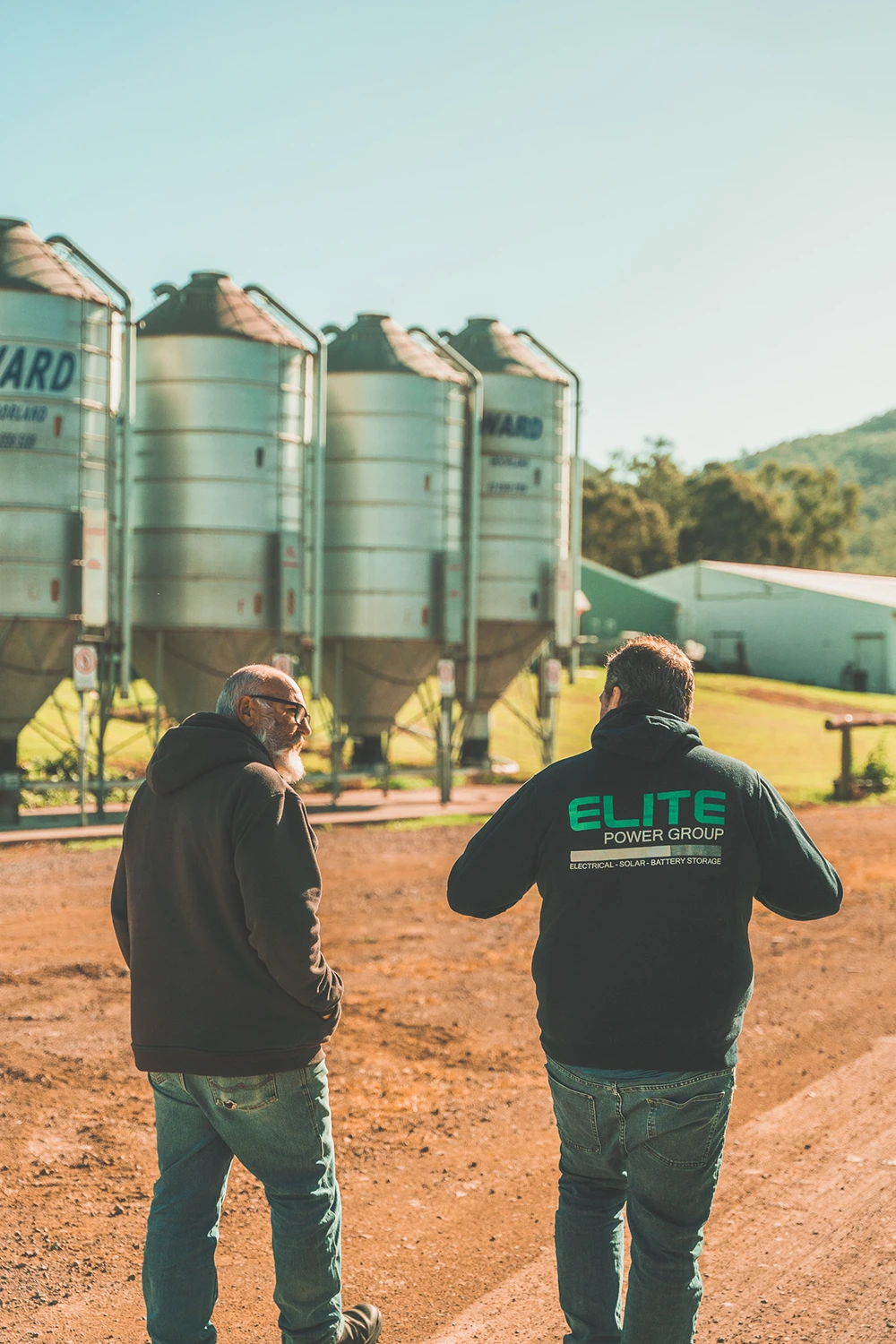
The combination of solar PV systems and agriculture offers several benefits for property owners and livestock.
One benefit includes the efficient use of land. Installing a ground-mounted solar system allows for efficiency of free and occupied land with the addition of renewable energy generation.
Adding a ground-mounted system in an agricultural area can be beneficial for farms with limited space where land is expensive or not worth it.
Australian farm owners can additionally benefit by reducing water evaporation due to the shade from the ground solar system, reducing the requirements for heavy irrigation and water conserving efforts.
With a world moving towards renewable energy, Australia's grid electricity prices will continue to fluctuate which can negatively impact your business.
Being able to power day-to-day operations with sustainable energy, a solar system could help offset your heavy grid energy reliance, whilst also providing other various benefits like increased shade and remote system flexibility.
Deciding on whether your farm could benefit from solar power really depends on your overall consumption, production times, equipment, and budget.
We offer free energy assessments to help farms find the ideal energy solutions.
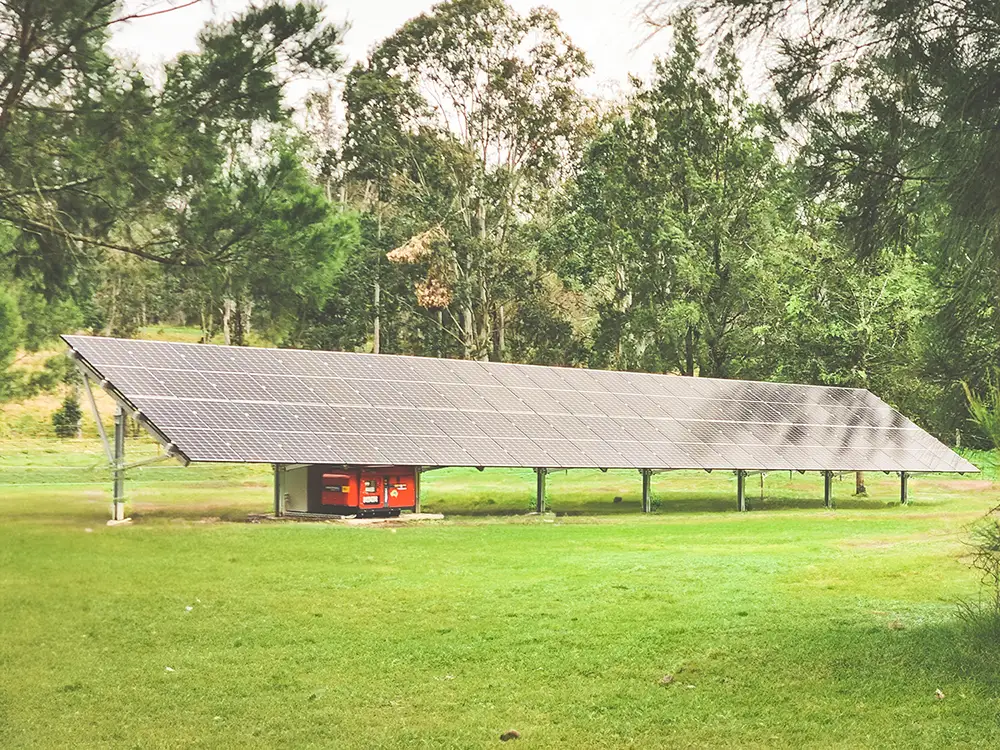
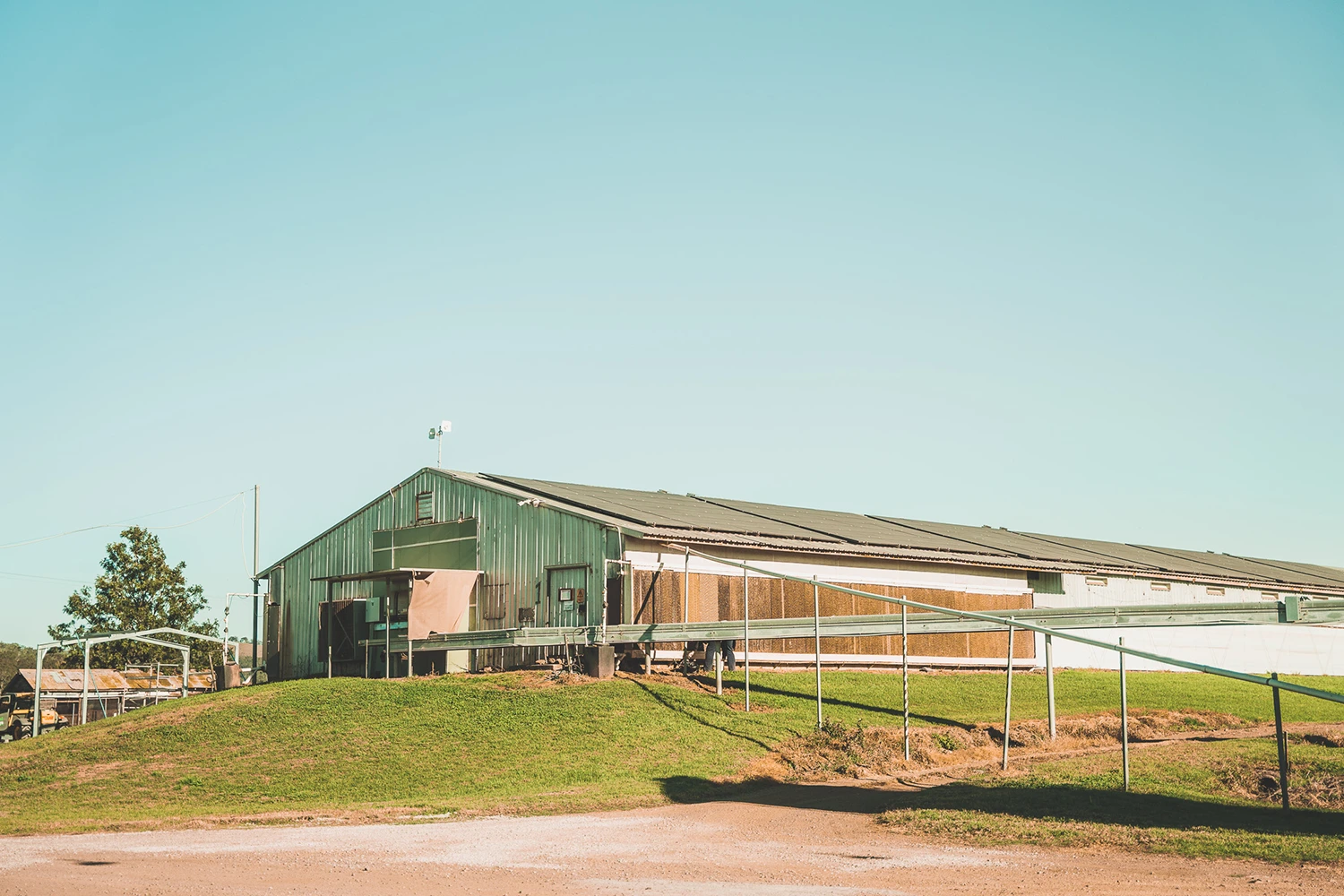
Farming can range in productions, from dairy farms, to poultry farms, to general livestock, which all generally needs a lot of electricity to stay operational.
Investing in solar power for farms can enable elements like irrigation systems, farming equipment, cooling and heating, livestock facilities, and lighting to name a few.
Battery storage is also a great way to avoid consuming expensive grid electricity during on-peak periods. They also act as a backup source of energy during grid outages which can slow or halt your production line.
The choice of crops in agrivoltaics systems is crucial, as some crops are more suited to grow in shaded conditions than others. Typically, plants that thrive in partial shade, such as certain vegetables, herbs, and some fruit trees, are well-suited for agrivoltaics setups. Careful planning and monitoring are necessary to optimise crop selection, spacing, and solar panel configuration to ensure the best results in the Australian landscapes.
In Australia there are huge tracts of farming land which are located in regions with excellent solar resources. The burgeoning need for large areas of land to generate renewable energy need not conflict with the business of the day, farming. The combination of agricultural and energy generating activities can be symbiotic if carefully planned.
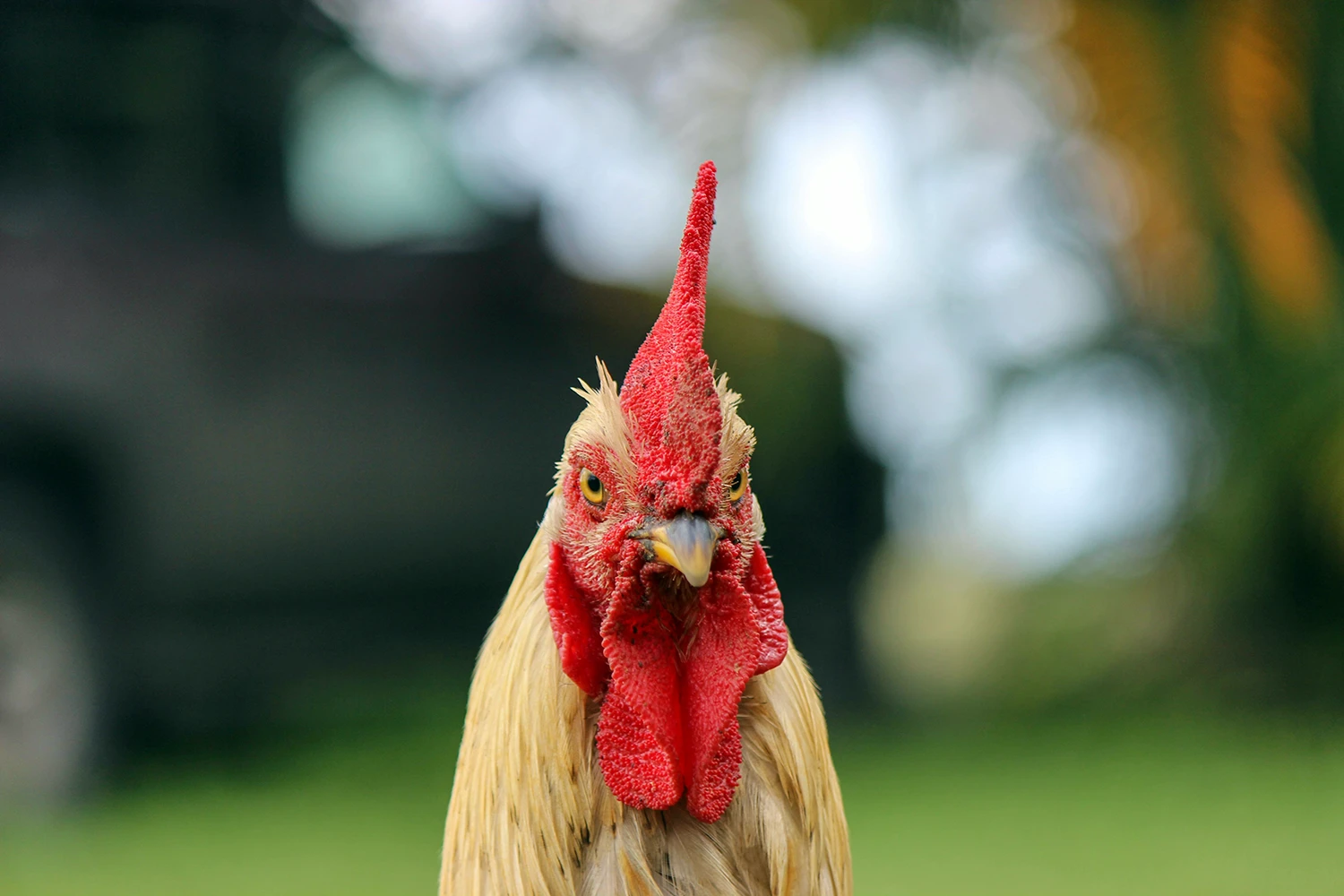
Small animals such as sheep and chickens can be ranged beneath solar modules for an optimal agrisolar system, and to graze on suitable grass.
The animal manure can act as a soil fertiliser and the animal grazing can prevent undergrowth interfering with PV generation activities.
Ease of animal movement to fresh areas using array structures as fencing elements prevents overgrazing. Some experimental work suggests that a green ground cover reflects less infrared heat than bare ground, enhancing PV module thermal performance to a small but useful degree. Commonly used bifacial PV modules perform well with green grass albedo.
Under the heading of animal grazing, we can include apiculture activities. The energy that a typical beehive population expends in cooling the hive during hot weather is considerable and must detract from pollen foraging activities. Solar shading mitigates this energy expenditure.
This is in the area of Agrivoltaics, expertise of plant biologists and research may develop plant strains optimised for the shade environment, whether that environment is that of fixed tilt solar panel arrays or diurnal east west tracking arrays. Utilising elements of the array structure as trellises might be an option for particular crops.
Because of the computer control over tilt angle (with east west tracking arrays in Australia), research may find optimum tilt algorithms to advantage plant growth at particular growth stages with minimal impact on PV production. In any case farmers and solar owners can strike agreements to advantage both parties in compromise situations.

From the above, it is obvious that there are rich areas for research to best use the land in dual use Agrivoltaics scenarios. Landowners can remain farmers with considerable additional income from hosting solar energy farming without affecting any production.
Agrivoltaics is an innovative approach that combines renewable Australian energy generation with sustainable agriculture, offering a potential solution for land and water resource management while addressing climate change and promoting food and energy security. Research and pilot projects are needed in the many different aspects of agrivoltaics to further refine the design, economics, and implementation of these systems.
Explore the recently changed VPP NSW rebate, & how the Peak Demand Reduction Scheme (PDRS) calculates rewards for joining a Virtual Power Plant.
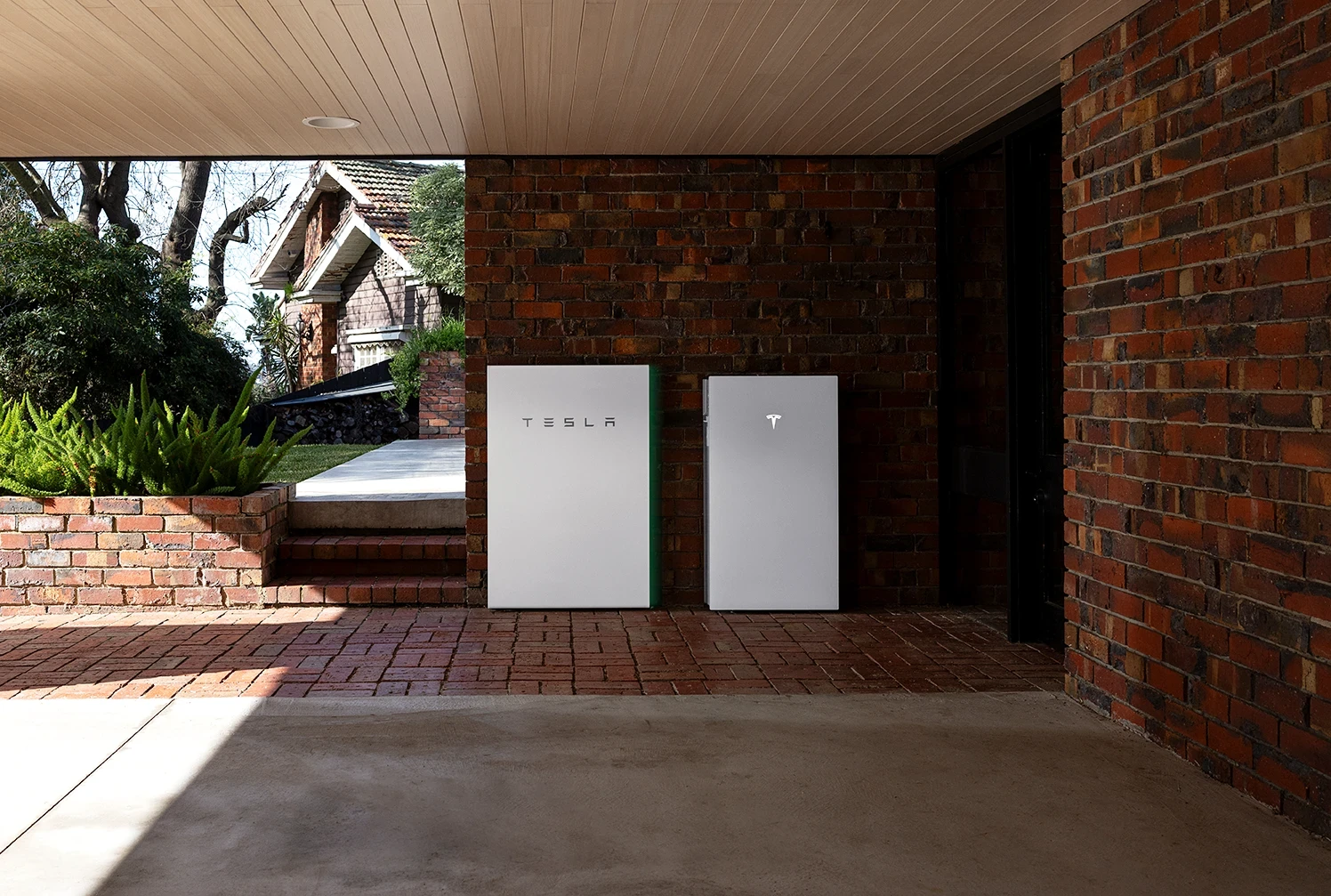
Already have a Powerwall 2? You can now add a Powerwall 3 alongside it. Supported configurations, limitations and how the rebates stack in 2026.
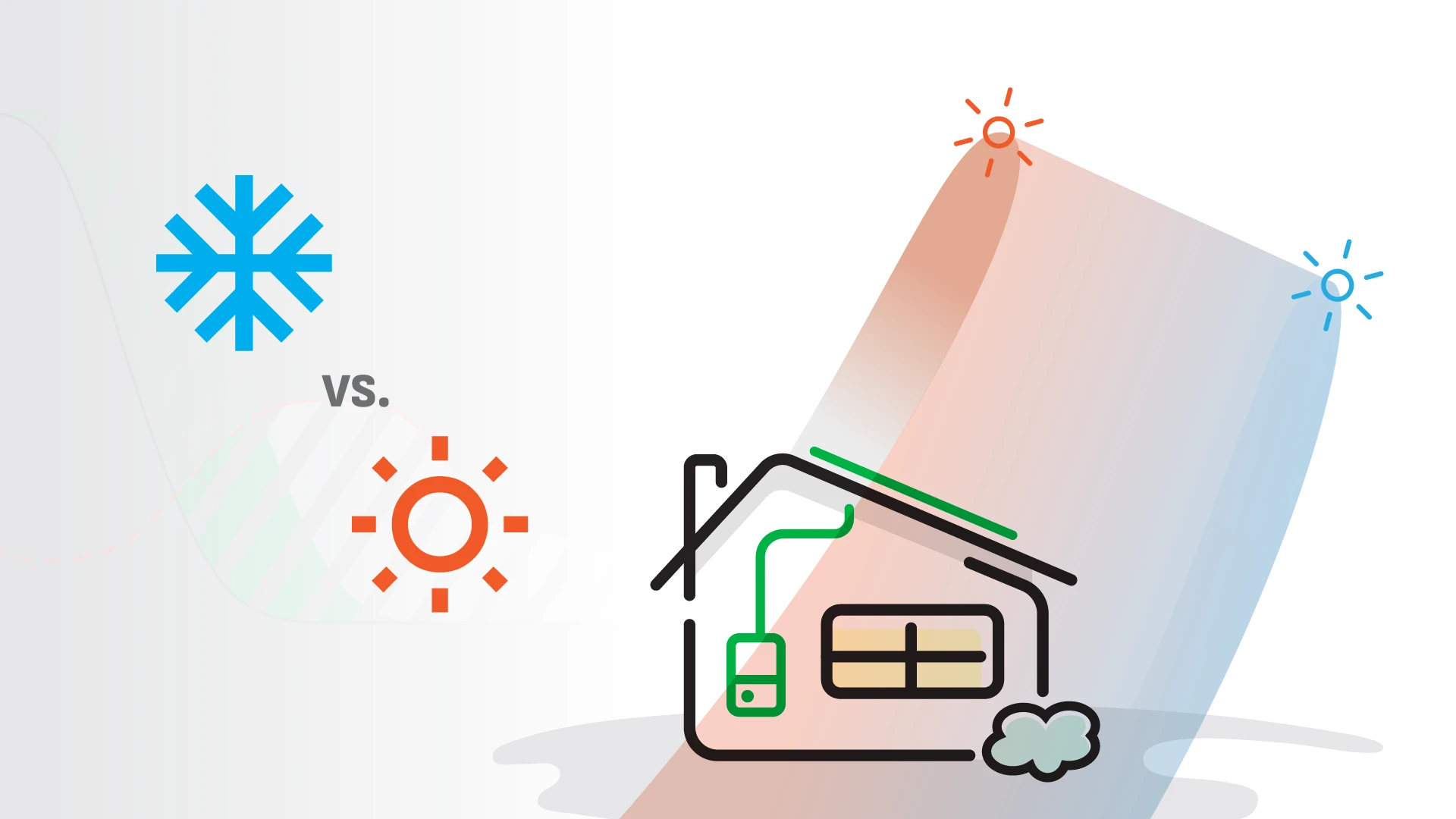
Why does your solar generate less in winter? Explore real output figures, summer vs. winter differences, and the best month to use solar in Australia.
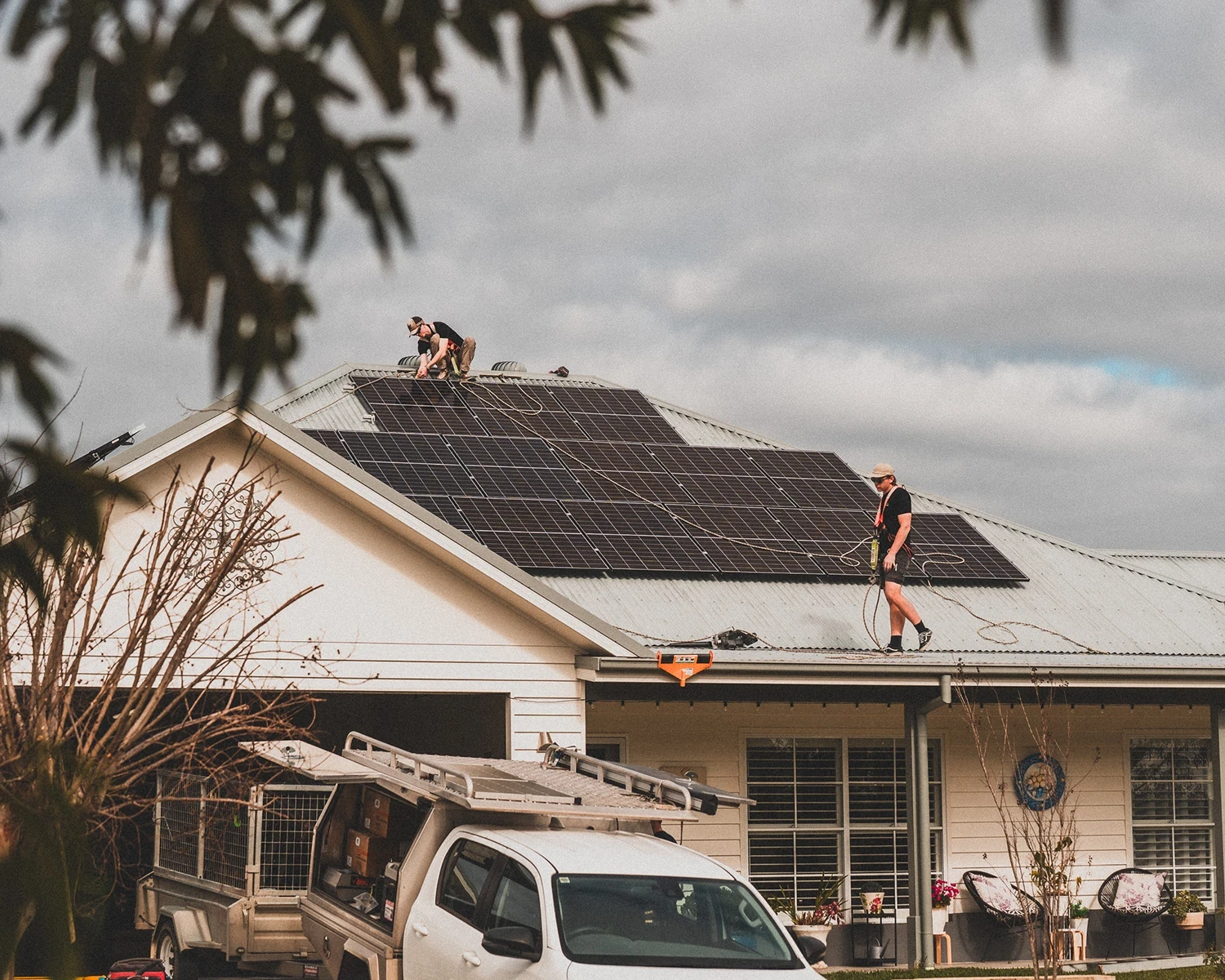
All NSW homeowners need to know about the solar installation process - from first quote to first bill. 9 steps, real timeframes, & what to ask your installer.
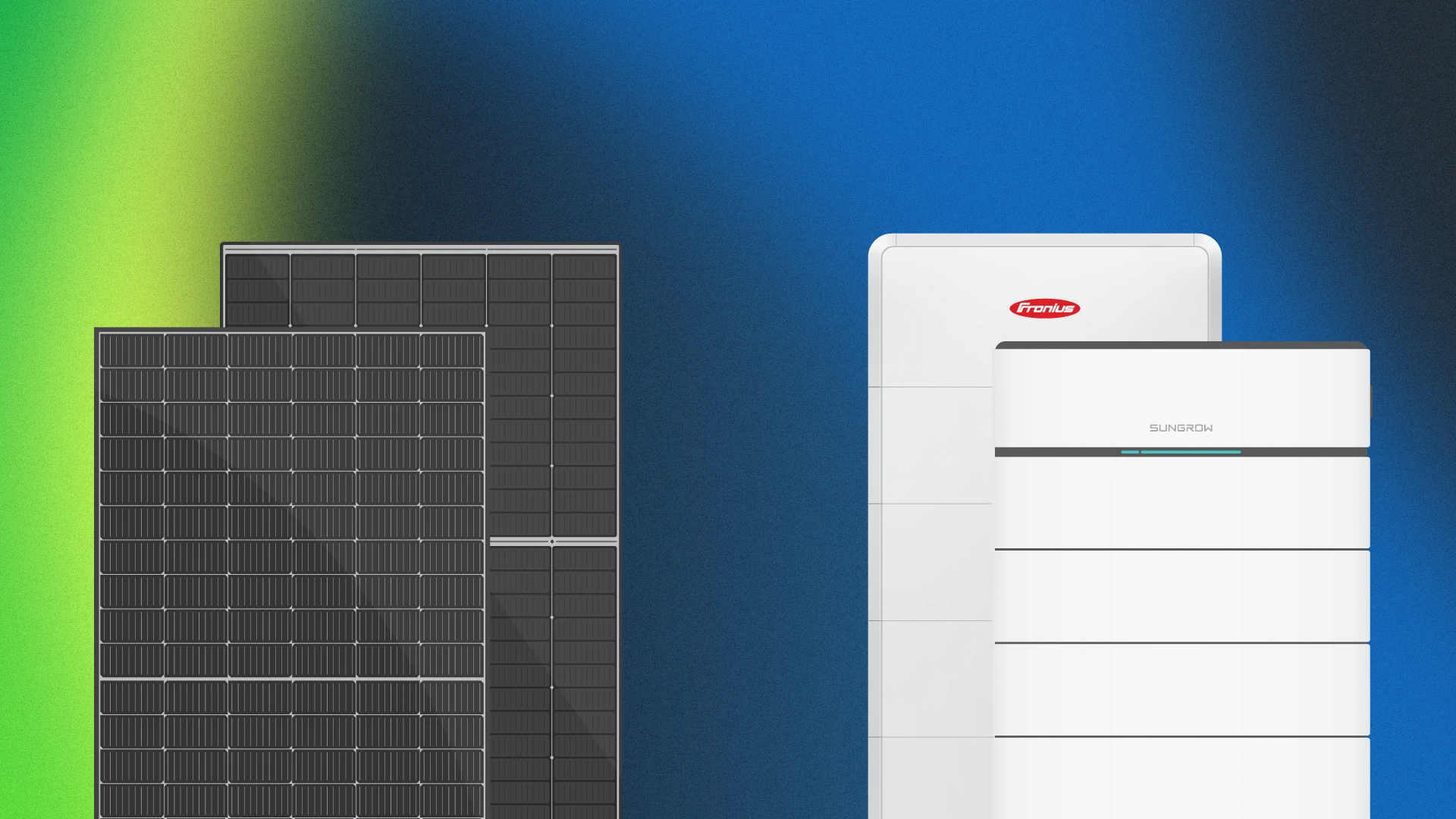
Already have solar? Decide whether to add a battery, expand your panels or replace your system, and which delivers the best return in 2026.
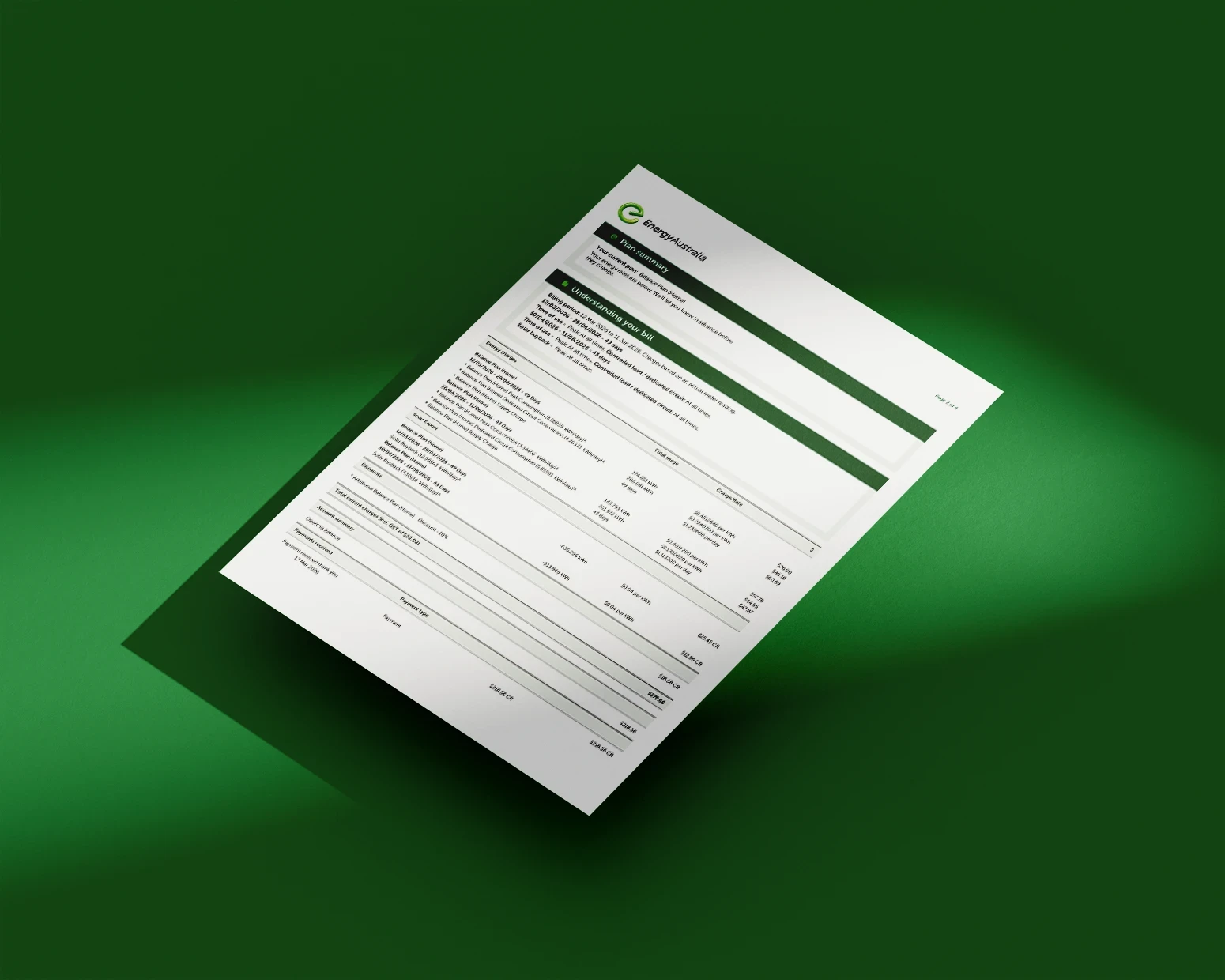
Supply charges, feed-in tariffs, controlled load, peak rates - we explain every line on your NSW electricity bill and show you where you can save more.
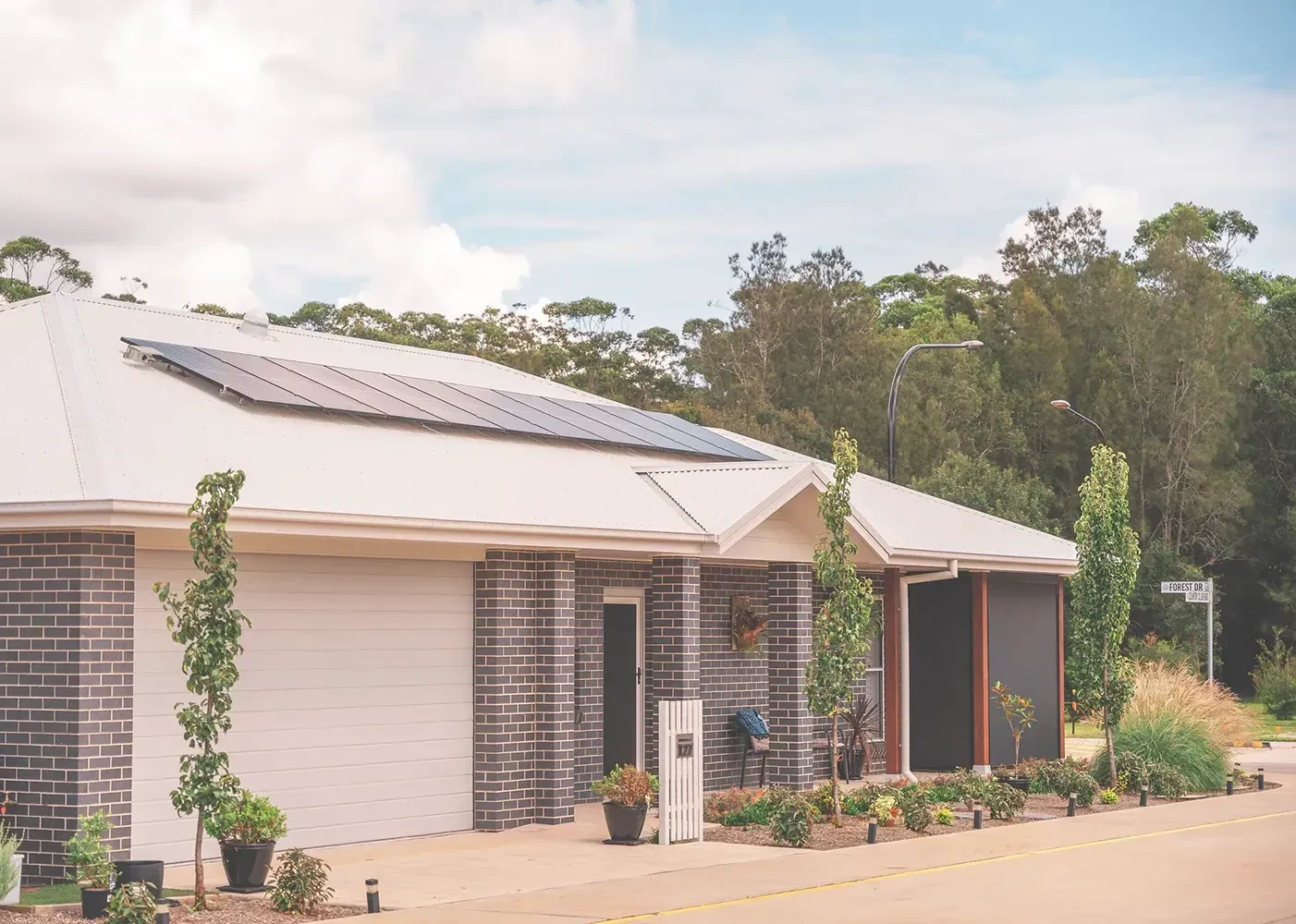
Compare retailer Solar Sharer plans, check eligibility & opt in. Origin, Amber, AGL, EnergyAustralia & more. 3 hours free power daily from 11am–2pm.
Learn how home electricity works in Australia, including circuits, switches, circuit breakers, RCDs and what happens during power outages.
Is solar & battery worth investing in for Australian homes? Explore 2026 costs, payback periods, disadvantages, and how the Solar Sharer offer affects it.
Learn about the May 1st Federal battery rebate changes in Australia and what they mean for home battery costs, solar savings, and discounts.
Compare Tesla Powerwall 3, Sungrow SBR & SBH, GoodWe ESA, Fronius Reserva, and BYD Battery-Box to find the best home battery for Australia.

Explore how Australia’s Q4 2025 solar and battery data highlights a major milestone: majority renewable contribution to daytime electricity demand.

How rooftop solar helped NSW avoid blackouts during the 2026 heatwave, reducing grid stress & supporting record electricity demand across Newcastle.
Explore Elite Power Group's solar and battery installation statistics for 2025, and how we performed over this year of operation in Newcastle and Maitland.
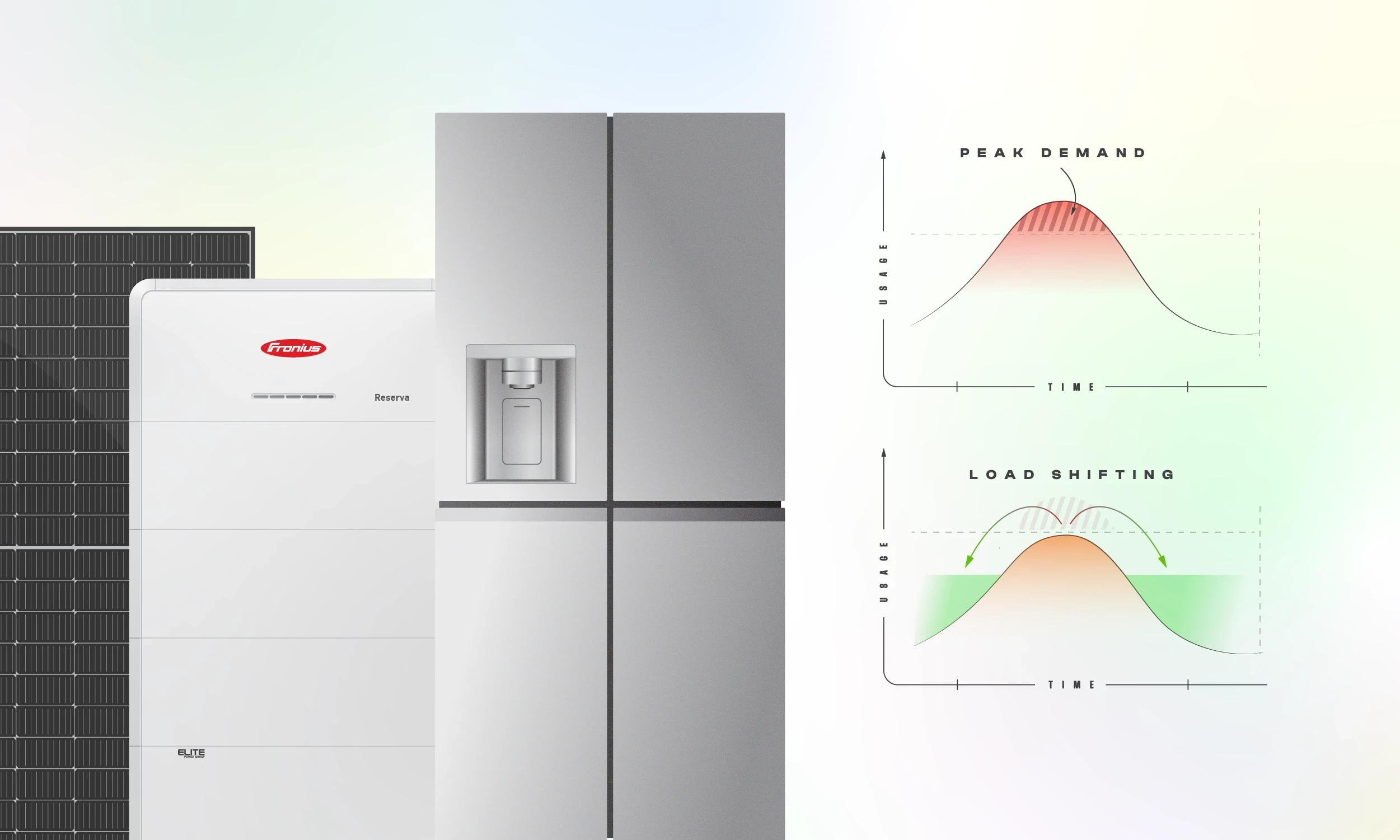
Compare how Peak shaving reduces demand spikes; load shifting moves consumption to cheaper hours; demand response is grid-triggered.
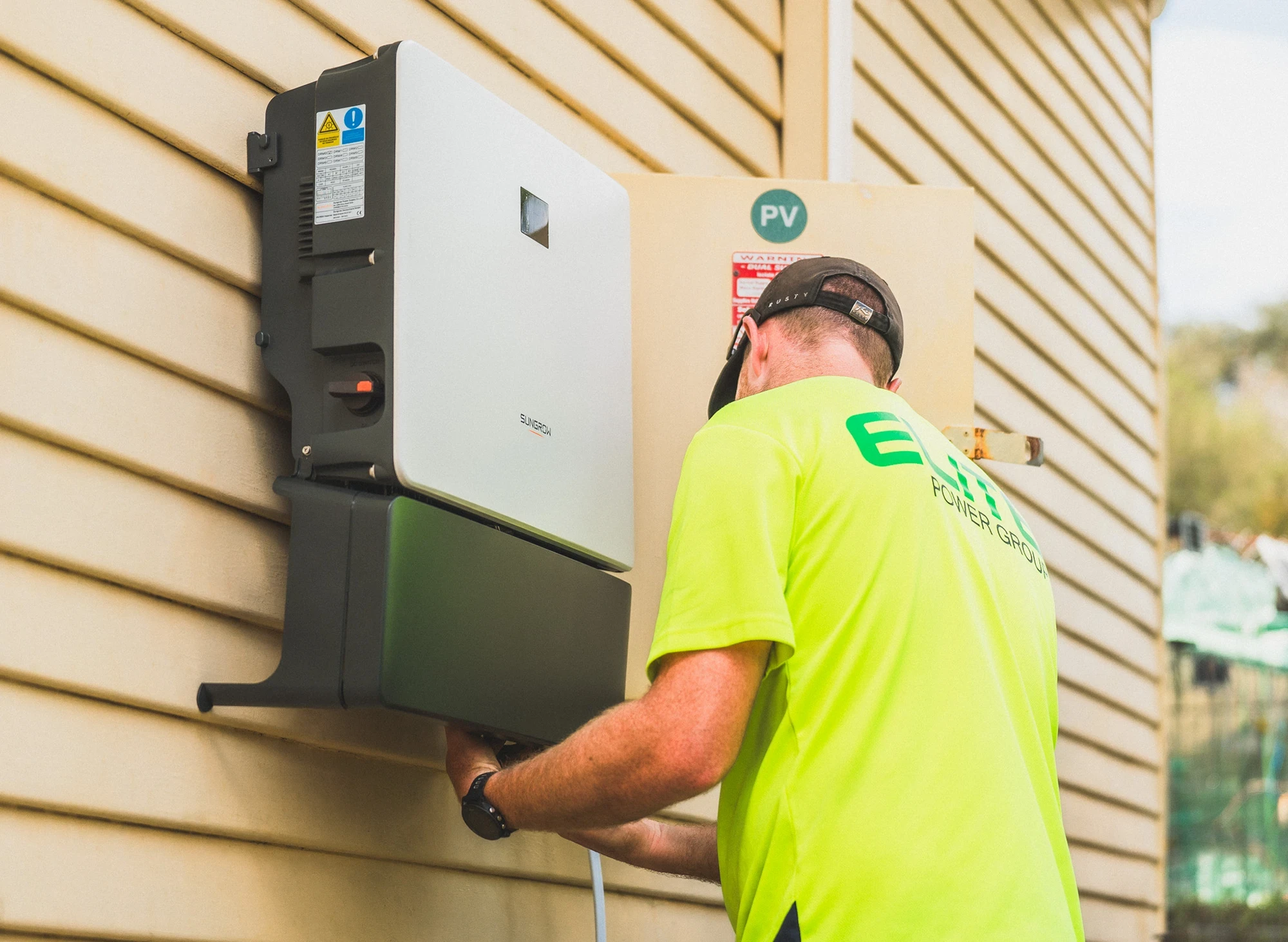
Explore the difference between solar inverter types like grid-tied, hybrid, microinverters, and off-grid inverters for solar and battery systems in Australia.
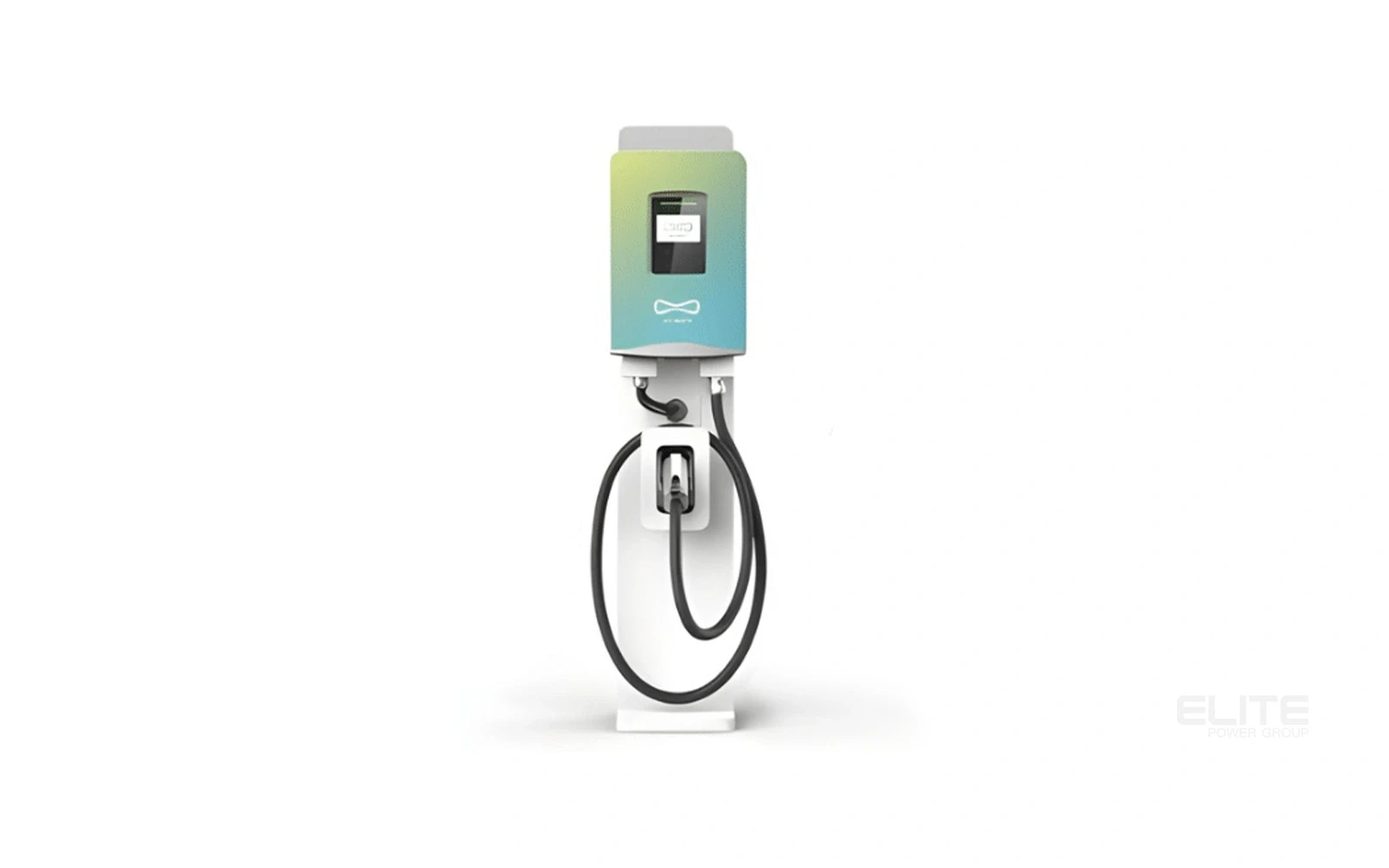
Explore Australia's first CEC-approved bidirectional and vehicle-to-grid capable electric vehicle, the V2Grid Numbat, a 6.2kW V2G/H charger now ready.
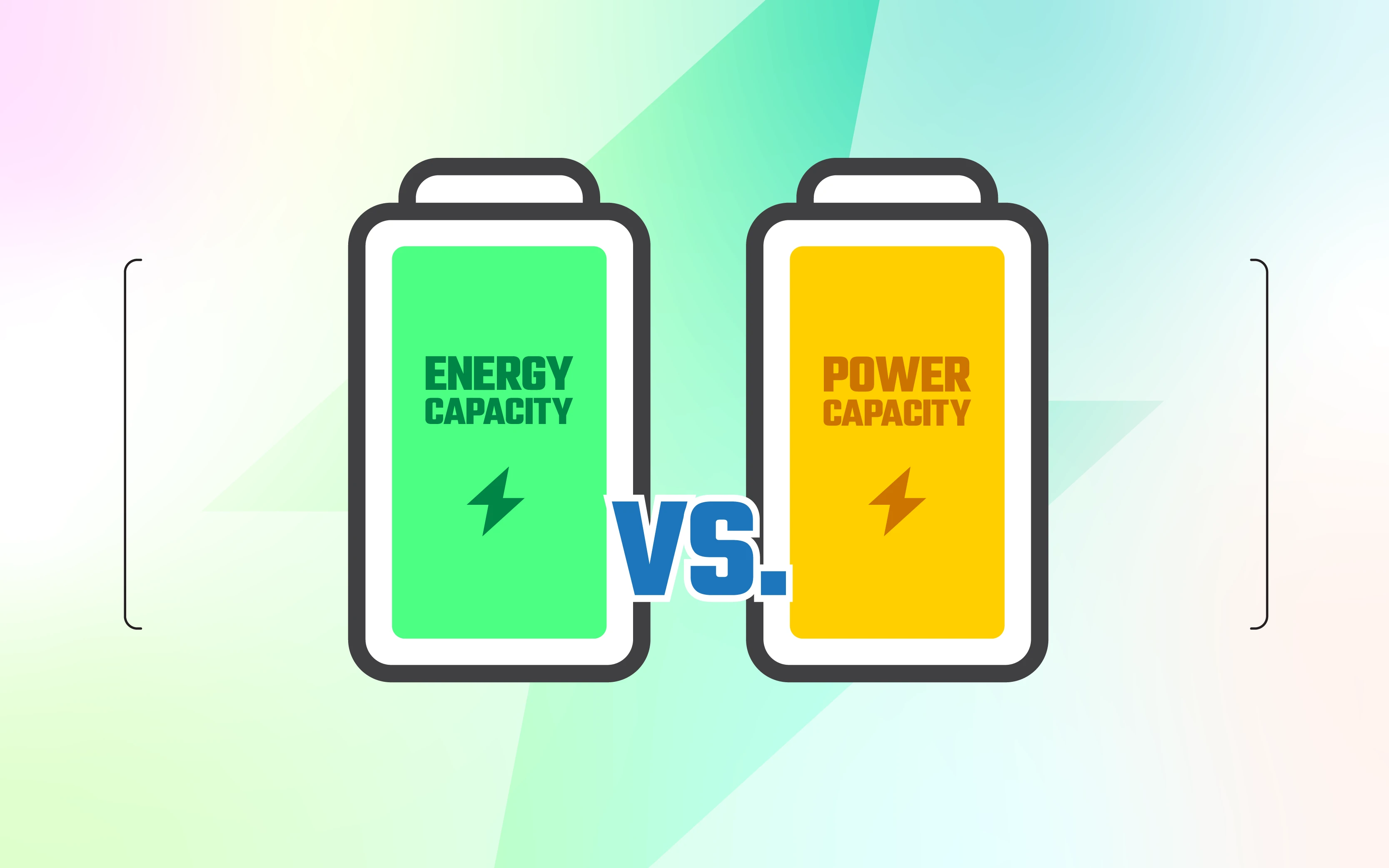
Energy capacity (kWh) is how much a battery stores. Power output (kW) is how fast it delivers. Covers nominal vs useable, SoC, DoD and cycles.
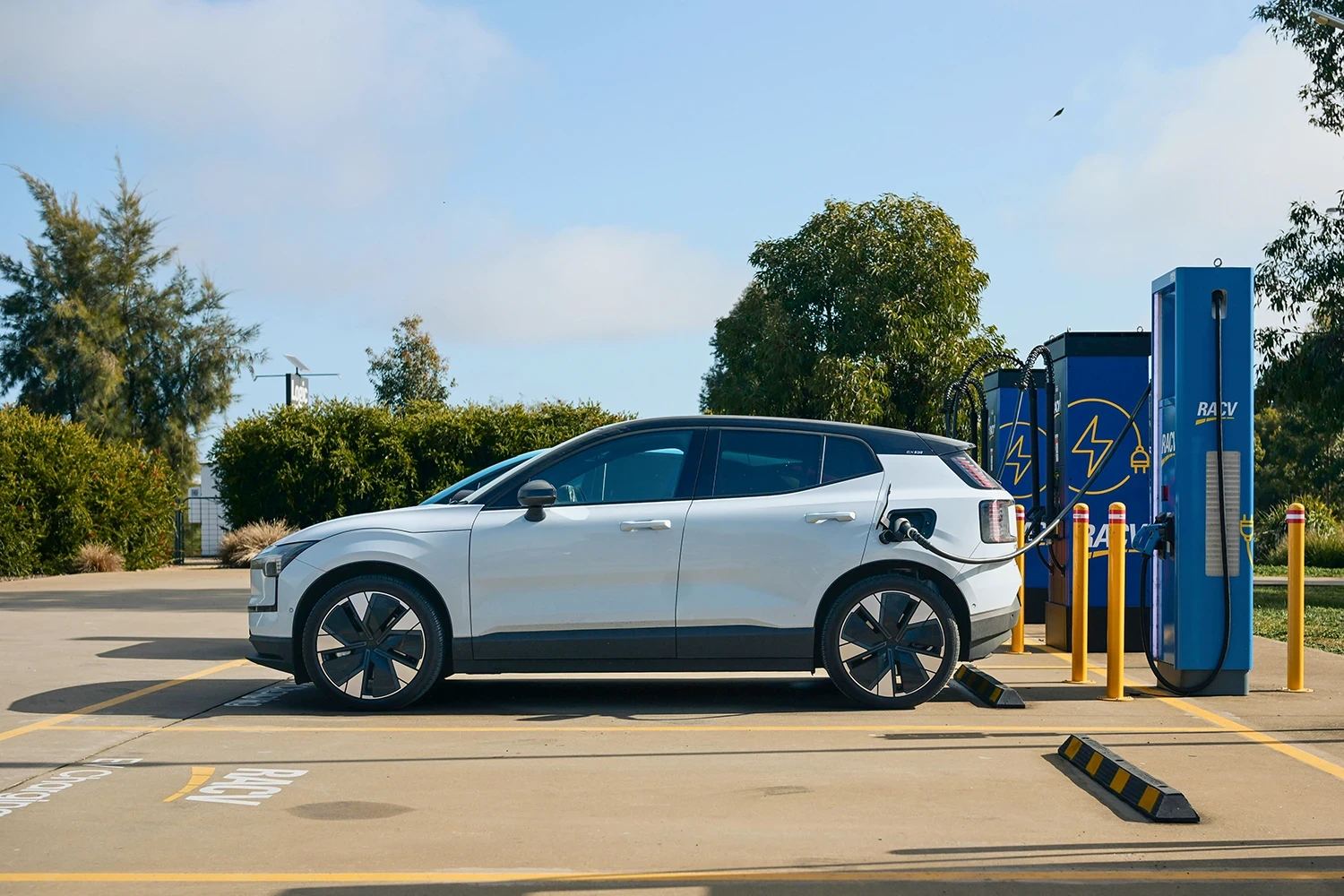
Explore the differences between AC and DC electric vehicle charging in Australia and how it affects the way you charge your EV, and the pros & cons.
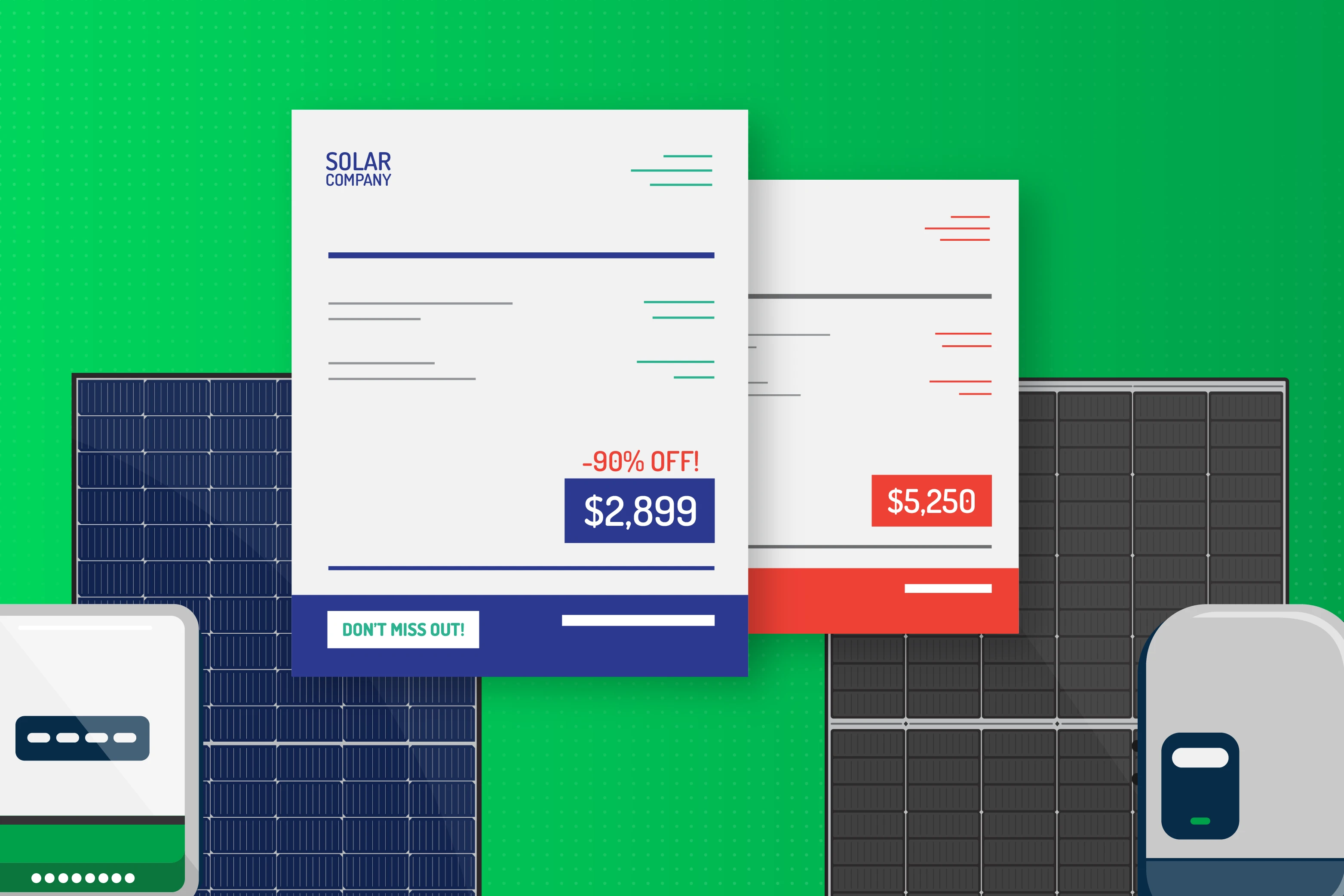
Considering a cheap solar system? Learn how low-quality, unreliable inverters and panels can lead to costly repairs, full replacements, and safety issues.
Learn the difference between volts, amps and watts, and learn electricity with simple explanations, formulas, real-world examples, and an easy calculator.

Battery supply chains are tight across Australia, with shipping delays leaving many installers out of stock and customers waiting longer. What's happening?
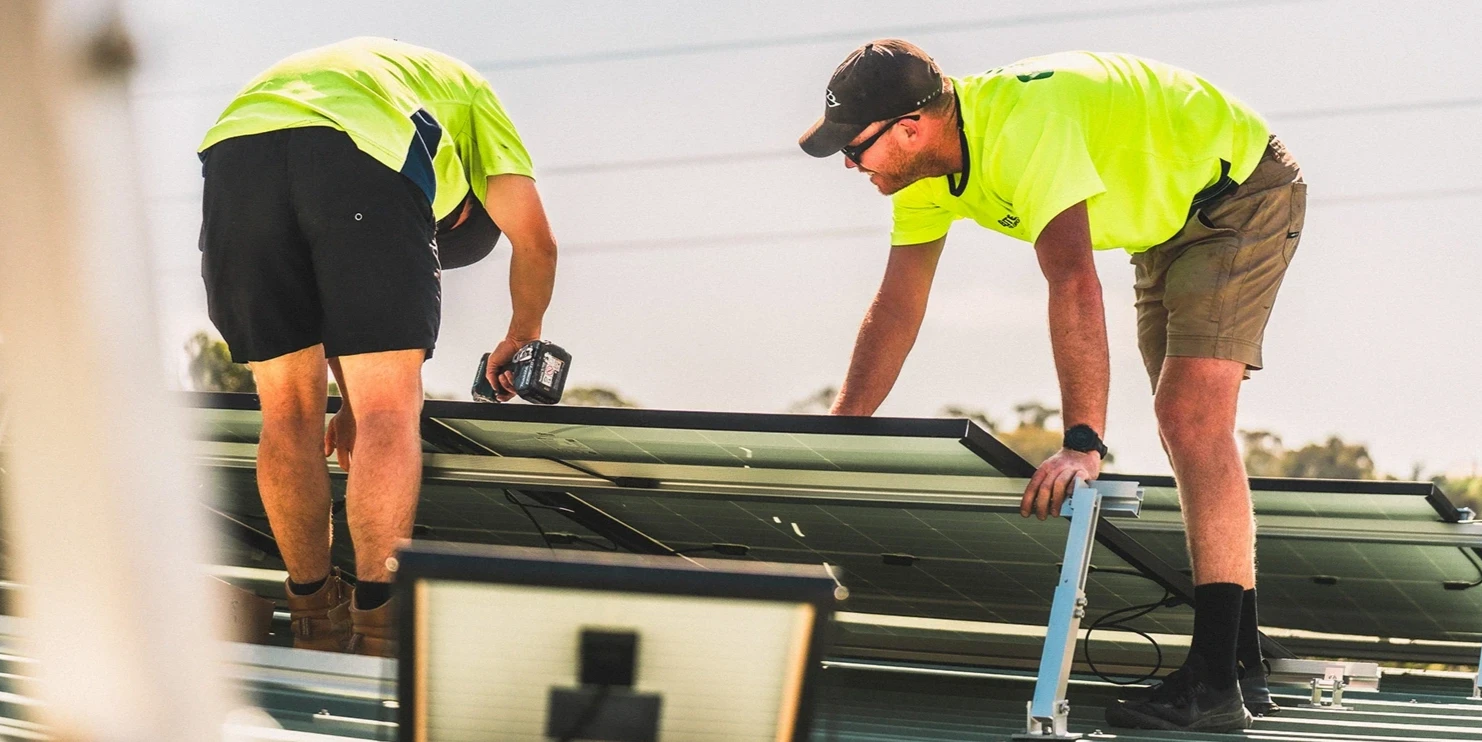
Learn how to avoid solar scams in NSW. Spot red flags & dodgy installer tactics and find reputable companies with great warranty & quality installations.
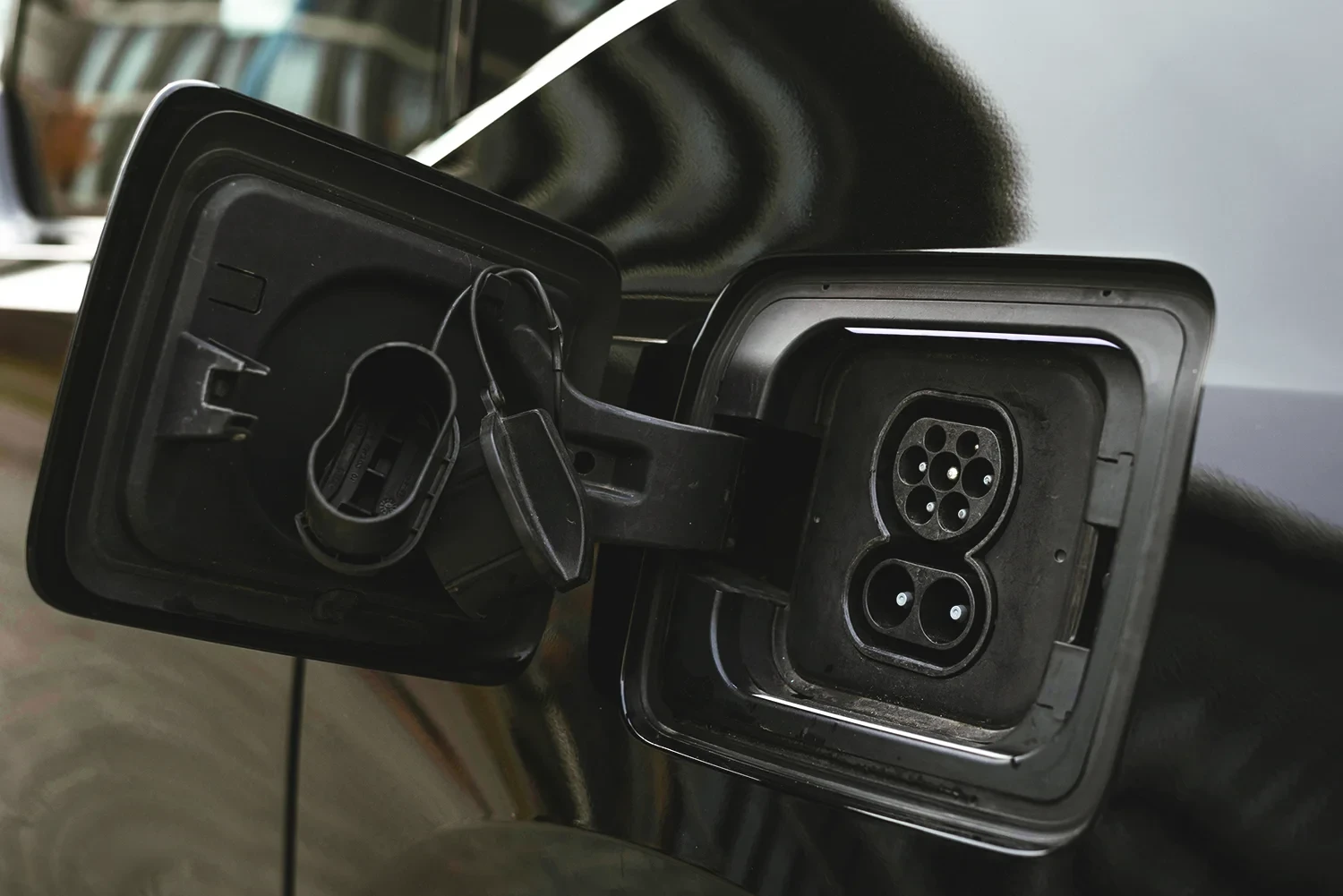
Explore why the delays in vehicle-to-grid and bidirectional chargers are happening, and how V2G faces regulatory and legislative development in Australia.
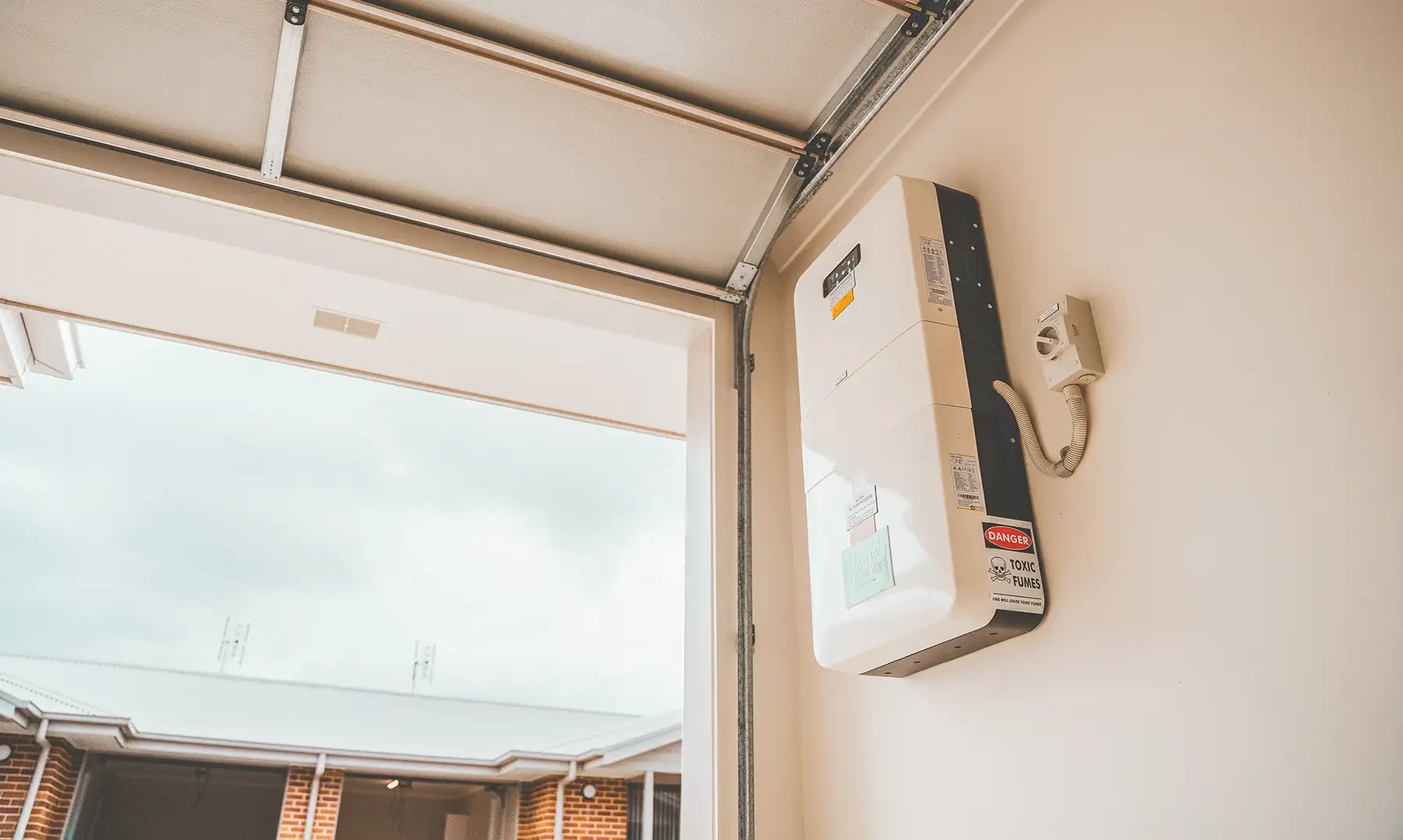
Over 56,000 solar batteries were sold in Q2, 2025, thanks to the Australian battery subsidy. Explore solar & battery uptake, growth trends, and what's next.
Discover how to choose the right solar battery size for your home. Compare 10kWh, 15kWh, and 20kWh options to maximise savings, and solar in NSW.
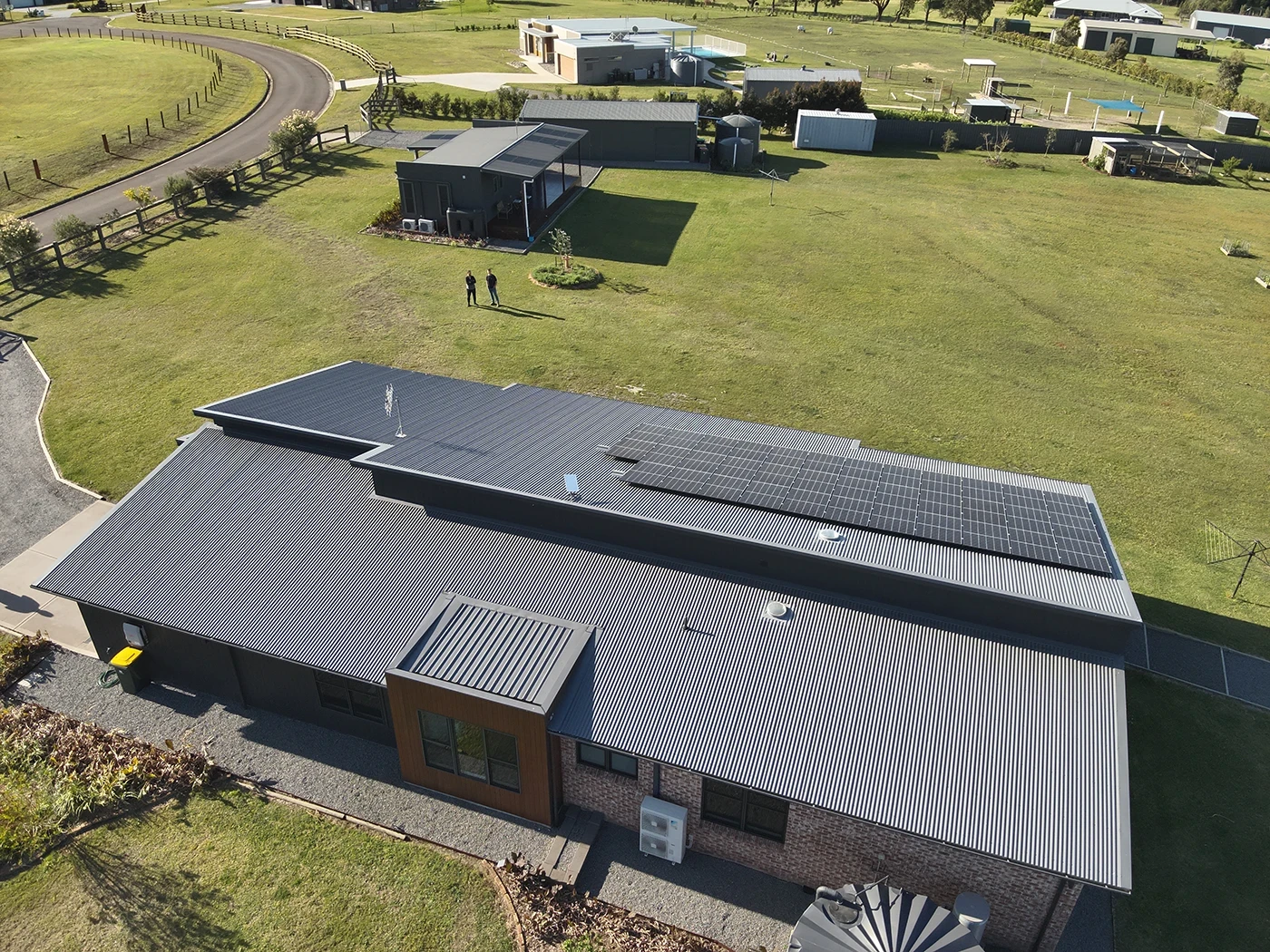
Virtual Power Plants explained for Australian homeowners. What a VPP is, how it works, NSW program comparison and whether joining one is worth it.
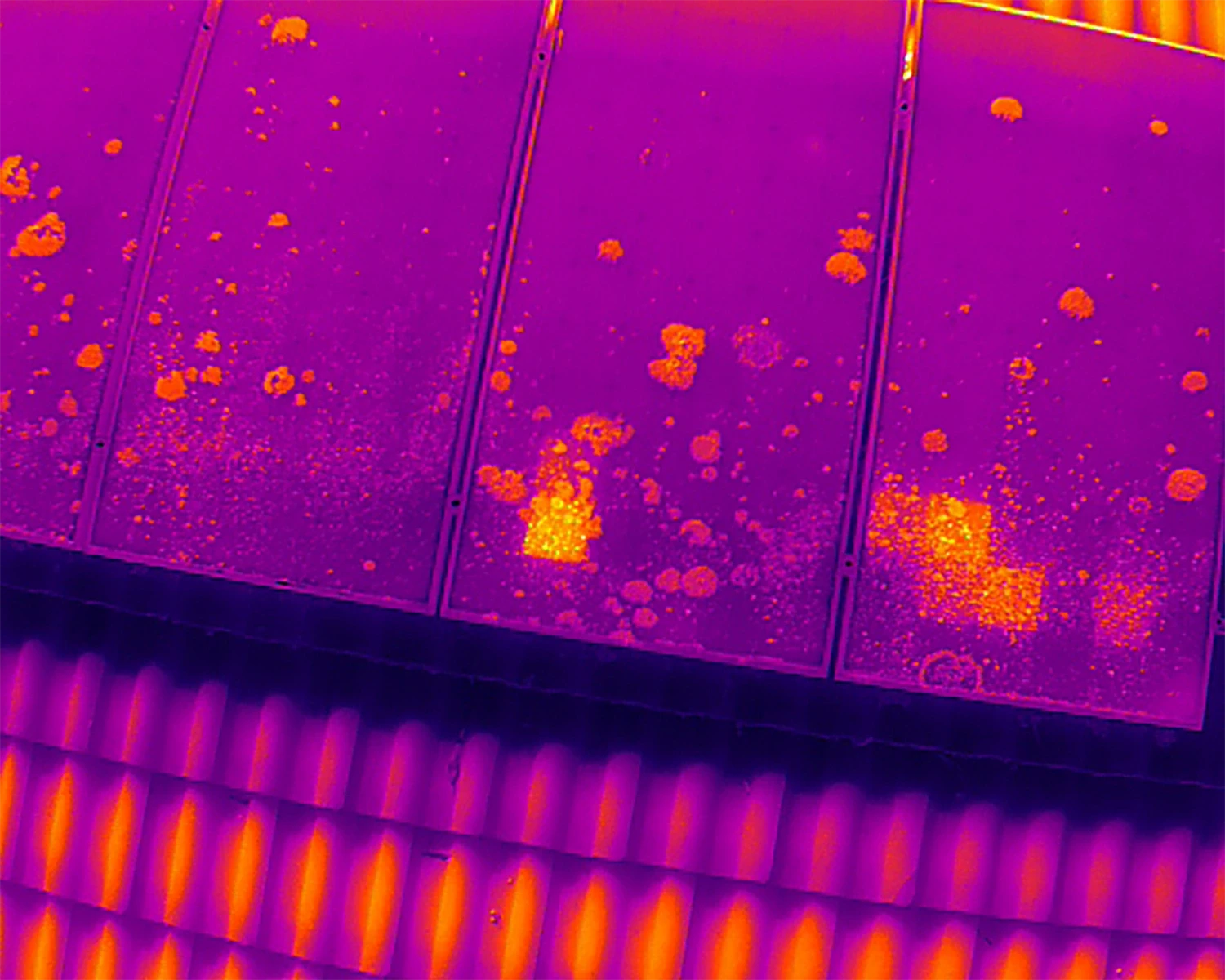
Explore what solar hotspots are, how they can affect your panel performance & efficiency, & how bypass diodes can affect your cells & strings in Australia.
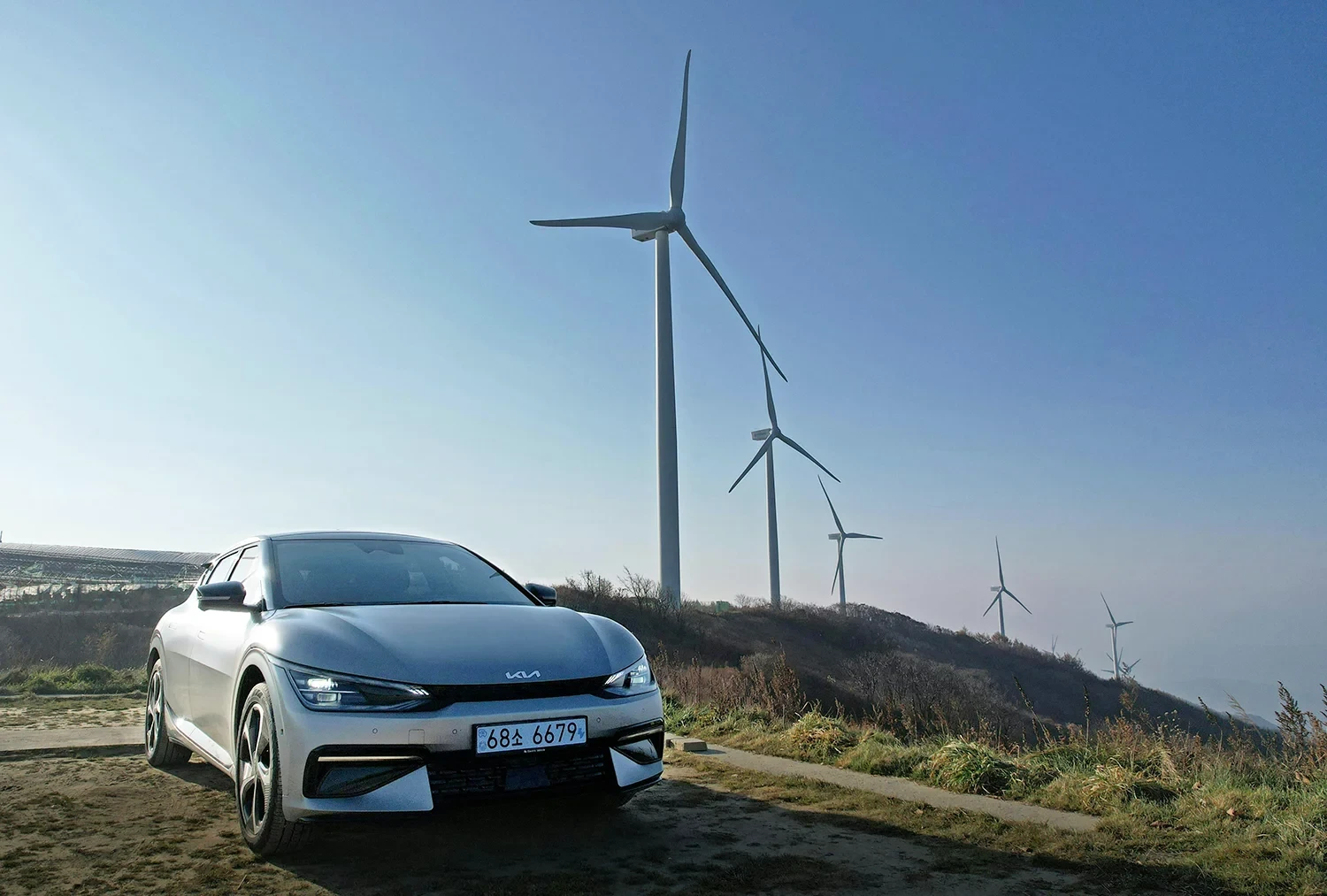
Discover the best home EV chargers in Australia. Compare popular electric vehicle home charging stations, costs, and installations for Newcastle NSW.
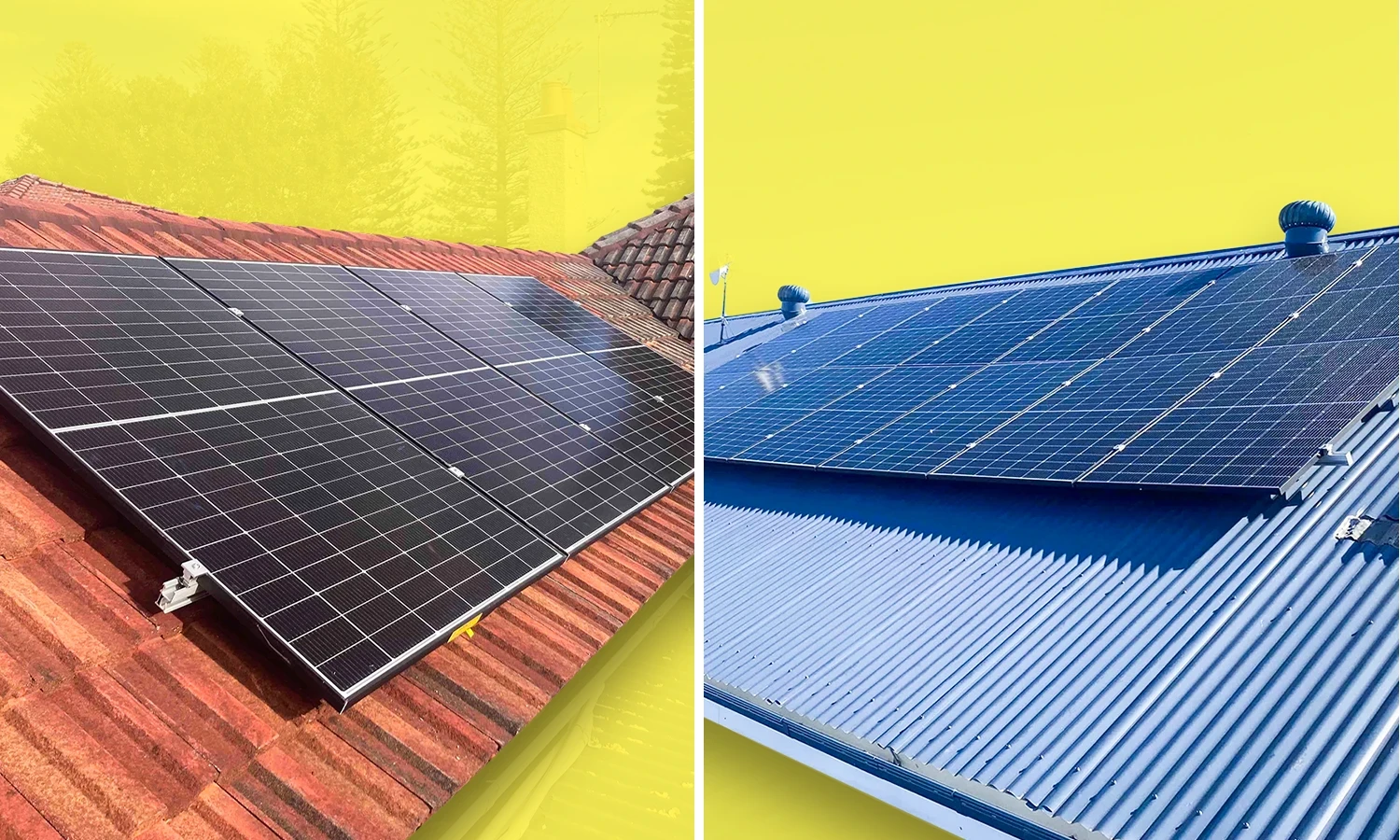
Learn if your roof is suitable for solar panels and how roof materials like terracotta or tin, orientation, tilt, & shading can affect energy production and install.

Power vs Energy in Australia: Difference Between Watts and Watt-Hours, kW vs kWh, with Diagrams, Calculations, and Home Appliance Examples.
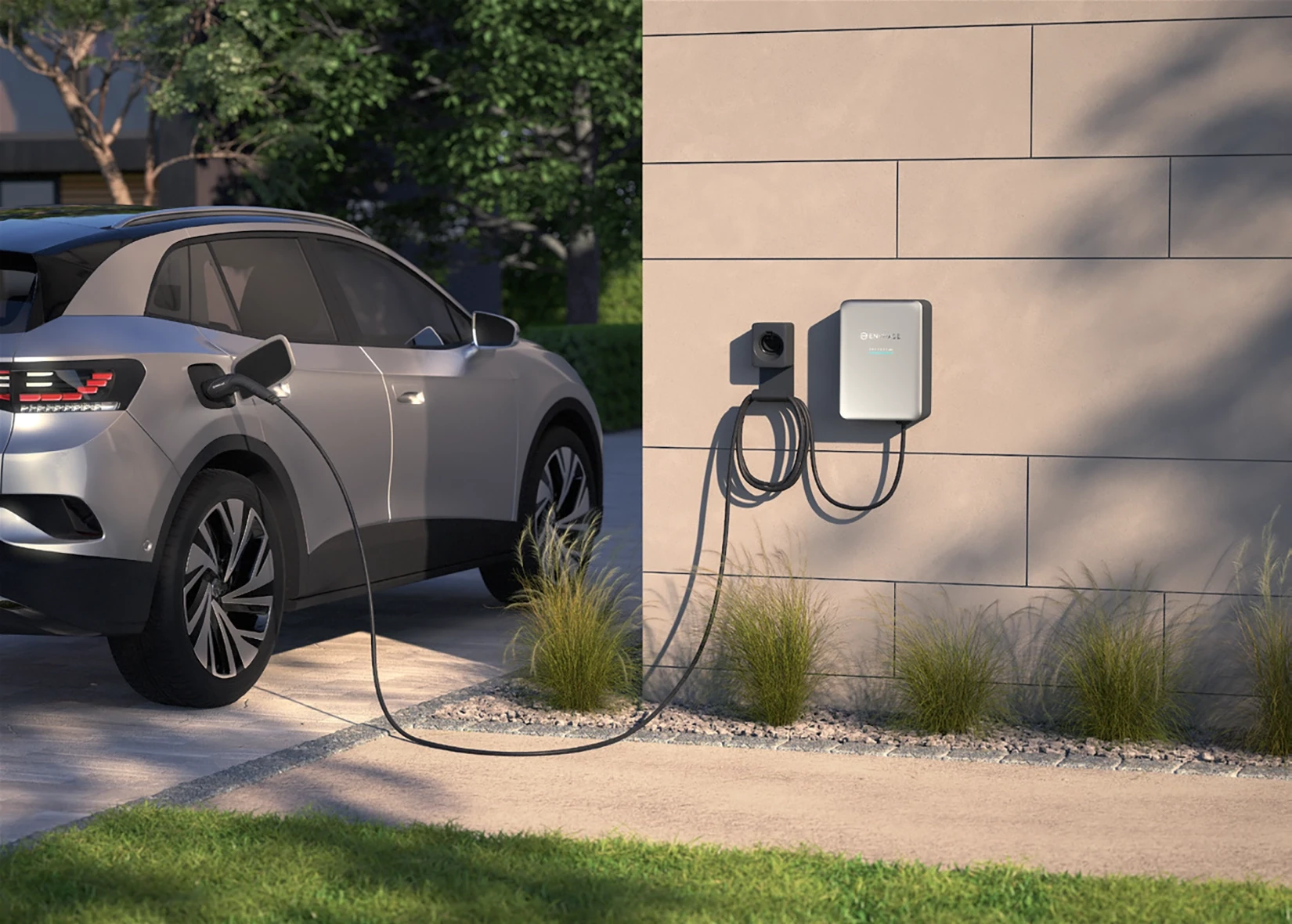
Explore upcoming & available bidirectional V2G-capable chargers in Australia from V2Grid, RedEarth, Sigenergy, Enphase, Tesla, and Fronius EV charging.

Compare the difference between Sungrow's SBH and SBR battery storage vs. BYD Battery-Box and find what battery is better for homes or businesses in NSW.
The NSW Government have announced that the NSW Battery Rebate (PDRS) will be suspended on June 30th, 2025, and will no longer be available.

Avoid the 9.7% NSW electricity bill increase with expert tips on reducing energy costs, optimising solar usage, and finding better energy plans in 2025.
Explore how you can use your EV battery via vehicle-to-load (V2L) as a backup energy source during blackouts to power your home appliances in Australia.
Explore Australia's Federal Government solar battery rebate subsidy like eligibility, approved batteries, requirements, and more about the upcoming incentive.
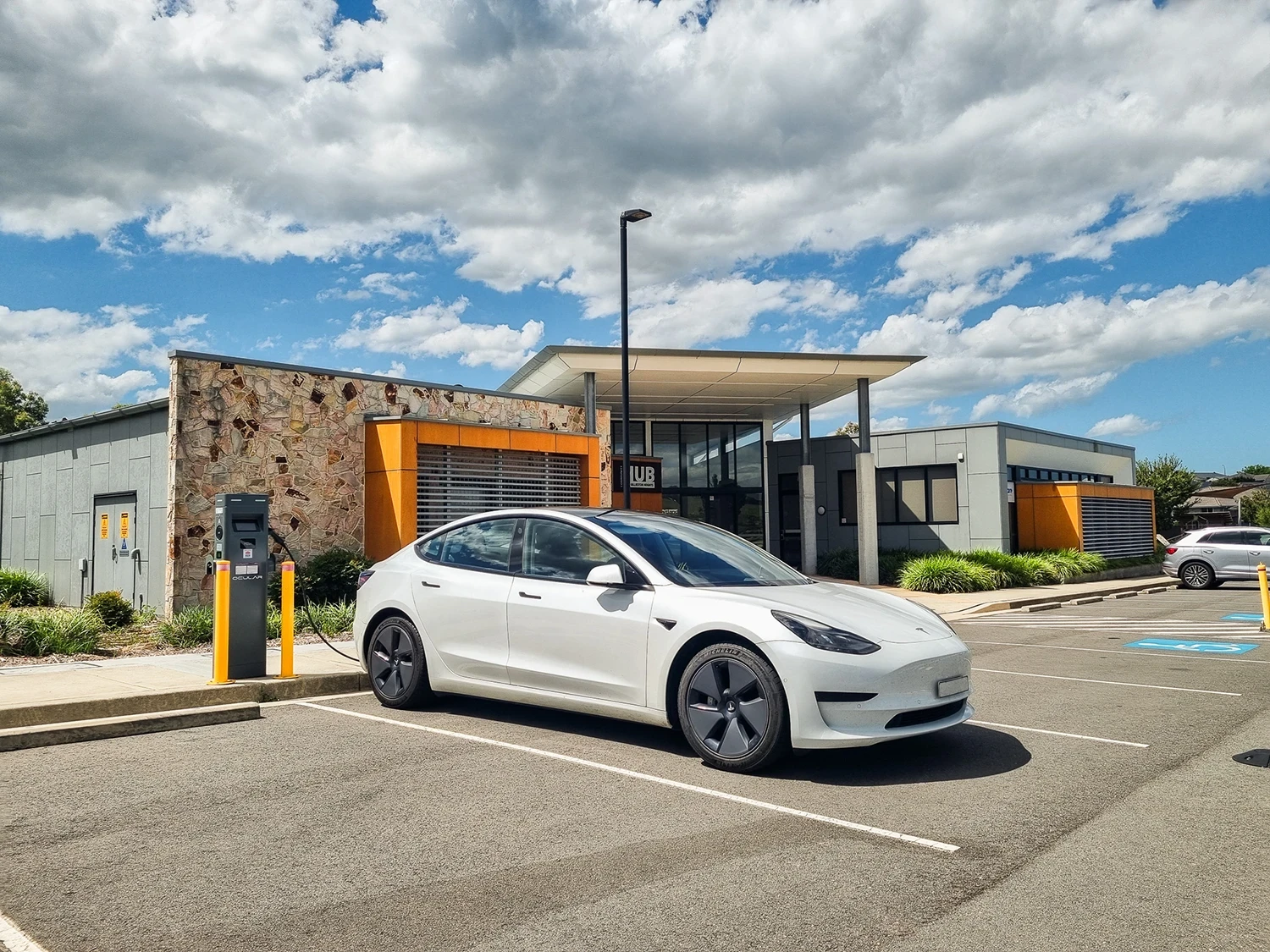
Partnering with Elite Power Group, Maitland City Council have invested in more electric vehicle chargers in the Maitland area, supporting the uptake of EVs.
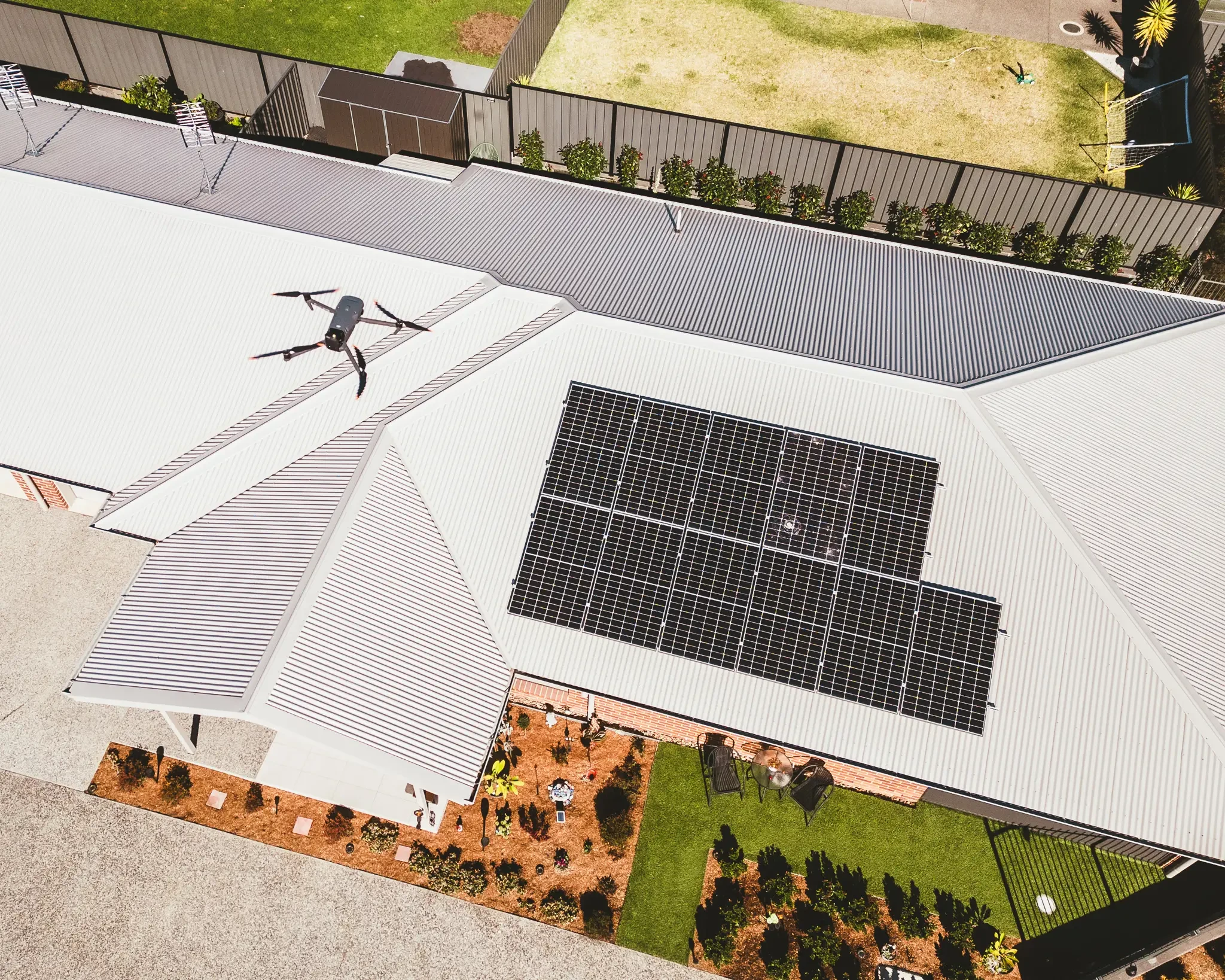
Compare home insurance policies and find out if solar and battery is covered and how installations affect costs, value, and included coverage in Australia.
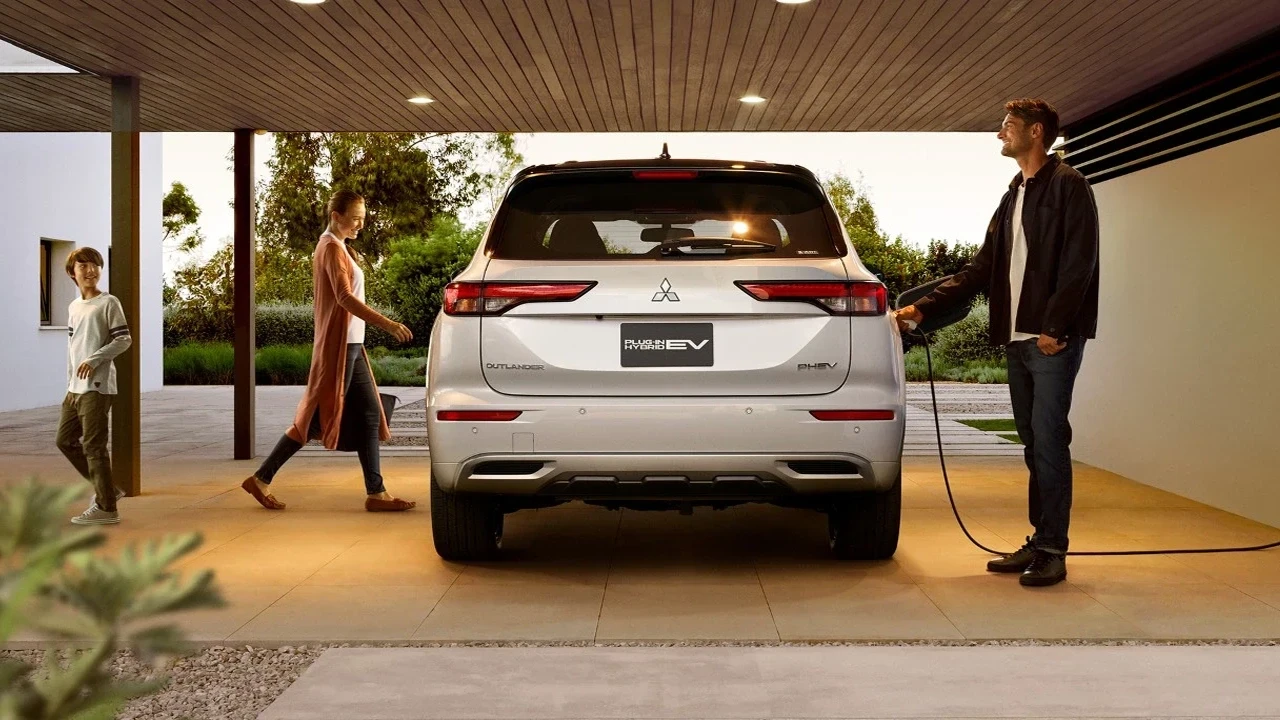
Should solar owners get a home battery (ESS) or wait for vehicle-to-home (V2H) technology to use electric vehicle battery power to be available in Australia?
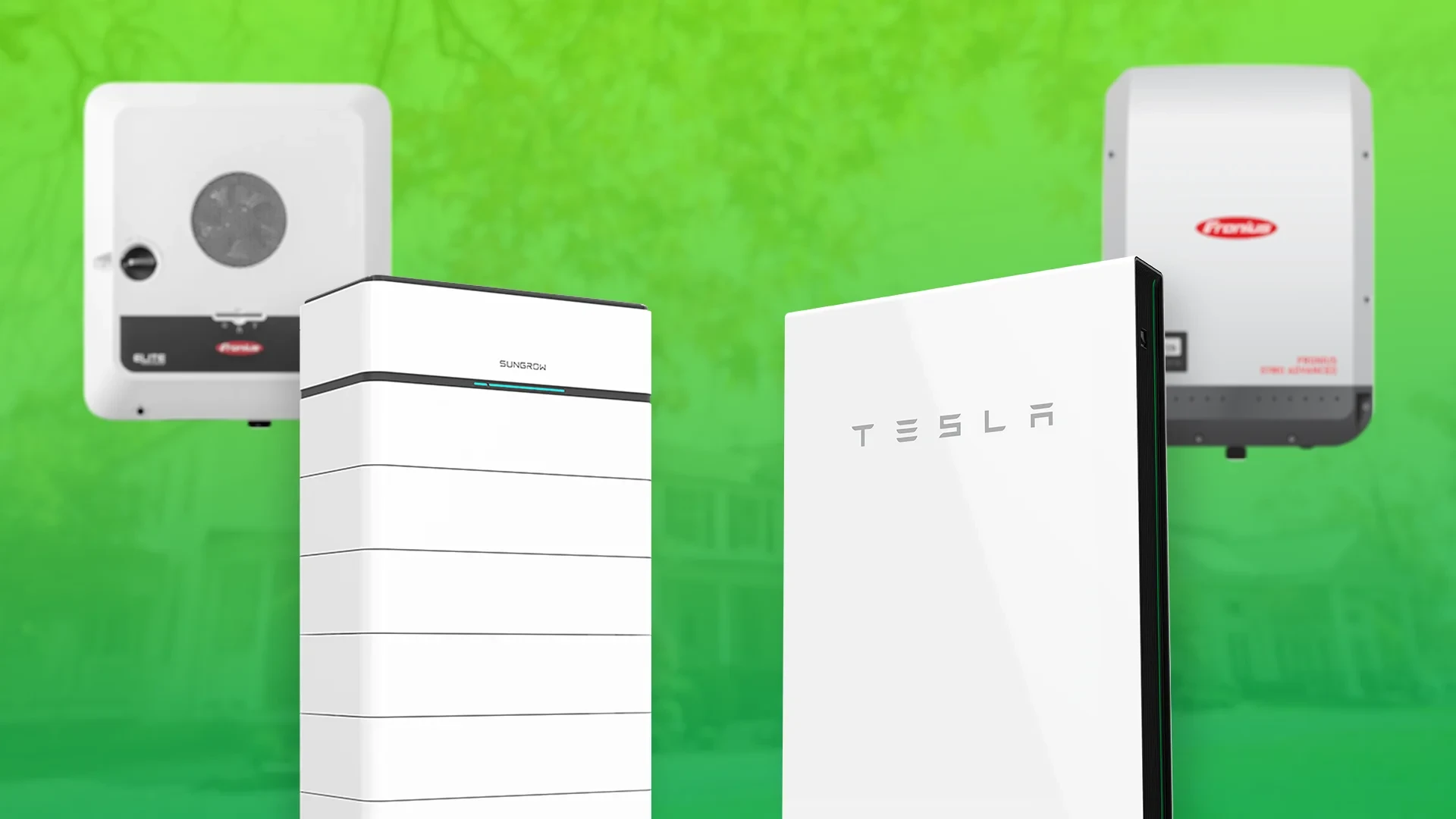
Explore the differences between AC and DC coupled solar battery storage and how it affects your solar system and inverters' configuration in Australia.

Explore if fleet or public electric vehicle charging is better for charging workplace and employee EVs for your business in Newcastle & the Hunter, NSW.
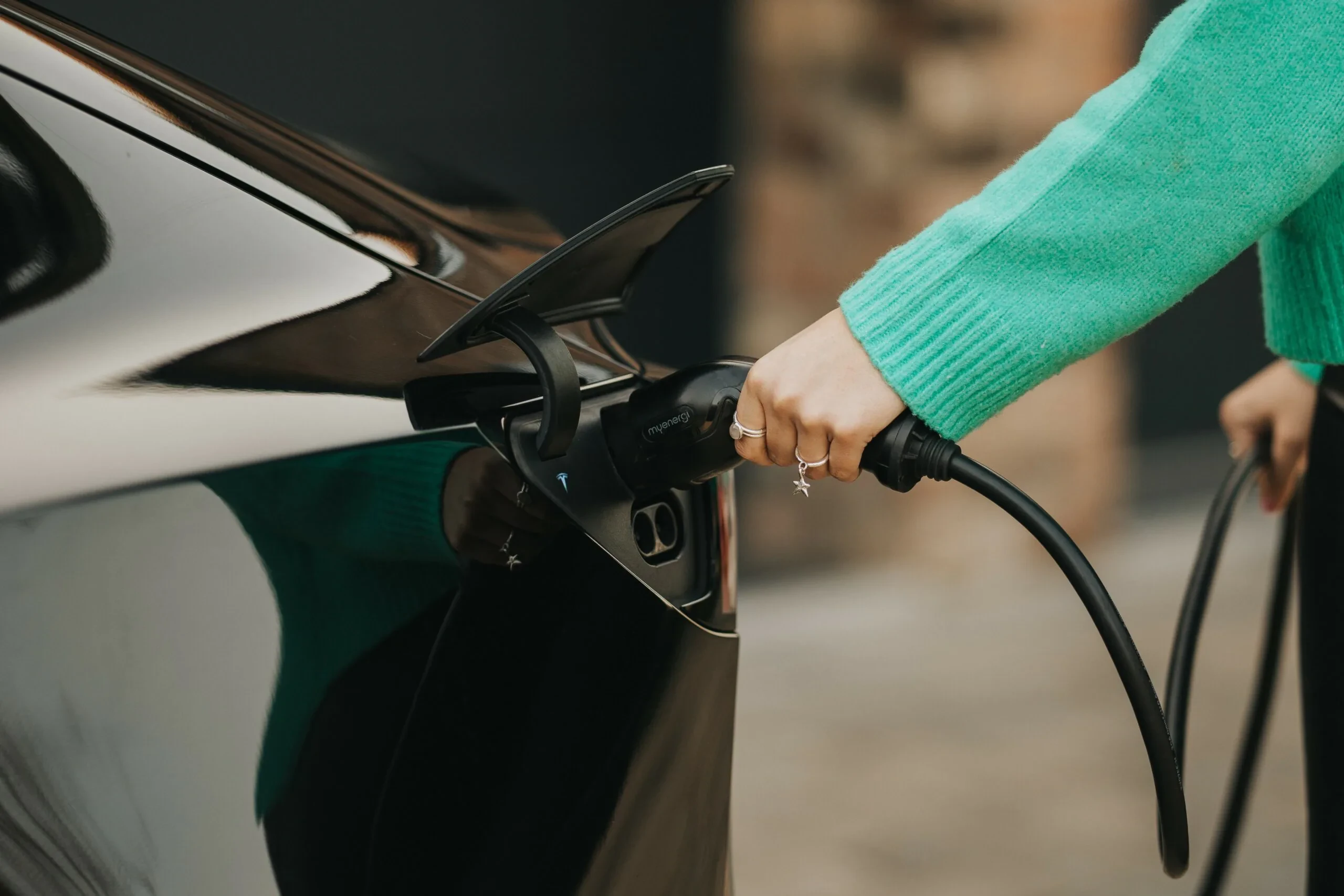
With homes, Australian standards, and energy networks being ready for bidirectional charging, why the wait? Let's explore grid, EV, & charger developments.
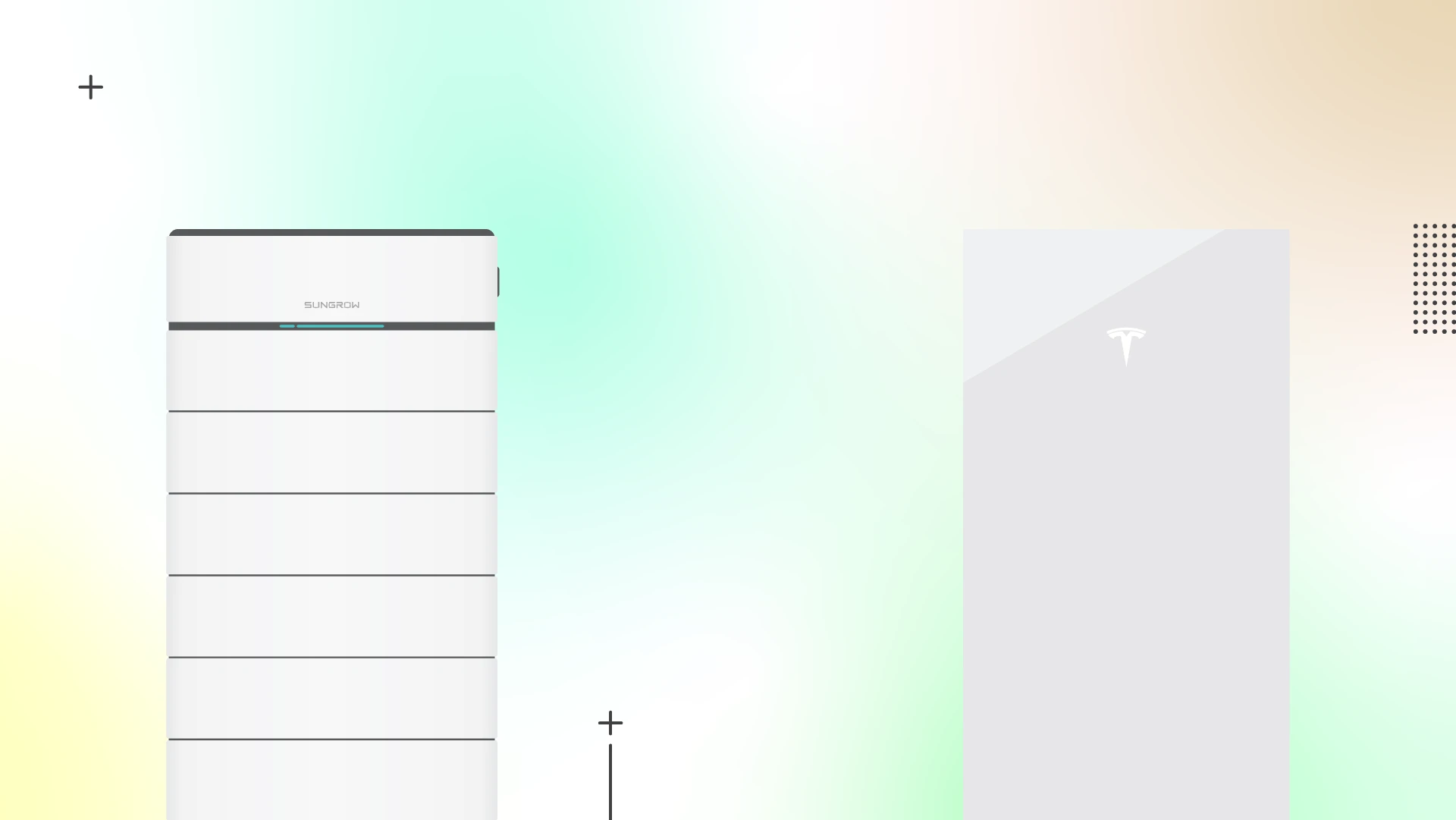
The differences between Tesla Powerwall 3 vs. Sungrow battery storage (SBH) capacity, warranty, and features, and which one is better in Australia.
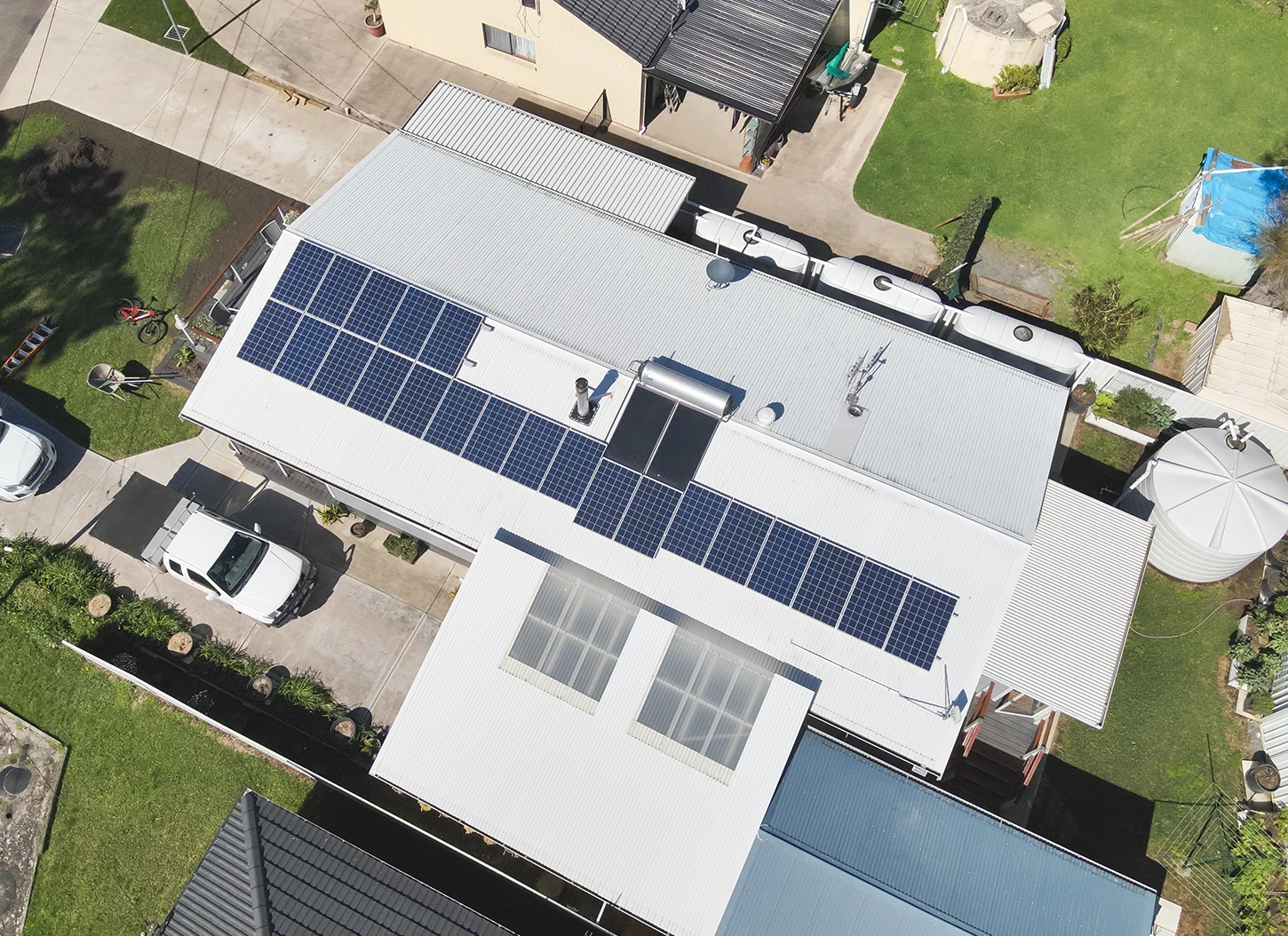
Comparing solar PV, solar hot water, & heat pump hot water systems for Australian homes. Which saves more, which costs less, and which is right for you.

Working closely with the Newcastle City Council, we helped the development of Gregson Park Playspace with electrical infrastructure, lighting, and facilities.
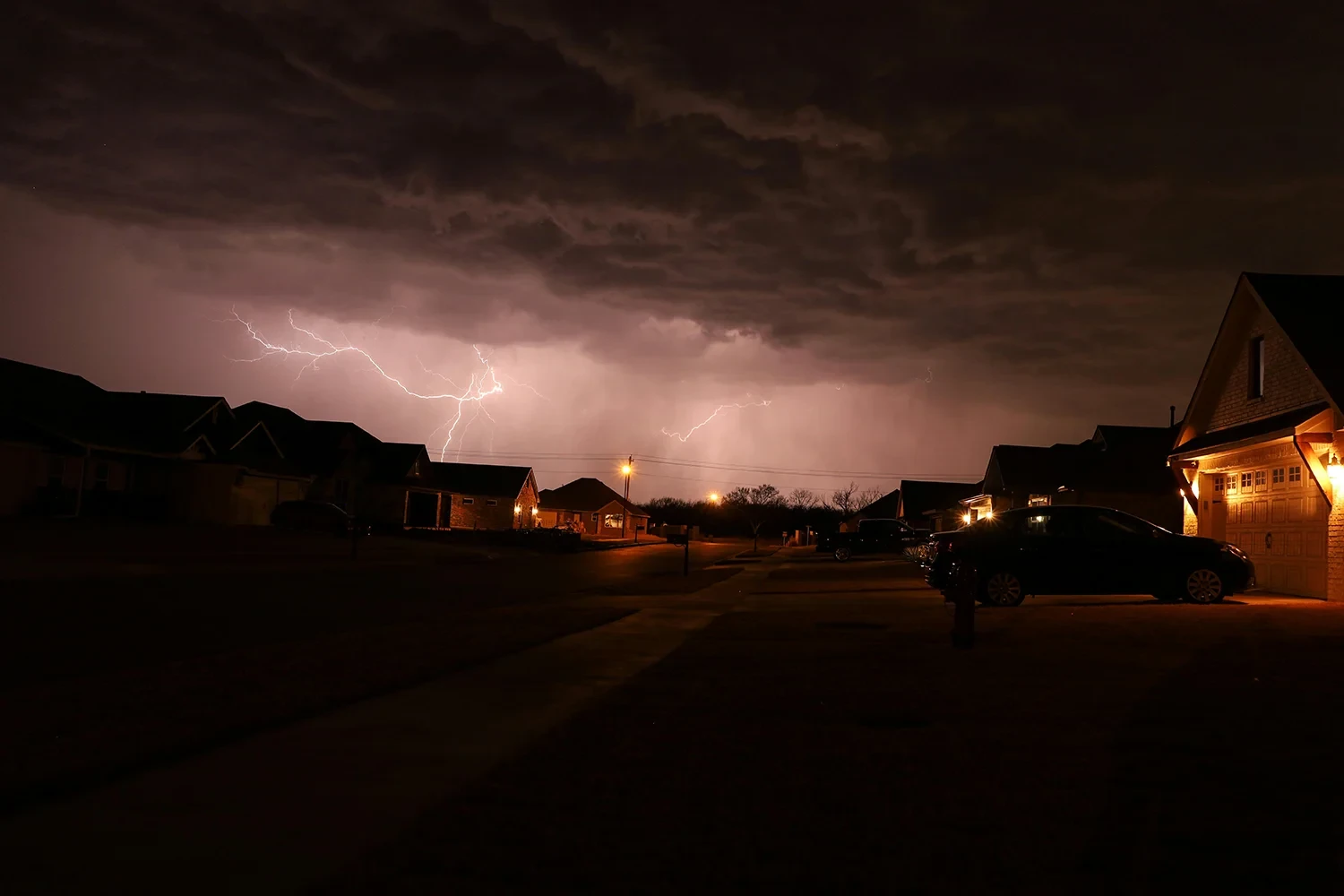
A very strong storm passed through the Hunter, leaving over 100,000 homes without power. Here's how you can protect your home's energy with independence.
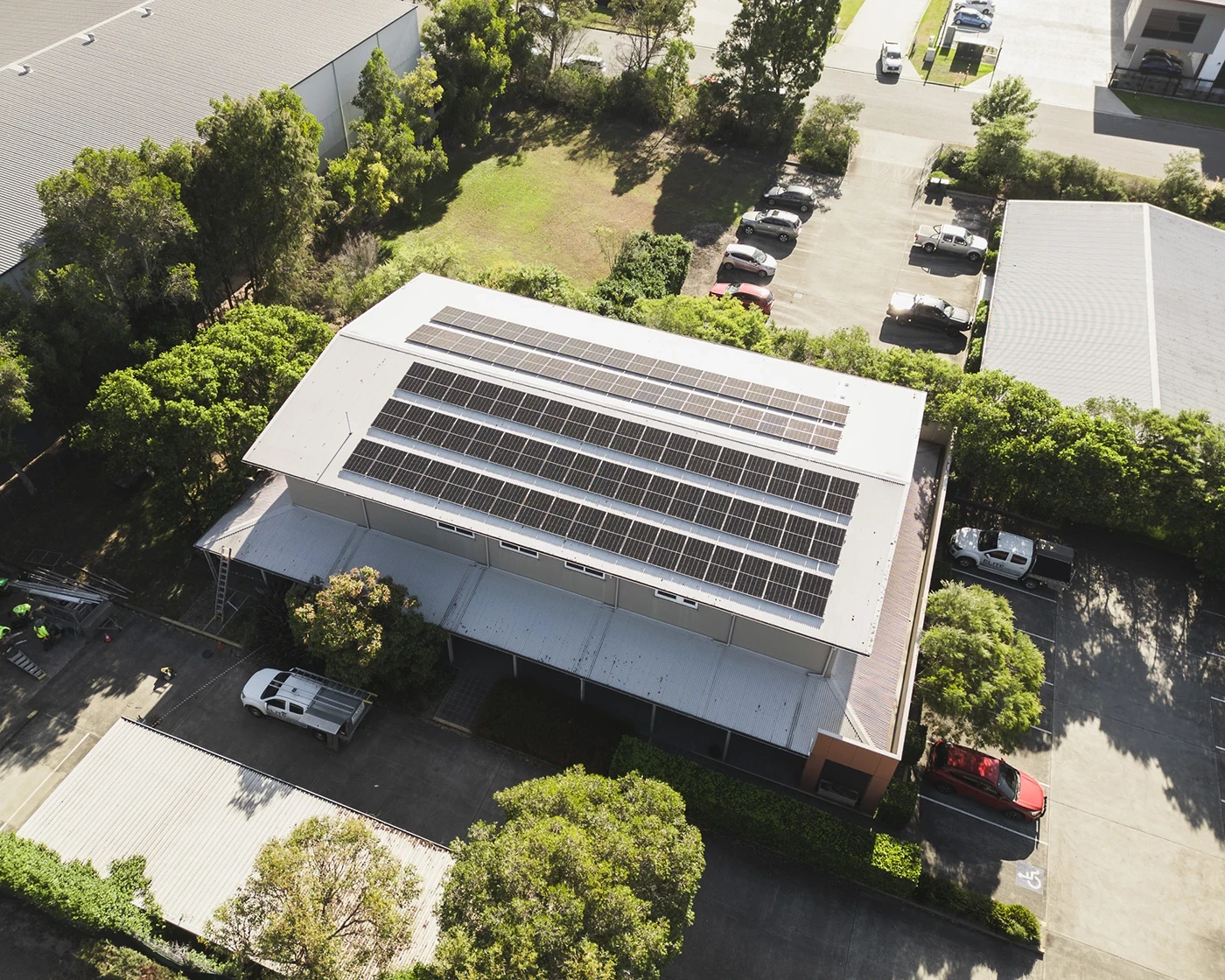
Completing a commercial solar and electric vehicle charger installation, our Thornton neighbours can take full advantage of renewable electricity and charging.
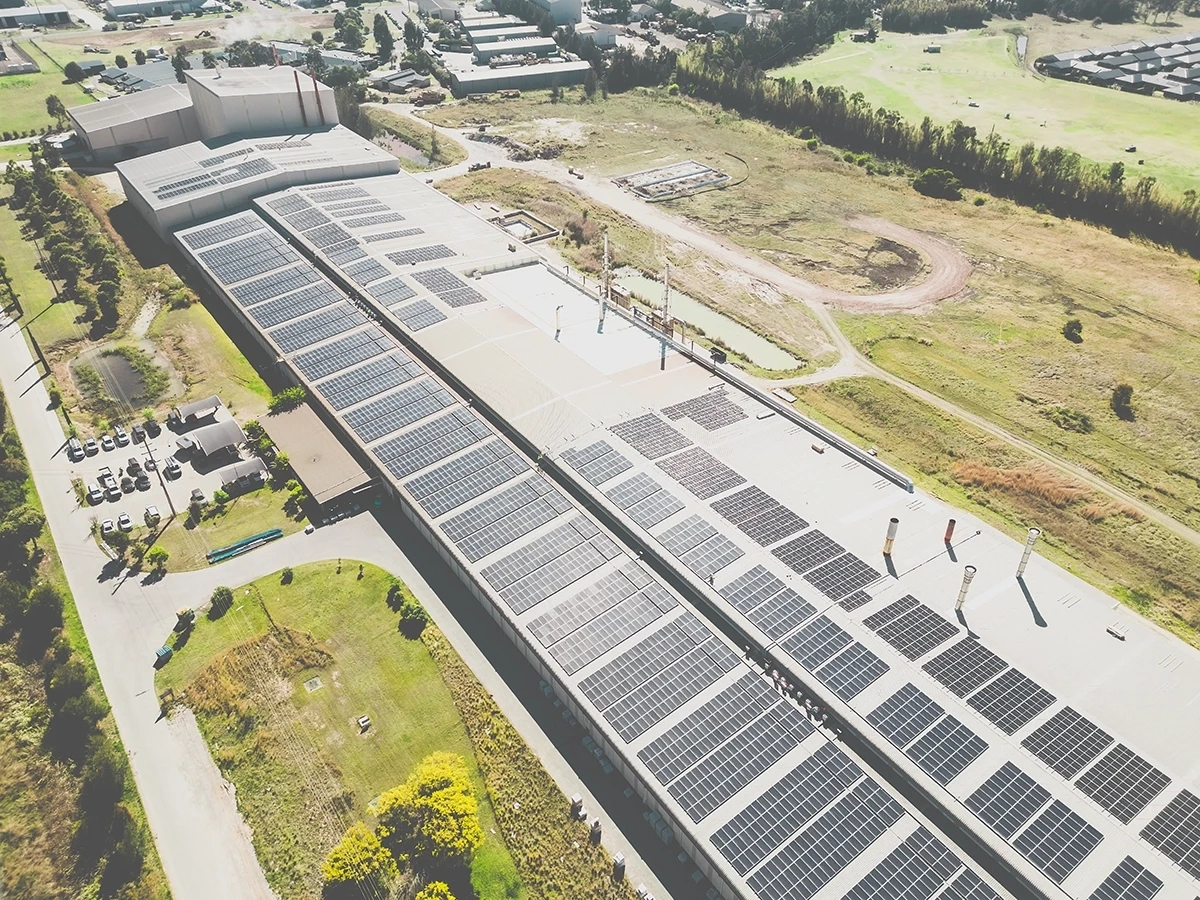
Elite Power Group installed a 2MW commercial solar installation for National Ceramic Industries Australia, totaling 4000 solar panels in Rutherford.

Explore various ways where homes and businesses can reduce electricity bills and maximise solar generation in Newcastle and the Hunter, NSW for 2026.
Renewable News Articles
Sign up for new article updates - we don't spam.
We've invested in becoming fully-licenced and qualified installers to ensure Newcastle homes and businesses
get the best solar, battery, and electrical systems available. We want to assist Newcastle's renewable energy revolution with quality
installations for maximum customer satisfaction.
Certified solar system installers near you.
Get CEC-Approved Battery Installations.
Fully-licenced electricians in Newcastle.
Convenient EV charging stations for properties.
Leave a Comment