Hunter Valley's Leading Residential & Commercial Solar Installers

Hunter Valley's Leading Residential & Commercial Solar Installers
Posted 7 May
Want the latest in energy, solar, and savings?Subscribe to our newsletter – we don’t spam!
What is the difference between AC and DC? AC (alternating current) switches direction back and forth - 50 times a second in Australia - while DC (direct current) flows in one steady direction. Your wall sockets supply AC; your batteries, solar panels, phone, and laptop run on DC.
Understanding the difference between AC and DC current is more straightforward than it sounds, and it's increasingly relevant for
Australian homeowners and businesses exploring solar, battery storage, and EV charging. This guide explains what AC and DC are, how they
differ, real-world examples of each, and how they work together in modern energy systems.
Electricity powers almost everything we do, including the device you're reading this article on. Being a large part of our lives, electricity is an important aspect, but did you know not all electricity is the same?
Electricity can come in 2 forms, Direct Current (DC) and Alternating Current (AC), which determines the flow direction of the current. But what's the difference?
What is Alternating Current (AC)? AC refers to the dynamic direction where both positive and negatives are switched at intervals where electrons keep switching directions that change the flow of the electrical current - usually seen in home appliances.
What is Direct Current (DC)? DC is when the current is consistently flowing in the one direction, which is the form of power that is mainly seen in battery storage, solar energy, and devices like phones and laptops.
An electrical current is the flow of electric charge, commonly transferred by electrons passing through a conductor like a wire. This is measured in amperes (A) or 'amps'.
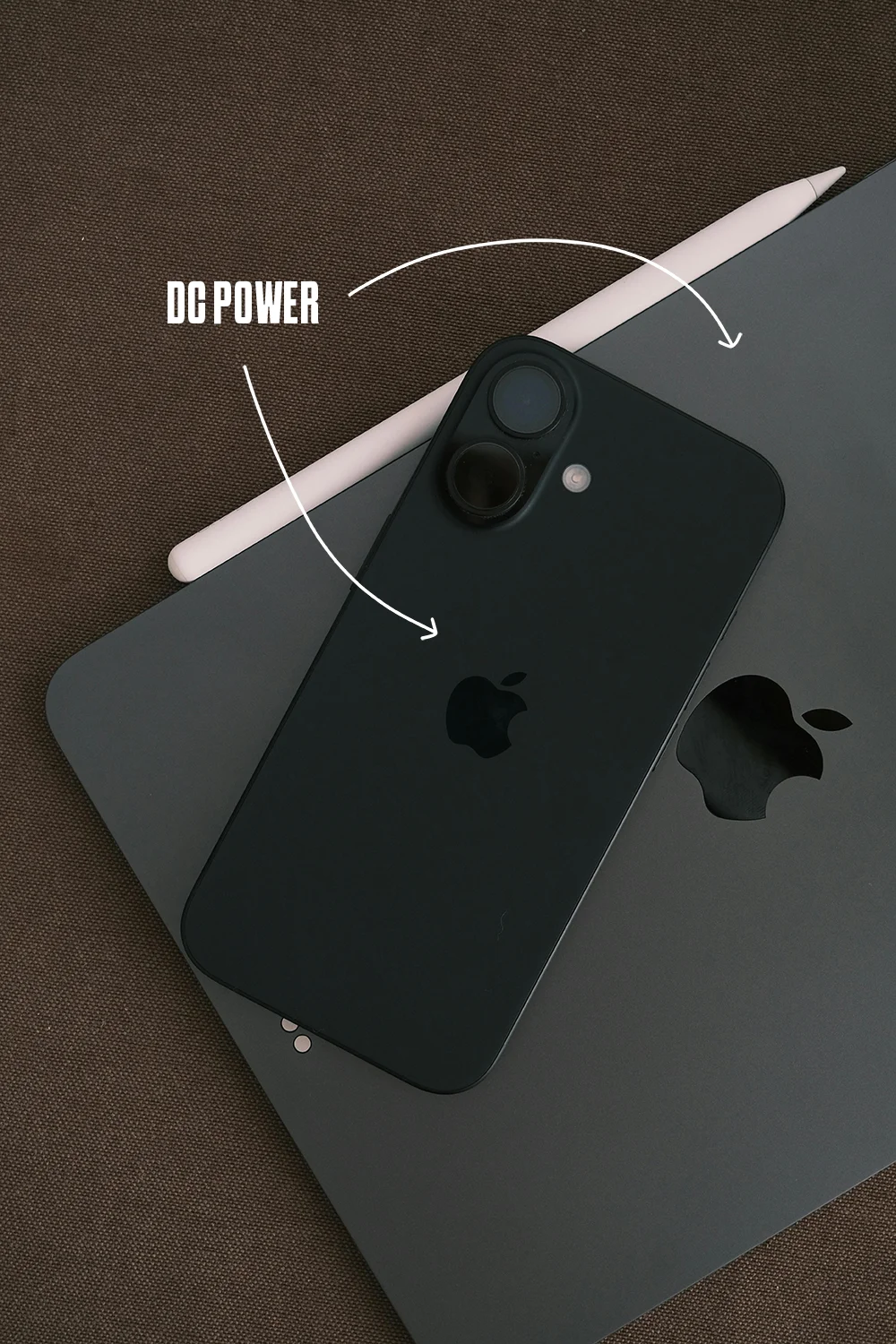
AC current or alternating current is when the flow reverses direction every second. In Australia, AC current runs at 230V, 50Hz, which means it's switching 50 times a second.
Being the more scalable solution, Nikola Tesla, and George Westinghouse innovated the AC current used for the primary method for electricity distribution as it can be stepped up to higher voltages and lowered again for general household consumption.
AC is now the universal standard for grid electricity.
Being the older one of the two, DC current or direct current flows in a single consistent direction and doesn't switch.
Thomas Edison pushed the boundaries of DC current in the late 19th century, as DC was easy to understand, however it had issues with scalability and transporting over long distances.
To transport over long distances, thick, high-capacity cabling was required to accommodate the high current which was expensive and unrealistic, especially over long distances.
To better understand what AC and DC is, let's use some real-life examples on what both AC and DC are used for and their differences.
In Australia, AC current (AC) is the standard for home appliances and grid electricity distribution, and is what the NEM's infrastructure is built on. The power distributed from the grid is AC, which the voltage can be stepped up or down using transformers.
Things like the grid, home appliances, outlets, industrial, equipment, and long-distance energy transmission all run on AC power.
DC current (DC) is what powers our batteries and electronic circuits, and is what powers solar energy and electrical transportation like electric vehicles (more on this later). Elements like phones, laptops, solar & battery systems, AA batteries, and EVs run on DC power.
A real-life example on AC vs. DC, could be the way we charge our phones. Back in the day, we used to get a charging brick included in the box which when plugged in, would invert the outlet's AC power to the phone's DC power. The heat occurs due to the efficiency losses that heat over longer charging periods.
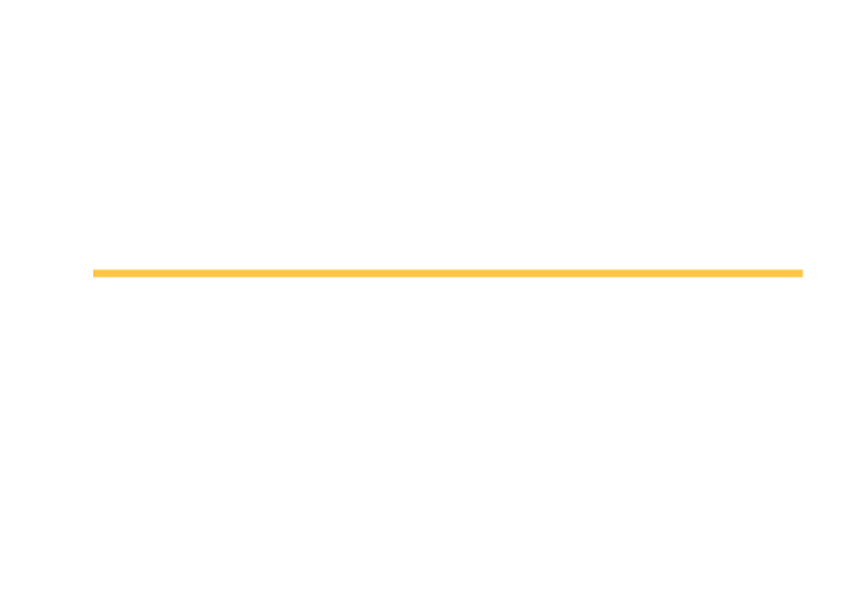
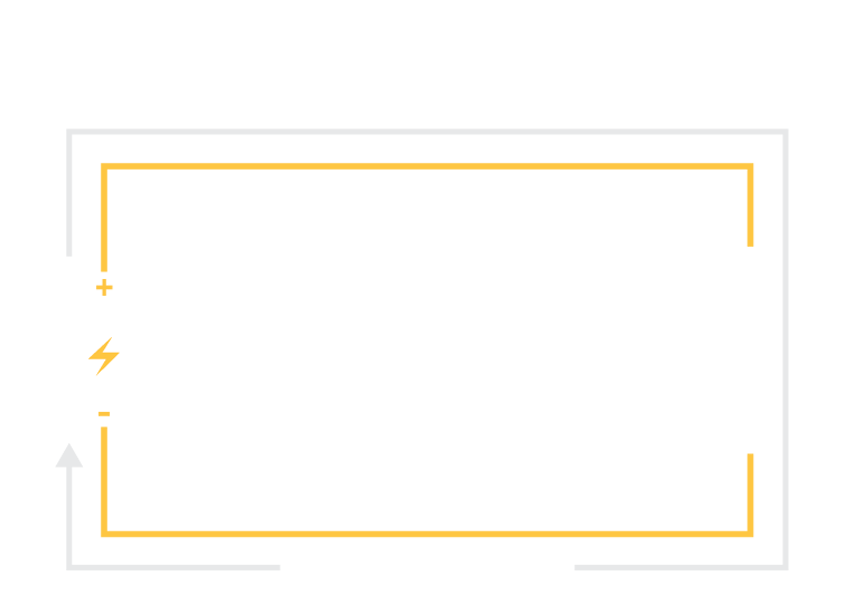
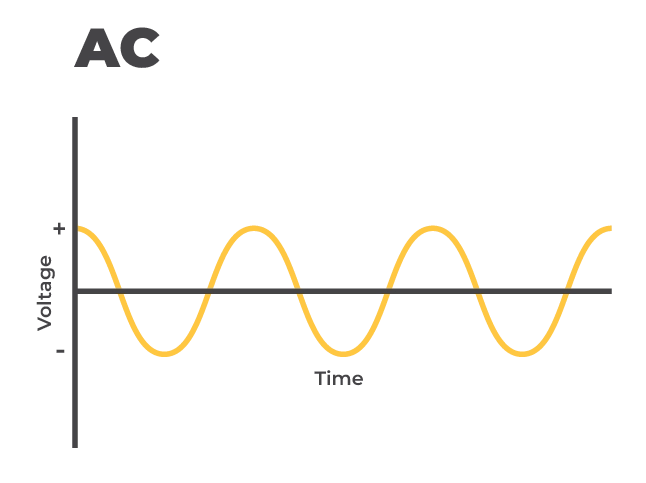
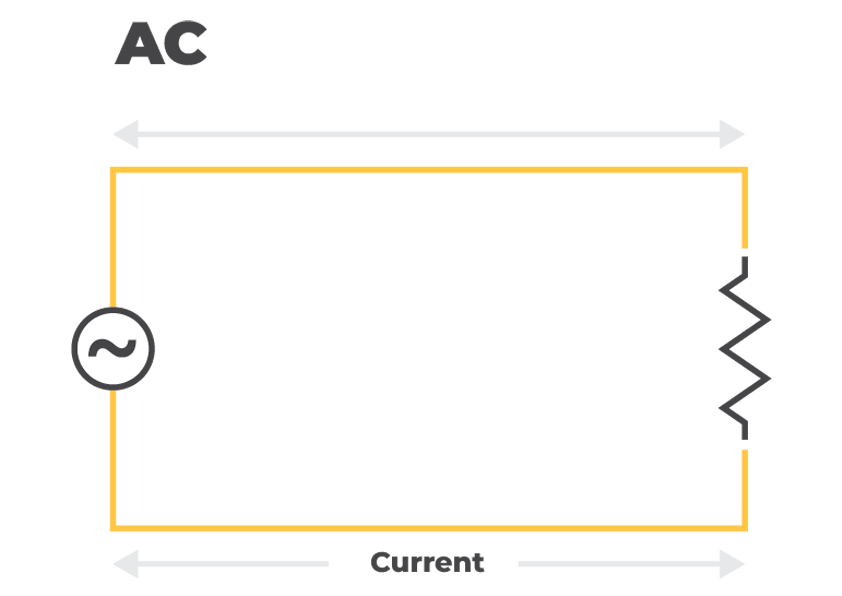
The main difference between Alternating current and Direct current is how the electrical current flows. AC is constantly switching from
positive to negative, whilst DC remains steady in one direction. Below are some example diagrams on how direct and alternating current
works.
Harder to change voltage —Unlike AC which uses simple transformers, DC requires more complex and expensive power electronics to step voltage up or down, which historically made it less practical for wide-scale grid distribution.
More difficult to interrupt — DC circuits are harder to break safely because there is no natural zero-crossing point (unlike AC's 50Hz cycle), requiring specialised switchgear and circuit breakers.
| Feature | AC (Alternating Current) | DC (Direct Current) |
| Direction of current | Reverses direction 50 times per second (50Hz) | Flows in one direction |
| Australian grid voltage | 230V at 50Hz | Varies by application |
| Varies by application | No | Yes (batteries) |
| Common sources | Power stations, grid, wall outlets | Batteries, solar panels, electronics |
| Voltage conversion | Easy (transformers) | Complex (power electronics) |
| Common uses | Household appliances, lighting, industrial equipment | Phones, laptops, solar storage, EVs |
| Examples | Kettle, air conditioner, power tools | Phone, laptop, AA battery, EV battery |
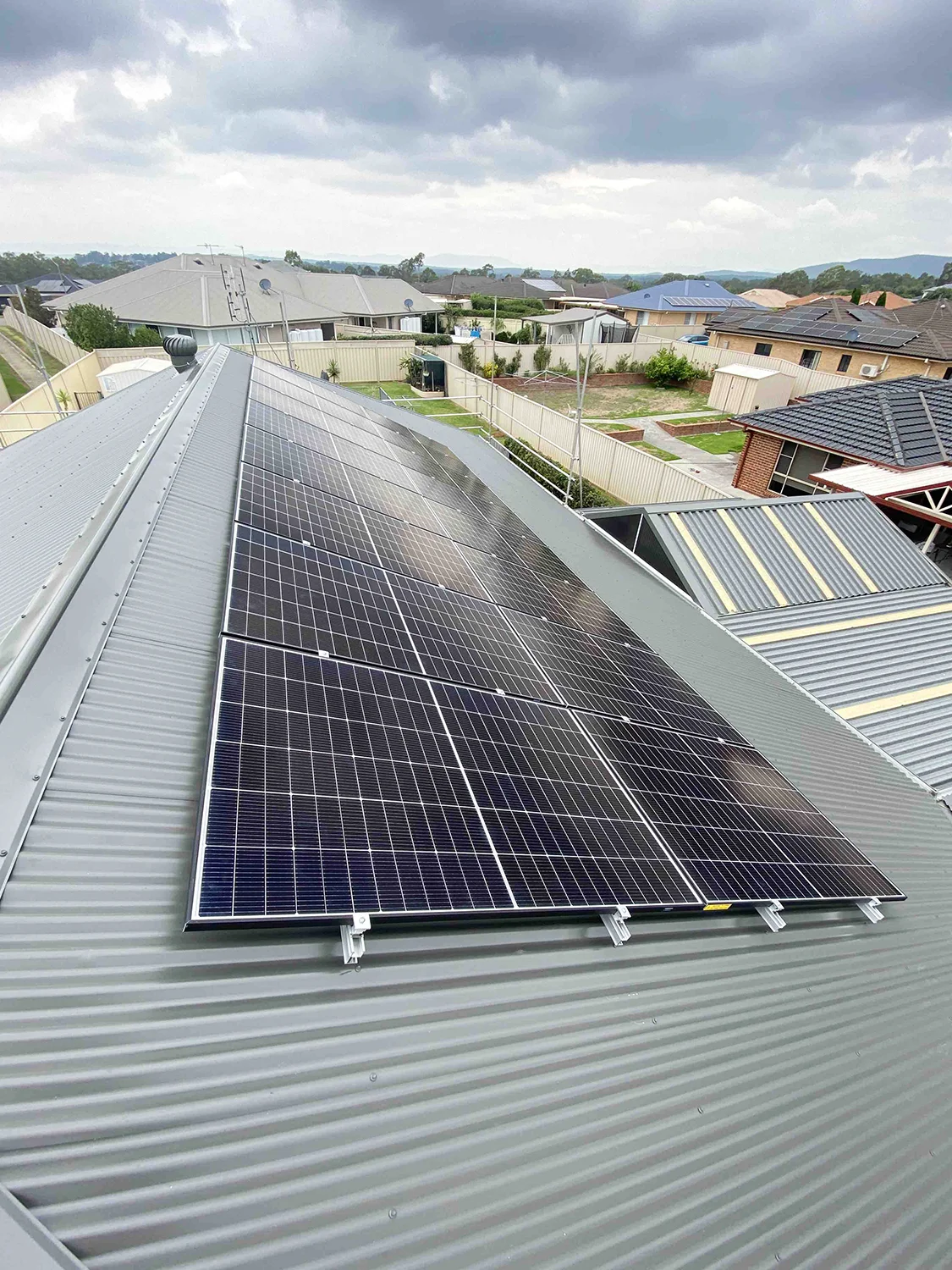
Using solar and battery systems as an example for AC and DC, the sun shines and generates DC power which is sent to the inverter to be converted to AC for general household usage and grid export.
Depending on if a battery is AC or DC-coupled, the battery may be responsible for its own power conversion or may rely on the hybrid inverter to convert the stored power.
AC and DC is an important part of solar and battery systems as each component generates and runs on different systems which requires inversion.
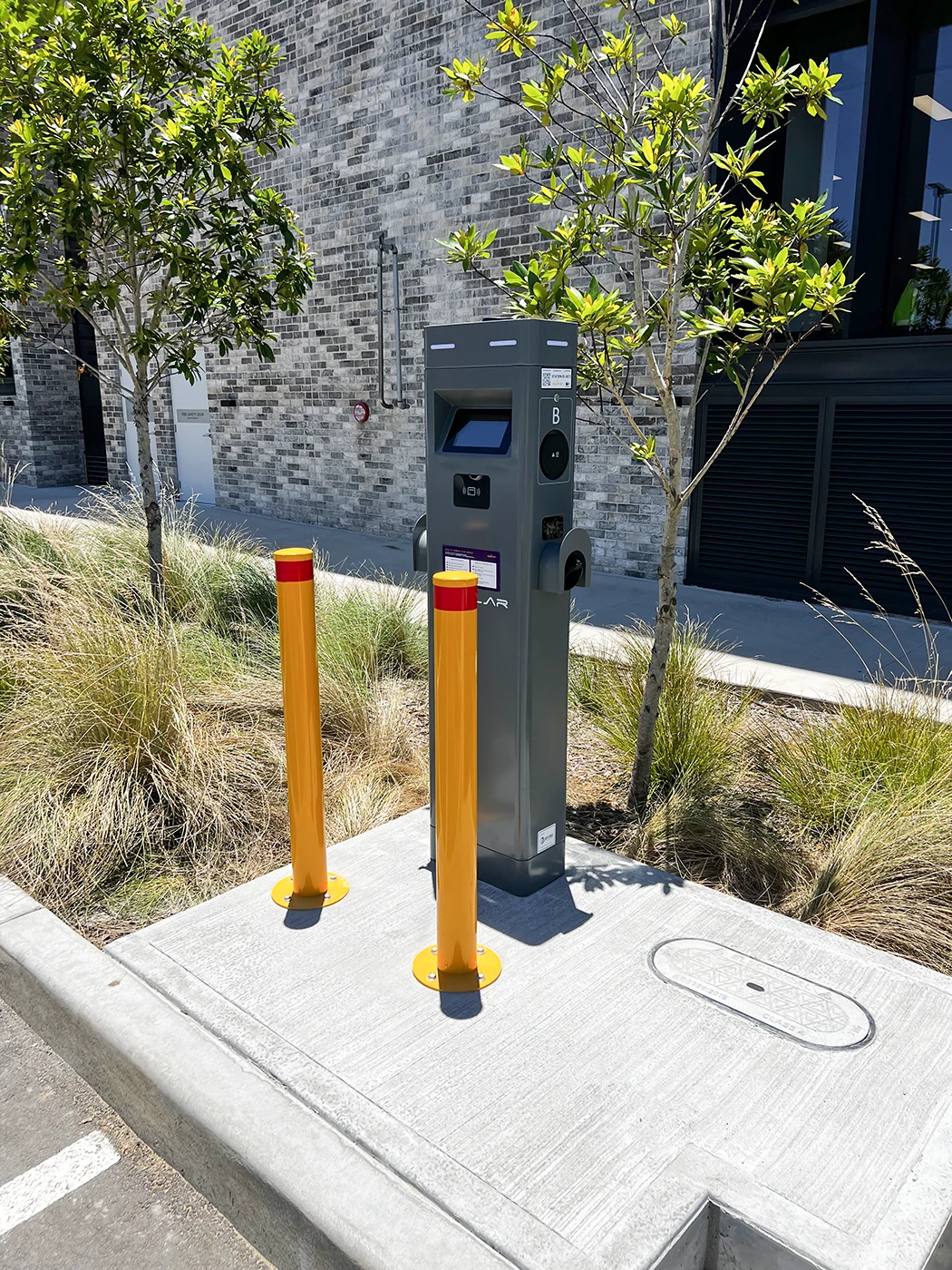
Let's use electric vehicle charging as an example as NSW's EV boom continues. The difference between AC vs. DC electric vehicle charging comes down to how the power is delivered to the EV.
Because the EV battery runs on DC, the energy that is being delivered will need to be or converted to DC power. When DC chargers are used, it alleviates the need to invert the energy before it enters the battery, enabling higher charging rates.
For AC chargers like the popular Tesla Wall Connector Gen 3, it can only deliver a certain amount of power as the charger delivers AC power to the EV which needs to be converted to the EVs required DC power using an onboard inverter.
Onboard EV inverters vary in speeds like how the Tesla Model 3 has an 11kW onboard inverter for AC charging. DC charging doesn't need conversion and can be charged as much faster rates like superchargers that can deliver up to 420kW of power.
Single and three phase specifically applies to alternating current and not direct current. In a three-phase system, there are 3 phases of AC current that is predominantly used in industrial and commercial settings where the delivery of high-power levels is required. It’s not incorrect to call DC ‘single-phase’ as it is technically one voltage waveform, but that can remain a discussion topic for another day.
Overall, both Alternating and Direct currents serve their purpose and continue to be the 'battle of the currents' throughout Australia. They aren't in competition, but serve specific purposes and compliment each other in the systems we use.
As we see more innovative energy technology come out over the next decade, it will be interesting where we head with our power generation, distribution, and consumption whether it be through AC or DC or continue to be through both for years to come.
See exactly what solar system size you need, from panel dimensions to 3kW-13.3kW+ pricing, based on your household size and daily usage in NSW.
Read moreExplore the recently changed VPP NSW rebate, & how the Peak Demand Reduction Scheme (PDRS) calculates rewards for joining a Virtual Power Plant.
Read moreAlready have a Powerwall 2? You can now add a Powerwall 3 alongside it. Supported configurations, limitations and how the rebates stack in 2026.
Read moreWhy does your solar generate less in winter? Explore real output figures, summer vs. winter differences, and the best month to use solar in Australia.
Read moreAll NSW homeowners need to know about the solar installation process - from first quote to first bill. 9 steps, real timeframes, & what to ask your installer.
Read moreAlready have solar? Decide whether to add a battery, expand your panels or replace your system, and which delivers the best return in 2026.
Read moreSupply charges, feed-in tariffs, controlled load, peak rates - we explain every line on your NSW electricity bill and show you where you can save more.
Read moreCompare retailer Solar Sharer plans, check eligibility & opt in. Origin, Amber, AGL, EnergyAustralia & more. 3 hours free power daily from 11am–2pm.
Read moreLearn how home electricity works in Australia, including circuits, switches, circuit breakers, RCDs and what happens during power outages.
Read moreIs solar & battery worth investing in for Australian homes? Explore 2026 costs, payback periods, disadvantages, and how the Solar Sharer offer affects it.
Read moreLearn about the May 1st Federal battery rebate changes in Australia and what they mean for home battery costs, solar savings, and discounts.
Read moreCompare Tesla Powerwall 3, Sungrow SBR & SBH, GoodWe ESA, Fronius Reserva, and BYD Battery-Box to find the best home battery for Australia.
Read moreExplore how Australia’s Q4 2025 solar and battery data highlights a major milestone: majority renewable contribution to daytime electricity demand.
Read moreHow rooftop solar helped NSW avoid blackouts during the 2026 heatwave, reducing grid stress & supporting record electricity demand across Newcastle.
Read moreExplore Elite Power Group's solar and battery installation statistics for 2025, and how we performed over this year of operation in Newcastle and Maitland.
Read moreCompare how Peak shaving reduces demand spikes; load shifting moves consumption to cheaper hours; demand response is grid-triggered.
Read moreExplore the difference between solar inverter types like grid-tied, hybrid, microinverters, and off-grid inverters for solar and battery systems in Australia.
Read moreExplore Australia's first CEC-approved bidirectional and vehicle-to-grid capable electric vehicle, the V2Grid Numbat, a 6.2kW V2G/H charger now ready.
Read moreEnergy capacity (kWh) is how much a battery stores. Power output (kW) is how fast it delivers. Covers nominal vs useable, SoC, DoD and cycles.
Read moreExplore the differences between AC and DC electric vehicle charging in Australia and how it affects the way you charge your EV, and the pros & cons.
Read moreConsidering a cheap solar system? Learn how low-quality, unreliable inverters and panels can lead to costly repairs, full replacements, and safety issues.
Read moreLearn the difference between volts, amps and watts, and learn electricity with simple explanations, formulas, real-world examples, and an easy calculator.
Read moreBattery supply chains are tight across Australia, with shipping delays leaving many installers out of stock and customers waiting longer. What's happening?
Read moreLearn how to avoid solar scams in NSW. Spot red flags & dodgy installer tactics and find reputable companies with great warranty & quality installations.
Read moreExplore why the delays in vehicle-to-grid and bidirectional chargers are happening, and how V2G faces regulatory and legislative development in Australia.
Read moreOver 56,000 solar batteries were sold in Q2, 2025, thanks to the Australian battery subsidy. Explore solar & battery uptake, growth trends, and what's next.
Read moreDiscover how to choose the right solar battery size for your home. Compare 10kWh, 15kWh, and 20kWh options to maximise savings, and solar in NSW.
Read moreVirtual Power Plants explained for Australian homeowners. What a VPP is, how it works, NSW program comparison and whether joining one is worth it.
Read moreExplore what solar hotspots are, how they can affect your panel performance & efficiency, & how bypass diodes can affect your cells & strings in Australia.
Read moreDiscover the best home EV chargers in Australia. Compare popular electric vehicle home charging stations, costs, and installations for Newcastle NSW.
Read moreLearn if your roof is suitable for solar panels and how roof materials like terracotta or tin, orientation, tilt, & shading can affect energy production and install.
Read morePower vs Energy in Australia: Difference Between Watts and Watt-Hours, kW vs kWh, with Diagrams, Calculations, and Home Appliance Examples.
Read moreExplore upcoming & available bidirectional V2G-capable chargers in Australia from V2Grid, RedEarth, Sigenergy, Enphase, Tesla, and Fronius EV charging.
Read moreCompare the difference between Sungrow's SBH and SBR battery storage vs. BYD Battery-Box and find what battery is better for homes or businesses in NSW.
Read moreThe NSW Government have announced that the NSW Battery Rebate (PDRS) will be suspended on June 30th, 2025, and will no longer be available.
Read moreAvoid the 9.7% NSW electricity bill increase with expert tips on reducing energy costs, optimising solar usage, and finding better energy plans in 2025.
Read moreExplore how you can use your EV battery via vehicle-to-load (V2L) as a backup energy source during blackouts to power your home appliances in Australia.
Read moreExplore Australia's Federal Government solar battery rebate subsidy like eligibility, approved batteries, requirements, and more about the upcoming incentive.
Read morePartnering with Elite Power Group, Maitland City Council have invested in more electric vehicle chargers in the Maitland area, supporting the uptake of EVs.
Read moreCompare home insurance policies and find out if solar and battery is covered and how installations affect costs, value, and included coverage in Australia.
Read moreShould solar owners get a home battery (ESS) or wait for vehicle-to-home (V2H) technology to use electric vehicle battery power to be available in Australia?
Read moreExplore the differences between AC and DC coupled solar battery storage and how it affects your solar system and inverters' configuration in Australia.
Read moreExplore if fleet or public electric vehicle charging is better for charging workplace and employee EVs for your business in Newcastle & the Hunter, NSW.
Read moreWith homes, Australian standards, and energy networks being ready for bidirectional charging, why the wait? Let's explore grid, EV, & charger developments.
Read moreThe differences between Tesla Powerwall 3 vs. Sungrow battery storage (SBH) capacity, warranty, and features, and which one is better in Australia.
Read moreComparing solar PV, solar hot water, & heat pump hot water systems for Australian homes. Which saves more, which costs less, and which is right for you.
Read moreWorking closely with the Newcastle City Council, we helped the development of Gregson Park Playspace with electrical infrastructure, lighting, and facilities.
Read moreA very strong storm passed through the Hunter, leaving over 100,000 homes without power. Here's how you can protect your home's energy with independence.
Read moreCompleting a commercial solar and electric vehicle charger installation, our Thornton neighbours can take full advantage of renewable electricity and charging.
Read moreElite Power Group installed a 2MW commercial solar installation for National Ceramic Industries Australia, totaling 4000 solar panels in Rutherford.
Read moreRenewable News Articles
Sign up for new article updates - we don't spam.
We've invested in becoming fully-licensed and qualified installers to ensure Newcastle homes and businesses
get the best solar, battery, and electrical systems available. We want to assist Newcastle's renewable energy revolution with quality
installations for maximum customer satisfaction.
Certified solar system installers near you.
Get CEC-Approved Battery Installations.
Fully-licensed electricians in Newcastle.
Convenient EV charging stations for properties.
Leave a Comment