Hunter Valley's Leading Residential & Commercial Solar Installers

Hunter Valley's Leading Residential & Commercial Solar Installers
Posted 1 Sep
Want the latest in energy, solar, and savings?Subscribe to our newsletter – we don’t spam!
In a world of innovation and revolutions, we see homes and businesses explore better ways where they can produce, store, and consume their own power using microgrid systems to avoid the instability and chaos of the electricity grid.
With the rapid uptake of solar and battery across Australia with available incentives, homes and businesses are exploring ways that they can maximise benefits and return-on-investment timeframes. One strategy is joining a Virtual Power Plant (VPP) program to accelerate returns, but what in the world is a VPP, and how does it work?
Quick answer: A Virtual Power Plant (VPP) is a network of home batteries linked by software that can be coordinated to export stored energy to the grid during peak demand periods. Homeowners who join a VPP earn credits or payments when their battery is called on. To participate, you need a solar system, a compatible battery, and a smart meter. You do not have to join a VPP to install a battery, but for many households it is a worthwhile way to offset the cost of battery storage.
A virtual power plant is not a physical building. It is a network of distributed energy resources, primarily home solar batteries, connected and coordinated by a central software platform operated by an energy retailer or aggregator.
Individually, a single home battery cannot meaningfully influence the grid. But aggregate thousands of home batteries across a city or state, and the combined capacity starts to look like a large-scale power station. During periods of high grid demand, the VPP operator can instruct participating batteries to discharge simultaneously, injecting stored energy into the grid and reducing the need to fire up expensive gas peaking plants.
In return for making their battery available, homeowners receive financial compensation. Depending on the program, this might come as an upfront discount on the battery, ongoing bill credits, payments per event, or a combination.
The Clean Energy Regulator now requires all on-grid solar batteries to be VPP-capable at the time of installation to claim Small-scale Technology Certificates (STCs) under the SRES. You do not have to join a VPP, but your battery must be capable of participating in one.
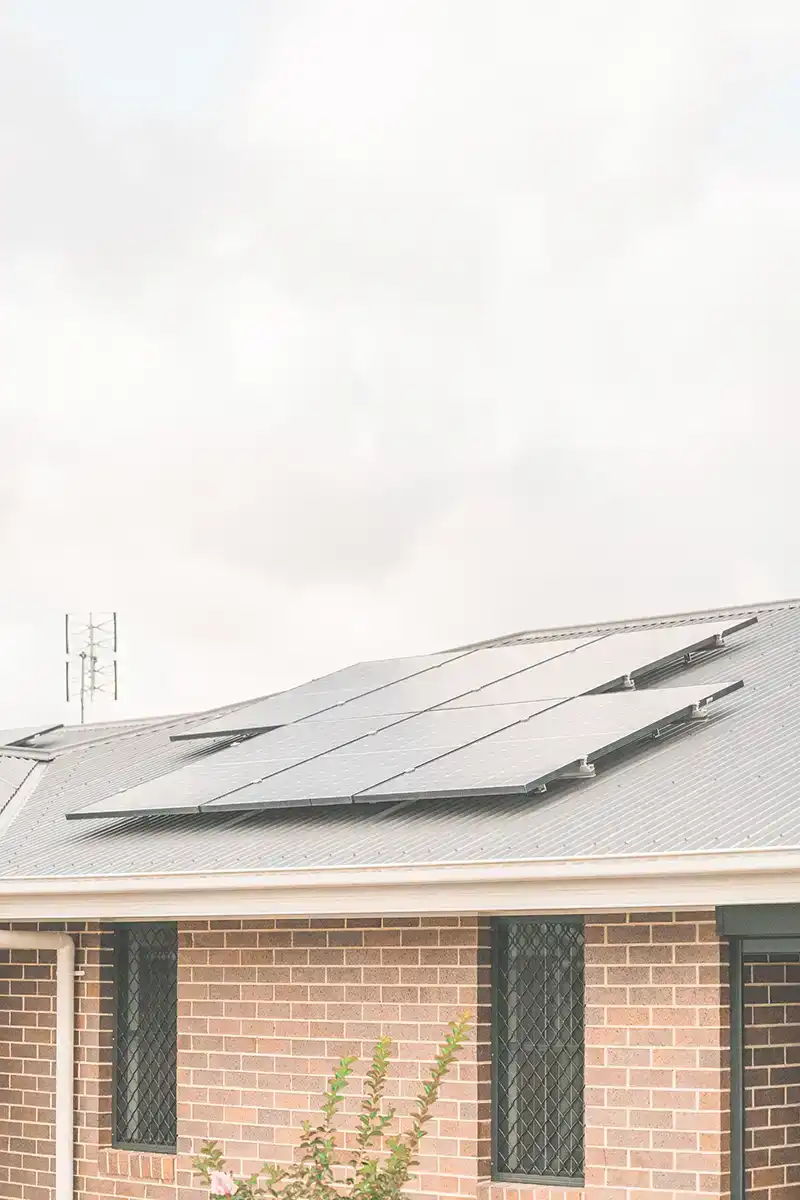
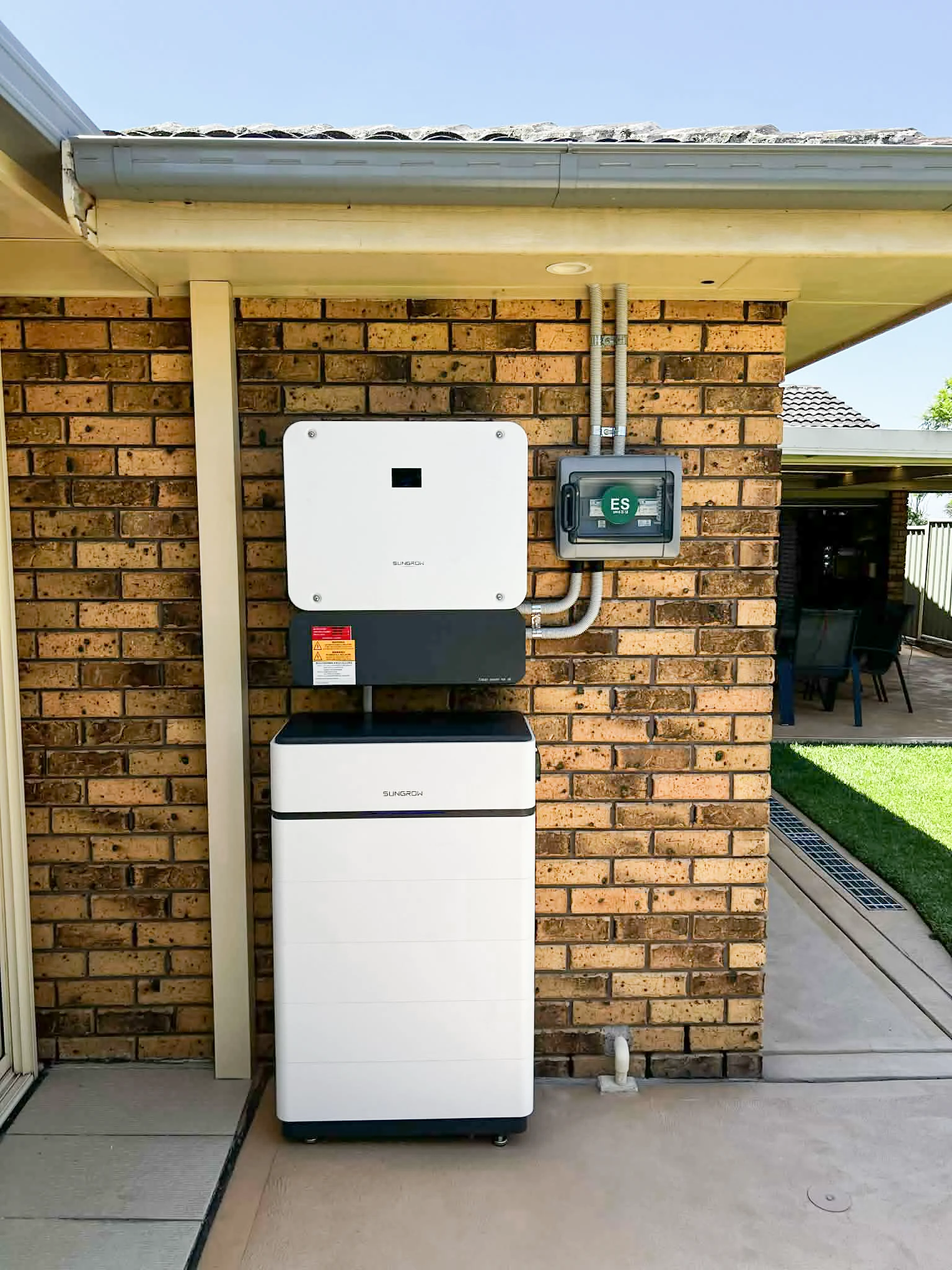
When you join a VPP, you grant the program operator permission to remotely access and discharge your battery during grid stress events. Here is what that looks like in practice:
Your battery charges from your solar panels during the day as usual. When the grid comes under stress, typically during late afternoon and evening peak periods, the VPP operator sends a signal to participating batteries instructing them to discharge.
Your battery exports stored energy to the grid. The discharge event typically lasts minutes to a couple of hours, and you receive compensation for the energy exported, either as a bill credit or a direct payment depending on the program structure.
After the event, your battery recharges to the level you have set as your minimum reserve.
Most VPP programs allow you to set a minimum state-of-charge reserve that the operator cannot draw below. This means you can protect a portion of your battery for overnight household use or blackout backup, and only the excess above that floor is available to the VPP.
Last Updated: 1 September 2025
The table below covers the main VPP programs available to NSW homeowners as of July 2026. Eligibility requirements, payment structures and compatible batteries vary between programs and change regularly. Always confirm current terms directly with the provider before signing up.
| NSW VPP Networks | AGL | Energy Australia 'Battery Ease' | Amber Smartshift | Origin Loop VPP | ENGIE VPP Advantage |
|---|---|---|---|---|---|
| Approved Batteries |
Tesla Powerwall 2 & 3 LG RESU 16H & 10H Sungrow SBR 096,128,160,192,224,256 SolarEdge Energy Bank & Home Battery |
Approved battery and inverter systems include: Alpha ESS, Ambrion, Eveready, GivEnergy, Goodwe, Growatt, Hive, LG Energy Solution, Redback, Sigenergy, Solaredge, Sungrow, Sunpower and Tesla. |
• Tesla Powerwall 2 & 3 • LG Chem • AlphaESS • Hive • REA Power • BYD HVM & HVS • Sungrow batteries (with compatible inverters*) • Redback • Sigenergy • Neovolt |
• Sungrow SBH and SBR • GoodWe Lynx • LG RESU • Solax T-BAT • AlphaESS SMILE & Storion • Tesla Powerwall |
• Tesla Powerwall 2 • Tesla Powerwall 3 • Empower Elektrobank • Sungrow SBR and SBH • AlphaESS SMILE • Sigenergy SigenStor |
| Eligibility Requirements |
Supply address must be able to export more than 5kW.
Smart meter installed |
Must be an Energy Australia customer. Smart meter and reliable internet (excluding 3G/4G). |
Amber subscription ($25/month). Smart meter and reliable internet (excluding 3G/4G). |
Battery Maximiser: 5–20kW solar system, 9.5kWh+ battery, 5kW inverter. BYO Offer: >5kW solar, >5kWh battery. Monthly Credit/Upfront Discount: Must be installed by Origin. |
5–10kW inverter solar system. Smart meter and reliable internet (excluding 3G/4G). |
| VPP Program Offers |
$100 sign-up or $0.4932/day credit. $1000 rebate to system or prepaid card. |
$15/month bill credit (up to $180/year). | Access wholesale market – earn up to $19/kWh. | $200 sign-up bonus + $1/kWh export during Loop events. | $200 sign-up credit + ~$20 monthly credits. |
| Feed-in and Consumption Tariff | Standard AGL plan (no specific VPP FiT). | 12c/kWh for first 15kWh exported. | Up to $19/kWh exports. | Standard Origin plan FiTs. | 12c/kWh for first 8kWh/day, then 5.5c/kWh (as of 1 July 2024). |
| Duration |
BYO program: 12 months. PDRS batteries: 36-month contract. |
No term specified. | No lock-in contracts. |
PDRS rebates: 3-year contract. Maximiser & BYO: No lock-in. Monthly Credit & Origin Install: 5 years. |
No lock-in contracts. |
| Minimum Capacity Reserve | Leaves 20% battery capacity. |
Leaves a minimum of 10% energy capacity. Will not exceed 200kWh/year. |
No more than 2 cycles/24hrs. (Earning optimiser mode) No more than 1.3 cycles/24hrs. (Battery booster mode) User defines reserve. |
20% reserve capacity. Max 200kWh/year exports. |
20% reserve (Tesla) or inverter-defined. Max 405kWh/year exports. |
| Cancellation |
$0–$800 exit fee if rebate taken. No fee for BYO offer. |
No exit fees. | No exit fees. | Early exit may incur fee equal to rebate value remaining. | No exit fees. |
| Additional Info | Program not accepting new customers. | *Compatible inverter list available. | |||
| VPP Rebate Options | NSW Government's VPP Incentive + Cheaper Homes Batteries Program | NSW Government's VPP Incentive + Cheaper Homes Batteries Program | NSW Government's VPP Incentive + Cheaper Homes Batteries Program | NSW Government's VPP Incentive + Cheaper Homes Batteries Program | NSW Government's VPP Incentive + Cheaper Homes Batteries Program |
| Terms & Conditions |
Notes: Program availability, payment rates and battery compatibility change regularly. This table is a guide only - confirm current eligibility with the relevant provider.
Amber Electric takes a different approach to VPP participation compared to most programs. Rather than a traditional VPP with discrete events and fixed payments, Amber's SmartShift feature exposes your battery to real wholesale electricity prices in real time.
During periods of high wholesale prices (peak demand events), SmartShift automatically discharges your battery, exporting energy at the elevated spot price. During periods of very low or negative wholesale prices (midday solar surplus), SmartShift charges your battery from the grid at minimal cost.
For technically engaged homeowners who want maximum control and transparency, Amber's model often outperforms fixed-payment VPP programs. The trade-off is more variability in earnings and a slightly steeper learning curve in understanding the platform.
Amber SmartShift is compatible with most major home battery brands including Tesla Powerwall, Sungrow, BYD, Enphase and others through the platform's API integrations. It is not a separate VPP program per se - it is Amber's wholesale-passthrough model applied to battery management.
For most homeowners with a compatible battery, joining a VPP is worth considering, with some caveats.
The financial case depends on the program. Programs that offer upfront battery discounts (AGL, some others) effectively reduce your payback period from day one. Programs that pay per event or per kWh exported deliver ongoing earnings but require your battery to be called on regularly to accumulate meaningful value. In a high-event period (extreme heat, grid stress events), earnings can be significant. In a quiet year, they may be modest.
The practical trade-off is battery cycling. VPP participation means your battery cycles more than it would under normal household use. Most modern battery warranties allow for this, but it is worth checking your specific battery's warranty terms for VPP participation before signing up.
The minimum reserve setting is important. If your VPP program allows you to set a meaningful reserve (20-30% of capacity) for household use, the impact on your day-to-day energy management is minimal. If the program requires more of your battery capacity than you are comfortable with, that is a reason to compare programs before committing.
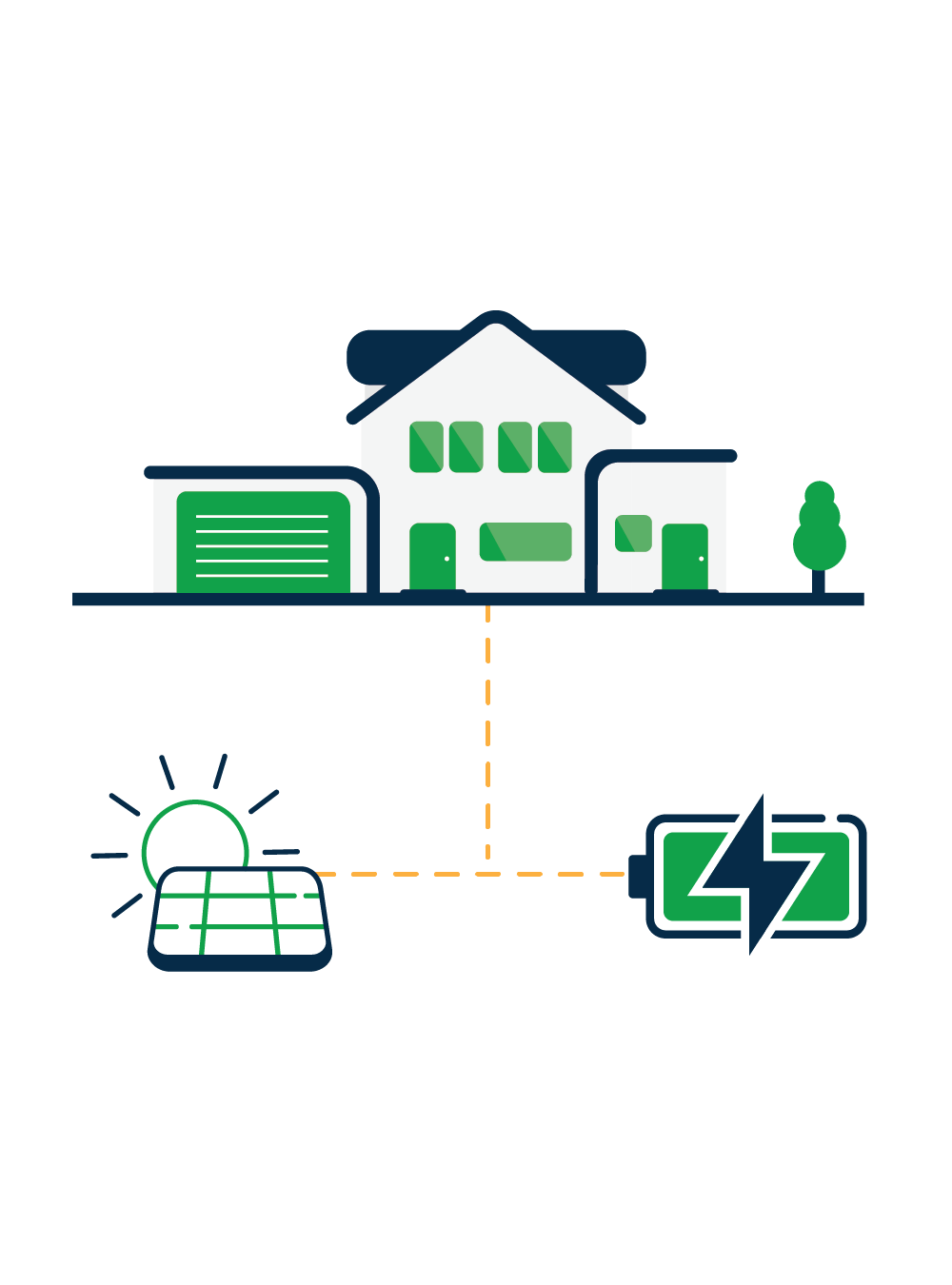
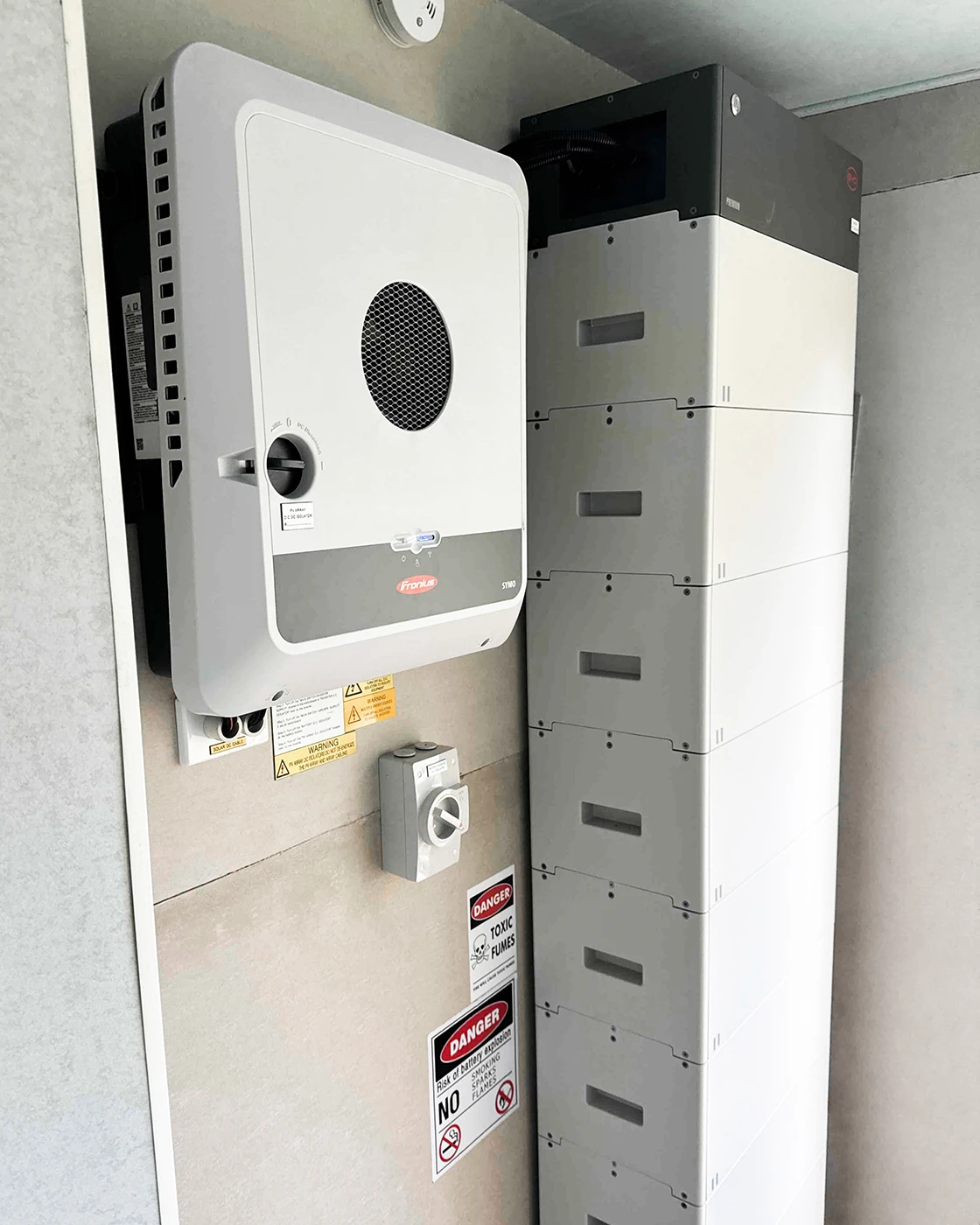
To participate in a VPP in NSW, you generally need:
A solar PV system generating electricity (most programs require this) A compatible battery energy storage system A smart meter capable of interval data recording A grid connection (off-grid systems cannot participate) A retailer agreement with the VPP operator, or a switch to their plan
Since July 2026, all new on-grid battery installations must be VPP-capable to qualify for STCs. If you installed before this requirement came into effect, check with your installer or the VPP provider whether your battery is compatible.
A home battery without VPP membership operates entirely for your own benefit. It charges from solar during the day and discharges to cover your household consumption in the evening. The financial return comes entirely from avoided peak-rate grid electricity and any feed-in tariff on solar exports.
A home battery with VPP membership does the same, with the addition that during grid events, the operator can draw on your battery to support the wider network. You are compensated for that contribution.
In practice, for most households the VPP participation has a minimal impact on day-to-day battery behaviour. The frequency of dispatch events varies by program and by grid conditions in your area. In NSW, which has a well-interconnected grid, dispatch events tend to be less frequent than in more isolated grids like South Australia.
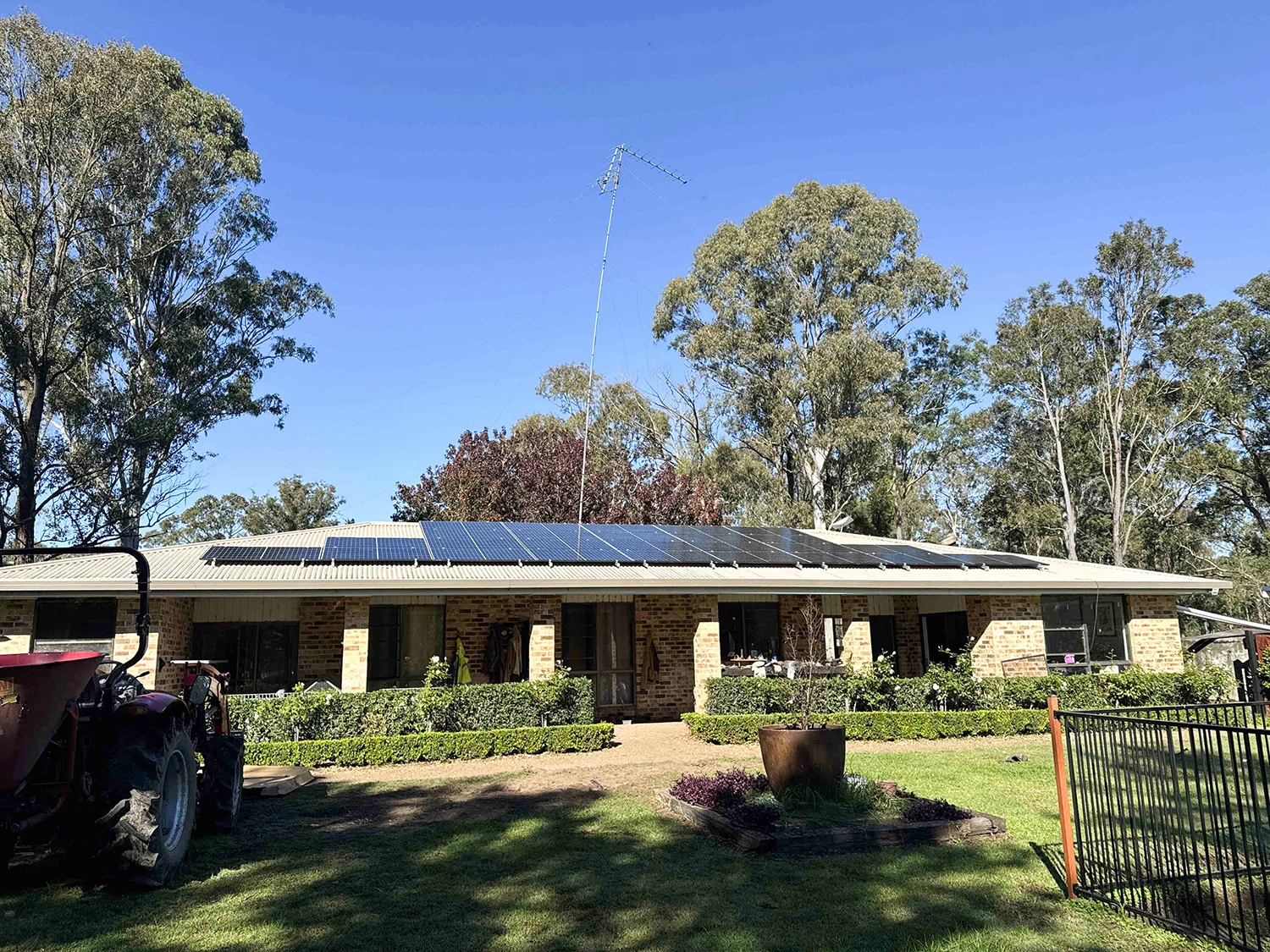
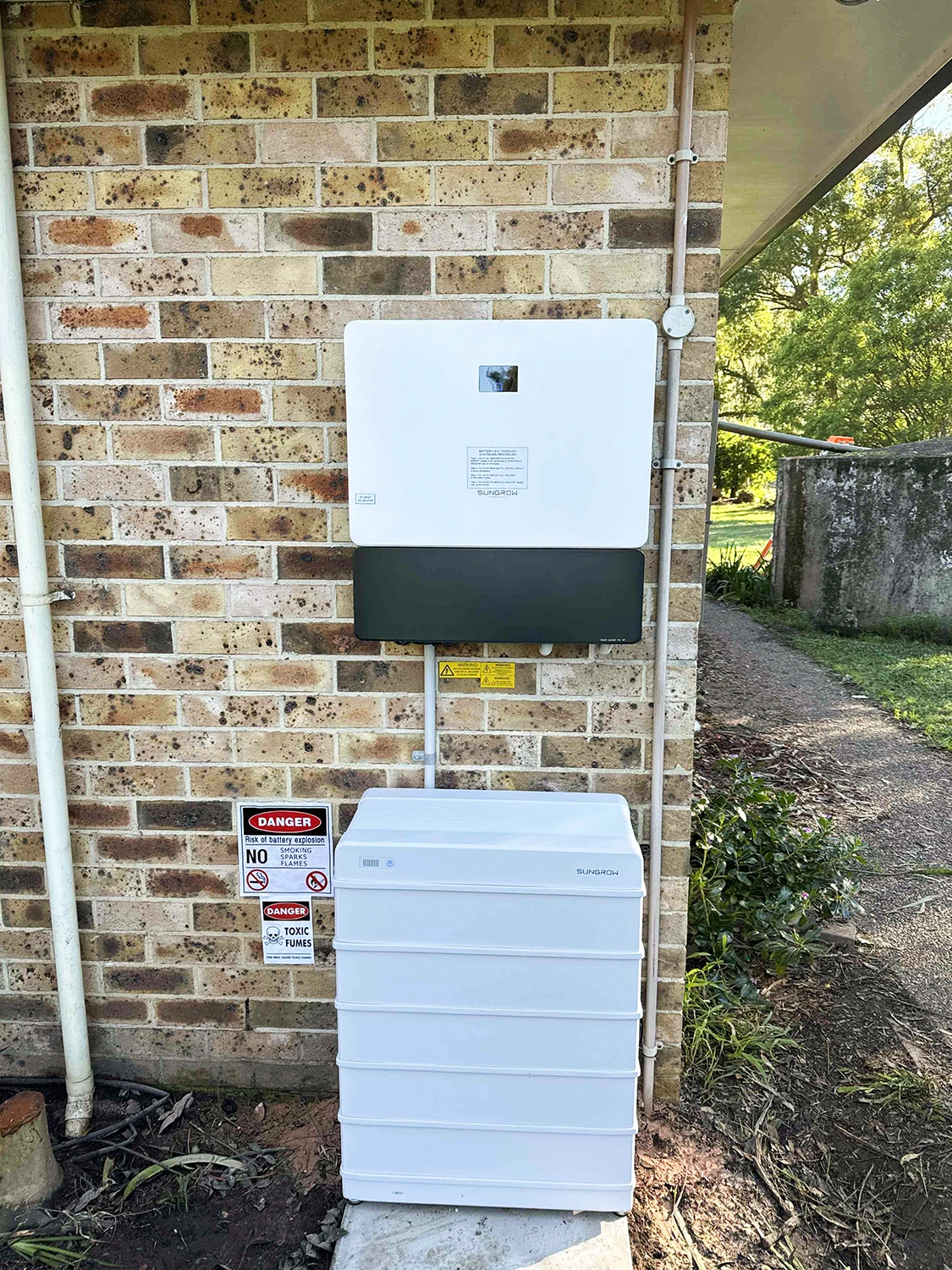
Beyond the commercial VPP programs offered by retailers, the NSW Government has run VPP incentive programs that provide additional rebates or payments for battery owners who commit to VPP participation. These programs change frequently and availability depends on funding rounds being open.
Check the NSW Climate and Energy Action website for current NSW VPP incentive availability. Programs have previously offered additional bill credits or upfront rebates on top of what the retailer's VPP provides.
The Federal Battery Rebate (Cheaper Home Batteries Program) is separate from VPP programs but compatible with them. Eligible NSW homeowners can receive approximately $330-$370 per kWh of battery capacity installed as an upfront discount, regardless of whether they join a VPP. Many households use the federal rebate to reduce the upfront cost and then join a VPP to accelerate the payback period further.
Whilst joining a Virtual Power Plant has its upsides, there are some caveats, depending on what VPP network you choose.
Ensure you conduct your research into the requirements and terms and conditions that the VPP network offers as elements like FiTs and control parameters.
Because you're joining a network, the algorithm will reduce your control over battery levels. This could be an issue if you wanted to prepare for a possible grid outage.
Depending on what VPP you join, they will reserve a certain amount of energy for your consumption. This amount may vary based on specified requirements.
With more participants joining a Virtual Power Plant network, each individual has to contribute less in order to sustain grid stability.
As Australia transitions to a renewable future, Virtual Power Plants are already enabling Australians in investing in solar and battery systems, with services like Amber offering direct rewards to customers.
By collectively powering the grid during imbalances, it benefits not only the participants, but also households and businesses without solar and battery as you're contributing to a reduced load.
Depending on elements like your system setup, energy goals, budget, and application requirements, joining a Virtual Power Plant can be a great choice. We highly recommend carefully reading terms and conditions to understand what you're signing.
Here are some frequently asked questions for Virtual Power Plant (VPP) networks in Australia.
Explore the recently changed VPP NSW rebate, & how the Peak Demand Reduction Scheme (PDRS) calculates rewards for joining a Virtual Power Plant.
Read moreAlready have a Powerwall 2? You can now add a Powerwall 3 alongside it. Supported configurations, limitations and how the rebates stack in 2026.
Read moreWhy does your solar generate less in winter? Explore real output figures, summer vs. winter differences, and the best month to use solar in Australia.
Read moreAll NSW homeowners need to know about the solar installation process - from first quote to first bill. 9 steps, real timeframes, & what to ask your installer.
Read moreAlready have solar? Decide whether to add a battery, expand your panels or replace your system, and which delivers the best return in 2026.
Read moreSupply charges, feed-in tariffs, controlled load, peak rates - we explain every line on your NSW electricity bill and show you where you can save more.
Read moreCompare retailer Solar Sharer plans, check eligibility & opt in. Origin, Amber, AGL, EnergyAustralia & more. 3 hours free power daily from 11am–2pm.
Read moreIs solar & battery worth investing in for Australian homes? Explore 2026 costs, payback periods, disadvantages, and how the Solar Sharer offer affects it.
Read moreLearn about the May 1st Federal battery rebate changes in Australia and what they mean for home battery costs, solar savings, and discounts.
Read moreCompare Tesla Powerwall 3, Sungrow SBR & SBH, GoodWe ESA, Fronius Reserva, and BYD Battery-Box to find the best home battery for Australia.
Read moreExplore how Australia’s Q4 2025 solar and battery data highlights a major milestone: majority renewable contribution to daytime electricity demand.
Read moreHow rooftop solar helped NSW avoid blackouts during the 2026 heatwave, reducing grid stress & supporting record electricity demand across Newcastle.
Read moreExplore Elite Power Group's solar and battery installation statistics for 2025, and how we performed over this year of operation in Newcastle and Maitland.
Read moreEnergy capacity (kWh) is how much a battery stores. Power output (kW) is how fast it delivers. Covers nominal vs useable, SoC, DoD and cycles.
Read moreConsidering a cheap solar system? Learn how low-quality, unreliable inverters and panels can lead to costly repairs, full replacements, and safety issues.
Read moreBattery supply chains are tight across Australia, with shipping delays leaving many installers out of stock and customers waiting longer. What's happening?
Read moreLearn how to avoid solar scams in NSW. Spot red flags & dodgy installer tactics and find reputable companies with great warranty & quality installations.
Read moreOver 56,000 solar batteries were sold in Q2, 2025, thanks to the Australian battery subsidy. Explore solar & battery uptake, growth trends, and what's next.
Read moreDiscover how to choose the right solar battery size for your home. Compare 10kWh, 15kWh, and 20kWh options to maximise savings, and solar in NSW.
Read moreVirtual Power Plants explained for Australian homeowners. What a VPP is, how it works, NSW program comparison and whether joining one is worth it.
Read moreExplore what solar hotspots are, how they can affect your panel performance & efficiency, & how bypass diodes can affect your cells & strings in Australia.
Read moreLearn if your roof is suitable for solar panels and how roof materials like terracotta or tin, orientation, tilt, & shading can affect energy production and install.
Read morePower vs Energy in Australia: Difference Between Watts and Watt-Hours, kW vs kWh, with Diagrams, Calculations, and Home Appliance Examples.
Read moreCompare the difference between Sungrow's SBH and SBR battery storage vs. BYD Battery-Box and find what battery is better for homes or businesses in NSW.
Read moreThe NSW Government have announced that the NSW Battery Rebate (PDRS) will be suspended on June 30th, 2025, and will no longer be available.
Read moreExplore Australia's Federal Government solar battery rebate subsidy like eligibility, approved batteries, requirements, and more about the upcoming incentive.
Read moreCompare home insurance policies and find out if solar and battery is covered and how installations affect costs, value, and included coverage in Australia.
Read moreExplore the differences between AC and DC coupled solar battery storage and how it affects your solar system and inverters' configuration in Australia.
Read moreThe differences between Tesla Powerwall 3 vs. Sungrow battery storage (SBH) capacity, warranty, and features, and which one is better in Australia.
Read moreComparing solar PV, solar hot water, & heat pump hot water systems for Australian homes. Which saves more, which costs less, and which is right for you.
Read moreA very strong storm passed through the Hunter, leaving over 100,000 homes without power. Here's how you can protect your home's energy with independence.
Read moreCompleting a commercial solar and electric vehicle charger installation, our Thornton neighbours can take full advantage of renewable electricity and charging.
Read moreElite Power Group installed a 2MW commercial solar installation for National Ceramic Industries Australia, totaling 4000 solar panels in Rutherford.
Read moreExplore various ways where homes and businesses can reduce electricity bills and maximise solar generation in Newcastle and the Hunter, NSW for 2026.
Read moreExplore whether rooftop or ground mounted solar systems are better for homes, farms, and remote properties needing solar PV power in Australia.
Read moreFor cabins, homes, and sheds with limited or no access to grid energy, getting an off grid solar and battery storage system may be worth it in NSW in 2025.
Read moreCompare Tesla Powerwall 2 vs Powerwall 3 in Australia. See differences in capacity, power output, dimensions, specifications, pricing & solar compatibility.
Read moreExplore solar battery fire risks, hazards, and statistics, and if solar batteries are safe to install for homes in NSW, Australia. (Spoiler alert.. they are!)
Read moreExplore how Australia's energy is evolving with t like Microgrids, DER's, Virtual Power Plants, & Demand Response, for solar and battery systems.
Read moreLearn alternating and direct current, and the differences between AC vs. DC with real-life examples and diagrams of power flow and voltage in Australia.
Read moreEverything NSW businesses need to know about commercial battery storage - costs, benefits, peak shaving, backup power, and how to choose a system.
Read moreIn the new 2024 CEC report, they found that renewable contribution in the overall supply of energy in Australia, produced 40% of Australia’s total electrical supply.
Read moreSo you've invested in solar to reduce your electricity bills, but since then your bills are still high? Explore why your energy bills are still high even after solar.
Read moreExplore the differences between single phase vs. three phase power, and how 1 phase and 3 phase electricity works with real-life examples in Australia.
Read moreIf your solar panels are dirty, explore easy ways to DIY clean your solar panels, or when to get your system cleaned by a professional solar cleaner in Australia.
Read moreBatteries store energy as chemical potential energy, released as electrical current once connected to a circuit. Learn how batteries store & release energy.
Read moreNow is the best time to invest in solar panels.. here are 4 reasons why Australians should invest in solar energy before it's time runs out for 2024.
Read moreDiscover how agrivoltaics can benefit farms by combining agriculture and solar energy to increase sustainability and agricultural production in NSW.
Read moreThe energy required to heat hot water is quite high and for most Australian households. Here are some strategies on how to save on your hot water heating bill.
Read moreRenewable News Articles
Sign up for new article updates - we don't spam.
We've invested in becoming fully-licensed and qualified installers to ensure Newcastle homes and businesses
get the best solar, battery, and electrical systems available. We want to assist Newcastle's renewable energy revolution with quality
installations for maximum customer satisfaction.
Certified solar system installers near you.
Get CEC-Approved Battery Installations.
Fully-licensed electricians in Newcastle.
Convenient EV charging stations for properties.
Leave a Comment